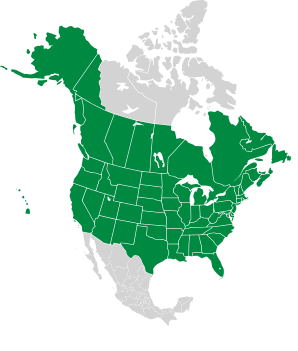
Sonchus asper (L.) Hill ssp. glaucescens (Jord.) J. Ball
Sonchus nymanii Tineo & Guss.
Sonchus asper (L.) Hill
Spiny-leaved sow-thistle, spiny sowthistle, prickly sowthistle, spiny-leaved sow thistle, rough sow-thistle, rough milk thistle
Although native to Europe, North Africa, and western Asia, spiny-leaved sow-thistle is a common weed in North America. In many habitats it is considered a nuisance, and in some it is an invasive.
Plants: 12–39″ (30–100 cm) in height. Stems produce a milky sap when cut. See this comparison of three similar species.
Leaves: 2–12″ (6–30 cm) long, alternate, and grayish green or waxy or shiny. Lower leaves are obovate or spatulate. Upper leaves become more oval or lanceolate in shape. Leaf edges are wavy and spiny, and unlobed or slightly lobed. Leaves clasp the stem, with rounded earlike shapes called auricles. Spines are stiffer and larger than those of similar species.
Flowers: Flat-topped clusters of yellow or orange flowers, each ½–1″ (1.3–2.5 cm) in diameter, appear at stem tips. Flower stalks have dark reddish brown sticky glandular hairs. Flowers appear from May to October.
Fruits: Brown and ribbed, about ⅛″ (4 mm) in size, smooth between ribs. They are surrounded by a white puffball. The flowers and the puffballs are reminiscent of small dandelions.
Habitats: Cultivated soil, pastures, roadsides, yard boundaries, vacant lots, construction sites, waste areas, and in grasslands.
Edibility: Handling plants can cause contact dermatitis for some people: burning or redness, or rashes similar to those from poison ivy. However, younger plants harvested before spines have formed are edible, with lettuce- or Swiss chard-like flavor. Older plants, though non-poisonous, become more bitter and must have the spines cut off. Recipes here. (Thanks to Arpi Szabo for pointing out that sow-thistle is in fact edible. Arpi is a Hungarian student of plant protection mastery writing from SAPIENTIA Hungarian University of Transylvania, in Tîrgu-Mureș, Romania.)
 |
Similar species. |
Online References:
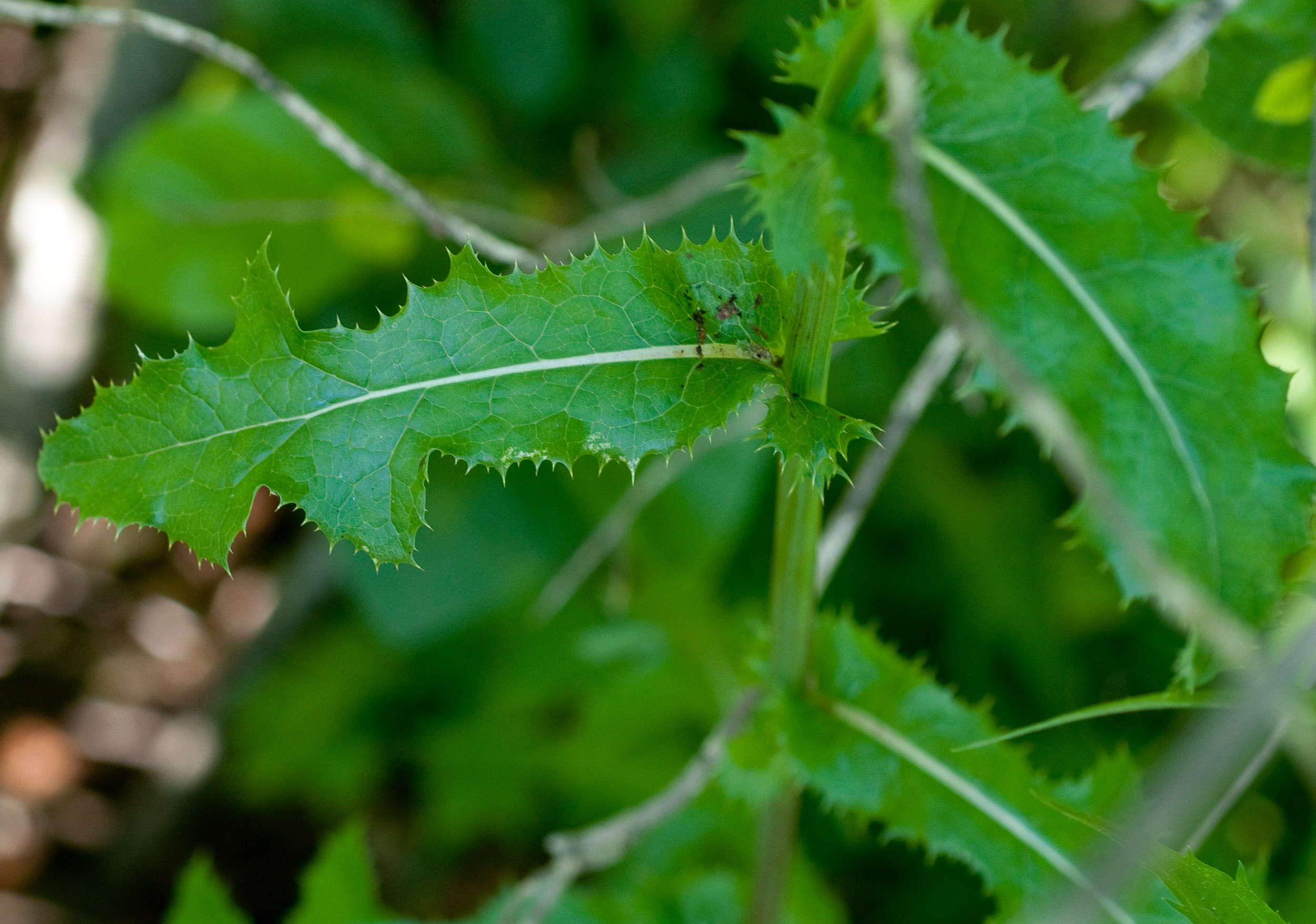
6/30/2010 · Nashua River Rail Trail, Groton Center, Groton, Massachusetts · ≈ 10 × 7″ (24 × 17 cm)  ID is uncertain
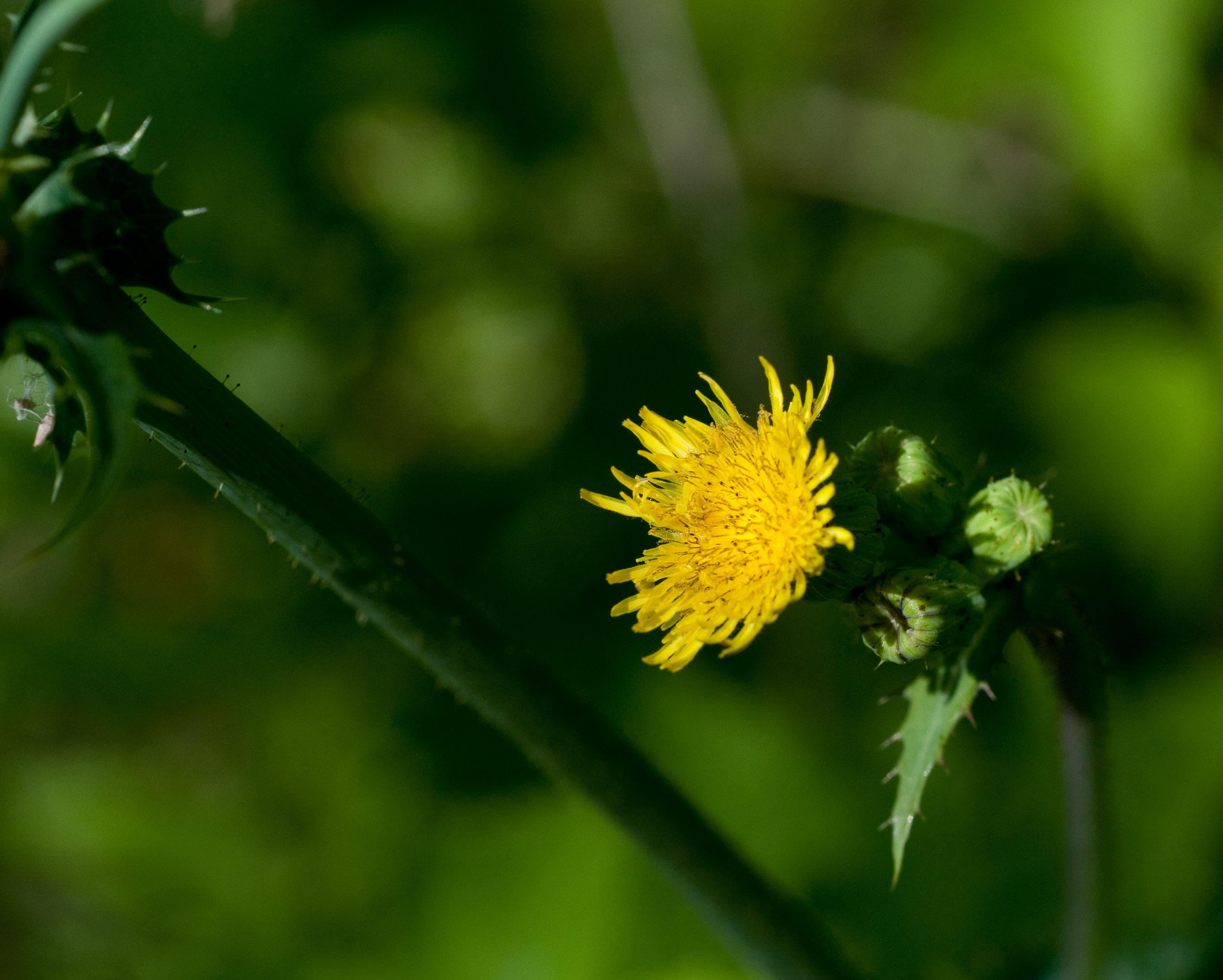
6/30/2010 · Nashua River Rail Trail, Groton Center, Groton, Massachusetts · ≈ 4½ × 3½″ (11 × 9.2 cm) ID is uncertain 

10/6/2011 · Shieling Forest, Peterborough, New Hampshire · ≈ 4 × 4″ (10 × 10 cm) ID is uncertain 
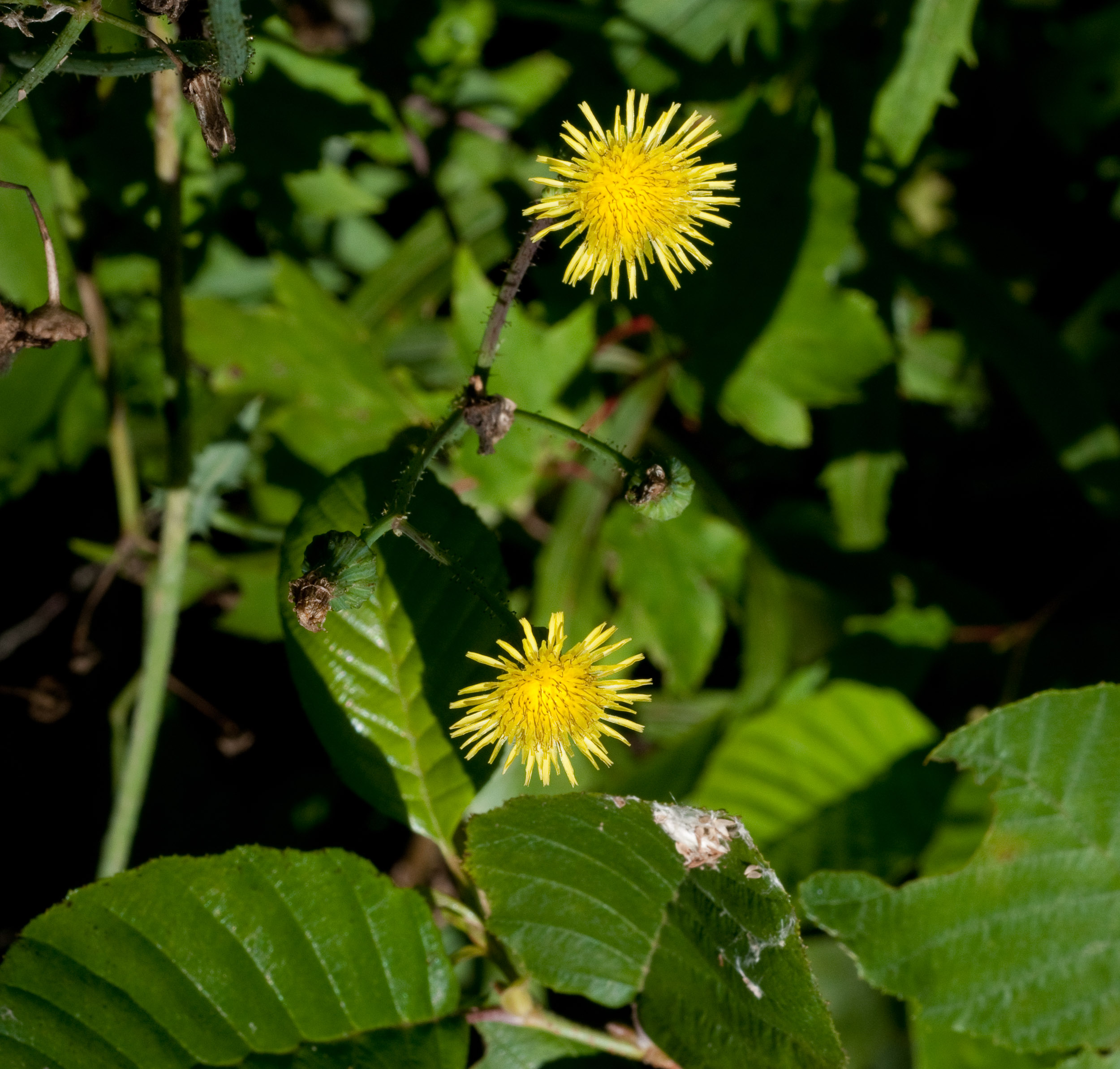
7/27/2010 · Nashua River Rail Trail, Groton Center, Groton, Massachusetts · ≈ 6 × 6″ (14 × 14 cm) 
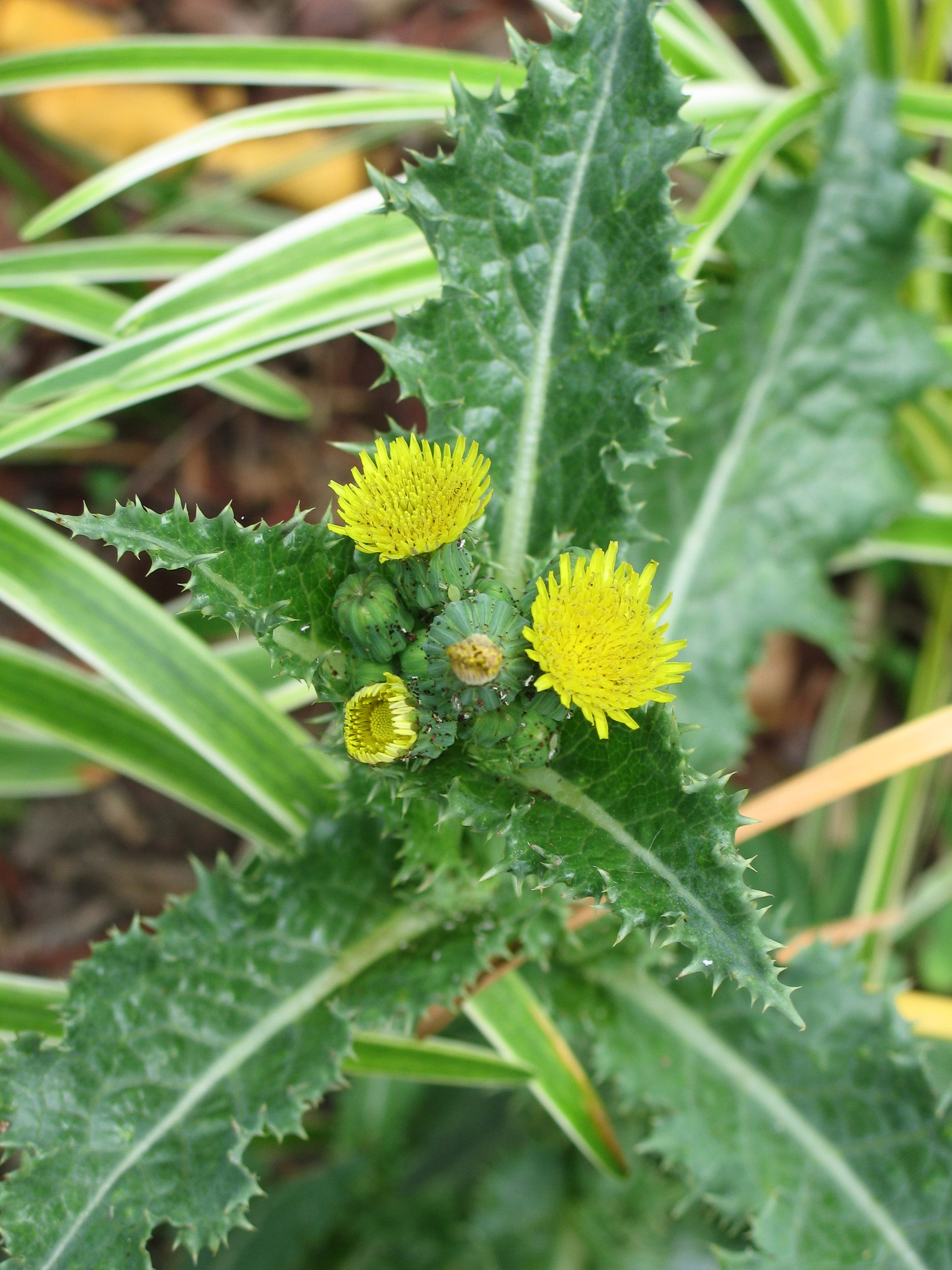
5/22/2005 · Memphis, Tennessee · By Tim Chandler ID is uncertain 
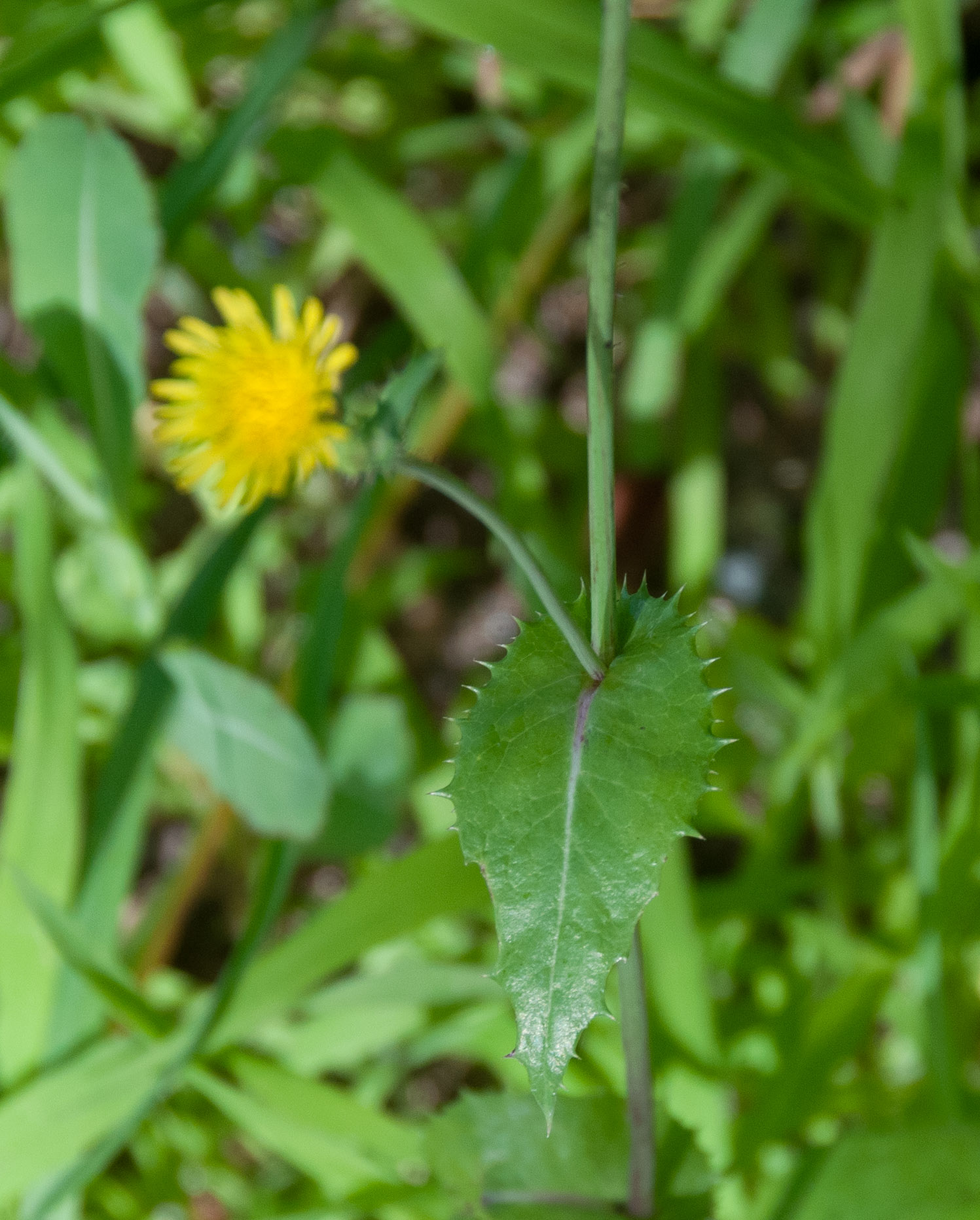
7/17/2009 · Mt. Lebanon St, Trail, Pepperell, Massachusetts · ≈ 3 × 3½″ (7.7 × 9.6 cm) ID is uncertain 
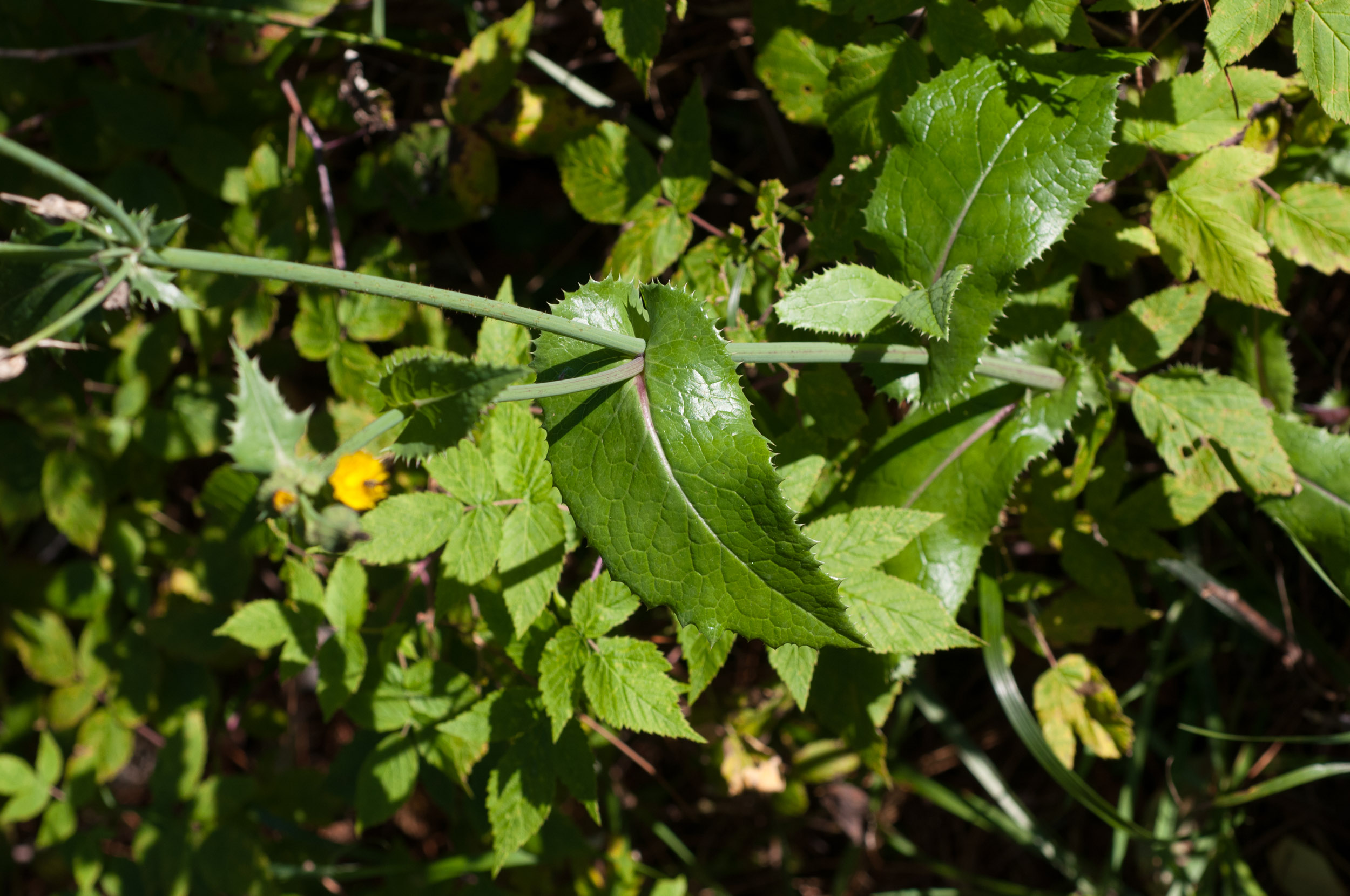
10/6/2011 · Shieling Forest, Peterborough, New Hampshire · ≈ 15 × 10″ (39 × 26 cm) ID is uncertain 
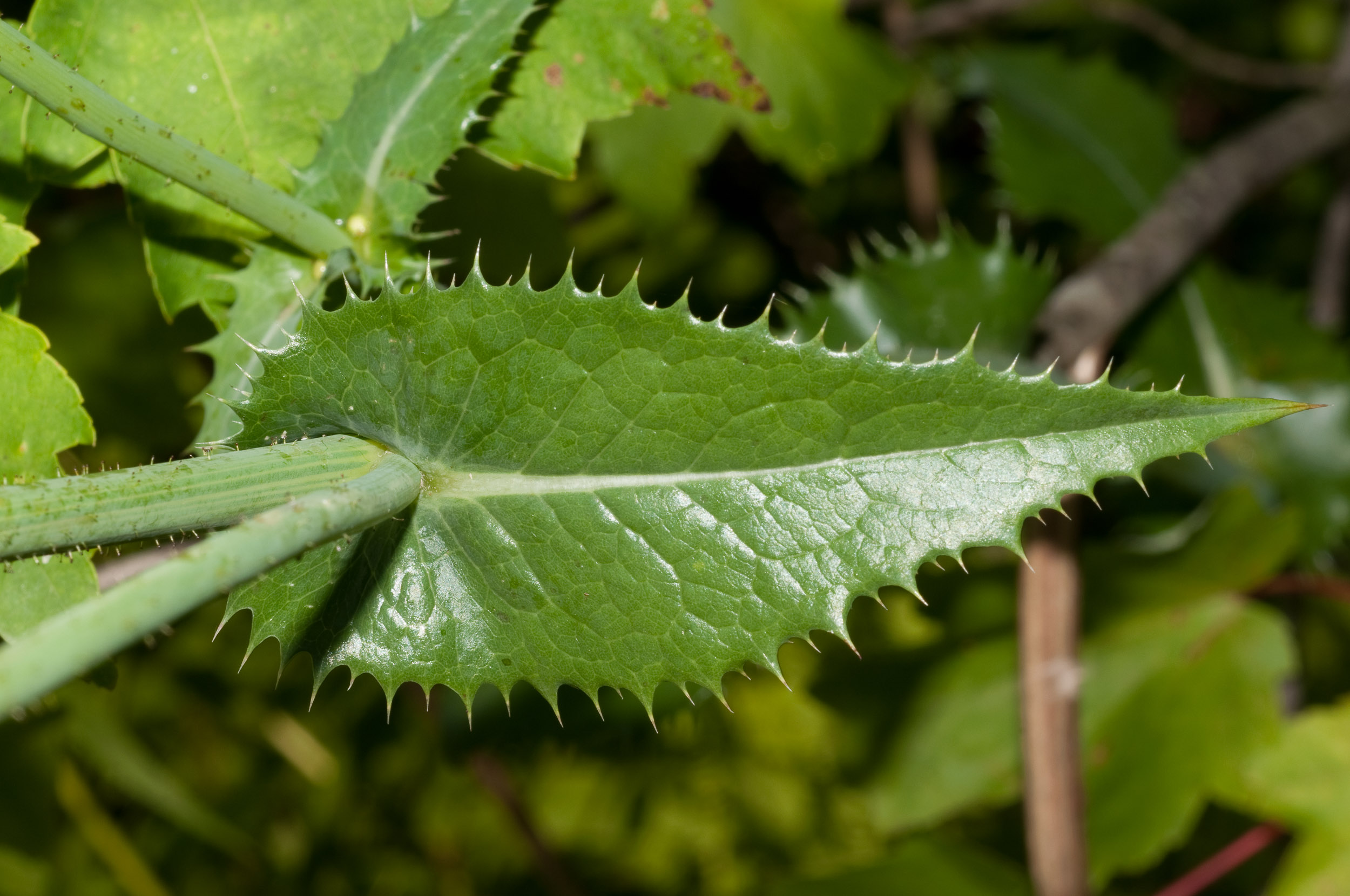
7/11/2010 · Nashua River Rail Trail, Groton Center, Groton, Massachusetts · ≈ 6 × 4″ (15 × 10 cm) 

6/30/2010 · Nashua River Rail Trail, Groton Center, Groton, Massachusetts · ≈ 7 × 4½″ (17 × 11 cm) ID is uncertain 

7/18/2020 · Woodward Point Preserve, Brunswick, Maine · ≈ 4½ × 7″ (12 × 18 cm) 
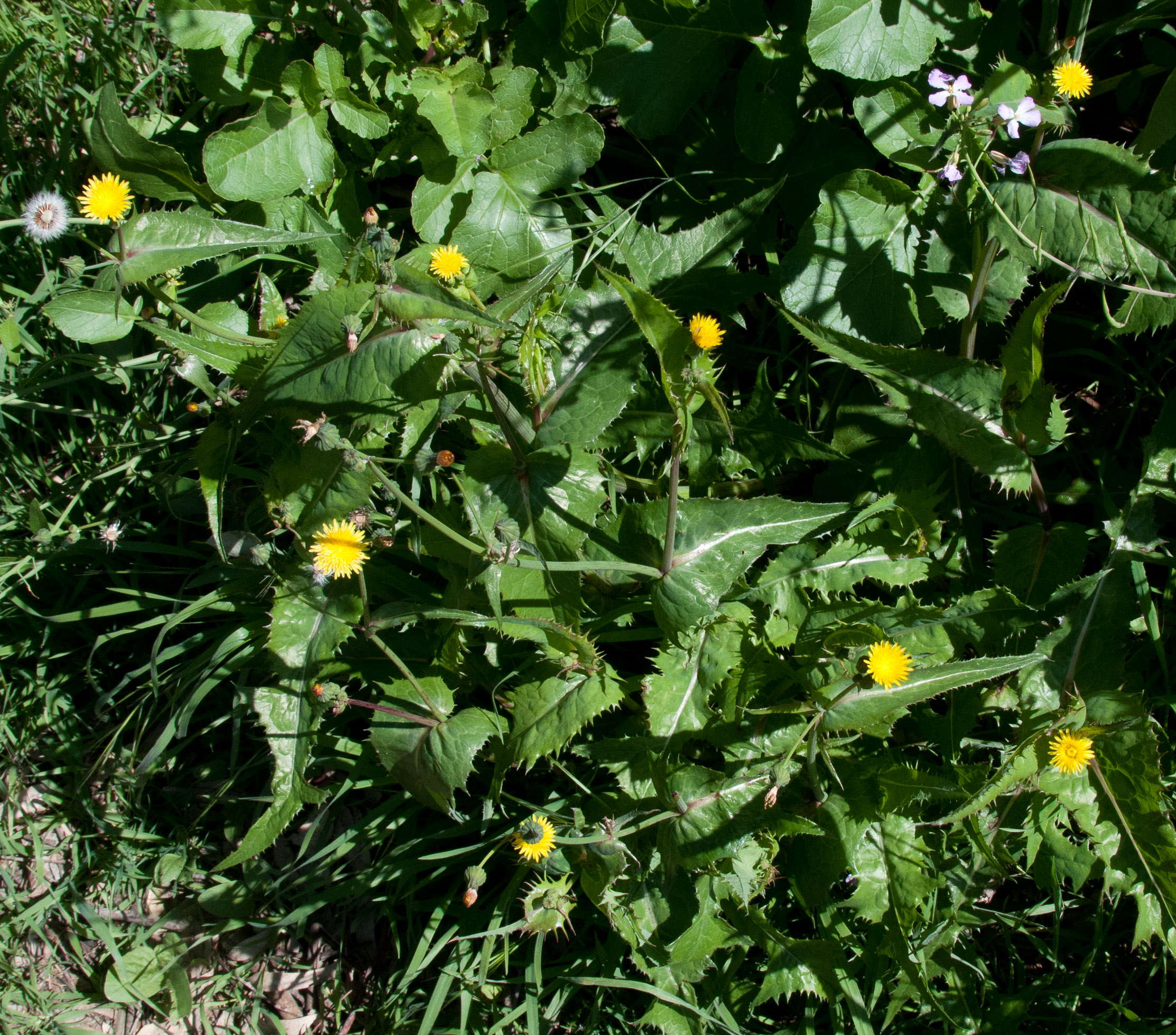
2/24/2010 · Batiquitos Lagoon, Carlsbad, California · ≈ 2 × 2′ (68 × 60 cm) 

7/18/2020 · Woodward Point Preserve, Brunswick, Maine · ≈ 6 × 5″ (16 × 13 cm) 
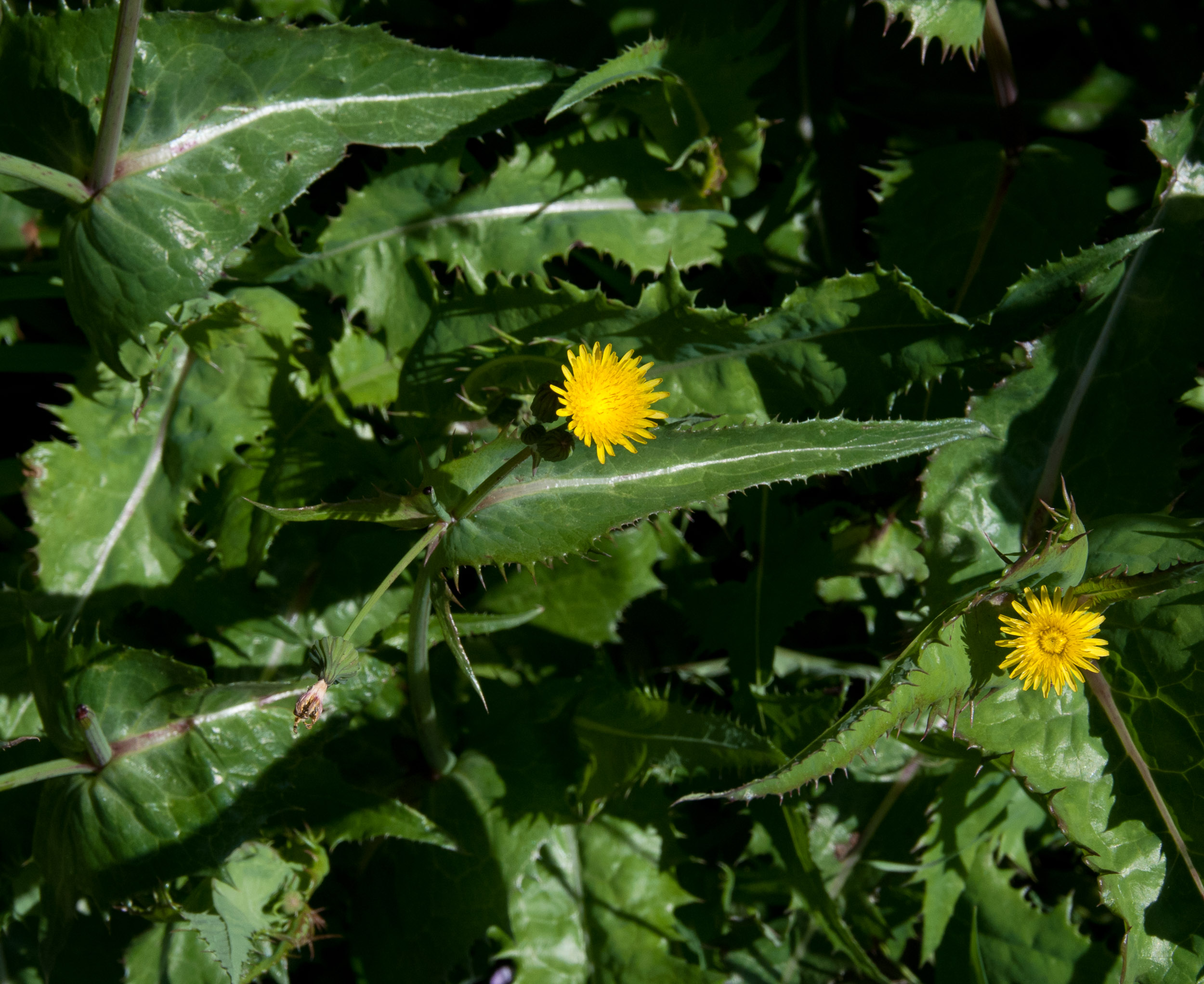
2/24/2010 · Batiquitos Lagoon, Carlsbad, California · ≈ 9 × 7″ (22 × 18 cm) 
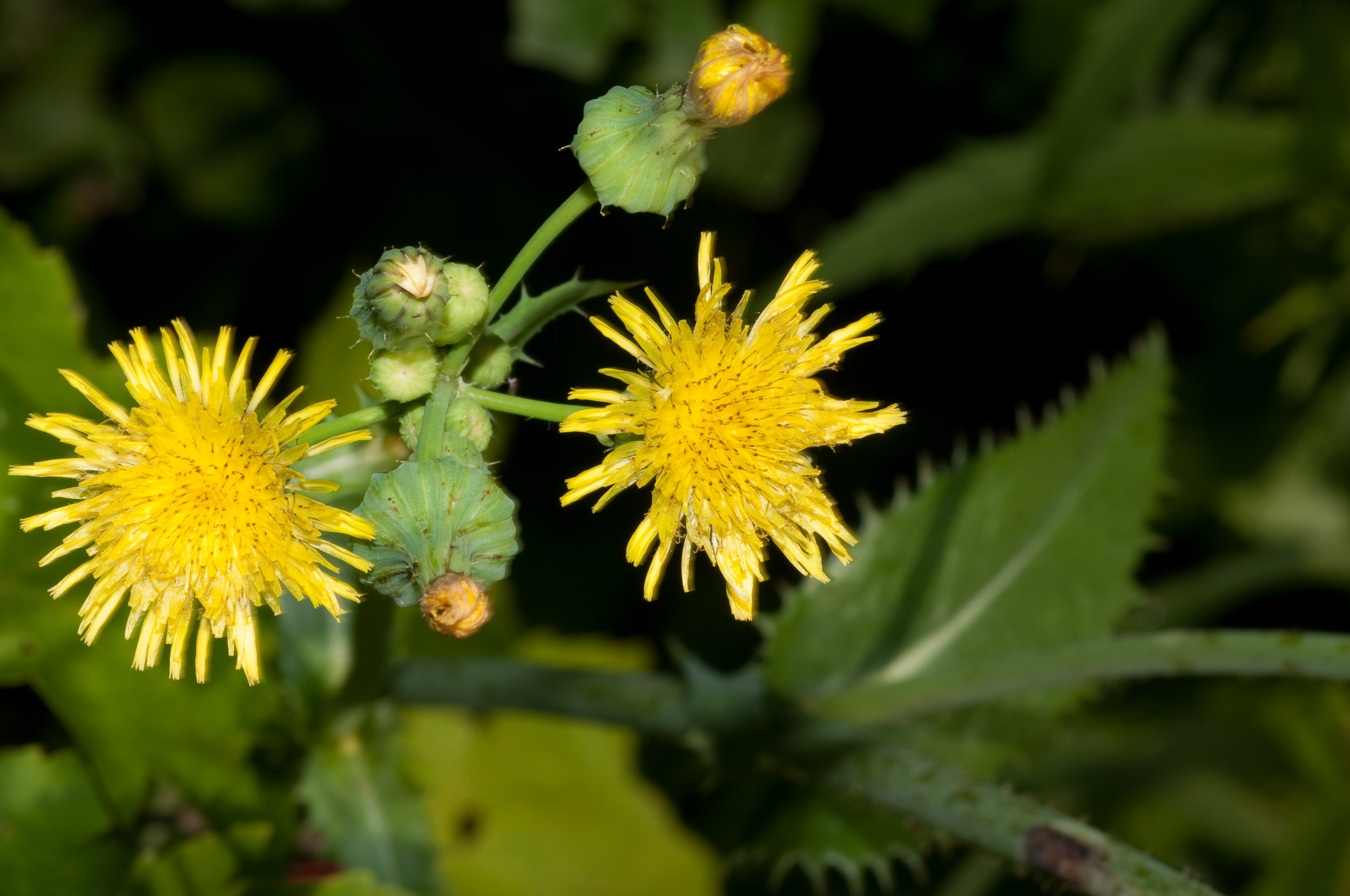
7/11/2010 · Nashua River Rail Trail, Groton Center, Groton, Massachusetts · ≈ 5 × 3½″ (13 × 9.2 cm) 
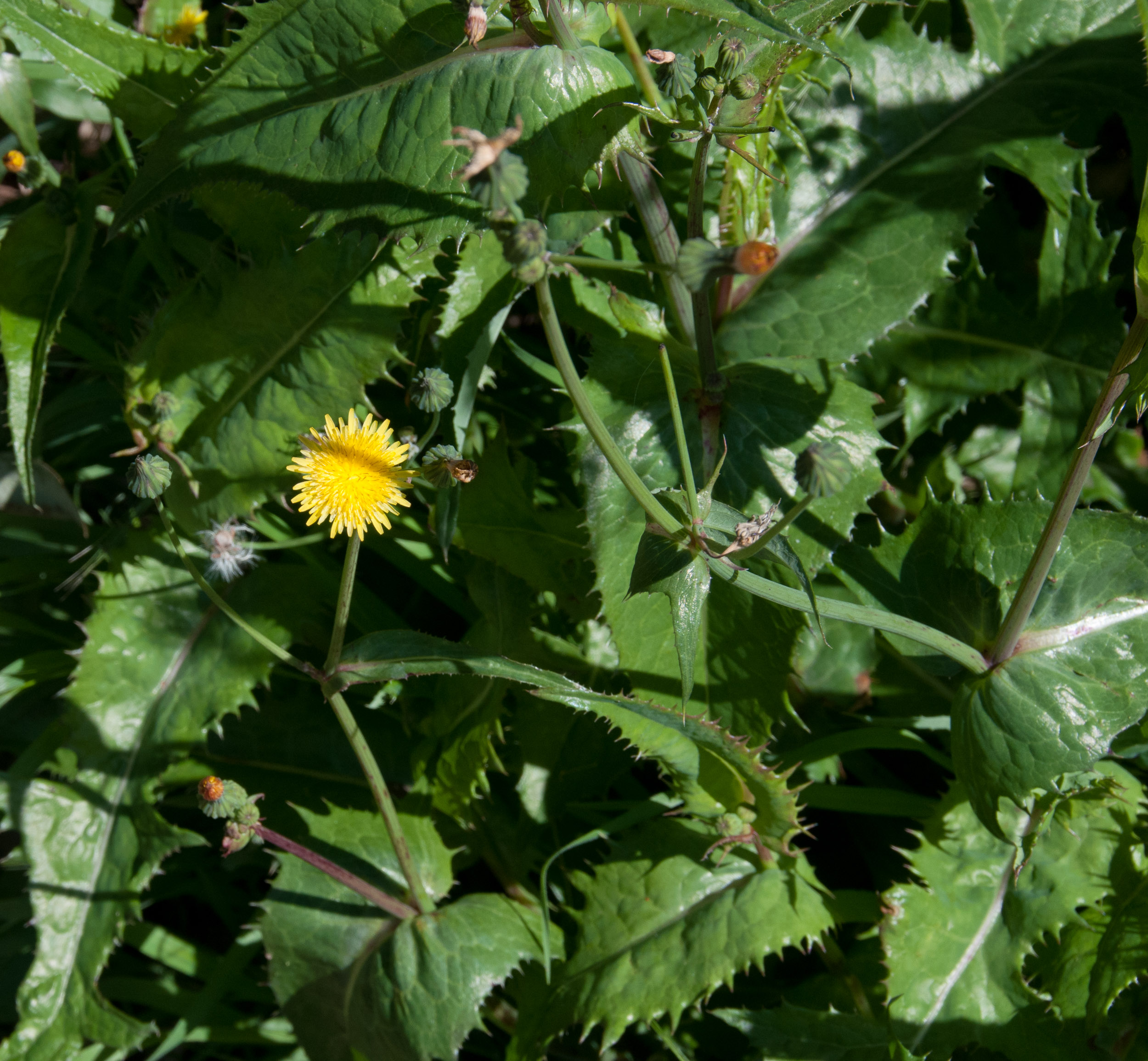
2/24/2010 · Batiquitos Lagoon, Carlsbad, California · ≈ 9 × 9″ (23 × 22 cm) 
| Kingdom | Plantae | Plants, but not fungi, lichens, or algae (from Stearn's Botanical Latin) |
| Subkingdom | Tracheobionta | Vascular plants—plants with a “circulatory system” for delivering water and nutrients |
| Division | Magnoliophyta | Flowering plants, also known as angiosperms |
| Class | Magnoliopsida | Dicotyledons—plants with two initial seed leaves |
| Subclass | Asteridae | A large class that encompasses asters |
| Order | Asterales | Flowering plants with a central disk flower and surrounding petals, like daisies |
| Family | Asteraceae | The aster family, which also includes daisies and sunflowers; from the Greek ἀστήρ, “star,” for the star-shaped flowers |
| Genus | Sonchus | Greek for “sowthistle” |
| Species | asper | “Rough” |
Sonchus asper description by Thomas H. Kent, not updated.

© FloraFinder.org. All rights reserved.