Sparganium americanum Nutt.
Bur reed, American bur-reed
Bur-reeds, a type of sedge, are a native American plant.
Plants: Bur-reeds are always found growing in shallow water that is present all year. These sedges are up to 1–3½′ (30–106 cm) tall, with crooked stems and grasslike leaves. As with all sedges, stems are triangular in cross-section—this is easy to feel with your fingers.
Leaves: Long, narrow, and strap-like, similar to those of cattails.
Flowers: Bur-like spherical spiky green to white flowers, several to a stem, make these unmistakable. Each flower is ball-shaped, ¾–1″ (1.9–2.5 cm) around, and green to white in color.
Fruits: Female flower heads form densely packed, spiky seed heads that expand up to about 1 inch (2 to 2.5 cm) diameter, maturing from green to tan or greenish-brown.
Habitats: Peaty to sandy soils along lakeshores, slow moving streams and as floating vegetation in boggy lakes.
Edibility: Cooked roots and stem bases are edible.
Online References:

7/29/2010 · Nashua River Rail Trail, Nashoba Hospital, Ayer, Massachusetts · ≈ 9 × 14″ (23 × 35 cm) 
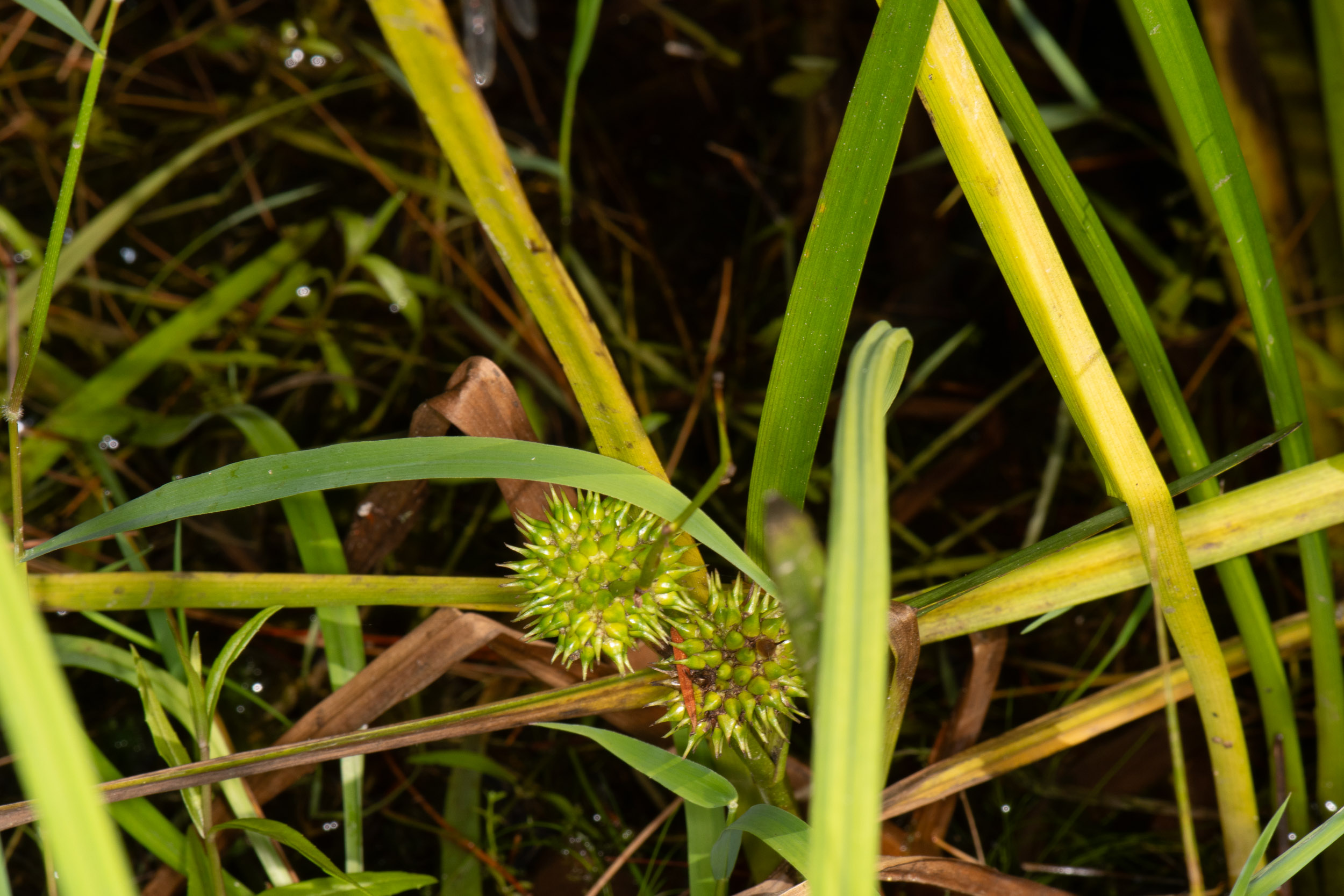
9/11/2021 · Otter Brrok Preserve, Harpswell Heritage Land Trust, Harpswell, Maine · ≈ 8 × 5″ (20 × 13 cm) 
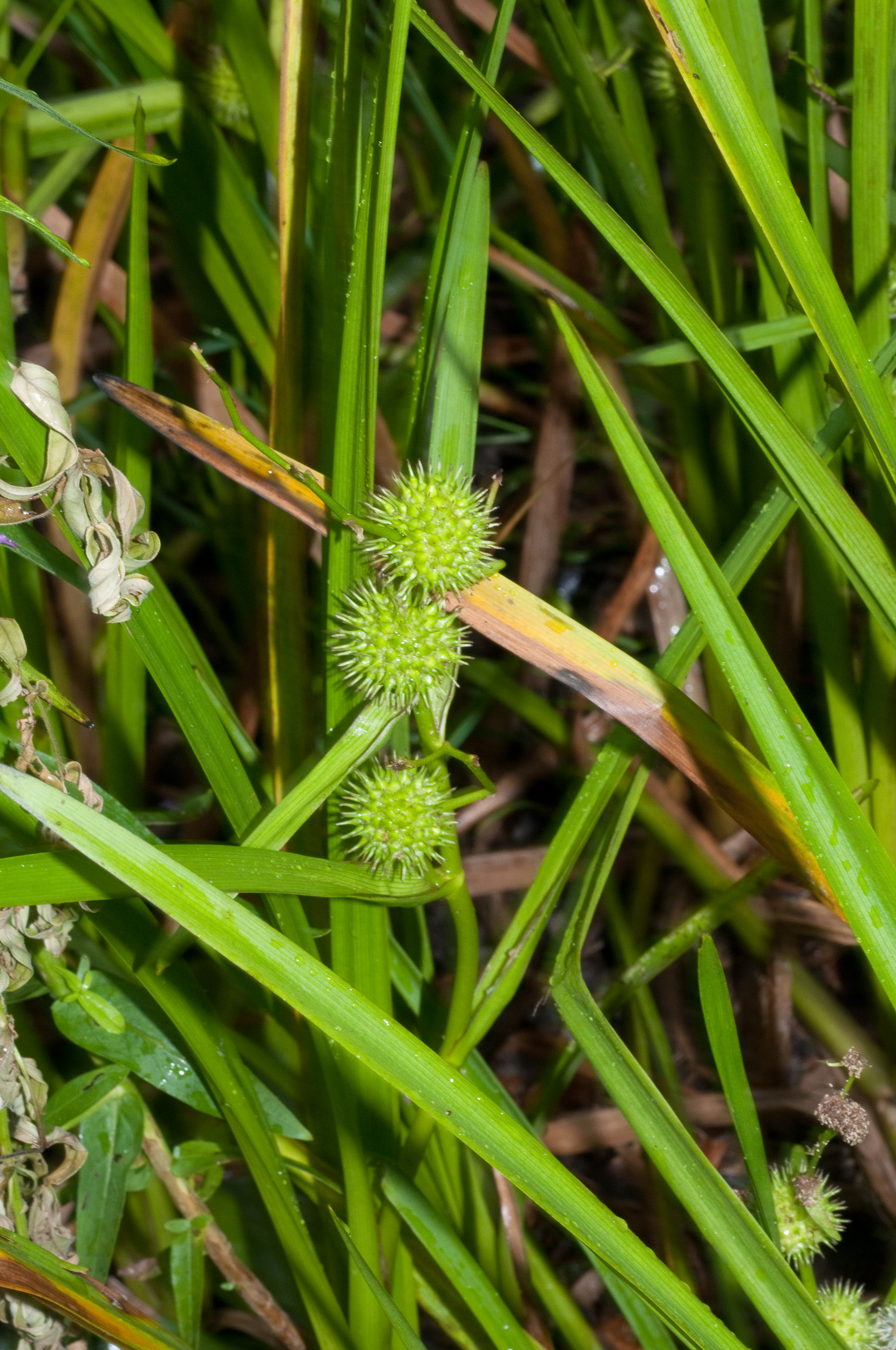
7/29/2010 · Nashua River Rail Trail, Nashoba Hospital, Ayer, Massachusetts · ≈ 7 × 11″ (18 × 27 cm) 

9/1/2010 · Beaver Brook Conservation Area, Rte. 130, Hollis, New Hampshire · ≈ 12 × 8″ (31 × 20 cm)  ID is uncertain

8/27/2010 · Beaver Brook Conservation Area, Rte. 130, Hollis, New Hampshire · ≈ 1 × 2′ (41 × 62 cm) ID is uncertain 

7/29/2010 · Nashua River Rail Trail, Nashoba Hospital, Ayer, Massachusetts · ≈ 8 × 12″ (20 × 31 cm) 
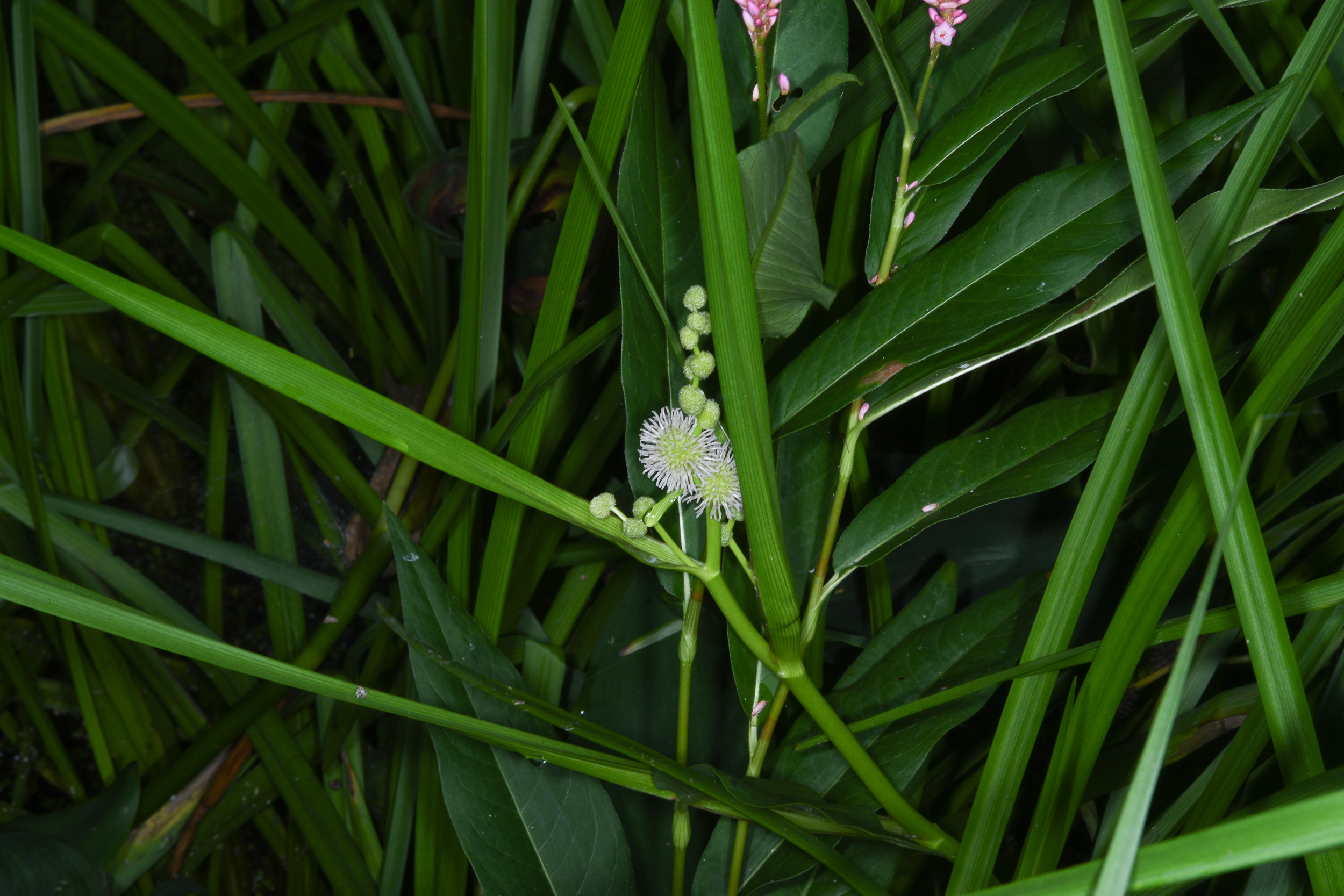
8/16/2016 · John Tinker Trail, Nashua River, Groton, Massachusetts 

9/1/2010 · Beaver Brook Conservation Area, Rte. 130, Hollis, New Hampshire · ≈ 14 × 9″ (35 × 23 cm) ID is uncertain 
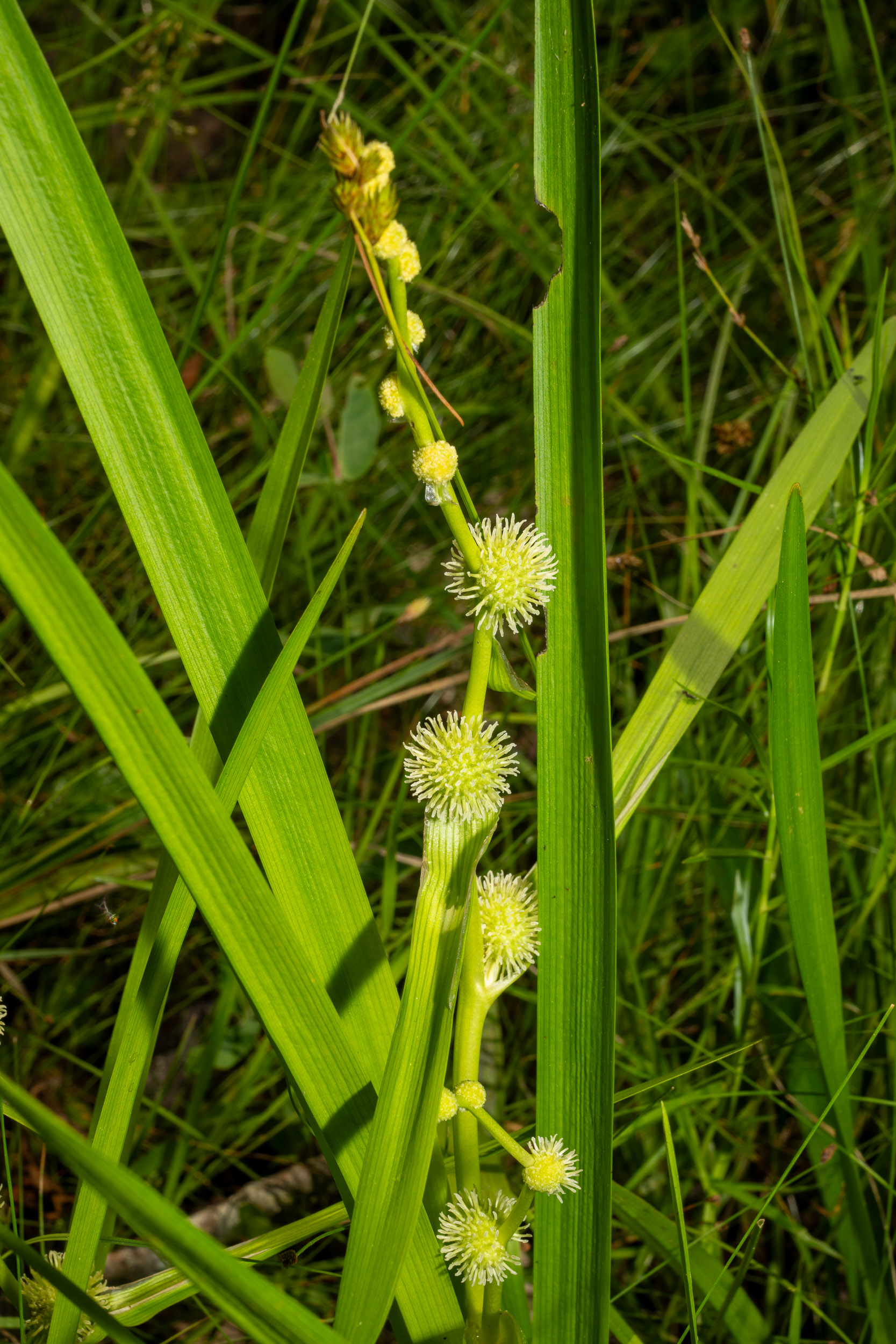
7/5/2025 · Cathance River Nature Preserve, Topsham, Maine · ≈ 6 × 9″ (15 × 22 cm) 

7/5/2025 · Cathance River Nature Preserve, Topsham, Maine · ≈ 4 × 6″ (10 × 16 cm) 

8/16/2016 · John Tinker Trail, Nashua River, Groton, Massachusetts 

7/29/2010 · Nashua River Rail Trail, Nashoba Hospital, Ayer, Massachusetts · ≈ 9 × 14″ (23 × 35 cm) 

8/16/2016 · John Tinker Trail, Nashua River, Groton, Massachusetts 
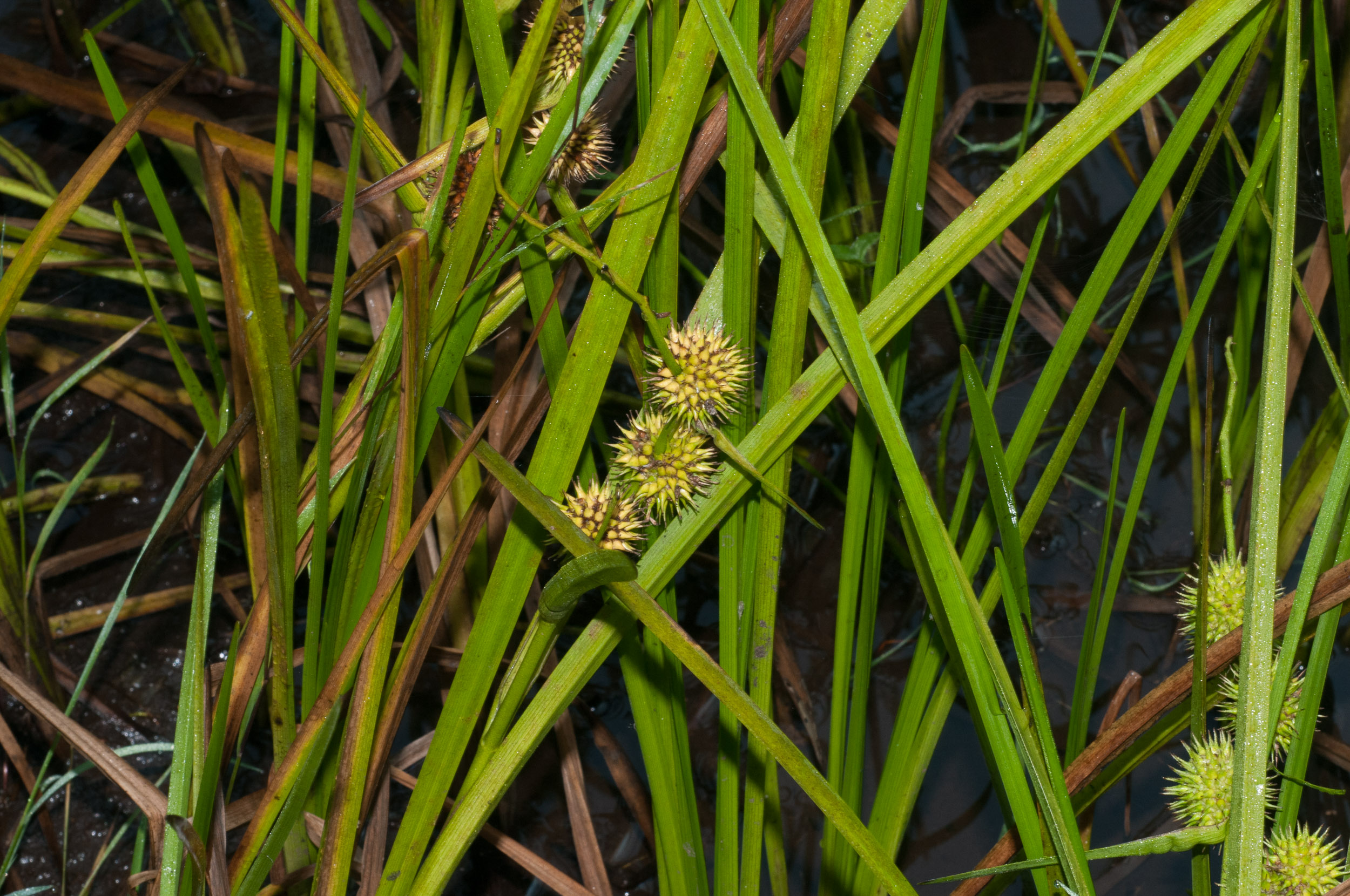
9/1/2010 · Beaver Brook Conservation Area, Rte. 130, Hollis, New Hampshire · ≈ 14 × 9″ (35 × 23 cm) ID is uncertain 

7/5/2025 · Cathance River Nature Preserve, Topsham, Maine · ≈ 4½ × 7″ (11 × 17 cm) 
| Kingdom | Plantae | Plants, but not fungi, lichens, or algae (from Stearn's Botanical Latin) |
| Subkingdom | Tracheobionta | Vascular plants—plants with a “circulatory system” for delivering water and nutrients |
| Division | Magnoliophyta | Flowering plants, also known as angiosperms |
| Class | Liliopsida | Monocots (plants with a single seed leaf); includes the lily family |
| Subclass | Commelinidae | Dayflowers and spiderworts, and several others |
| Order | Typhales | A group including reedlike wetland plants such as cattails |
| Family | Typhaceae | Plants, such as cattails, with a single flower spike that has both male and female flowers |
| Genus | Sparganium | From Greek and Latin sparganion, derived from sparganon, “diaper, ribbon, swadding band, for the ribbon-like leaves |
| Species | americanum | “From America” |

Sparganium americanum description by Thomas H. Kent, not updated.

© FloraFinder.org. All rights reserved.