Thermopsis villosa (Walter) Fernald & B.G. Schub.
Carolina lupine, Carolina bushpea, Aaron’s rod, bush pea, false lupine, thermopsis, Blue Ridge false lupine
Carolina lupines are native to the southeasttern United States. These plants are not true lupines, but the flower stalks look much like those of lupines. In fact, Thermopsis comes from the Greek thermos, meaning “lupine” or “hot”; and opsis, “like.” Villosa means “with hairs.”
Plants: 3–5′ tall ⨉ 2–3′ around (91–152 ⨉ 60–91 cm), and hairy.
Leaves: In groups of three, elliptic or top-shaped. (These are easily distinguished from true lupines, which have palmlike rosettes of leaflets.)
Flowers: Attractvie racemes of yellow flowers form on stalks 4–18″ (10–45 cm) long. The flowers resemble those of lupines.
Fruits: Seed pods have long, shaggy hairs.
Habitats: Forest openings and mountain clearings, predominantly in the southern Appalachian mountains.
Online References:
Thermopsis caroliniana M.A. Curtis
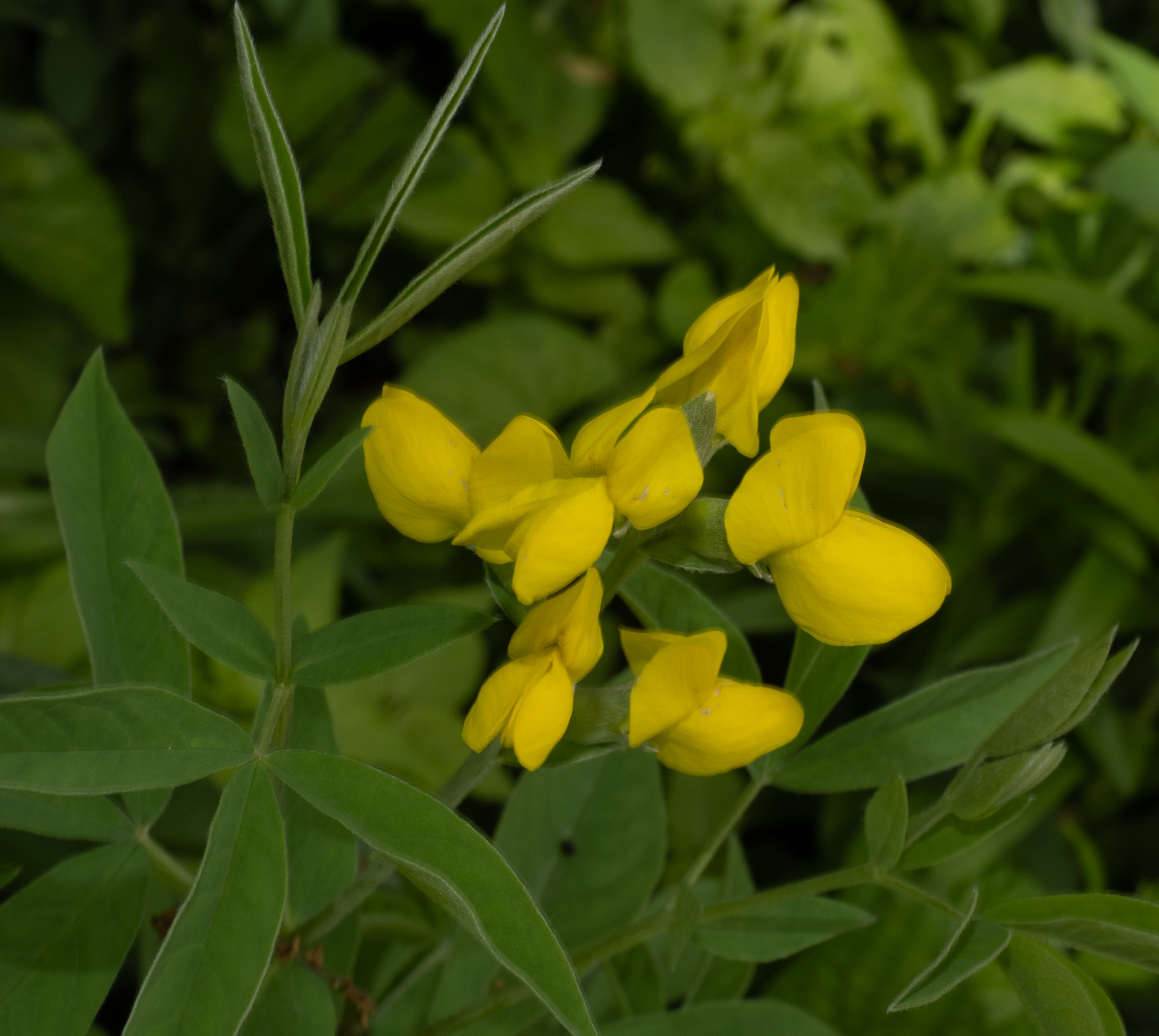
5/26/2024 · McLaughlin Garden and Homestead, South Paris, Maine 
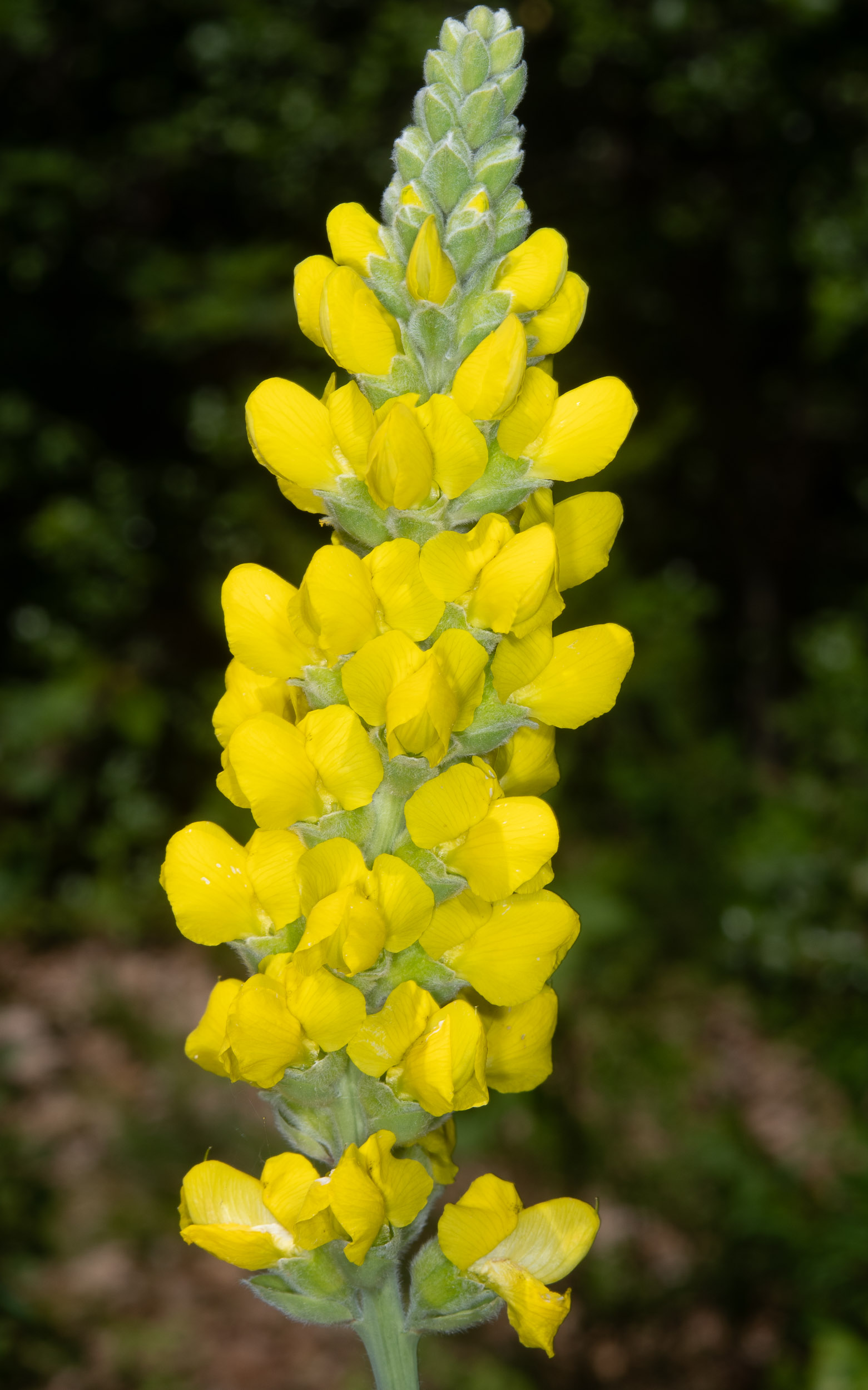
6/22/2017 · Garden in the Woods, Framingham, Massachusetts · ≈ 4 × 7″ (10 × 17 cm) 

5/26/2024 · McLaughlin Garden and Homestead, South Paris, Maine 
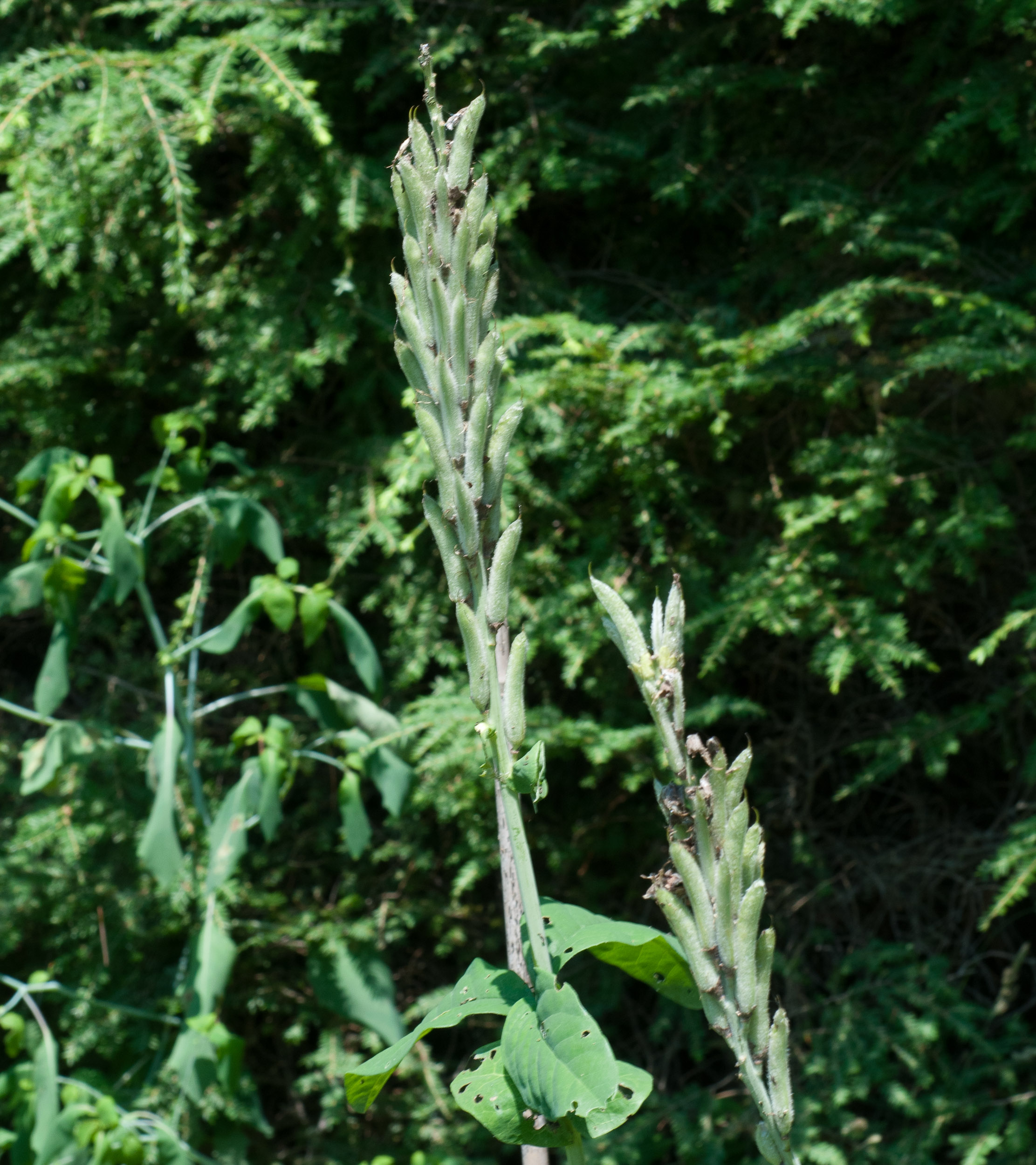
7/17/2010 · Stan and Connie’s, Falmouth, Maine · ≈ 1 × 1′ (34 × 39 cm)  ID is uncertain
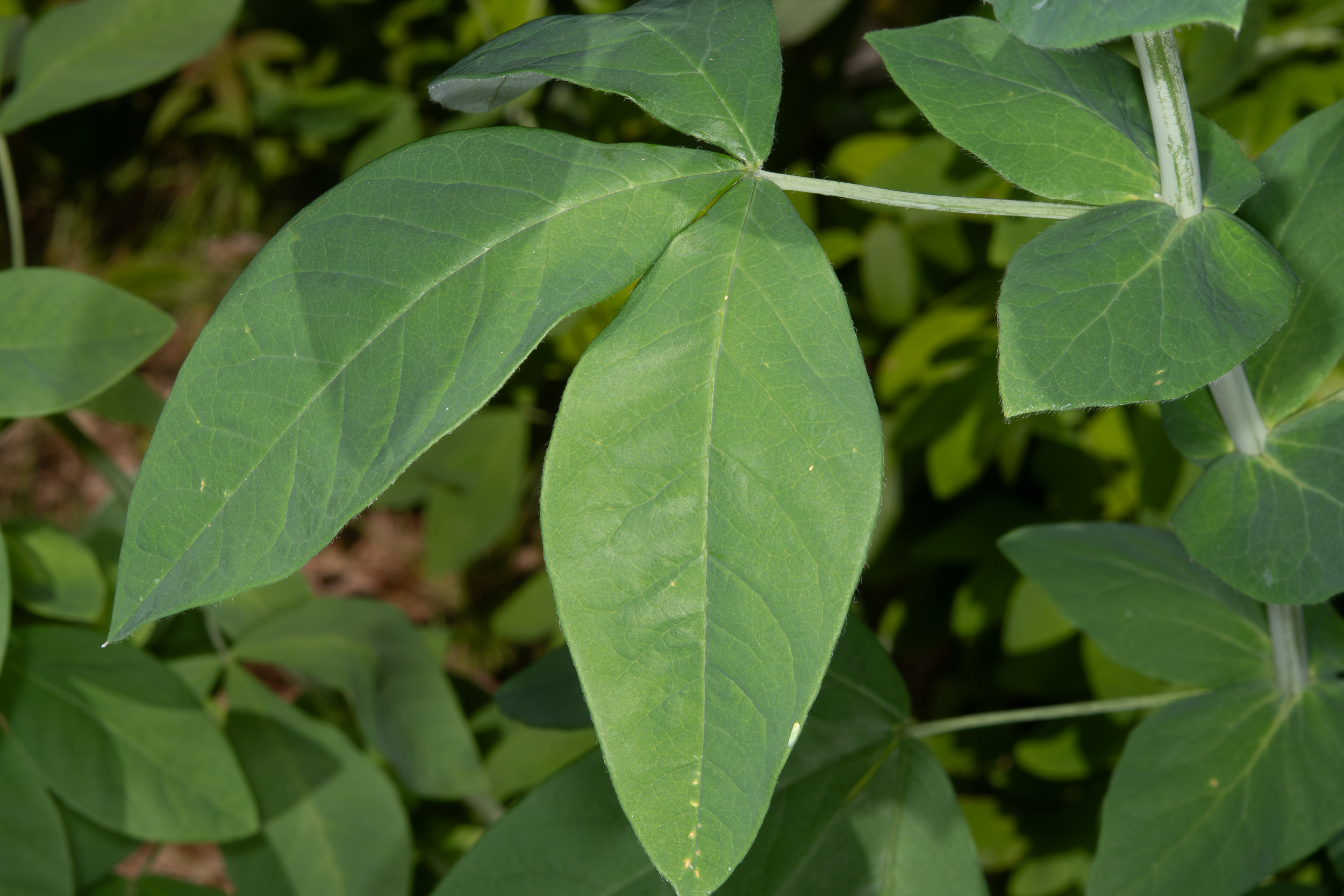
6/22/2017 · Garden in the Woods, Framingham, Massachusetts · ≈ 10 × 6″ (24 × 16 cm) 
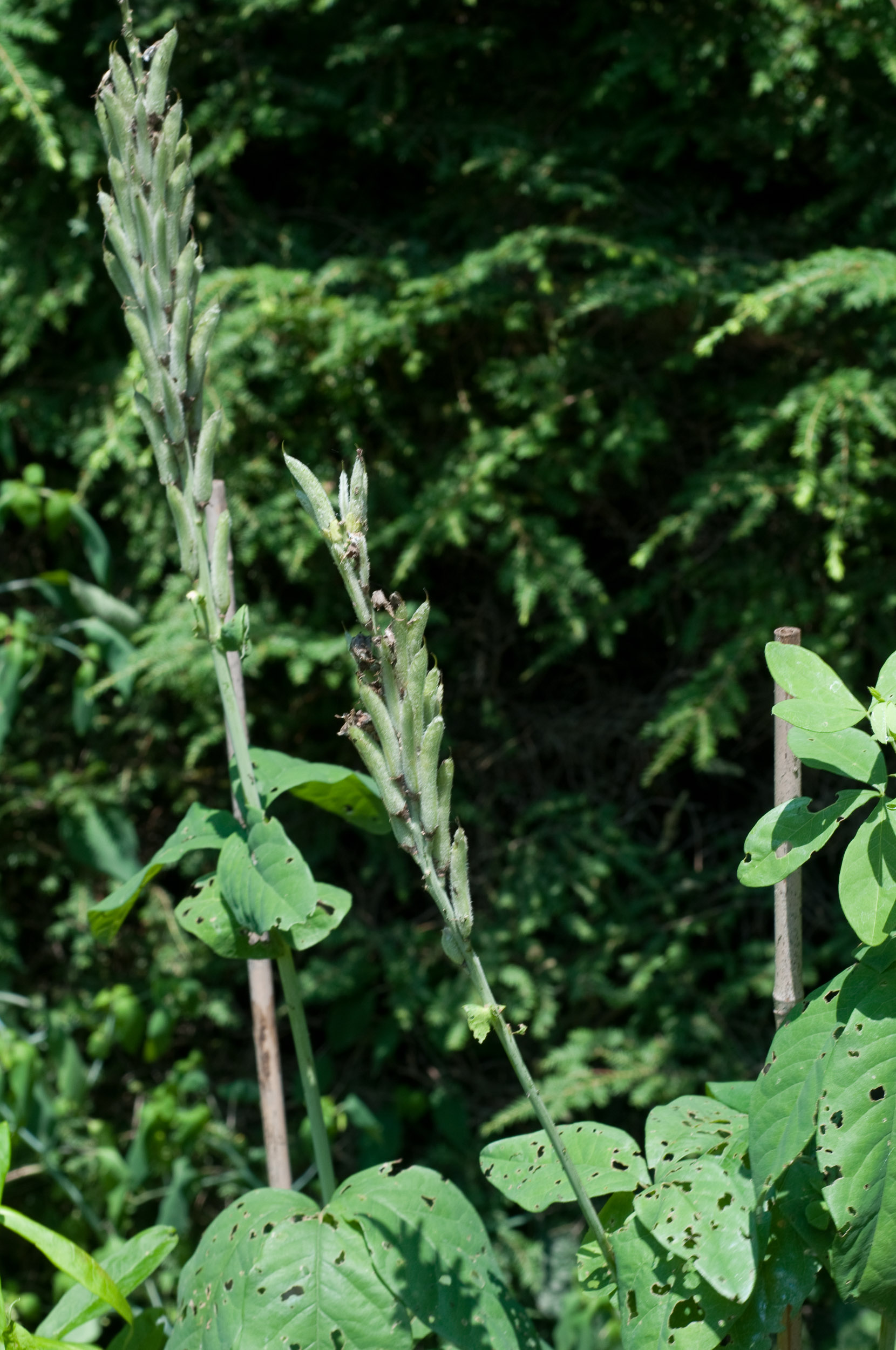
7/17/2010 · Stan and Connie’s, Falmouth, Maine · ≈ 12 × 17″ (29 × 44 cm) ID is uncertain 
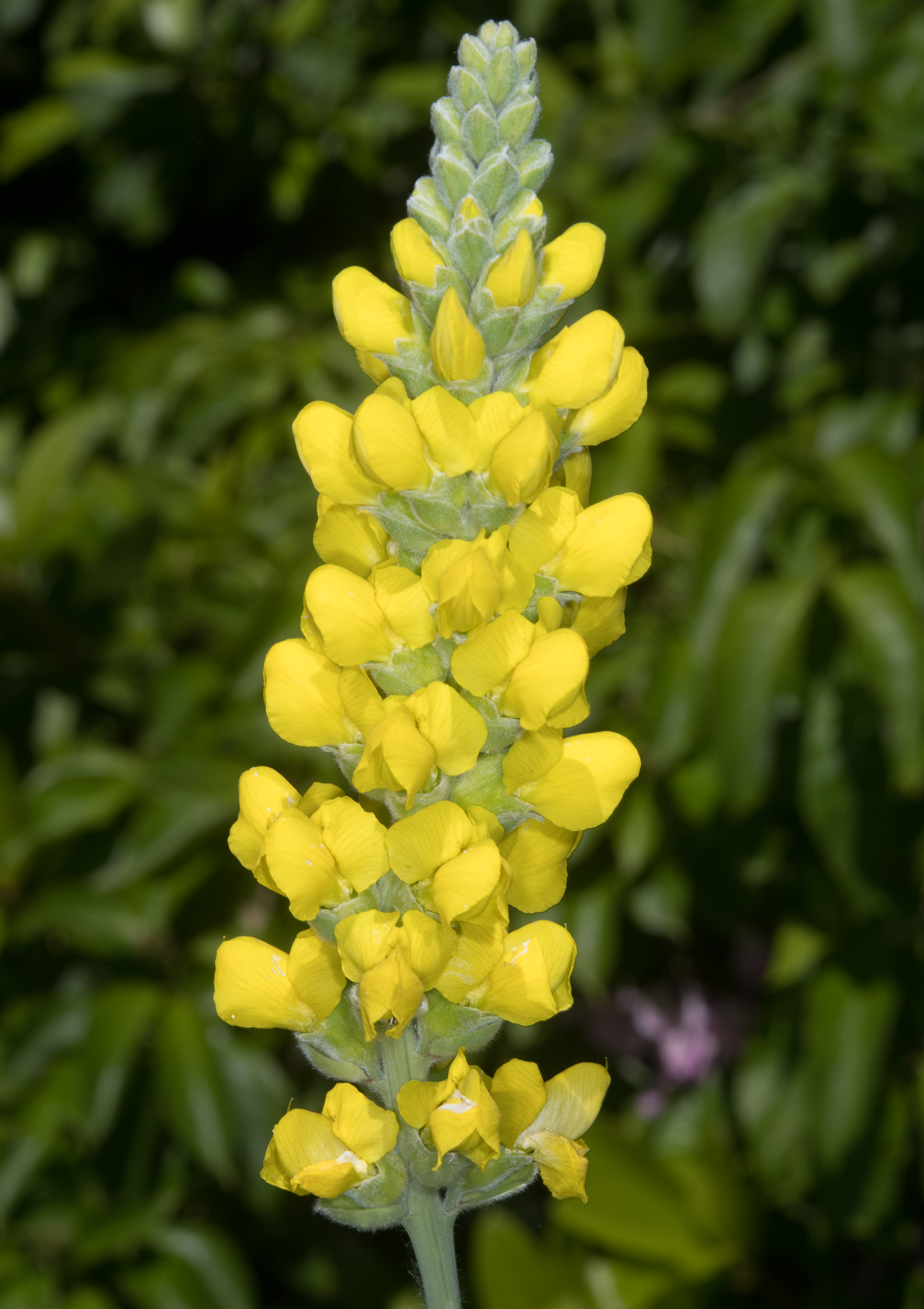
6/22/2017 · Garden in the Woods, Framingham, Massachusetts · ≈ 4½ × 7″ (12 × 17 cm) 
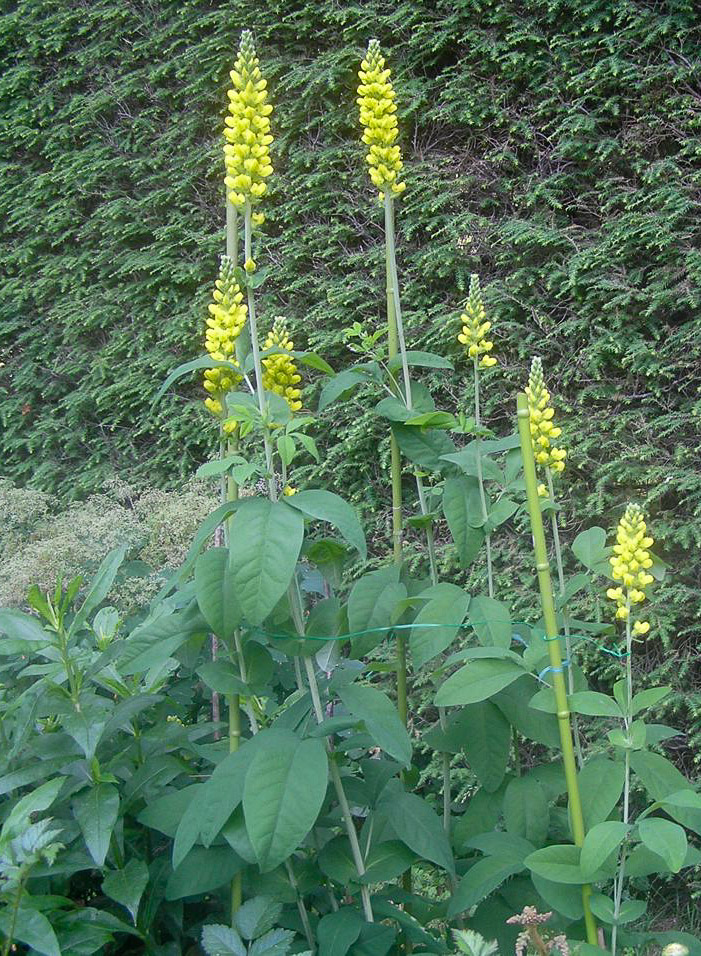
7/4/2007 · Stan and Connie’s, Falmouth, Maine · By Constance B. Kent 

5/26/2024 · McLaughlin Garden and Homestead, South Paris, Maine 
| Kingdom | Plantae | Plants, but not fungi, lichens, or algae (from Stearn's Botanical Latin) |
| Subkingdom | Tracheobionta | Vascular plants—plants with a “circulatory system” for delivering water and nutrients |
| Division | Magnoliophyta | Flowering plants, also known as angiosperms |
| Class | Magnoliopsida | Dicotyledons—plants with two initial seed leaves |
| Subclass | Rosidae | Roses, legumes, proteas, dogwoods, hydrangeas, mistletoes, euphorbias, grapes, many more |
| Order | Fabales | Legumes (pea and bean families) |
| Family | Fabaceae | Legume family (peas and beans) |
| Genus | Thermopsis | From the Greek thermos for lupine and opsis, “like,” bearing yellow lupine-like flower heads |
| Species | villosa | Hairy |
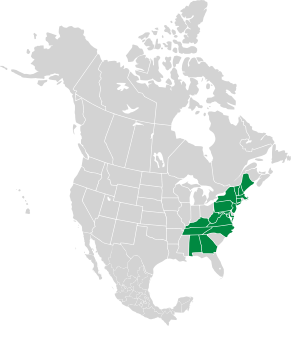
Thermopsis villosa description by Thomas H. Kent, not updated.

© FloraFinder.org. All rights reserved.