Toxicodendron radicans (L.) Kuntze
Poison ivy, Eastern poison ivy
If I had to figure out which plant was the space alien, I’d peg the poison ivy. Like Star Trek’s Borg, it seems to be saying Resistance is futile. It accounts for three quarters of the vegetation along some nearby streets. It shoots up tree trunks, with bright aerial roots that seem to be assimilating the trees. It withstands herbicides, drawing on its extensive root system to rally, sometimes returning the next season, gnarled but unrepentant.
Plants: A bush or a vine creeping along the ground, up trees and telephone poles, or clambering over other plants. .
Leaves: Young poison ivy has furled red shiny leaves. The leaves unfold, becoming dark green, remaining shiny. Leaves are in groups of three, hence the expression “Leaves of three, let it be.” Each leaf is 1–2″ (2.5–5 cm) in size, roughly egg-shaped, and with serrated edges. As the plant ages, the leaf color lightens and the characteristic shine lessens and disappears. Notice the spikes that are present on most leaves. In the fall, leaves are bright red. If you see a vine climbing a tree, and it has myriad rootlets reaching into the bark, it is probably poison ivy.
Flowers: Small and yellowish-green.
Fruits: Dense clusters of berries are dull white or greenish-white, persisting during the winter.
Habitats: Disturbed areas, roadsides, waste areas.
Edibility: Poisonous  Every part of poison ivy, leaves, berries,
and roots, contains urushiol, which triggers an immune reaction—a blistering rash that persists for 2-3 weeks.
Even the leaves from last fall are dangerous. Fumes from burning poison ivy create extremely painful blisters inside your lungs, and can be life-threatening. What can you do if you’ve been exposed? By many accounts, spotted jewelweed will reduce the symptoms. This common plant is often found near poison ivy. Crush the stems and rub the juices over the exposed areas. If possible, doff your clothes so that any resin on them won’t cause further problems, and shower. The shower won’t help areas that are already exposed, but it will reduce the chance of spreading. If you think you’ve breathed burning poison ivy, or get it in your eyes, or have an exceptionally severe reaction, see a doctor. More information is available here and in the spotted jewelweed article.
Every part of poison ivy, leaves, berries,
and roots, contains urushiol, which triggers an immune reaction—a blistering rash that persists for 2-3 weeks.
Even the leaves from last fall are dangerous. Fumes from burning poison ivy create extremely painful blisters inside your lungs, and can be life-threatening. What can you do if you’ve been exposed? By many accounts, spotted jewelweed will reduce the symptoms. This common plant is often found near poison ivy. Crush the stems and rub the juices over the exposed areas. If possible, doff your clothes so that any resin on them won’t cause further problems, and shower. The shower won’t help areas that are already exposed, but it will reduce the chance of spreading. If you think you’ve breathed burning poison ivy, or get it in your eyes, or have an exceptionally severe reaction, see a doctor. More information is available here and in the spotted jewelweed article.
Think you’re immune to poison ivy? Most of us are, the first one or two times we are exposed. But sensitivity increases with repeated exposures. At least 80% of people are allergic. Later in life, sensitivity begins to wane again.
| A study completed in 2006 (see article) examined the effects of rising levels of carbon dioxide (CO₂) on plant growth. Since plants breathe CO₂ and release oxygen, one might expect that rising CO₂ would aid in plant growth. In fact, though, most plants are relatively unaffected by excess CO₂. But in a simulation of the CO₂ levels that will exist by 2050—50% higher than they are now—poison ivy grew at three times its normal rate. Urushiol, the stuff that causes a rash, occurs in saturated and unsaturated forms. In the high CO₂ poison ivy, the unsaturated form accounted for 20% of the urushiol, vs. 15% in today’s plants. The unsaturated form is much more poisonous, so this “super-ivy” will be more of a threat. |
 |
Similar-appearing species. |
Online References:
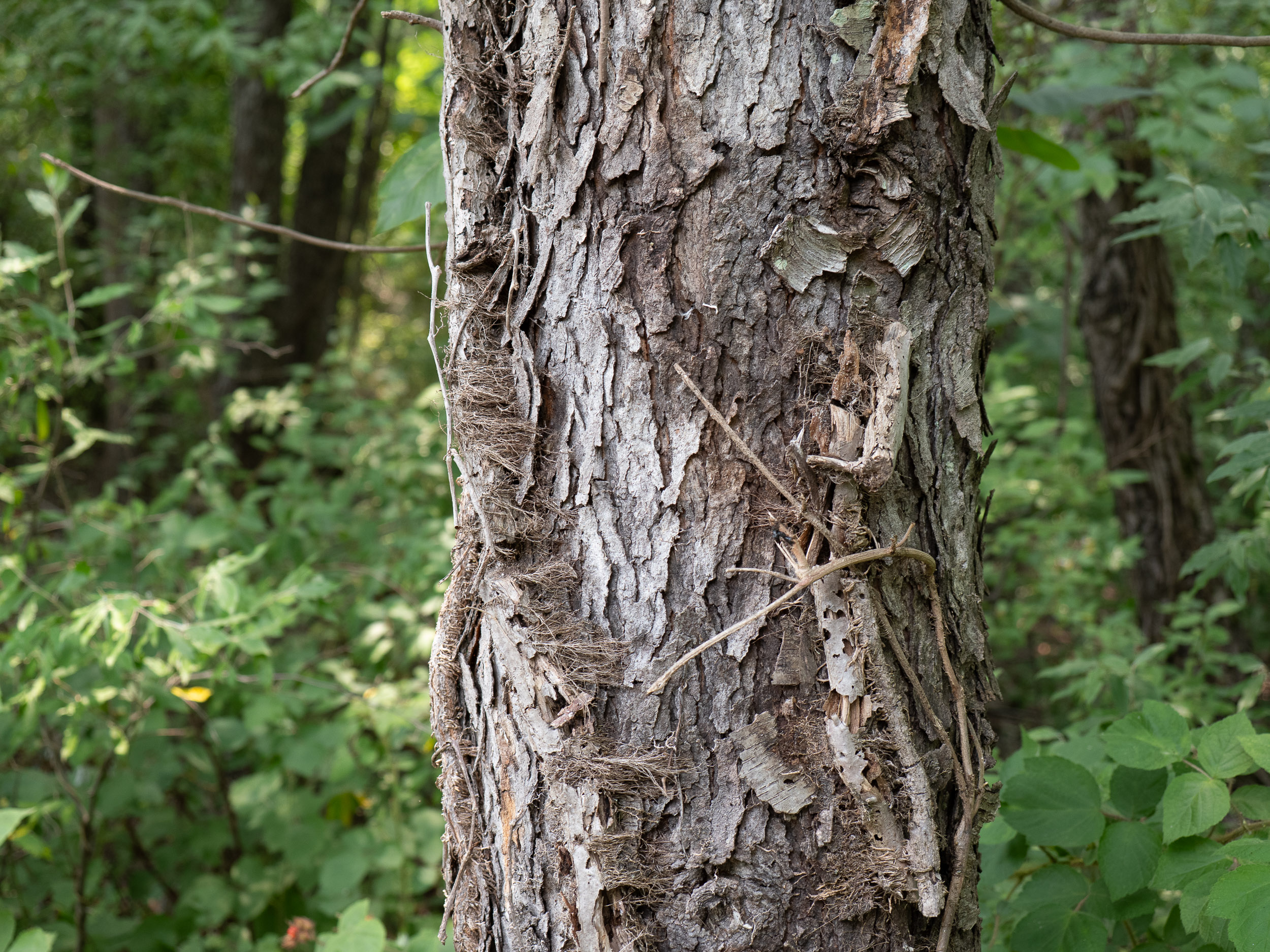
6/29/2023 · Harpers Ferry National Historical Park, Harpers Ferry, West Virginia 

5/24/2026 · Mid-Lothian Mines Park, Midlothian, Virginia · ≈ 2 × 1′ (57 × 38 cm) 
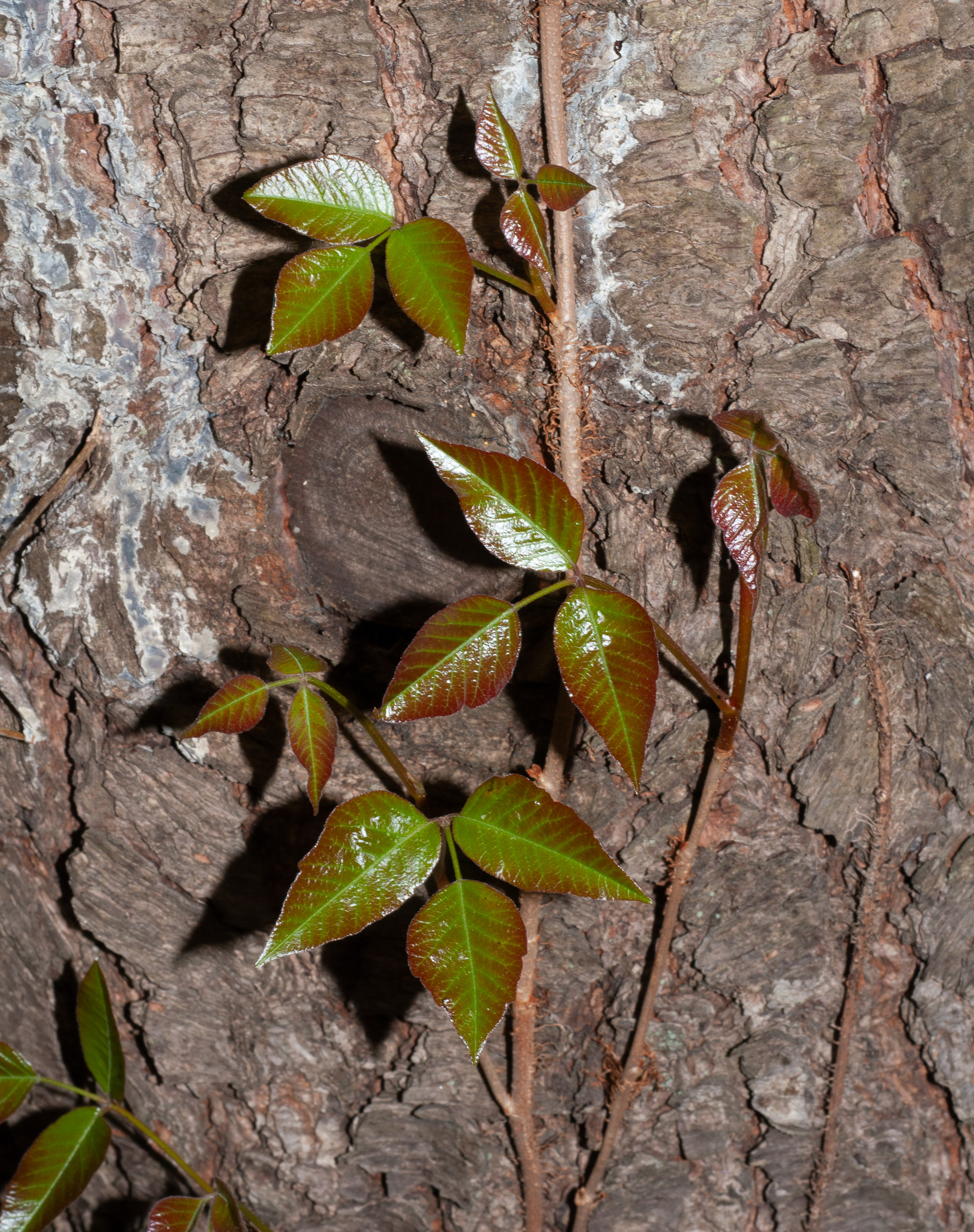
4/27/2010 · Nashua River at Rte. 119, Pepperell, Massachusetts · ≈ 7 × 9″ (18 × 23 cm) 
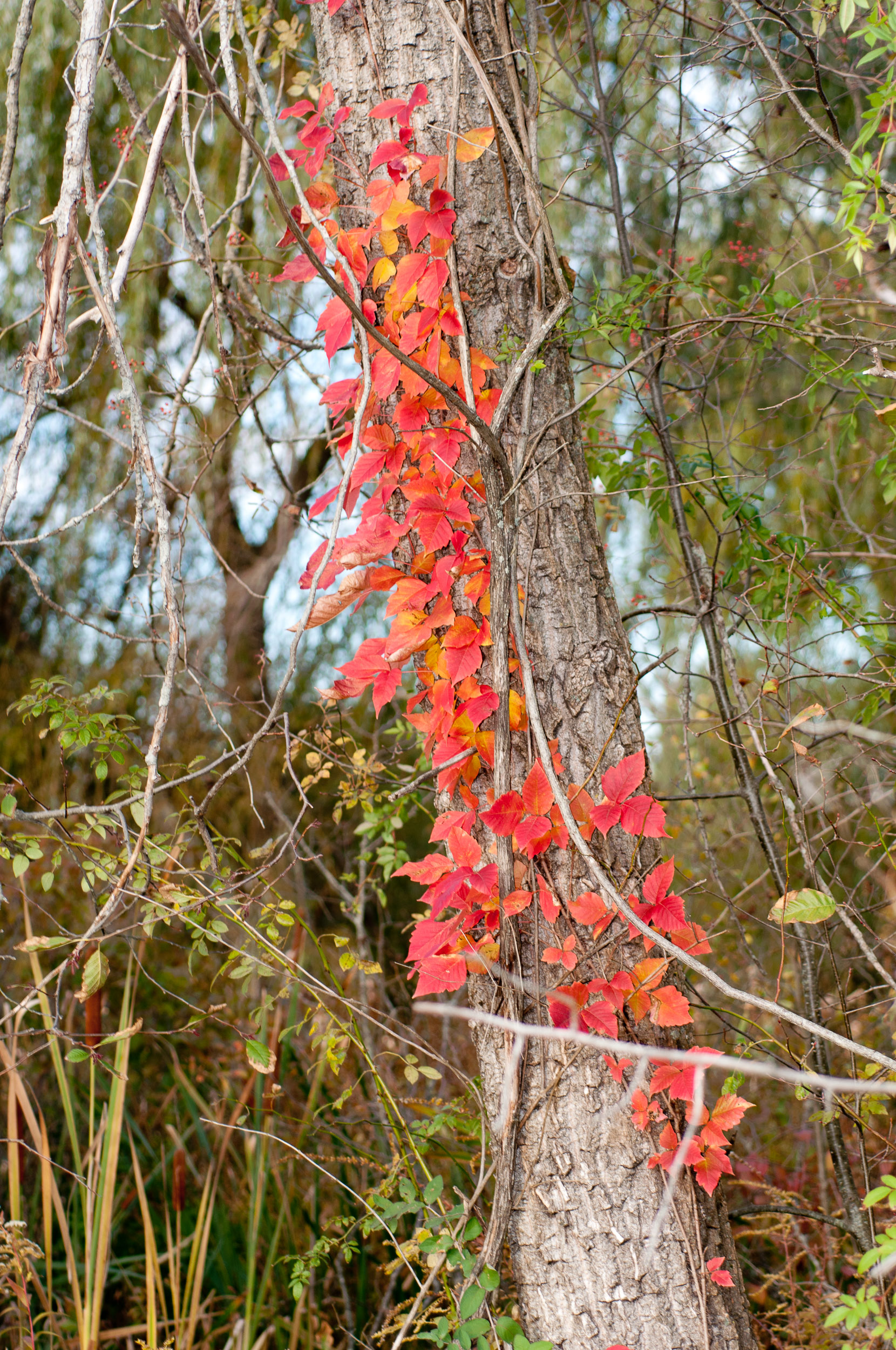
10/17/2010 · Nashua River Rail Trail, Groton Center, Groton, Massachusetts 
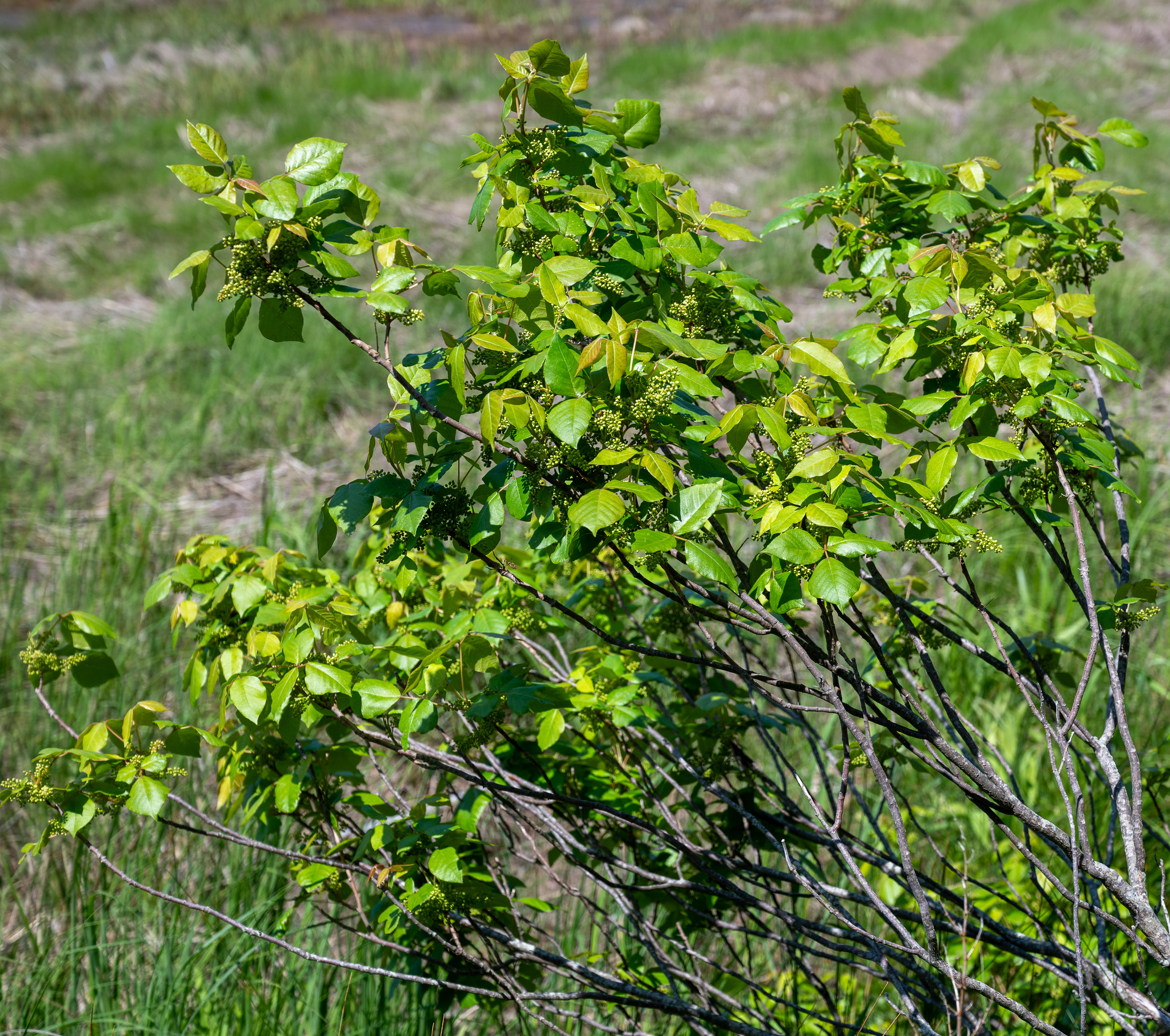
6/15/2025 · Morse Mountain Preserve, Phippsburg, Maine 
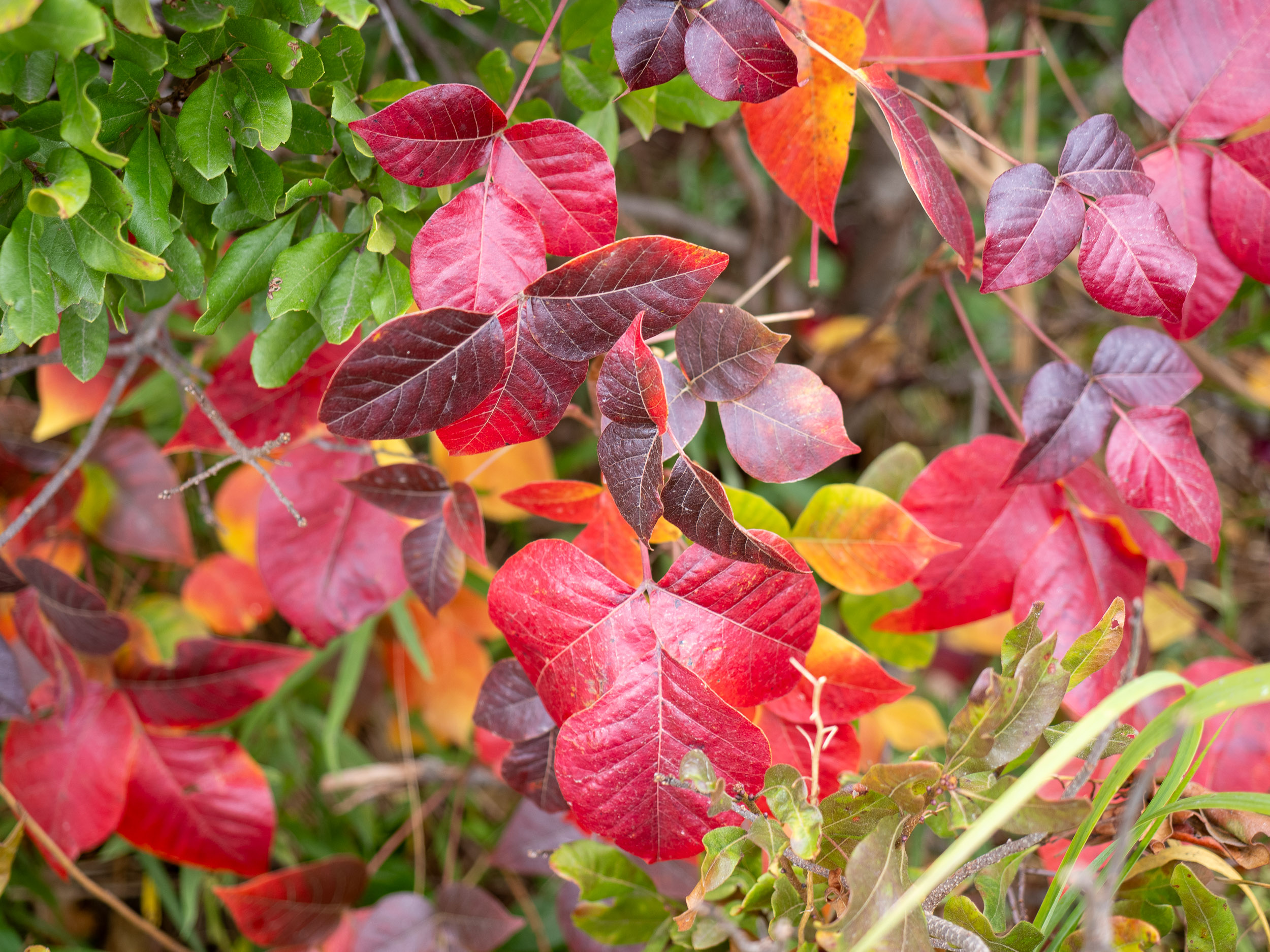
9/20/2024 · Morse Mountain, Phippsburg, Maine 
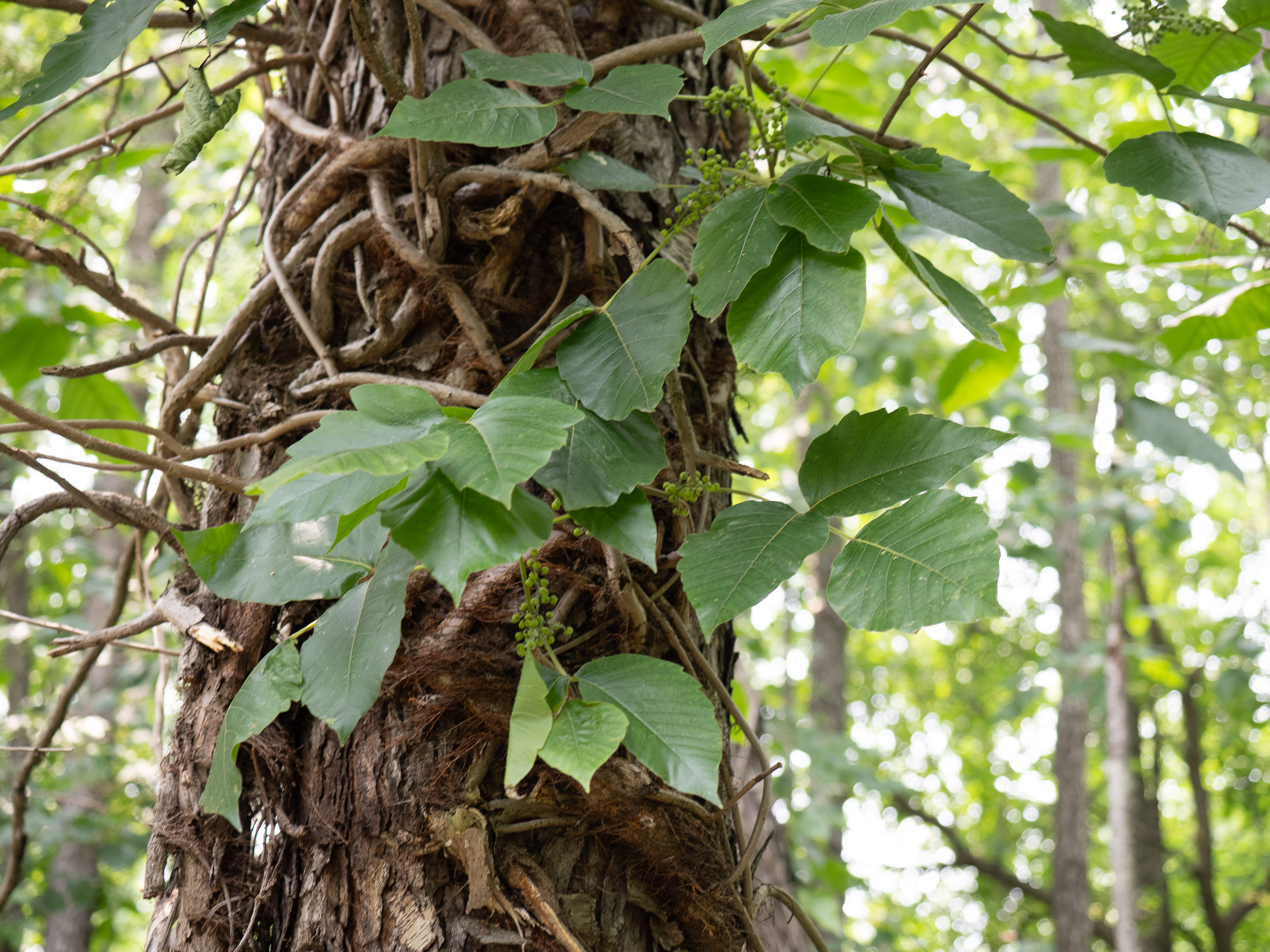
6/29/2023 · Harpers Ferry National Historical Park, Harpers Ferry, West Virginia 

7/26/2025 · River Point Conservation Area, Falmouth, Maine · ≈ 16 × 11″ (40 × 27 cm) 
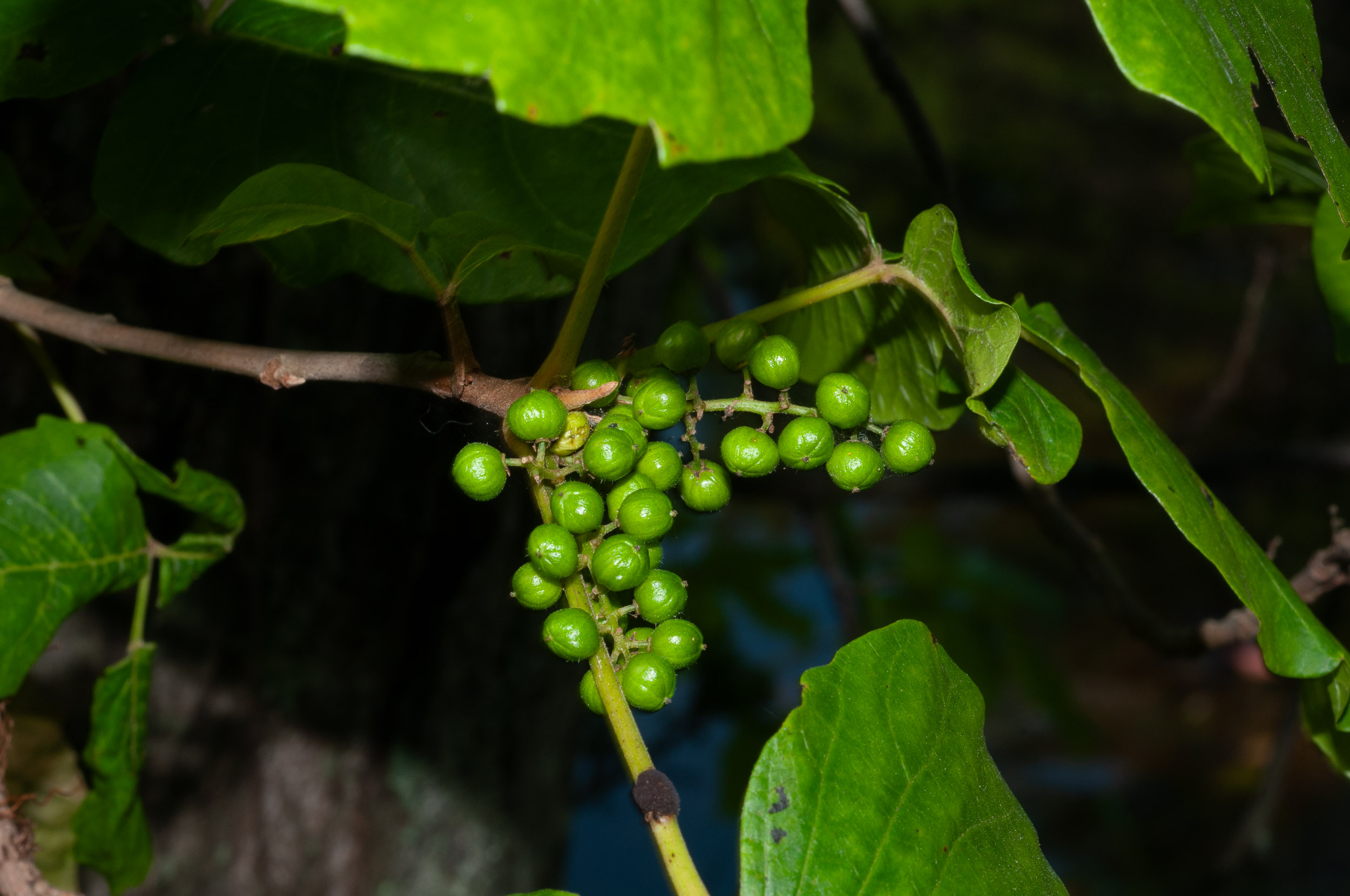
7/11/2012 · Jeff Smith Trail, Pepperell, Massachusetts · ≈ 7 × 4½″ (17 × 11 cm) 
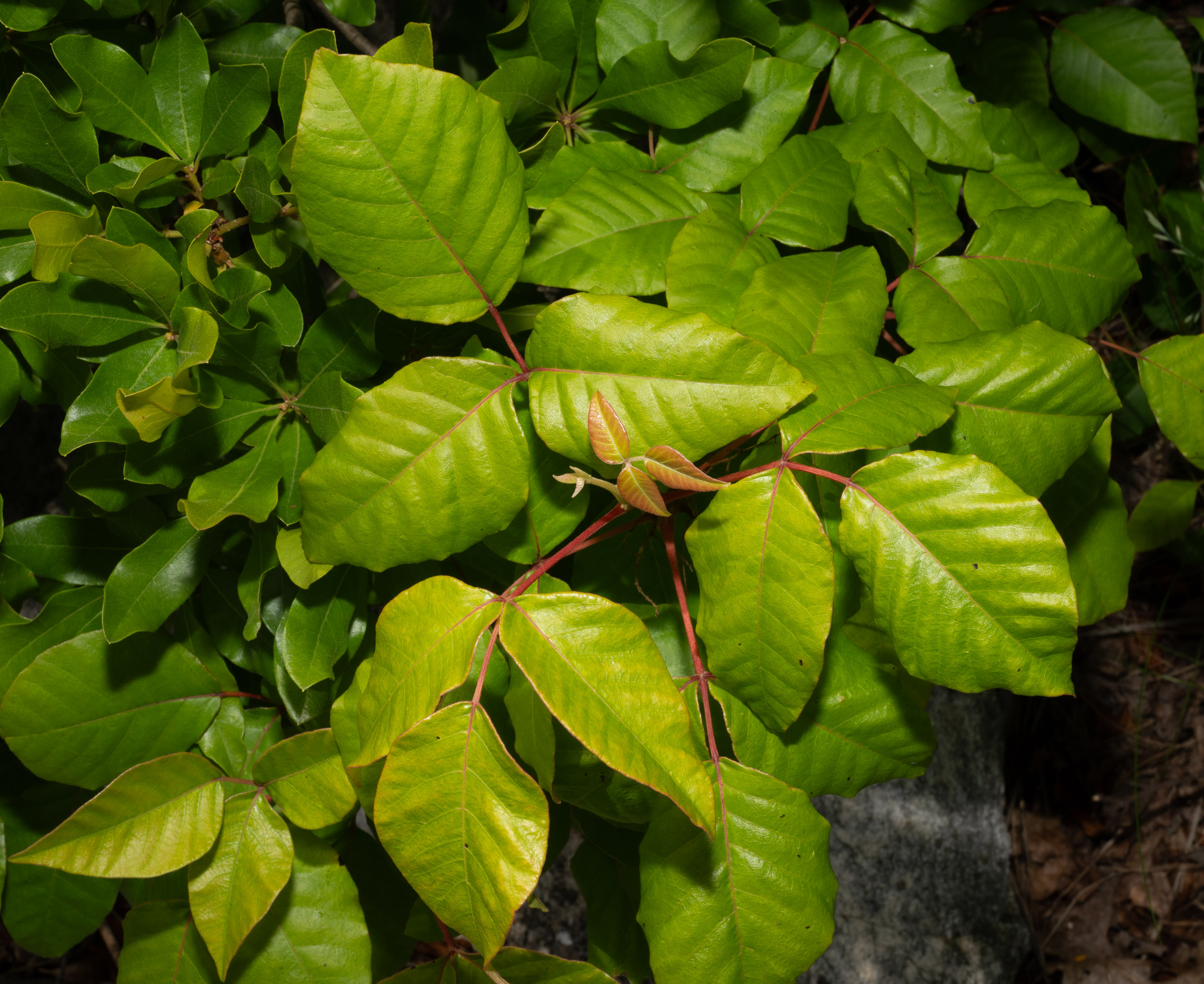
7/2/2025 · Spirit Pond Preserve, Phippsburg, Maine · ≈ 12 × 10″ (31 × 25 cm) 

6/10/2018 · Virginia · ≈ 12 × 8″ (31 × 20 cm) 
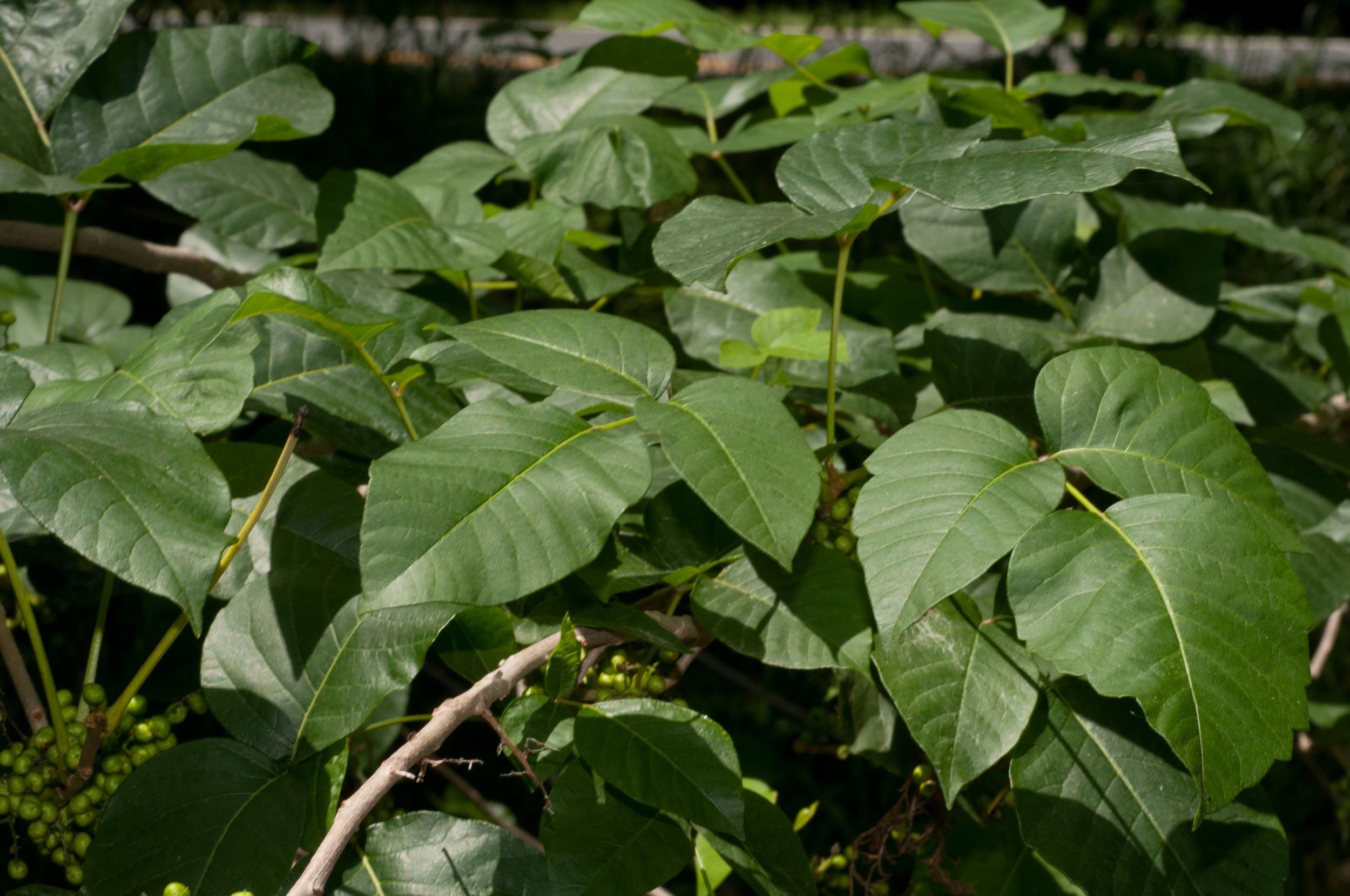
6/13/2011 · Great Falls State Park, Washington, DC · ≈ 14 × 9″ (35 × 23 cm) 
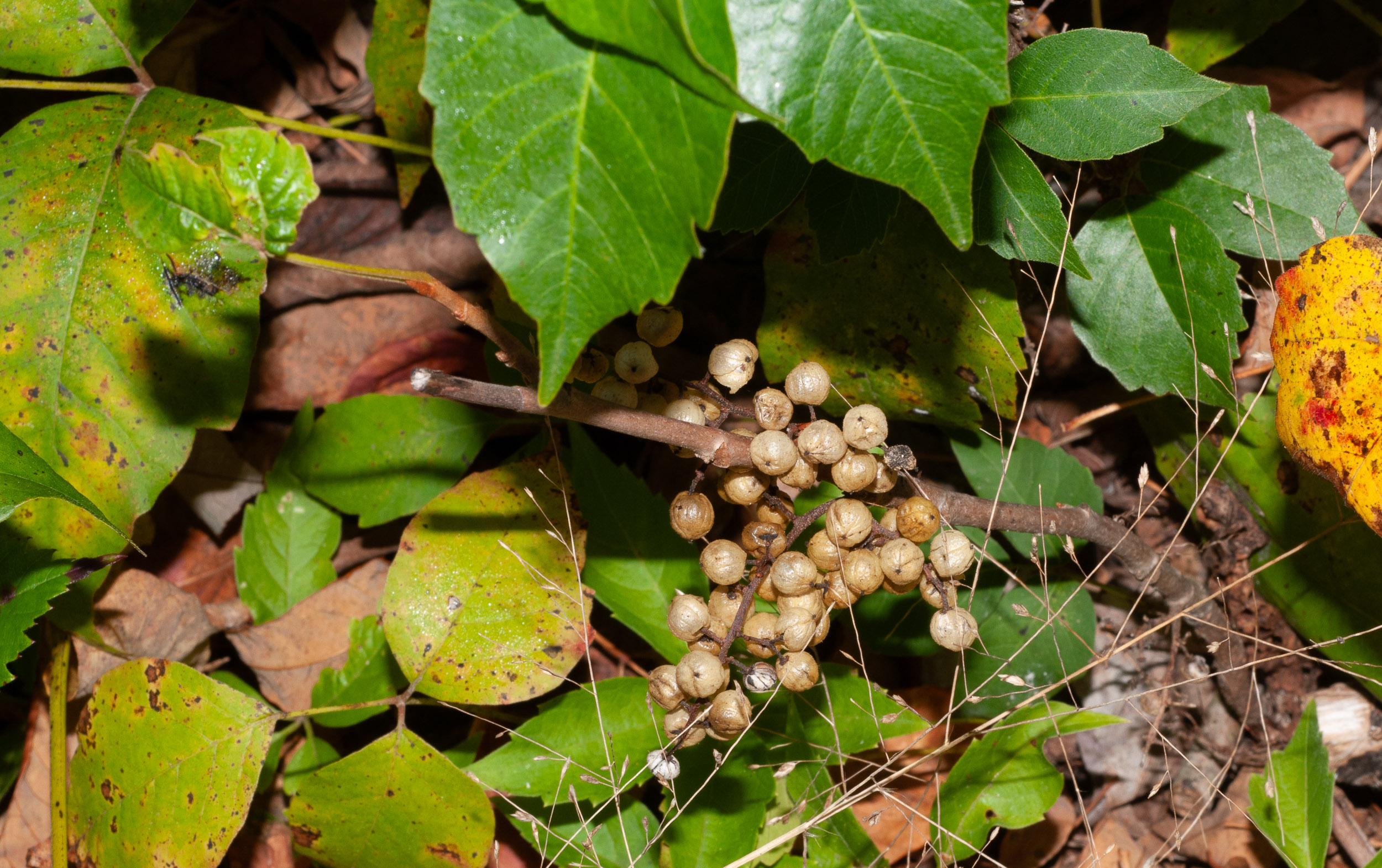
9/21/2010 · Nashua River Rail Trail, Dunstable, Massachusetts · ≈ 8 × 5″ (19 × 12 cm) 

4/24/2010 · Nashua River Rail Trail, Ayer, Massachusetts · ≈ 6 × 5″ (14 × 13 cm) 

6/5/2012 · Nashua River Rail Trail, Groton Center, Groton, Massachusetts · ≈ 7 × 4½″ (17 × 11 cm) 

9/25/2010 · Nashua River Rail Trail, Groton Center, Groton, Massachusetts · ≈ 7 × 8″ (17 × 21 cm) 
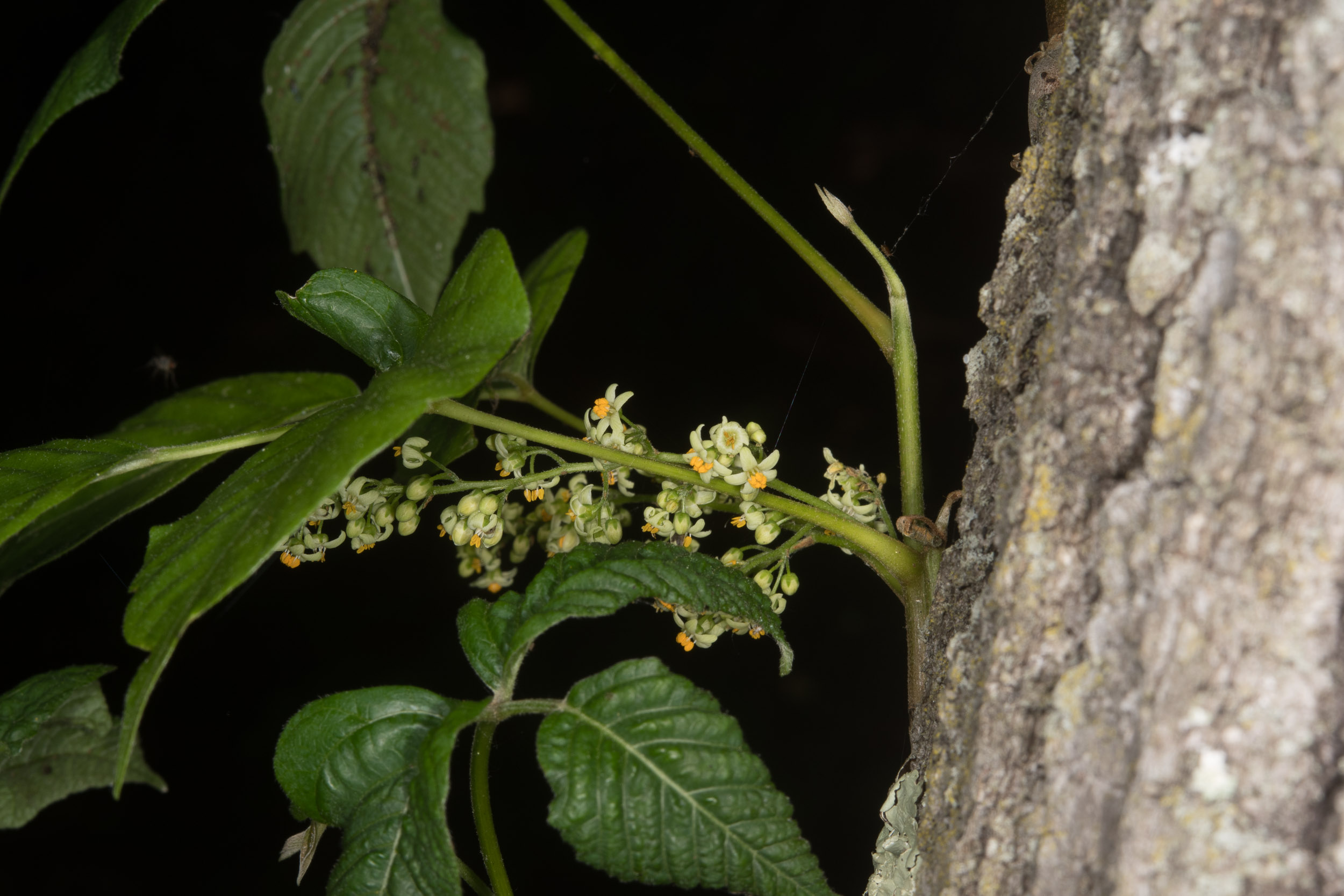
6/14/2017 · J. Harry Rich State Forest, Groton, Massachusetts · ≈ 7 × 4½″ (18 × 12 cm) 

Roots from vine climbing a tree · 7/2/2005 · Pepperell, Massachusetts 
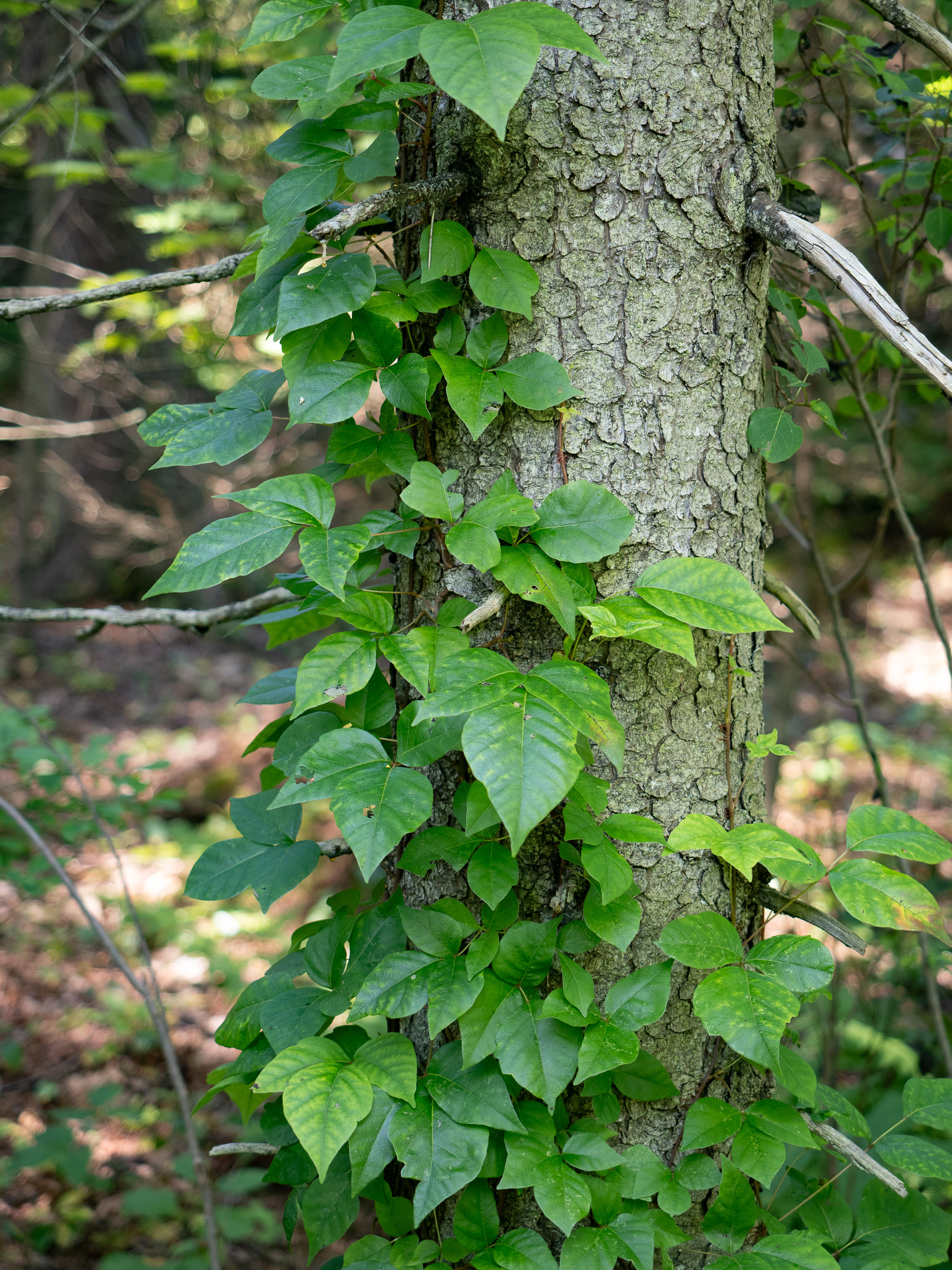
Usually poison ivy likes disturbed earth—areas like roadsides—and lots of sun. This was in shaded woods. · 7/20/2023 · Curtis Farm Preserve, Harpswell, Maine 
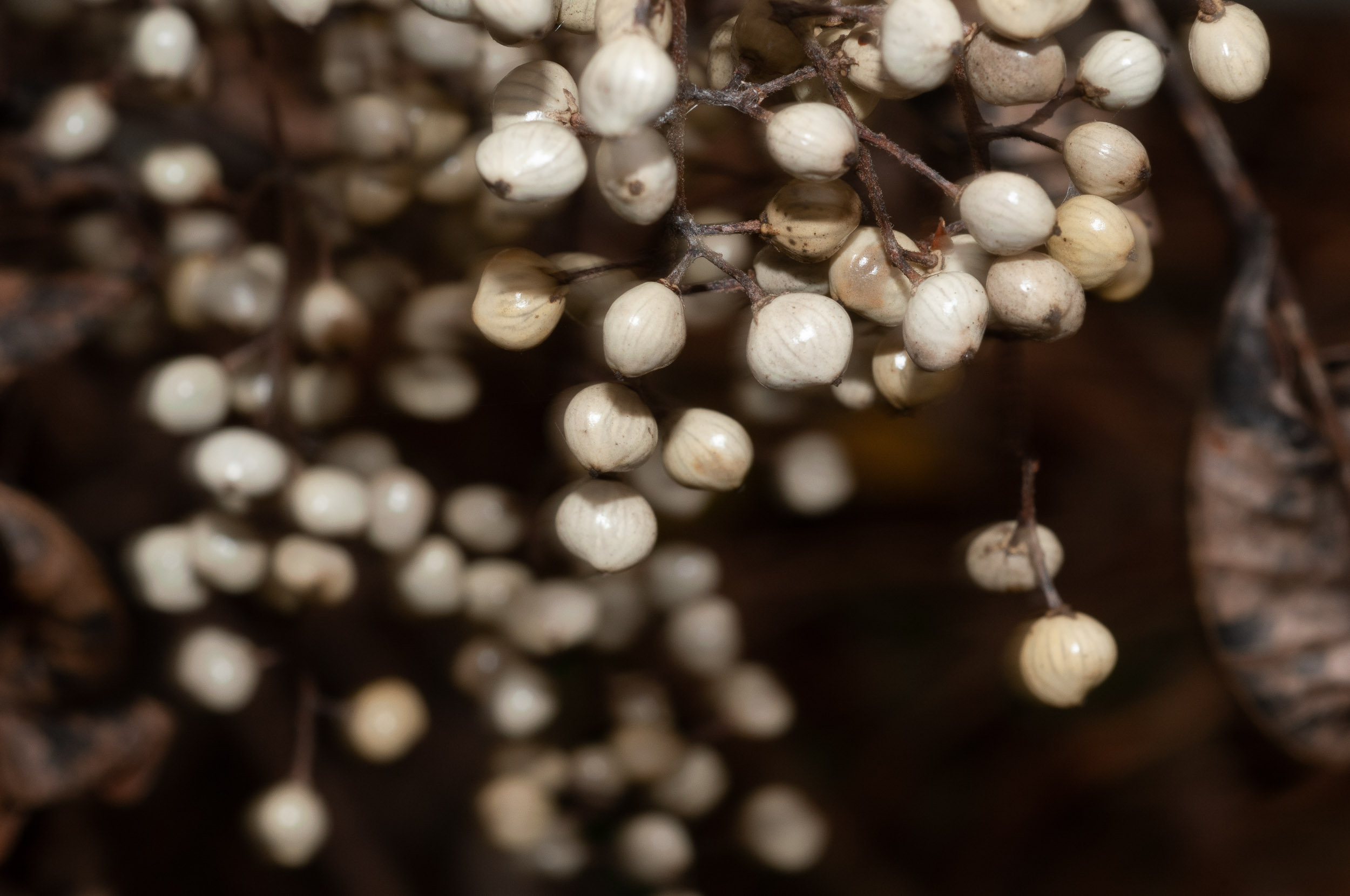
10/26/2012 · Dunstable Rural Land Trust Wildlife Refuge, Dunstable, Massachusetts · ≈ 4½ × 3″ (11 × 7.9 cm) 
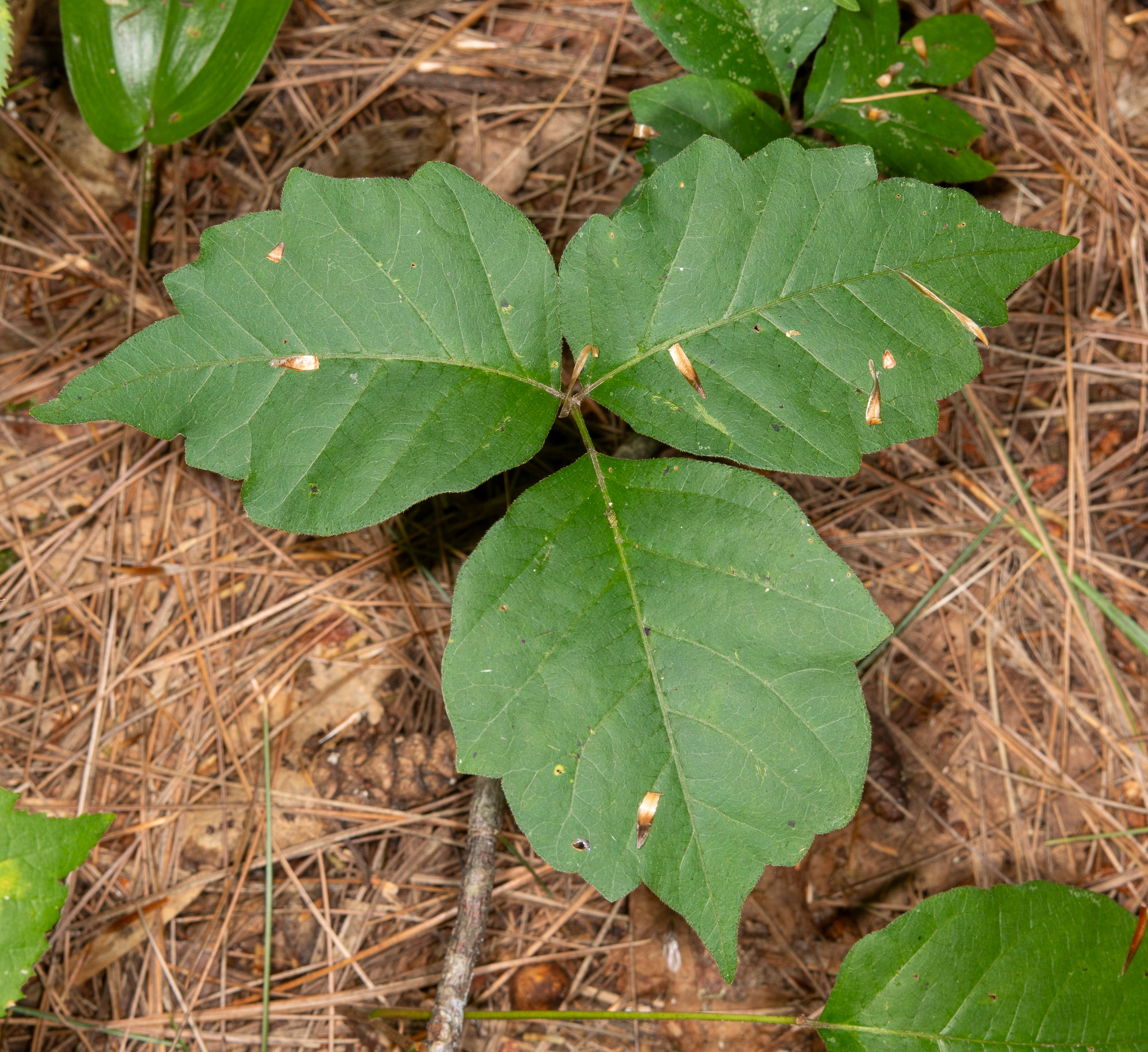
8/26/2018 · Henry E. Cowdrey Nature Center, Lunenburg, Massachusetts · ≈ 7 × 6″ (18 × 16 cm) 
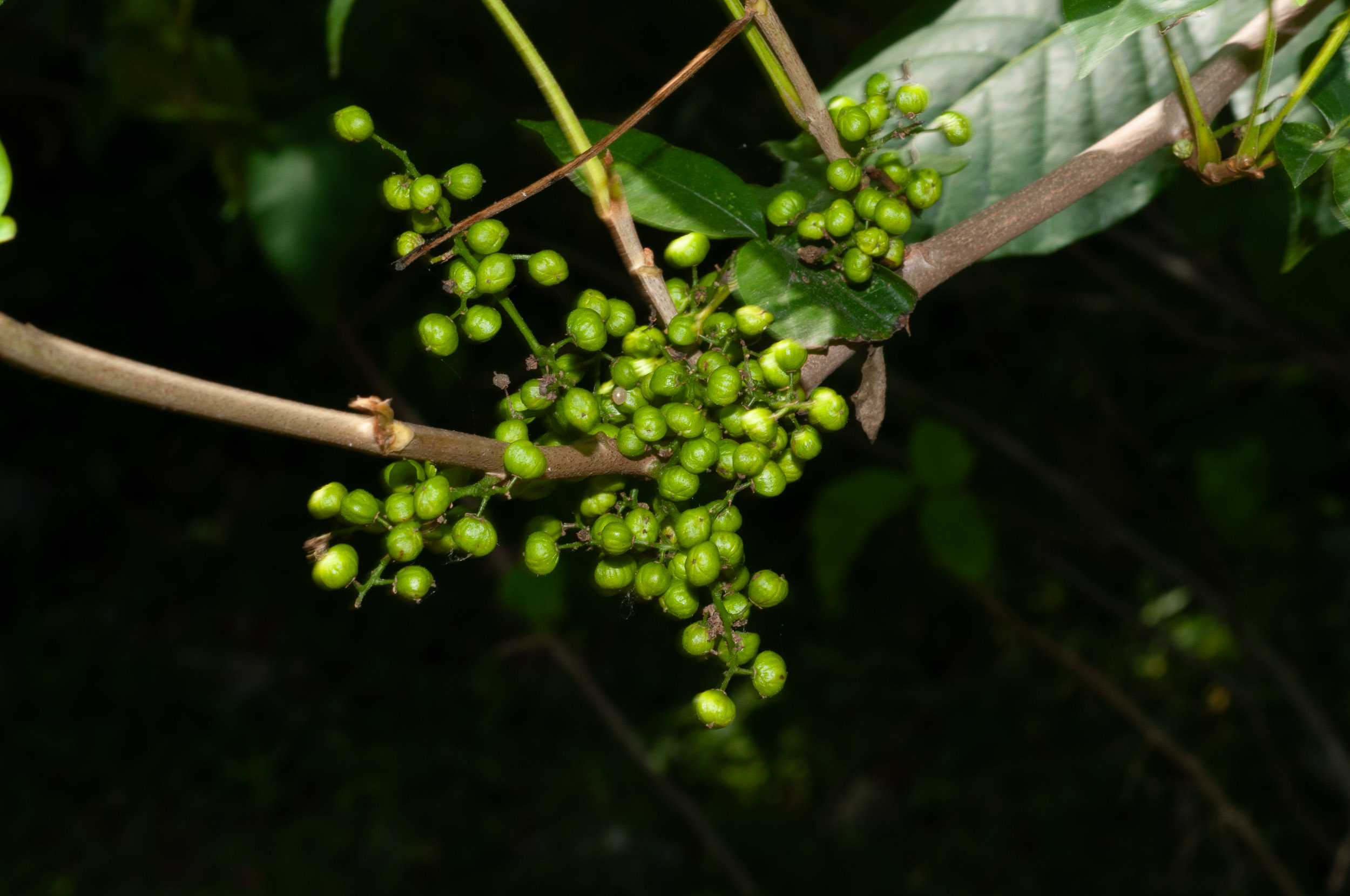
Immature fruit. · 6/13/2011 · Great Falls State Park, Washington, DC · ≈ 9 × 6″ (22 × 14 cm) 
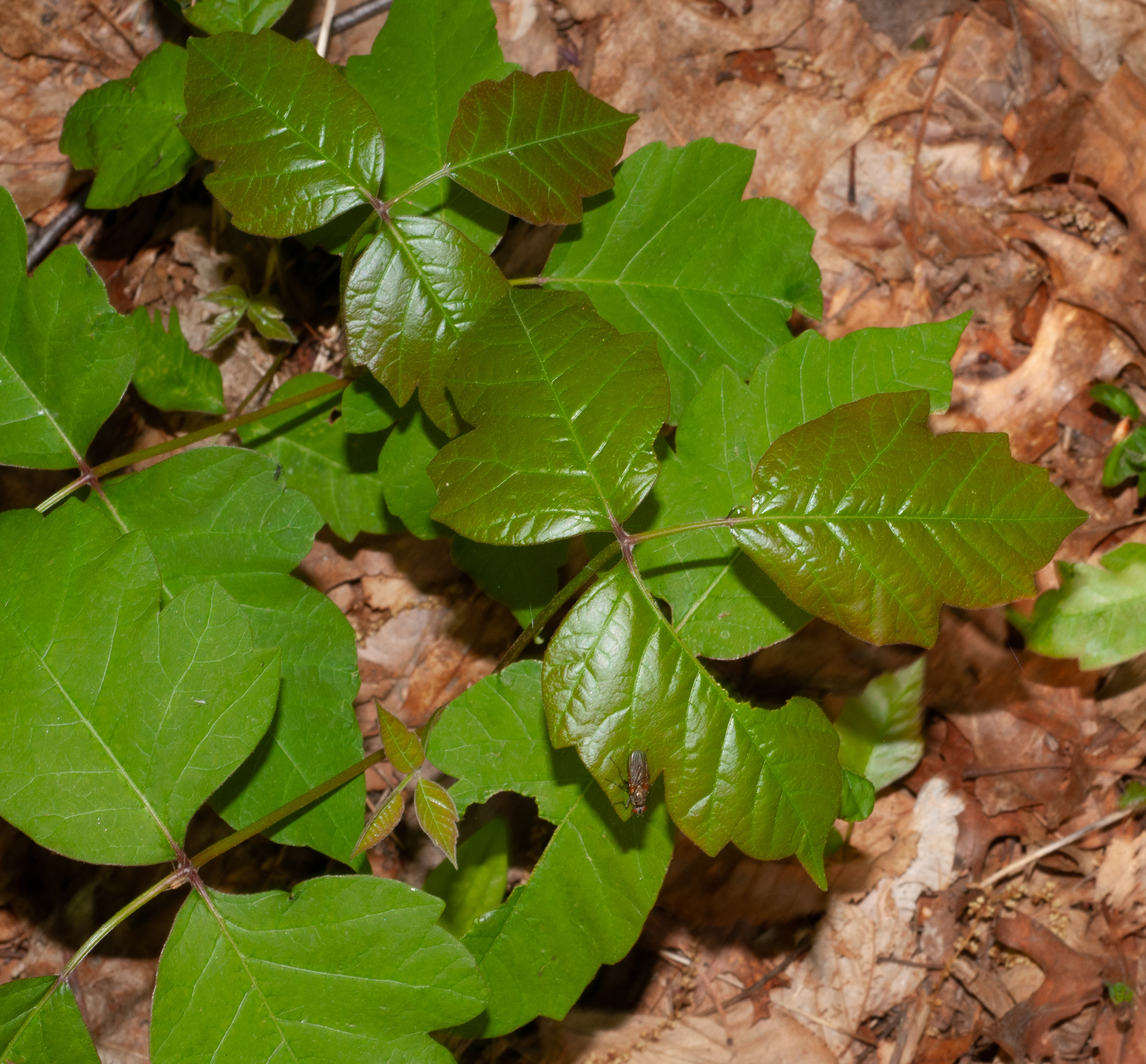
The shine on younger leaves fades with age. · 5/4/2010 · Nashua River Rail Trail, East Pepperell, Massachusetts · ≈ 9 × 8″ (22 × 20 cm) 

6/10/2018 · Virginia · ≈ 10 × 6″ (24 × 16 cm) 

5/22/2026 · Skyline Drive, Shenandoah National Park, Virginia · ≈ 16 × 11″ (40 × 27 cm) 
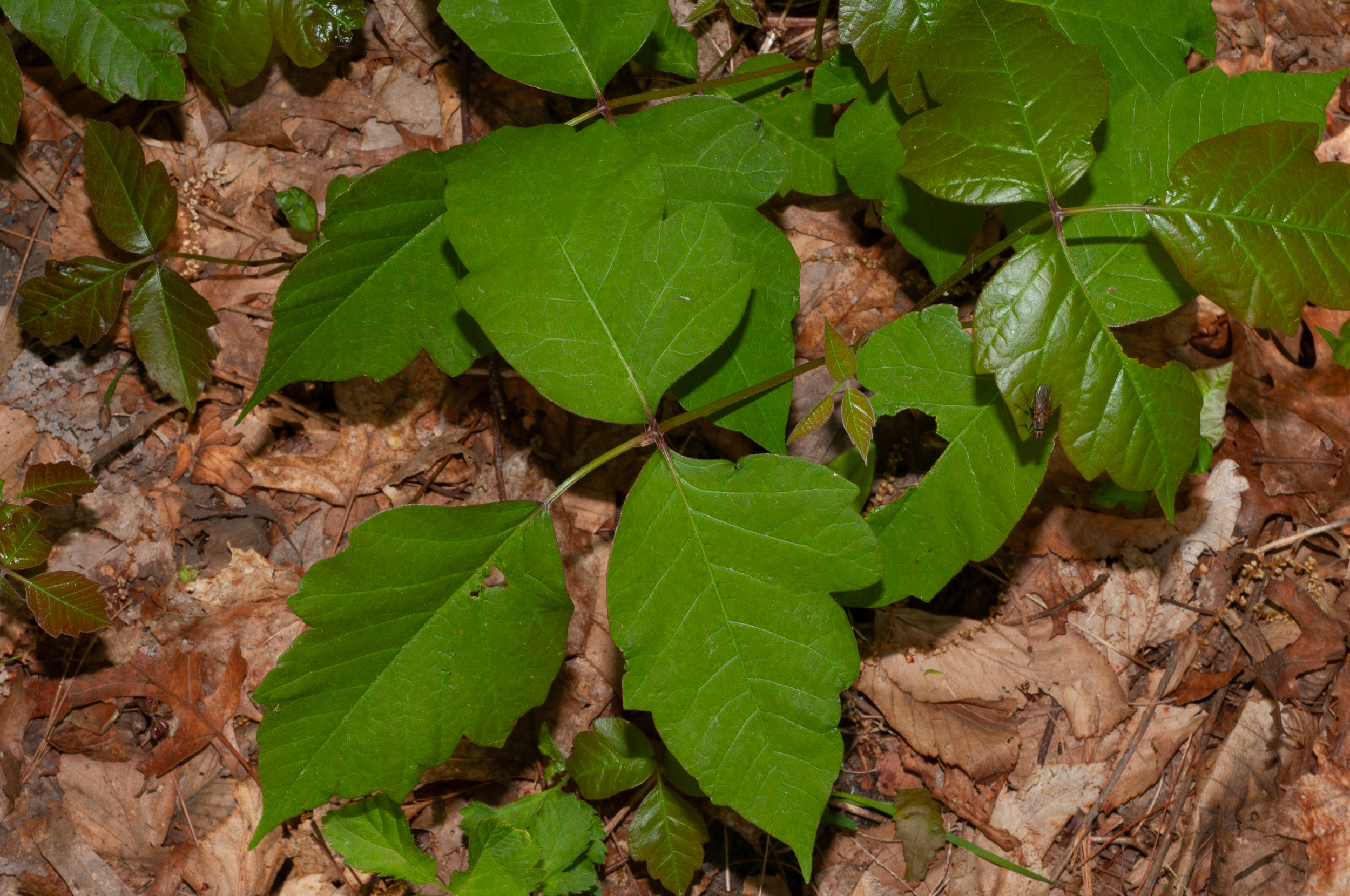
5/4/2010 · Nashua River Rail Trail, East Pepperell, Massachusetts · ≈ 14 × 9″ (35 × 23 cm) 
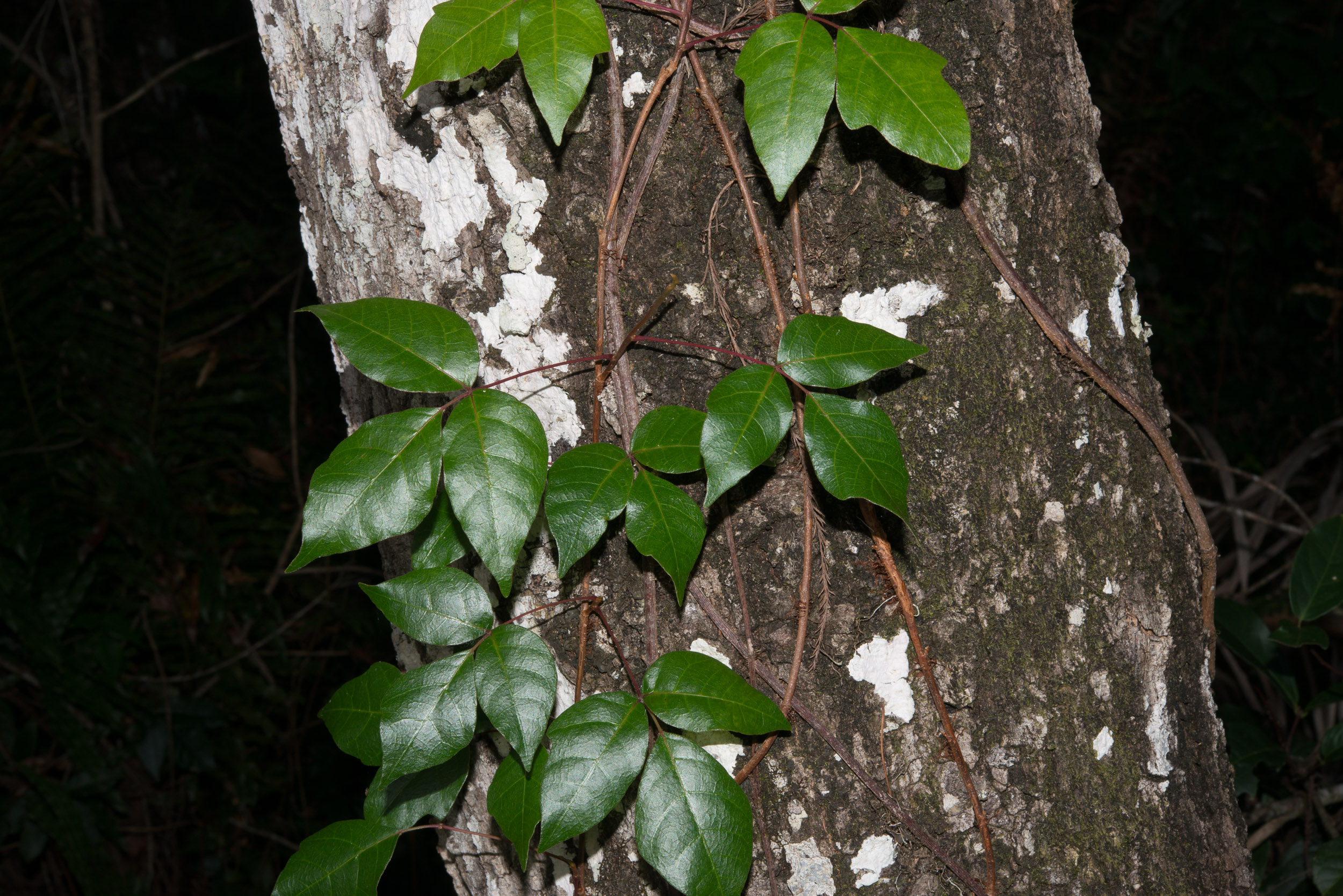
4/11/2015 · Big Cypress Bend, Fakahatchee Strand Preserve State Park, Florida · ≈ 1½ × 1′ (47 × 31 cm) 
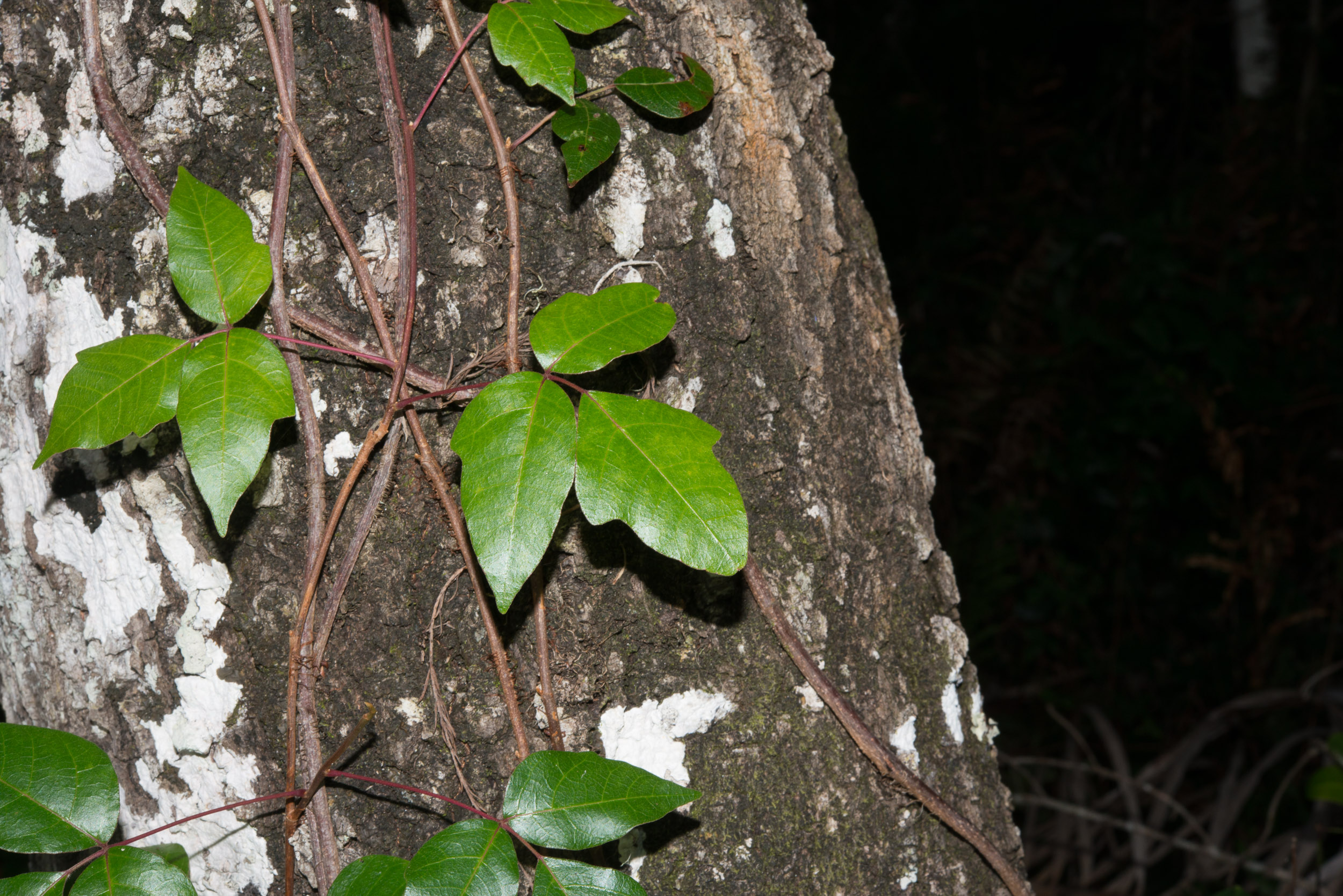
4/11/2015 · Big Cypress Bend, Fakahatchee Strand Preserve State Park, Florida · ≈ 15 × 10″ (37 × 25 cm) 

8/4/2009 · Near Nashoba Hospital, Ayer, Massachusetts 
| Kingdom | Plantae | Plants, but not fungi, lichens, or algae (from Stearn's Botanical Latin) |
| Subkingdom | Tracheobionta | Vascular plants—plants with a “circulatory system” for delivering water and nutrients |
| Division | Magnoliophyta | Flowering plants, also known as angiosperms |
| Class | Magnoliopsida | Dicotyledons—plants with two initial seed leaves |
| Subclass | Rosidae | Roses, legumes, proteas, dogwoods, hydrangeas, mistletoes, euphorbias, grapes, many more |
| Order | Sapindales | Includes citrus; maples, horse-chestnuts, lychees and rambutans; mangos and cashews; frankincense and myrrh; mahogany and neem |
| Family | Anacardiaceae | Cashew or sumac family |
| Genus | Toxicodendron | Means “poison tree” |
| Species | radicans | With rooting stems |
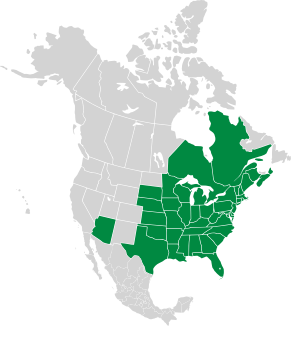
Toxicodendron radicans description by Thomas H. Kent, not updated.

© FloraFinder.org. All rights reserved.