Tragopogon major Jacq.
Tragopogon dubius Scop.
Yellow goatsbeard, yellow salsify, western salsify, western goat’s-beard, wild oysterplant, goat’s beard, goatsbeard, common salsify, salsify
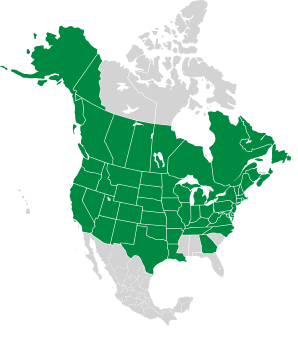
Yellow salsify is native to southern and central Europe and western Asia. It was introduced in the early 1900s to North America, where it has spread widely. In many areas it is considered an invasive. It grows almost anywhere there is ample sunlight and medium to dry conditions, though plants are usually scattered, not densely clustered.
Plants: Plants are biennial. They appear as a basal rosette in the first year, producing a stem 8–24″ (20–60 cm) high and flowering in the second year. Broken stems and leaves exude a milky latex.
Leaves: Lanceolate, alternate, with no teeth, ⅜–12″ (1–30 cm) long, tapering to a sharp tip.
Flowers: Flowers are 1½–2″ (4–6 cm) in diameter, forming from tall, tapered, blue-green buds. Flowers open in the morning and close in the afternoon. They appear from late spring to early summer. Sharp, starlike green bracts appear behind the flowerhead, and are longer and more prominent than in other salsifies.
Fruits: Produces a round pappus (seedhead) up to 4″ (10 cm) around, similar to dandelions. The seedhead is like a pincushion filled with of achenes, each ⅞–1½″ (2.5–4 cm) long, equipped with its own tiny “pararchute.”
Habitats: Anthropogenic (man-made or disturbed habitats), meadows and fields.
Edibility: Roots are technically edible, cooked or even raw, but the plant is not generally consumed. The roots are said to taste similar to oysters, hence the common name wild oysterplant.
Online References:

7/9/2017 · Nashua River Rail Trail, East Pepperell, Massachusetts · ≈ 4 × 6″ (11 × 15 cm) 

7/9/2017 · Nashua River Rail Trail, East Pepperell, Massachusetts · ≈ 6 × 4½″ (15 × 11 cm) 

5/25/2010 · Nashua River Rail Trail, Ayer, Massachusetts · ≈ 5 × 8″ (13 × 19 cm) 
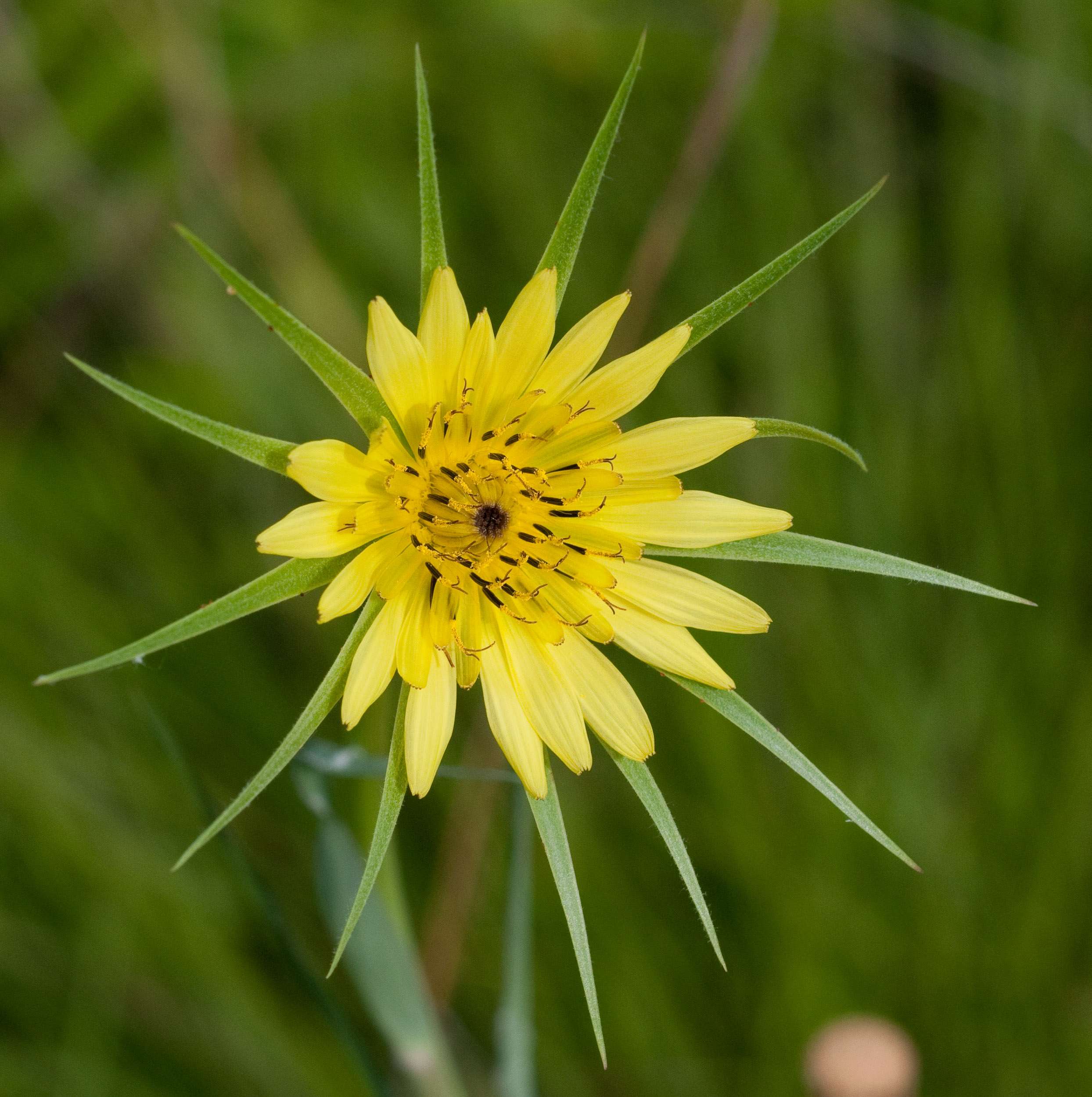
6/22/2010 · Nashua River Rail Trail, Ayer, Massachusetts · ≈ 4 × 4″ (10 × 10 cm) 
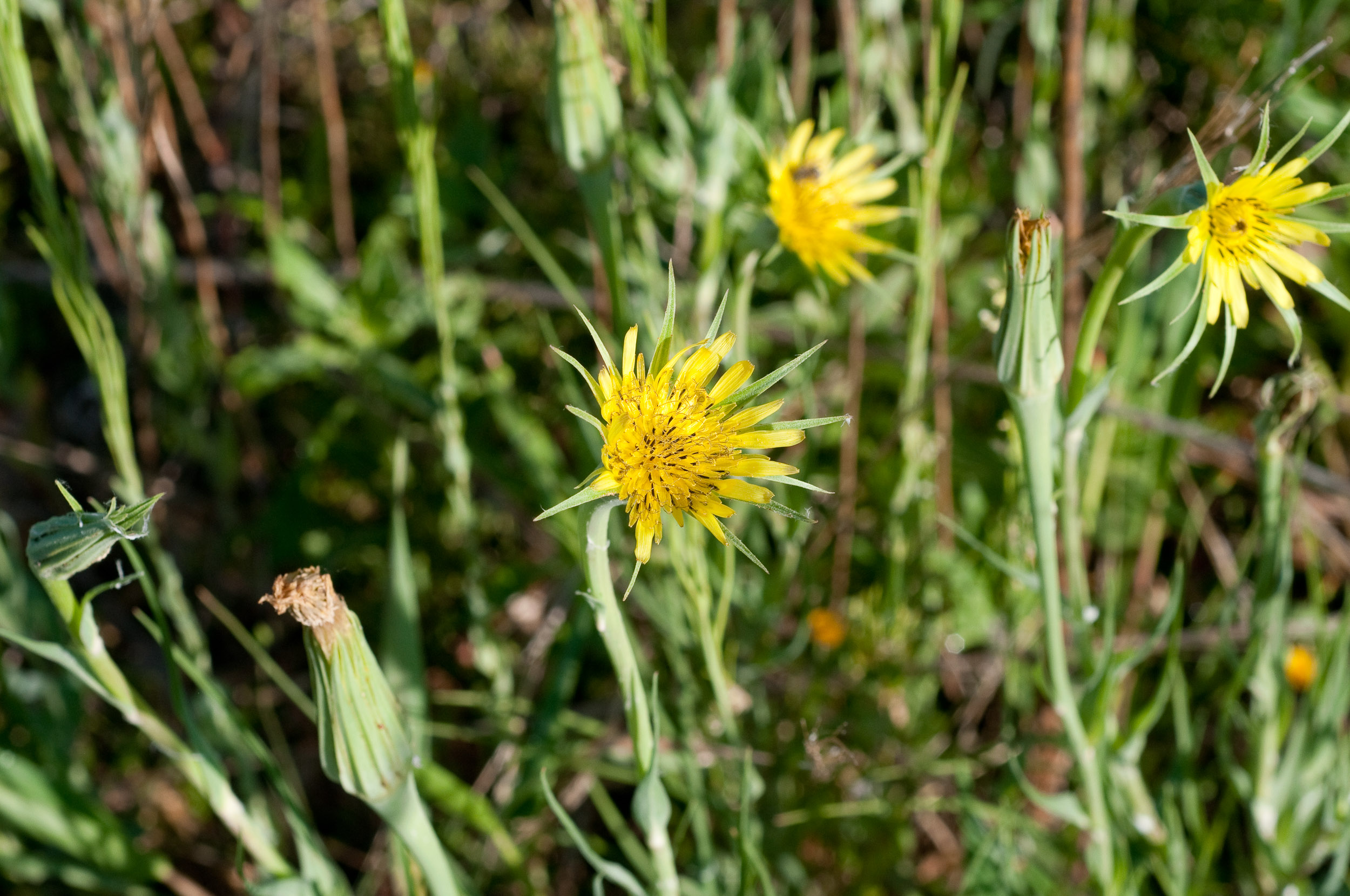
5/25/2010 · Nashua River Rail Trail, Ayer, Massachusetts · ≈ 11 × 7″ (27 × 18 cm) 
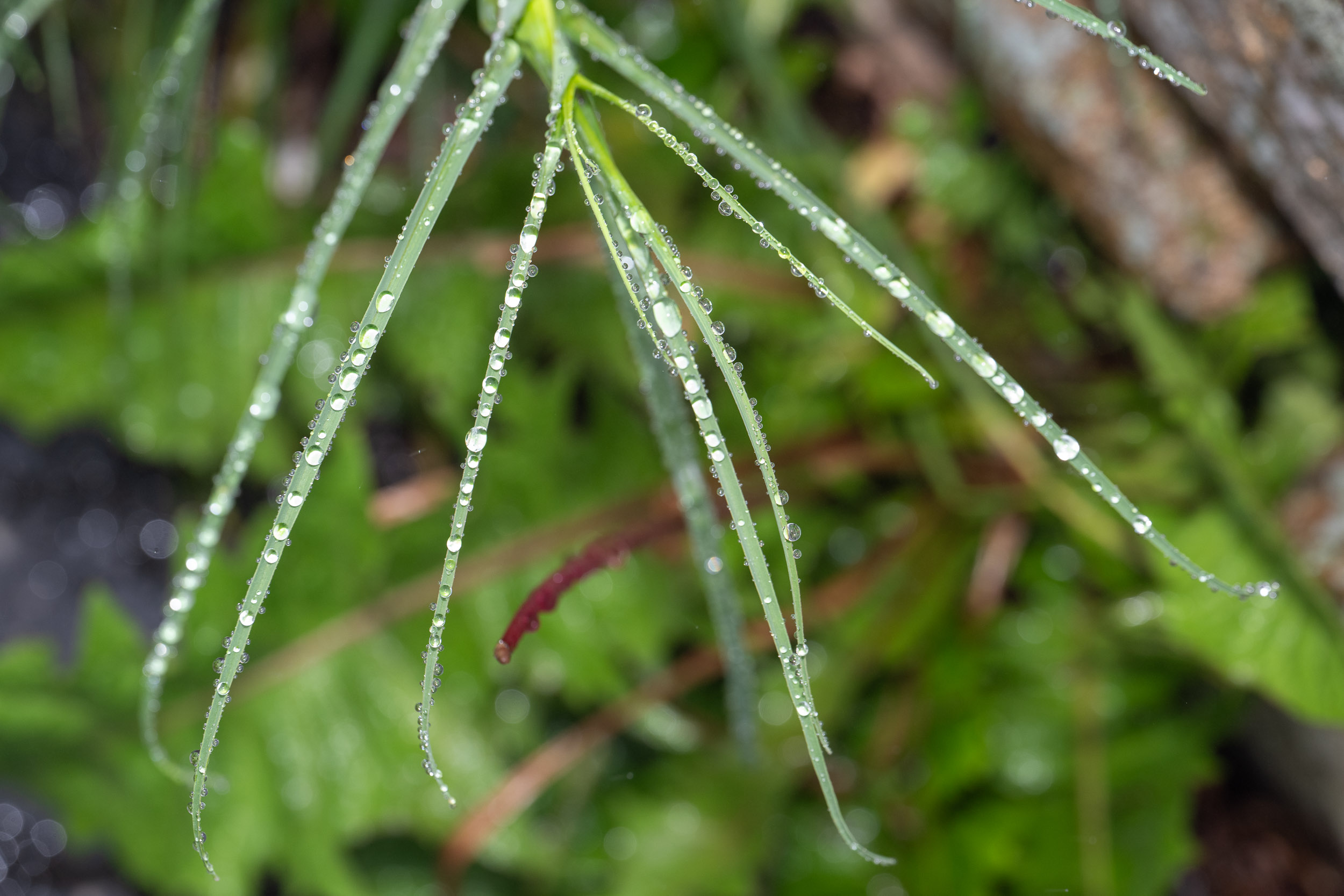
5/21/2026 · Skyline Drive, Shenandoah National Park, Virginia · ≈ 10 × 6″ (24 × 16 cm) 
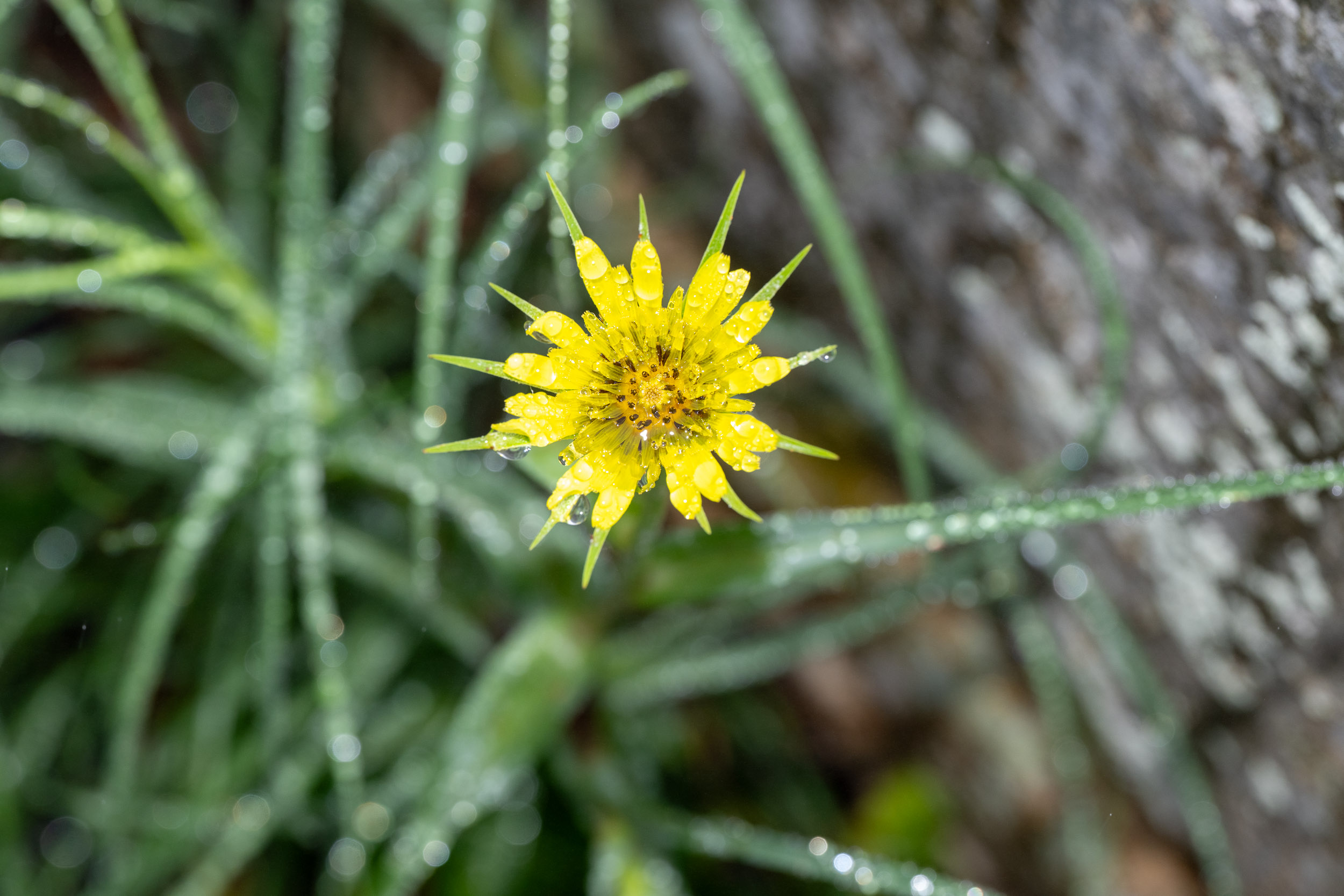
5/21/2026 · Skyline Drive, Shenandoah National Park, Virginia · ≈ 8 × 6″ (21 × 14 cm) 
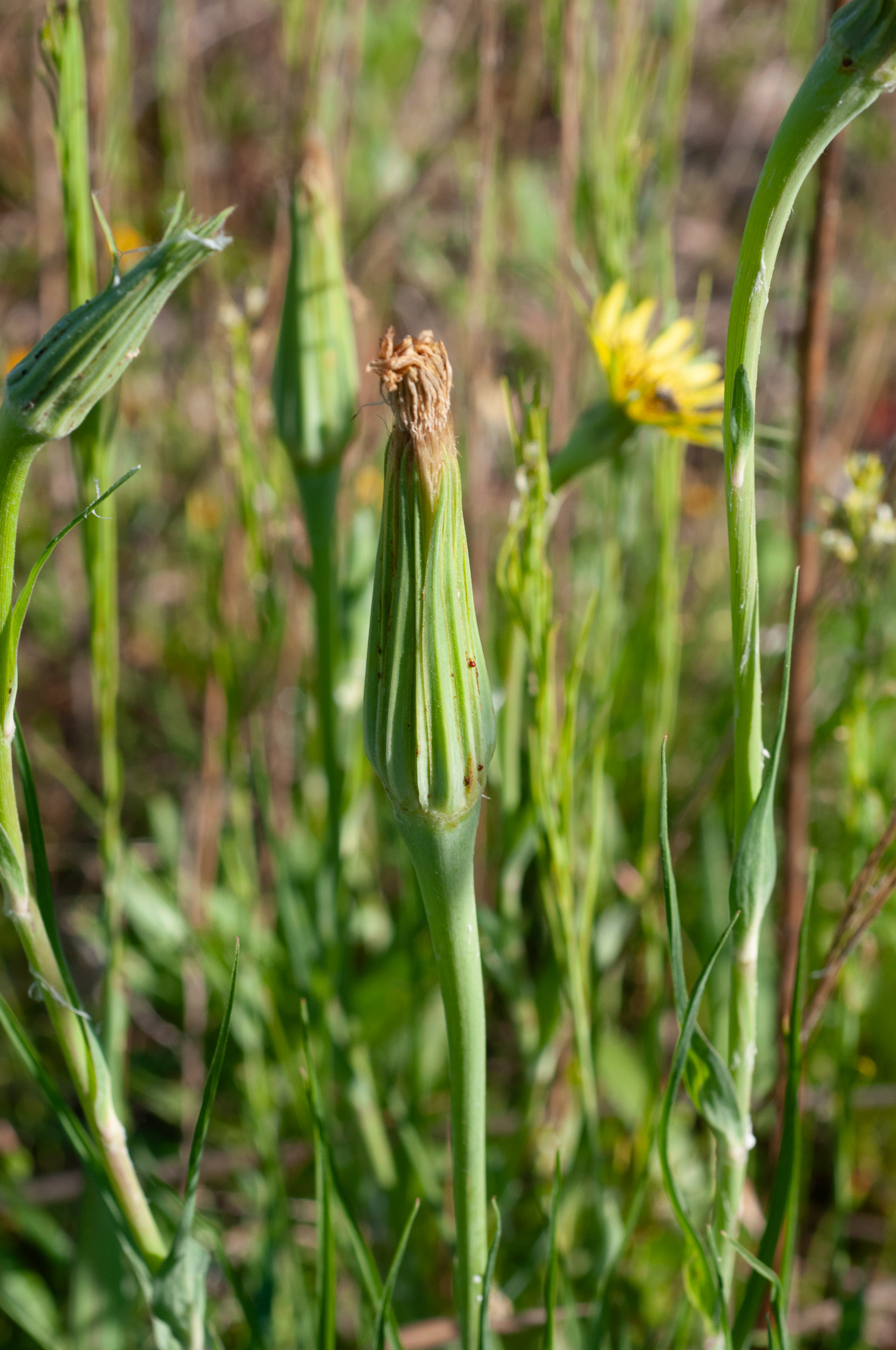
5/25/2010 · Nashua River Rail Trail, Ayer, Massachusetts · ≈ 6 × 9″ (15 × 23 cm) 

7/9/2017 · Nashua River Rail Trail, East Pepperell, Massachusetts · ≈ 10 × 6″ (24 × 16 cm) 
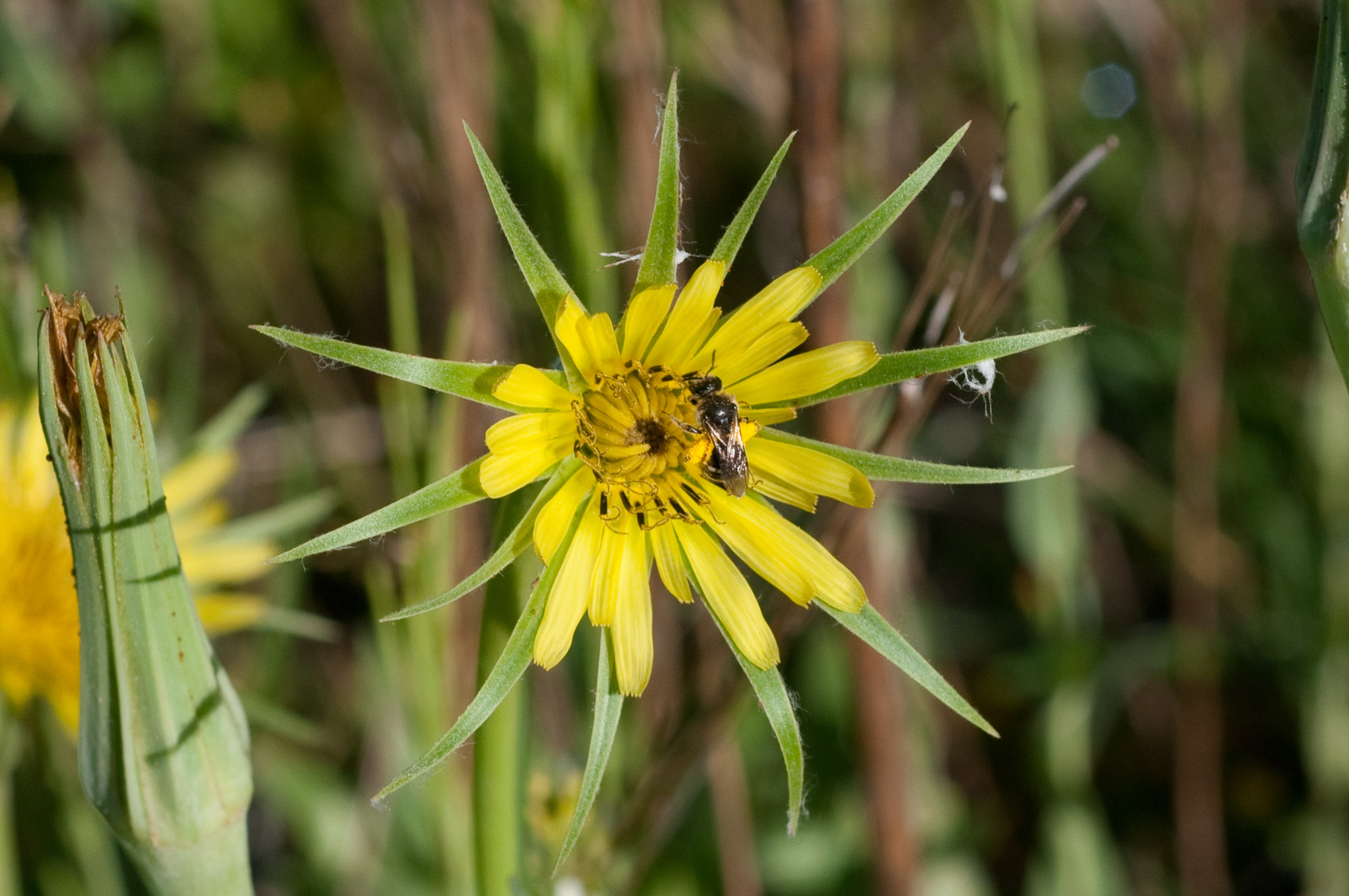
5/25/2010 · Nashua River Rail Trail, Ayer, Massachusetts · ≈ 5 × 3″ (12 × 8.3 cm) 
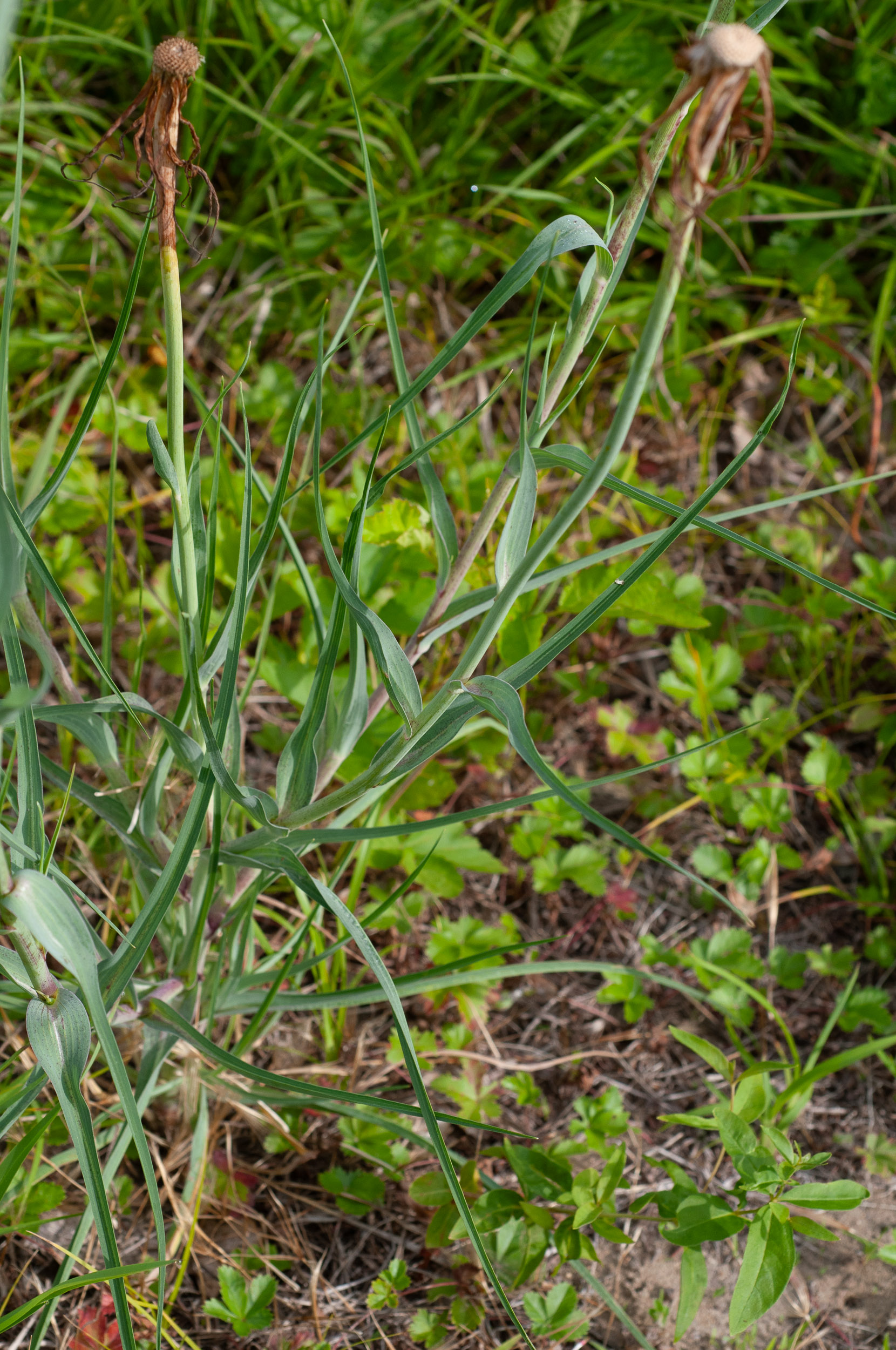
6/22/2010 · Nashua River Rail Trail, Ayer, Massachusetts · ≈ 10 × 15″ (26 × 39 cm) 

5/24/2010 · Eastern Promenade, Portland, Maine · ≈ 1½ × 1′ (47 × 36 cm) 

7/9/2017 · Nashua River Rail Trail, East Pepperell, Massachusetts · ≈ 8 × 5″ (20 × 13 cm) 
| Kingdom | Plantae | Plants, but not fungi, lichens, or algae (from Stearn's Botanical Latin) |
| Subkingdom | Tracheobionta | Vascular plants—plants with a “circulatory system” for delivering water and nutrients |
| Division | Magnoliophyta | Flowering plants, also known as angiosperms |
| Class | Magnoliopsida | Dicotyledons—plants with two initial seed leaves |
| Subclass | Asteridae | A large class that encompasses asters |
| Order | Asterales | Flowering plants with a central disk flower and surrounding petals, like daisies |
| Family | Asteraceae | The aster family, which also includes daisies and sunflowers; from the Greek ἀστήρ, “star,” for the star-shaped flowers |
| Genus | Tragopogon | Derived from two Greek words tragos meaning “goat” and pogon meaning “beard,” suggested by its prominent, feathery hairs when in seed |
| Species | dubius | Doubtful, as in the sense of not conforming to a pattern |
Tragopogon dubius description by Thomas H. Kent, not updated.

© FloraFinder.org. All rights reserved.