Tussilago farfara L.
Coltsfoot, ass’s foot, bull’s foot, butterbur, coughwort, farfara, foal’s foot, foalswort, horse foot, winter heliotrope
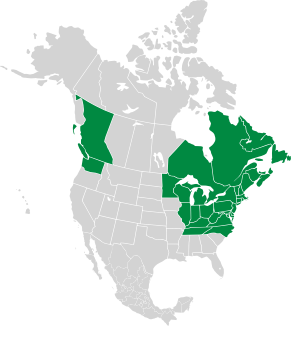
Coltsfoot is native to some regions of Europe and Asia. It was introduced to North and South America for its medical properties, and has become naturalized there, an invasive plant in many areas. “Coltsfoot” and many other of the common names are for the shape of the leaves at the base of the plant. It flowers very early, before almost everything else.

Coltsfoot basal leaves. 
Plants: 4–12″ (10–30 cm) tall. Stems are stiff, lined with small reddish-brown scales, actually leaves. Although the flowers somewhat resemble those of dandelions, the leaf shapes and scaly stems of coltsfoot are very different.
Leaves: Leaves at the base of the plant are heart-shaped, toothed, and up to 6″ (15 cm) wide. They are dark green above, and light below.
Flowers: There is a single yellow flower on each stem, about ¾″ (1.9 cm) across, composed of many tiny petals, similar to a dandelion. (In ultraviolet light, the outer petals appear white and the inner region red.) The flowers appear in early spring.
Fruits: Coltsfoot seeds are achenes with a small pappus, forming a dandelion-like ball of seeds ready for passing winds. The seeds are small nutlets about 1/16–⅛″ (3–4 mm) long.
Habitats: Damp habitats, hedgebanks, roadsides, wasteland, dunes in coastal zones.
Edibility: Flower buds and young flowers are said to add an anise-like (licorice-like) flavor to salads. Young leaves are also edible, provided that they are washed after boiling to remove a bitter taste. The dried leaves can be used to make a tea, or boiled with sugar to produce cough drops.
Medical: Coltsfoot has been pressed into service for a wide range of ailments. The most consistent use is the treatment of coughs and respiratory problems, often with a candy made from the leaves.
Online References:

8/14/2014 · Oak Hill, Littleton Conservation Land, Littleton, Massachusetts · ≈ 1½ × 1′ (47 × 31 cm) 

4/28/2014 · Big Bear Mountain, Brookline, New Hampshire · ≈ 8 × 5″ (19 × 13 cm) 

The leaf underside is almost white. · 7/11/2013 · Nashua River Rail Trail, Groton Center, Groton, Massachusetts · ≈ 7 × 6″ (17 × 15 cm) 

4/22/2014 · Beaver Brook Conservation Area, Brookline, New Hampshire 

5/2/2010 · Nashua River Rail Trail, Groton Center, Groton, Massachusetts · ≈ 3 × 2½″ (7.5 × 7.2 cm) 

4/4/2010 · Owl’s Head Transportation Museum Nature Walk, Owl’s Head, Maine · ≈ 6 × 5″ (15 × 13 cm) 
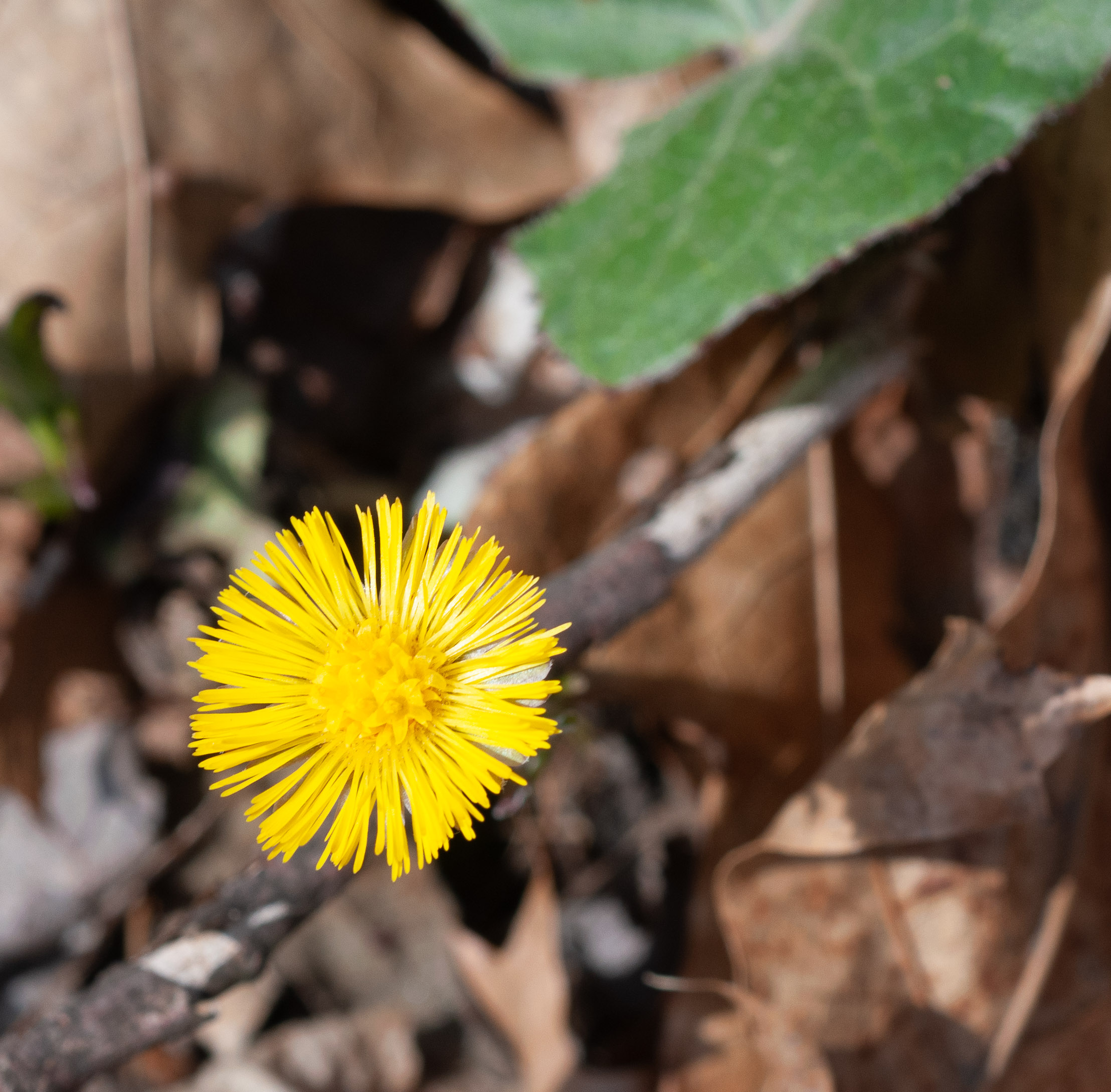
4/15/2012 · Nashua River Rail Trail, Groton Center, Groton, Massachusetts · ≈ 3½ × 3½″ (9.1 × 9 cm) 
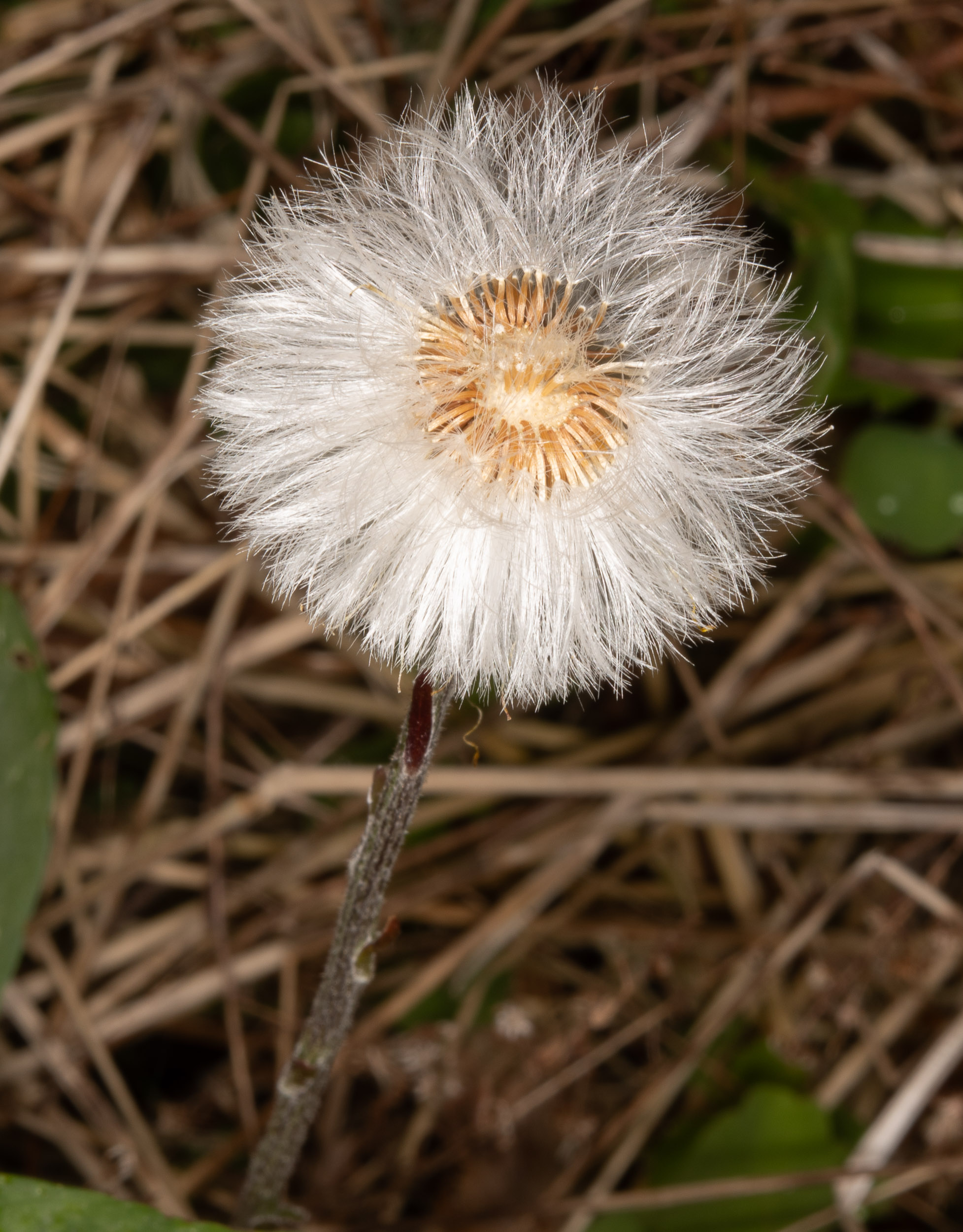
5/13/2021 · Otter Brrok Preserve, Harpswell Heritage Land Trust, Harpswell, Maine · ≈ 3 × 4″ (7.9 × 10 cm) 

4/23/2024 · Topsham Ponds Trails, Topsham, Maine 
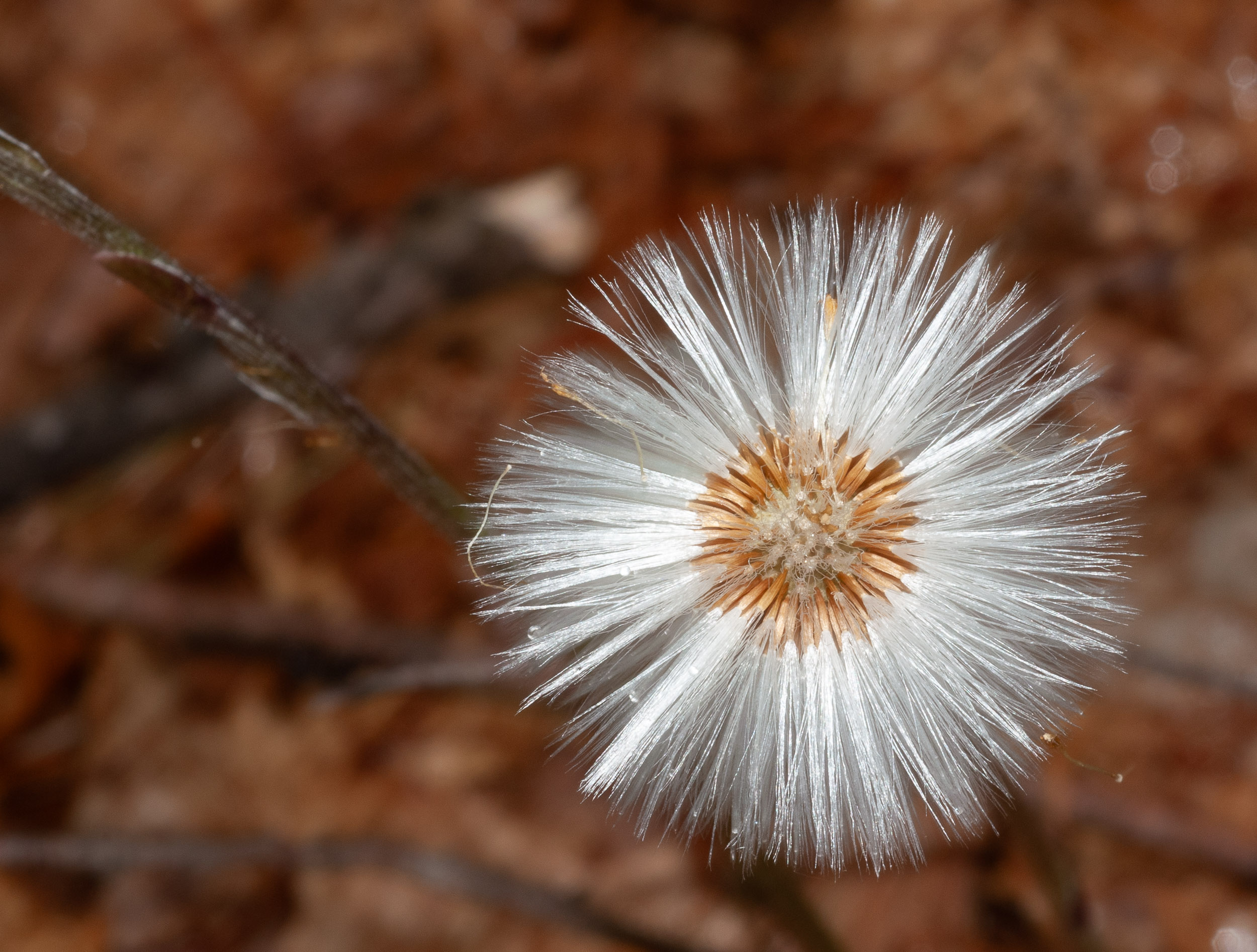
4/27/2010 · Nashua River Rail Trail, Pepperell, Massachusetts · ≈ 4 × 3″ (11 × 8.4 cm) 
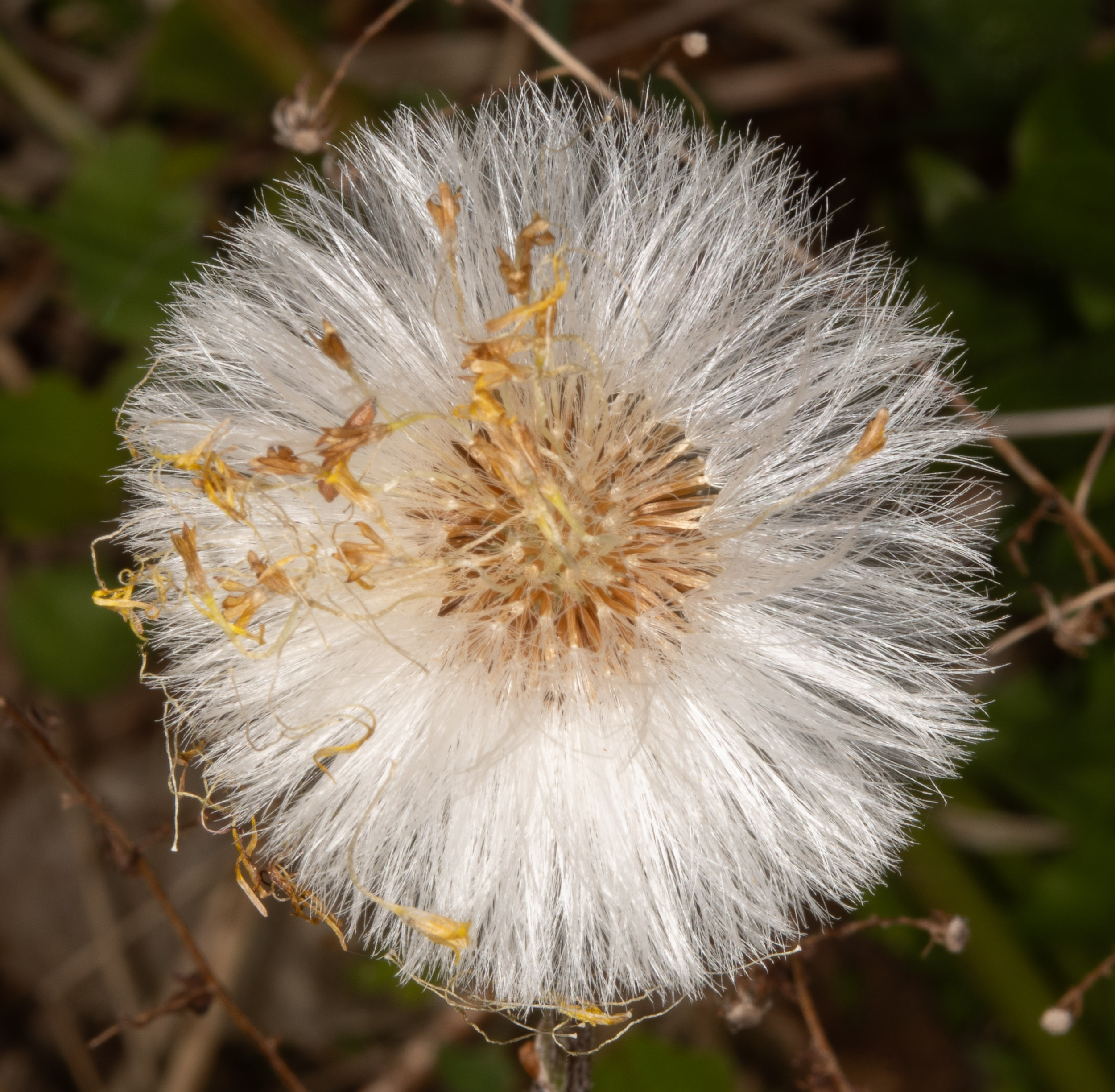
5/13/2021 · Otter Brrok Preserve, Harpswell Heritage Land Trust, Harpswell, Maine · ≈ 2½ × 2½″ (6.8 × 6.6 cm) 

5/4/2012 · Blue Trail, Willard Brook State Park, Ashby, Massachusetts · ≈ 8 × 6″ (19 × 16 cm) 

8/25/2017 · Pack Monadnock, near summit, Peterborough, New Hampshire · ≈ 12 × 8″ (31 × 20 cm) 

4/10/2021 · Stream Loop Trail, Big Falls Preserve, New Gloucester, Maine · ≈ 4½ × 6″ (12 × 16 cm) 
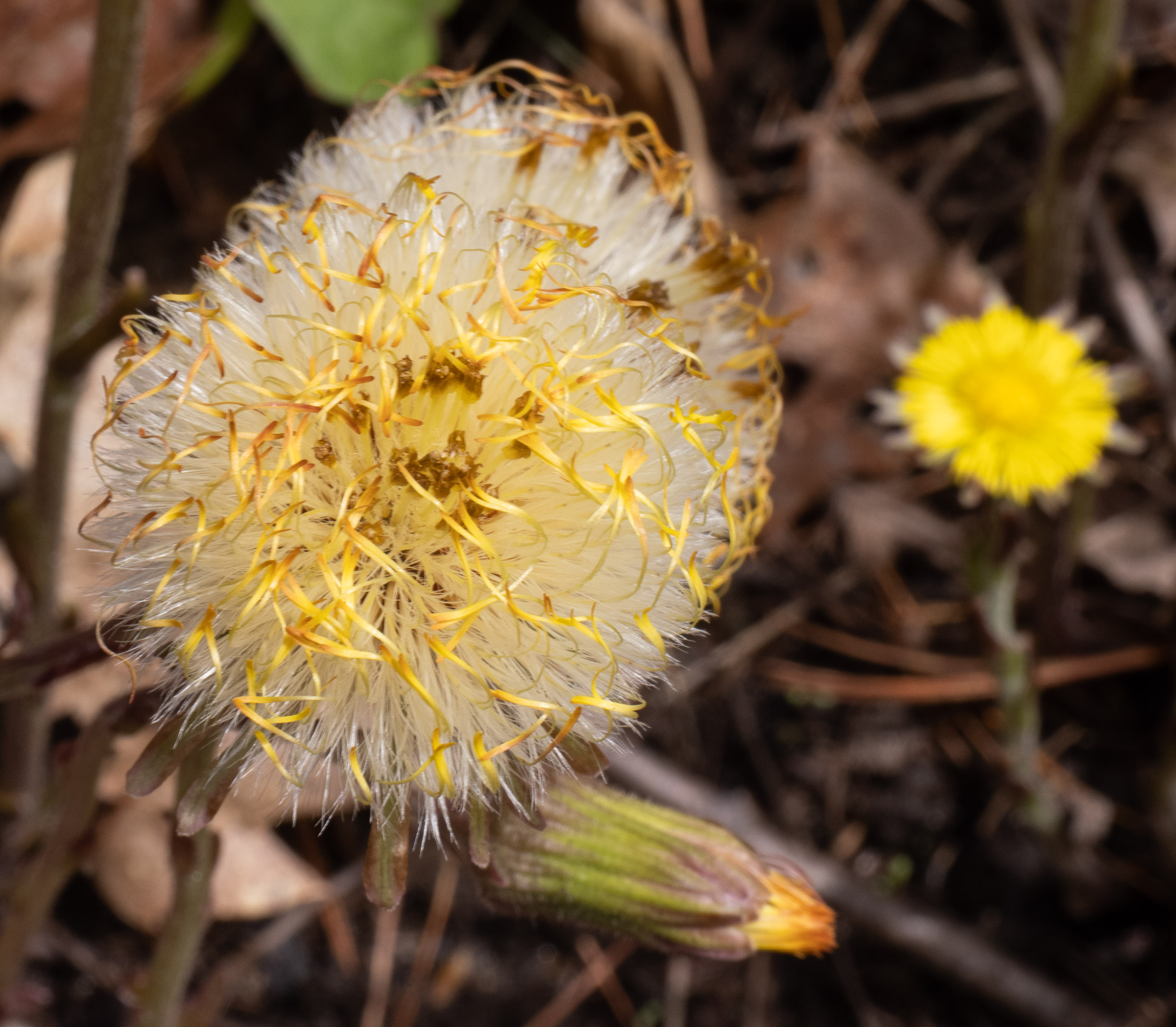
5/16/2024 · Ridge Trail, Freeport, Maine 
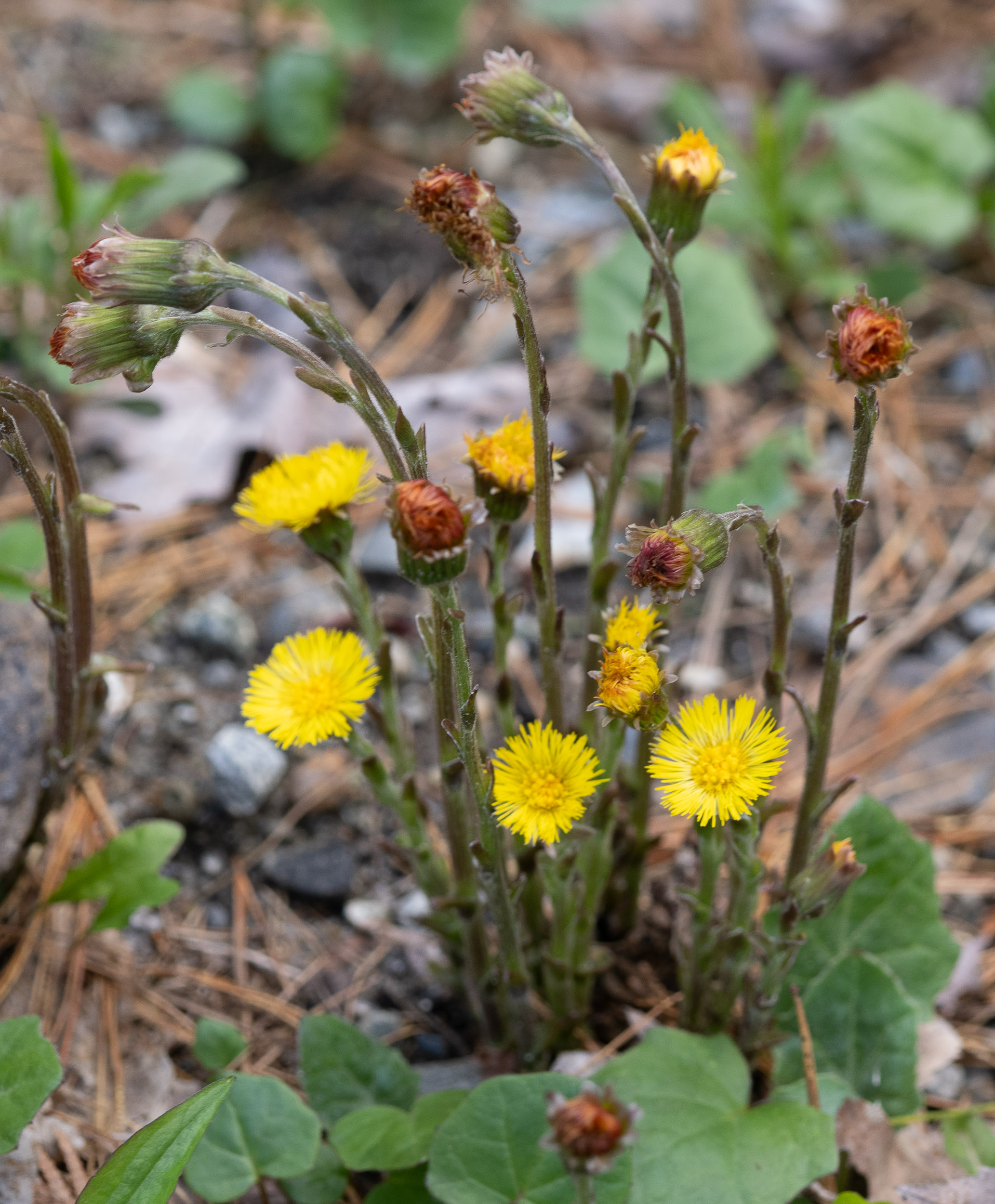
5/7/2023 · Otter Brrok Preserve, Harpswell Heritage Land Trust, Harpswell, Maine 

The sepal is red-brown. (Surrounding foliage is ferns, not coltsfoot.) · 4/23/2023 · Butler Head Preserve, Bath, Maine 
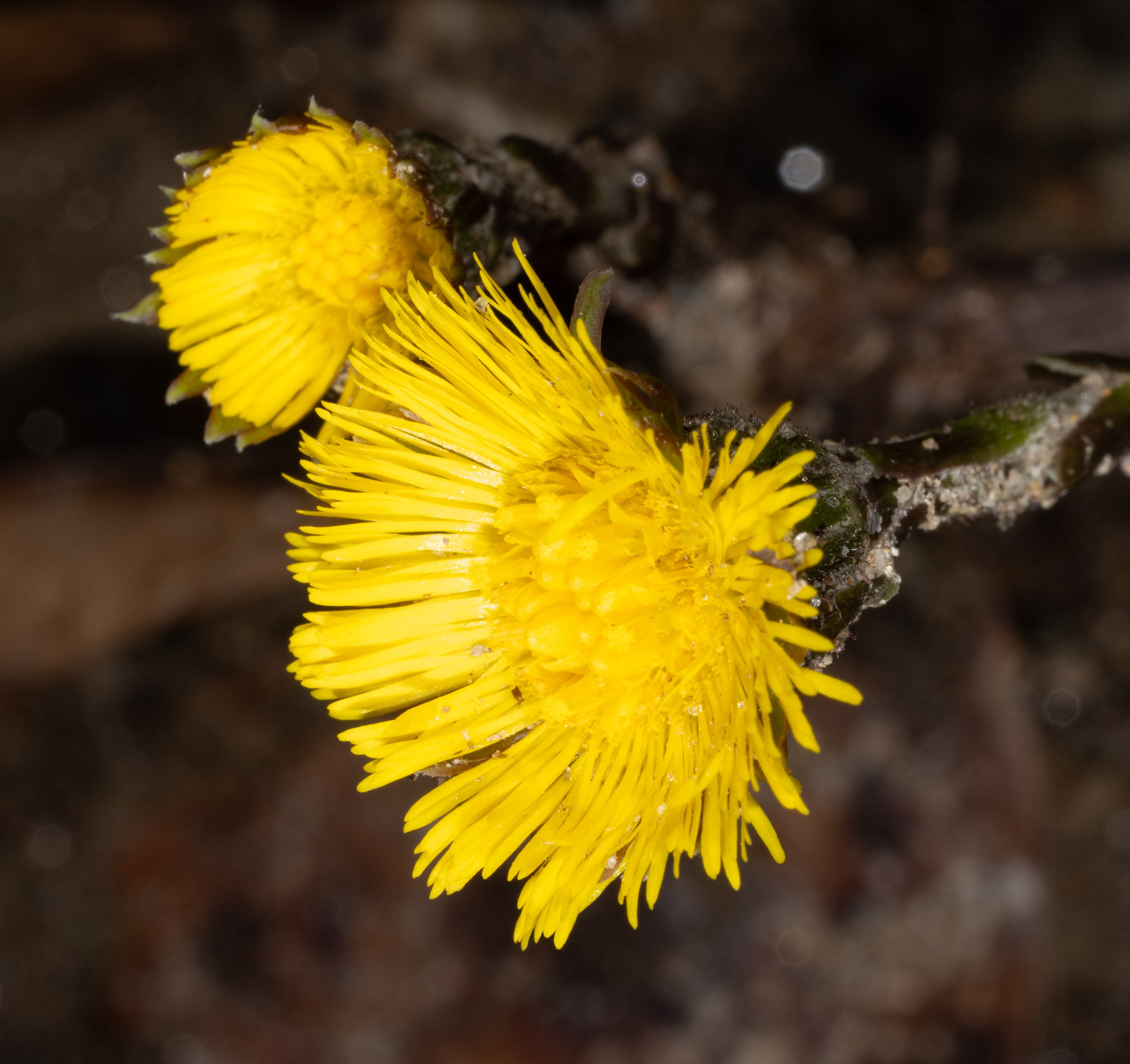
5/1/2023 · Tom and Susan's, Highland Green, Topsham, Maine 
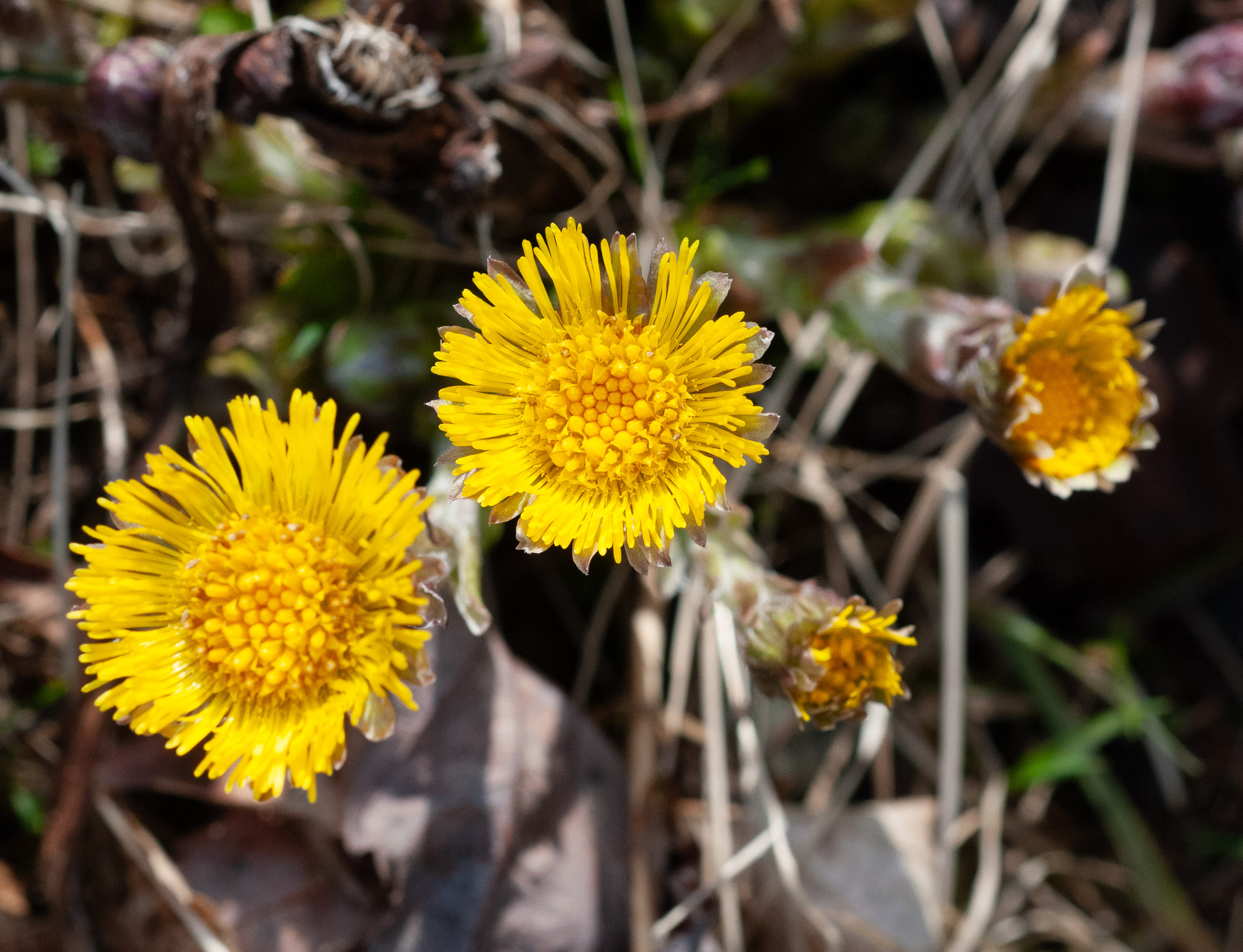
4/4/2010 · Owl’s Head Transportation Museum Nature Walk, Owl’s Head, Maine · ≈ 10 × 8″ (26 × 20 cm) 

4/24/2011 · Kevin and Becky’s, Rockland, Maine · ≈ 5 × 6″ (13 × 15 cm) 

4/23/2023 · Butler Head Preserve, Bath, Maine 

4/28/2014 · Big Bear Mountain, Brookline, New Hampshire · ≈ 4½ × 7″ (12 × 17 cm) 
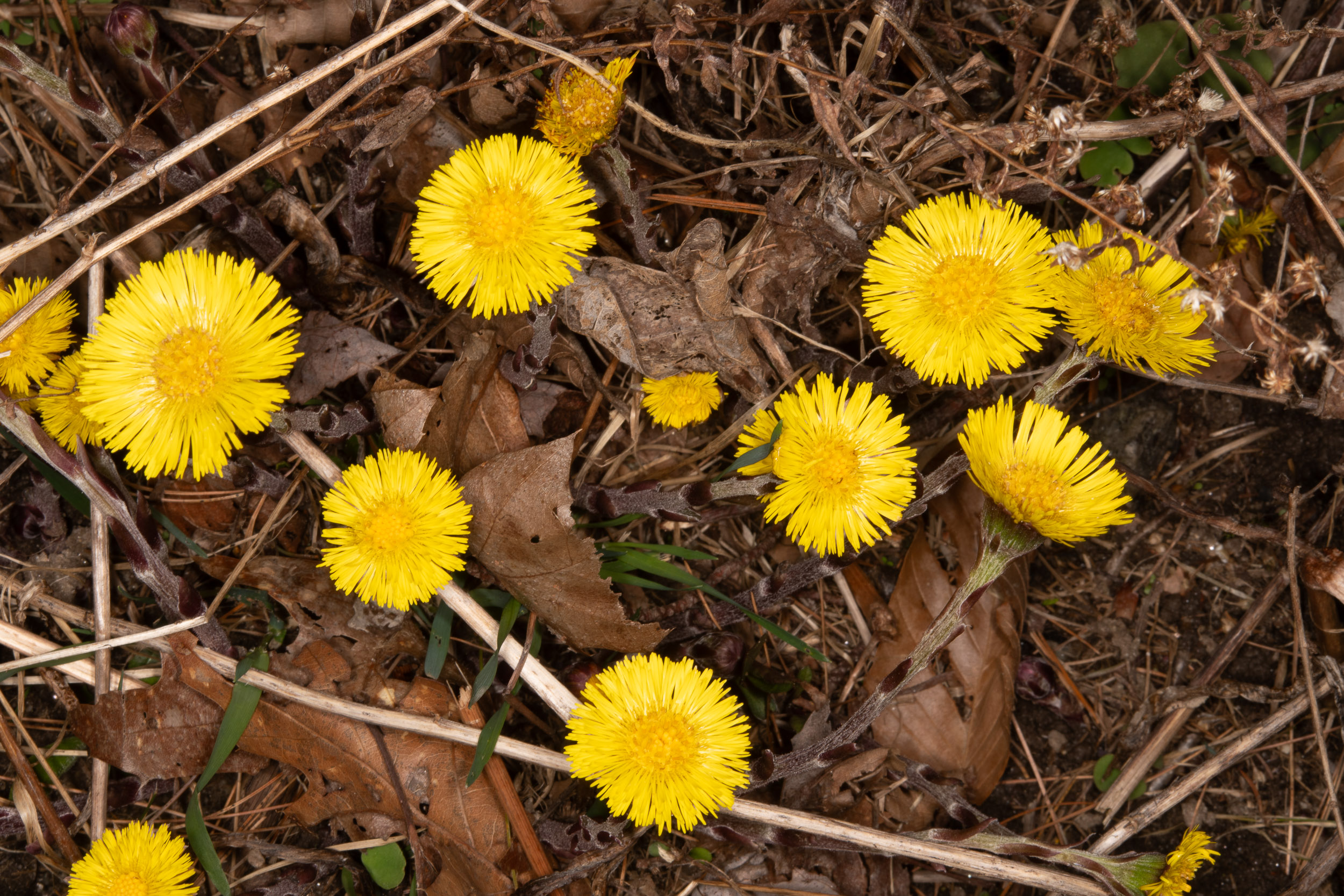
4/23/2021 · Otter Brrok Preserve, Harpswell Heritage Land Trust, Harpswell, Maine · ≈ 6 × 10″ (16 × 24 cm) 
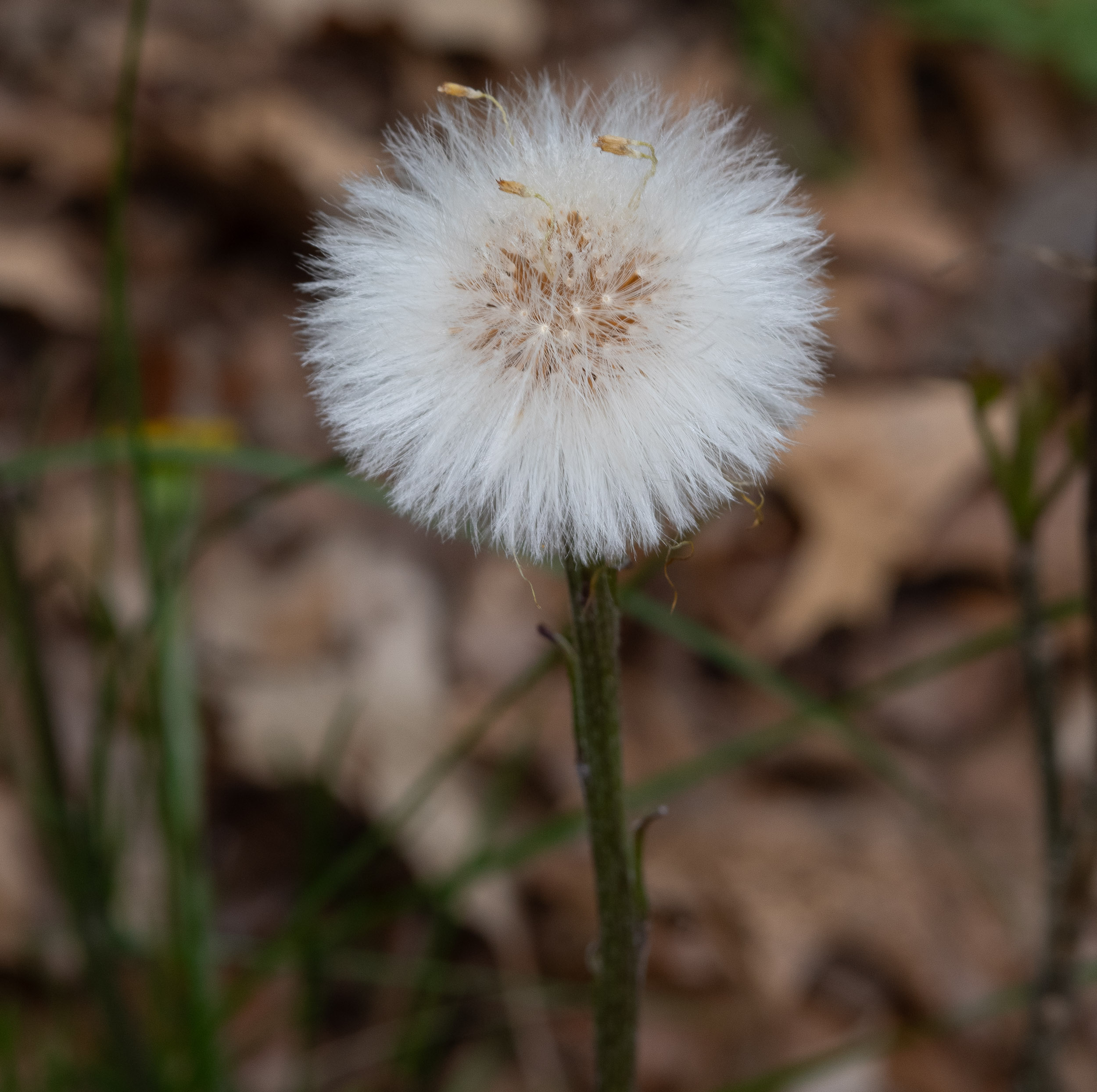
5/13/2016 · Nashua River Rail Trail, Groton Center, Groton, Massachusetts · ≈ 4 × 4″ (10 × 10 cm) 

4/4/2010 · Owl’s Head Transportation Museum Nature Walk, Owl’s Head, Maine · ≈ 11 × 10″ (28 × 24 cm) 

4/1/2024 · Long Reach Preserve, Harpswell, Maine 
| Kingdom | Plantae | Plants, but not fungi, lichens, or algae (from Stearn's Botanical Latin) |
| Subkingdom | Tracheobionta | Vascular plants—plants with a “circulatory system” for delivering water and nutrients |
| Division | Magnoliophyta | Flowering plants, also known as angiosperms |
| Class | Magnoliopsida | Dicotyledons—plants with two initial seed leaves |
| Subclass | Asteridae | A large class that encompasses asters |
| Order | Asterales | Flowering plants with a central disk flower and surrounding petals, like daisies |
| Family | Asteraceae | The aster family, which also includes daisies and sunflowers; from the Greek ἀστήρ, “star,” for the star-shaped flowers |
| Genus | Tussilago | “For a cough,” since this was used to cure coughs |
| Species | farfara | Old Latin name for coltsfoot |
Tussilago farfara description by Thomas H. Kent, not updated.

© FloraFinder.org. All rights reserved.