Vaccinium vitis-idaea L.
Lingonberry, mountain cranberry, cowberry, foxberry, red whortleberry, low bush cranberry, low bush partridgeberry, partridgeberry
Lingonberry is a Swedish name, though these have numerous other appellations, such as mountain cranberry. “Lingonberry” is considered preferable by many botanists, to help distinguish this species from cranberries.
Plants: Small evergreen shrubs 2–7″ (5–17 cm) tall. They keep their leaves all year long despite their preference for cold, often exposed mountain slopes.
Leaves: Less than ¾″ (1.9 cm) long, usually closer to ½″ (1.3 cm); dark green and shiny on top.
Flowers: White or pink, and bell-shaped, about ¼″ (6.3 mm) long.
Fruits: Berries are bright red, ¼–⅜″ (6.3–10 mm) in diameter.
Habitats: Temperate to subarctic climates—bogs, moist forests, rocky barrens, open slopes and dry woods.
This Vaccinium comparision chart also includes a couple of similar-appearing species that are not Vaccinium.
Edibility: Lingonberries are collected in the wild in several areas of Europe. They are tart when fresh, but are cooked and sweetened to create jams, compote, or juice. They have vitamins and minerals, as well as other nutritional benefits.
Online References:

9/18/2016 · Barred Island Preserve, Deer Isle, Maine 

9/19/2009 · Acadia National Park, Bar Harbor, Maine · ≈ 11 × 8″ (26 × 19 cm) 
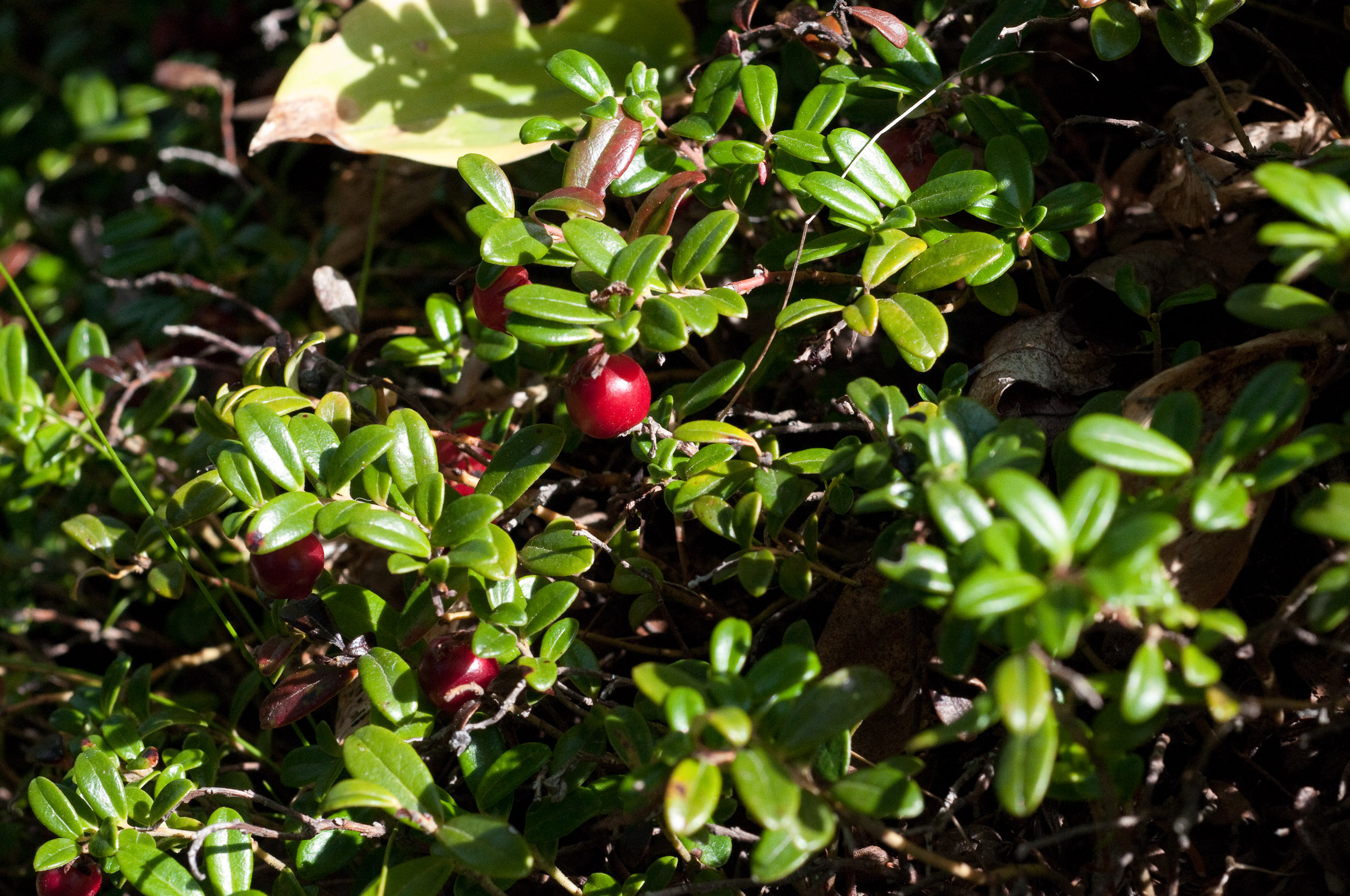
9/19/2009 · Acadia National Park, Bar Harbor, Maine · ≈ 7 × 4½″ (17 × 11 cm) 

6/29/2014 · Mount Agamenticus, York, Maine · ≈ 10 × 7″ (25 × 16 cm) 

5/23/2024 · Coastal Maine Botanical Gardens, Boothbay, Maine 

7/13/2015 · Mt. Mansfield, Stowe/Cambridge, Vermont · ≈ 6 × 7″ (14 × 17 cm) 

9/19/2009 · Acadia National Park, Bar Harbor, Maine · ≈ 8 × 6″ (19 × 14 cm) 
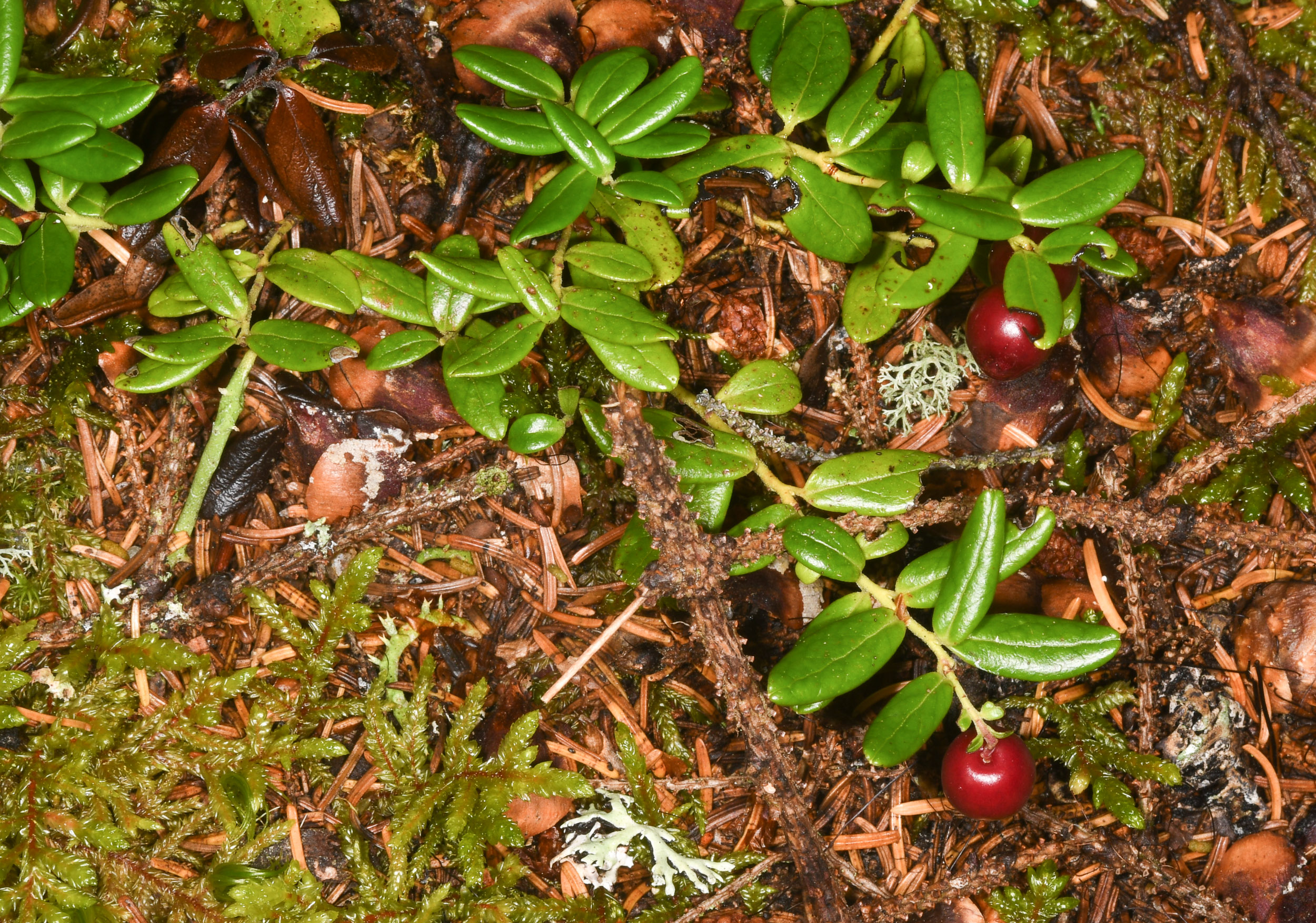
9/18/2016 · Barred Island Preserve, Deer Isle, Maine 

9/19/2009 · Acadia National Park, Bar Harbor, Maine · ≈ 17 × 12″ (44 × 29 cm)  ID is uncertain

6/11/2025 · Coastal Maine Botanical Gardens, Boothbay, Maine · ≈ 8 × 5″ (20 × 13 cm) 

9/18/2016 · Shore Acres Preserve 
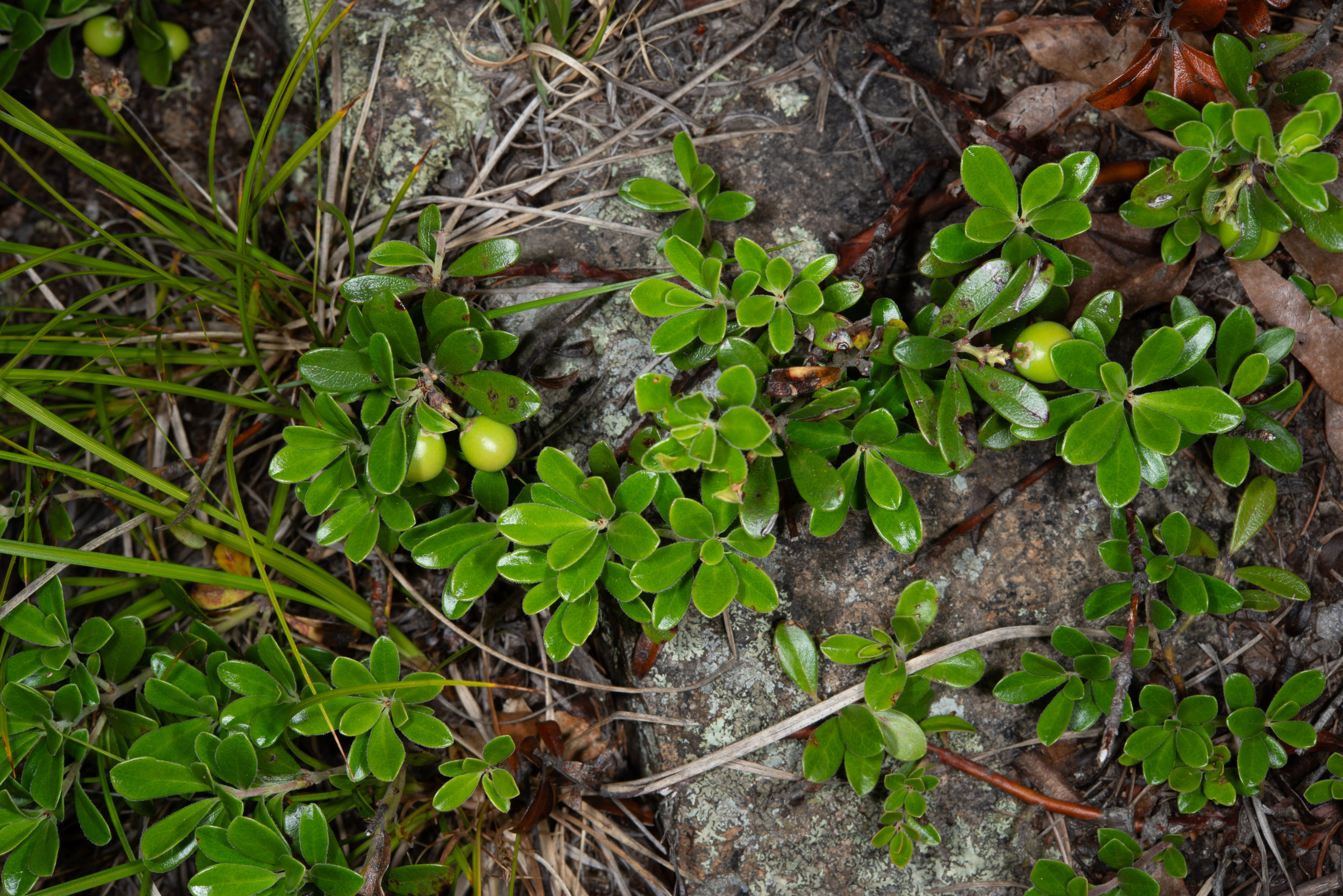
6/29/2014 · Mount Agamenticus, York, Maine · ≈ 10 × 7″ (25 × 16 cm) 

9/20/2009 · Wild Gardens of Acadia, Acadia National Park, Bar Harbor, Maine · ≈ 17 × 12″ (44 × 29 cm) 

5/23/2024 · Coastal Maine Botanical Gardens, Boothbay, Maine 

9/18/2016 · Shore Acres Preserve 

5/23/2024 · Coastal Maine Botanical Gardens, Boothbay, Maine 

7/13/2015 · Mt. Mansfield, Stowe/Cambridge, Vermont · ≈ 8 × 5″ (19 × 13 cm) 

9/20/2009 · Wild Gardens of Acadia, Acadia National Park, Bar Harbor, Maine · ≈ 17 × 12″ (44 × 29 cm) 
| Kingdom | Plantae | Plants, but not fungi, lichens, or algae (from Stearn's Botanical Latin) |
| Subkingdom | Tracheobionta | Vascular plants—plants with a “circulatory system” for delivering water and nutrients |
| Division | Magnoliophyta | Flowering plants, also known as angiosperms |
| Class | Magnoliopsida | Dicotyledons—plants with two initial seed leaves |
| Subclass | Asteridae | A large class that encompasses asters |
| Order | Ericales | Tea, persimmon, blueberry, Brazil nut, azalea, many others |
| Family | Ericaceae | Heath or heather family |
| Genus | Vaccinium | Ancient Latin name for billberry |
| Species | vitis-idaea | “Grape of Mt. Ida,” according to Greek legend |

Vaccinium vitis-idaea description by Thomas H. Kent, not updated.

© FloraFinder.org. All rights reserved.