Veratrum eschscholtzii A. Gray
Veratrum eschscholtzii A. Gray var. incriminatum B. Boivin
Veratrum viride Aiton ssp. eschscholtzii (A. Gray) Á. Löve & D. Löve
Veratrum viride Aiton var. eschscholtzii (A. Gray) Breitung
Veratrum viride Aiton
False hellebore, green false hellebore, Indian poke, American hellebore
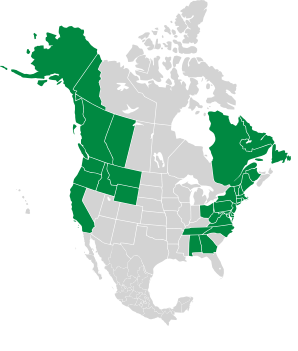
False hellebore is native to the eastern and western areas of the US and Canada. It has a penchant for moist meadows and open forests. A name as colorful as false hellebore deserves a little research. Turns out false hellebore is so named because it looks like real hellebore, which in turn is a member of the Helleborus species. And Helleborus derives from the Greek name for H. orientalis, ἑλλέβορος (helléboros), from elein ”to injure,” and βορά (borá), ”food.” (In botany, “false” means “easily confused with a similar, previously named plant.”)
Plants: This is a rather handsome looking species, making a rather prominent impression in wooded habitats. Plants are 2–6½′ (70–200 cm) in height.
Leaves: 4–14 ⨉ 1¾–8″ (10–35 ⨉ 5–20 cm), spirally arranged around a straight stem. They are elliptic to broadly lanceolate, with conspicuous parallel ribs and hairy undersides.
Flowers: Arranged in a conical shape atop the plant, 12–28″ (30–70 cm) tall; individual flowers are star-shaped, hairy, ⅛–⅜″ (5–12 mm) long, and green, with six green or yellow green tepals. Flowers appear from July to August.
Fruits: A capsule ½–1″ (1.5–3 cm) long, which splits into three sections to release numerous flat ¼–⅜″ (8–10 mm) diameter seeds.
Habitats: Edges of forested streams, seepages, swamps in mucky soils, and low wet forests. Sometimes forms dense patches.
Edibility:  Poisonous. Any part of this plant, especially the roots,
induces nausea and vomiting, followed by drops in respiration, heart rate, and blood pressure,
often leading to death. It is poisonous to animals as well as people. If eaten, the result is burning of the mouth and throat,
salivation, headache, stomach pain, vomiting, diarrhea, weakness, sweating, and convulsions.
Poisonous. Any part of this plant, especially the roots,
induces nausea and vomiting, followed by drops in respiration, heart rate, and blood pressure,
often leading to death. It is poisonous to animals as well as people. If eaten, the result is burning of the mouth and throat,
salivation, headache, stomach pain, vomiting, diarrhea, weakness, sweating, and convulsions.
Medical: In the 1950s and 60s, standardized preparations derived from false hellebore were used to bring overly fast heart rates and high blood pressure down. The practice was later discontinued.
Online References:

6/13/2021 · Cathance River Nature Preserve, Topsham, Maine · ≈ 4½ × 3″ (11 × 7.5 cm) 

5/15/2010 · Garden in the Woods, Framingham, Massachusetts 
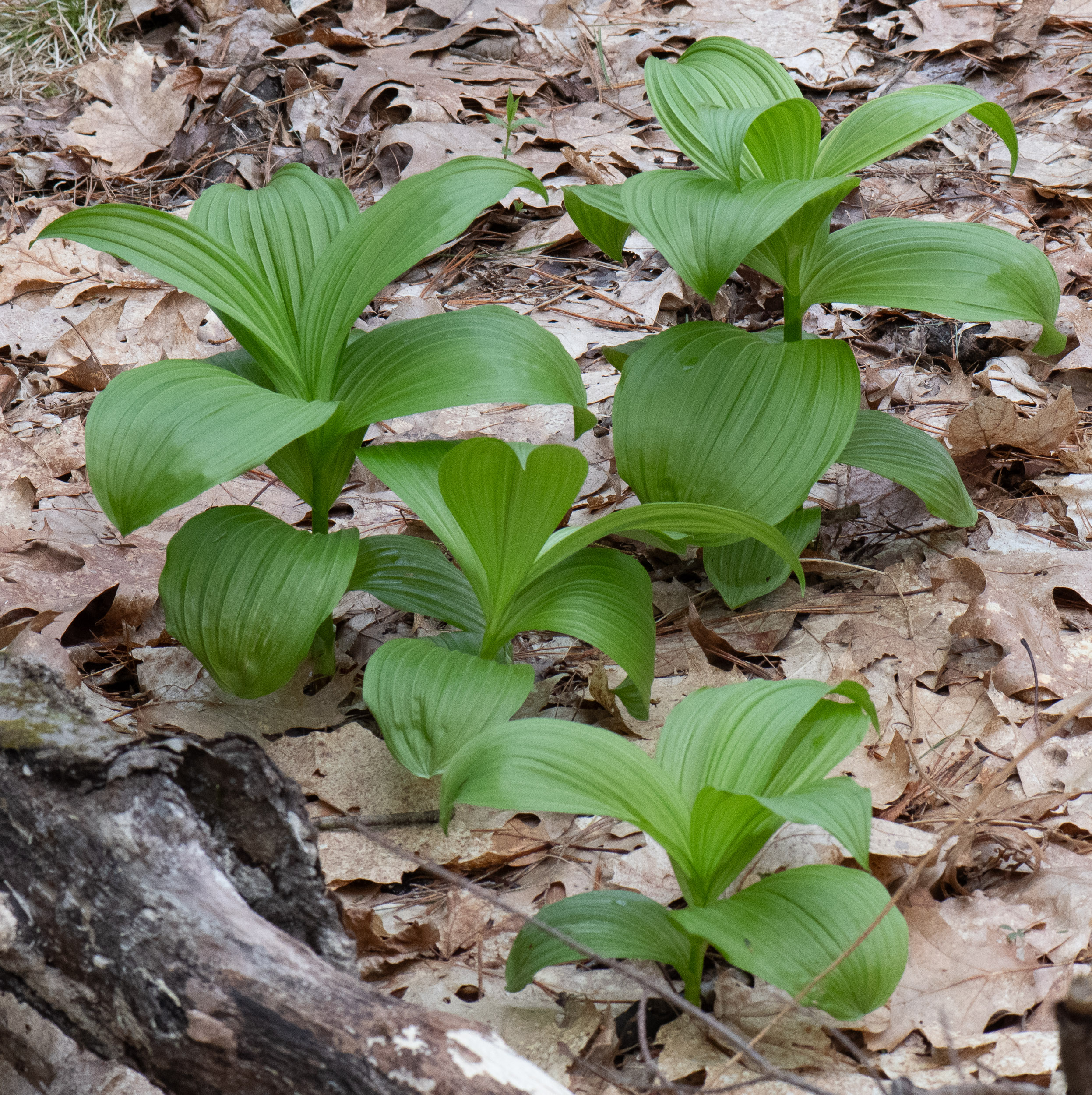
4/23/2016 · Big Tree/Porcupine Trail, Beaver Brook Conservation Area, Hollis, Massachusetts 

7/12/2015 · Smuggler’s Notch, Cambridge, Vermont · ≈ 6 × 9″ (15 × 22 cm) 

5/2/2013 · Beaver Brook Conservation Area, Hollis, New Hampshire 

6/13/2021 · Cathance River Nature Preserve, Topsham, Maine · ≈ 5 × 3″ (12 × 8.4 cm) 

7/12/2015 · Smuggler’s Notch, Cambridge, Vermont · ≈ 8 × 5″ (19 × 13 cm) 
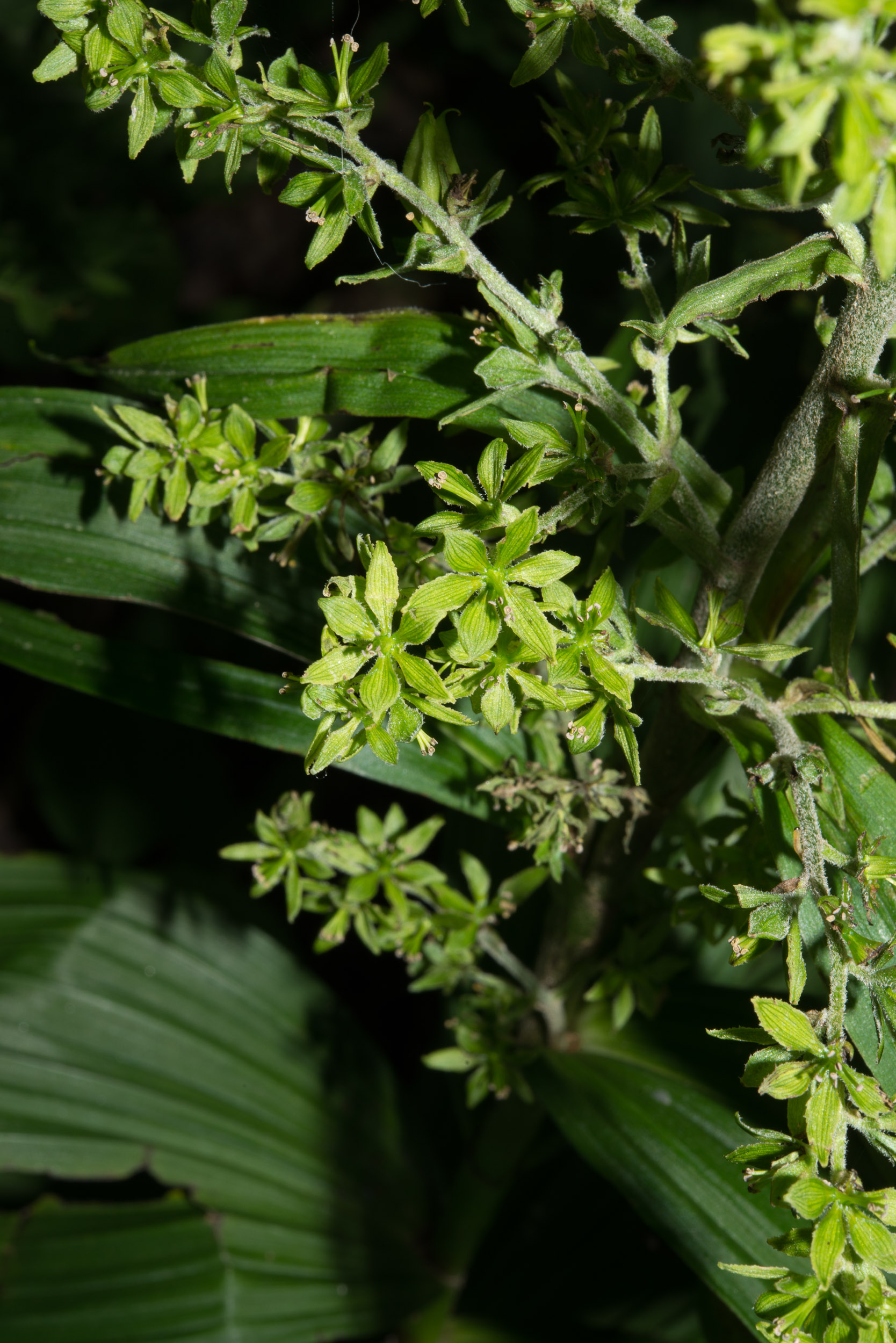
7/12/2015 · Smuggler’s Notch, Cambridge, Vermont · ≈ 5 × 8″ (12 × 19 cm) 

5/15/2010 · Garden in the Woods, Framingham, Massachusetts · ≈ 17 × 12″ (44 × 29 cm) 

4/23/2016 · Big Tree/Porcupine Trail, Beaver, Hollis, Massachusetts 

5/14/2013 · Beaver Brook Conservation Area, Hollis, New Hampshire · ≈ 1½ × 1′ (53 × 35 cm) 

7/12/2015 · Smuggler’s Notch, Cambridge, Vermont · ≈ 12 × 8″ (31 × 21 cm) 

5/15/2010 · Garden in the Woods, Framingham, Massachusetts · ≈ 3½ × 5″ (9.2 × 13 cm) 
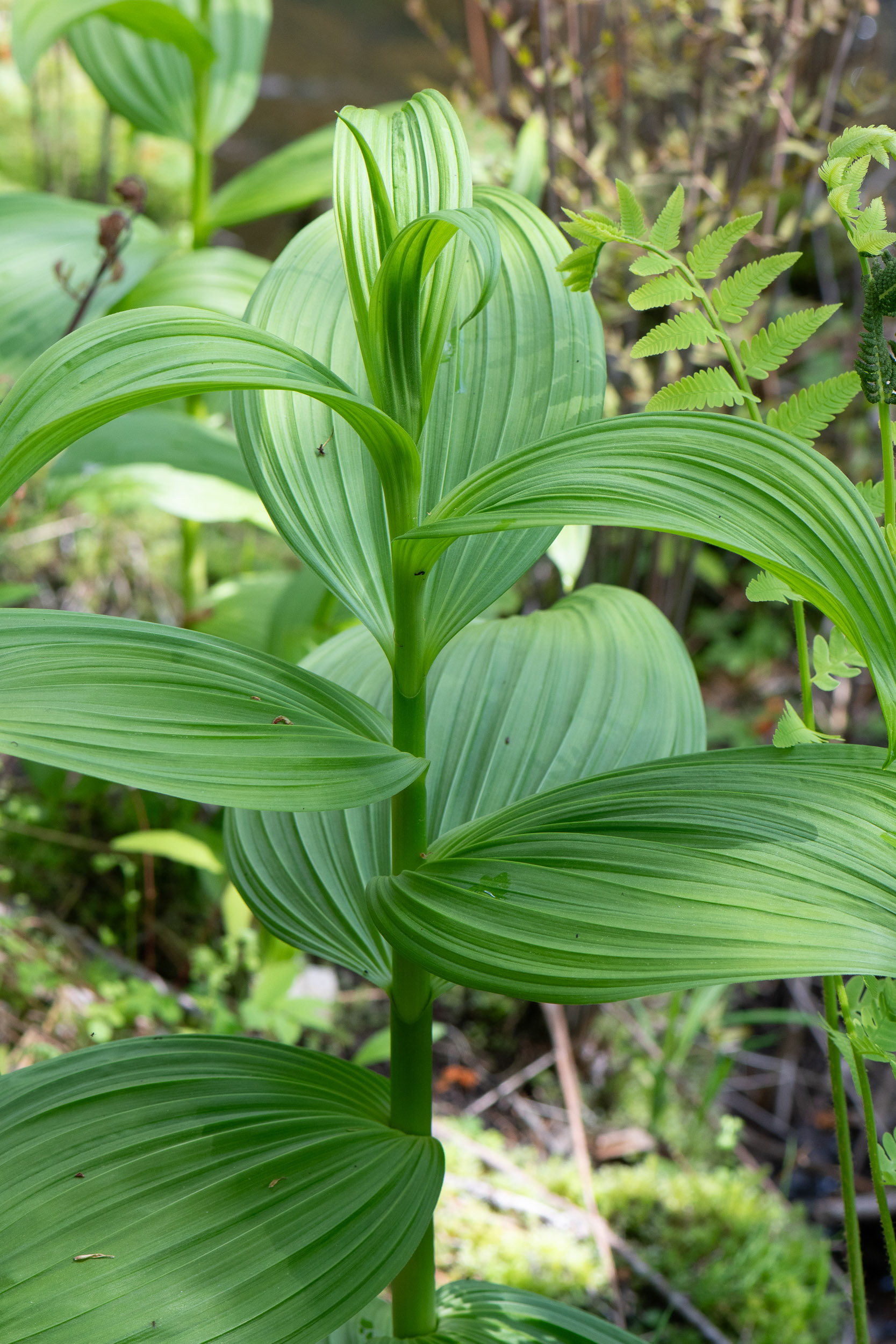
5/18/2021 · Cathance River Nature Preserve, Topsham, Maine 
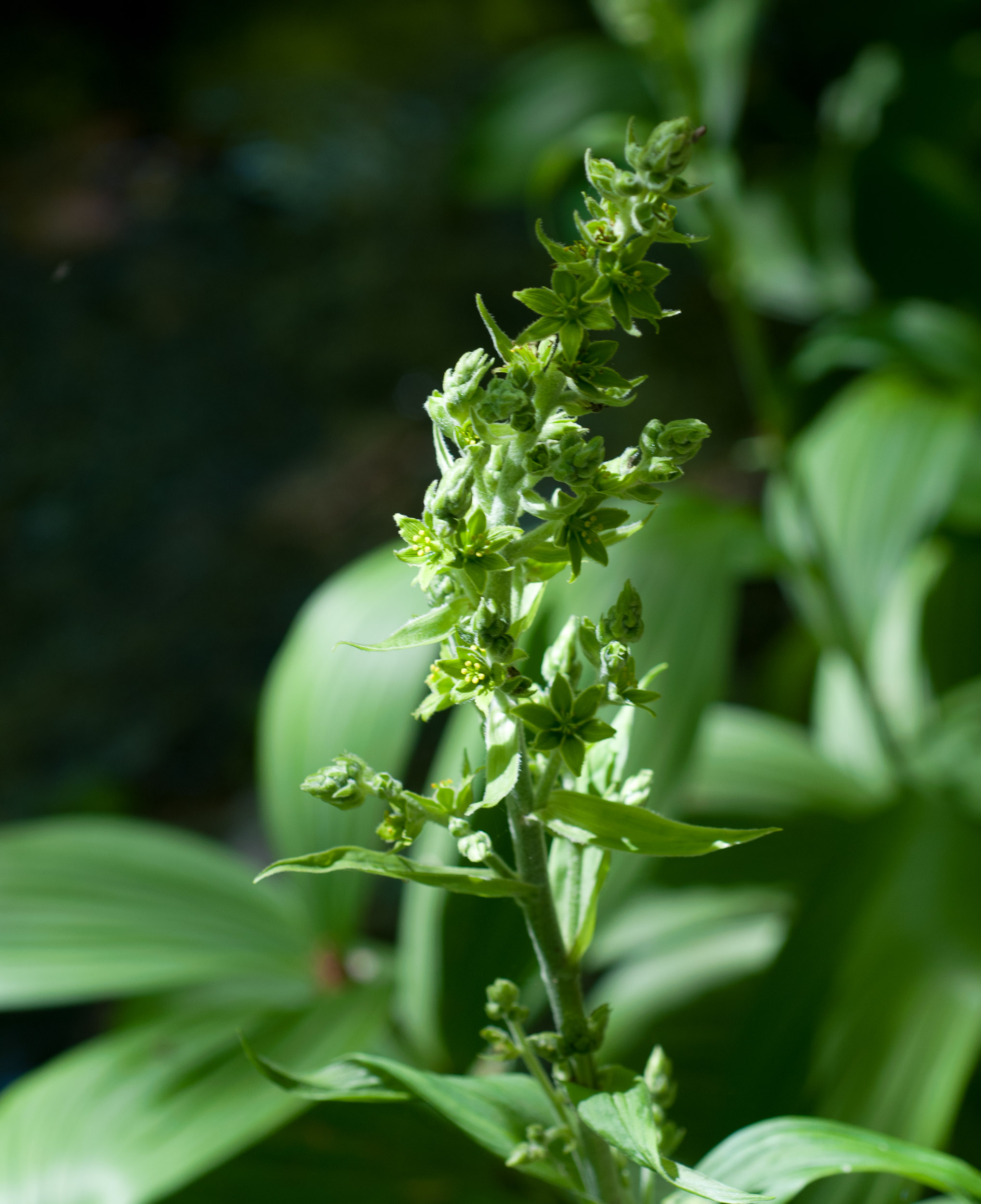
5/15/2010 · Garden in the Woods, Framingham, Massachusetts · ≈ 9 × 11″ (23 × 28 cm) 
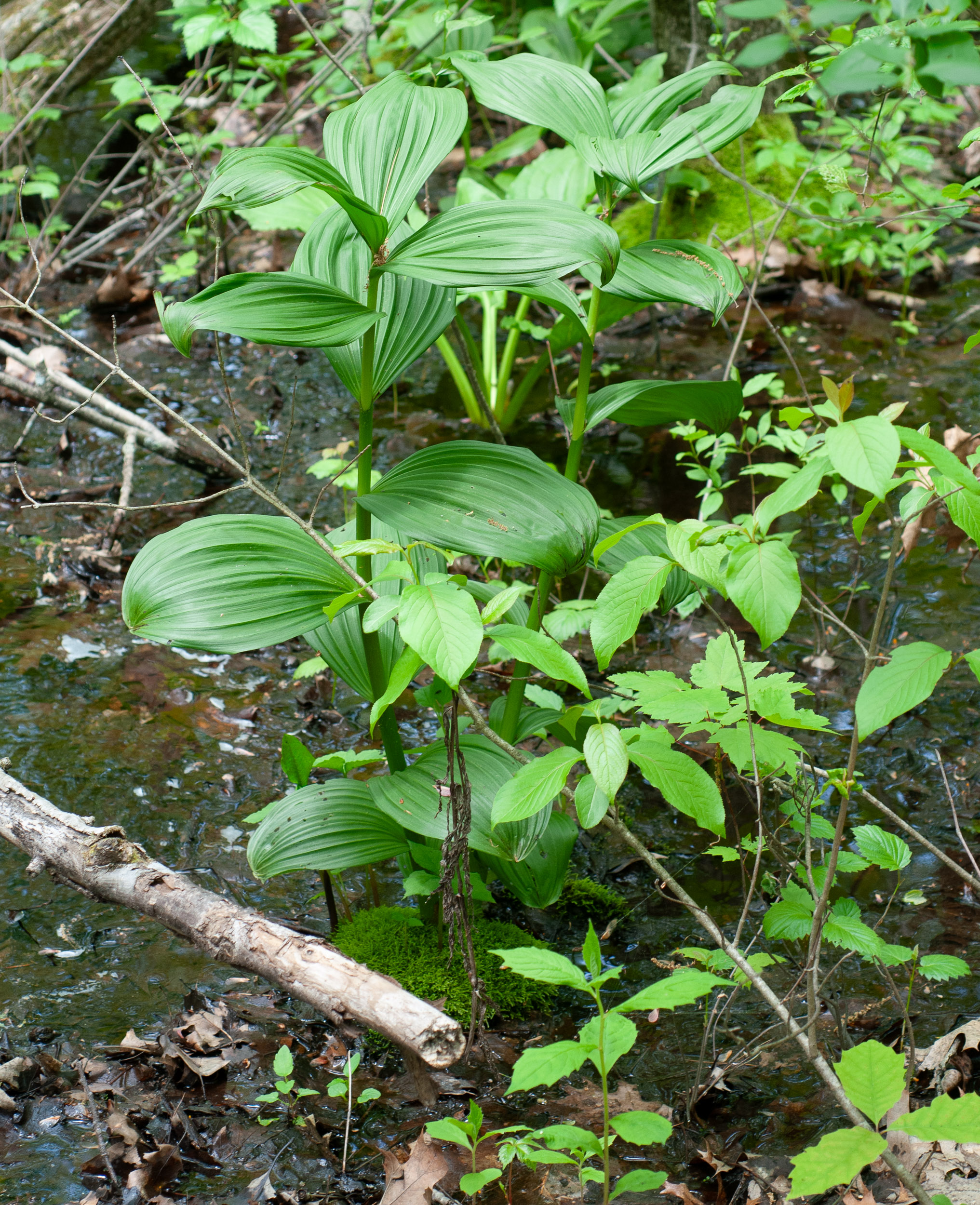
5/13/2012 · Lowell-Dracut-Tyngsboro State Forest, Lowell, Massachusetts 

7/13/2015 · Mt. Mansfield, Stowe/Cambridge, Vermont · ≈ 1½ × 2½′ (53 × 79 cm) 

4/29/2013 · Beaver Brook Conservation Area, Hollis, New Hampshire · ≈ 2 × 1½′ (62 × 50 cm) 

4/25/2021 · Cathance River Nature Preserve, Topsham, Maine · ≈ 7 × 9″ (18 × 23 cm) 

7/13/2015 · Mt. Mansfield, Stowe/Cambridge, Vermont · ≈ 9 × 6″ (22 × 15 cm) 
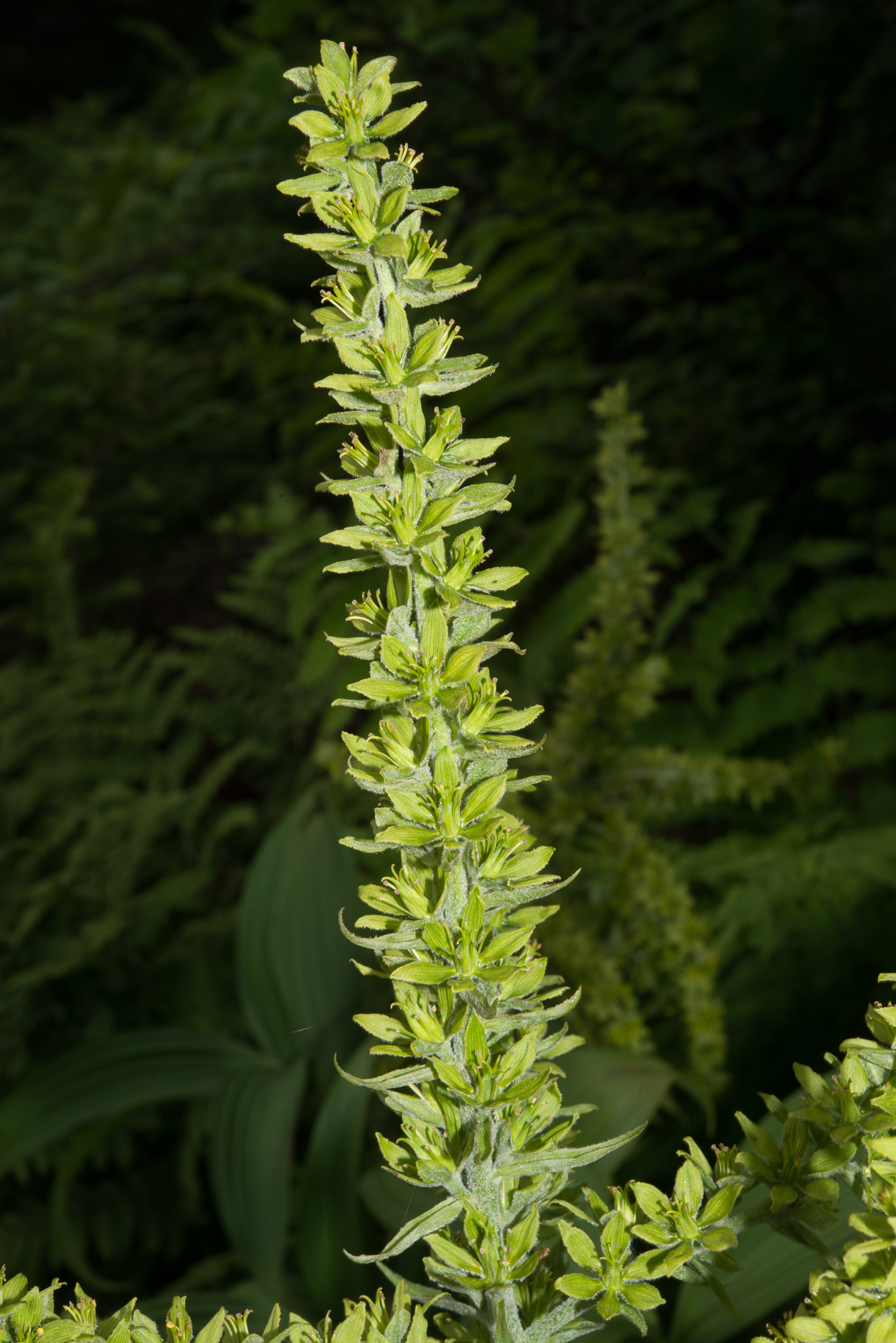
7/13/2015 · Mt. Mansfield, Stowe/Cambridge, Vermont · ≈ 7 × 10″ (16 × 25 cm) 
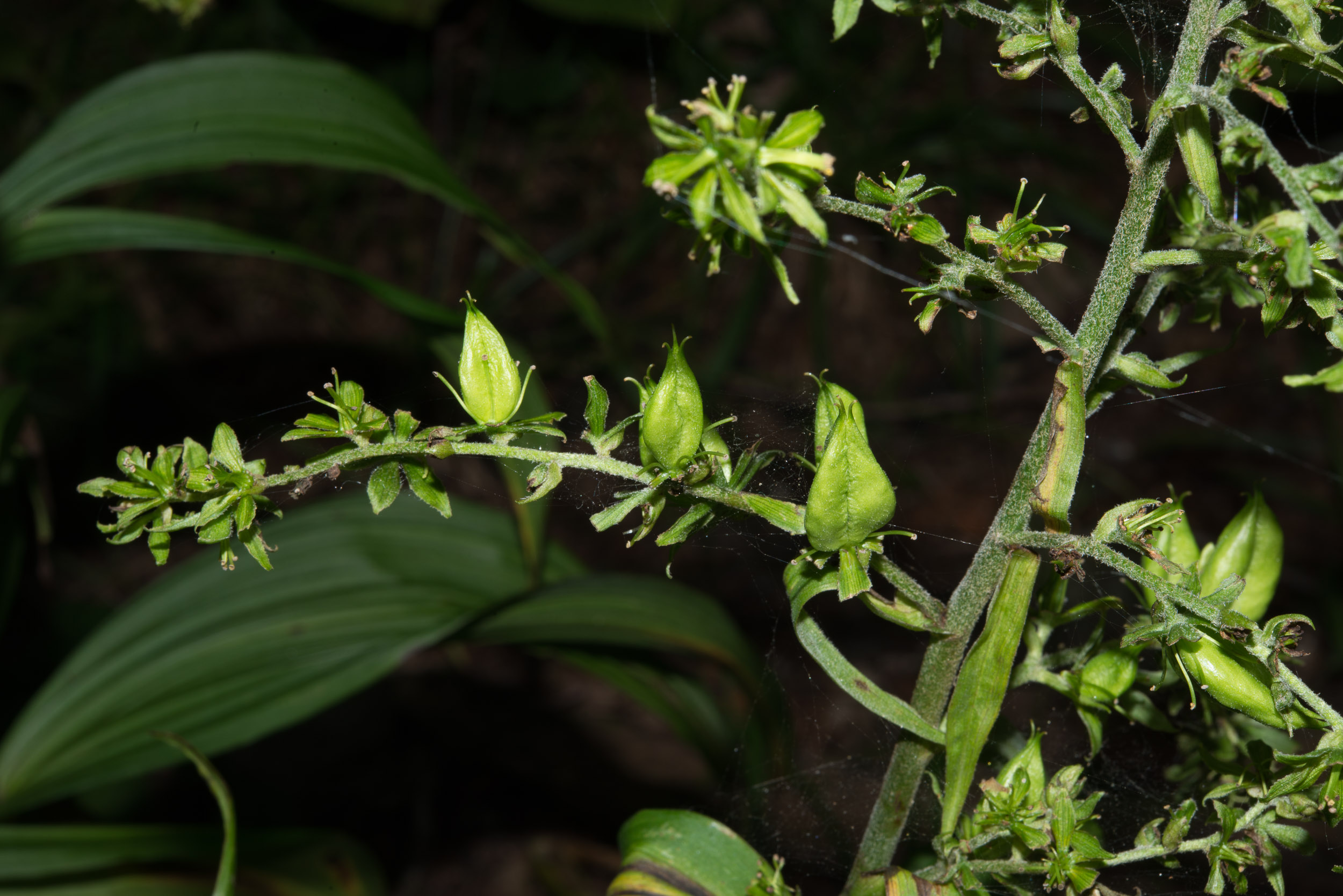
7/12/2015 · Smuggler’s Notch, Cambridge, Vermont · ≈ 8 × 5″ (19 × 13 cm) 
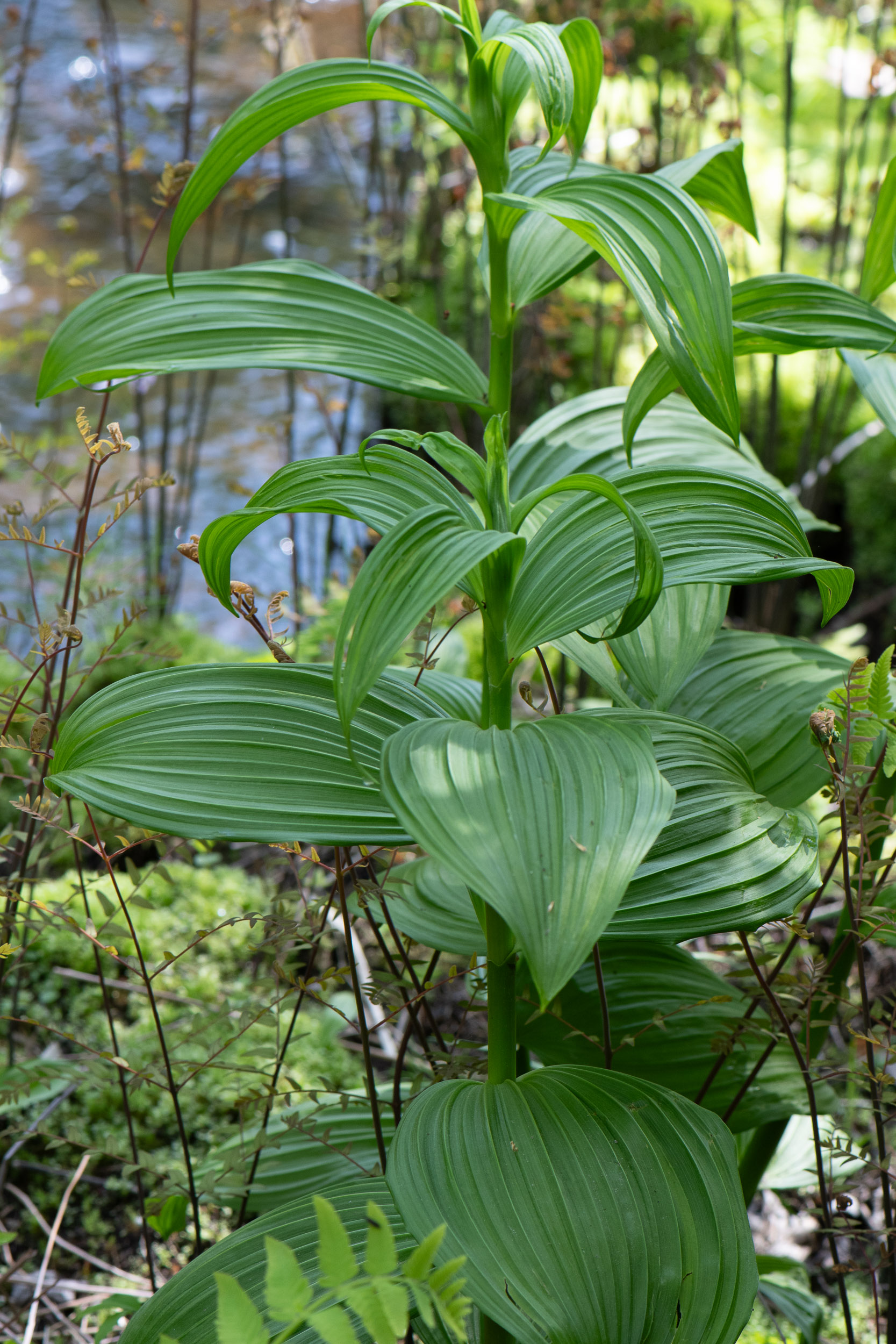
5/18/2021 · Cathance River Nature Preserve, Topsham, Maine 

4/23/2016 · Big Tree/Porcupine Trail, Beaver Brook Conservation Area, Hollis, Massachusetts 

5/3/2014 · Beaver Brook Conservation Area, Hollis, New Hampshire 

6/13/2021 · Cathance River Nature Preserve, Topsham, Maine · ≈ 4½ × 3″ (11 × 7.5 cm) 
| Kingdom | Plantae | Plants, but not fungi, lichens, or algae (from Stearn's Botanical Latin) |
| Subkingdom | Tracheobionta | Vascular plants—plants with a “circulatory system” for delivering water and nutrients |
| Division | Magnoliophyta | Flowering plants, also known as angiosperms |
| Class | Liliopsida | Monocots (plants with a single seed leaf); includes the lily family |
| Subclass | Liliidae | Includes lilies, orchids, and many others |
| Order | Liliales | Includes lilies, tulips, trilliums, greenbriars, and others |
| Family | Melanthiaceae | Trillium family |
| Genus | Veratrum | Latin for “dark roots”; also the ancient name of Hellebore |
| Species | viride | “Deep green” |
Veratrum viride description by Thomas H. Kent, not updated.

© FloraFinder.org. All rights reserved.