Vitis riparia Michx. var. syrticola (Fernald & Wiegand) Fernald
Vitis vulpina L. var. praecox (Engelm. ex L.H. Bailey) L.H. Bailey
Vitis vulpina L. ssp. riparia (Michx.) R.T. Clausen
Vitis vulpina L. var. syrticola Fernald & Wiegand
Vitis riparia Michx.
Riverbank grape
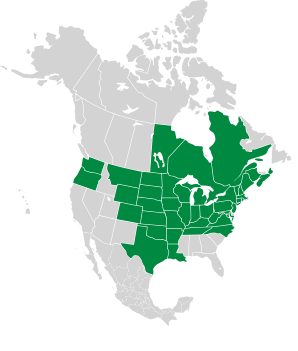
Riverbank grape is a widespread North American native. The species, riparia, is named for its preference for wet places—the banks of rivers and streams, ravines, peninsulas and islands in lakes, etc.
Plants: These vines (technically, lianas) manage to climb their way up to 50′ (15 m) into trees or anything else it can wrap its forked tendrils around. Stems are smooth and green or dull reddish brown when young, becoming thick (up to 3″ (7.6 cm) around) and woody with age, with reddish, exfoliating bark.
Leaves: With three and sometimes as many as seven lobes, with coarse teeth and forward-pointing lobes. They are alternate, and are 4–8 ⨉ 2½–6″ (10–20 ⨉ 7–15 cm). Lower leaf surfaces are covered with a bloom or fine hairs; upper leaves are shiny green.
Flowers: Yellowish-green, in loose spikes up to five inches long, appearing from May to July. Individual flowers are small and inconspicuous.
Fruits: Grape clusters are smaller in size than for many other grape species. The grapes are smaller too, ¼–½″ (6.3–12 mm) around, and black, with a strong “bloom” of blue. They appear from July to September. Each grape contains two to four seeds.
Habitats: Banks of rivers and streams, ravines, peninsulas and islands in lakes.
Edibility: Fruit is edible raw or dried as raisins, tasting sour unless harvested after a frost. Several sources say it makes a good jelly—for this purpose, the grapes should be harvested when younger, since the pectin content is higher. They were harvested by native Americans. The young leaves, wrapped around foods and baked, flavor the food. They can also be boiled and eaten with butter.
Online References:
References:

7/19/2017 · Monongahela National Forest, Monongahela, West Virginia · ≈ 7 × 4½″ (18 × 12 cm) 
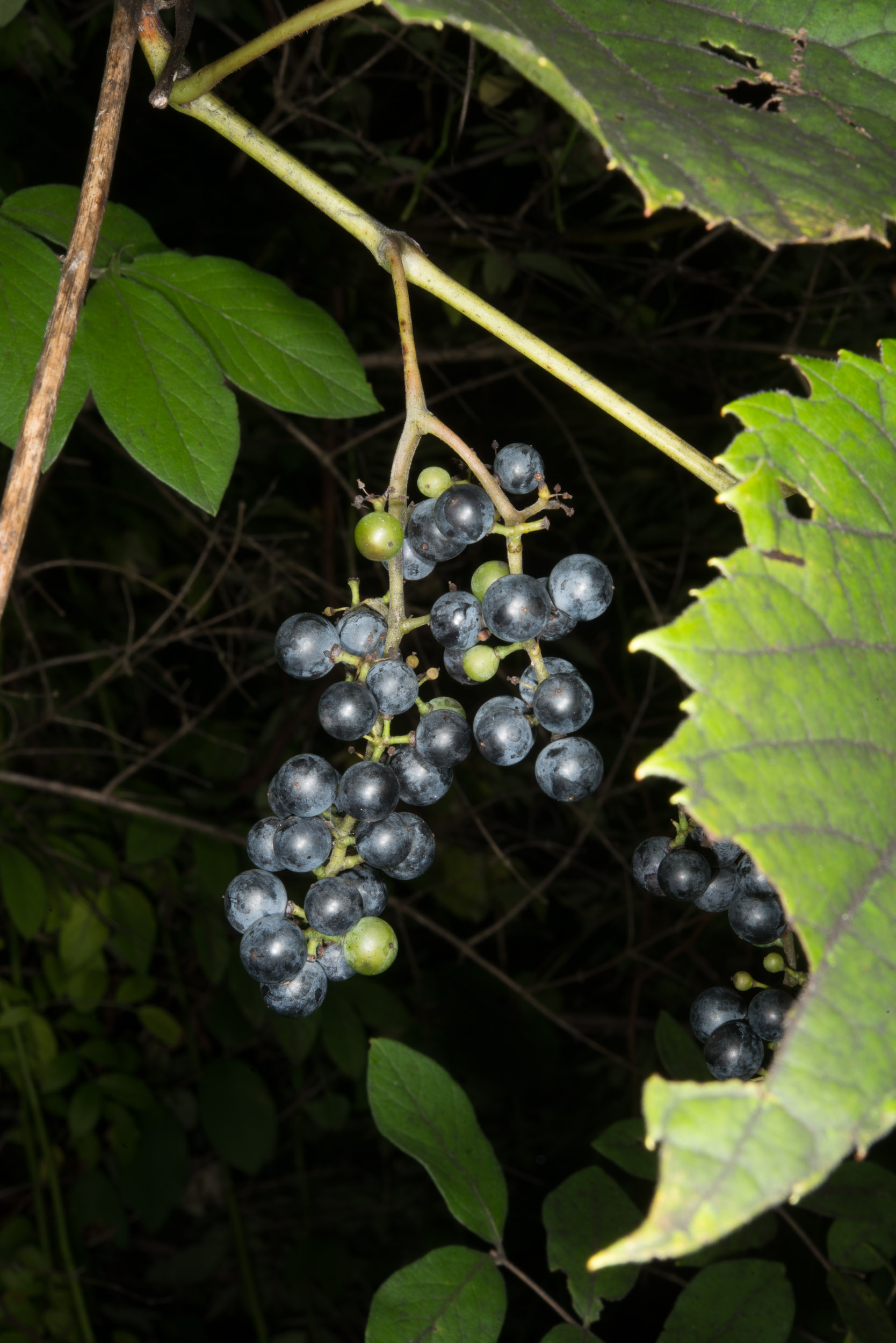
9/10/2014 · Acton Arboretum, Acton, Massachusetts · ≈ 7 × 10″ (16 × 25 cm) 

7/19/2017 · Monongahela National Forest, Monongahela, West Virginia · ≈ 12 × 8″ (31 × 20 cm) 
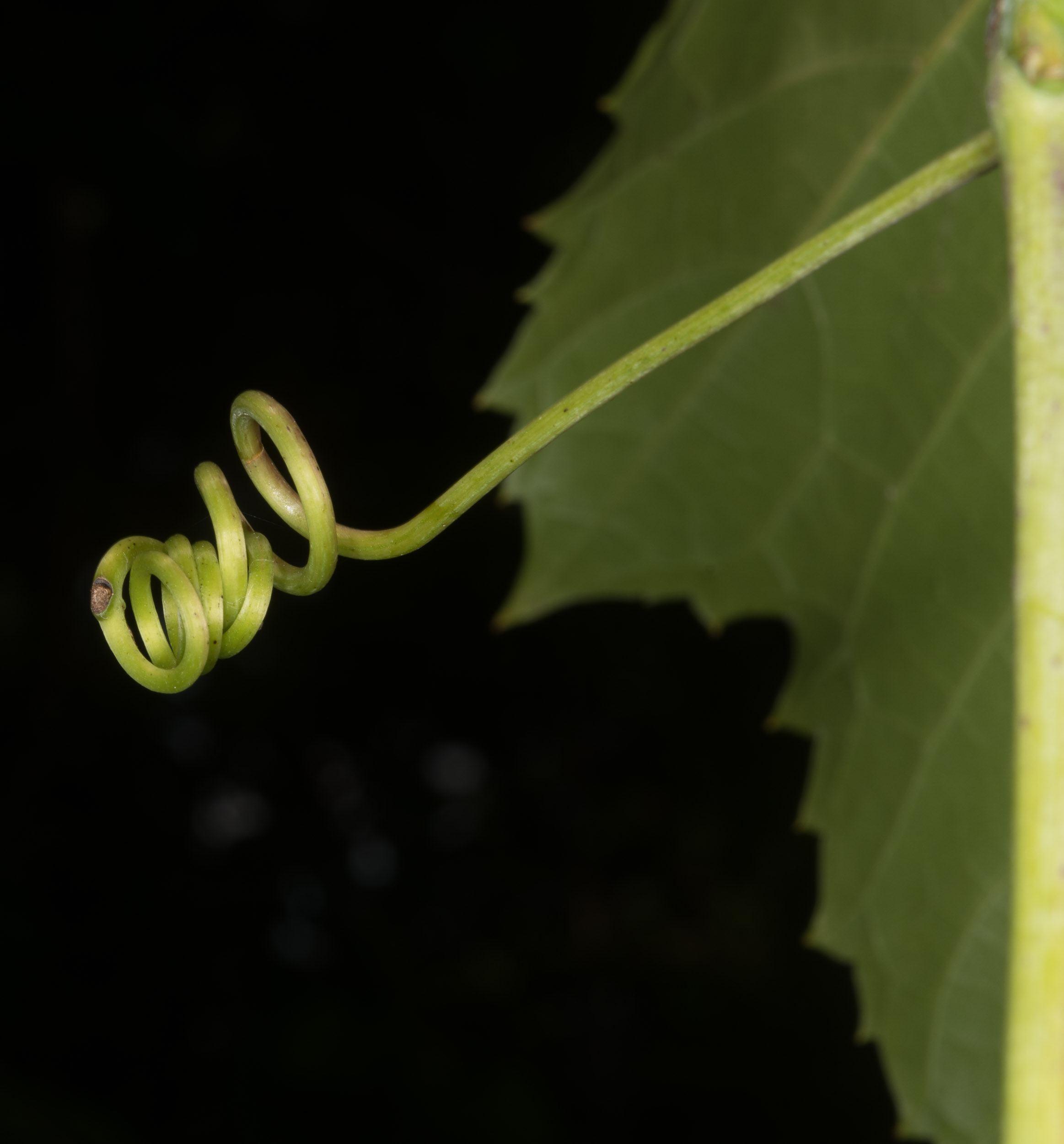
7/19/2017 · Monongahela National Forest, Monongahela, West Virginia · ≈ 3½ × 4″ (9.8 × 10 cm) 
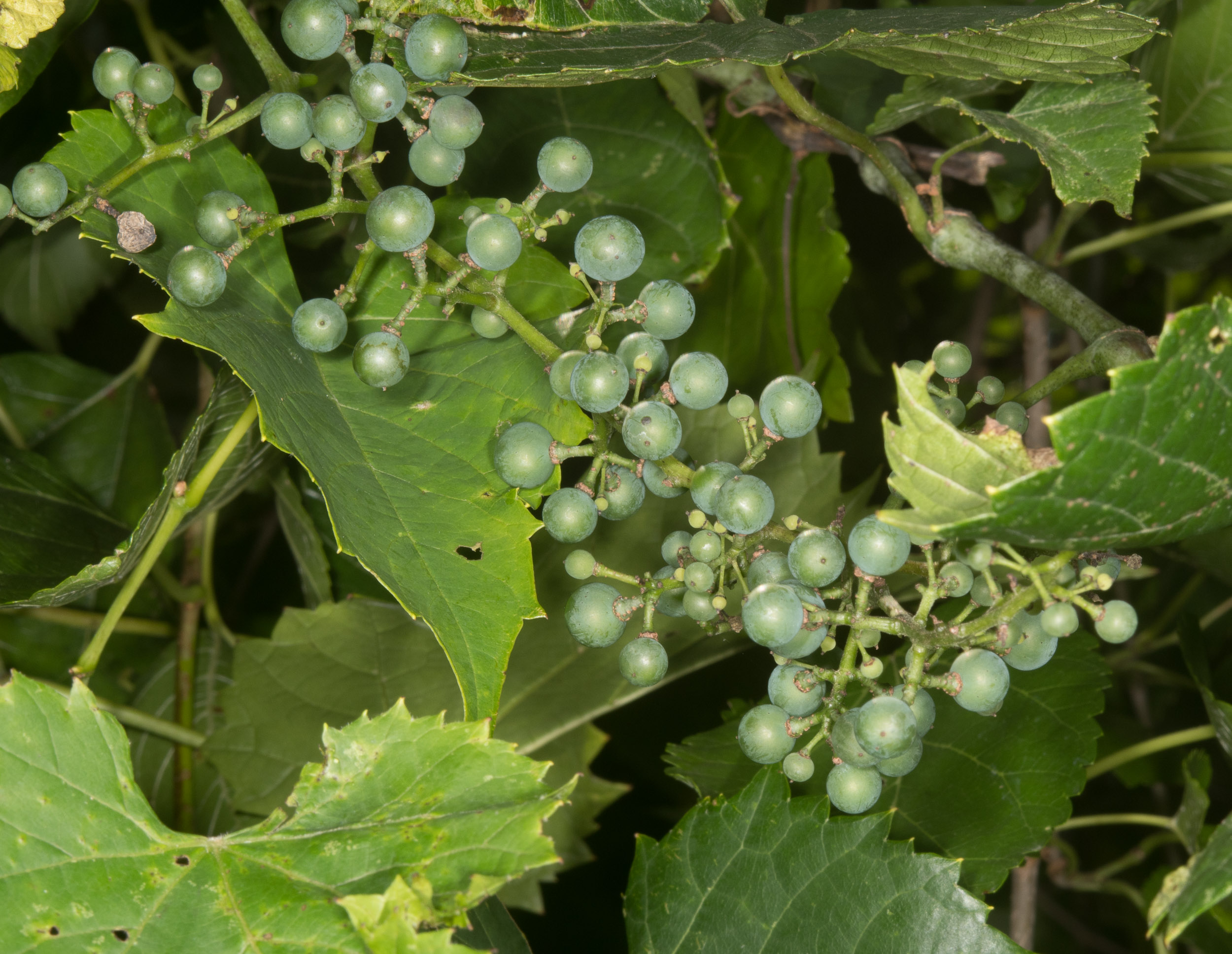
7/19/2017 · Monongahela National Forest, Monongahela, West Virginia · ≈ 7 × 5″ (17 × 13 cm) 
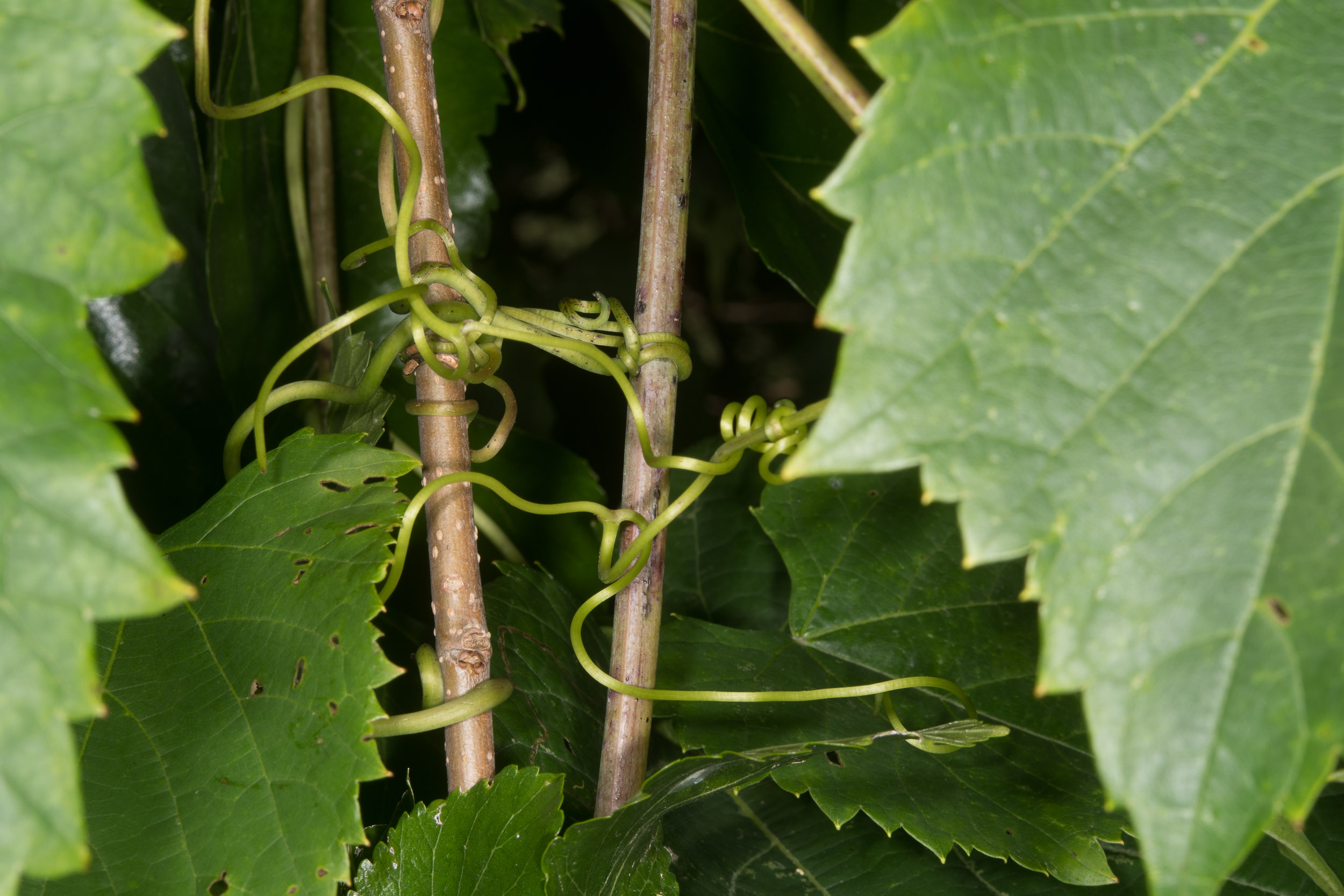
7/19/2017 · Monongahela National Forest, Monongahela, West Virginia · ≈ 7 × 4½″ (18 × 12 cm) 
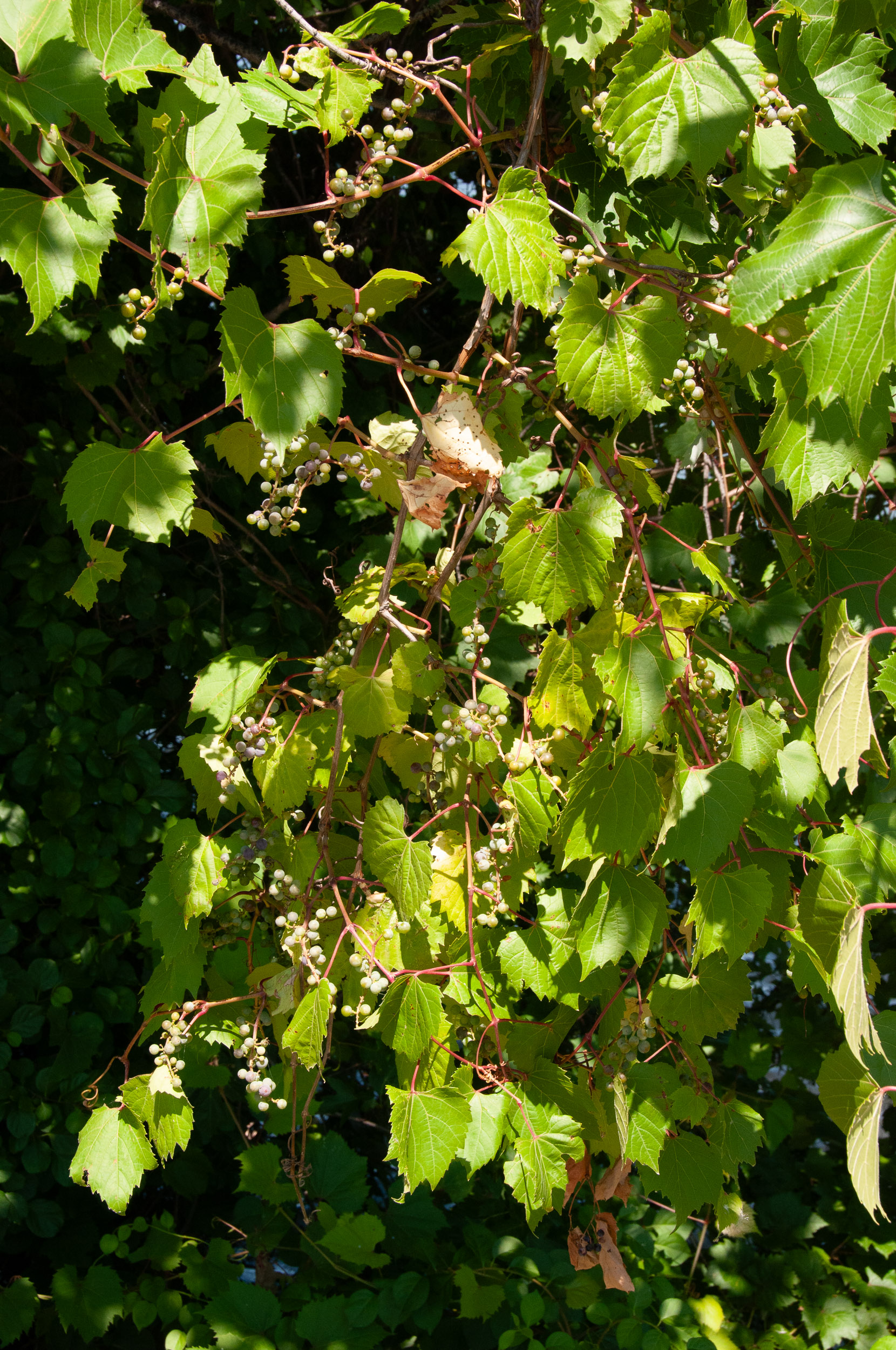
7/2/2010 · Mt Vernon Trail, along Potomac River · ≈ 7 × 4½′ (2.2 × 1.5 m) 
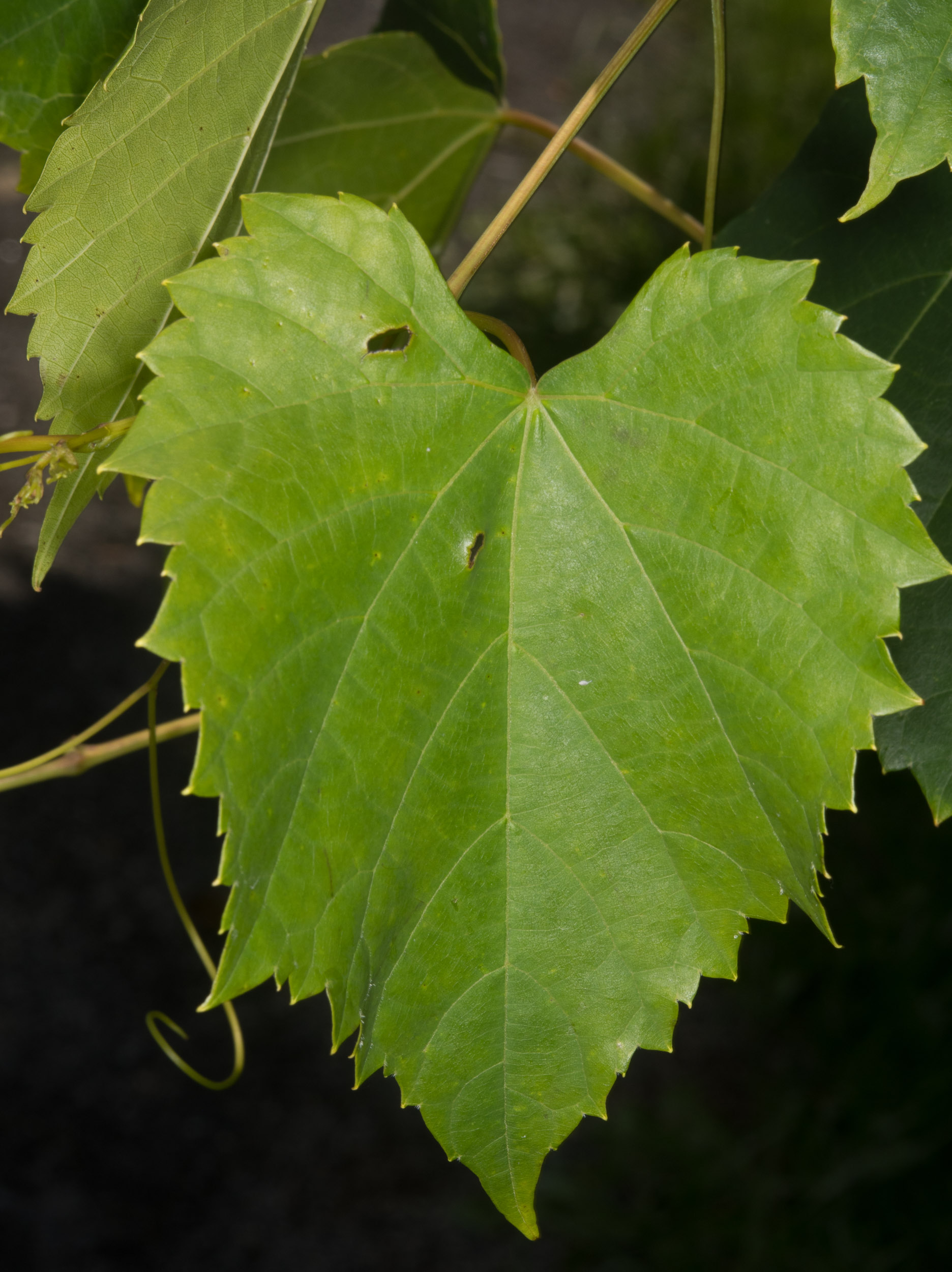
7/19/2017 · Monongahela National Forest, Monongahela, West Virginia · ≈ 4½ × 6″ (12 × 16 cm) 

7/2/2010 · Mt Vernon Trail, along Potomac River · ≈ 8 × 13″ (21 × 32 cm) 

9/10/2014 · Acton Arboretum, Acton, Massachusetts · ≈ 12 × 8″ (31 × 21 cm) 
| Kingdom | Plantae | Plants, but not fungi, lichens, or algae (from Stearn's Botanical Latin) |
| Subkingdom | Tracheobionta | Vascular plants—plants with a “circulatory system” for delivering water and nutrients |
| Division | Magnoliophyta | Flowering plants, also known as angiosperms |
| Class | Magnoliopsida | Dicotyledons—plants with two initial seed leaves |
| Subclass | Rosidae | Roses, legumes, proteas, dogwoods, hydrangeas, mistletoes, euphorbias, grapes, many more |
| Order | Rhamnales | Buckthorns, oleasters, grapes, others |
| Family | Vitaceae | Grape family |
| Genus | Vitis | Latin for “the vine” |
| Species | riparia | Of or growing near river banks |
Vitis riparia description by Thomas H. Kent, not updated.

© FloraFinder.org. All rights reserved.