Brachyelytrum erectum (Schreb. ex Spreng.) P. Beauv.
Long-awned wood grass, bearded shorthusk, false brome
This grass is native to North America.
Plants: Culms (grass stalks) are 2–3′ (60–100 cm) tall, with back-turned bristly hairs.
Leaves: Grass blades are 2½–6″ (7–15 cm) long and ⅜–½″ (1–1.5 cm) wide. They are scabrous, which if you’re a plant, means covered with a rough and bristly surface. (If you happen to be a person instead, it means you are obscene or risqué. Go figure.)
Flowers: The panicles (flowering heads) are 1¾–6″ (5–15 cm) long.
Fruits: ?
Habitats: Deciduous woods, thickets, and occasionally occurring on beds of limestone or other alkaline bedrock.
Online References:
References:

10/2/2010 · Hackers Trail, Cliff Park, Delaware Water Gap National Recr, Pennsylvania · ≈ 1 × 1½′ (34 × 52 cm)  ID is uncertain
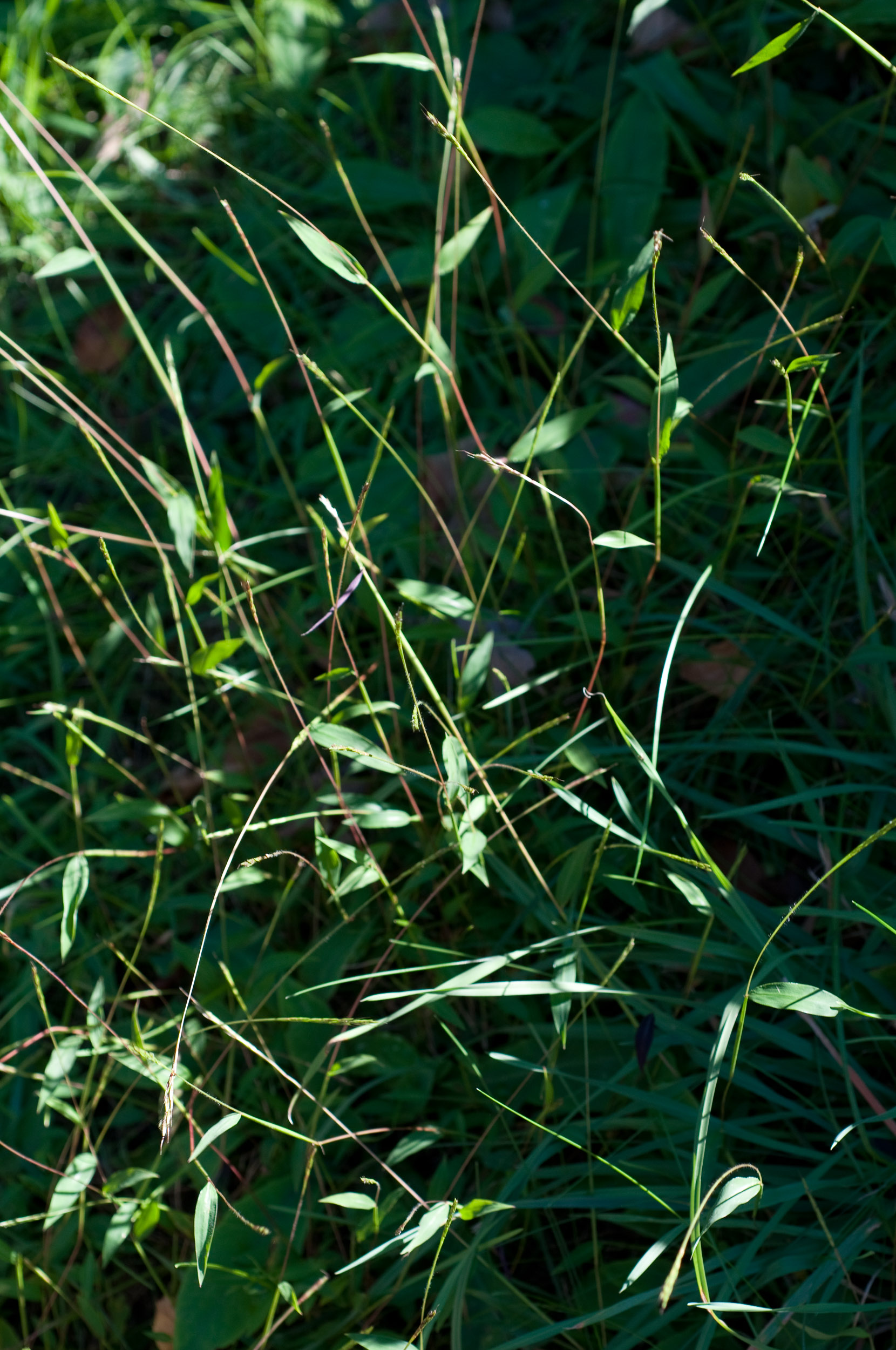
10/2/2010 · Hackers Trail, Cliff Park, Delaware Water Gap National Recr, Pennsylvania · ≈ 12 × 17″ (29 × 44 cm) ID is uncertain 
| Kingdom | Plantae | Plants, but not fungi, lichens, or algae (from Stearn's Botanical Latin) |
| Subkingdom | Tracheobionta | Vascular plants—plants with a “circulatory system” for delivering water and nutrients |
| Division | Magnoliophyta | Flowering plants, also known as angiosperms |
| Class | Liliopsida | Monocots (plants with a single seed leaf); includes the lily family |
| Subclass | Commelinidae | Dayflowers and spiderworts, and several others |
| Order | Cyperales | Flowering plants including grasses |
| Family | Poaceae | Grasses (but not sedges or rushes) |
| Genus | Brachyelytrum | Greek names for “short” and “husk” referring to minute glumes |
| Species | erectum | Upright |
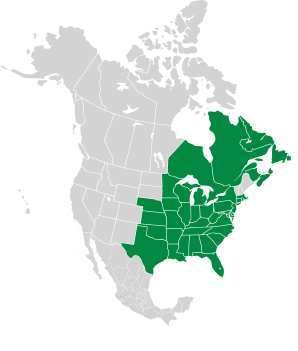
Brachyelytrum erectum description by Thomas H. Kent, not updated.

© FloraFinder.org. All rights reserved.