Carex pallescens L.
Pale sedge
Pale sedge is native to the northeastern United States, eastern Canada, Iceland, Europe, Tunisia, and western Asia.
|
Desperately Seeking Carex With close to 800 species in North America, and 2000 worldwide, many Carex species are difficult to identify. You might want to consult this quick guide to Carex anatomy. |
Plants: Tufts have culms up to 2½′ (80 cm) tall.
Leaves: Basal or alternate, 1/16–⅛″ (2–3 mm) wide, and shorter than the flowering stem.
Flowers: Inflorescences are usually erect, with two to four spikes per culm. The terminal spike is usually entirely staminate (male), but may have a few perigynia near the top. It is up to 1″ (2.5 cm) long. Below this are two to four pistillate (female) spikes. Each of these is ½–¾″ long ⨉ ⅜″ (1.3–1.9 ⨉ 1 cm) in diameter, and oval or cylindrical in shape. The perigynia are plump, smooth, and hairless, and 1/16–⅛ ⨉ ~1/32″ (2.5–3 ⨉ 1.1–1.5 mm) in size.
Fruits: Each perigynium contains several achenes, ~1/16 ⨉ ~1/32″ (1.8–2 ⨉ 1–1.2 mm) in size.
Habitats: Anthropogenic (human-disturbed habitats), forest edges, meadows and fields.
Online References:
References:
Carex pallescens L. var. neogaea Fernald
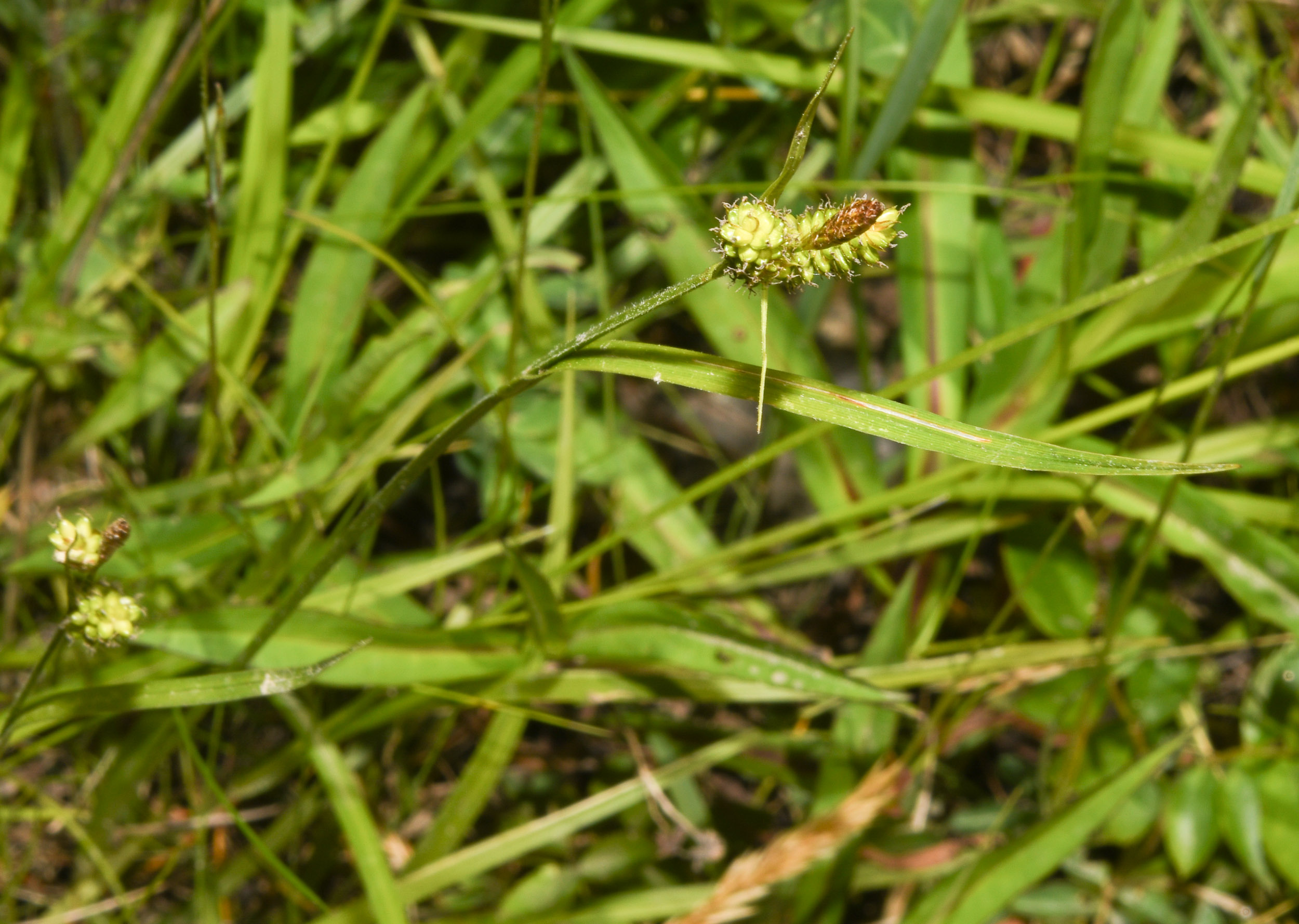
6/9/2016 · Monhegan Island, Maine 
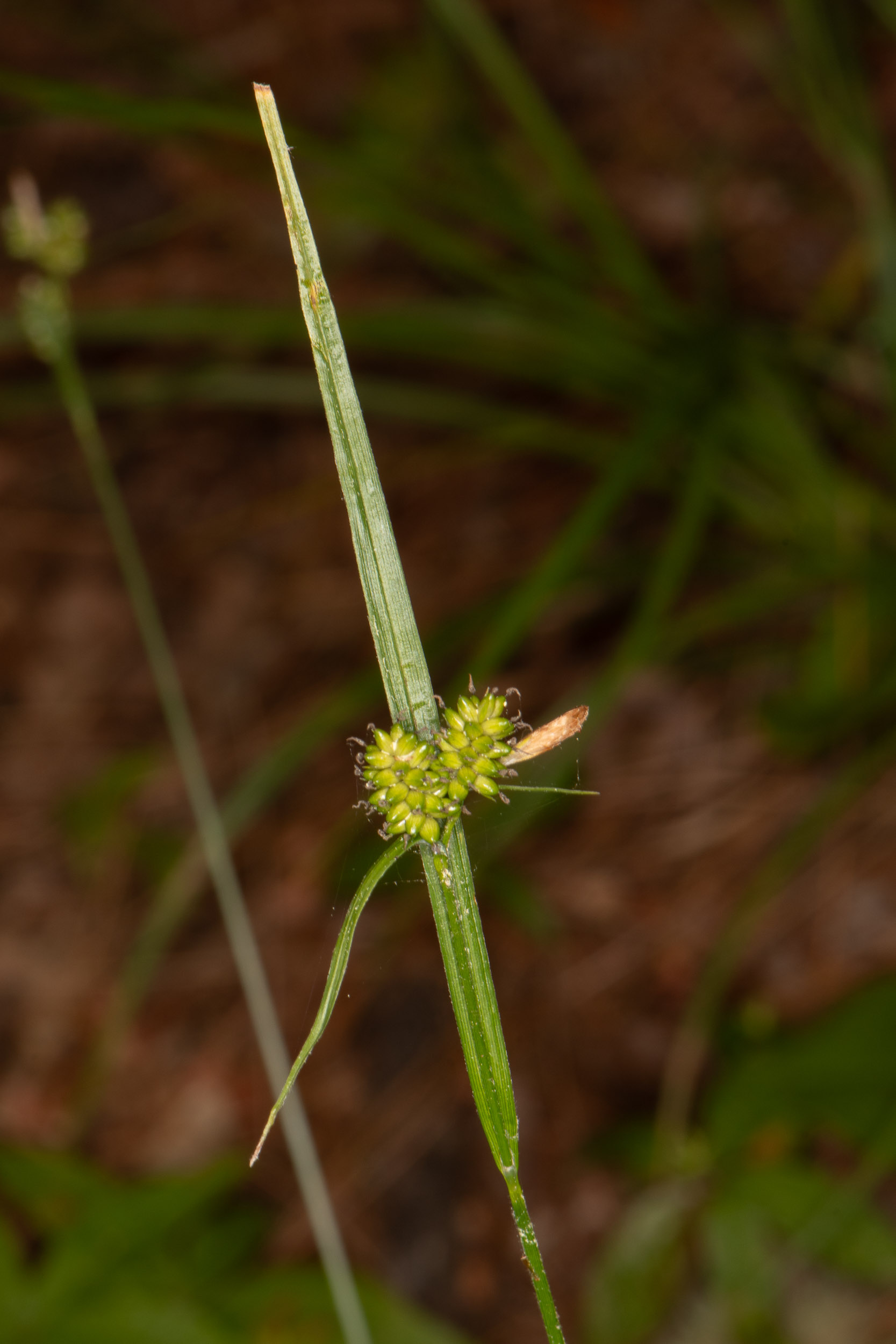
6/19/2021 · Long Reach Preserve, Harpswell, Maine · ≈ 4 × 6″ (10 × 15 cm) 

6/9/2016 · Monhegan Island, Maine 
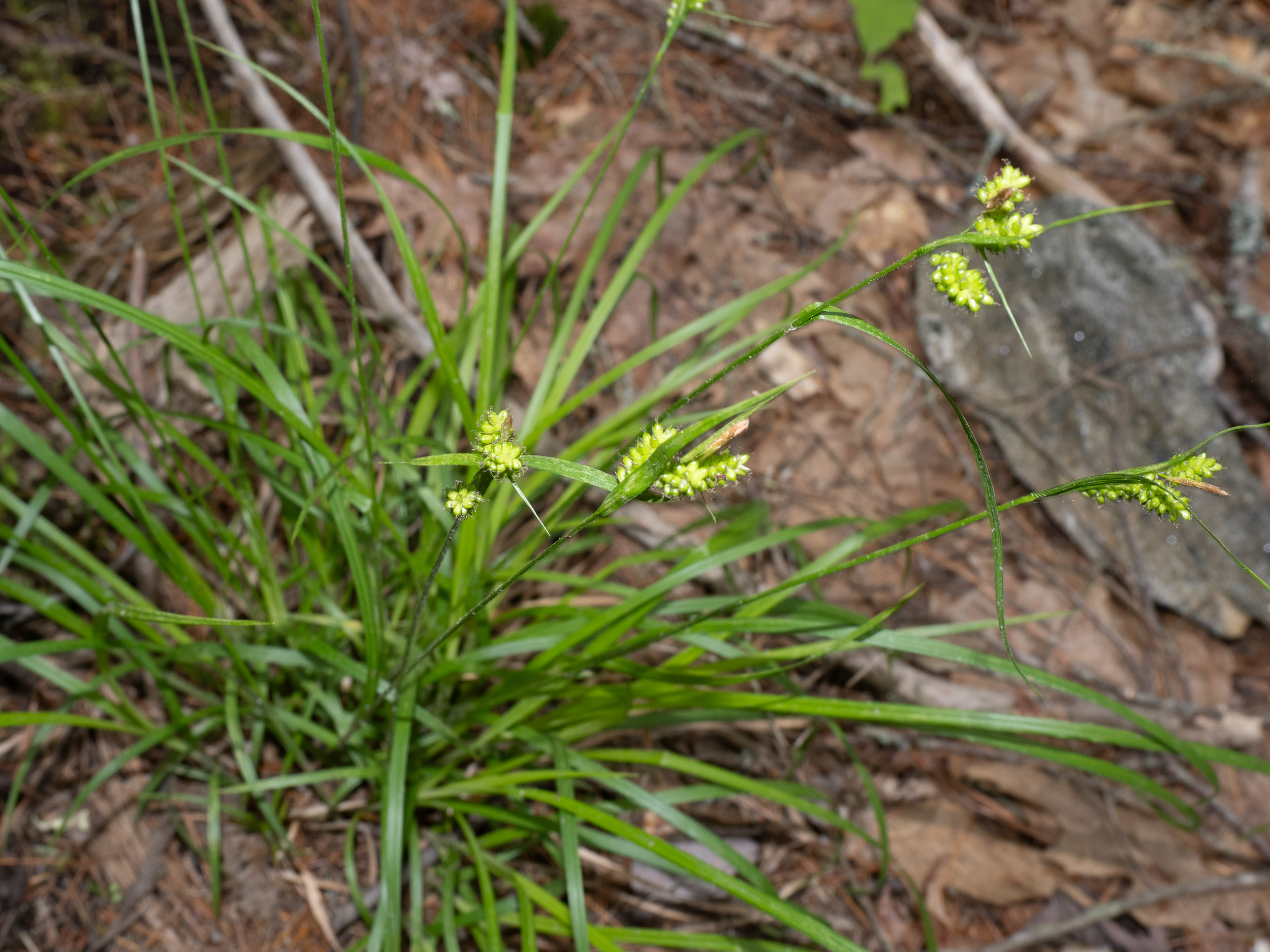
6/16/2023 · Ovens Mouth West, White Trail, Boothbay Harbor, Maine 
| Kingdom | Plantae | Plants, but not fungi, lichens, or algae (from Stearn's Botanical Latin) |
| Subkingdom | Tracheobionta | Vascular plants—plants with a “circulatory system” for delivering water and nutrients |
| Division | Magnoliophyta | Flowering plants, also known as angiosperms |
| Class | Liliopsida | Monocots (plants with a single seed leaf); includes the lily family |
| Subclass | Commelinidae | Dayflowers and spiderworts, and several others |
| Order | Cyperales | Flowering plants including grasses |
| Family | Cyperaceae | Sedge family |
| Genus | Carex | The “true” sedges |
| Species | pallescens | Rather pale or becoming pale |
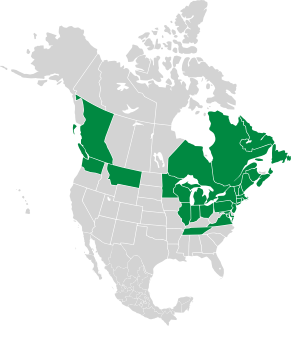
Carex pallescens description by Thomas H. Kent, not updated.

© FloraFinder.org. All rights reserved.