Flowering dogwood is somewhere between a large bush, at a typical 15′ (4.6 m) in height, and a small tree, at up to 30′ (9.1 m). It has a single trunk and rounded crown typical of a tree. Trunk bark separates into square blocks or scales about 1″ (2.5 cm) across as the tree ages.
Kousa dogwood is a small tree up to 20′ (6.1 m) in height, rarely reaching 30′ (9.1 m). More vase-shaped at first, it matures into a rounded crown. Trunk develops unevenly-shaped peeling scales at maturity, producing varying coloration in the trunk resembling camoflage.
These dogwoods are multiply branched shrubs up to 12′ (3.7 m) high. Branch bark is highly variable in color: gray, brown, reddish brown, red, or yellow-brown. Young twigs have fine hairs; mature branches have vertical lenticels.
Leaves
Opposite, 4–8″ (10–20 cm) long and half as wide, with smooth edges and prominent veins, turning red to deep reddish purple in the fall.
2–4″ (5–10 cm) × ¾–1″ (1.9–2.5 cm), elliptic to ovate in shape, with smooth edges and leaf veins that are nearly parallel to the edges. Dark green summer leaves turn red or purple in the fall.
Opposite, deeply veined on the back, up to 4″ (10 cm) × 1¼″ (3.5 cm) in size, oval with pointed tips, somewhat narrower than other dogwood leaves. Deep red or maroon in the fall.
Flowers
Four white "petals" (really bracts) up to 4″ (10 cm) across. (The real flowers are a small green inconspicuous disc in the center.)
Showy white "flowers" about 3″ (7.6 cm) wide. Actually, flowers are bracts: the true flowers are an inconspicuous disc of yellow-green florets in the center. They flower from June to early July.
Flowers bloom from May to June, and are yellowish-white.
Fruit
Fruits are bright red, oval, ¼–½″ (6.3–12 mm) long, in small tight clusters.
Bumpy pink to dull red globes about ¾–1″ (1.9–2.5 cm) around. Fruits reach upward on the ends of branches unless the branches bend.
Green to white to light blue to deep blue. Light blue berries have a metallic sheen.
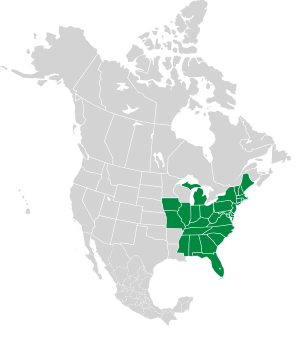
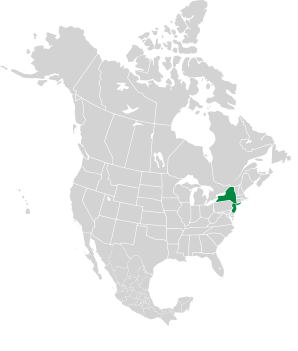
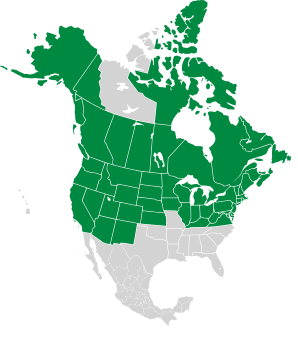
Range/ Zones
USDA Zones: 5-9a
USDA Zones: 5-8
USDA Zones: 4-8
Habitats
Forest edges and dry ridges.
Woods and scrub in Sichuan; valleys and shaded slopes.