Lupinus L.
Lupines, lupine
Some lupines
Lupinus arboreus
Lupinus arcticus
Lupinus succulentus


|
Lupinus L. Lupines, lupine Some lupines | |||
Lupinus arboreus |
Lupinus arcticus |
Lupinus succulentus |
|
|---|---|---|---|
| Common Name | |
|
|
| Plant | 5–6½′ (1.5–2 m) in height, and about 4′ (1.2 m) around, significantly larger than other lupine species. | 8–24″ (20–60 cm) tall. | 8–39″ (20–100 cm) high. |
| Leaves | Silky, dark green or gray-green, palm-like in appearence, with 5-12 leaflets on each leaf. Each leaflet is ¾–2″ (2–6 cm) long. | Palmlike, bright green and smooth on top, and hairy below. 5-9 leaflets per leaf, each 1–3″ (2.5–7.6 cm) long, and up to ¼″ (6.3 mm) wide, usually with rounded tips. | Palmlike, in rosettes of 7-9 leaflets. Each leaflet is ¾–2″ (2–6 cm) × ¼–¾″ (7–20 mm). |
| Flowers | In sweet-scented spikes 6″ (15 cm) long. Usually yellow, they may be lilac or blue instead. | Spikes are 6–12″ (15–30 cm) long and 1–2″ (2.5–5 cm) around. They are a rich dark blue or violet, or, sometimes, white. | Spikes 3½–6″ (9–15 cm) high. |
| Fruit | Hairy pods 1½–2½″ (4–7 cm) long. | Like pea pods, right down to the "peas" inside. (But don't eat them!) | Similar to pea pods, 1¼–1¾″ (3.5–5 cm) long × ¼–⅜″ (8–10 mm), with 6-9 seeds per pod. |
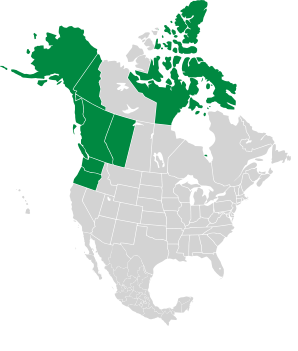
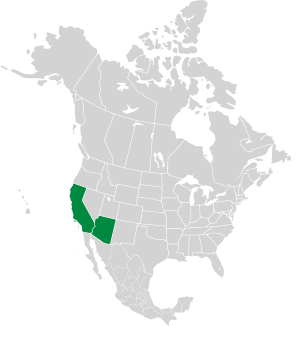
| Range/ Zones |
|
|
|
| Habitats | Coastal bluffs, sand dunes and inland. | Sedge and moss fields, alpine regions, on tundra and in moist and wet substrates. | Open areas, roadsides, disturbed ground, below 0.0 mils (0 µm) feet. |
Lupinus description by Thomas H. Kent, not updated.
© FloraFinder.org. All rights reserved.