x
FloraFinder uses cookies only for correct operation. More info. Okay


Parthenocissus quinquefolia (L.) Planch.

Virginia creeper

Virginia creeper is a North American native.

Plants: These woody vines grow aggressively, moving hori­zon­tally across surfaces, or rising vertically to heights of 40′ (12 m).

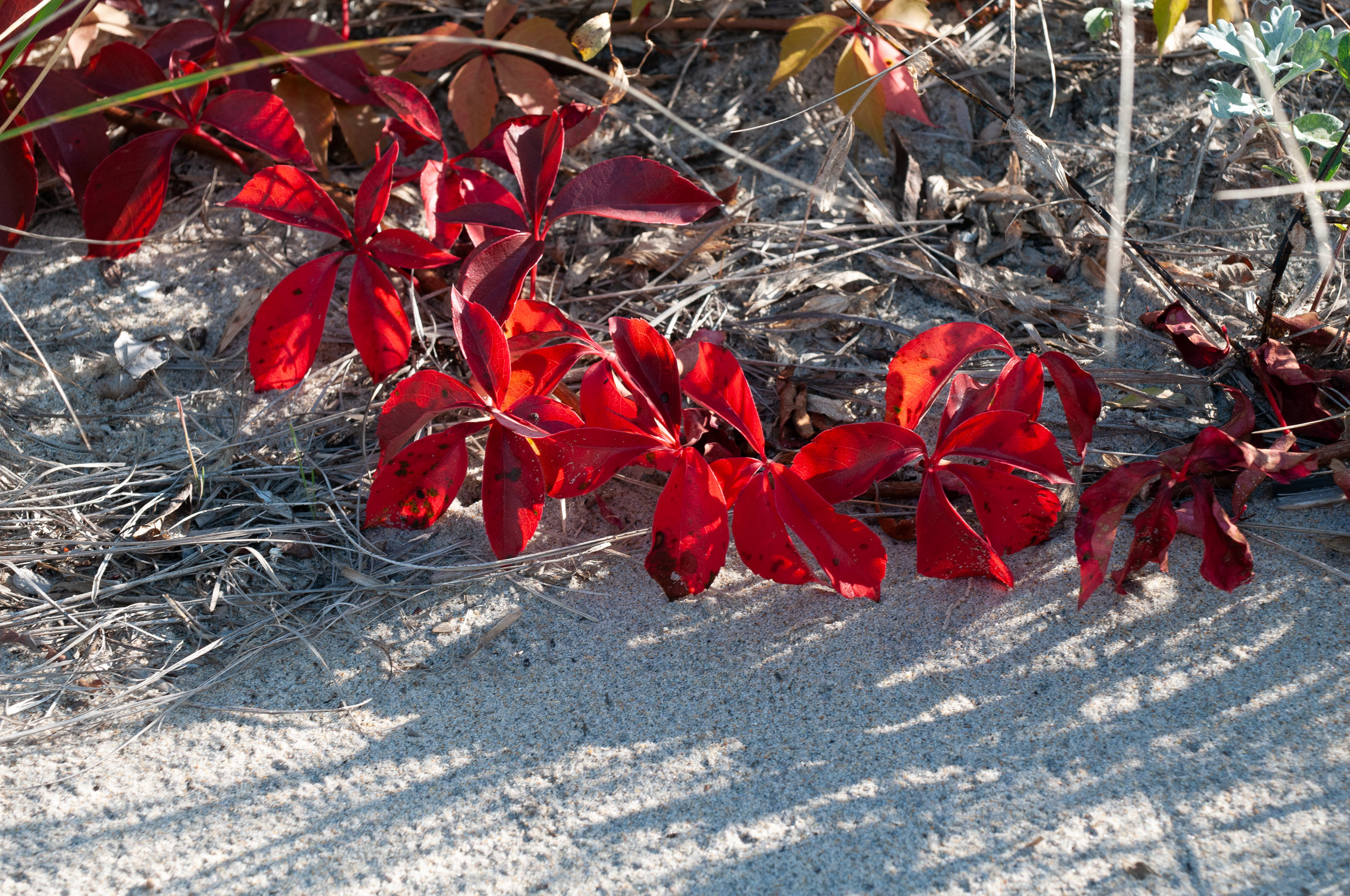
Leaves: Leaf clusters usually have five leaves, sometimes 3 or 7, with coarsely serrated edges, turning a beautiful shade of red in the fall. Leaves are 3–7″ (7.6–17 cm) long and ¾–2″ (1.9–5 cm) wide.

Flowers: Greenish-white, and inconspicuous. They appear from May to August.

Fruits: Berries are purplish black, but look as if they have been dipped in powdered sugar, so they appear lighter and powdery. Each berry is about ¼″ (6.3 mm) in diameter. They are borne on short stalks that may be dull or brilliant red.

Poison ivy, another climbing vine, is occasionally confused with Virginia creeper. But poison ivy has leaves in groups of three, while Virginia creeper’s leaf clusters usually include five leaves. Don’t confuse them, because poison ivy causes a miserable rash.

Habitats: Open areas of ravines, valleys, rich woods, thickets, rocky bluffs, hillsides and fencerows.

Edibility: Poisonous Skull & Crossbones The bitter-tasting berries contain enough oxalic acid to be poisonous to people, though some birds eat them. The rest of the plant is neither harmful nor edible. Handling the plant may trigger an allergic response.

Online References:

Carolina Nature

The Lady Bird Johnson Wildflower Center

Floridata.com

Plants for a Future

Ampelopsis hederacea (Ehrh.) DC. var. murorum Focke
Ampelopsis latifolia Tausch
Ampelopsis quinquefolia (L.) Michx.
Hedera quinquefolia L.
Parthenocissus hirsuta (Pursh) Graebn.
Parthenocissus inserta (Kern.) Fritsch
Parthenocissus quinquefolia (L.) Planch. var. hirsuta (Pursh) Planch.
Parthenocissus quinquefolia (L.) Planch. var. murorum (Focke) Rehder
Parthenocissus quinquefolia (L.) Planch. var. saintpaulii (Koehne ex Graebn.) Rehder
Psedera quinquefolia (L.) Greene
Psedera quinquefolia (L.) Greene var. murorum (Focke) Rehder
Vitis inserta Kern.
Vitis quinquefolia (L.) Lam.


Parthenocissus quinquefolia (Virginia creeper)

9/1/2013 · Trail Near James River, Midlothian, Virginia · ≈ 10 × 15″ (25 × 37 cm)

Parthenocissus quinquefolia (Virginia creeper)

5/28/2015 · Bates Land and Blackman Land, Groton Conservation Trust, Groton, Mass­a­chu­setts · ≈ 1½ × 1′ (47 × 31 cm)

Parthenocissus quinquefolia (Virginia creeper)

7/12/2013 · Wooden Bridge, East Pepperell, Mass­a­chu­setts · ≈ 2½ × 1½′ (79 × 53 cm)

Parthenocissus quinquefolia (Virginia creeper)

1/5/2026 · By Linda K. Phipps

Parthenocissus quinquefolia (Virginia creeper)

6/8/2012 · Squannacook River Wildlife Area, Townsend, Mass­a­chu­setts · ≈ 6 × 4½″ (15 × 11 cm)

Parthenocissus quinquefolia (Virginia creeper)

7/26/2025 · River Point Conservation Area, Falmouth, Maine · ≈ 11 × 6″ (26 × 16 cm)

Parthenocissus quinquefolia (Virginia creeper)

9/29/2010 · Nashua River Rail Trail, Ayer, Mass­a­chu­setts · ≈ 14 × 9″ (35 × 23 cm)

Parthenocissus quinquefolia (Virginia creeper)

8/26/2010 · Nashua River Rail Trail, Groton Center, Groton, Mass­a­chu­setts · ≈ 9 × 6″ (22 × 14 cm)

Parthenocissus quinquefolia (Virginia creeper)

10/4/2008 · Parker River National Wildlife Refuge, Plum Island, Mass­a­chu­setts

Parthenocissus quinquefolia (Virginia creeper)

9/24/2013 · Squannacook River Wildlife Area, Townsend, Mass­a­chu­setts

Parthenocissus quinquefolia (Virginia creeper)

8/4/2009 · Tom and Susan’s, Pepperell, Mass­a­chu­setts

Parthenocissus quinquefolia (Virginia creeper)

8/4/2009 · Near Nashoba Hospital, Ayer, Mass­a­chu­setts · ≈ 3½ × 2½′ (116 × 77 cm)

Parthenocissus quinquefolia (Virginia creeper)

5/7/2010 · Nashua River Rail Trail, Groton Center, Groton, Mass­a­chu­setts · ≈ 15 × 10″ (39 × 26 cm)

Parthenocissus quinquefolia (Virginia creeper)

10/4/2008 · Parker River National Wildlife Refuge, Plum Island, Mass­a­chu­setts

Parthenocissus quinquefolia (Virginia creeper)

9/19/2010 · Nashua River Rail Trail, Hollis, New Hamp­shire · ≈ 4½ × 7″ (11 × 17 cm)

Parthenocissus quinquefolia (Virginia creeper)

7/26/2025 · River Point Conservation Area, Falmouth, Maine · ≈ 11 × 8″ (28 × 19 cm)

Parthenocissus quinquefolia (Virginia creeper)

9/14/2009 · Near Nashoba Hospital, Ayer, Mass­a­chu­setts · ≈ 15 × 10″ (39 × 26 cm) ID is uncertain

Parthenocissus quinquefolia (Virginia creeper)

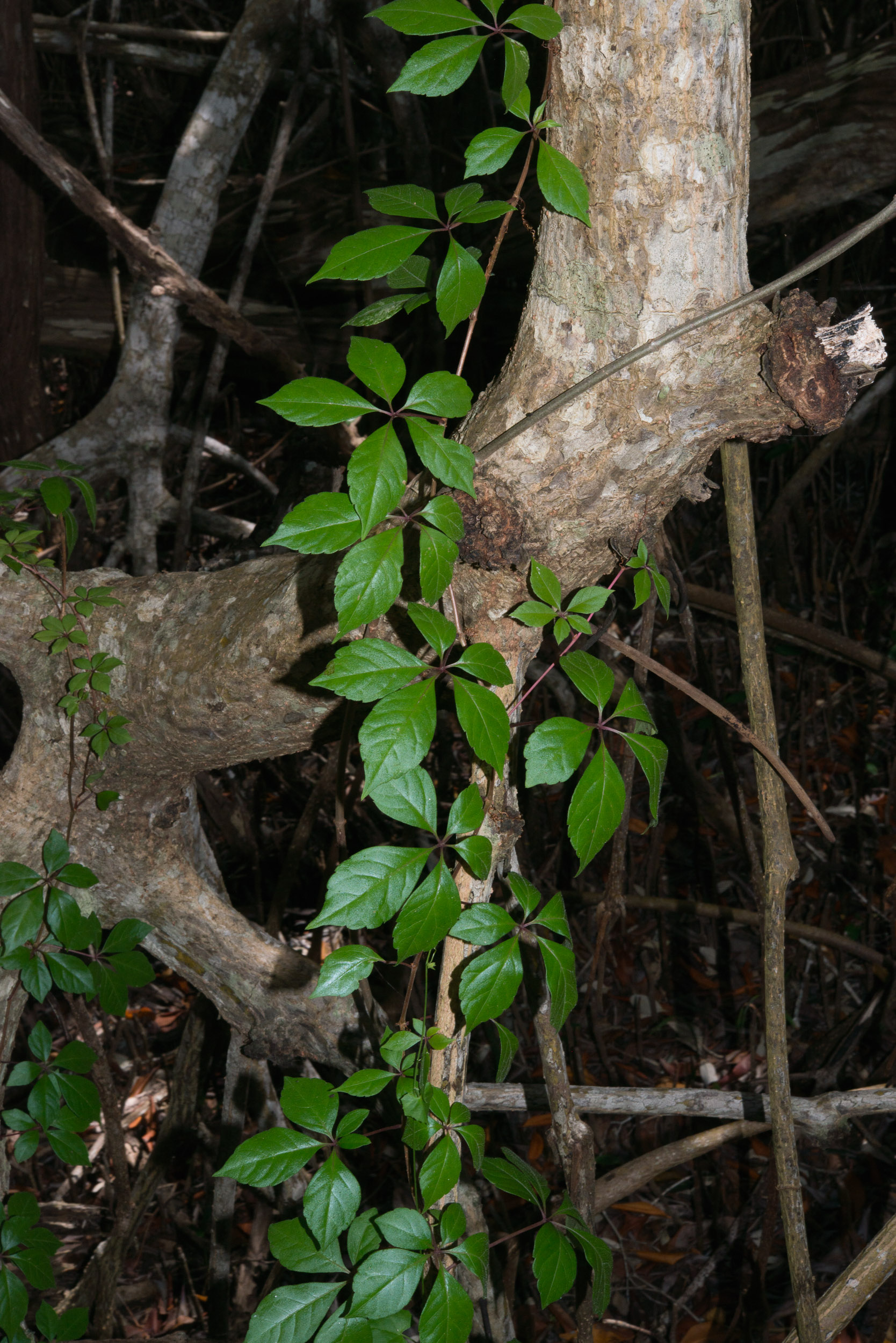
4/13/2015 · West Lake Trail, Everglades National Park, Florida · ≈ 1½ × 2½′ (53 × 79 cm)

Parthenocissus quinquefolia (Virginia creeper)

11/6/2011 · Nashua River Rail Trail, Groton Center, Groton, Mass­a­chu­setts · ≈ 3 × 2½″ (8 × 6.2 cm)

Parthenocissus quinquefolia (Virginia creeper)

5/7/2010 · Nashua River Rail Trail, Groton Center, Groton, Mass­a­chu­setts · ≈ 12 × 9″ (29 × 22 cm)

Parthenocissus quinquefolia (Virginia creeper)

8/27/2014 · Rio Grande Nature Center, Albuquerque, New Mex­ico · ≈ 8 × 6″ (20 × 16 cm)

Parthenocissus quinquefolia (Virginia creeper)

On a strangler fig tree. · 4/14/2015 · Anhinga Trail, Everglades National Park, Florida

Parthenocissus quinquefolia (Virginia creeper)

7/26/2025 · River Point Conservation Area, Falmouth, Maine · ≈ 13 × 9″ (32 × 22 cm)

KingdomPlantaePlants, but not fungi, lichens, or algae (from Stearn's Botanical Latin)
SubkingdomTracheobiontaVascular plants—plants with a “circulatory system” for delivering water and nutrients
DivisionMagnoliophytaFlowering plants, also known as angiosperms
ClassMagnoliopsidaDicotyledons—plants with two initial seed leaves
SubclassRosidaeRoses, legumes, proteas, dogwoods, hydrangeas, mistletoes, euphorbias, grapes, many more
OrderRhamnalesBuckthorns, oleasters, grapes, others
FamilyVitaceaeGrape family
GenusParthenocissusWikipedia: From Greek parthenos, “virgin”, and kissos (Latinized as “cissus”), “ivy;” either because they can form seeds without pollination, or from the English name “Virginia creeper”

SpeciesquinquefoliaFive-leaved

About plant names...

Range: Zones 3-9:

About this map...

Parthenocissus quinquefolia description by Thomas H. Kent, not updated.

© FloraFinder.org. All rights reserved.