Trifolium dubium Sibth.
Least hop clover, small hop clover, suckling clover
Similar species
Trifolium aureum
Trifolium campestre
Trifolium dubium







|
Trifolium dubium Sibth. Least hop clover, small hop clover, suckling clover Similar species | |||
Trifolium aureum |
Trifolium campestre |
You are here Trifolium dubium |
|
|---|---|---|---|
| Common Name | |
|
|
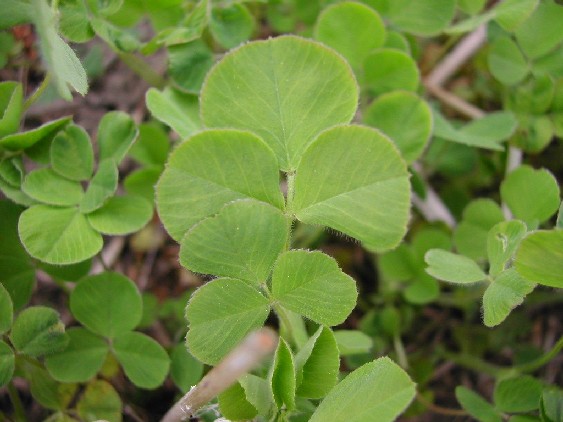
| Plant | 6–18″ (15–45 cm) high, multiply branched, and usually erect. | 4–12″ (10–30 cm) tall, sometimes erect, sometimes growing along the ground. Stems are green or reddish green, finely hairy, and multiply branched. | 2–6″ (5–15 cm) tall, often forming mats. Stems are green or reddish, and multiply branched. |
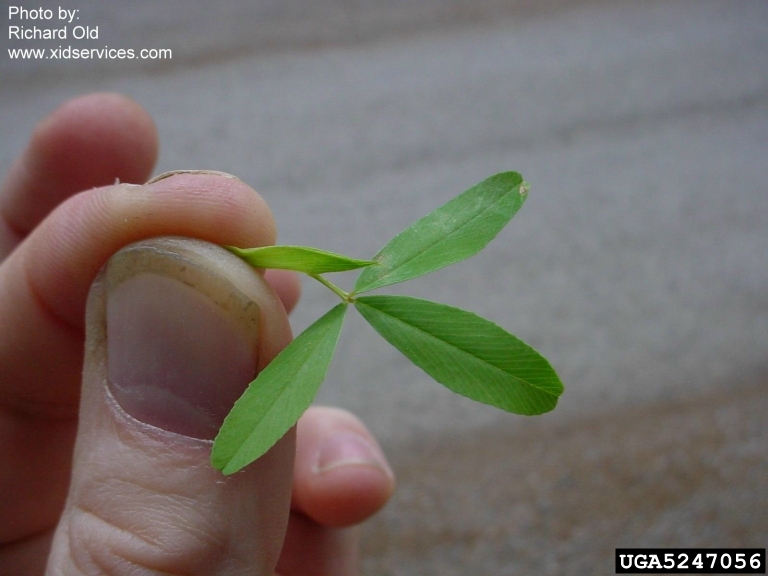
| Leaves |
|
|
|
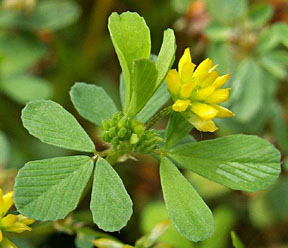
| Flowers |
|
|
|
| Fruit | Flowers turn rusty brown and wilt, and seeds fall to the ground instead of forming a fruit. | The flowers dry and turn brown, enclosing one-seeded pods ⅛″ (3 mm) long. | Flowers turn brown when seeds ripen, each enclosing tiny egg-shaped pods 1/32–1/16″ (1.5–2 mm) long. |
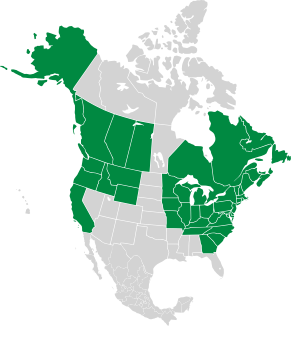
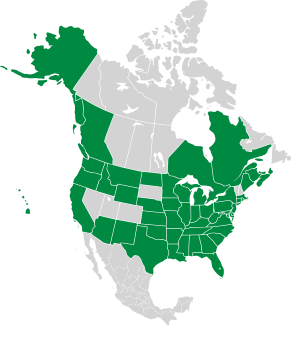
| Range/ Zones |
|
|
|
| Habitats | Grasslands, fields, roadsides, wastelands. | Temperate grasslands, fields, roadsides, wastelands, cultivated fields | Disturbed soil, meadows, common in lawns. |



Trifolium dubium description by Thomas H. Kent, not updated.
© FloraFinder.org. All rights reserved.