Allium vineale L.
Field garlic, wild garlic, crow garlic
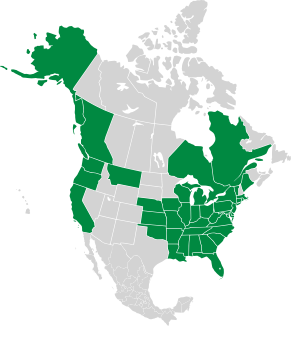
Field garlic, native to Europe, northern Africa, and western Asia, was introduced in Australia and North America, where it has become an invasive species in lawns, pastures, and meadows. Livestock owners don’t like them in part because the strongly garlic-flavored bulbs flavor the milk and meat of grazing livestock.
Plants: Like other members of the Allium (loosely, onion) family, field garlic grows from bulbs, which are ⅜–¾″ (1–2 cm) in diameter. The main stem is 12–47″ (30–120 cm) tall.
Leaves: The stem has 2-4 tubular, hollow leaves that are 1/16–⅛″ (2–4 mm) thick.
Flowers: The flowerhead is ¾–1¾″ (2–5 cm) in diameter, and rather strange-looking. It consists a rounded cluster of tiny bulbs called bulbils—on close examination, the cluster is composed of tiny, outward-pointing bulbs. The cluster is pink or purple in color. Above this cluster may be several small flowers, 1/16–⅛″ (2–5 mm) long, each with six petals, varying from pink to red or greenish-white.
Fruits: Capsules, but the seeds rarely set, and the main mode of propagation is bulbils, which fall off and develop into new plants.
Habitats: Disturbed sites, margins of mesic and upland forests, pastures, cultivated fields, roadsides, railroads.
Edibility: Field garlic bulbs, about ½″ (1.3 cm) in diameter, taste like strong garlic. Used in modest quantities, they make a delicious addition to dishes that benefit from garlic. Or, you can pickle them.
Online References:
References:

7/5/2010 · Tarrywile Park and Mansion, Danbury, Connecticut · ≈ 5 × 3½″ (13 × 9.2 cm) 

The colorful insect is Tetraopes tetrophthalmus, red milkweed beetle · 7/5/2010 · Tarrywile Park and Mansion, Danbury · ≈ 6 × 4″ (15 × 10 cm) 

7/5/2010 · Tarrywile Park and Mansion, Danbury, Connecticut · ≈ 2 × 1′ (62 × 41 cm) 
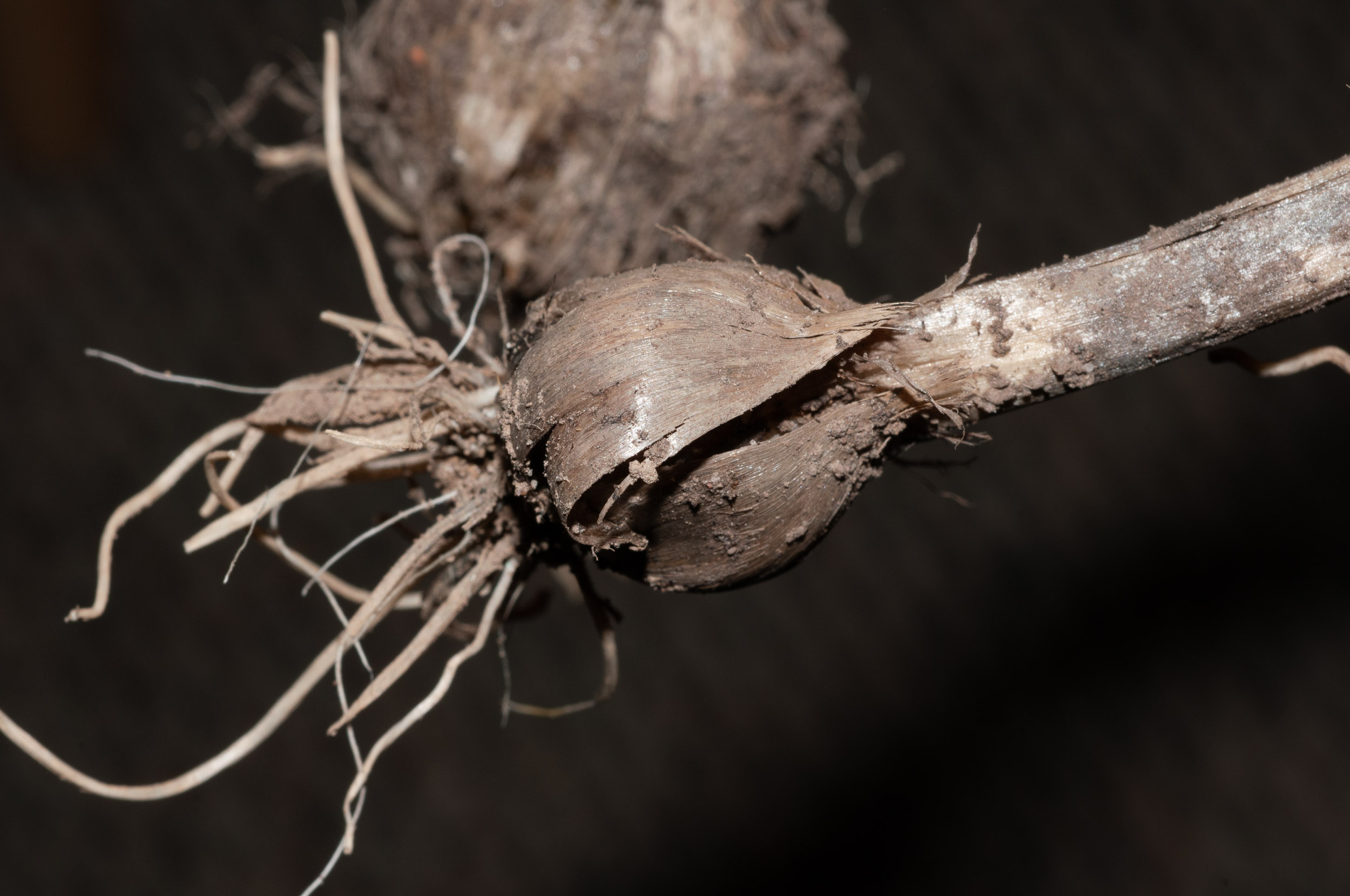
7/2/2011 · Mike and Ellen’s, Milford, Pennsylvania · ≈ 4½ × 3″ (11 × 7.9 cm) 

The colorful insect is Tetraopes tetrophthalmus, red milkweed beetle · 7/5/2010 · Tarrywile Park and Mansion, Danbury, Connecticut · ≈ 6 × 4″ (15 × 10 cm) 
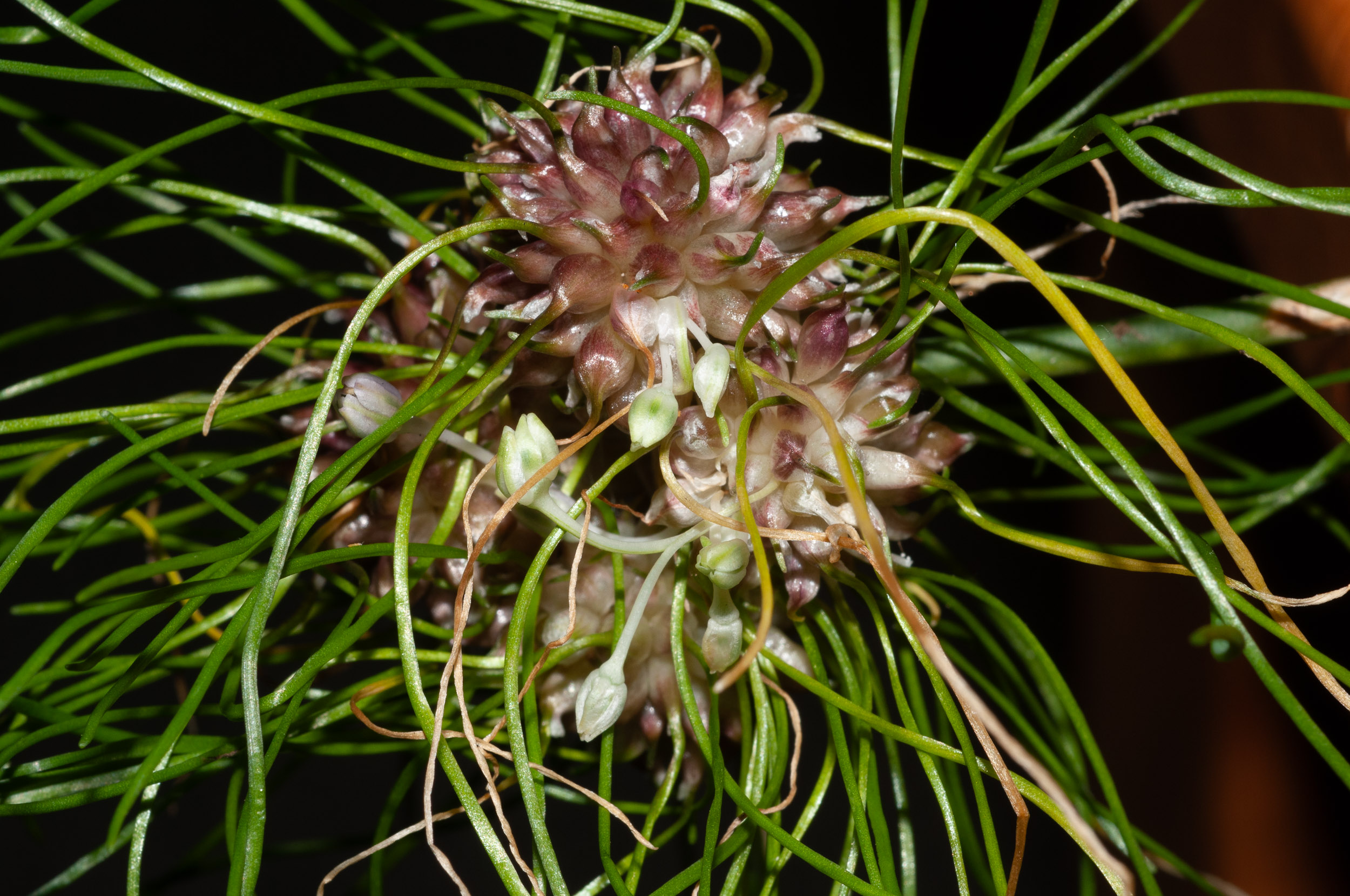
7/2/2011 · Mike and Ellen’s, Milford, Pennsylvania · ≈ 4½ × 3″ (11 × 7.9 cm) 

6/27/2026 · Coastal Maine Botanical Gardens, Boothbay, Maine · ≈ 4 × 5″ (10 × 12 cm) 
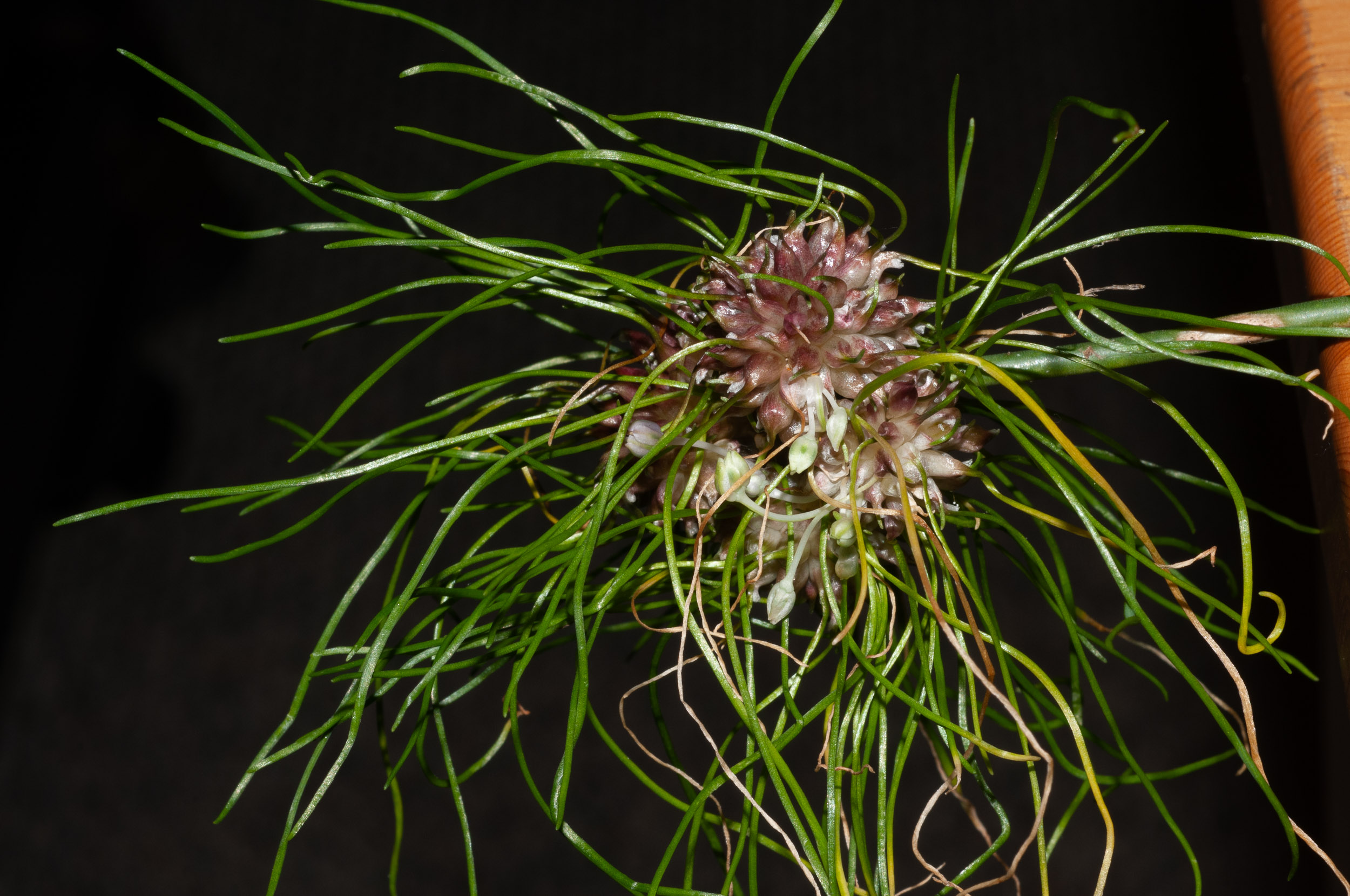
7/2/2011 · Mike and Ellen’s, Milford, Pennsylvania · ≈ 6 × 4″ (15 × 10 cm) 
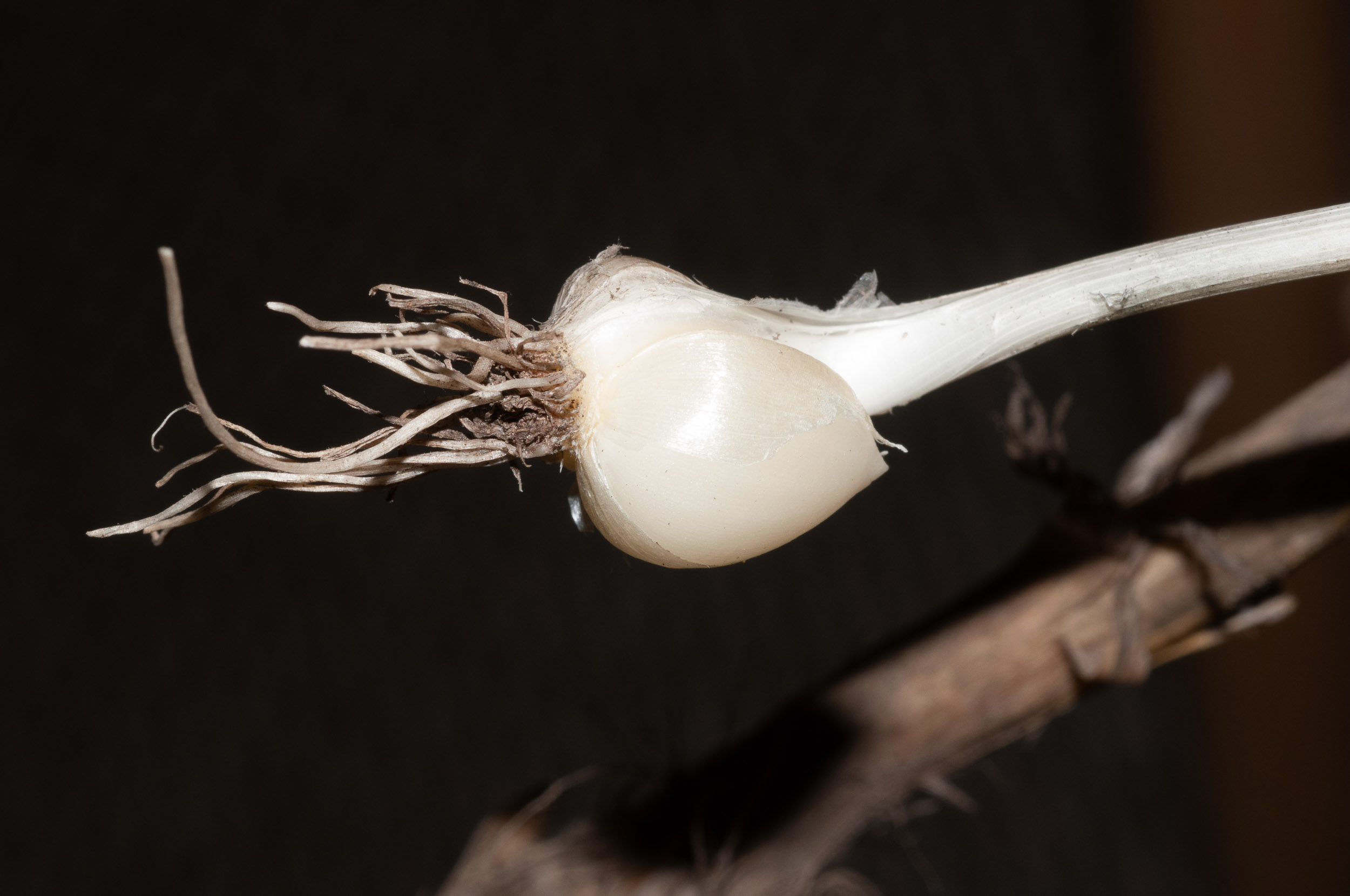
7/2/2011 · Mike and Ellen’s, Milford, Pennsylvania · ≈ 4½ × 3″ (11 × 7.9 cm) 

5/31/2010 · Mt. Lebanon St., Pepperell, Massachusetts · ≈ 2½ × 3½″ (6.6 × 8.6 cm)  ID is uncertain
| Kingdom | Plantae | Plants, but not fungi, lichens, or algae (from Stearn's Botanical Latin) |
| Subkingdom | Tracheobionta | Vascular plants—plants with a “circulatory system” for delivering water and nutrients |
| Division | Magnoliophyta | Flowering plants, also known as angiosperms |
| Class | Liliopsida | Monocots (plants with a single seed leaf); includes the lily family |
| Subclass | Liliidae | Includes lilies, orchids, and many others |
| Order | Asparagales | A diverse group that includes asparagus |
| Family | Amaryllidaceae | Amaryllis family—plants that grow from bulbs. Includes onions and many others |
| Genus | Allium | Onions, leeks, shallots, garlic, scallions, etc. |
| Species | vineale | Pertaining to vines, growing in vineyards |
Allium vineale description by Thomas H. Kent, not updated.

© FloraFinder.org. All rights reserved.