Ambrosia artemisiifolia L.
Common ragweed, ragweed, bitterweed, annual ragweed, roman-wormwood, blackweed, carrot weed, hay fever weed, stammerwort, stickweed, tassel weed, American wormwood
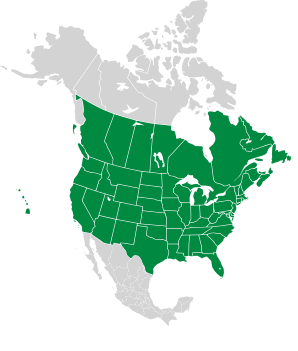
Nobody seems to know why ragweed, best known for bedeviling allergy sufferers worldwide, is a member of genus Ambrosia, the Greek food of the gods said to be responsible for the gods’ immortality. Perhaps, as this Wikipedia article suggests, the name simply refers to ragweeds’ own apparent immortality: they are robust competitors considered by many to be invasive, and are among the few plants that show up on more noxious weed lists than on naturalist web sites. Ragweed is a North American native plant.
Plants: 8–79″ (20–200 cm) tall, with stems that are green, pink-purple, or purple-spotted, with long, rough hairs. They are fairly easy to miss—even when in flower, they tend to blend in with their surroundings.
Leaves: Deeply divided, a bit similar to carrot leaves, 1½–4″ (4–10 cm) long, pinnate or bipinnate.
Flowers: Flowerheads are long (1–4″ (2.5–10 cm)) and narrow, covered with tiny yellow flowers 1/16–⅛″ (2–4 mm) in size. At first the flowers are green.
Fruits: Globose (rounded) to pyriform (pear-shaped), 1/16–⅛″ (2–3 mm) long, sometimes hairy.
Habitats: A pioneer species of disturbed soils, now common worldwide in agricultural, urban and other open areas.
Medical: Goldenrods, the widespread, showy, yellow-topped weeds, are often blamed for causing allergies because they disperse pollen at the same time that ragweed does. But ragweed is the culprit. As for medicinal benefits for ragweed, I wasn’t able to find any.
Online References:
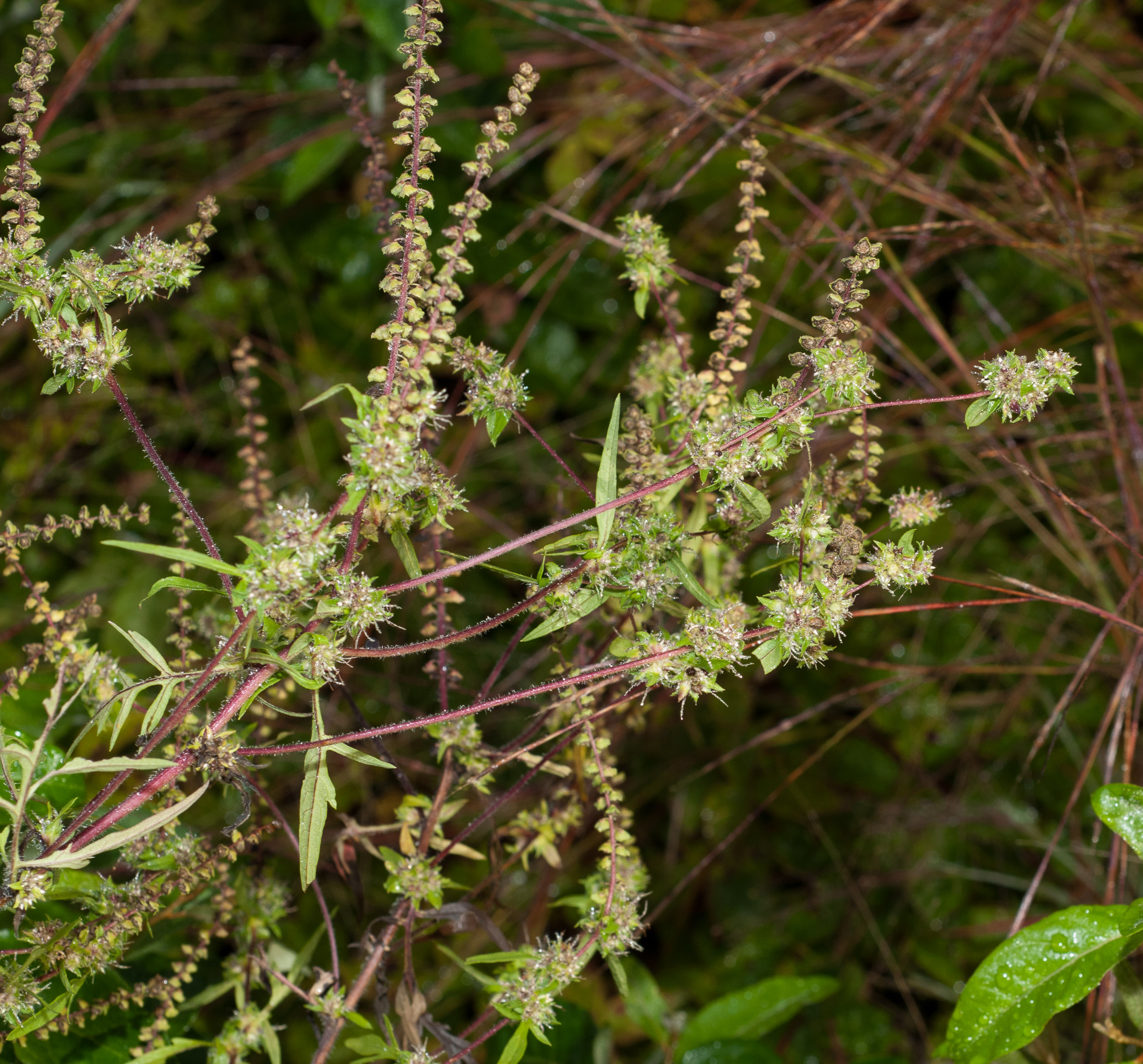
9/14/2009 · Near Nashoba Hospital, Ayer, Massachusetts · ≈ 11 × 10″ (28 × 26 cm) 
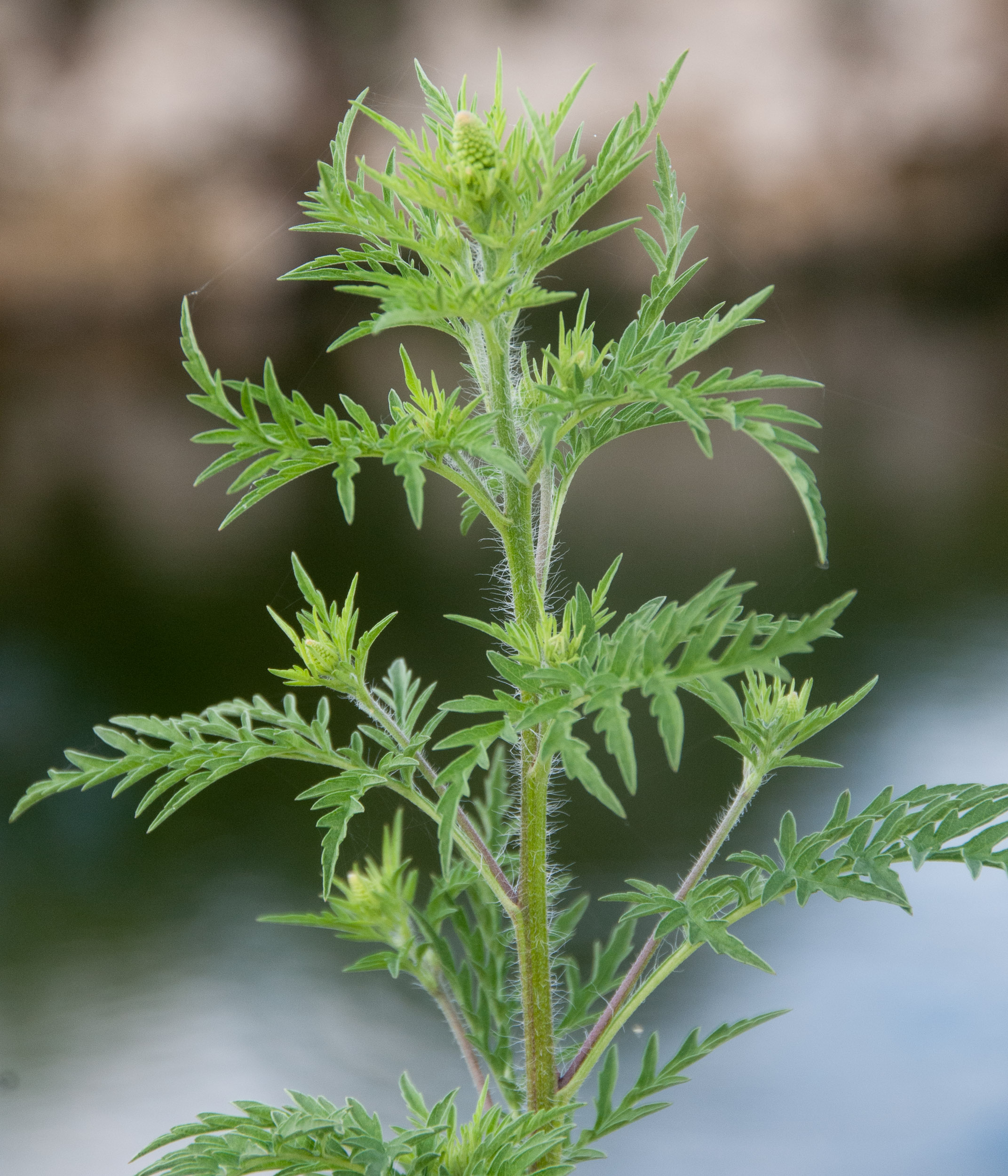
4/15/2015 · Florida · ≈ 4 × 4½″ (10 × 12 cm) 

9/18/2016 · Deer Isle, at Water’s Edge, Deer Isle, Maine 
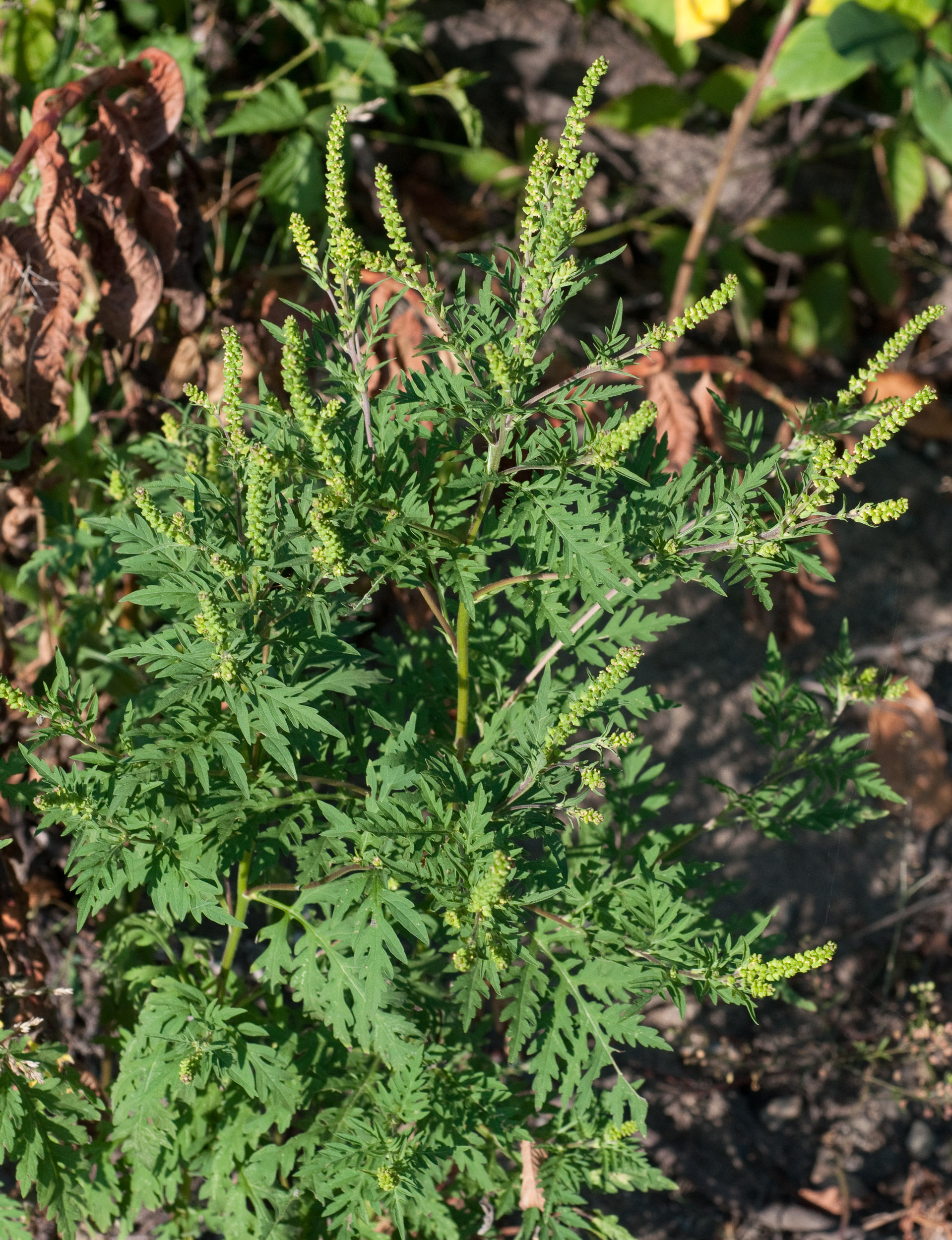
8/11/2010 · Nashua River Rail Trail, Groton Center, Groton, Massachusetts · ≈ 12 × 15″ (29 × 38 cm) 
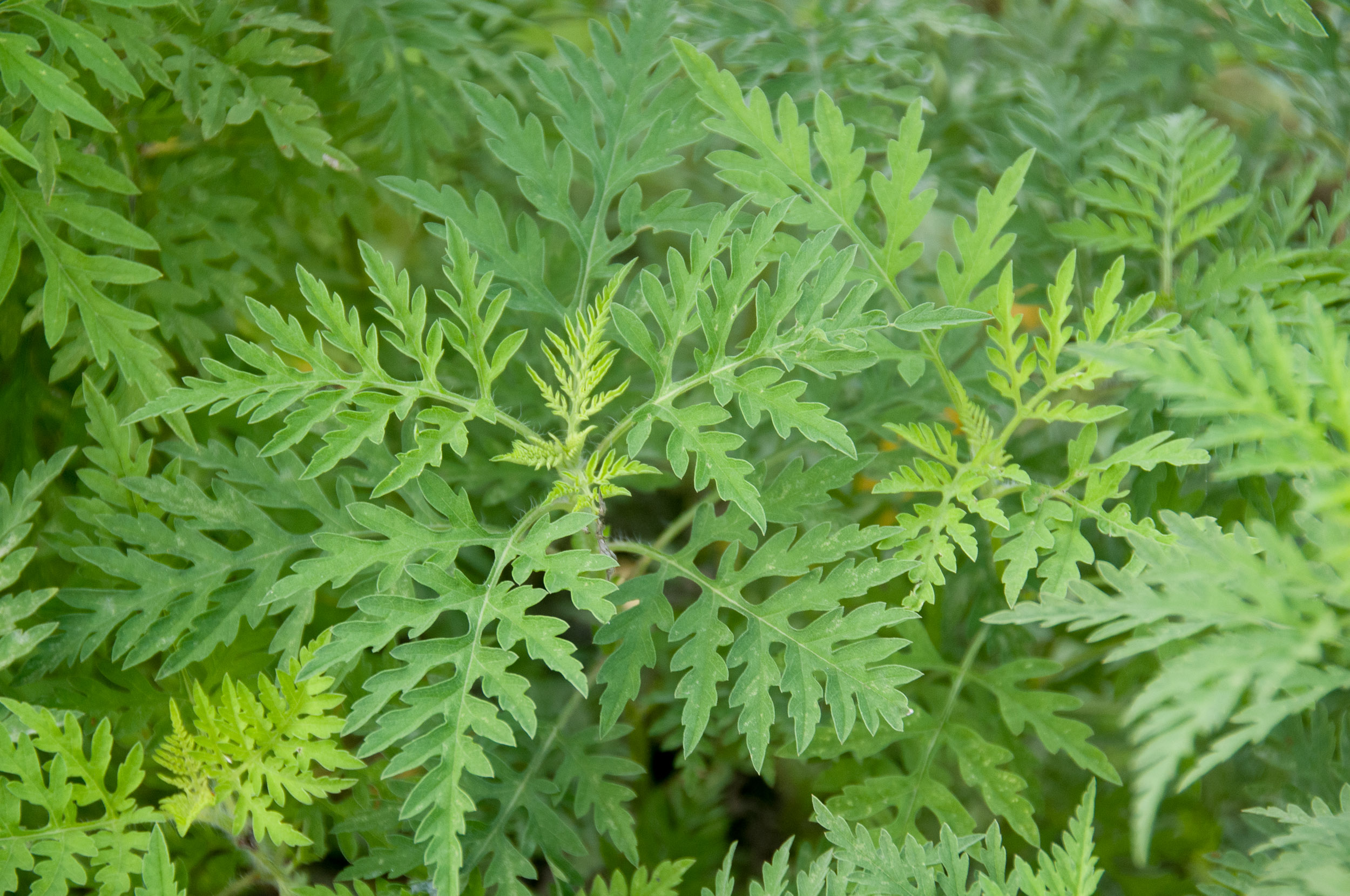
4/15/2015 · Florida · ≈ 7 × 4½″ (17 × 11 cm) 

8/20/2025 · Peaks Island, Maine · ≈ 11 × 15″ (28 × 38 cm) 
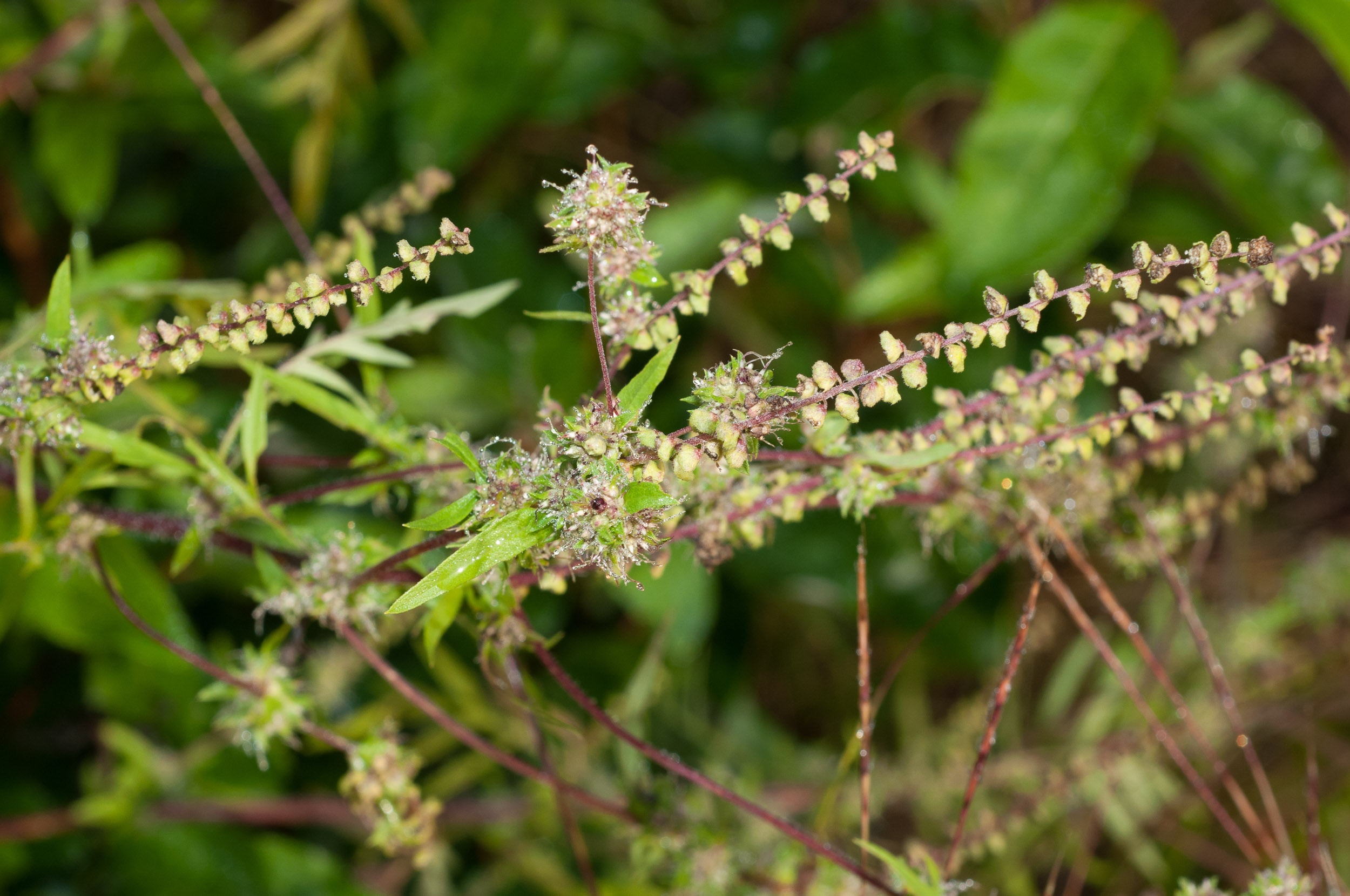
9/14/2009 · Near Nashoba Hospital, Ayer, Massachusetts · ≈ 8 × 5″ (19 × 13 cm) 
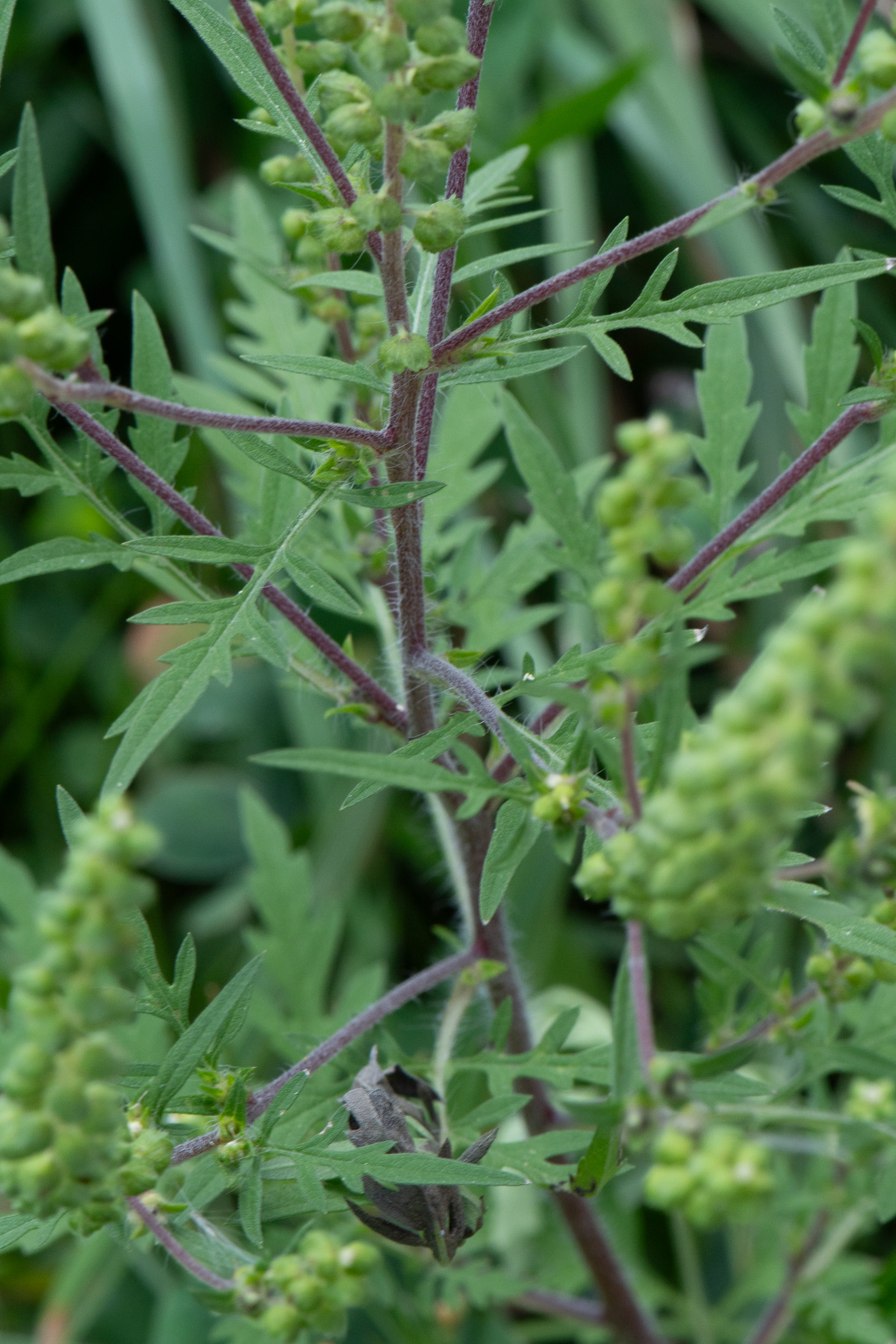
8/30/2021 · Woodward Point Preserve, Brunswick, Maine · ≈ 4 × 6″ (10 × 15 cm) 
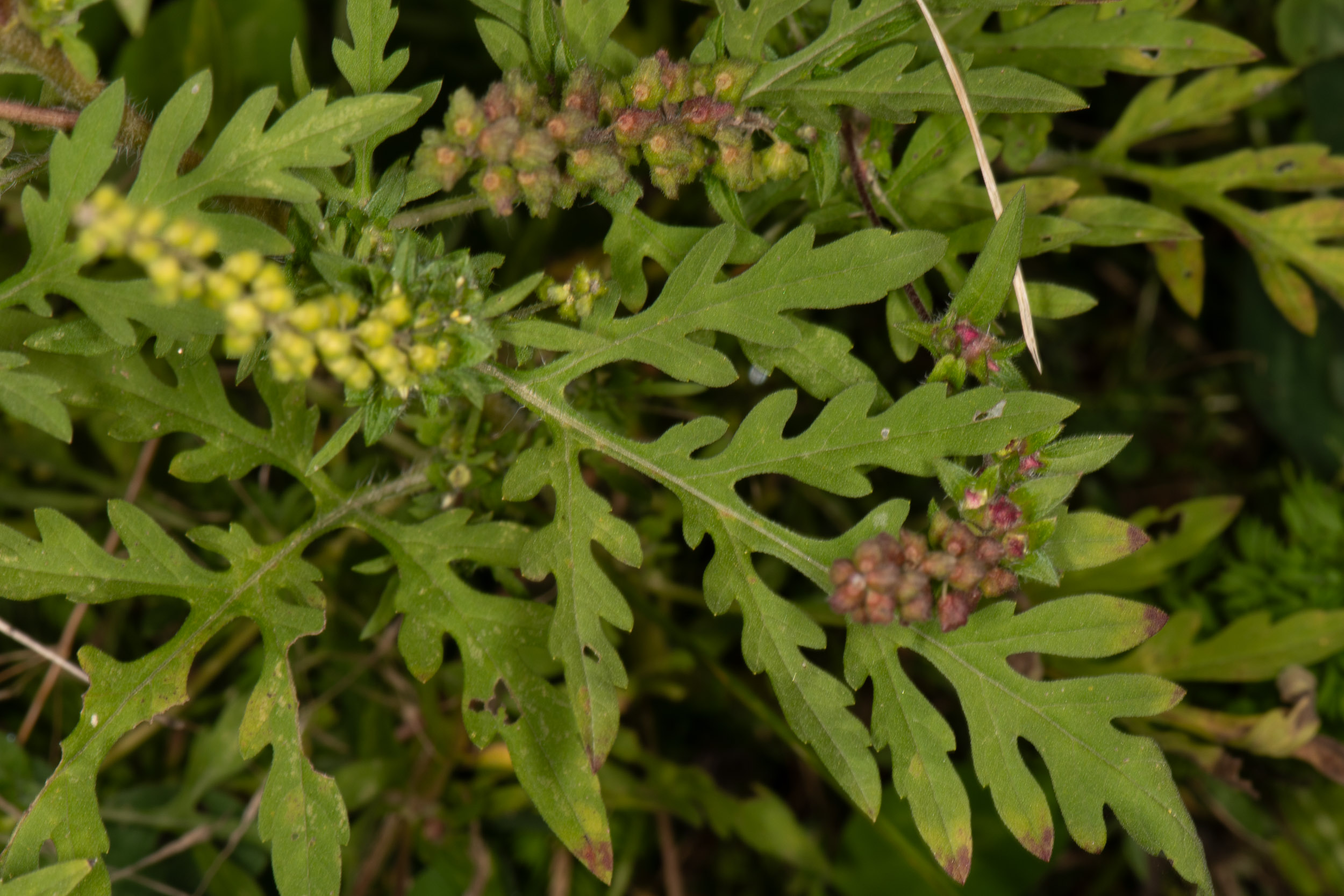
9/17/2021 · Woodward Point Preserve, Brunswick, Maine · ≈ 6 × 4″ (16 × 10 cm) 

9/18/2016 · Deer Isle, at Water’s Edge, Deer Isle, Maine 
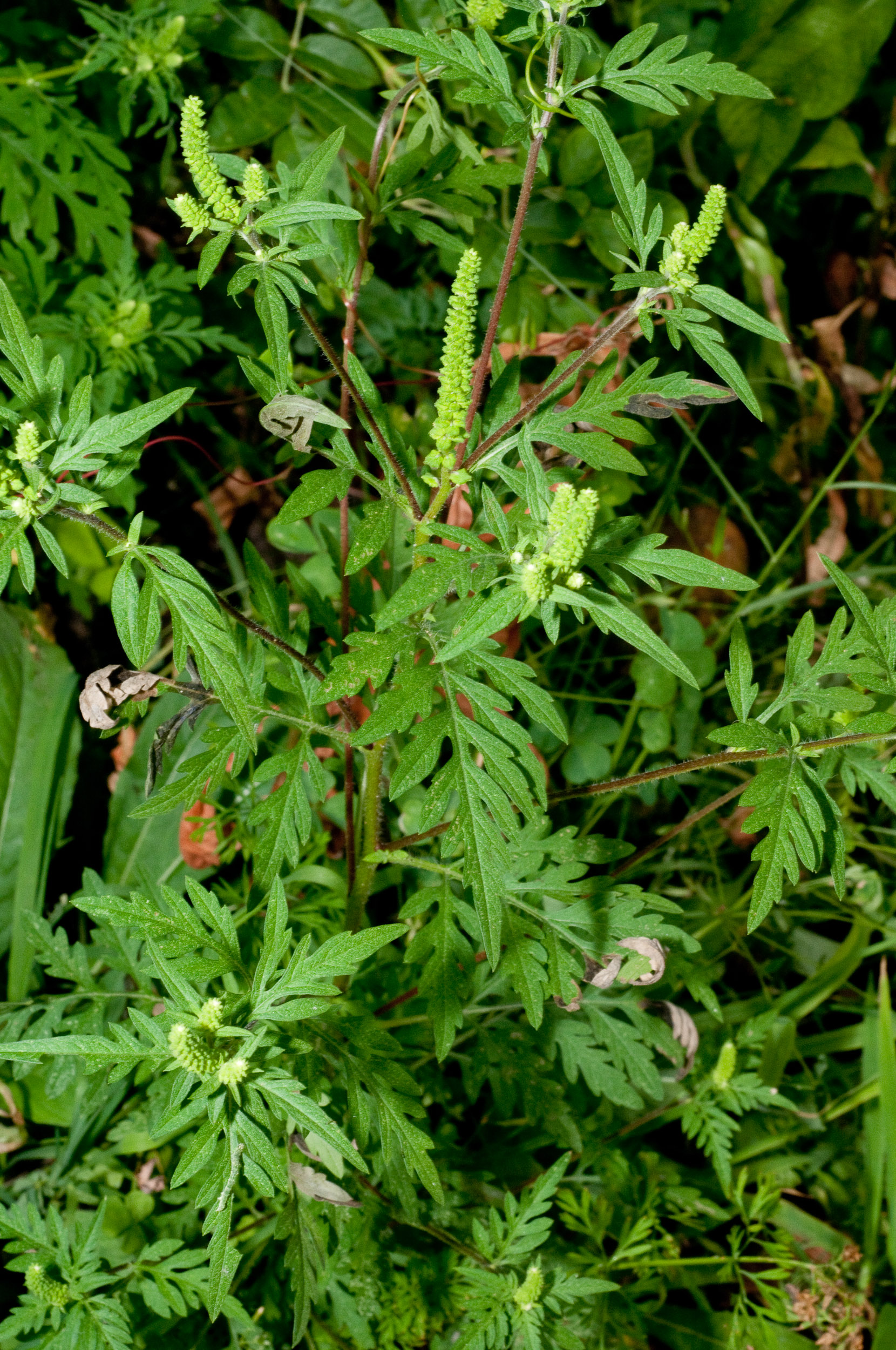
8/4/2010 · Nashua River Rail Trail, Groton Center, Groton, Massachusetts · ≈ 8 × 12″ (20 × 31 cm) 
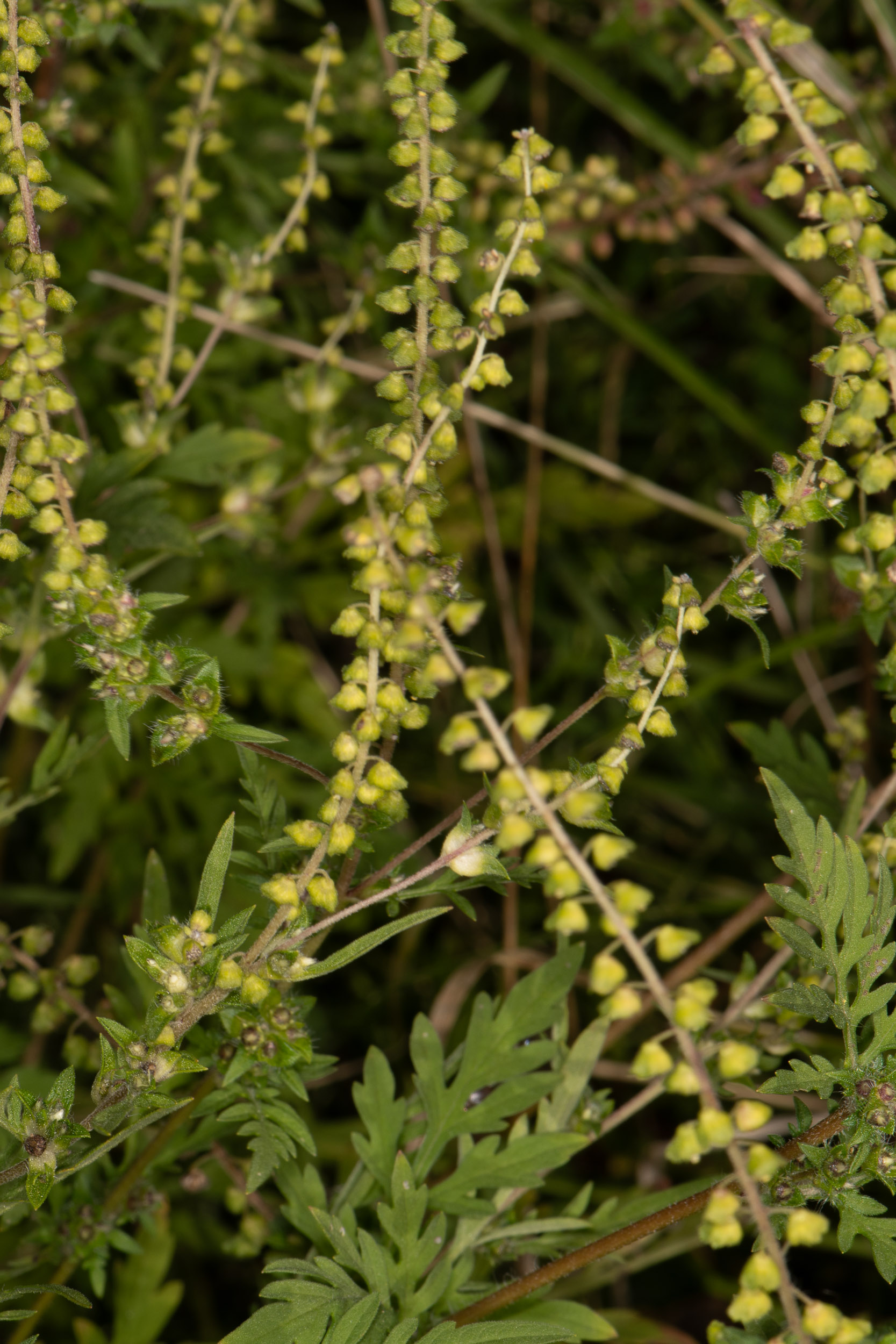
9/17/2021 · Woodward Point Preserve, Brunswick, Maine · ≈ 4½ × 7″ (11 × 16 cm) 
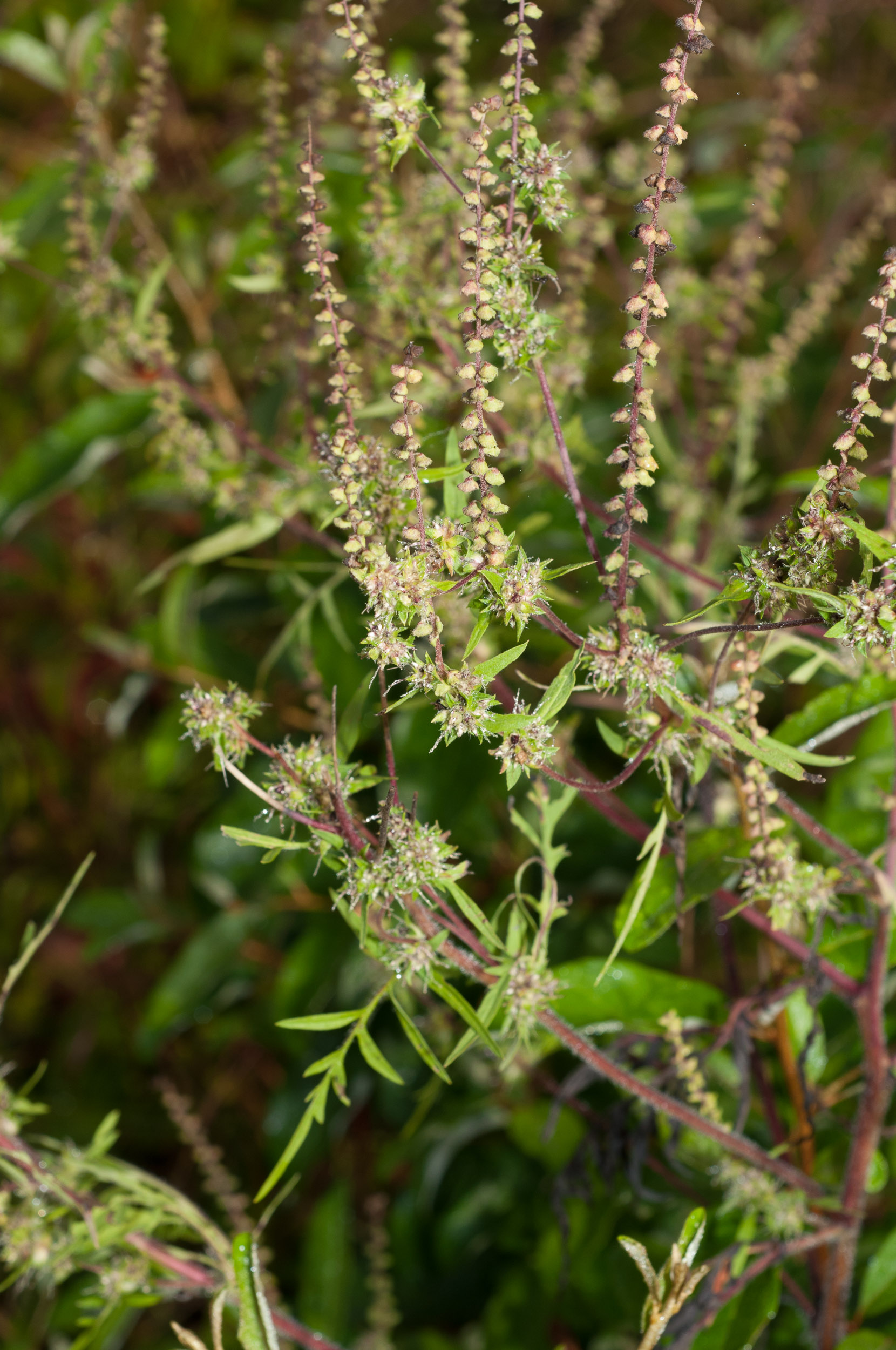
9/14/2009 · Near Nashoba Hospital, Ayer, Massachusetts · ≈ 7 × 11″ (18 × 27 cm) 

9/18/2016 · Edgar M. Tennis Preserve, Deer Isle, Maine 
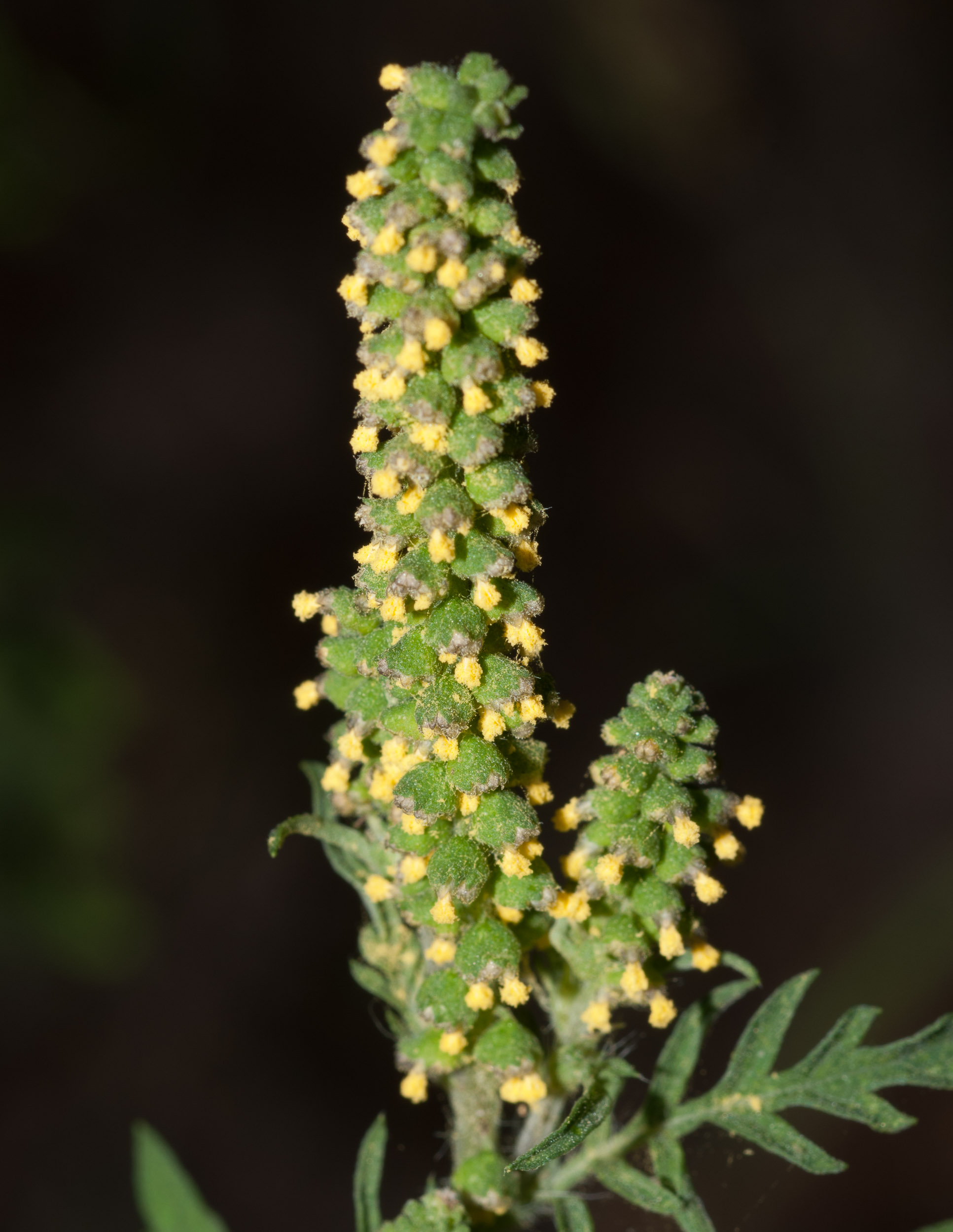
8/18/2010 · J. Harry Rich Woods, off Nod Rd., Groton, Massachusetts · ≈ 2½ × 3″ (6.6 × 8.4 cm) 
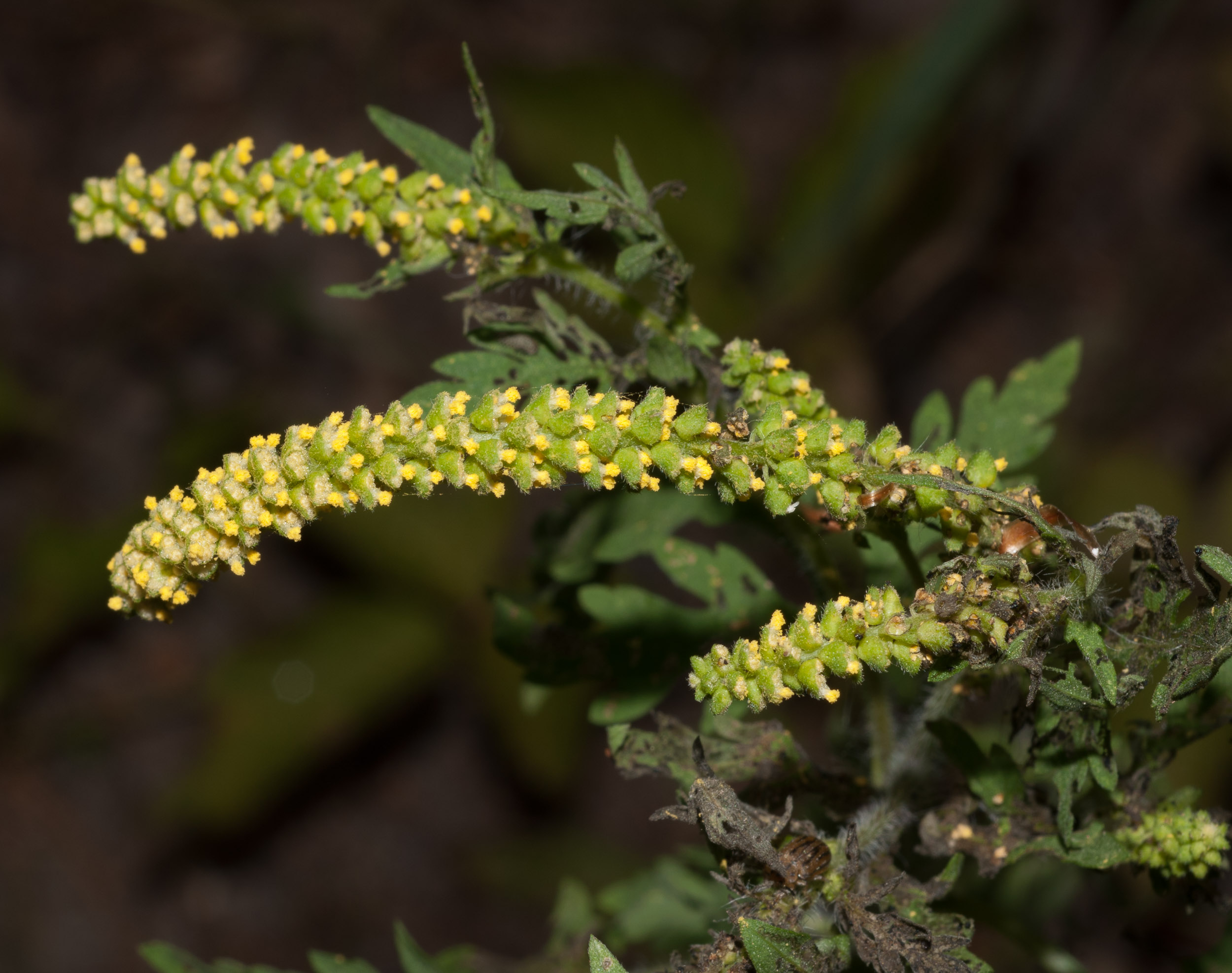
8/18/2010 · J. Harry Rich Woods, off Nod Rd., Groton, Massachusetts · ≈ 4 × 3″ (10 × 8.3 cm) 
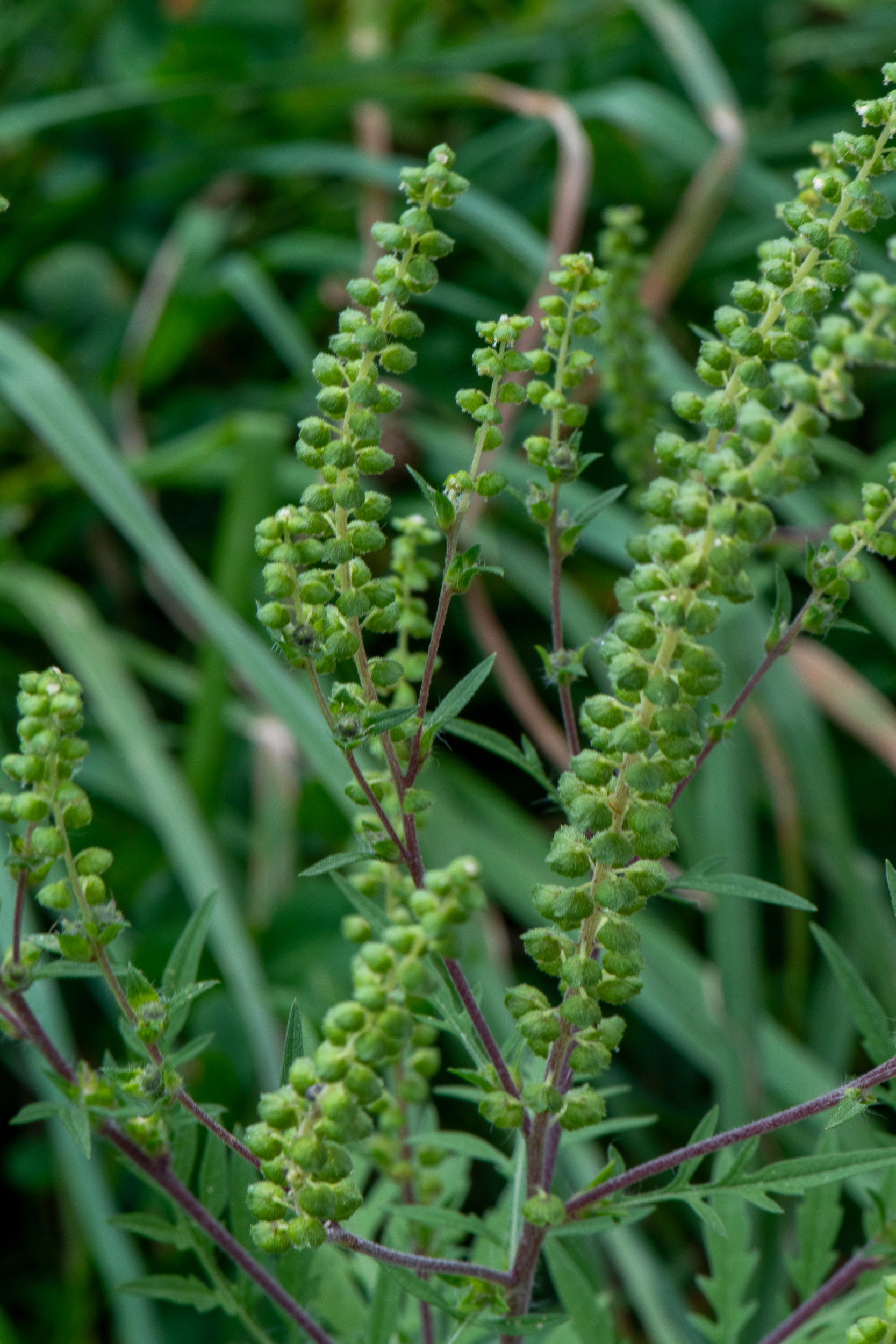
8/30/2021 · Woodward Point Preserve, Brunswick, Maine · ≈ 4½ × 7″ (11 × 16 cm) 

8/20/2025 · Peaks Island, Maine · ≈ 11 × 17″ (28 × 43 cm) 
| Kingdom | Plantae | Plants, but not fungi, lichens, or algae (from Stearn's Botanical Latin) |
| Subkingdom | Tracheobionta | Vascular plants—plants with a “circulatory system” for delivering water and nutrients |
| Division | Magnoliophyta | Flowering plants, also known as angiosperms |
| Class | Magnoliopsida | Dicotyledons—plants with two initial seed leaves |
| Subclass | Asteridae | A large class that encompasses asters |
| Order | Asterales | Flowering plants with a central disk flower and surrounding petals, like daisies |
| Family | Asteraceae | The aster family, which also includes daisies and sunflowers; from the Greek ἀστήρ, “star,” for the star-shaped flowers |
| Genus | Ambrosia | It is not known why this genus is named from the Greek ἀμβροσία, or “food of the gods” |
| Species | artemisiifolia | Means “mugwort leaves” |
Ambrosia artemisiifolia description by Thomas H. Kent, not updated.

© FloraFinder.org. All rights reserved.