Cyperus esculentus L.
Nut grass, yellow nut grass, yellow nutsedge
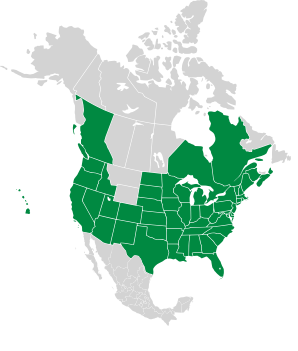
Yellow nut grass is native to North America, Africa, Europe, and Asia. Depending upon who you ask, it is an annoying weed, a treat whose tubers are to eaten raw or roasted, an attractive wild plant, a source of feed for livestock, or an ingredient for a Spanish drink called Horchata.
Plants: Up to 3′ (90 cm) high. As with most other sedges, stems are triangular in shape.
Leaves: The stiff grasslike leaves are ⅛–⅜″ (3–10 mm) wide.
Flowers: yellow-brown flower spikes that really stand out. Like tangled bottle brushes, they emerge in stiff clusters 2–3″ (5–7.6 cm) long, whose color and shape is distinctive. Individual flower spikelets are ½–¾″ (1.3–1.9 cm) long. The clusters are surrounded by four stiff grasslike bracts, neatly positioned at 90° angles from each other.
Fruits: A cluster of flat, oval seeds surrounded by four hanging, leaf-like bracts positioned 90 degrees from each other.
Habitats: Low ground, in wet fields, in heavily irrigated crops, along river banks and roadsides, and in ditches.
Edibility: These perennial plants have edible roots called “tiger nuts” or “earth almonds,” said to have a slightly sweet, nutty flavor. Cultivated varieties have been used for food since ancient Egyptian times. Today many areas of the world use them for animal or human food, as a flavoring for soft drinks, or for various medicinal purposes.
Online References:
References:
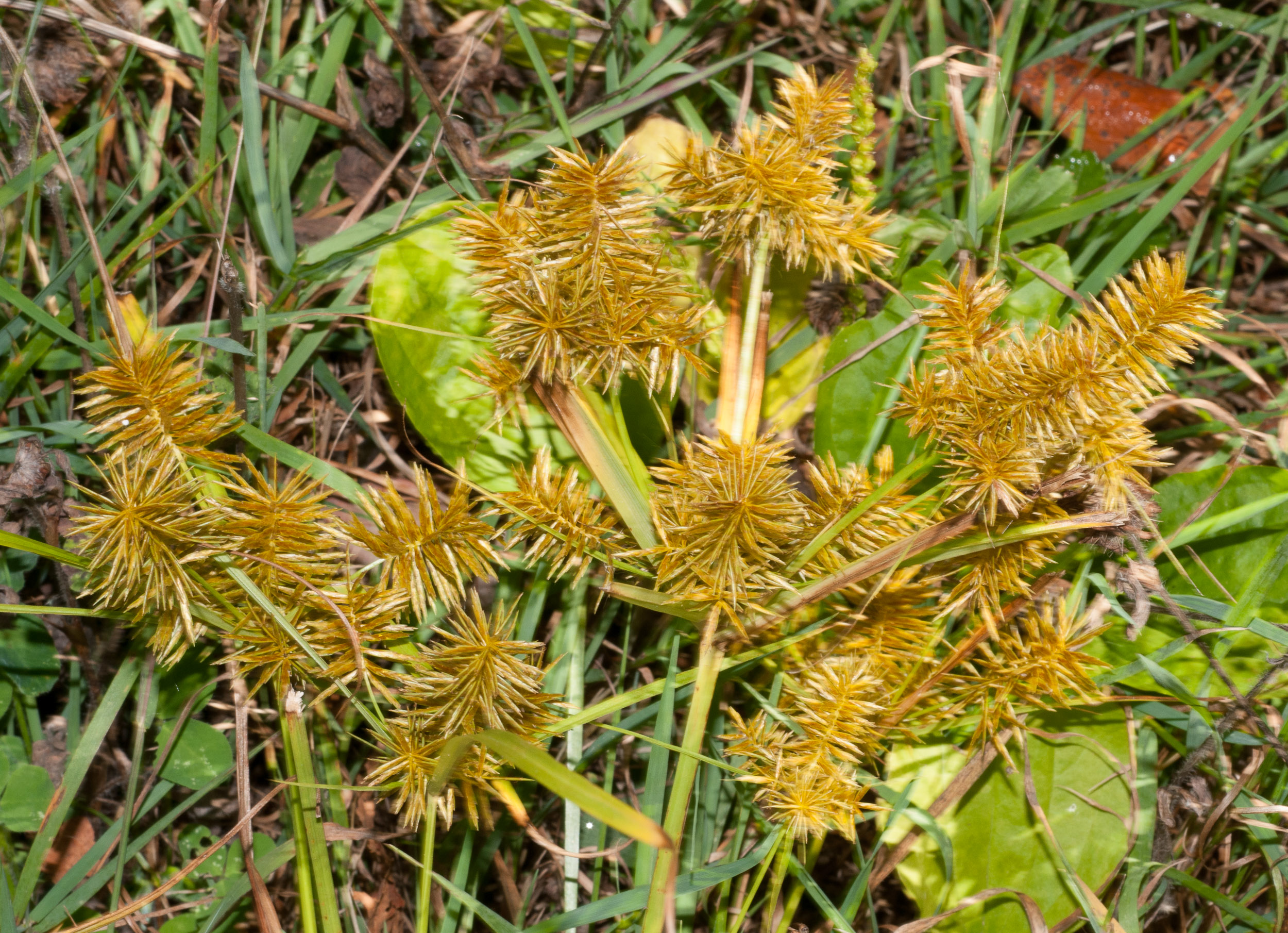
9/11/2010 · Nashua River Rail Trail, Groton Center, Groton, Massachusetts · ≈ 10 × 7″ (24 × 17 cm) 
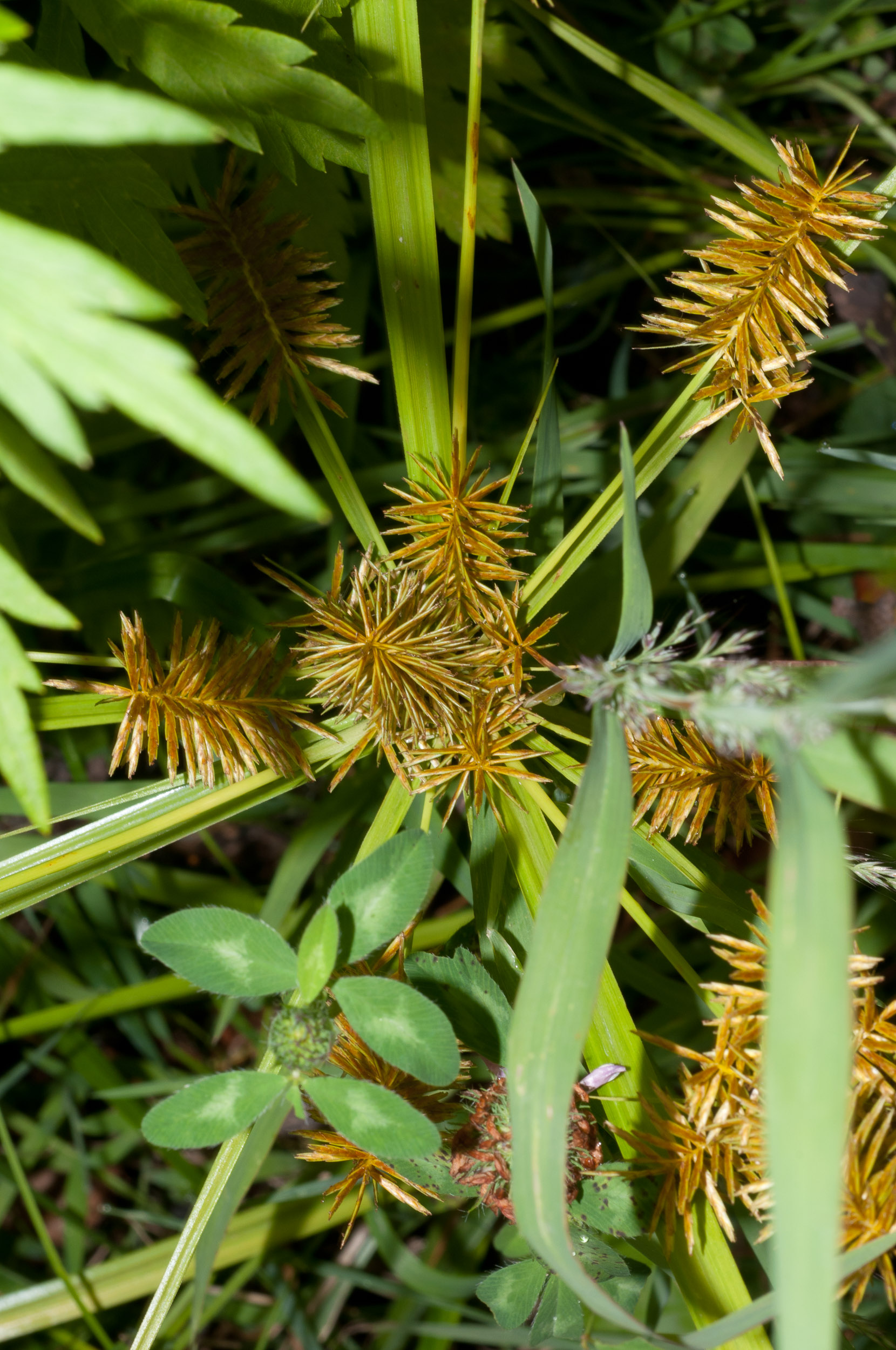
9/18/2010 · Nashua River Rail Trail, Groton Center, Groton, Massachusetts · ≈ 6 × 9″ (14 × 22 cm) 
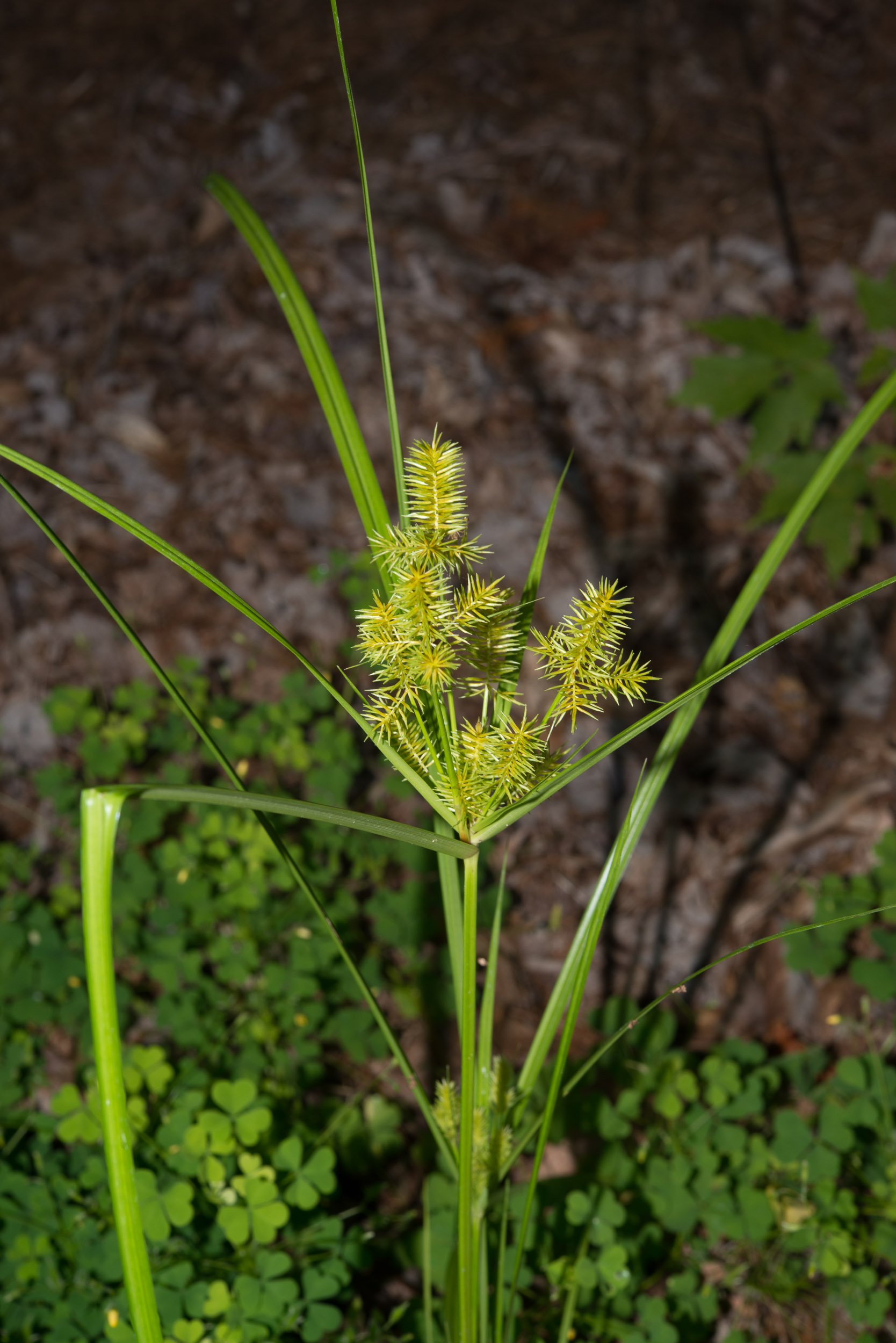
7/31/2013 · Tom and Susan’s, Pepperell, Massachusetts · ≈ 10 × 15″ (25 × 37 cm) 
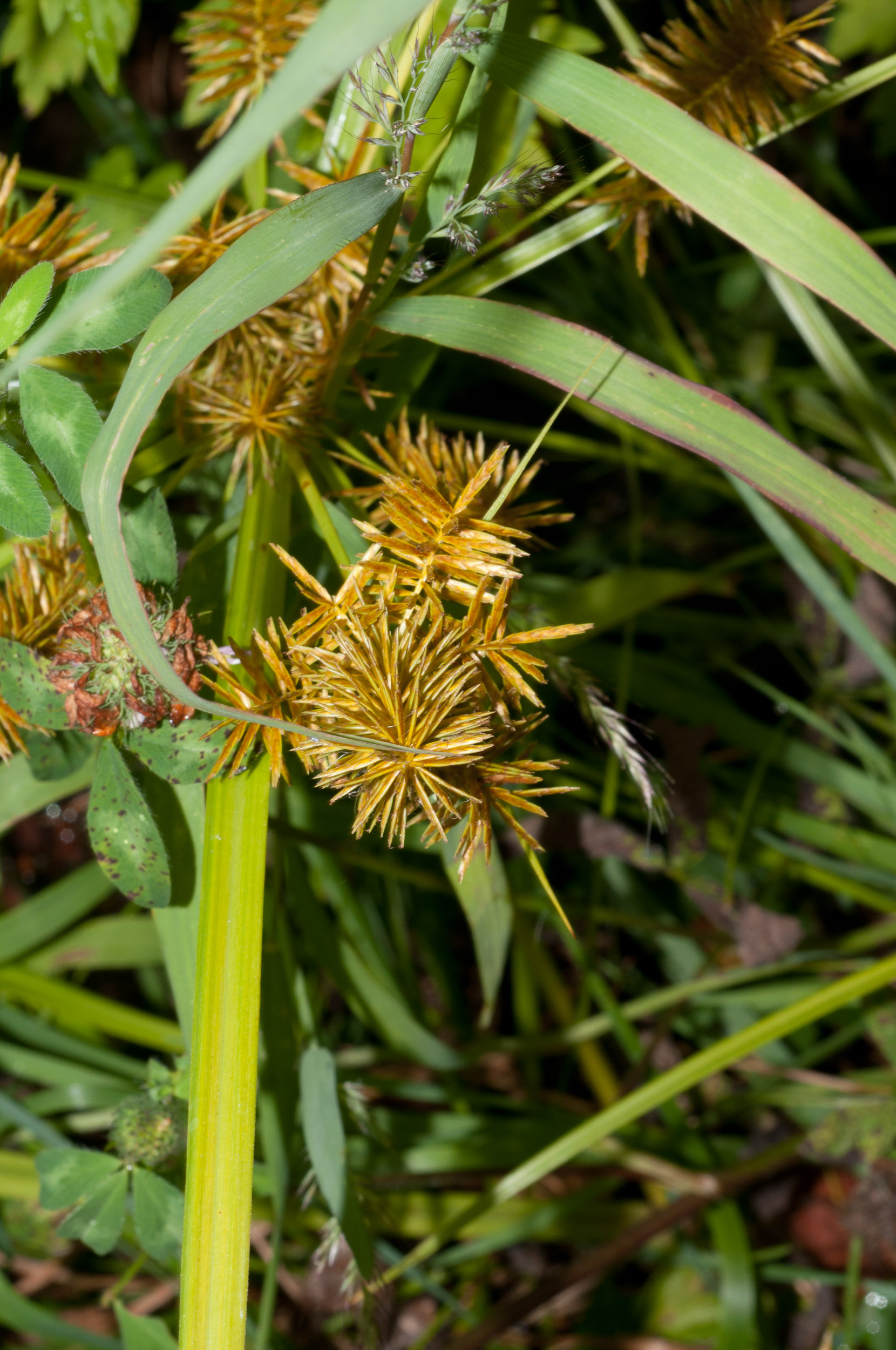
9/18/2010 · Nashua River Rail Trail, Groton Center, Groton, Massachusetts · ≈ 4½ × 7″ (11 × 17 cm) 
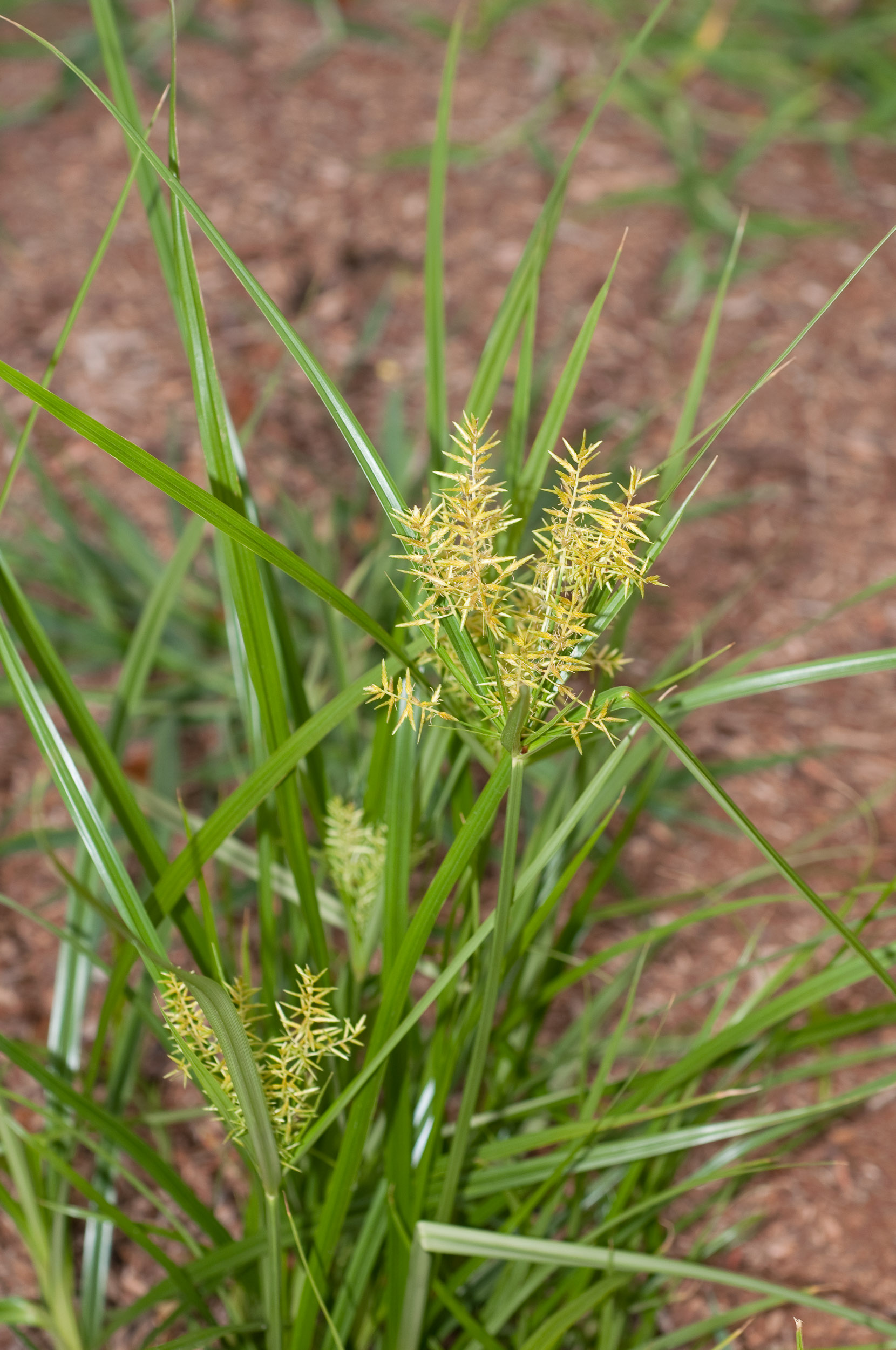
8/5/2010 · Nashua River Rail Trail, East Pepperell, Massachusetts · ≈ 10 × 15″ (26 × 39 cm) 
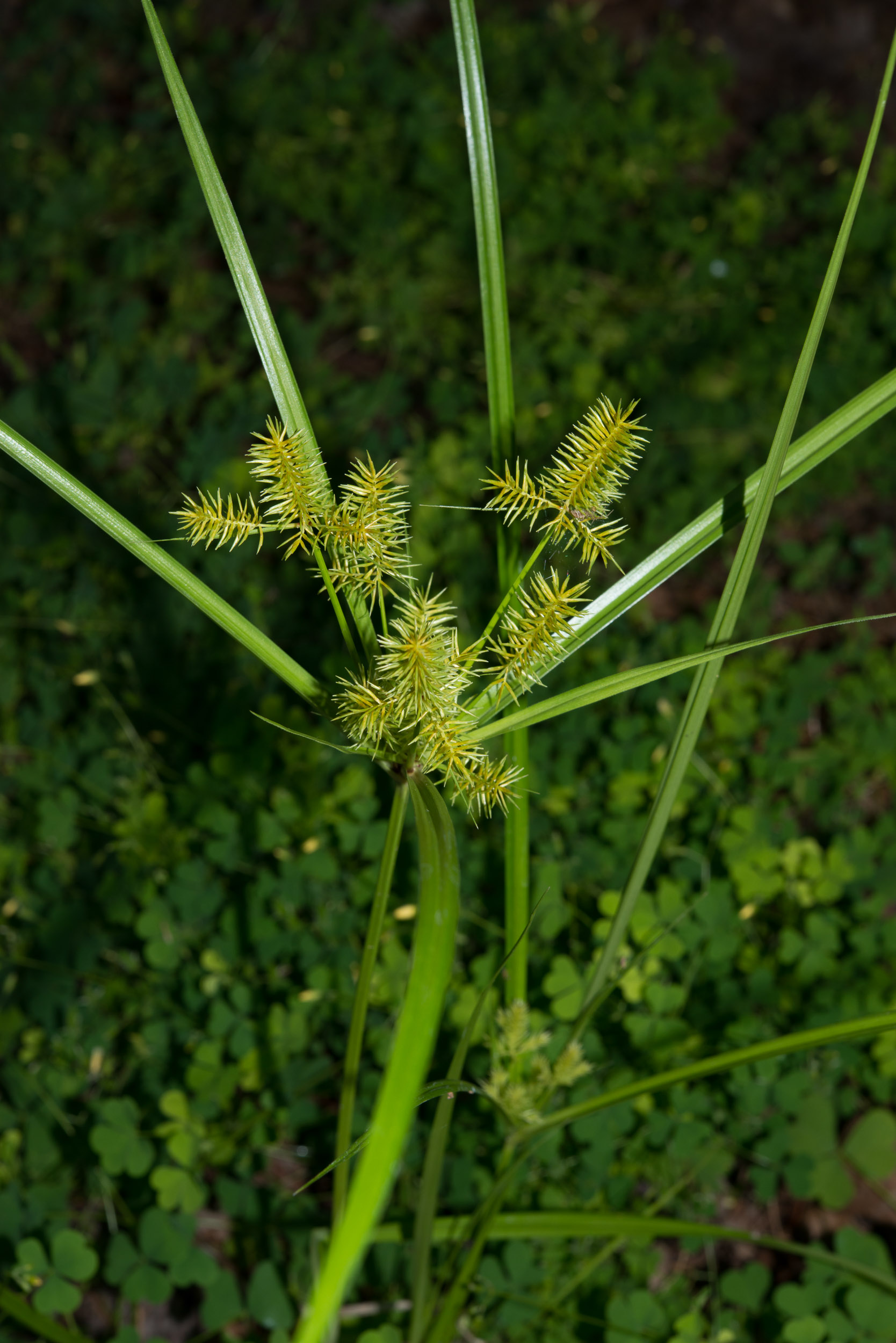
7/31/2013 · Tom and Susan’s, Pepperell, Massachusetts · ≈ 8 × 12″ (21 × 31 cm) 
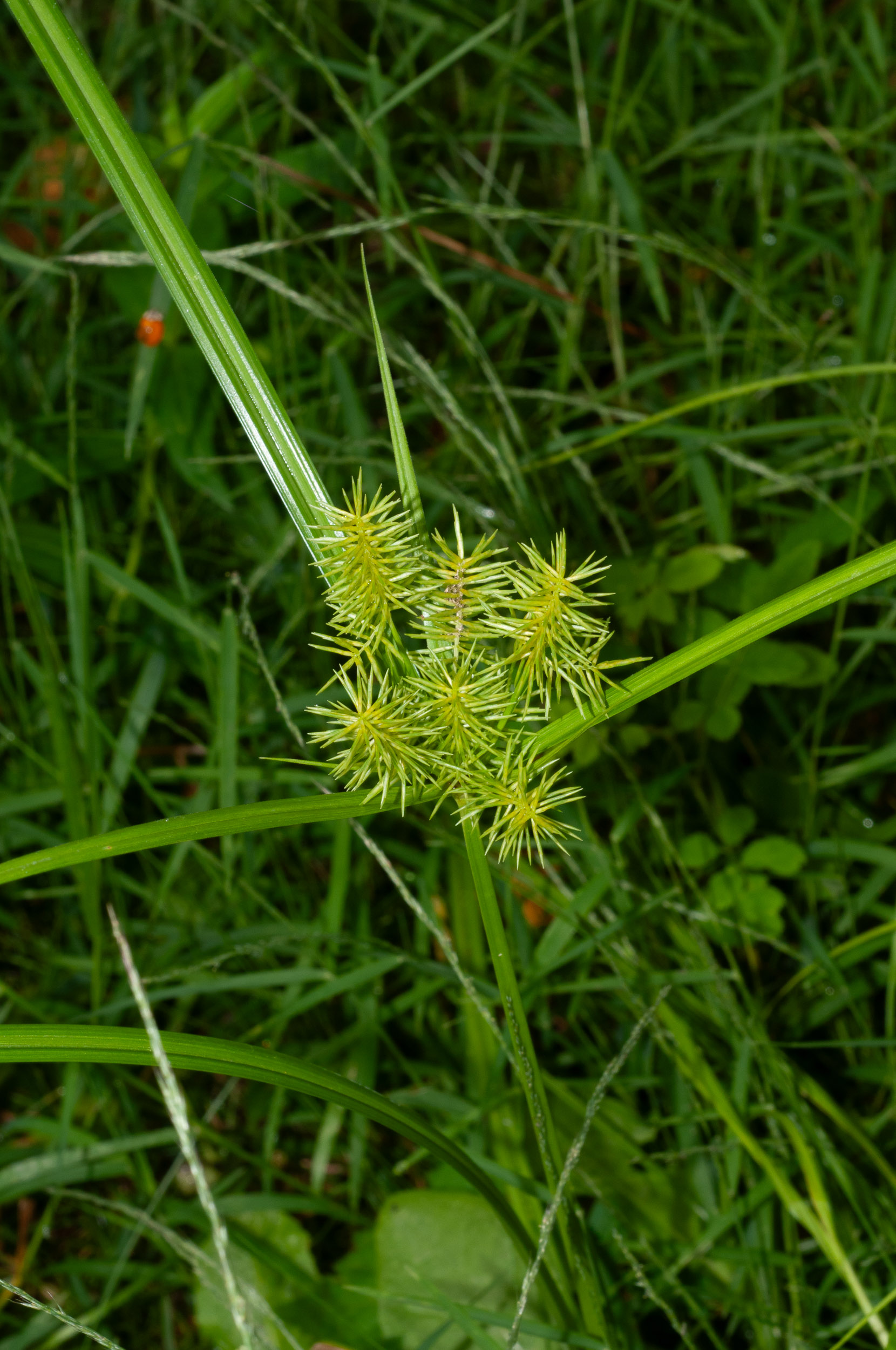
8/18/2012 · Nashua River Rail Trail, Groton Center, Groton, Massachusetts · ≈ 6 × 9″ (14 × 22 cm) 
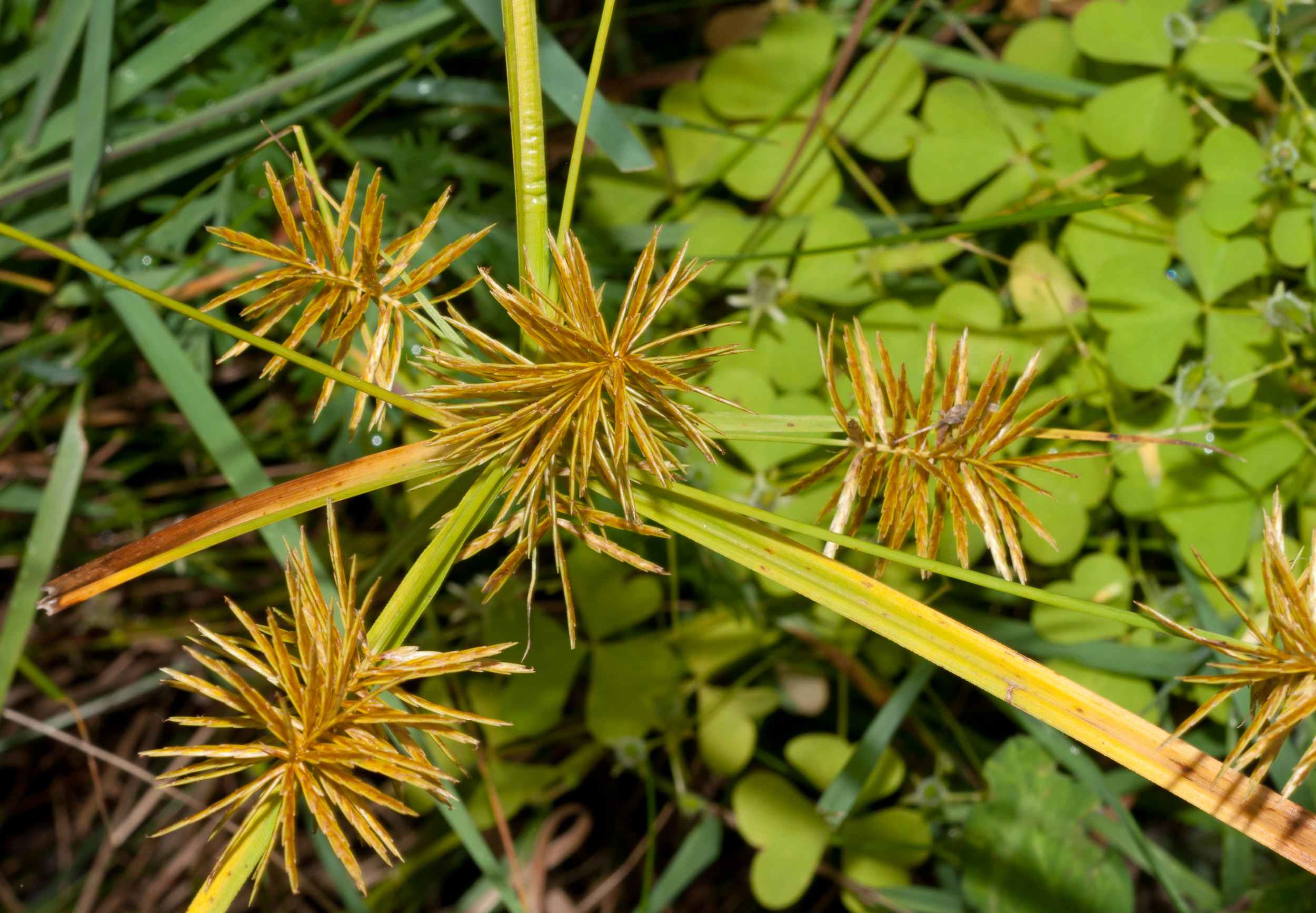
9/18/2010 · Nashua River Rail Trail, Groton Center, Groton, Massachusetts · ≈ 7 × 4½″ (17 × 11 cm) 
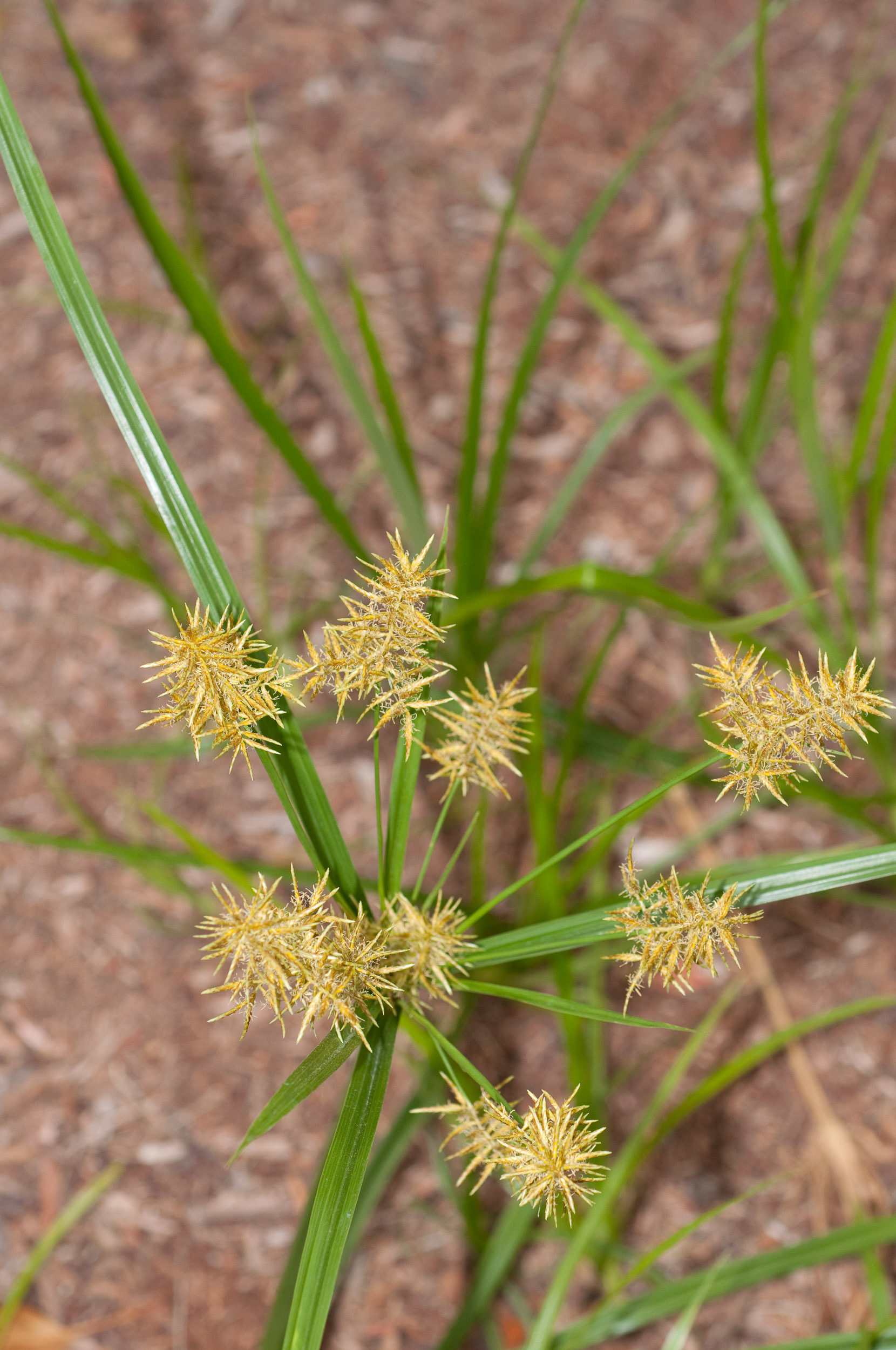
8/5/2010 · Nashua River Rail Trail, East Pepperell, Massachusetts · ≈ 9 × 14″ (23 × 35 cm) 
| Kingdom | Plantae | Plants, but not fungi, lichens, or algae (from Stearn's Botanical Latin) |
| Subkingdom | Tracheobionta | Vascular plants—plants with a “circulatory system” for delivering water and nutrients |
| Division | Magnoliophyta | Flowering plants, also known as angiosperms |
| Class | Liliopsida | Monocots (plants with a single seed leaf); includes the lily family |
| Subclass | Commelinidae | Dayflowers and spiderworts, and several others |
| Order | Cyperales | Flowering plants including grasses |
| Family | Cyperaceae | Sedge family |
| Genus | Cyperus | From an ancient Greek word meaning “sedge” |
| Species | esculentus | “Edible” |
Cyperus esculentus description by Thomas H. Kent, not updated.

© FloraFinder.org. All rights reserved.