Daucus carota L.
Queen Anne’s lace, wild carrot, bird’s nest, bishop’s lace
Queen Anne’s lace, or wild carrot, is native to Europe and southwest Asia. Settlers broought it to North America and Australia, where it has become naturalized. The carrots we eat are a subspecies of this plant, Daucus carota subsp. sativus.
Plants: Up to 3′ (91 cm) tall, smelling exactly like carrots.
Leaves: Foliage is relatively sparse, finely divided, looking like that of yarrow or carrots.
Flowers: Dense white umbrella-shaped or flat-topped flowerheads atop long spindly-looking hairy stems. Each flowerhead is composed of dozens of tiny 5-petaled flowers. Sometimes a single dark red flower, the “ruby,” appears in the center. As the flowers age, the flowerheads become convex as the centers sink, eventually folding up into a ball-shaped “nest” the protects the fruits developing within.

The ”ruby,” or tiny red flower in the center of the white umbel. 
Fruits: Small, dry, bumpy, oval and flattened, with short styles and hooked spines, as well as protective enveloping hairs.
Habitats: Very common along roadsides, or in fields.
 |
Similar species. |
Edibility: Wild carrot roots are edible when young, before they become woody, but because this plant is easily confused with the extremely poisonous spotted water hemlock, it is unsafe to consume this plant. Leaves can cause phytophotodermatitis.
Medical:
Online References:
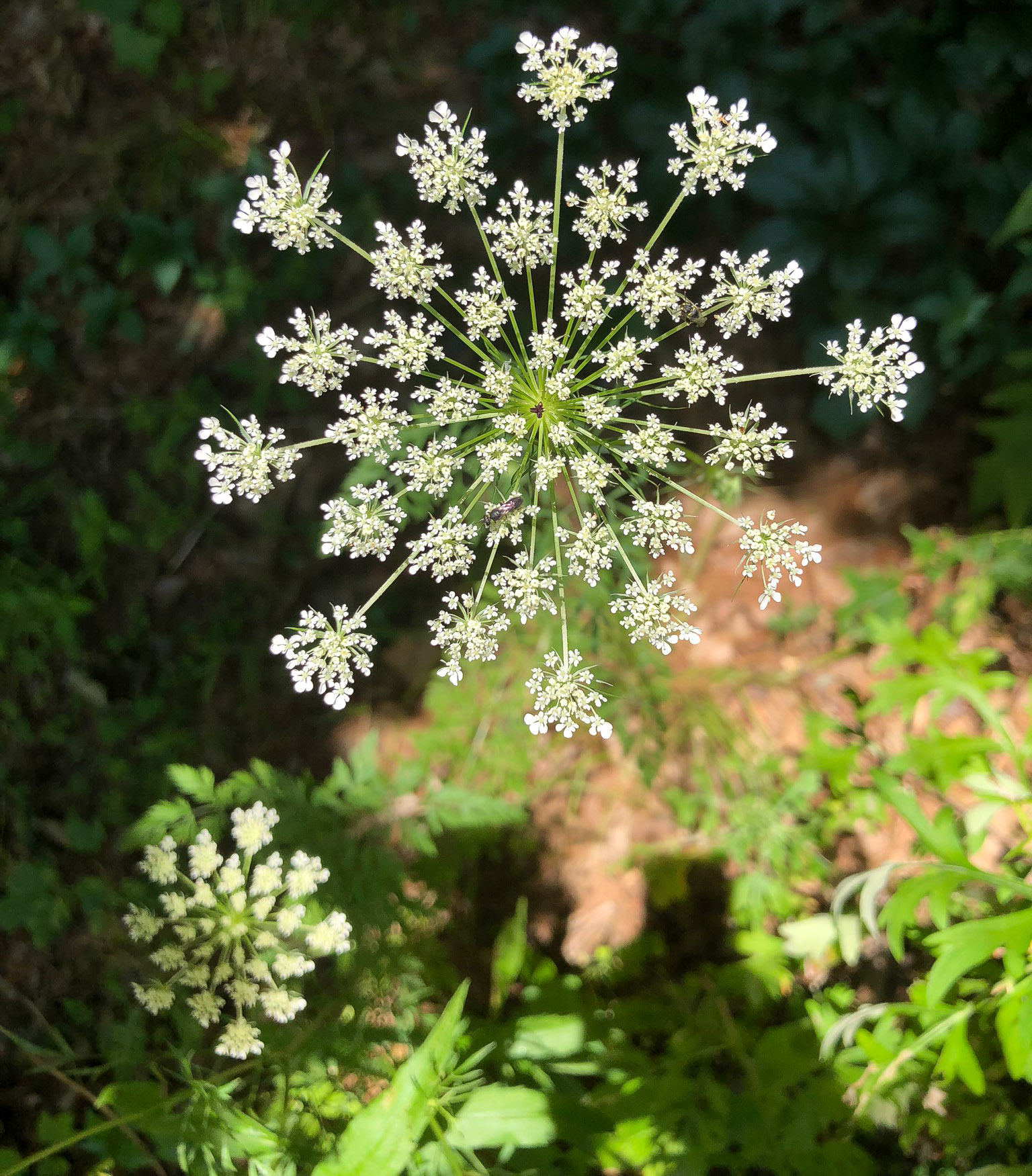
8/1/2019 · Tom and Susan’s, Pepperell, Massachusetts 

8/14/2014 · Oak Hill, Littleton Conservation Land, Littleton, Massachusetts · ≈ 5 × 6″ (13 × 14 cm) 

8/2/2025 · Land’s End, Bailey Island, Maine · ≈ 4½ × 5″ (12 × 12 cm) 
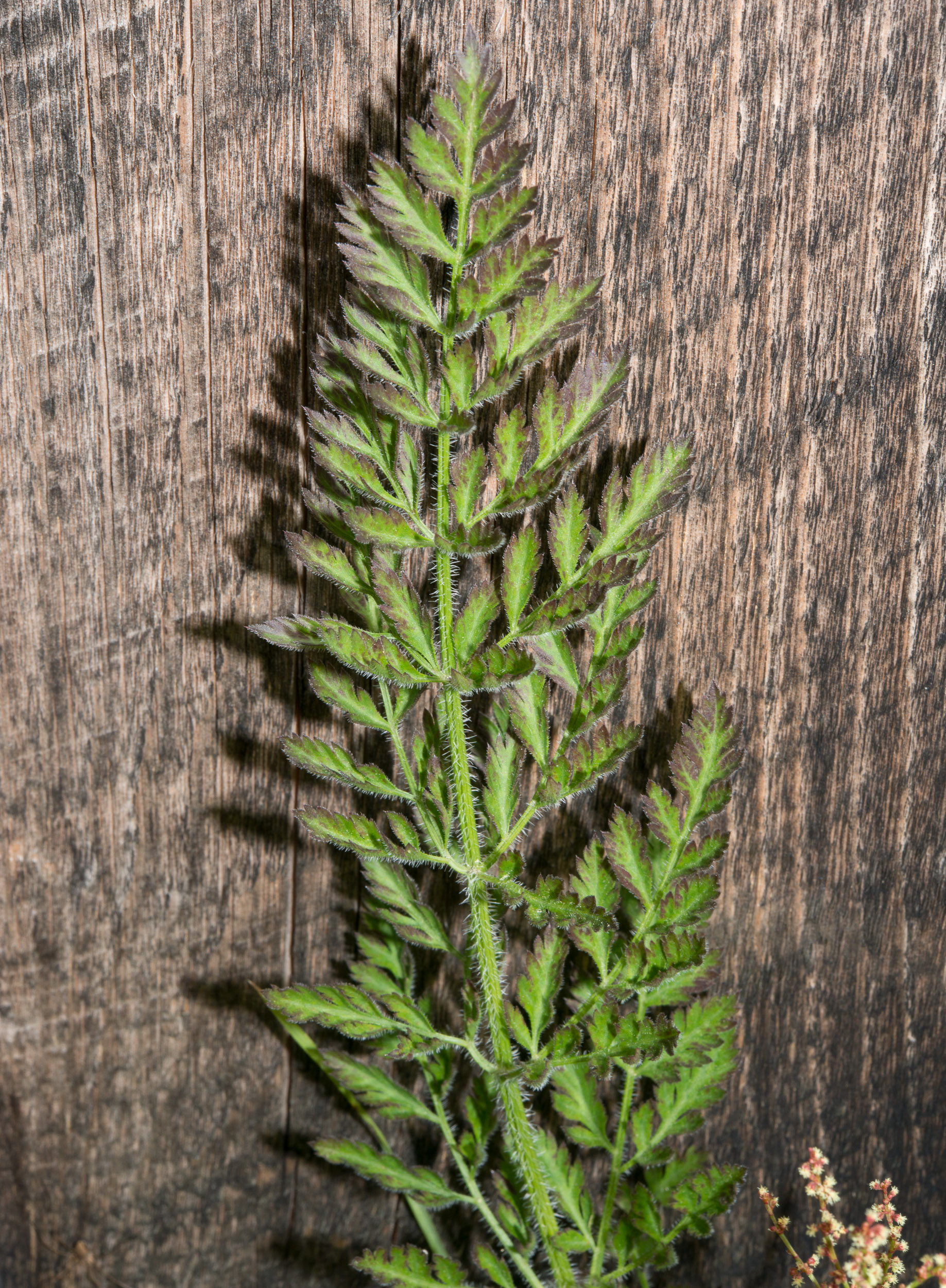
6/16/2013 · Sonny and Donna’s, Tenant’s Harbor, Maine · ≈ 6 × 9″ (16 × 21 cm) 
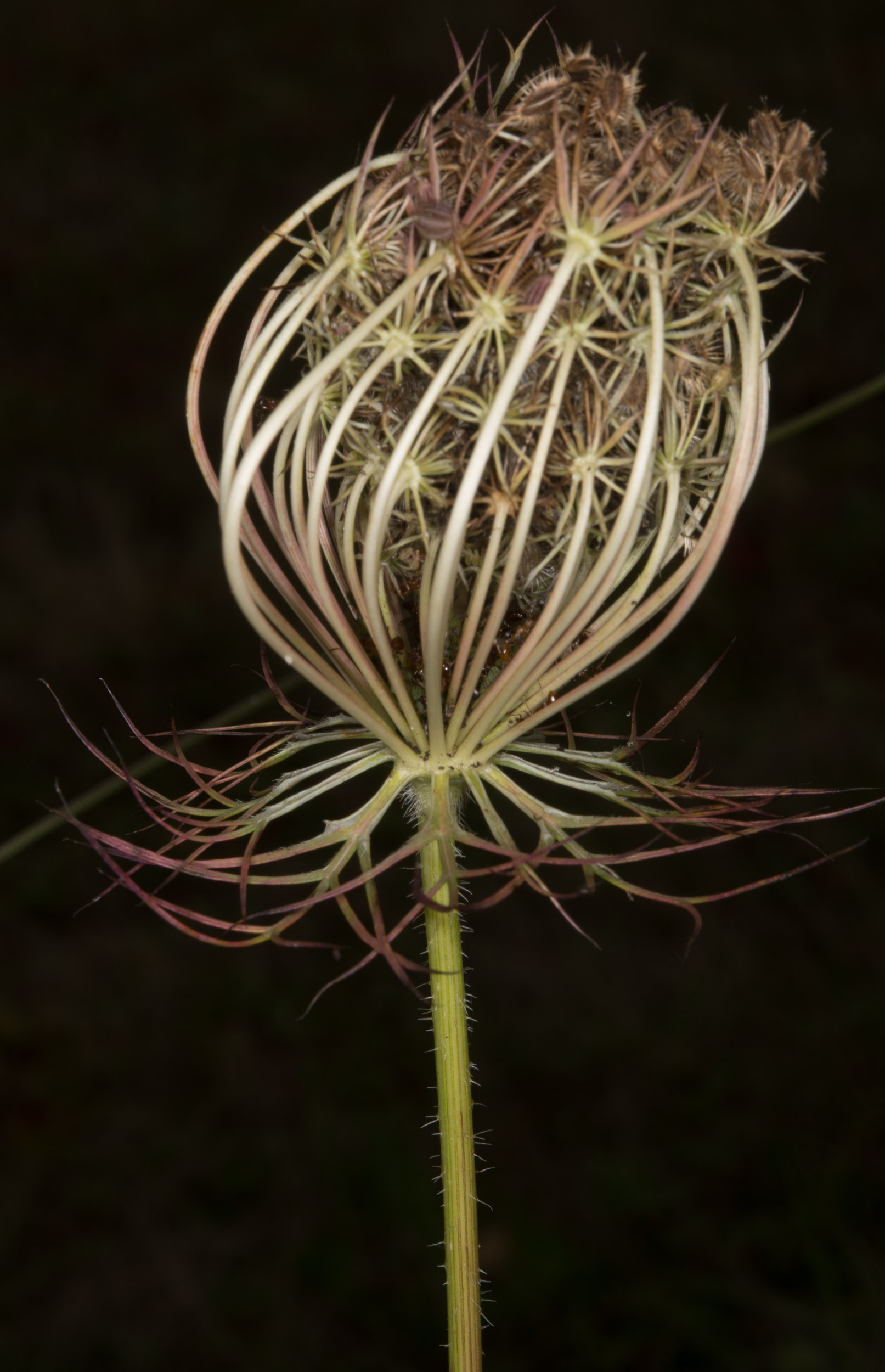
9/3/2020 · Mitchell Field, Harpswell, Maine · ≈ 3½ × 6″ (9.3 × 14 cm) 
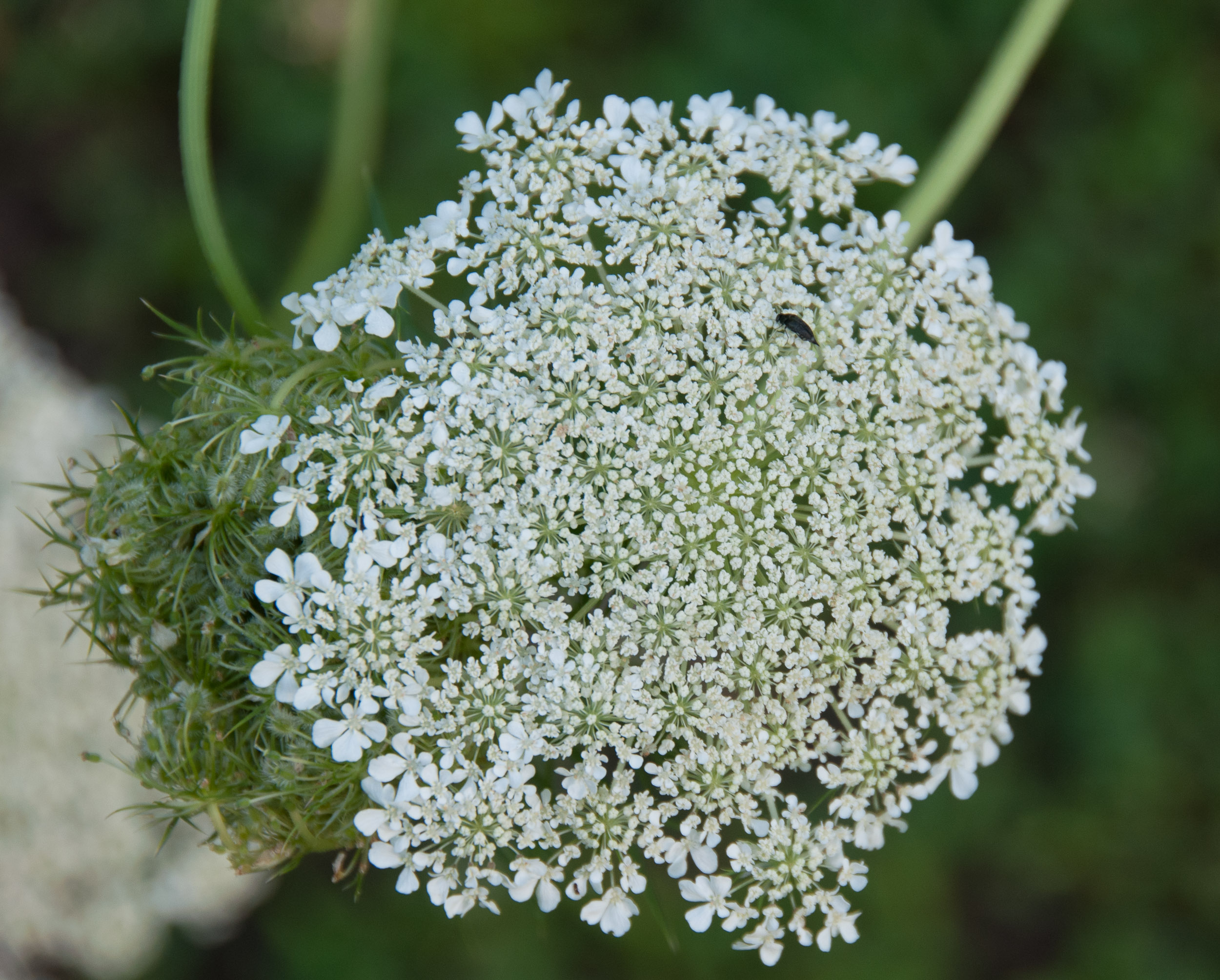
7/28/2009 · Near Nashua River Boat Ramp, Groton, Massachusetts · ≈ 3½ × 2½″ (8.7 × 7 cm) 

That's a horsefly (Stonemyia rasa) · 8/12/2025 · Wildes Wildlife Management Area, Bowdoinham, Maine · ≈ 1¼ × 1¼″ (3.4 × 3.4 cm) 
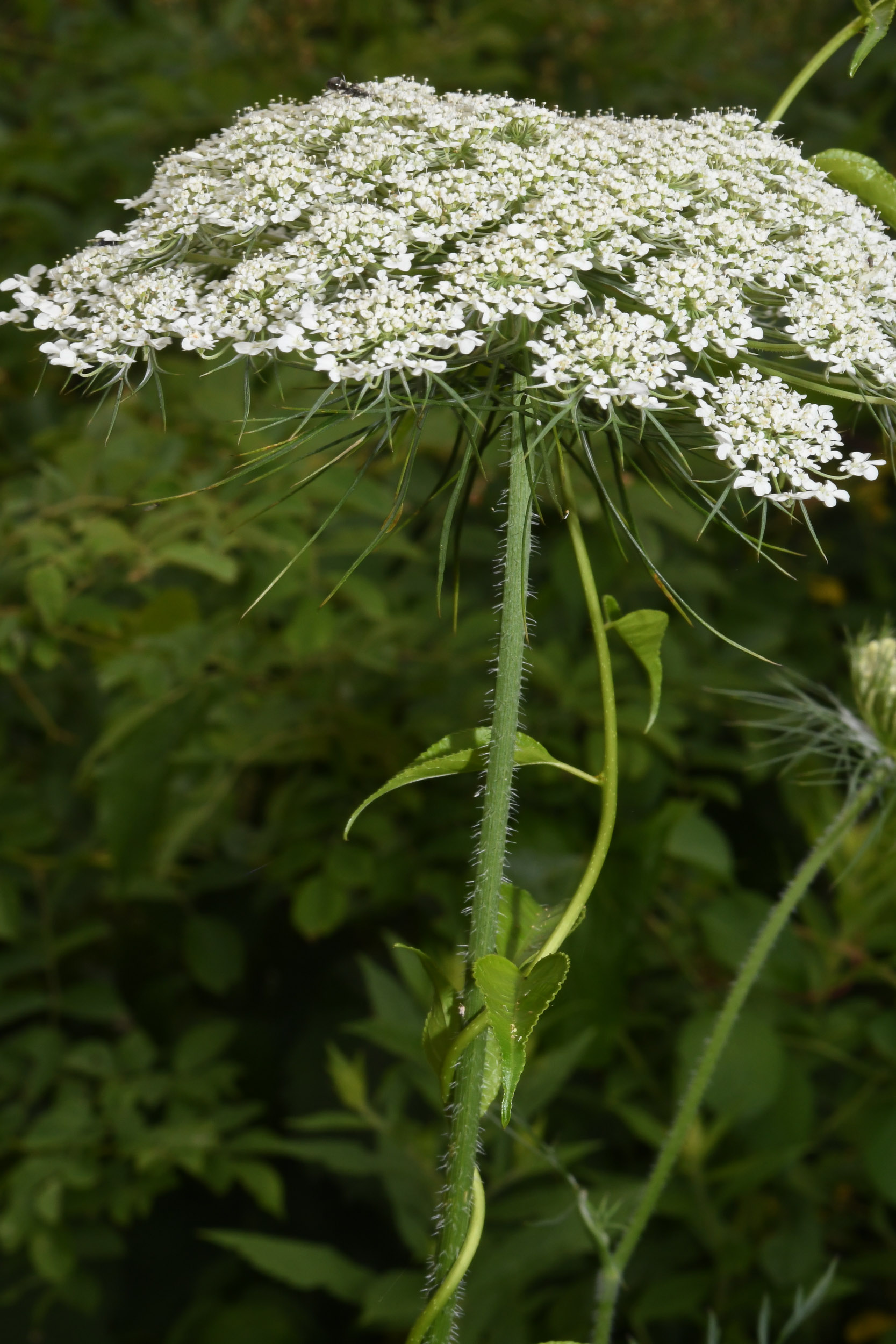
7/8/2016 · Dunstable Rural Land Trust, Dunstable, Massachusetts 

7/23/2025 · Curtis Farm Preserve, Harpswell, Maine · ≈ 4½ × 3″ (12 × 8.1 cm) 
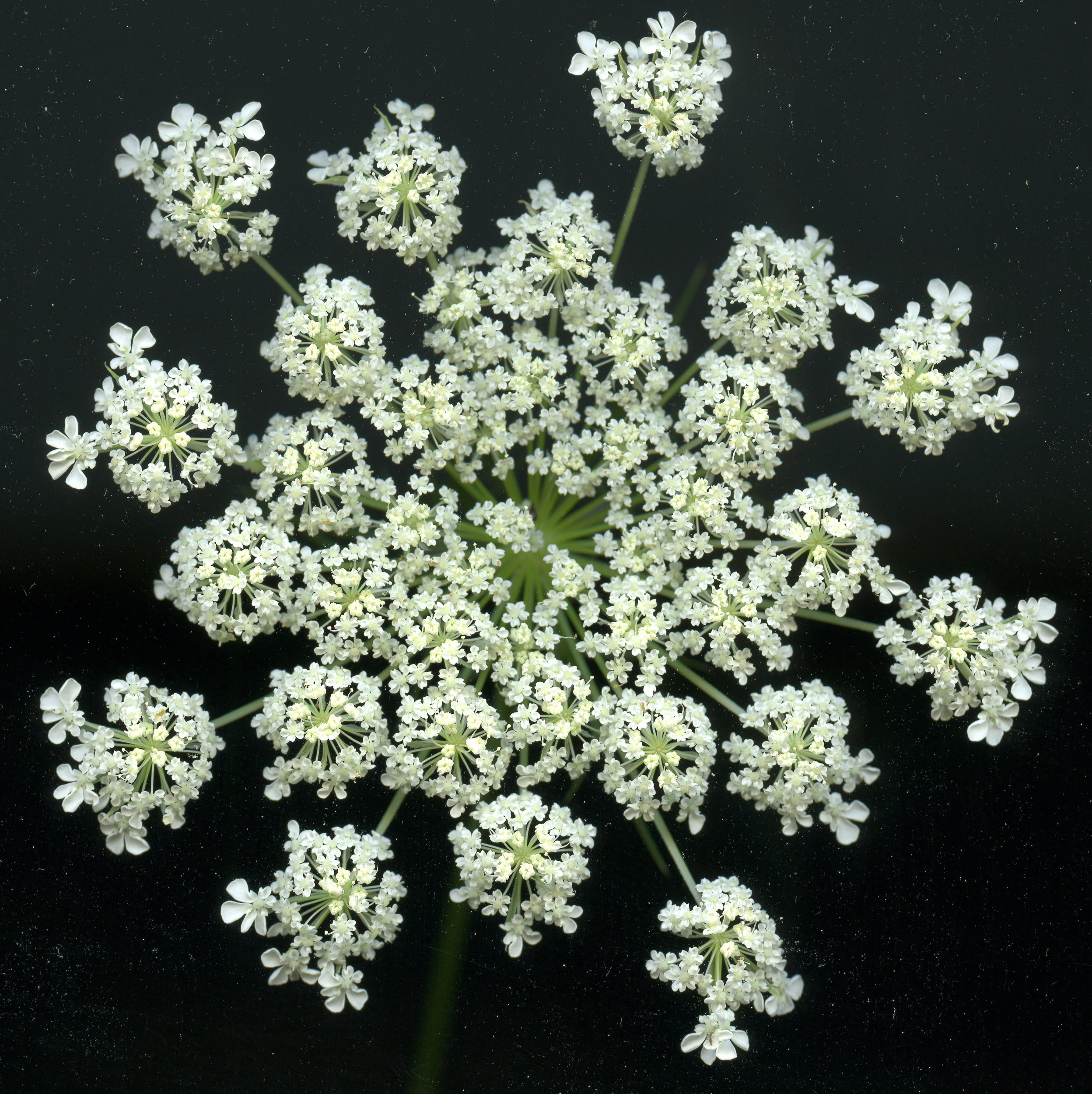
1/5/2026 · Tom and Susan’s, Pepperell, Massachusetts 

7/25/2025 · River Point Conservation Area, Falmouth, Maine · ≈ 4½ × 3″ (11 × 7.6 cm) 
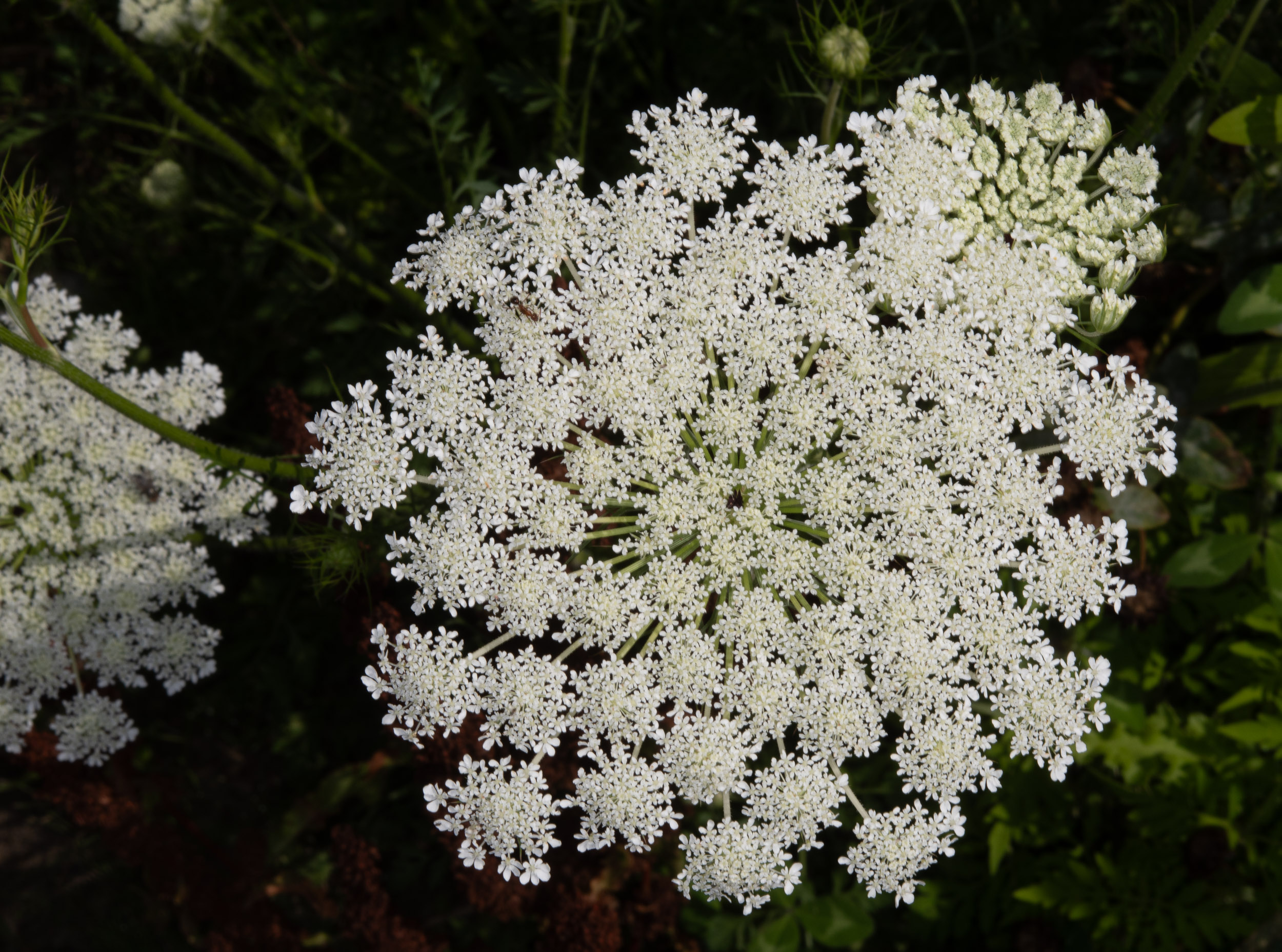
7/18/2020 · Woodward Point Preserve, Brunswick, Maine · ≈ 9 × 6″ (22 × 16 cm) 

7/25/2025 · River Point Conservation Area, Falmouth, Maine · ≈ 4 × 3″ (9.9 × 7.6 cm) 
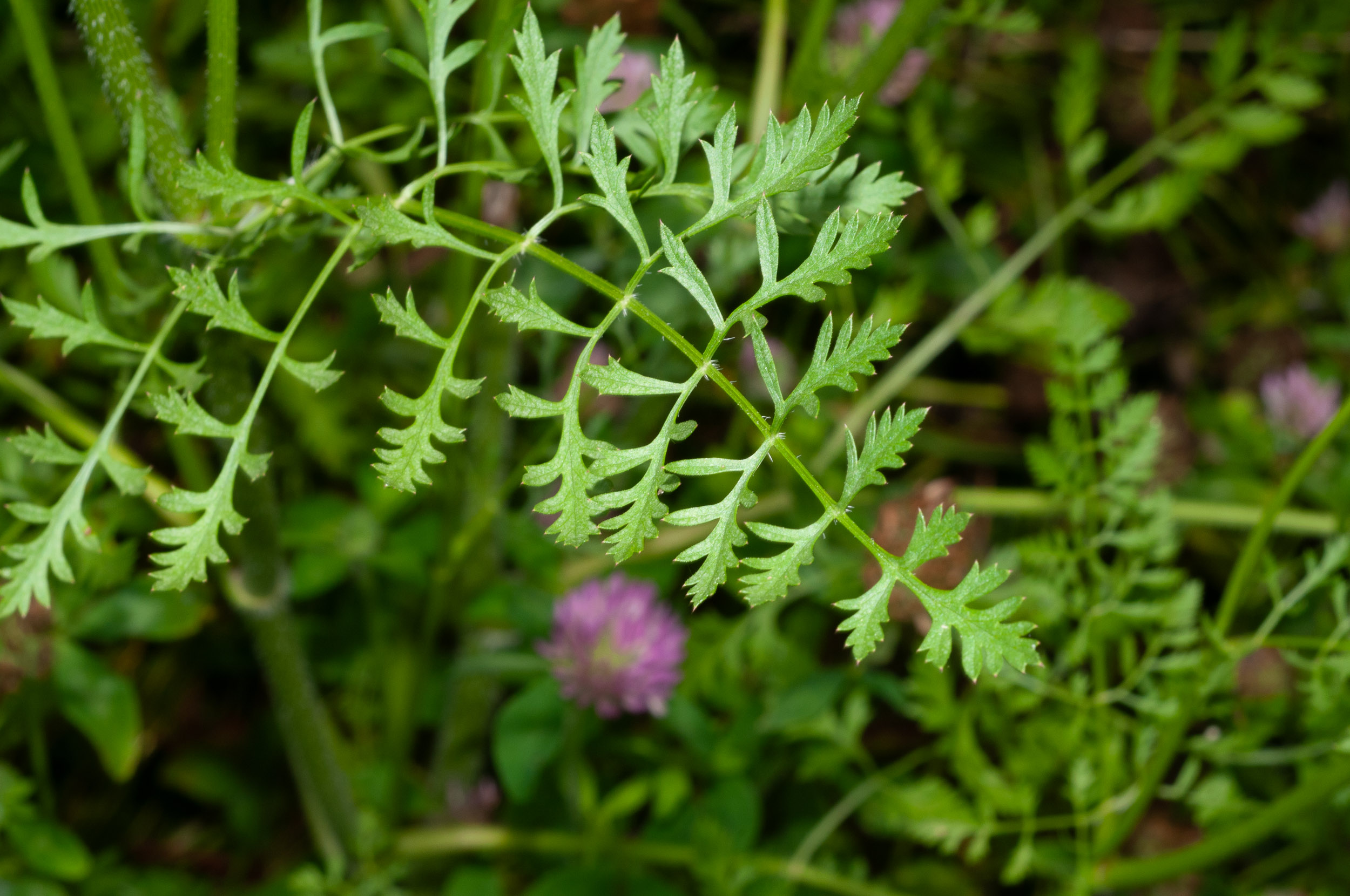
7/9/2010 · Nashua River Rail Trail, Groton Center, Groton, Massachusetts · ≈ 7 × 4½″ (17 × 11 cm) 

8/2/2025 · Land’s End, Bailey Island, Maine · ≈ 4 × 4″ (10 × 10 cm) 
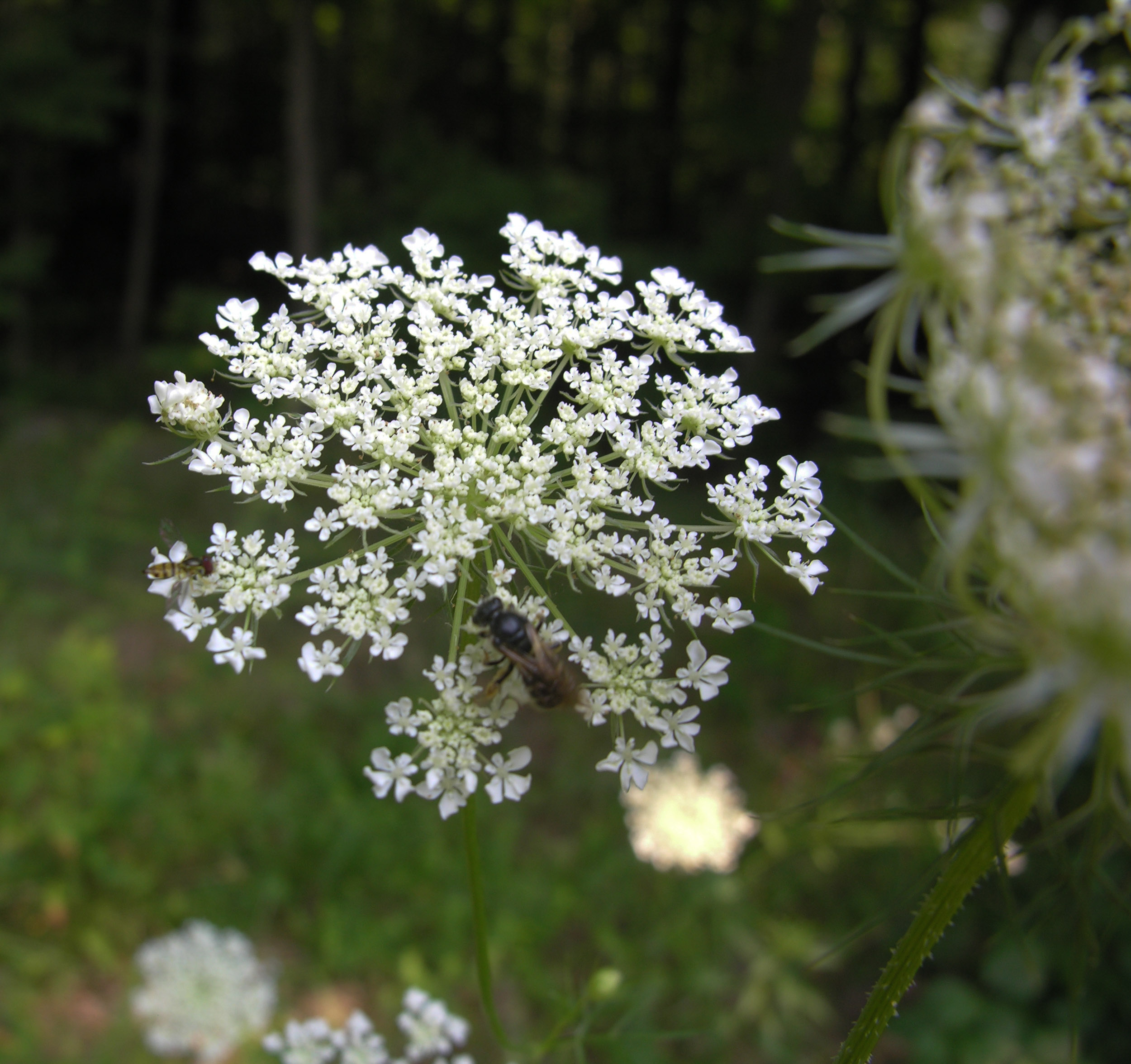
8/4/2007 · Tom and Susan’s, Pepperell, Massachusetts 
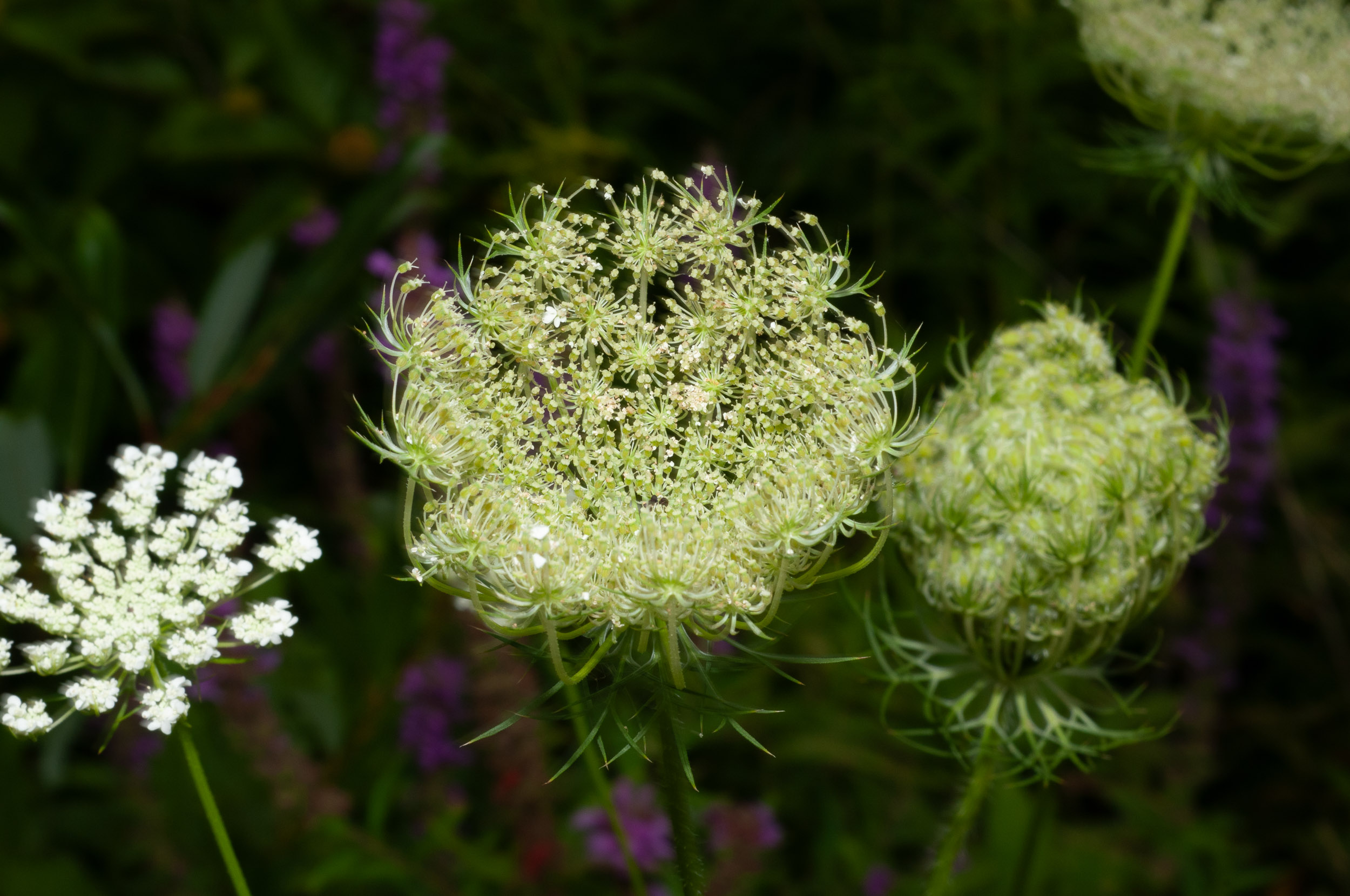
The “bird’s nest.” · 8/4/2010 · Nashua River Rail Trail, Groton Center, Groton, Massachusetts · ≈ 8 × 5″ (19 × 13 cm) 
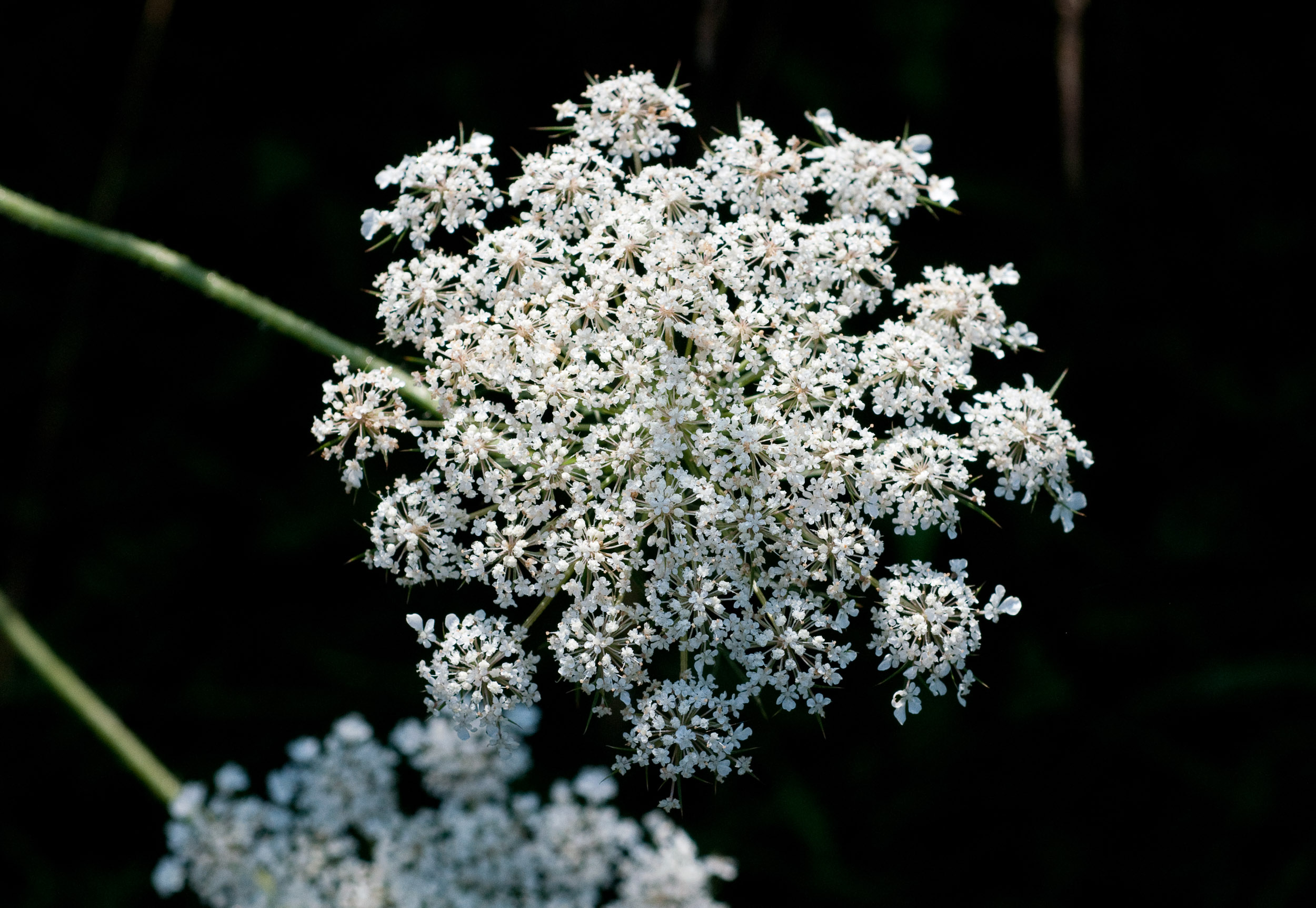
9/3/2009 · Nashua River Rail Trail, Ayer, Massachusetts · ≈ 8 × 5″ (20 × 13 cm) 

7/12/2025 · New Harbor, Maine · ≈ 3½ × 3″ (9.4 × 8.4 cm) 
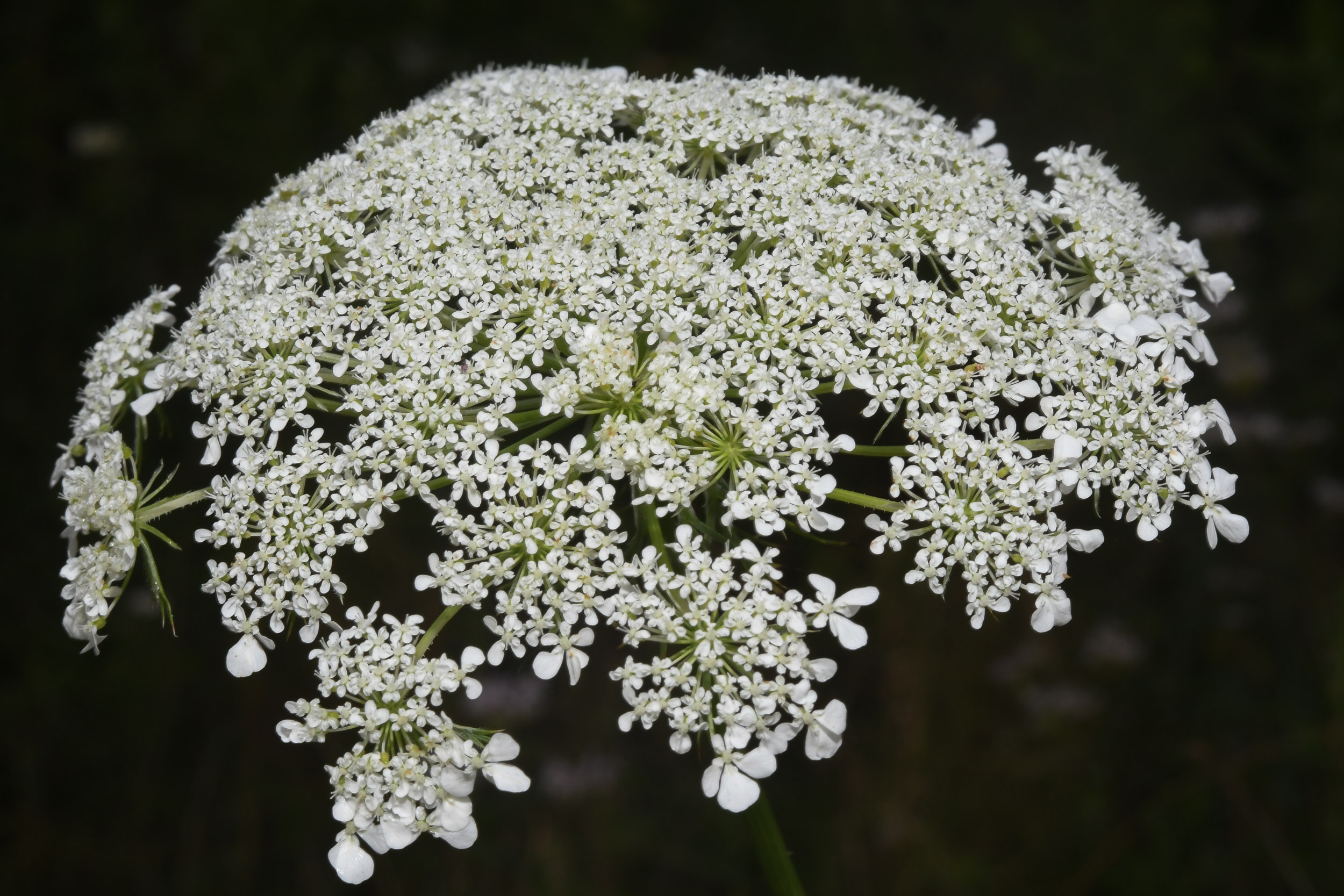
7/31/2016 · Skyline Drive, Shenandoah National Park, Virginia 

8/2/2025 · Land’s End, Bailey Island, Maine · ≈ 3½ × 3½″ (8.9 × 8.6 cm) 

8/20/2025 · Peaks Island, Maine · ≈ 4½ × 4½″ (11 × 12 cm) 
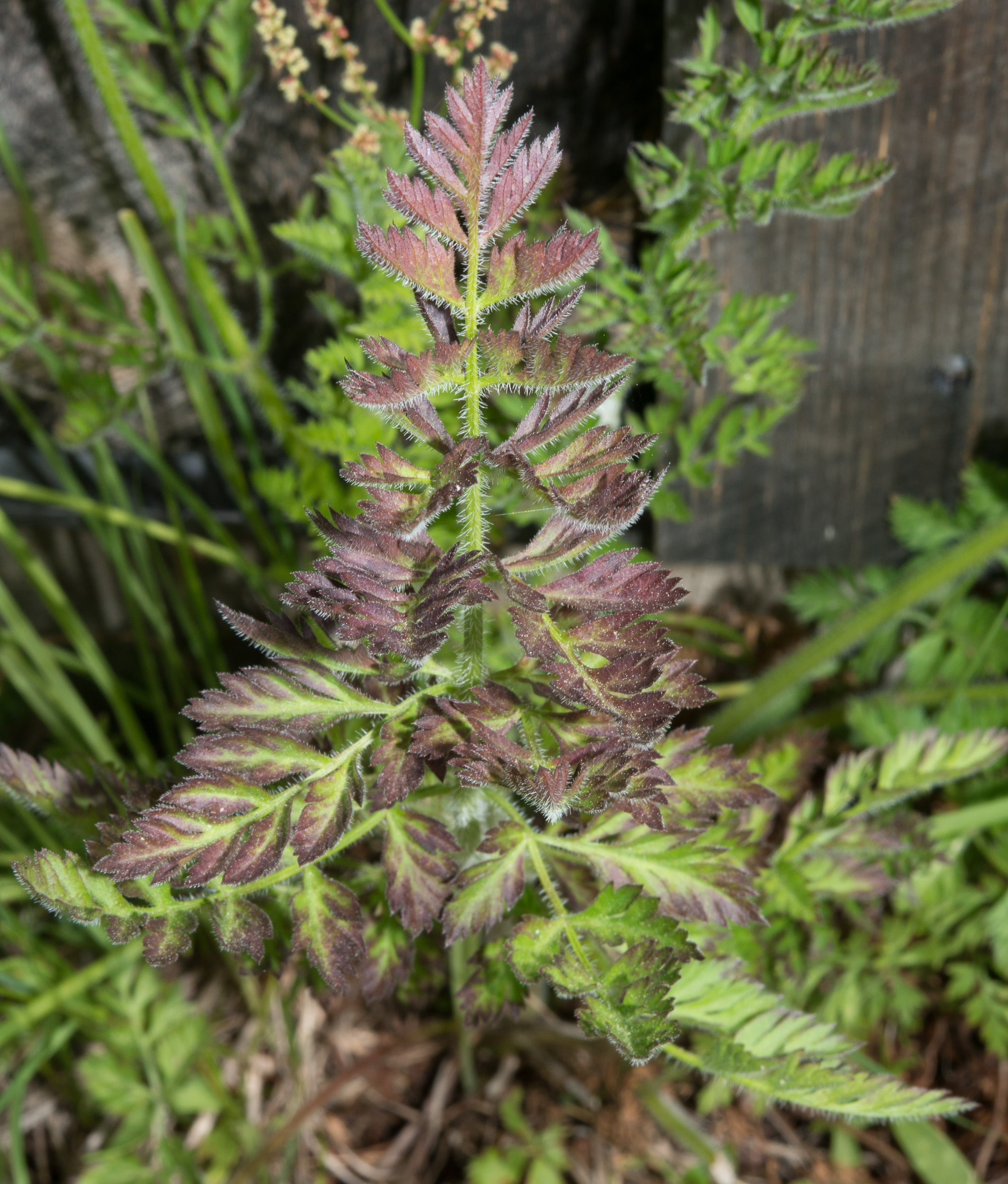
6/16/2013 · Sonny and Donna’s, Tenant’s Harbor, Maine · ≈ 5 × 6″ (13 × 16 cm) 
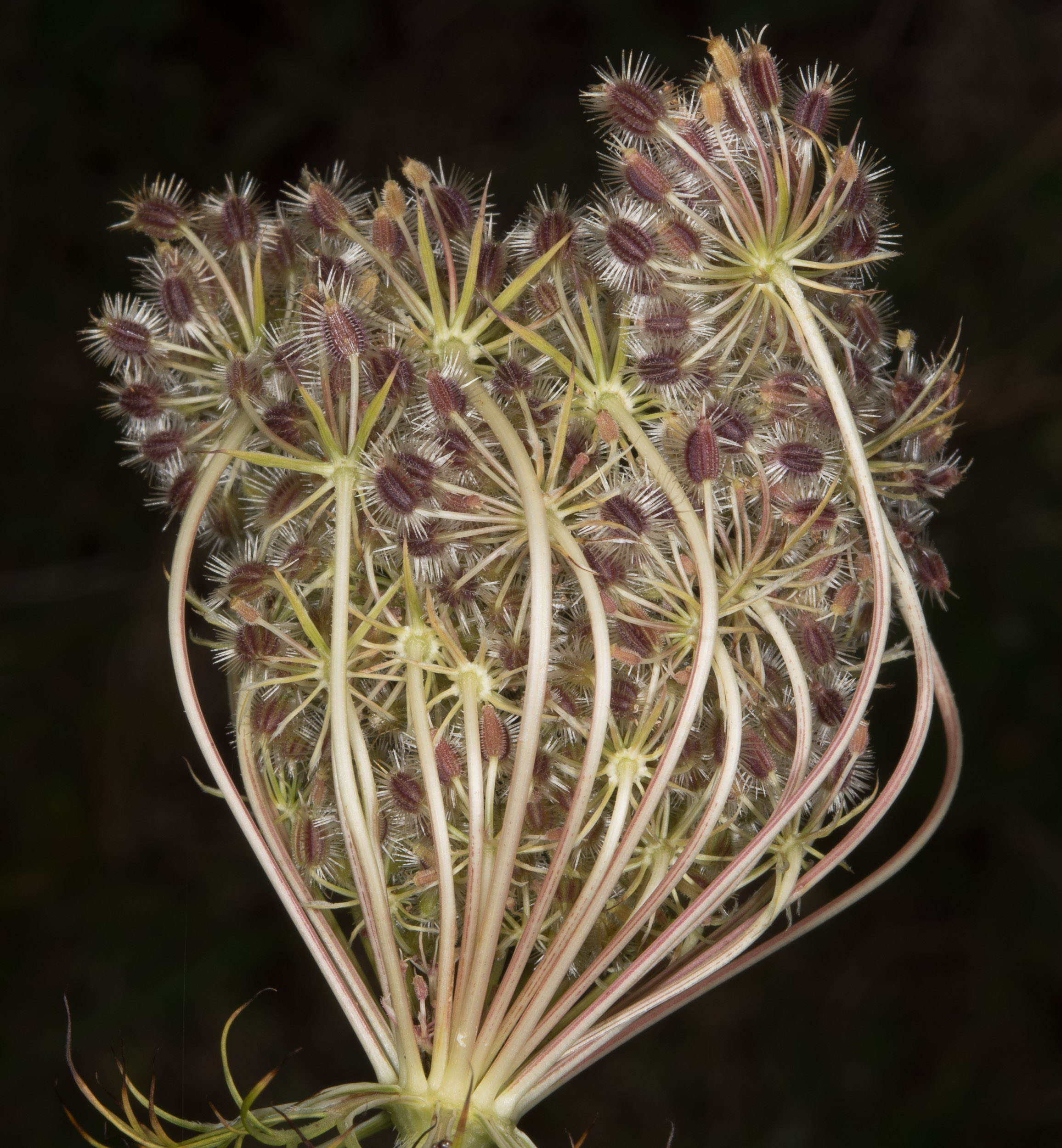
9/3/2020 · Mitchell Field, Harpswell, Maine · ≈ 3½ × 3″ (8.6 × 7.9 cm) 

That's a Misumena vatia, or goldenrod crab spider. · 7/23/2025 · Curtis Farm Preserve, Harpswell, Maine · ≈ 1¾ × 1″ (4.5 × 2.8 cm) 

7/26/2025 · River Point Conservation Area, Falmouth, Maine · ≈ 4½ × 3″ (11 × 8.1 cm) 
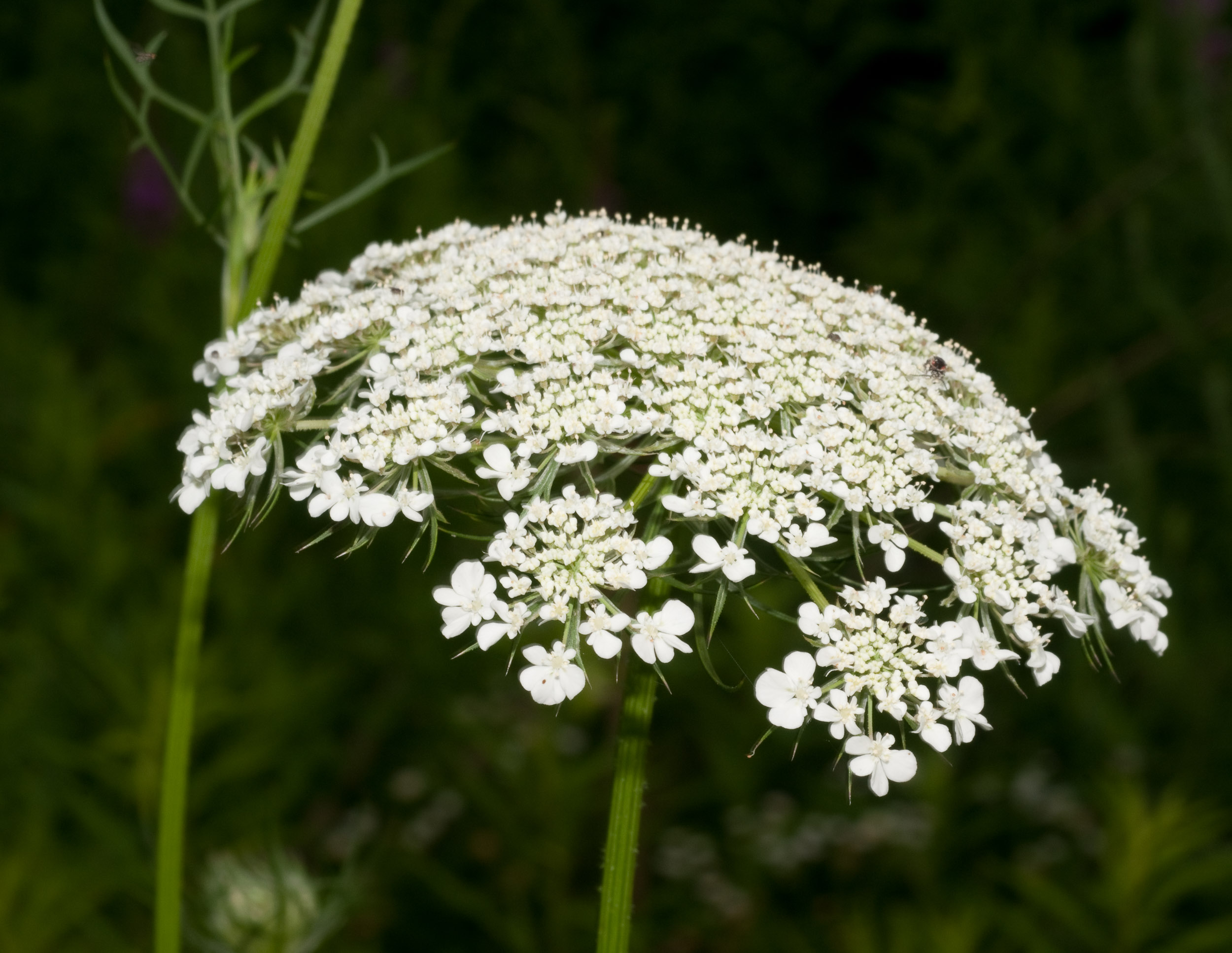
7/9/2010 · Nashua River Rail Trail, Groton Center, Groton, Massachusetts · ≈ 6 × 4½″ (15 × 11 cm) 
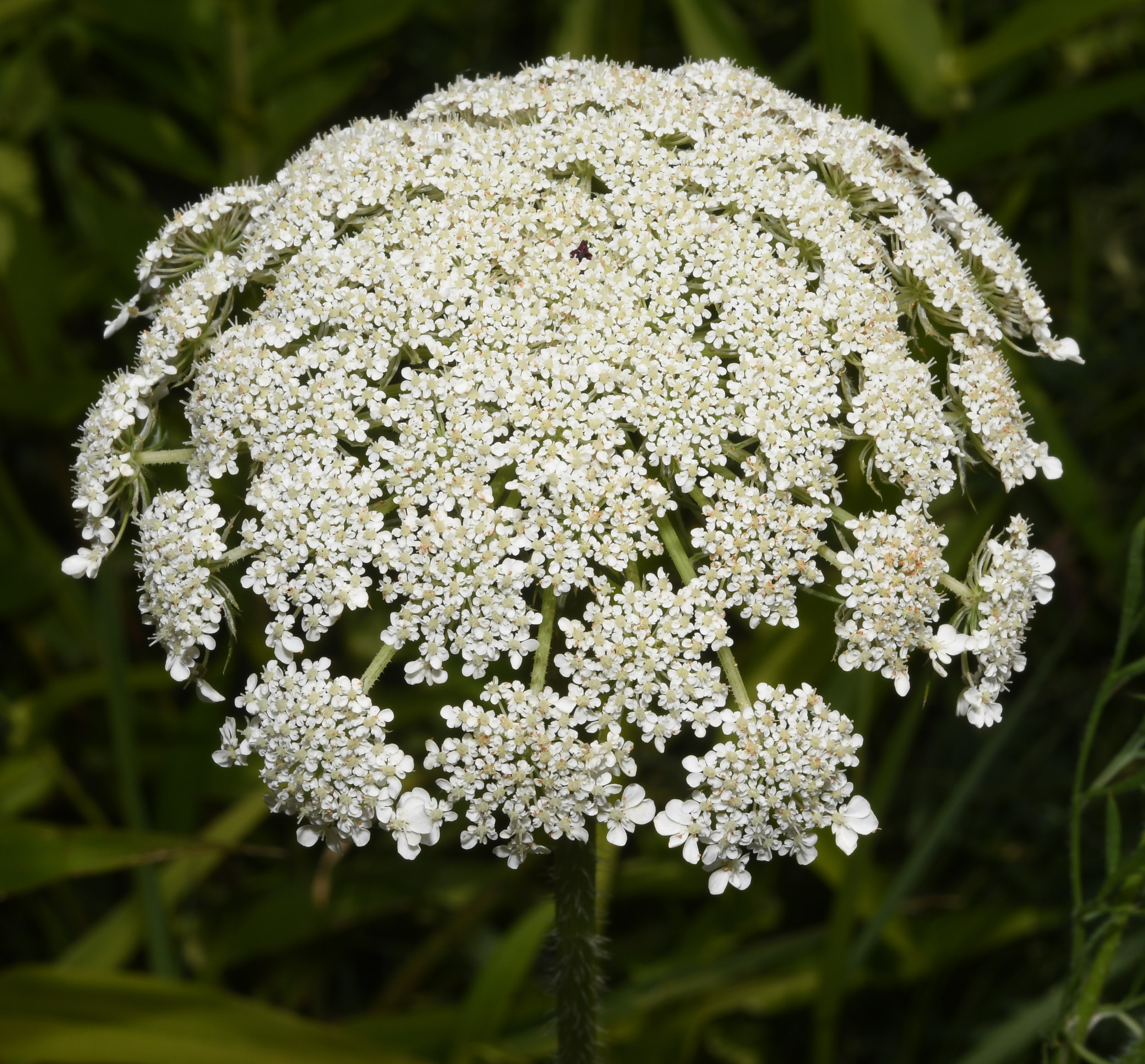
7/2/2016 · Nashua River Rail Trail, Groton, Groton, Massachusetts 
| Kingdom | Plantae | Plants, but not fungi, lichens, or algae (from Stearn's Botanical Latin) |
| Subkingdom | Tracheobionta | Vascular plants—plants with a “circulatory system” for delivering water and nutrients |
| Division | Magnoliophyta | Flowering plants, also known as angiosperms |
| Class | Magnoliopsida | Dicotyledons—plants with two initial seed leaves |
| Subclass | Asteridae | A large class that encompasses asters |
| Order | Apiales | Includes carrots, celery, parsley, and ivy |
| Family | Apiaceae | Carrot or parsley family, also includes angelica, anise, caraway, celery, chervil, cicely, coriander/cilantro, cumin, dill, fennel, hemlock, lovage, Queen Anne’s Lace, parsnip |
| Genus | Daucus | Ancient Greek name for this genus |
| Species | carota | From Greek karoton, “carrot” |
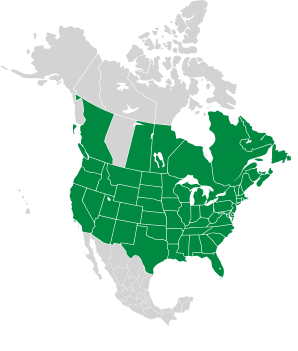
Daucus carota description by Thomas H. Kent, not updated.

© FloraFinder.org. All rights reserved.