Dichanthelium clandestinum (L.) Gould
Deertongue
Deertongue is native to eastern North America.
Plants: Plants are 1½–4½′ (45–137 cm) tall, unbranched at first, branching occasionally during the fall. Spreading via their root systems as well as by seed, they often appear in clonal clusters. Stems (culms) are hairy.
Leaves: Five to ten clasping, alternate leaves occur along the stem. Each leaf is up to 10 ⨉ 1″ (25 ⨉ 3 cm) wide, and lanceolate, widest about a third of the way from the stem and tapering to a sharp tip. They may have a few thin hairs, increasing in density closer to the stem. Veins are parallel to the long dimension.
Flowers: There are two types of flowerheads. Topping the main stem is a panicle that branches into many fine wavy spikelets tipped by flowers that are open, available for pollination. These flowerheads are prominant, 2½–6″ (6.3–15 cm) in size, and distinctive. Hidden in the leaf sheaths of secondary branches that appear during the fall are a second type of flowerhead, containing cleistogamous flowers, that is, flowers that never open, instead fertilizing themselves. Flowers appear from June to September.
Fruits: Seeds are ~1/16″ (2–2.5 mm) long, ovoid in shape, and somewhat flattened, in green or purple husks.
Habitats: Partially sunny sandy, acidic soils, such as woodlands, savannas, swamps, and stream and pond boundaries.
Medical: Deertongue has been used to help treat malaria, but it contains coumarins, which thin the blood and cause liver damage.
Online References:
Panicum clandestinum L.

7/29/2010 · Nashua River Rail Trail, Nashoba Hospital, Ayer, Massachusetts · ≈ 10 × 12″ (26 × 31 cm)  ID is uncertain
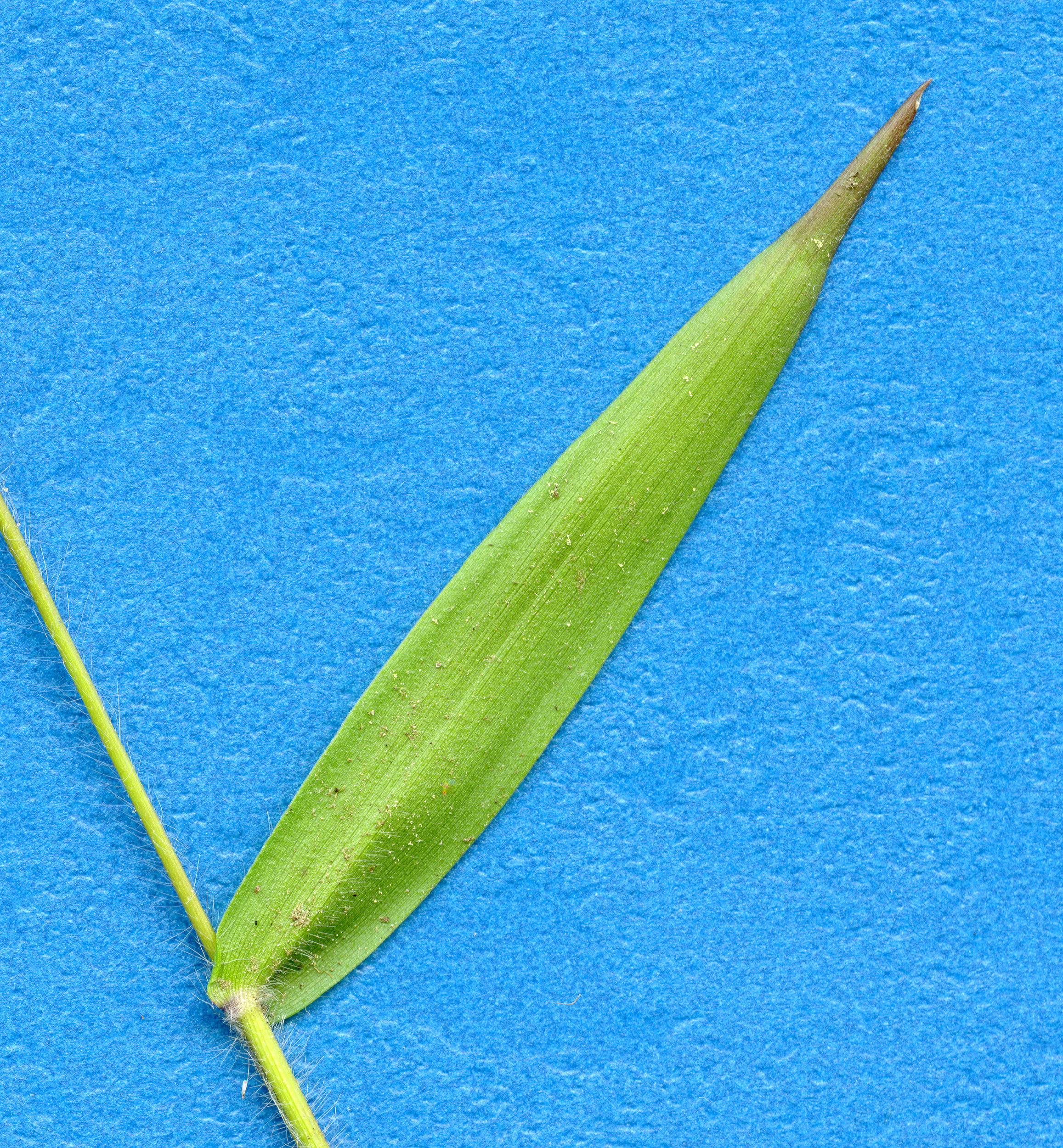
About 3" x 3". · 1/5/2026 

8/4/2010 · Nashua River Rail Trail, Groton Center, Groton, Massachusetts · ≈ 10 × 7″ (24 × 18 cm) ID is uncertain 

7/29/2010 · Nashua River Rail Trail, Nashoba Hospital, Ayer, Massachusetts · ≈ 9 × 6″ (23 × 15 cm) ID is uncertain 
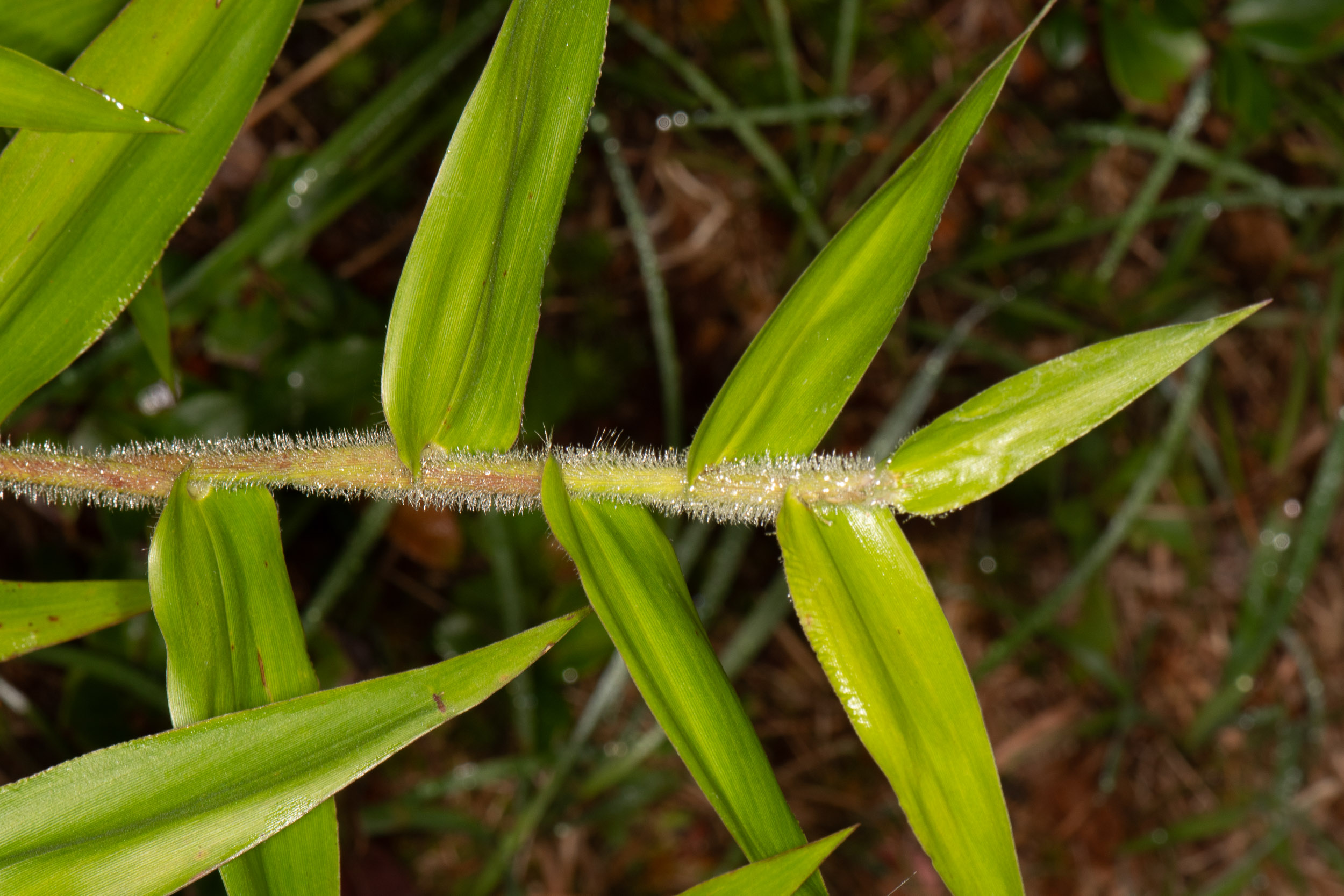
8/31/2021 · Hackett and Minot Trails, Harpswell, Maine · ≈ 8 × 5″ (20 × 13 cm) 
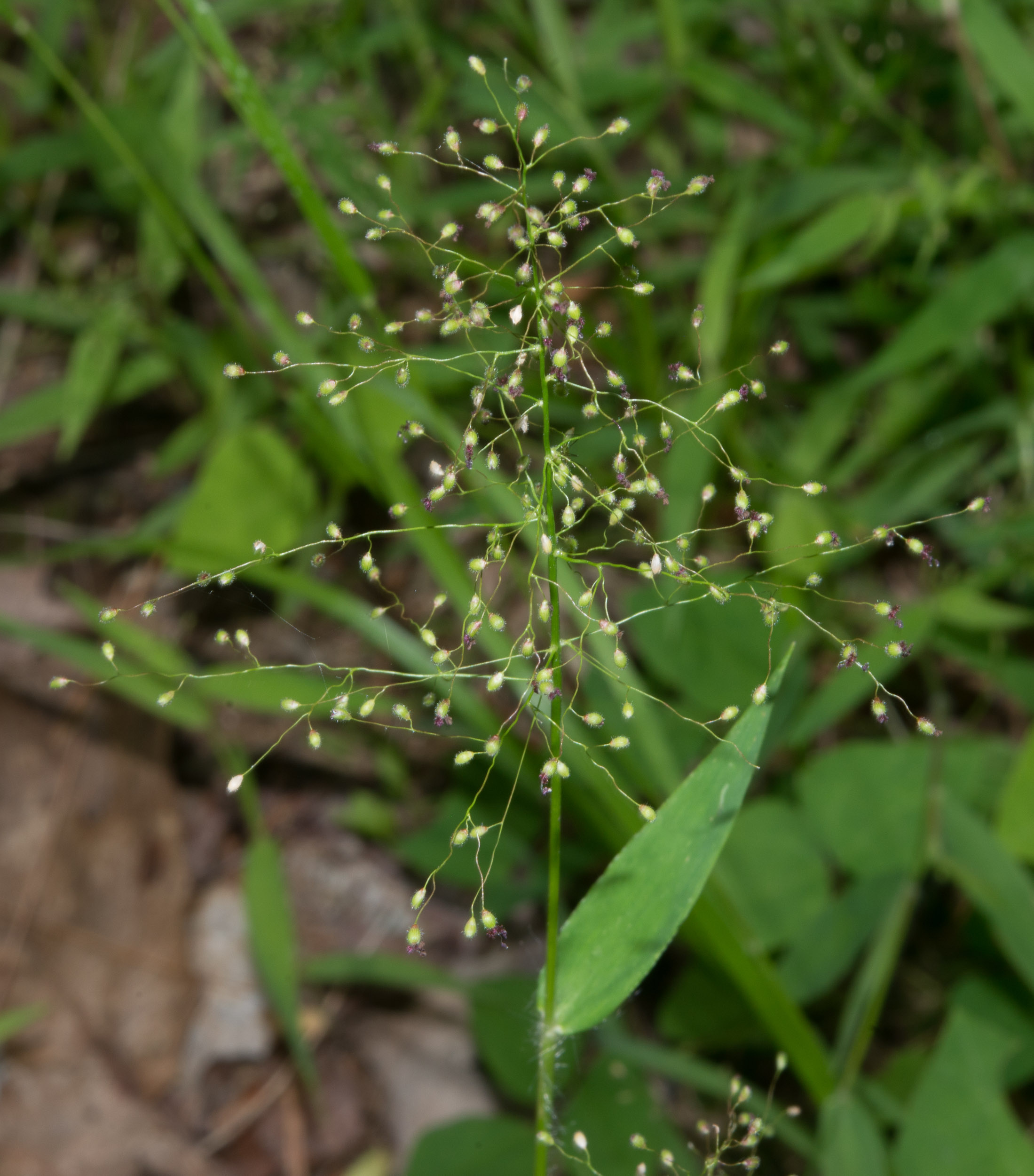
6/25/2015 · Far and Near · ≈ 4 × 5″ (11 × 12 cm) 

8/4/2010 · Nashua River Rail Trail, Groton Center, Groton, Massachusetts · ≈ 12 × 8″ (31 × 20 cm) ID is uncertain 
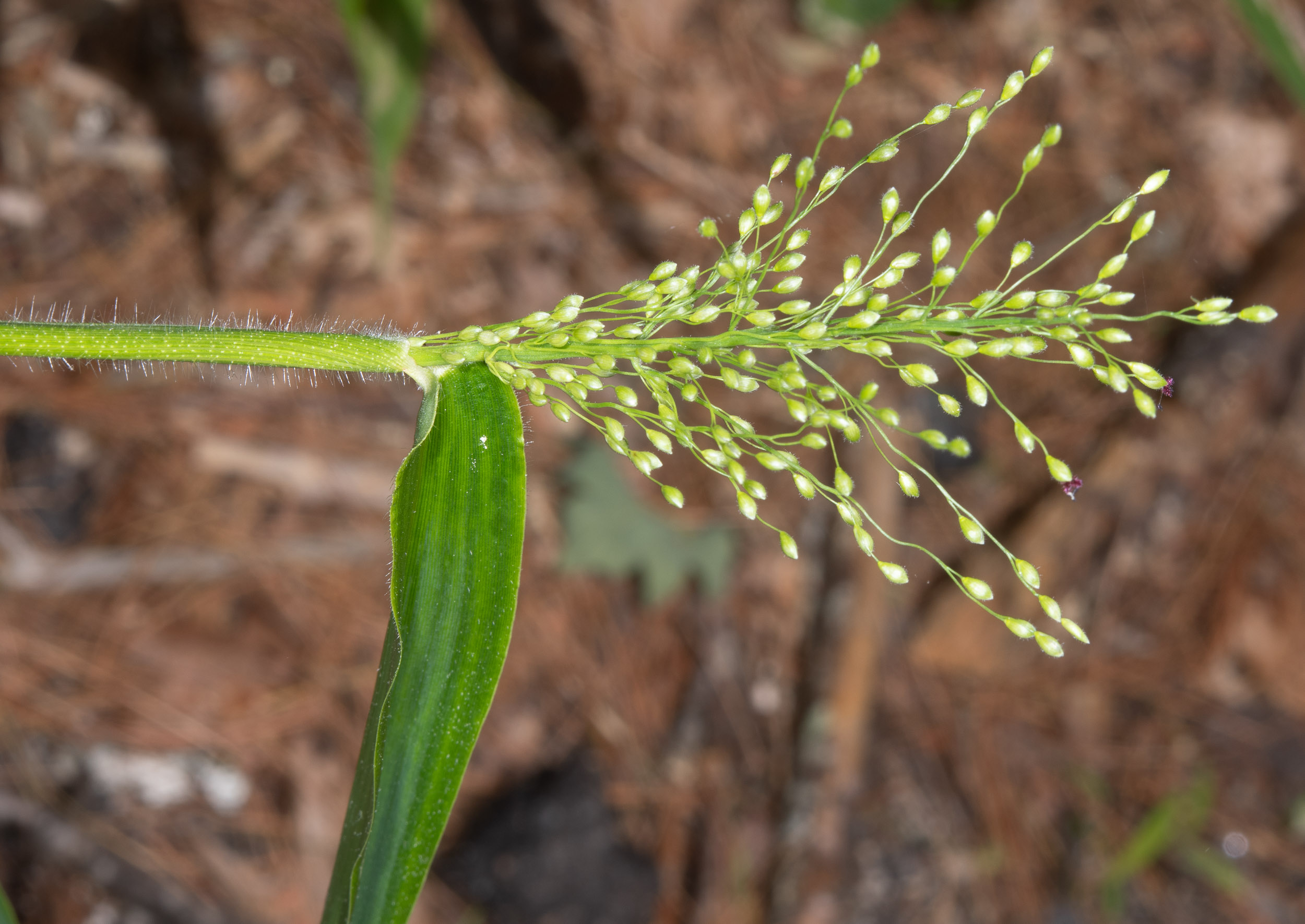
6/21/2017 · Pearl Hill State Park, Townsend, Massachusetts · ≈ 6 × 4″ (15 × 11 cm) 

5/31/2016 · J. Harry Rich State Forest, Pepperell, Massachusetts 
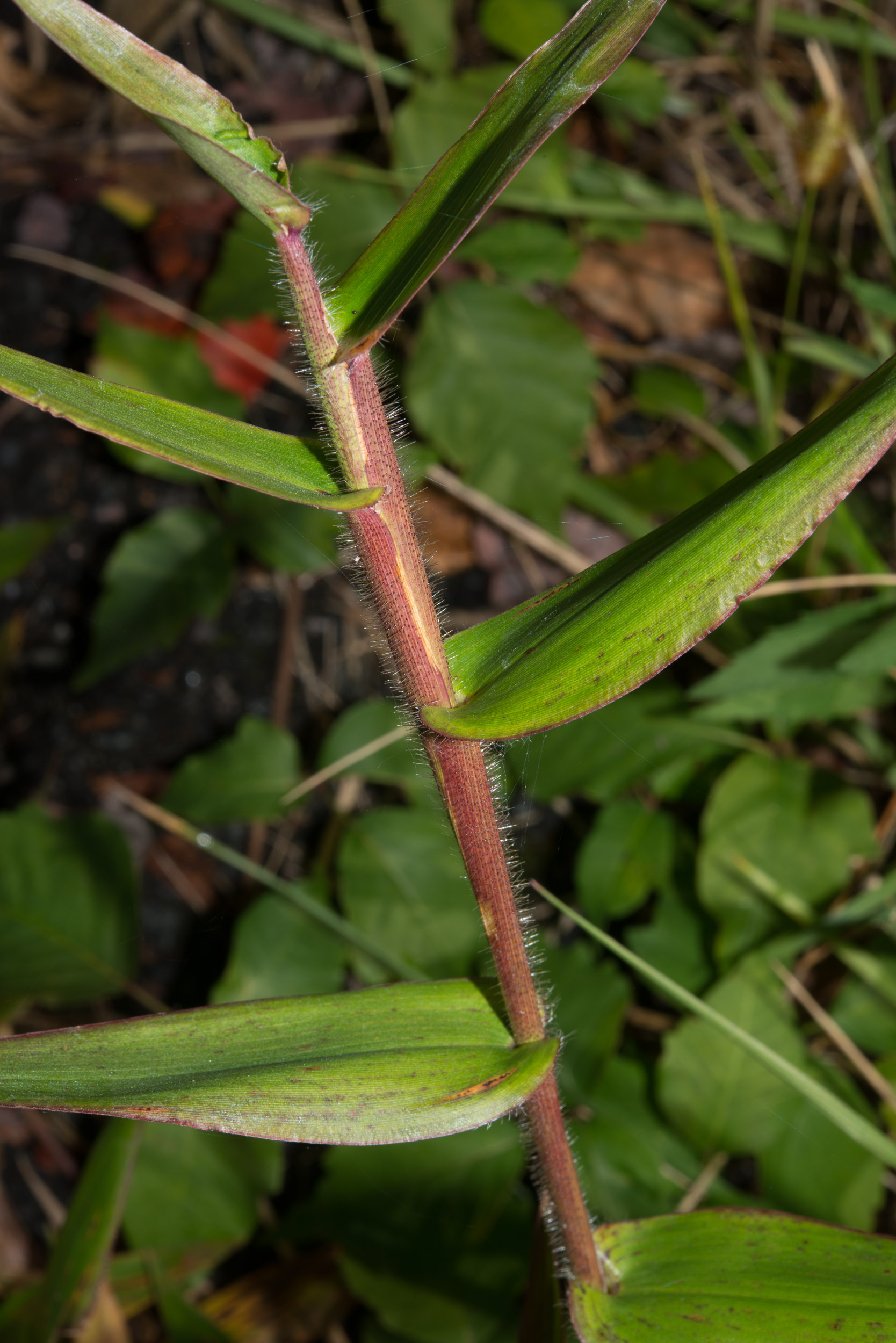
9/11/2013 · Nashua River Rail Trail, Groton Center, Groton, Massachusetts · ≈ 5 × 8″ (12 × 19 cm) 

7/29/2010 · Nashua River Rail Trail, Nashoba Hospital, Ayer, Massachusetts · ≈ 7 × 4½″ (17 × 11 cm) ID is uncertain 
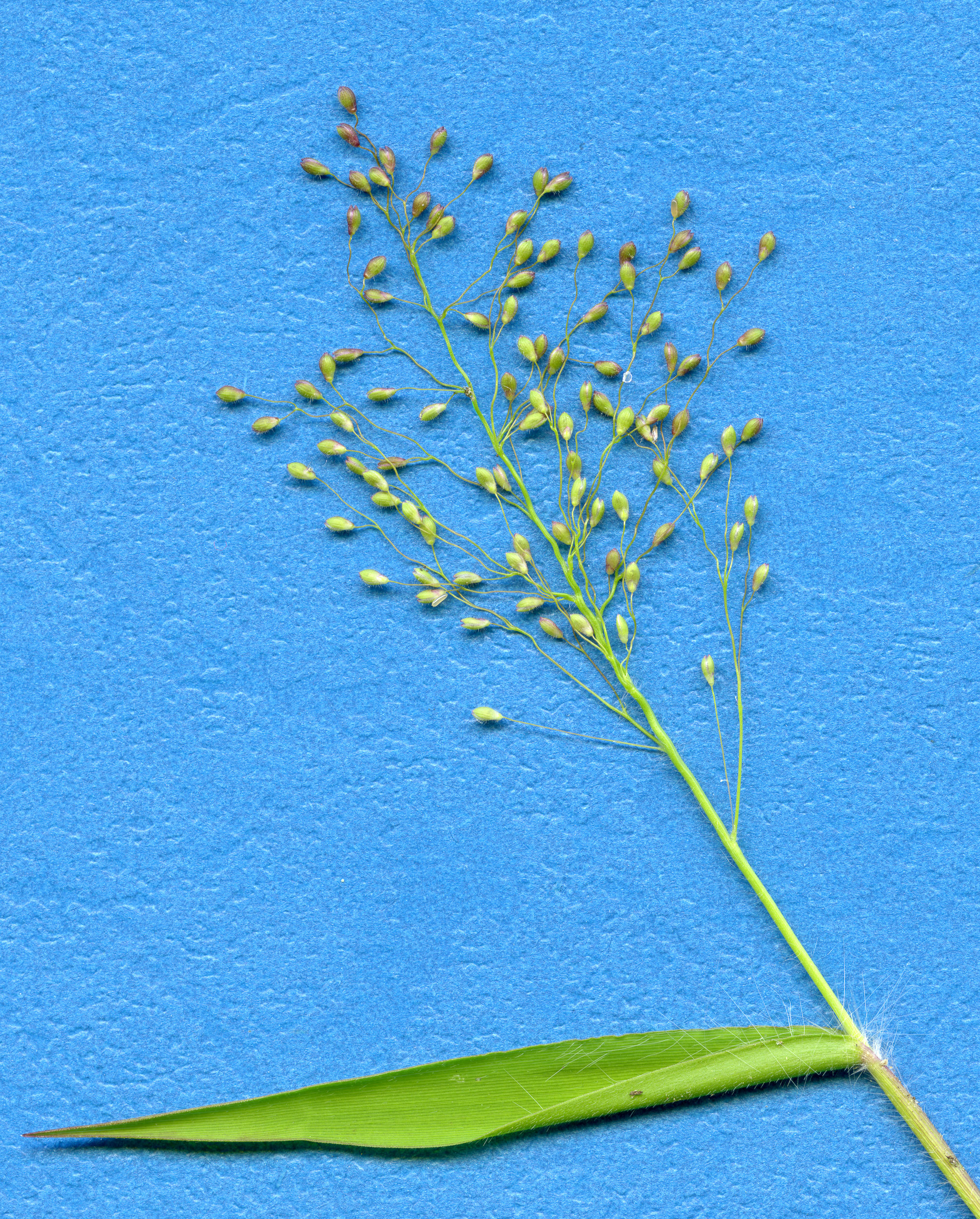
About 2" x 3". · 4/7/2026 
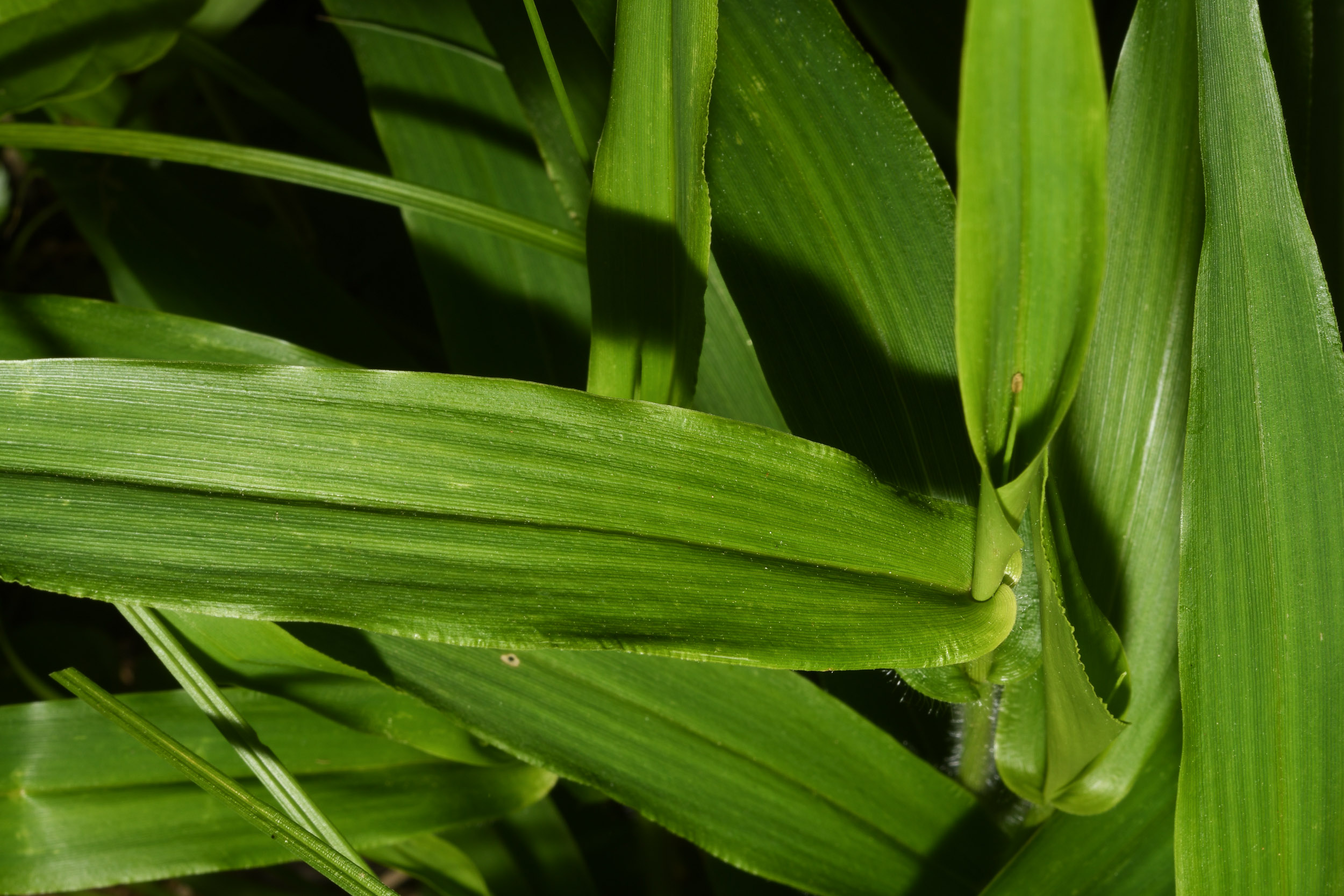
(Dichanthelium clandestinum)? · 5/31/2016 · J. Harry Rich State Forest, Pepperell, Massachusetts 

6/30/2025 · Buck's Ledge Community Forest, Bethel, Maine · ≈ 6 × 6″ (14 × 14 cm) 
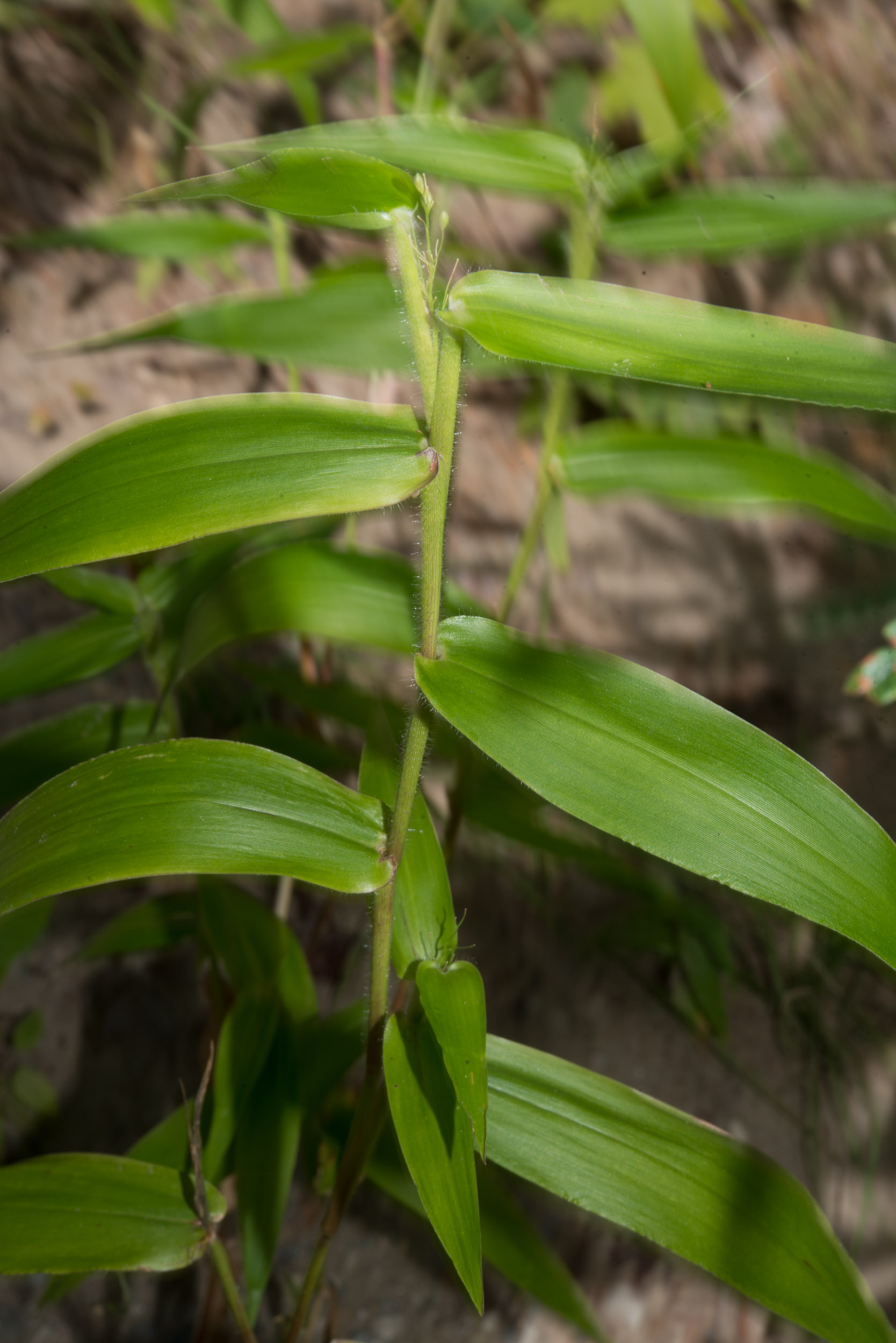
8/29/2015 · Mount Grace, Athol, Massachusetts · ≈ 7 × 10″ (16 × 25 cm) 
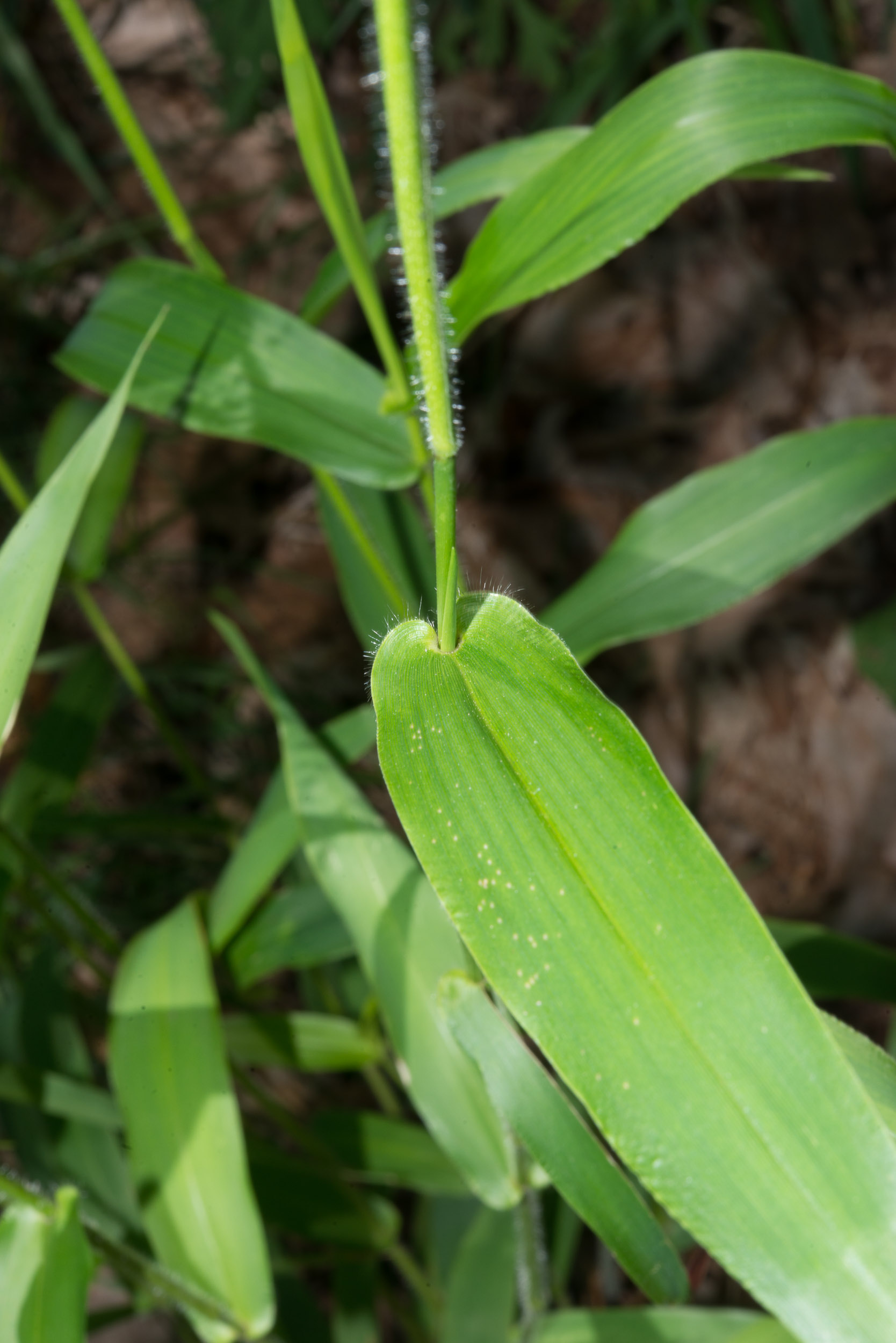
6/25/2015 · Far and Near · ≈ 6 × 8″ (14 × 20 cm) 
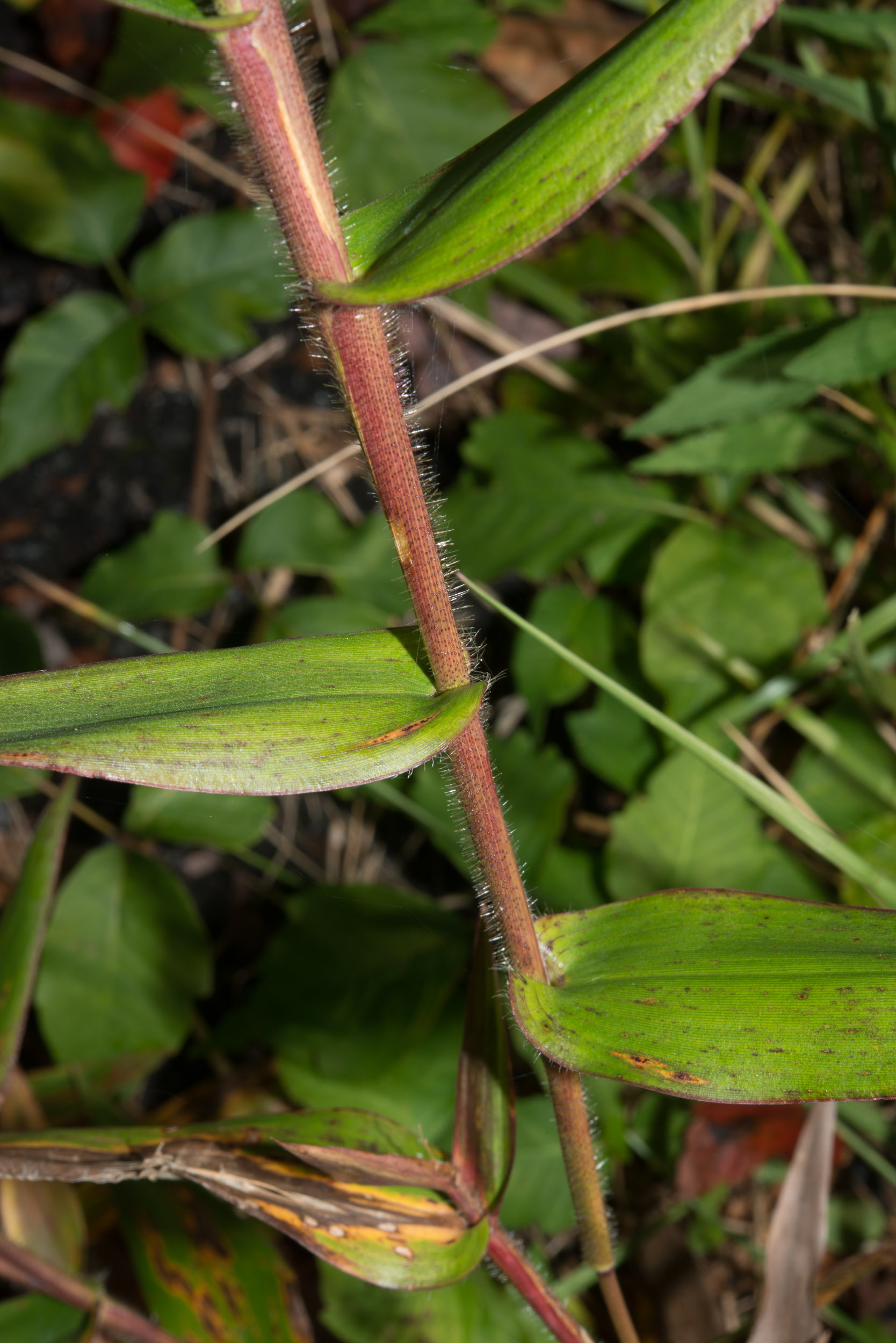
9/11/2013 · Nashua River Rail Trail, Groton Center, Groton, Massachusetts · ≈ 5 × 8″ (12 × 19 cm) 

6/30/2025 · Buck's Ledge Community Forest, Bethel, Maine · ≈ 2½ × 2′ (86 × 57 cm) 
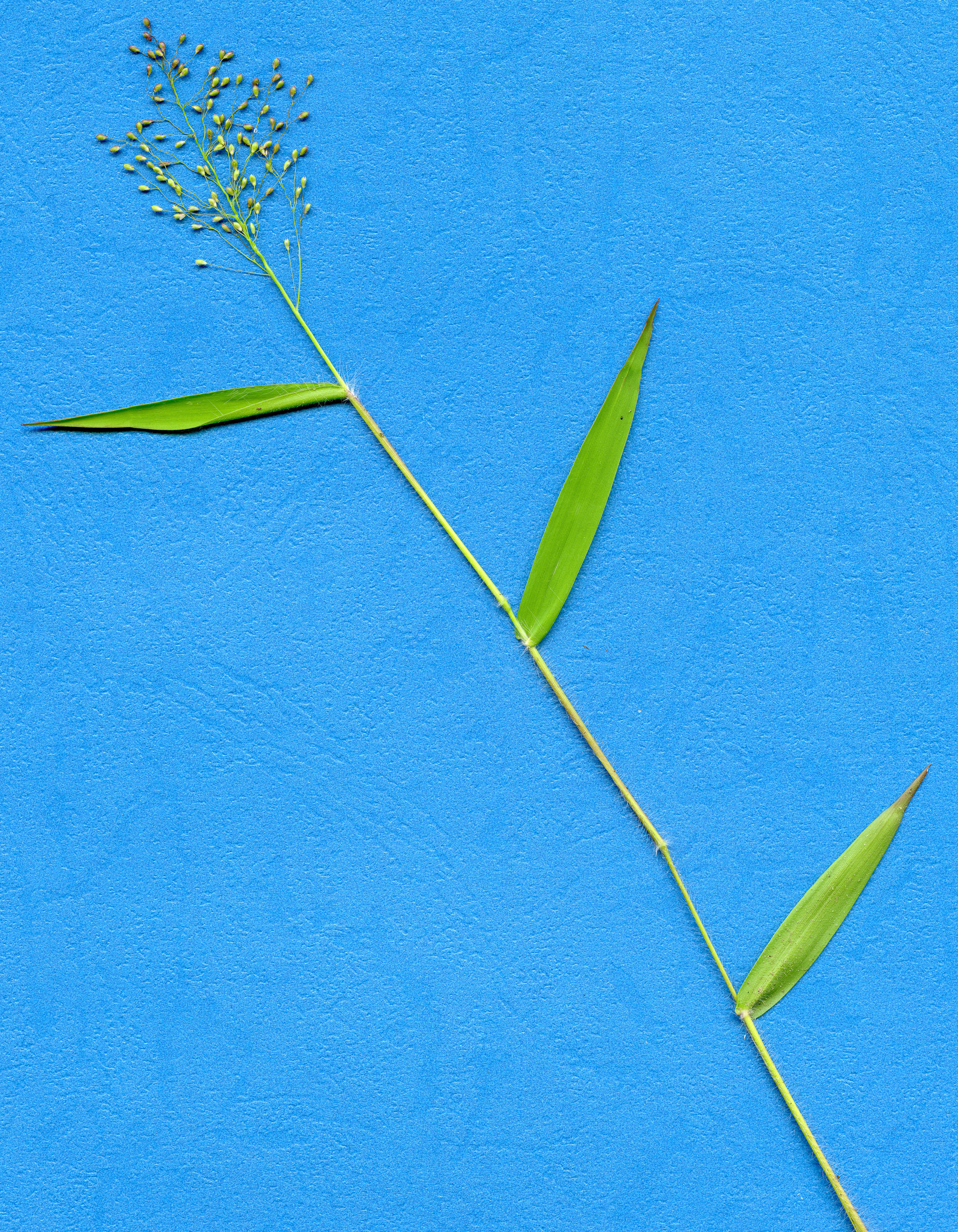
About 7" x 9". · 1/5/2026 
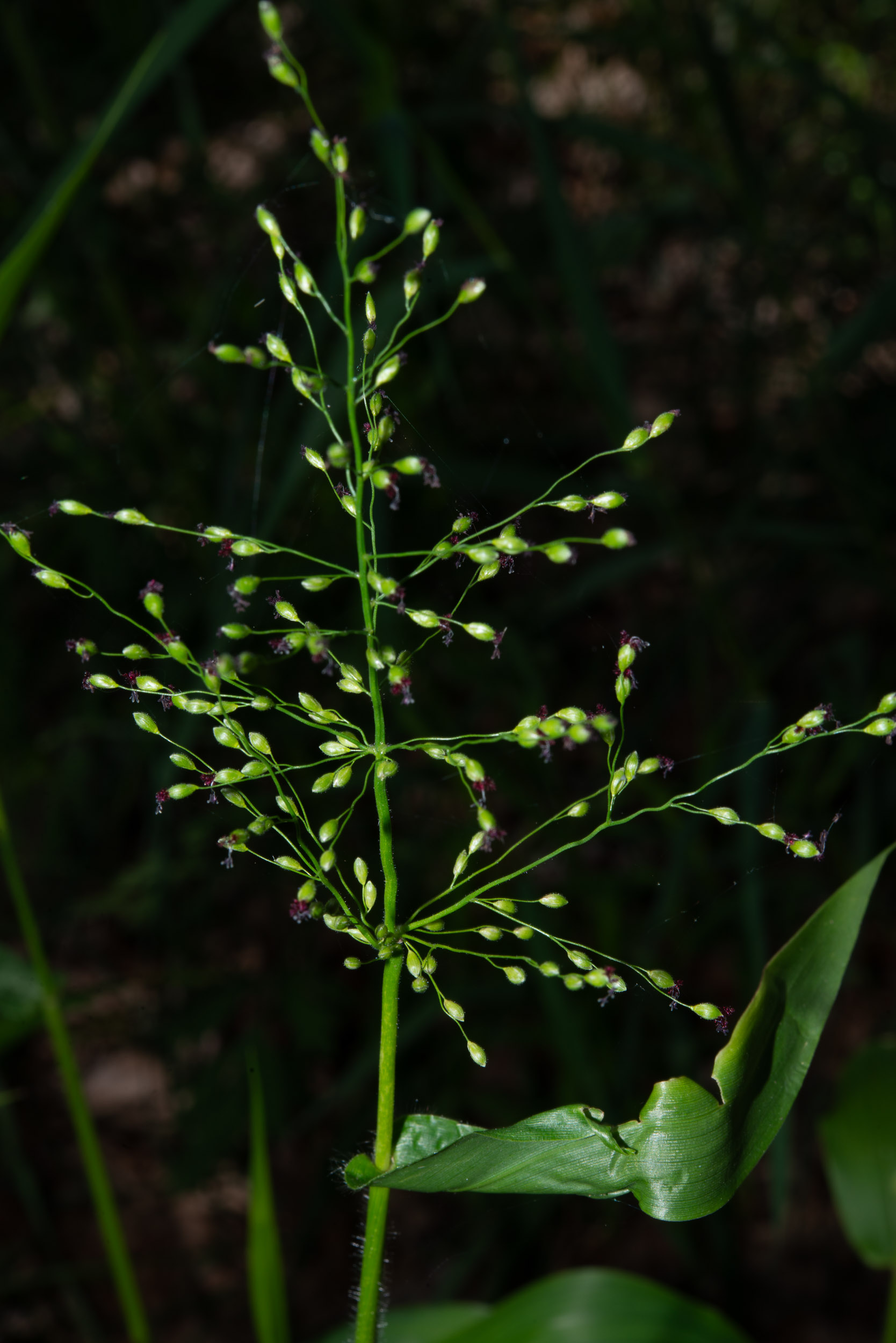
6/25/2015 · Far and Near · ≈ 5 × 8″ (12 × 19 cm) 

8/4/2010 · Nashua River Rail Trail, Groton Center, Groton, Massachusetts · ≈ 8 × 5″ (19 × 13 cm) ID is uncertain 
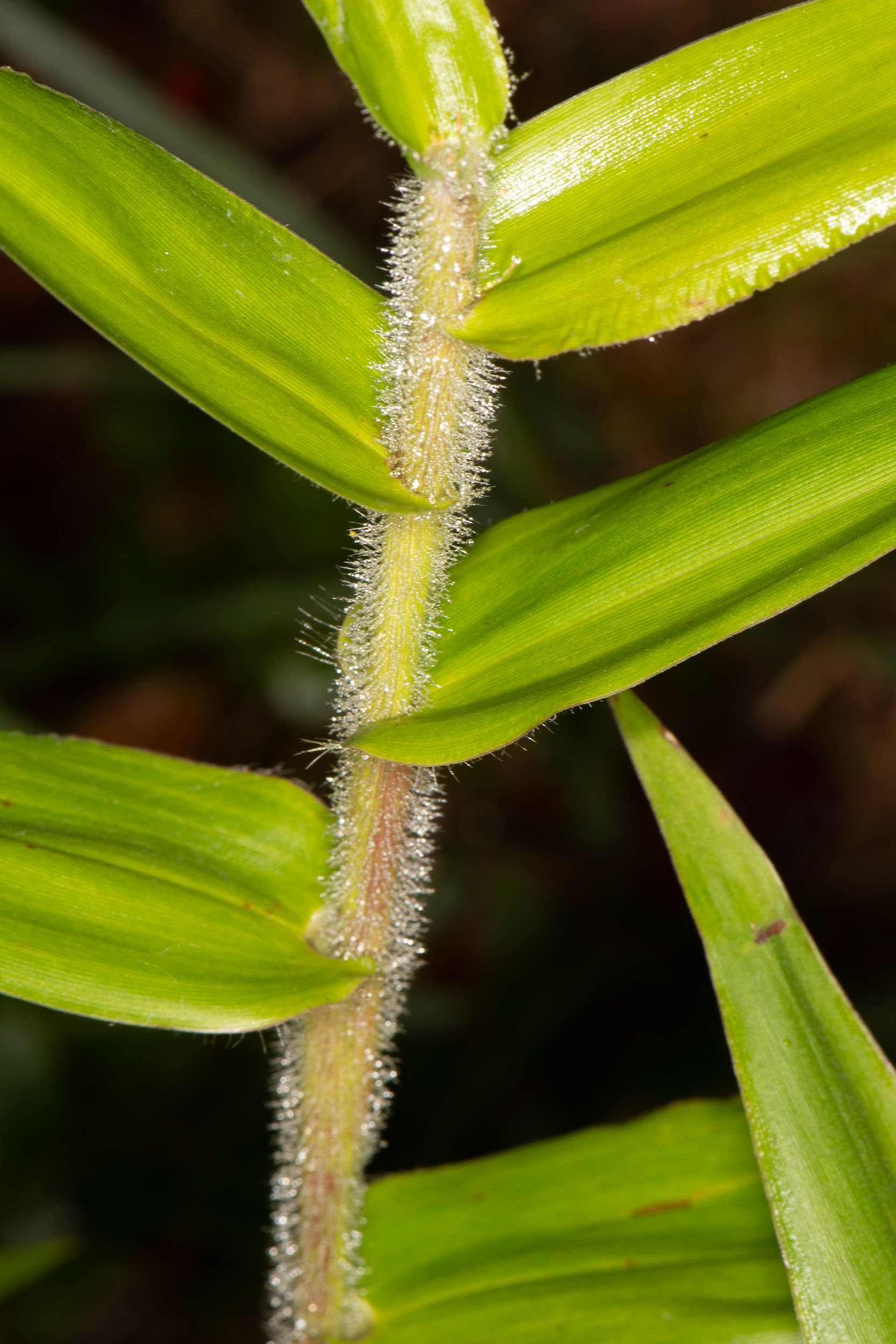
8/31/2021 · Hackett and Minot Trails, Harpswell, Maine · ≈ 3 × 5″ (8.4 × 12 cm) 
| Kingdom | Plantae | Plants, but not fungi, lichens, or algae (from Stearn's Botanical Latin) |
| Subkingdom | Tracheobionta | Vascular plants—plants with a “circulatory system” for delivering water and nutrients |
| Division | Magnoliophyta | Flowering plants, also known as angiosperms |
| Class | Liliopsida | Monocots (plants with a single seed leaf); includes the lily family |
| Subclass | Commelinidae | Dayflowers and spiderworts, and several others |
| Order | Cyperales | Flowering plants including grasses |
| Family | Poaceae | Grasses (but not sedges or rushes) |
| Genus | Dichanthelium | From the Greek dicha, “in two or bifid,” and anthele, “a type of inflorescence, a little flower,” from anthelion, a diminutive of anthos, “flower” |
| Species | clandestinum | Hidden, of uncertain application |
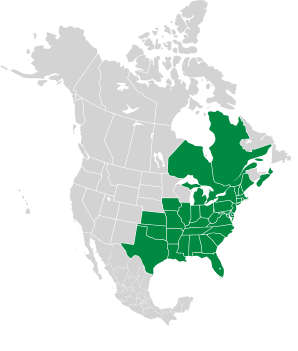
Dichanthelium clandestinum description by Thomas H. Kent, not updated.

© FloraFinder.org. All rights reserved.