Elaeagnus umbellata Thunb.
Autumn olive, Japanese silverberry
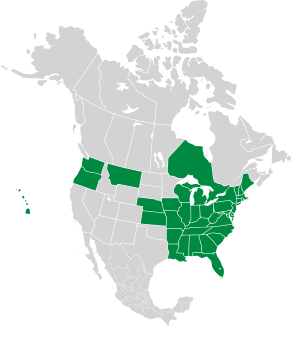
Autumn olive is a native of China and Japan. It is a good news/bad news plant. It was brought to North America in 1830, and planted widely for wildlife habitat, shelter belts, and mine reclamation. It spread rapidly and has become an invasive. Despite its bad rap as an invasive, it has interesting nutritional and health-related merits, described below.
Plants: A large, fast-growing woody shrub or multiply branched tree, up to 20′ (6.1 m) high.
Leaves: Medium green on top and silvery underneath, with small dots on the underside. Branches have a few thorns.
Flowers: Produces small fragrant yellow flowers.
Fruits: This plant produces enormous numbers of red berries, each about ¼–⅜″ (6.3–9.5 mm) in diameter. The berries are speckled with brown or silvery spots, and the bottom of each berry is indented.
Habitats: In open sunny woodlands and disturbed areas.
Edibility: Fully ripe berries are tart at first, becoming sweeter, reminiscent of currants, cranberries, and peaches. The berries can be made into jams, jellies, fruit leather, or sauces.
Medical: Autumn olive berries contain large amounts of lycopene, 17 times as much as are in tomatoes, our major dietary source of lycopene. Lycopene is an antioxidant which has
The berries also contain β-cryptoxanthin, another antioxidant which is converted to vitamin A in the body, and appears to suppress the likelihood of developing lung cancer.
Online References:
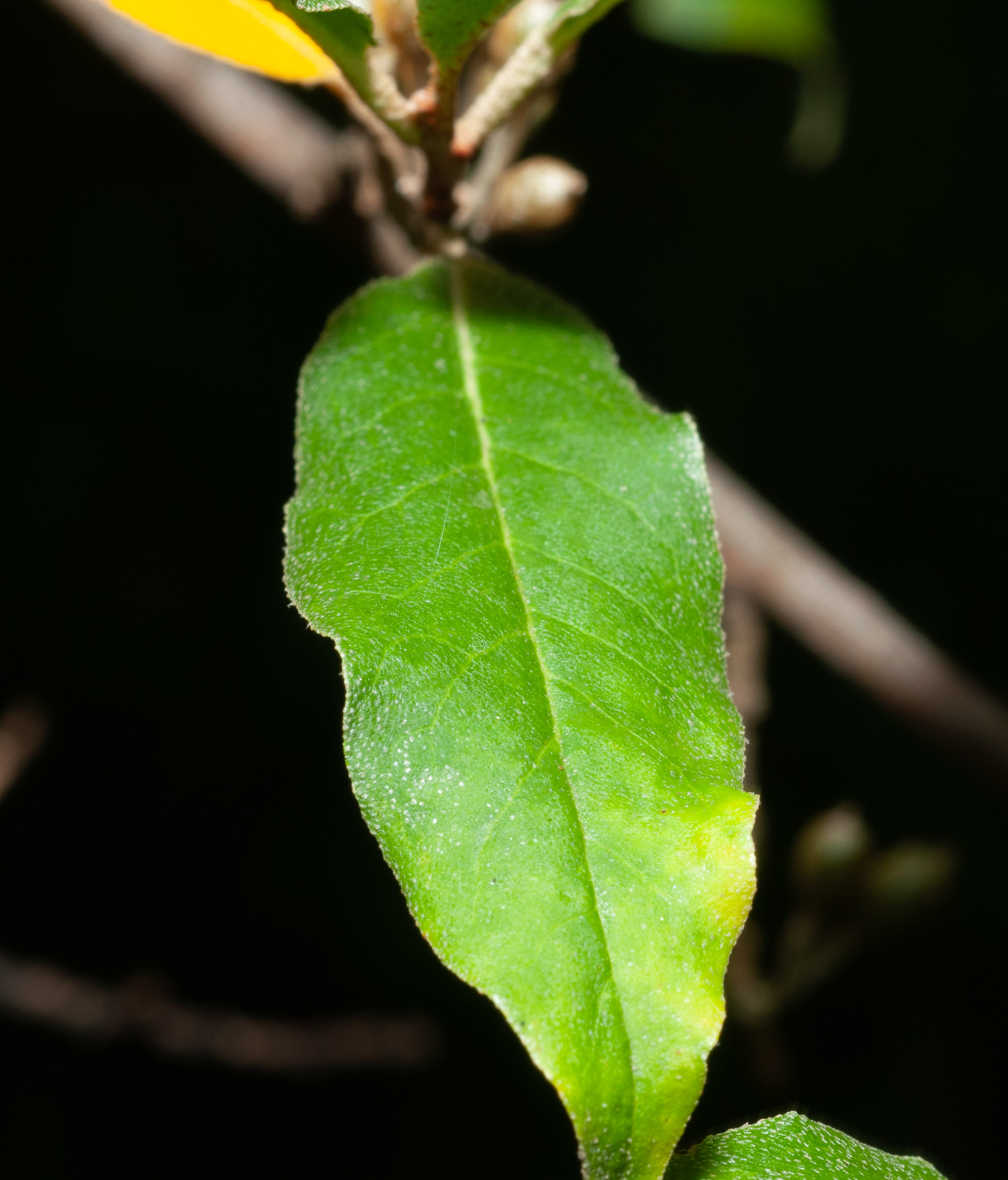
8/4/2010 · Nashua River Rail Trail, Groton Center, Groton, Massachusetts · ≈ 2½ × 3″ (6.7 × 7.9 cm) 
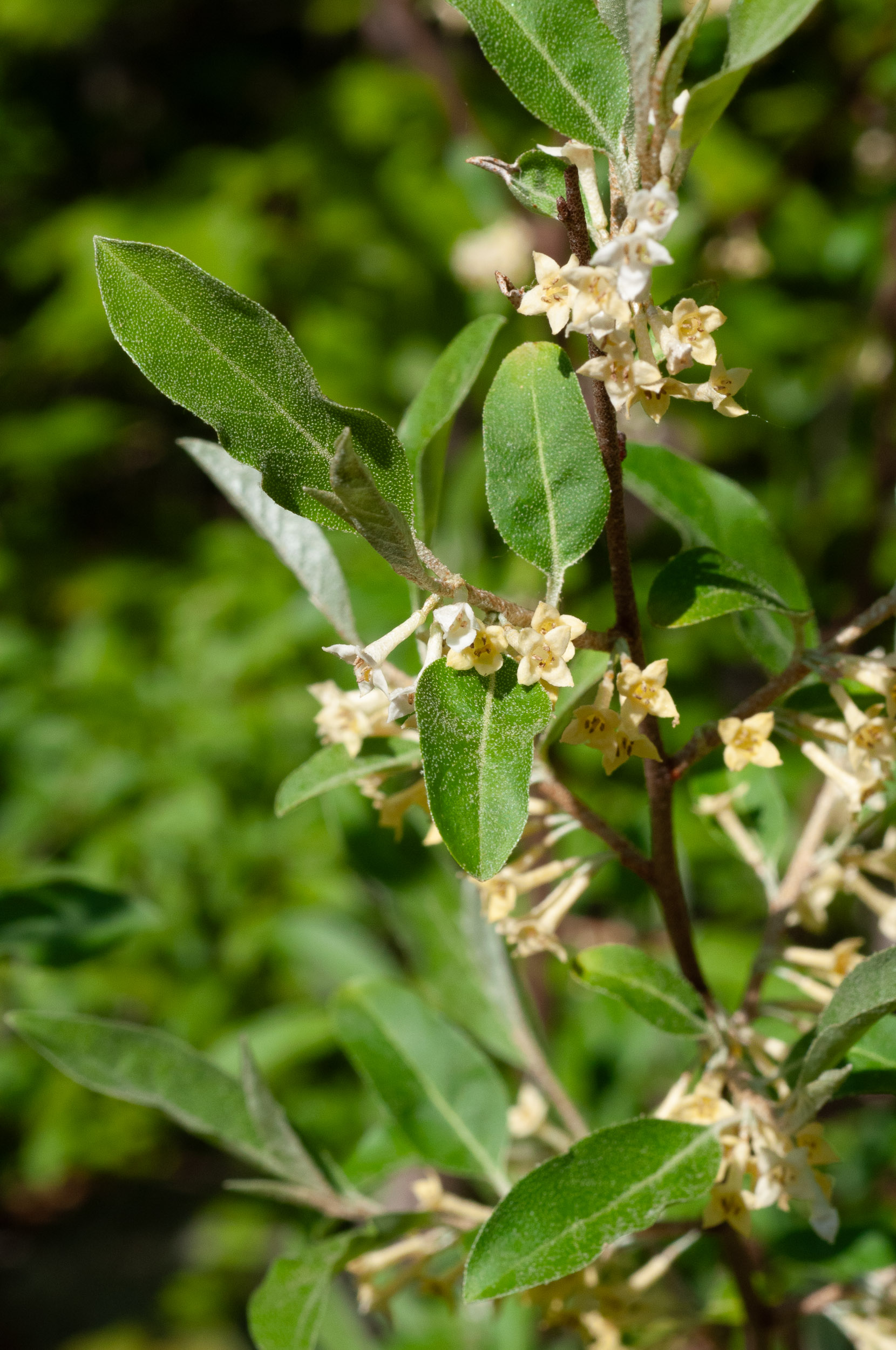
5/7/2010 · Tom and Susan’s, Pepperell, Massachusetts · ≈ 4 × 6″ (10 × 15 cm) 
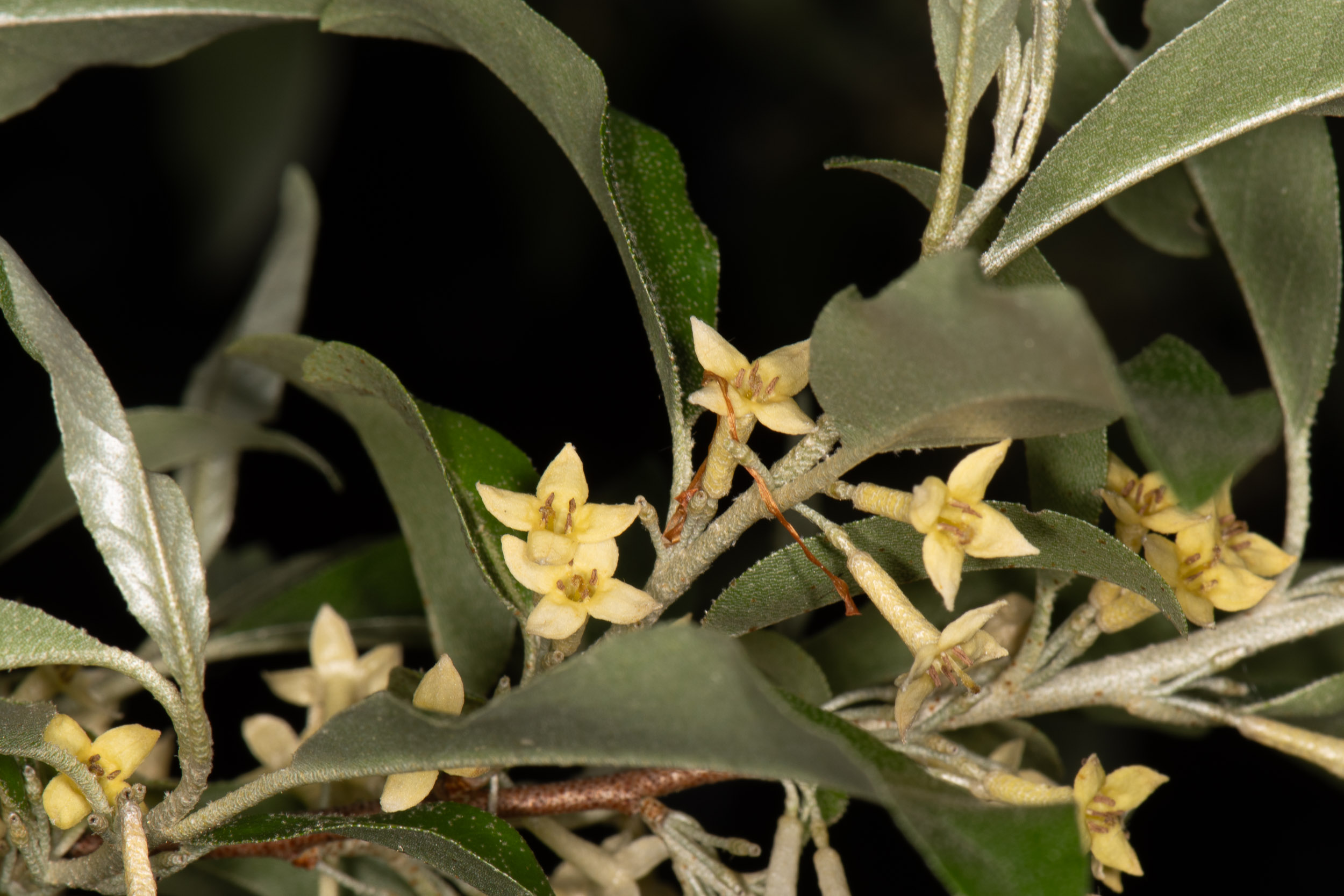
5/30/2021 · Trail near fire tower, Highland Green, Topsham, Maine · ≈ 4½ × 3″ (11 × 7.5 cm) 
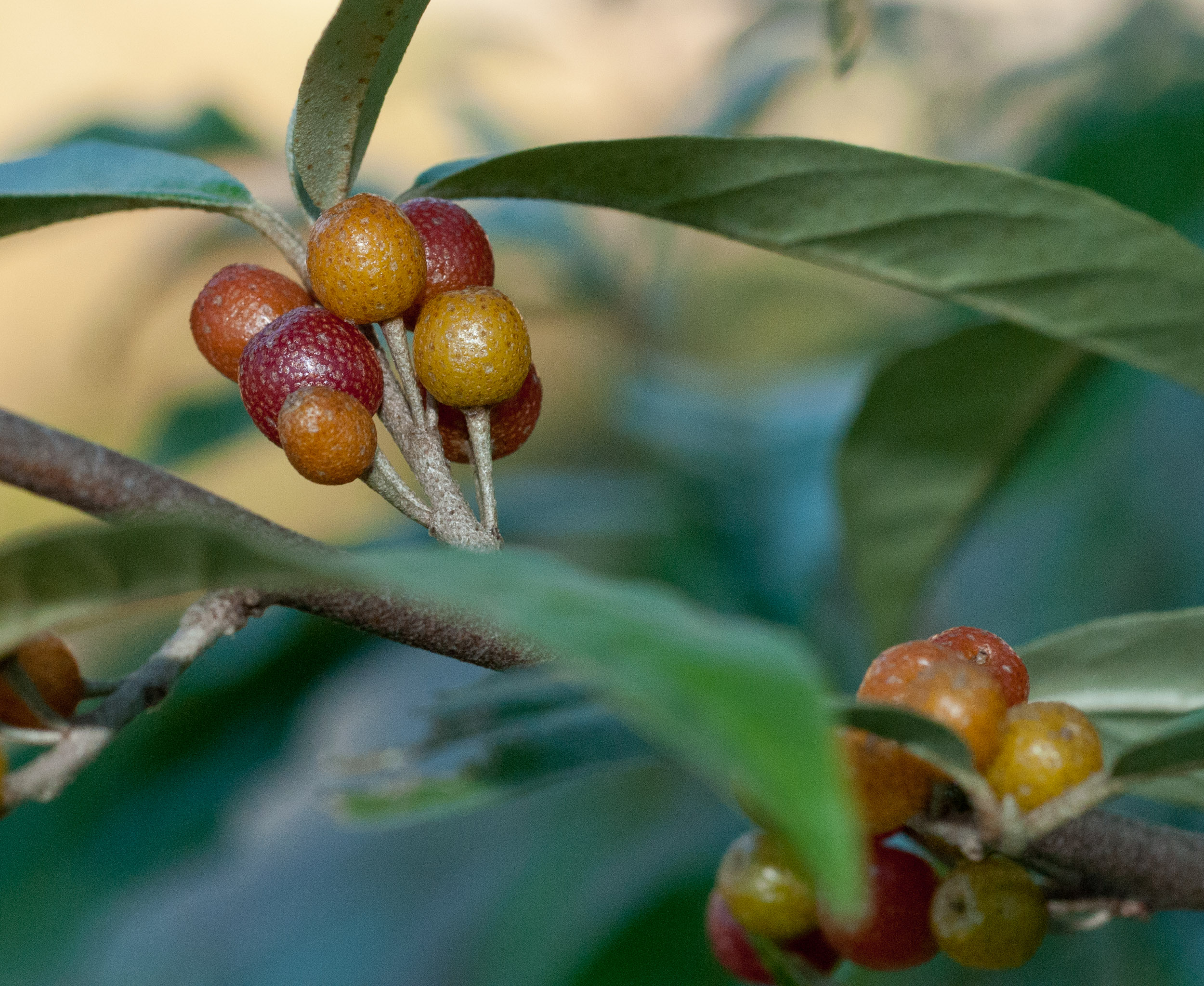
9/5/2010 · Nashua River Rail Trail, near Nashoba Hospital, Ayer, Massachusetts · ≈ 3 × 2½″ (8.3 × 6.8 cm) 
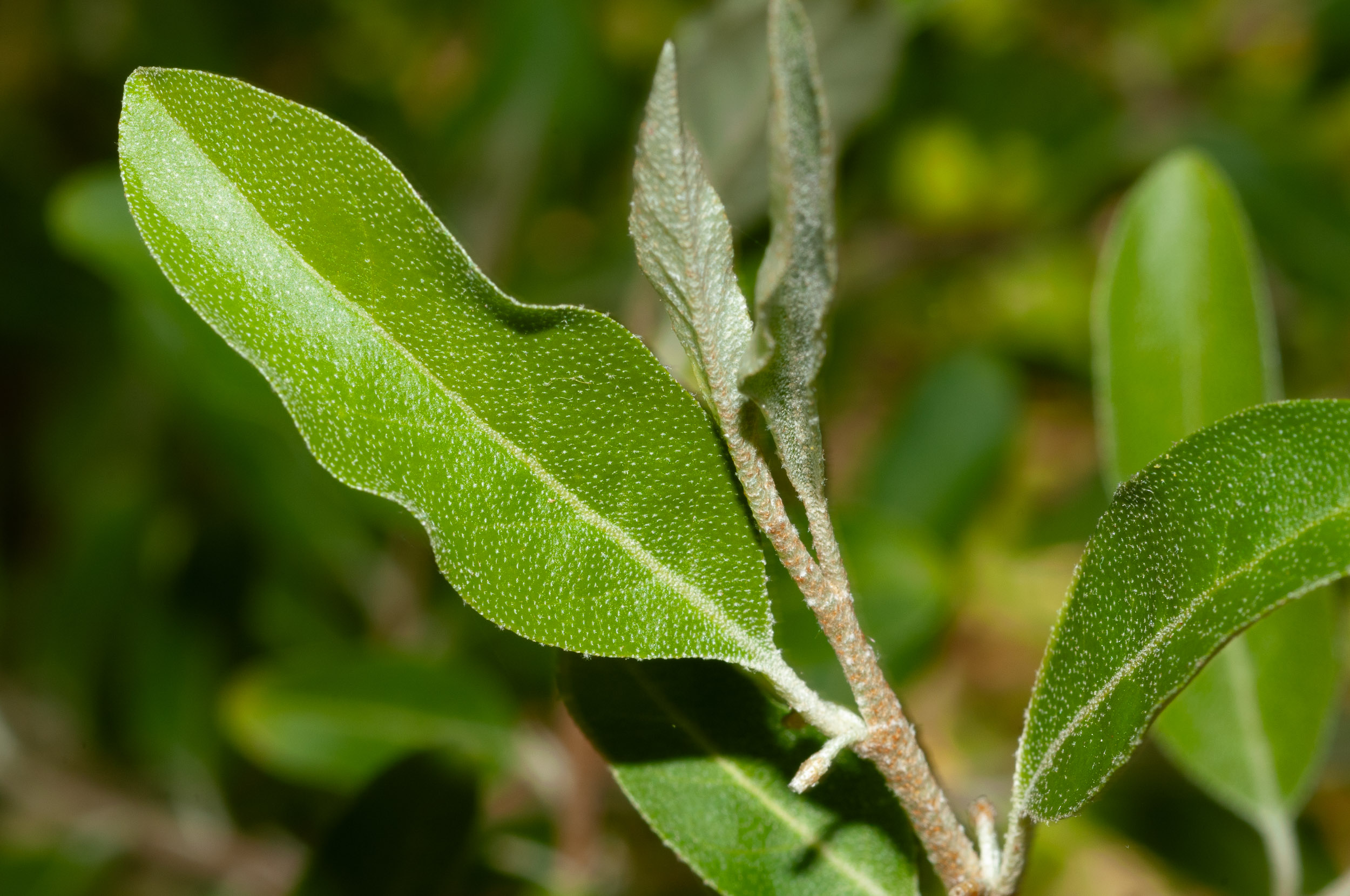
5/11/2010 · Tom and Susan’s, Pepperell, Massachusetts · ≈ 4½ × 3″ (11 × 7.9 cm) 
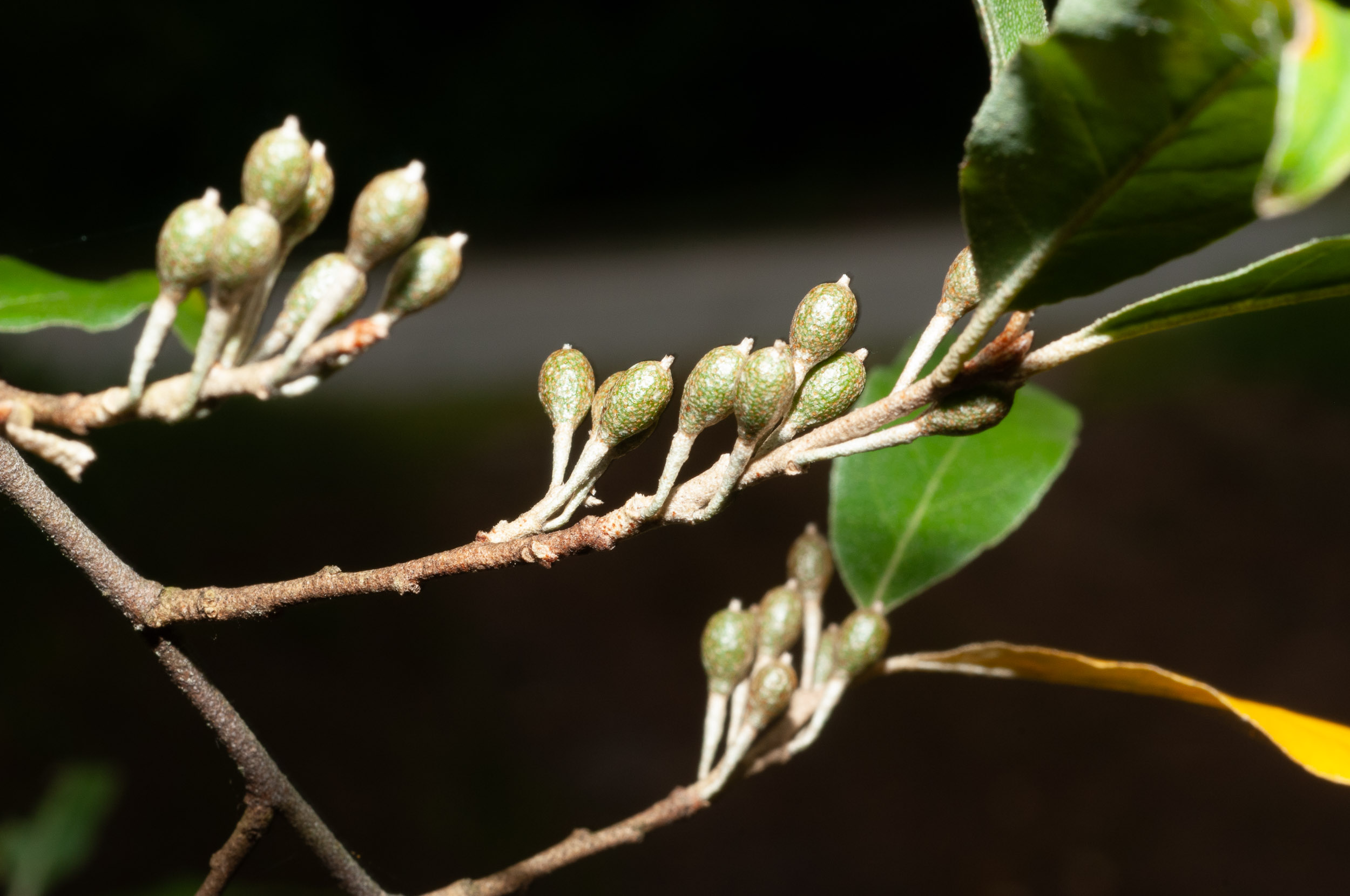
8/4/2010 · Nashua River Rail Trail, Groton Center, Groton, Massachusetts · ≈ 5 × 3½″ (13 × 9.2 cm) 
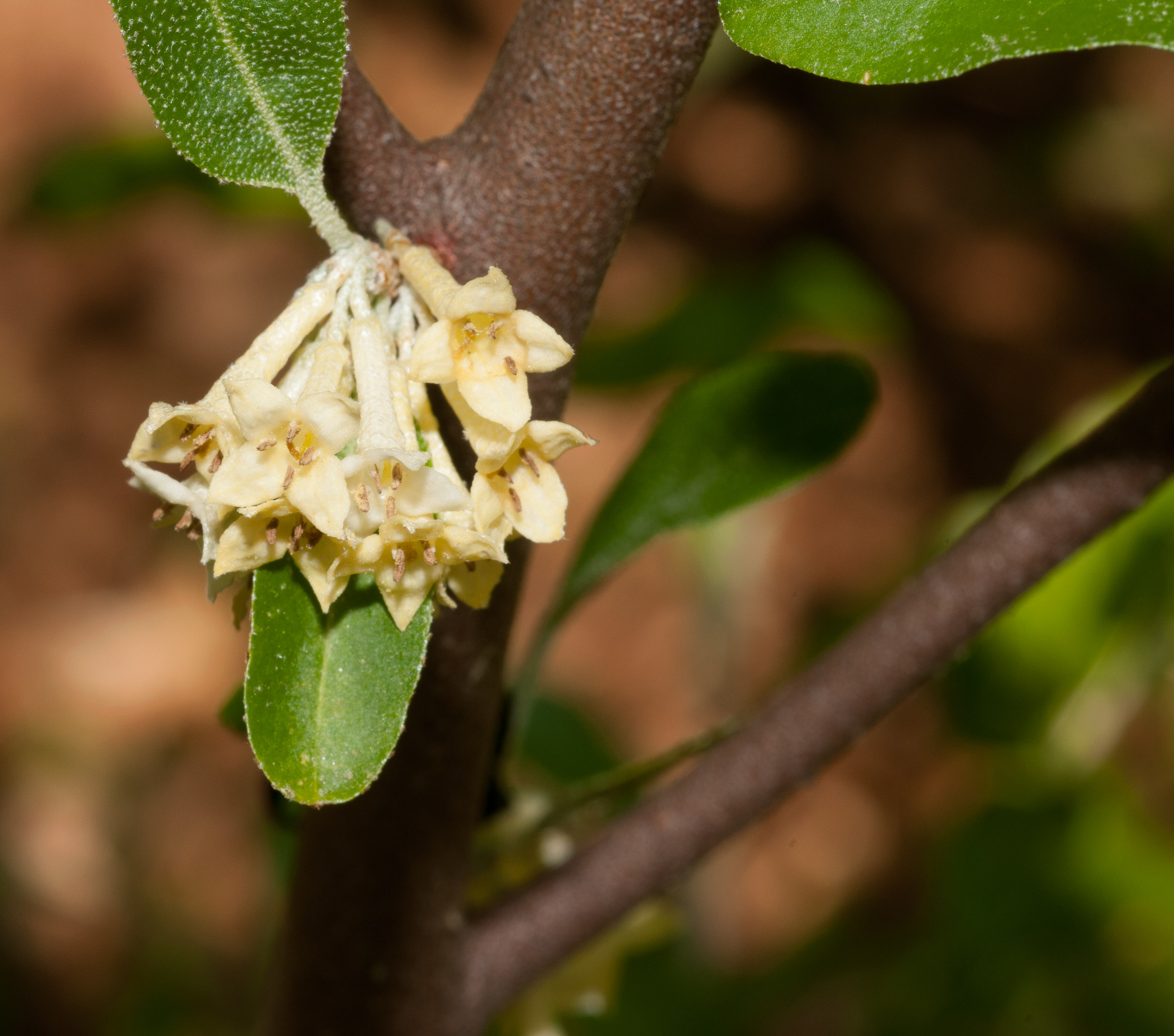
5/11/2010 · Tom and Susan’s, Pepperell, Massachusetts · ≈ 3½ × 3″ (8.9 × 7.9 cm) 
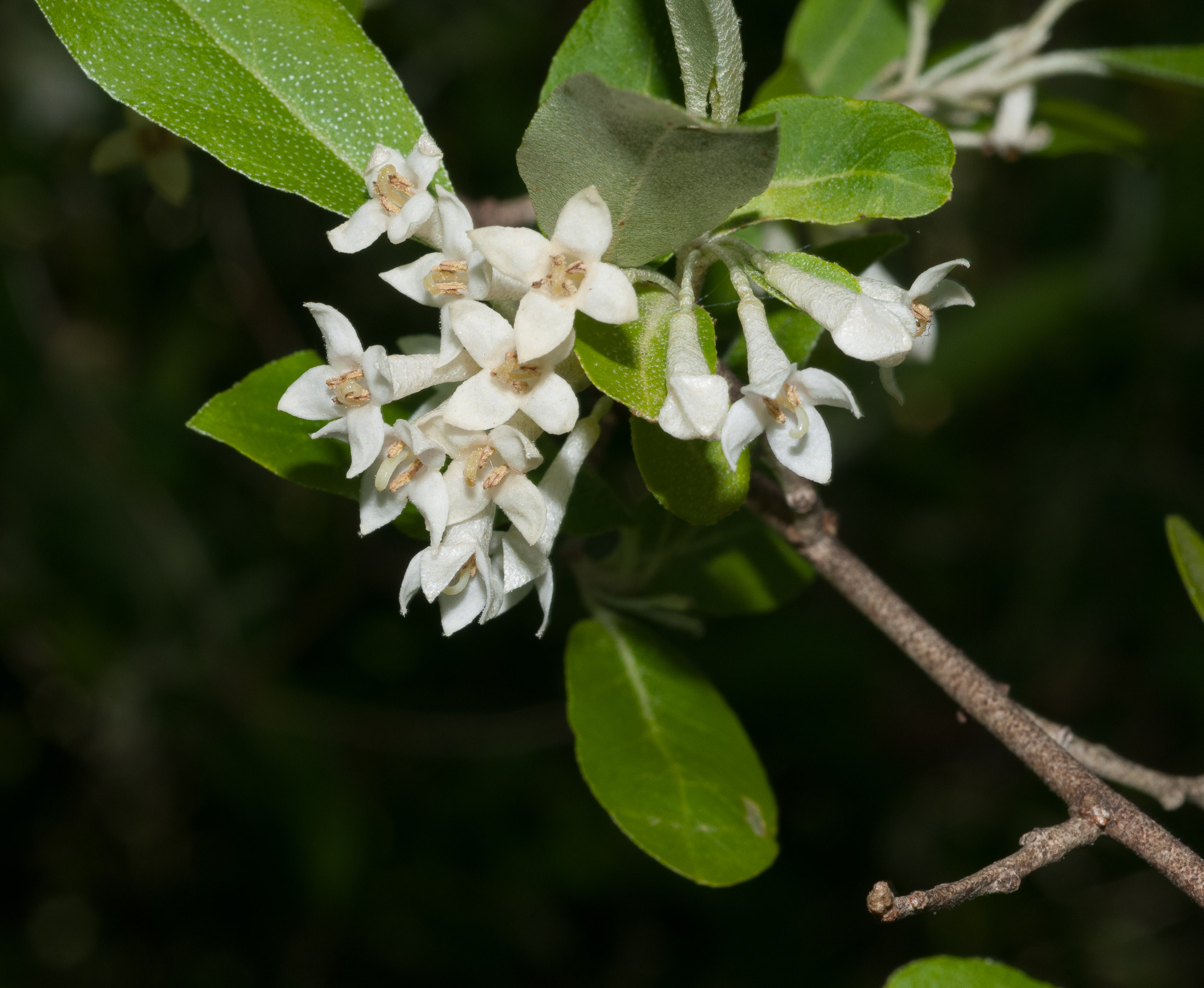
5/13/2010 · Nashua River Rail Trail, Groton Center, Groton, Massachusetts · ≈ 3½ × 3″ (9.6 × 7.9 cm) 
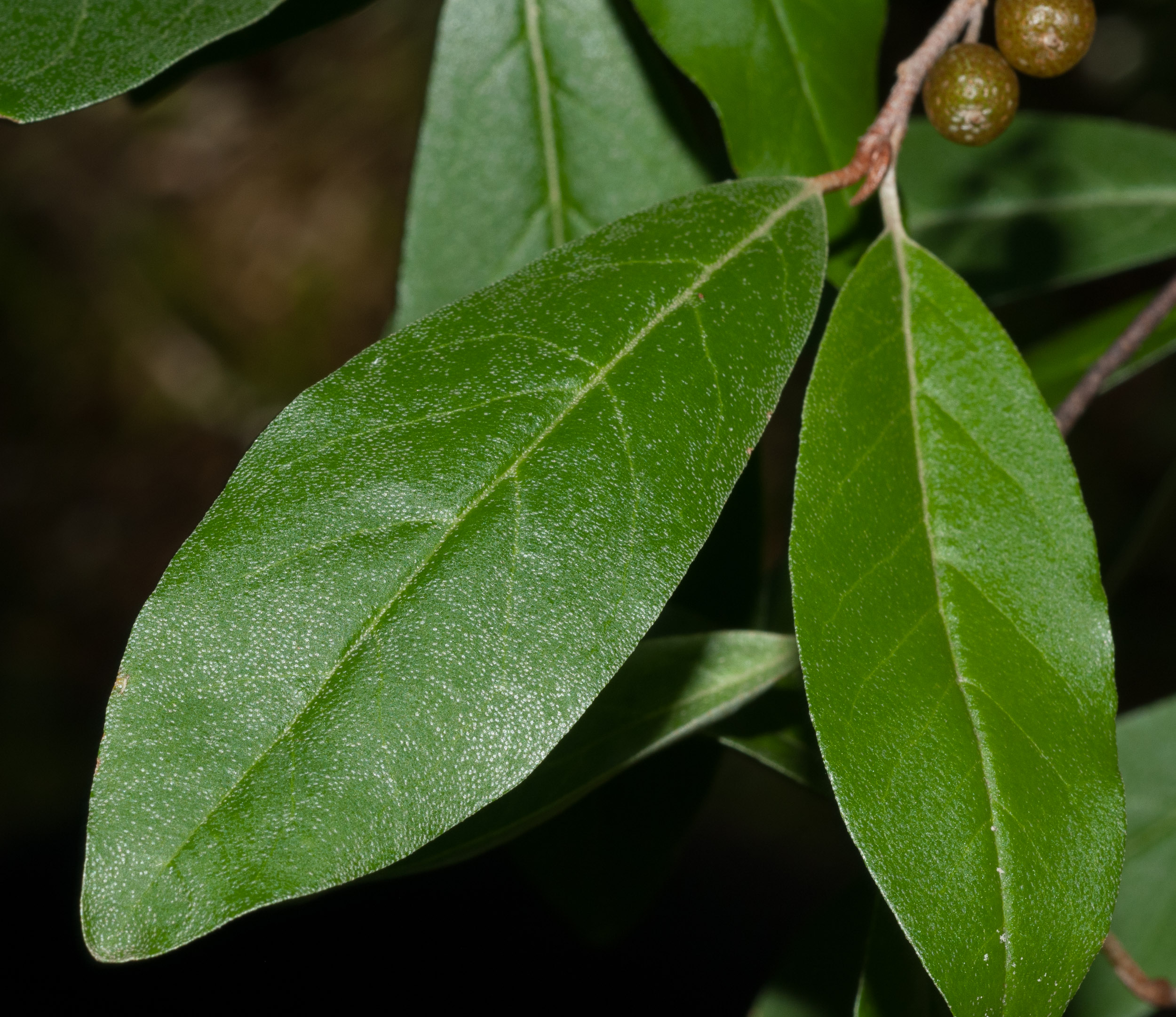
8/7/2012 · Townsend Wildlife Management Area, Townsend, Massachusetts · ≈ 4 × 3½″ (10 × 9.2 cm) 
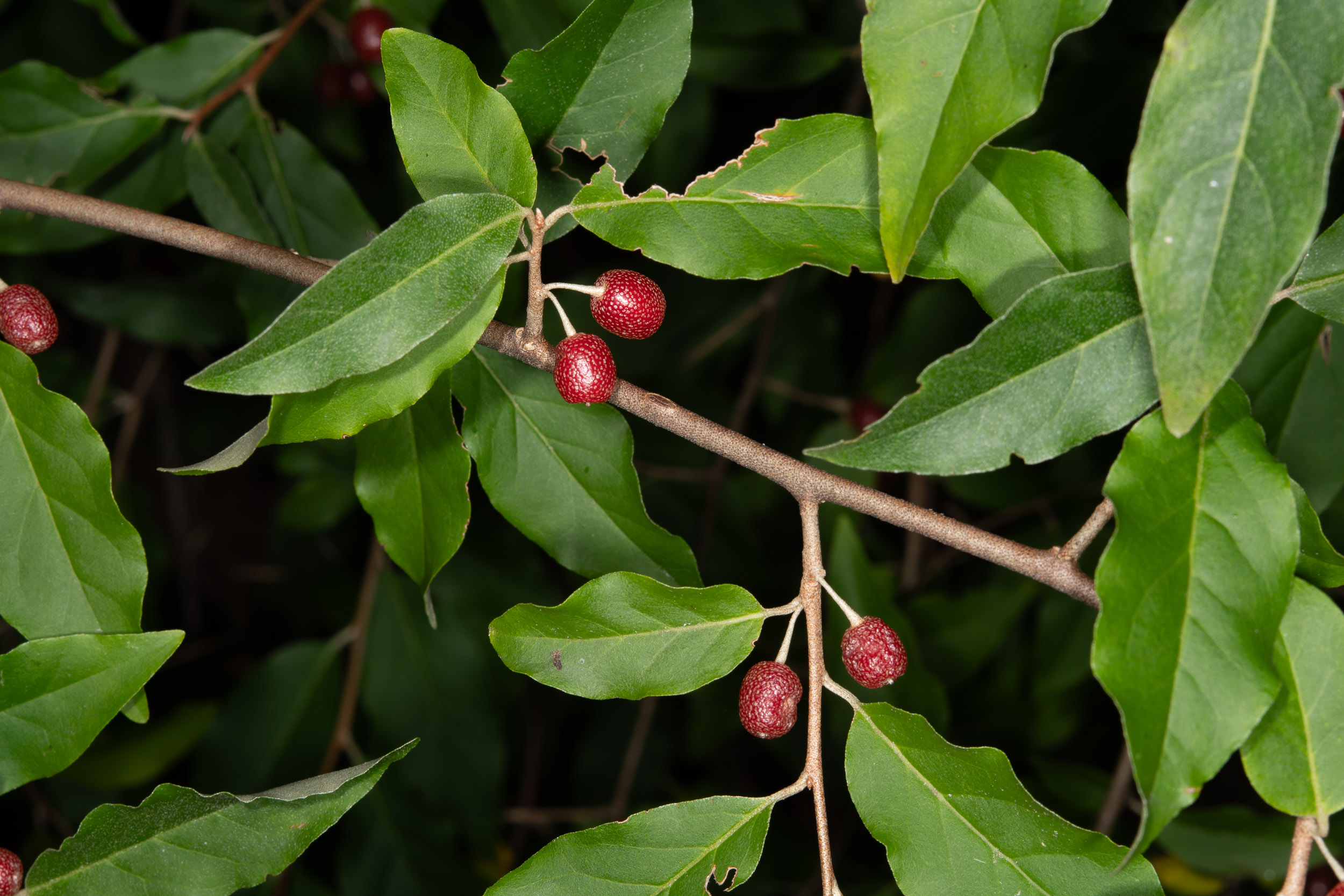
8/27/2017 · Beaver Brook Conservation Area, Self-guided Nature Trail, Hollis, New Hampshire · ≈ 7 × 4½″ (18 × 12 cm) 
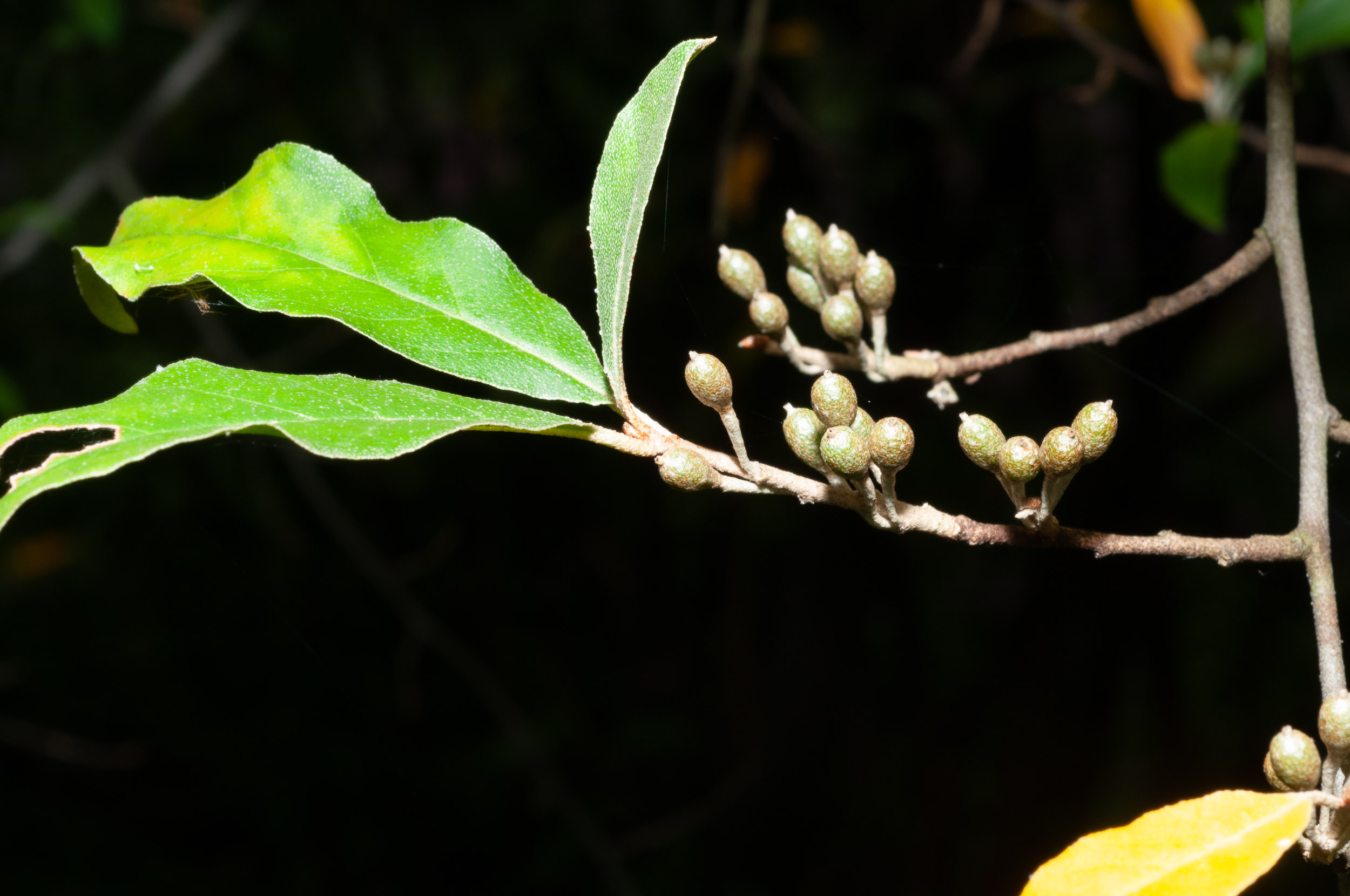
8/4/2010 · Nashua River Rail Trail, Groton Center, Groton, Massachusetts · ≈ 6 × 4″ (15 × 10 cm) 
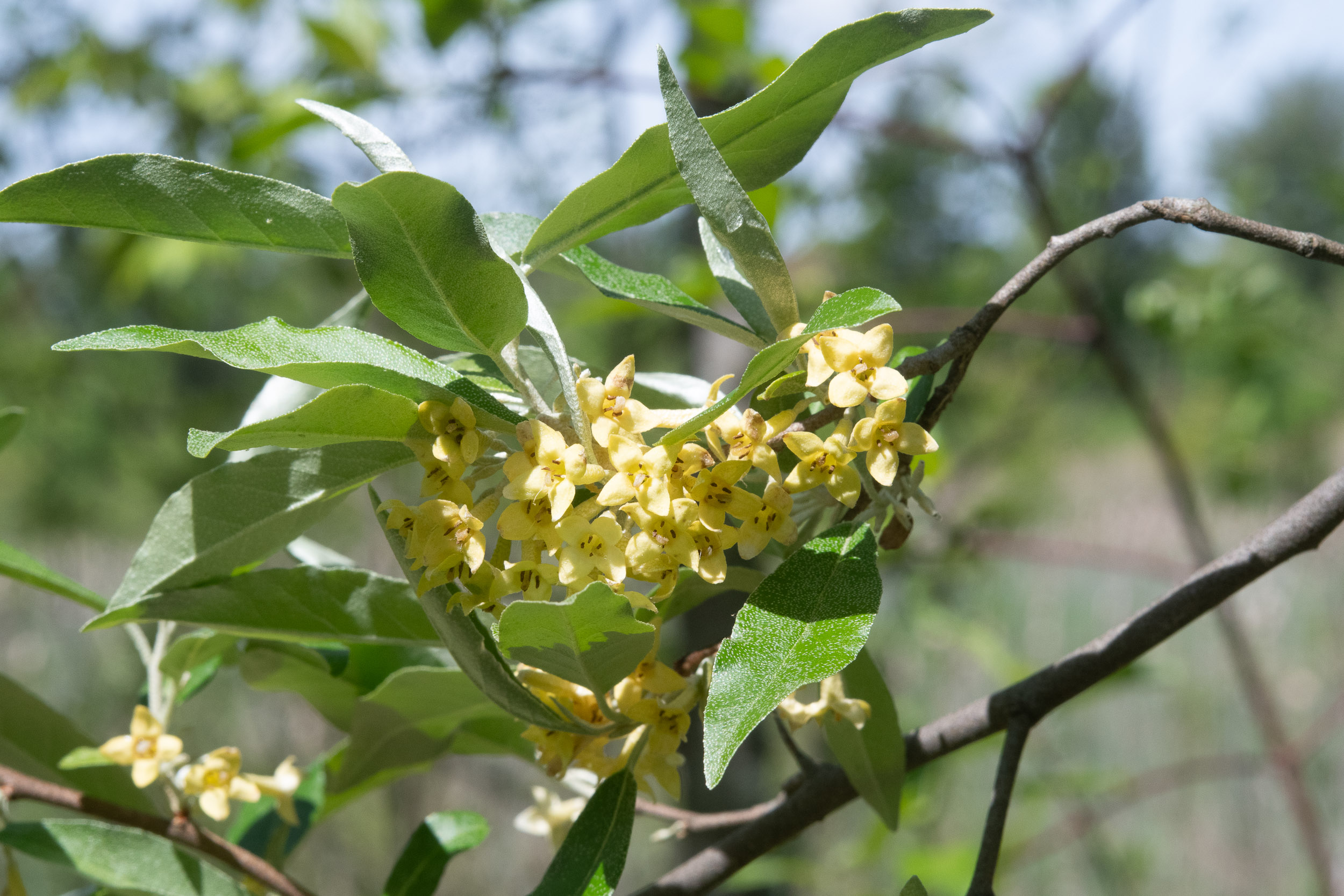
5/23/2017 · Nashua River Rail Trail, Groton Center, Groton, Massachusetts · ≈ 6 × 4″ (16 × 11 cm) 
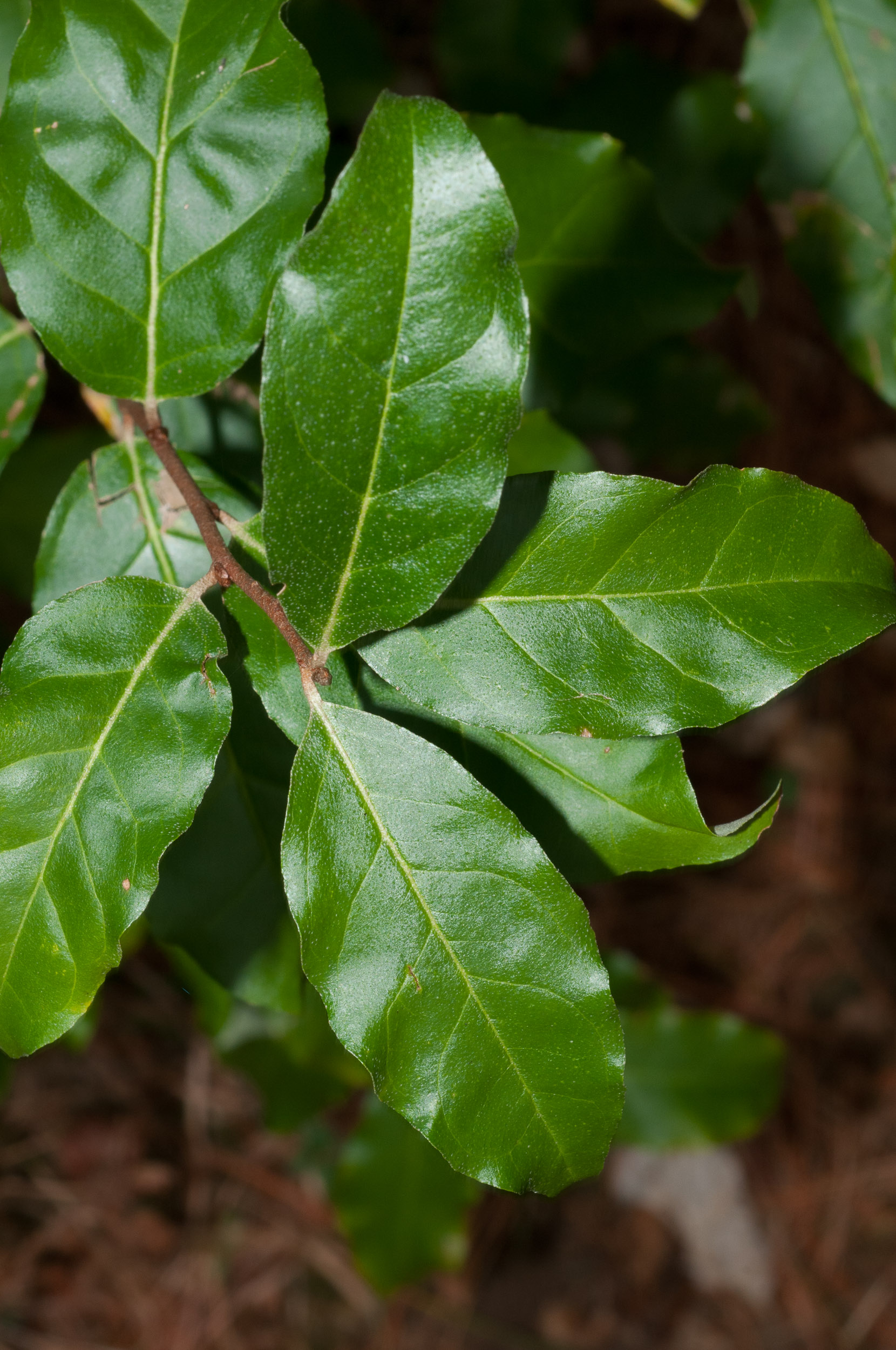
10/26/2012 · Dunstable Rural Land Trust Wildlife Refuge, Dunstable, Massachusetts · ≈ 4½ × 7″ (11 × 17 cm) 
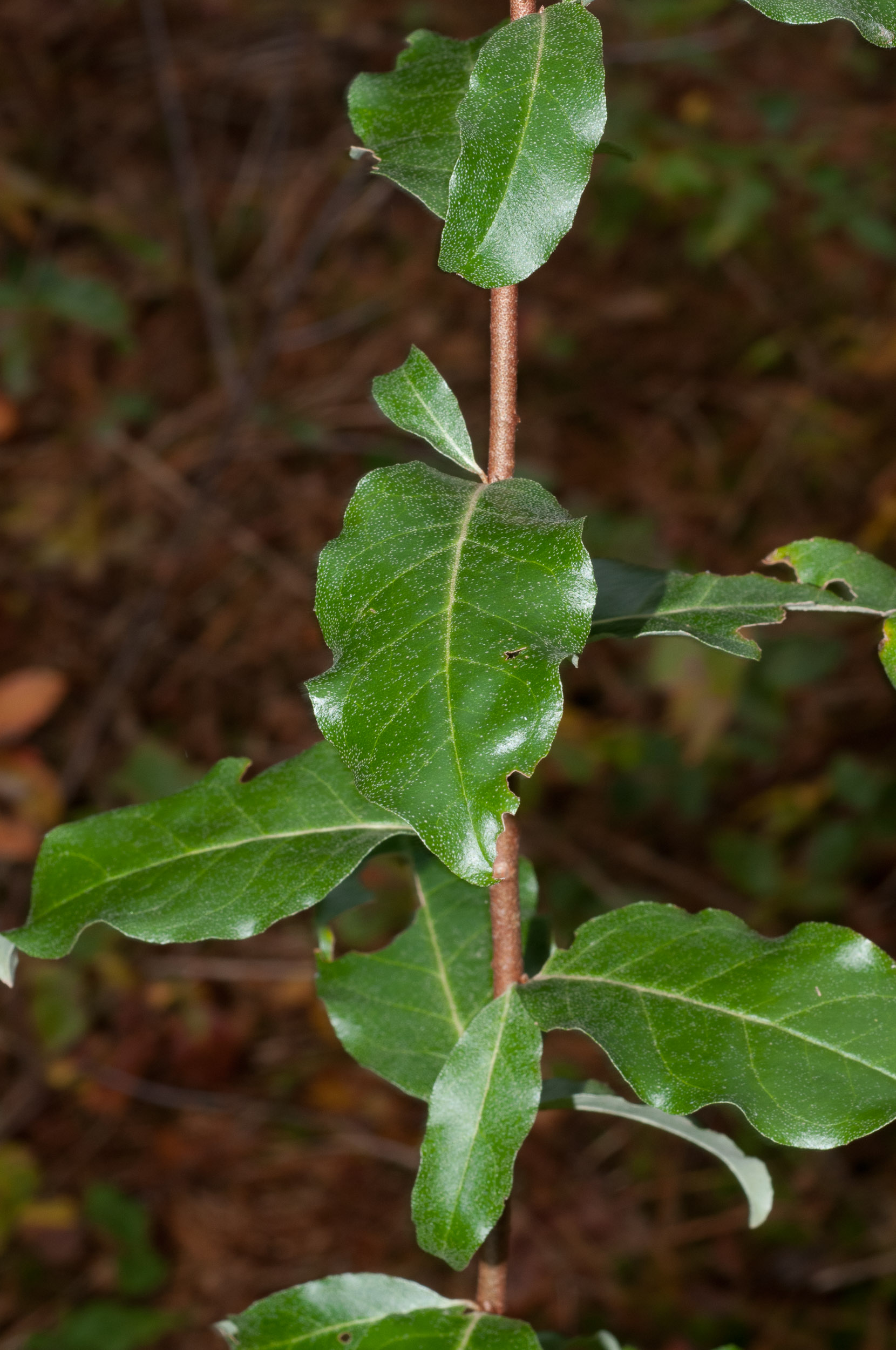
10/26/2012 · Dunstable Rural Land Trust Wildlife Refuge, Dunstable, Massachusetts · ≈ 6 × 9″ (14 × 22 cm) 
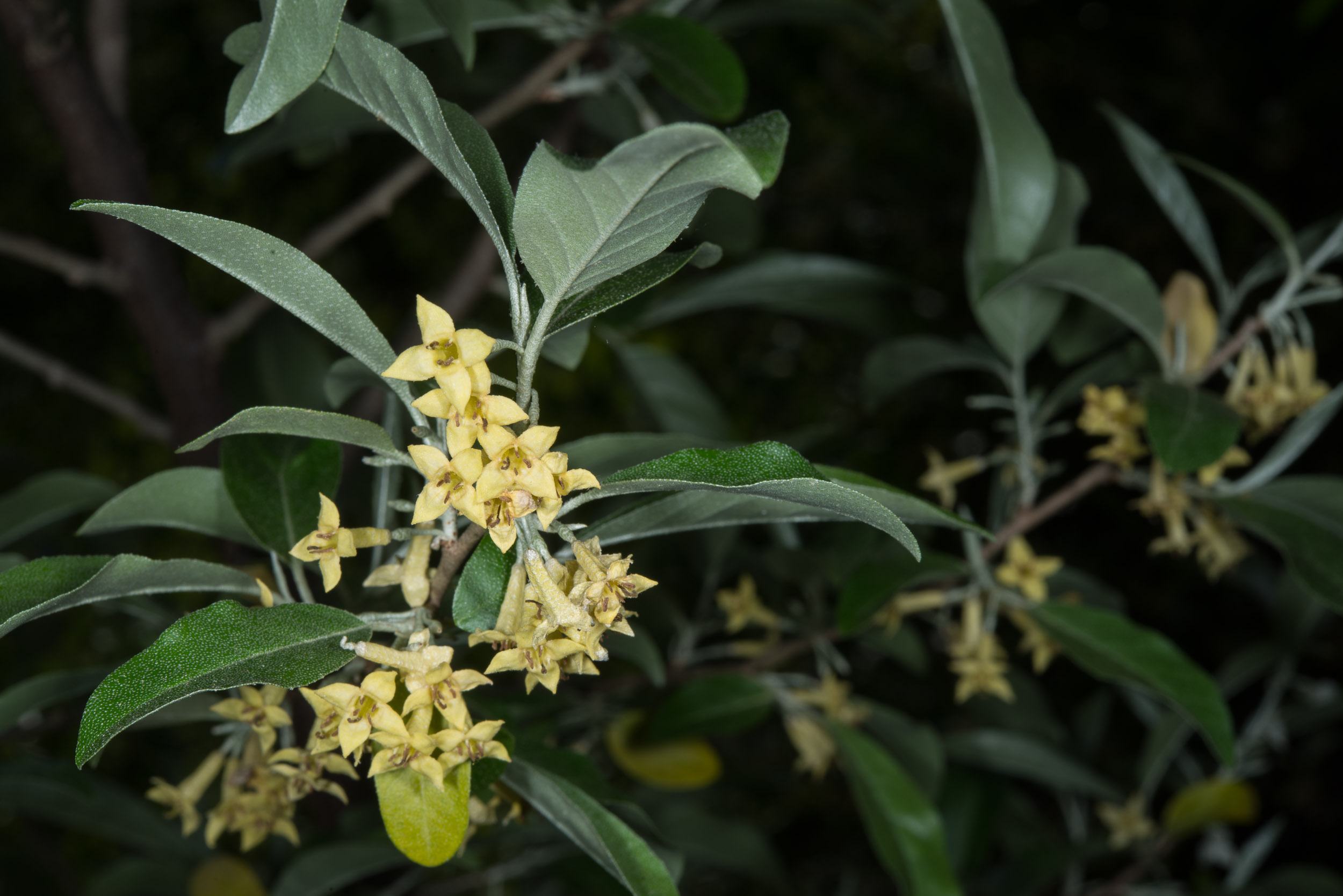
5/30/2014 · Townsend Wildlife Management Area, Townsend, Massachusetts · ≈ 7 × 4½″ (18 × 12 cm) 
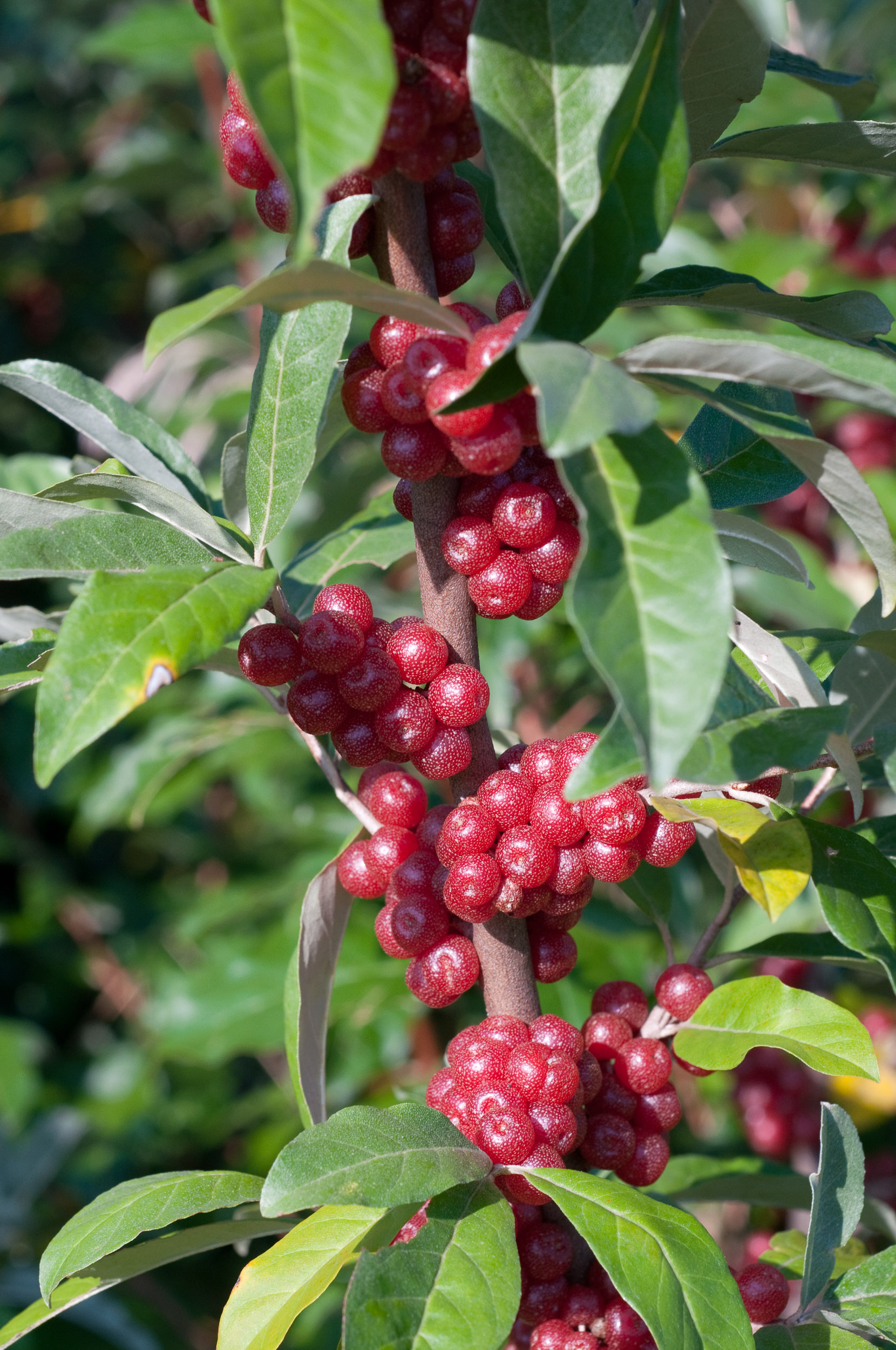
9/3/2009 · Nashua River Rail Trail, Ayer, Massachusetts · ≈ 6 × 9″ (15 × 23 cm) 
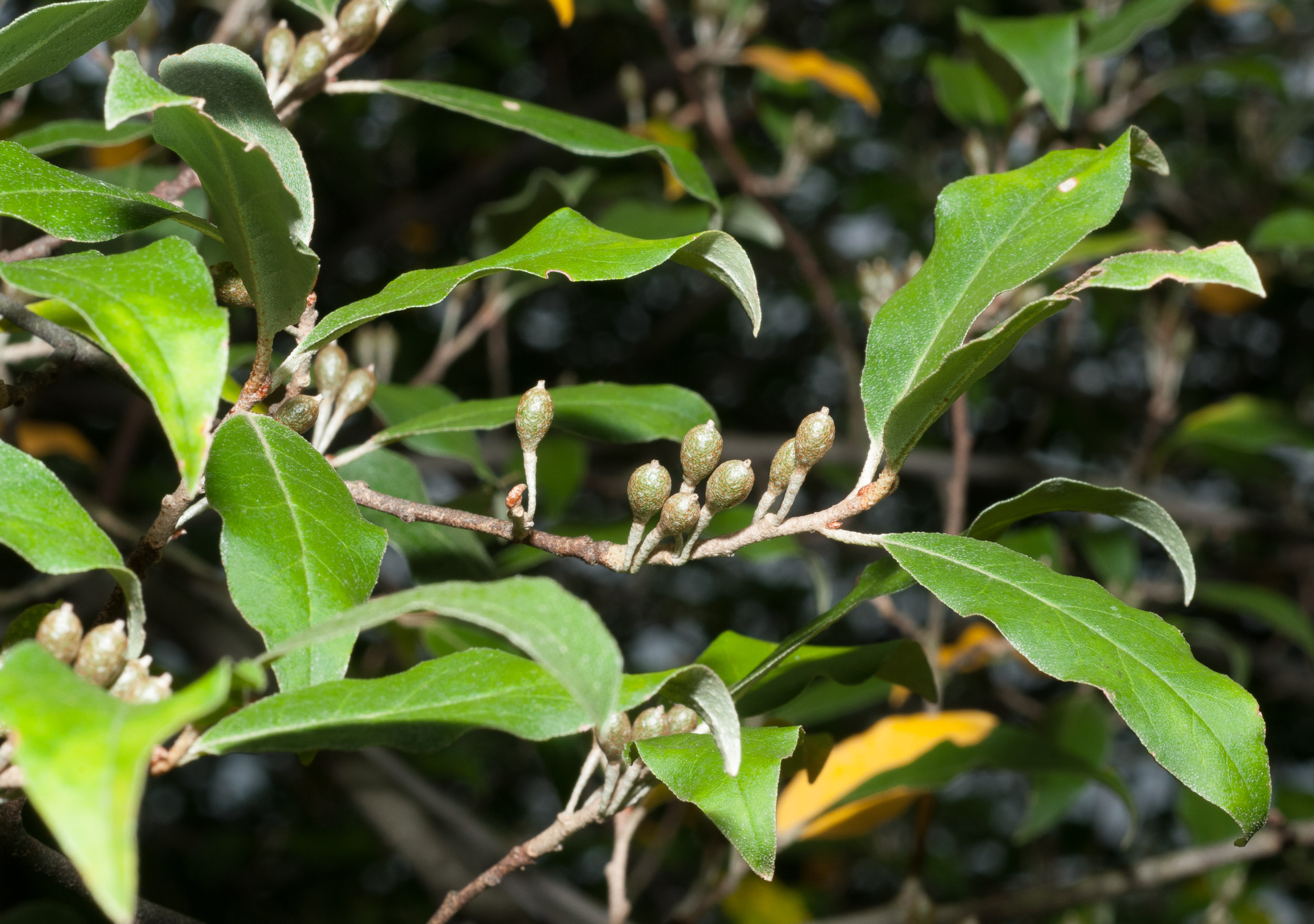
8/4/2010 · Nashua River Rail Trail, Groton Center, Groton, Massachusetts · ≈ 7 × 4½″ (16 × 11 cm) 
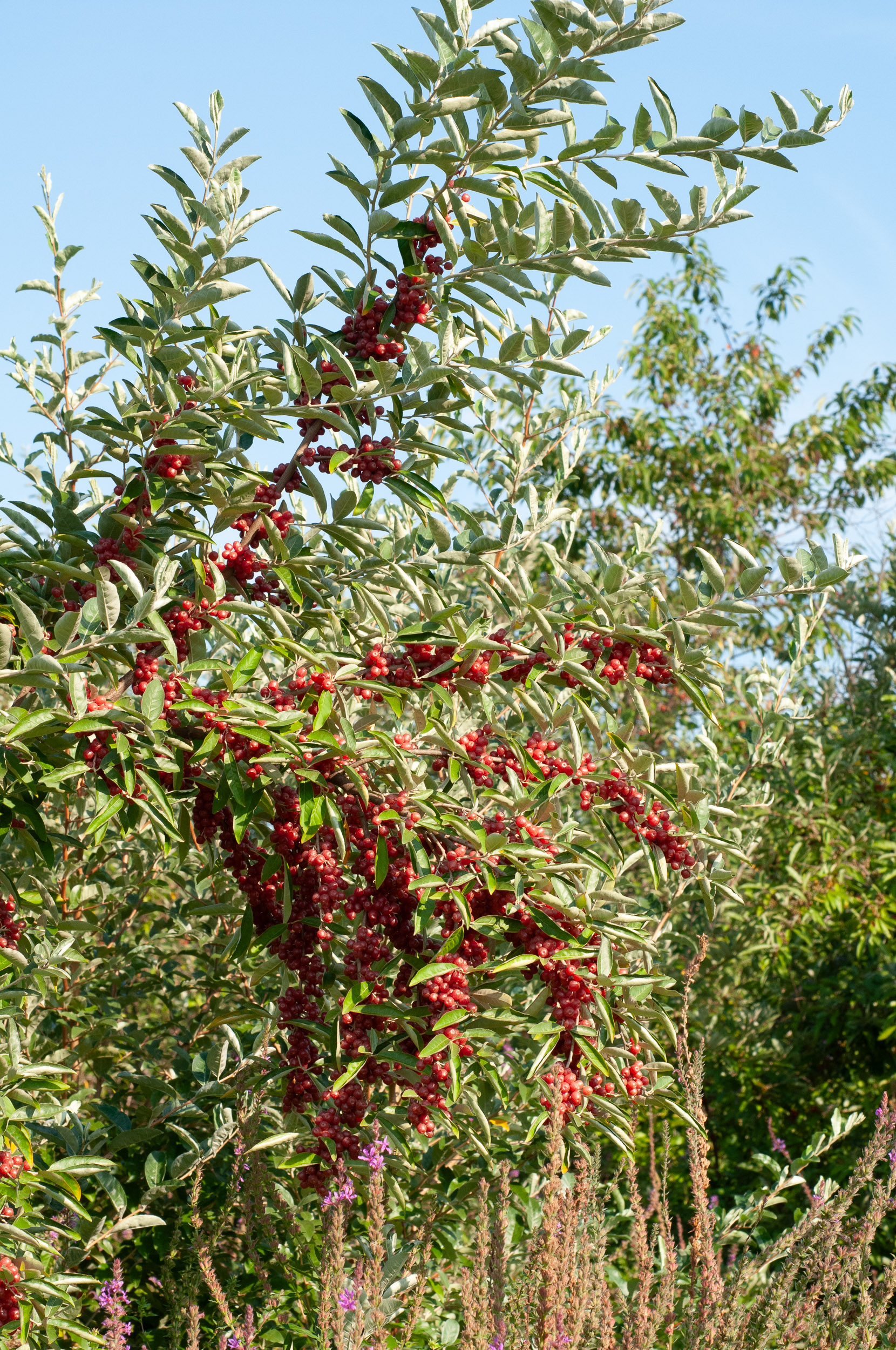
9/3/2009 · Nashua River Rail Trail, Ayer, Massachusetts 
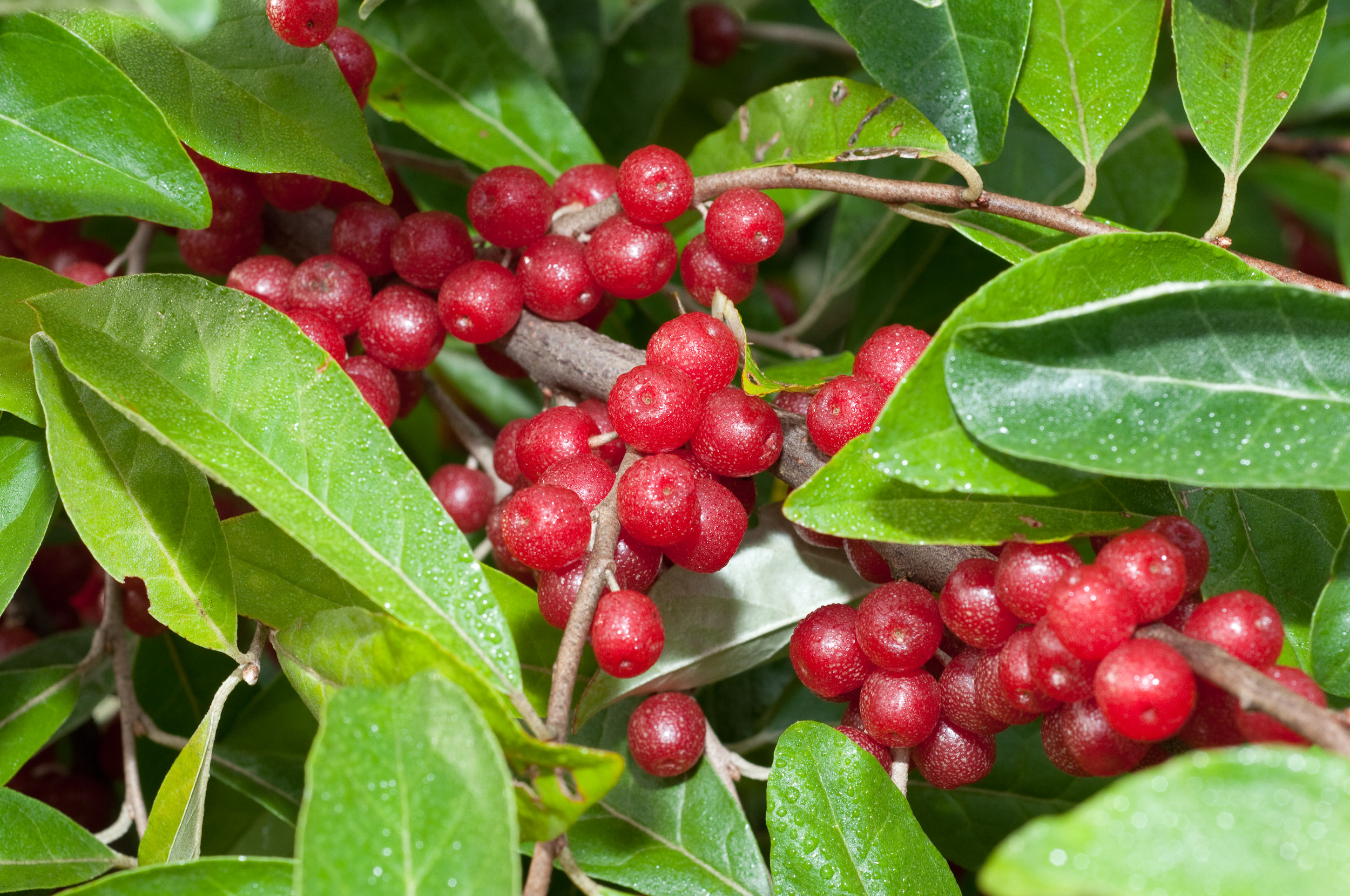
9/14/2009 · Near Nashoba Hospital, Ayer, Massachusetts · ≈ 8 × 5″ (19 × 13 cm) 
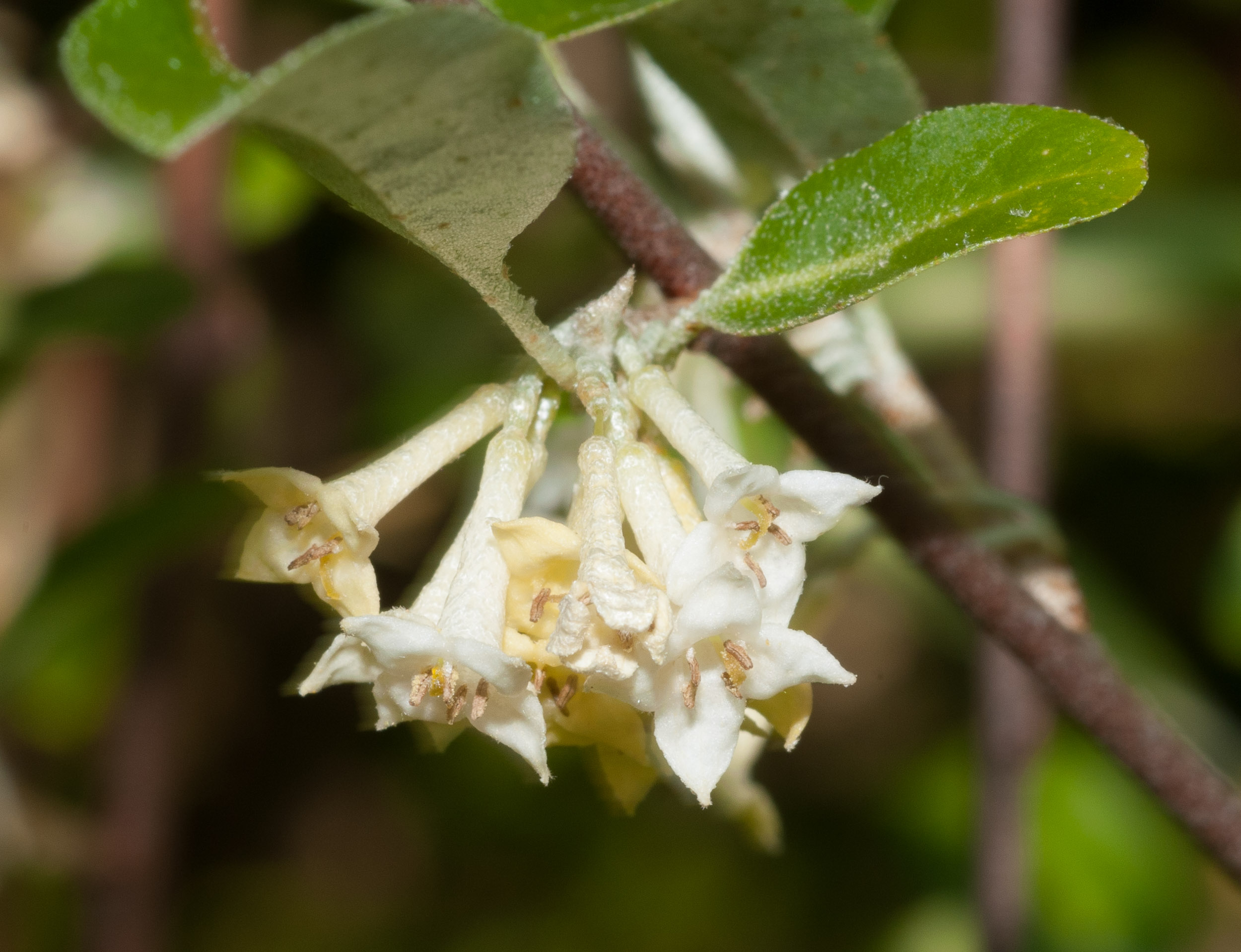
5/11/2010 · Tom and Susan’s, Pepperell, Massachusetts · ≈ 2½ × 2″ (6.9 × 5.3 cm) 
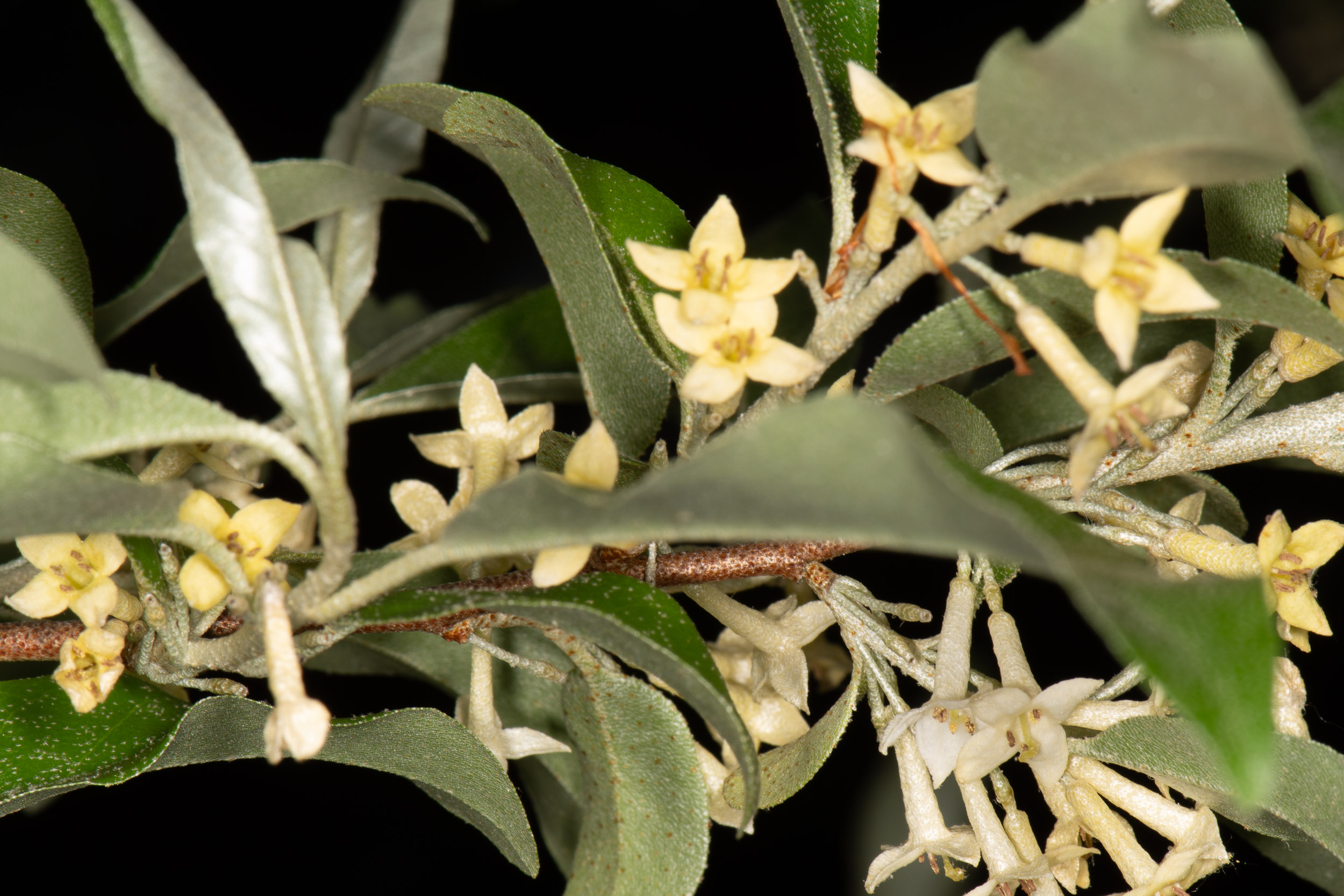
5/30/2021 · Trail near fire tower, Highland Green, Topsham, Maine · ≈ 4½ × 3″ (11 × 7.5 cm) 
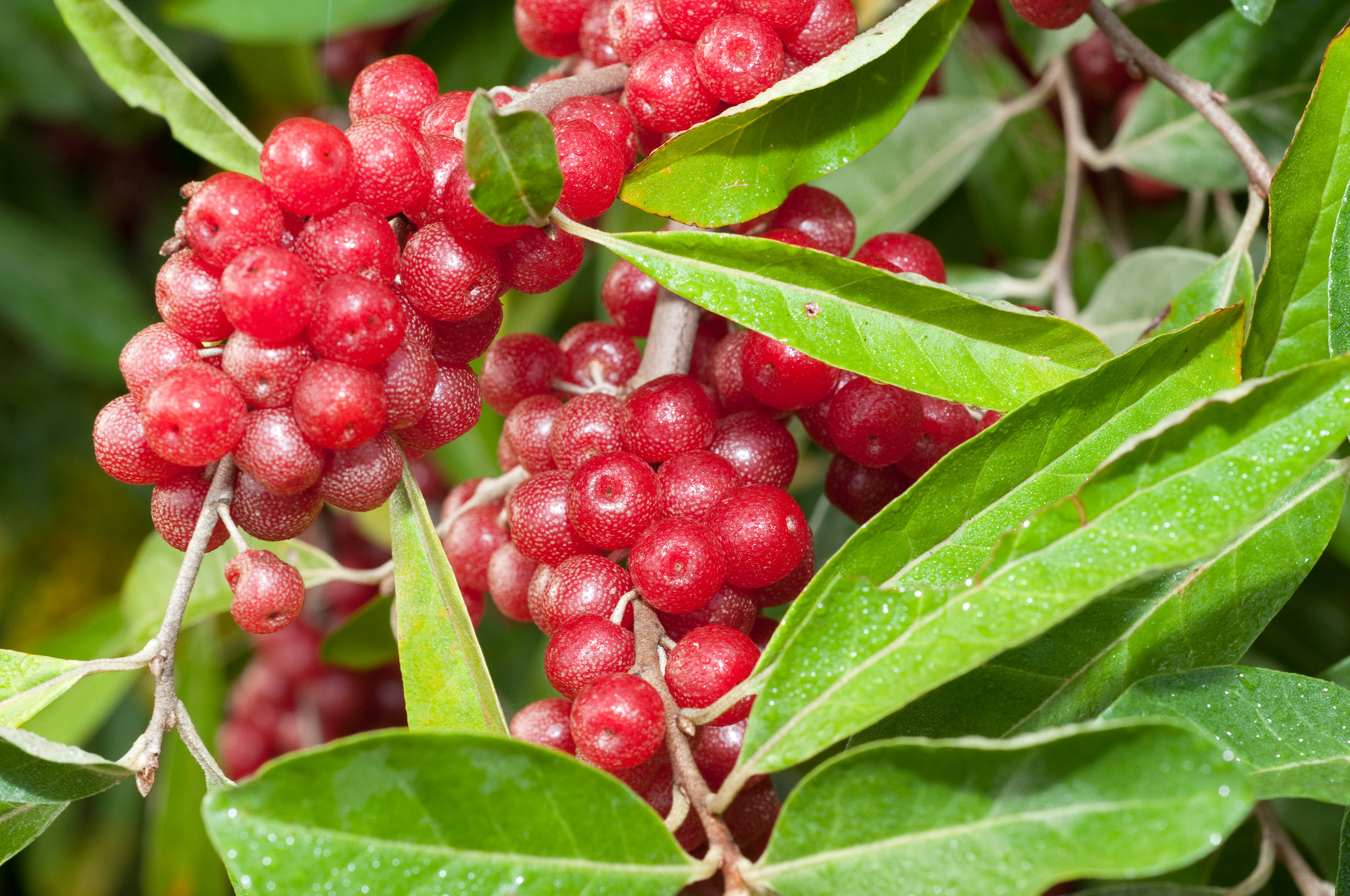
9/14/2009 · Near Nashoba Hospital, Ayer, Massachusetts · ≈ 7 × 4½″ (17 × 11 cm) 
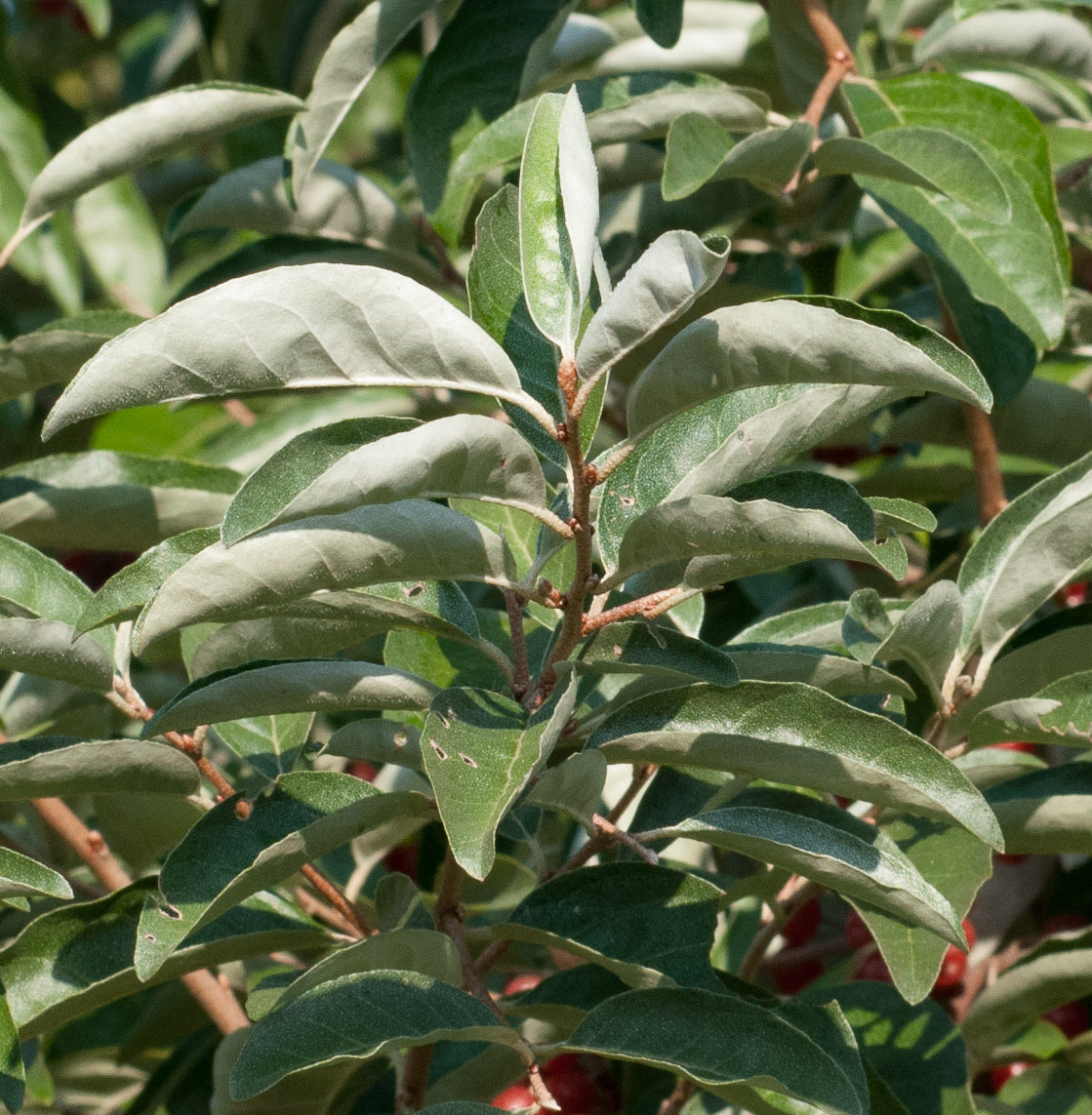
9/3/2009 · Nashua River Rail Trail, Ayer, Massachusetts · ≈ 5 × 6″ (13 × 14 cm) 
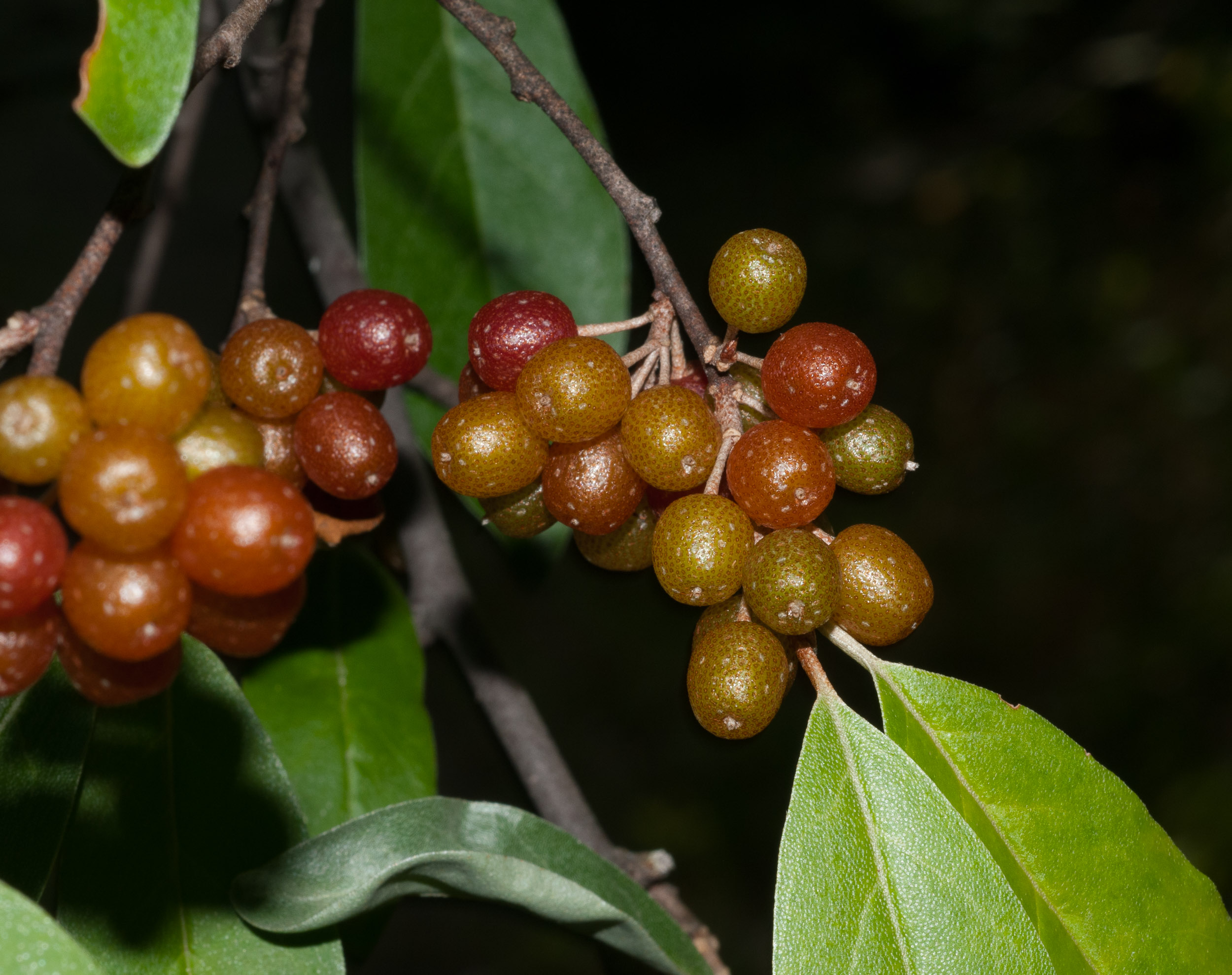
8/7/2012 · Townsend Wildlife Management Area, Townsend, Massachusetts · ≈ 4½ × 3½″ (11 × 9.2 cm) 
| Kingdom | Plantae | Plants, but not fungi, lichens, or algae (from Stearn's Botanical Latin) |
| Subkingdom | Tracheobionta | Vascular plants—plants with a “circulatory system” for delivering water and nutrients |
| Division | Magnoliophyta | Flowering plants, also known as angiosperms |
| Class | Magnoliopsida | Dicotyledons—plants with two initial seed leaves |
| Subclass | Rosidae | Roses, legumes, proteas, dogwoods, hydrangeas, mistletoes, euphorbias, grapes, many more |
| Order | Rhamnales | Buckthorns, oleasters, grapes, others |
| Family | Elaeagnaceae | Oleaster family, named after |
| Genus | Elaeagnus | Silverberry or oleaster genus; from the Greek elais, “olive,” and agnos, “the chaste-tree” |
| Species | umbellata | For “umbel,” a flowerhead in which all the florets emerge from a central point, forming a rounded or umbrella-like shape |
Elaeagnus umbellata description by Thomas H. Kent, not updated.

© FloraFinder.org. All rights reserved.