Euonymus fortunei (Turcz.) Hand.-Maz.
Common wintercreeper, climbing euonymous, Fortune’s spindle, wintercreeper, climbing euonymus
Wintercreeper is native to east Asia. Naturalized in the eastern United States, it can be highly invasive, killing trees. There are several cultvars, but its invasive potential makes it a risky choice.
Plants: Evergreen shrubs climb up supports as vines, using tiny rootlets for purchase, like poison ivy or ivies. The vines thicken to dark brown or dark gray. If no supports are available, it spreads along the ground. They can reach 66′ (20 m) when supported by trees. Once established high in a tree, it robs the host of light, eventually killing it.
Leaves: Opposite, elliptic to elliptic-ovate, entire, ¾–2 ⨉ ⅜–1″ (2–6 ⨉ 1–3 cm), with serrated or crenate edges. Leaves are thick and leathery, and dark green, with light green veins that appear whitish.
Flowers: Nondescript flowers are ⅛″ (5 mm) around, with 4-5 greenish-yellow petals.
Fruits: Smooth dehiscent capsules are white, globoid, and ¼″ (6.3 mm) around. When dry, they split, revealing fleshy arils that are orange to red in color. Each aril contains a single seed.
Habitats: Woodlands, scrubs, and forests.
Edibility:  A low-severity poison.
Online References:
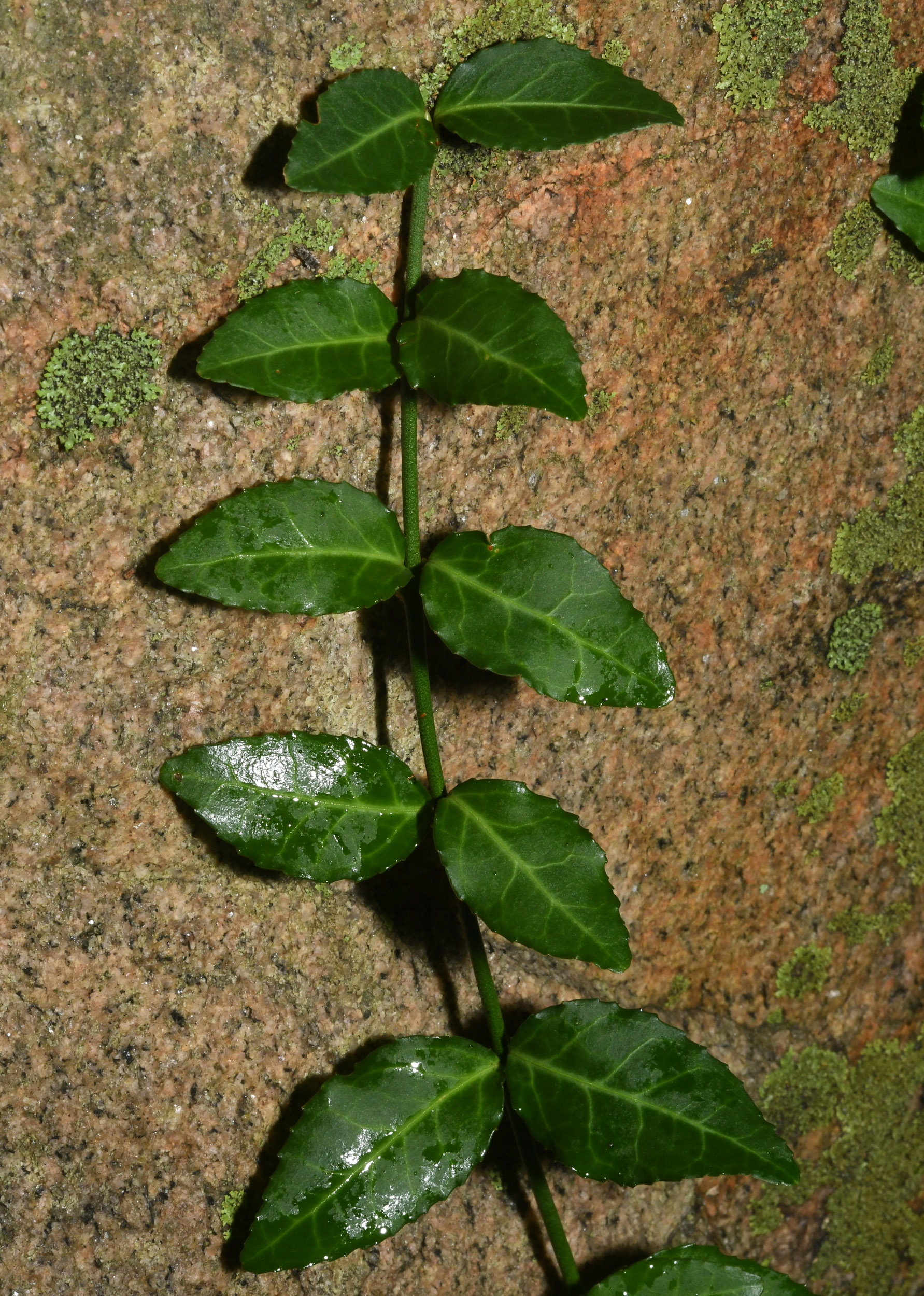
7/30/2016 · Huguenot Flatwater, James River Park System, Richmond, Virginia 
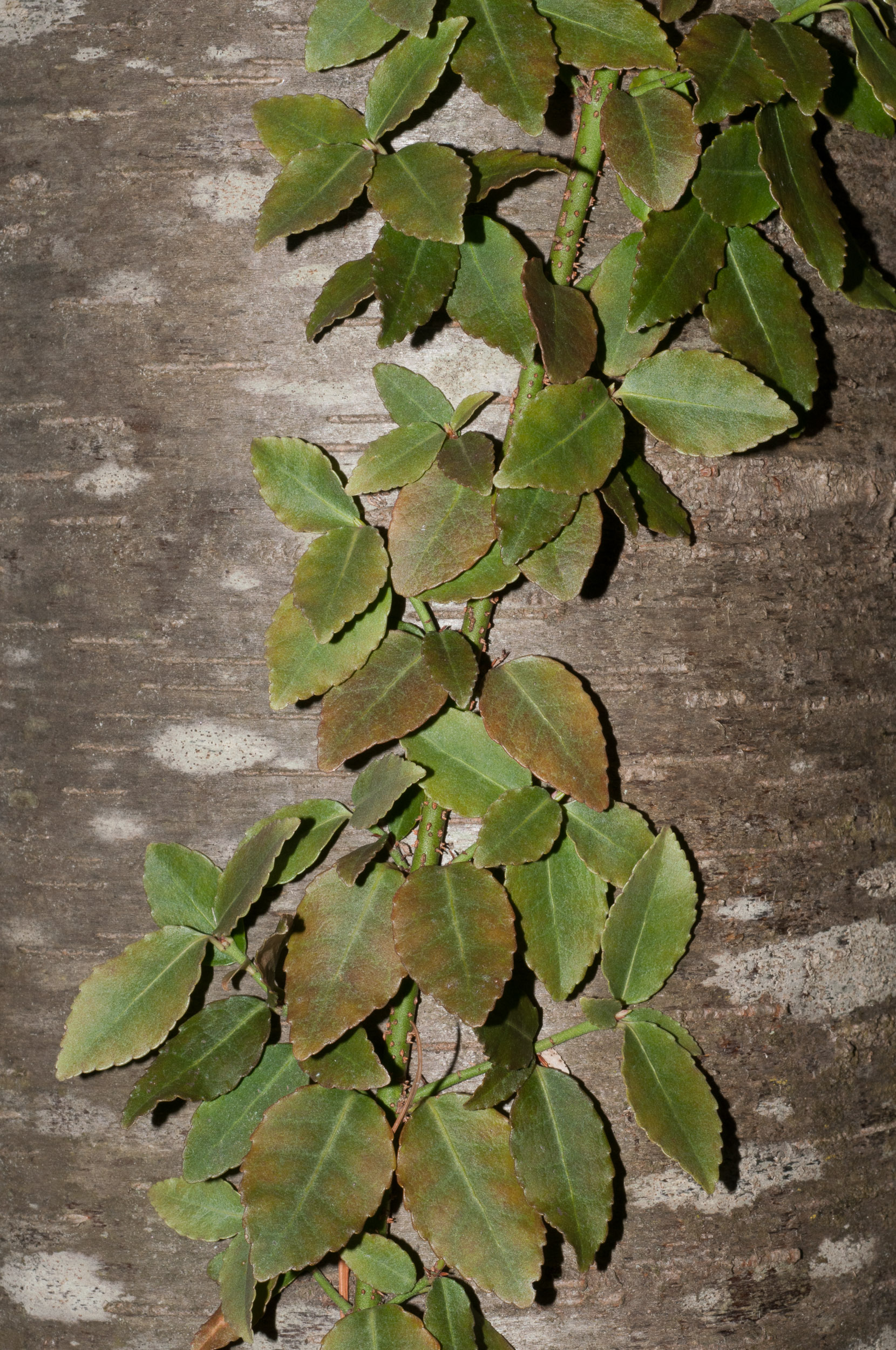
4/16/2013 · Beaver Brook Conservation Area, Hollis, New Hampshire · ≈ 6 × 9″ (14 × 22 cm) 
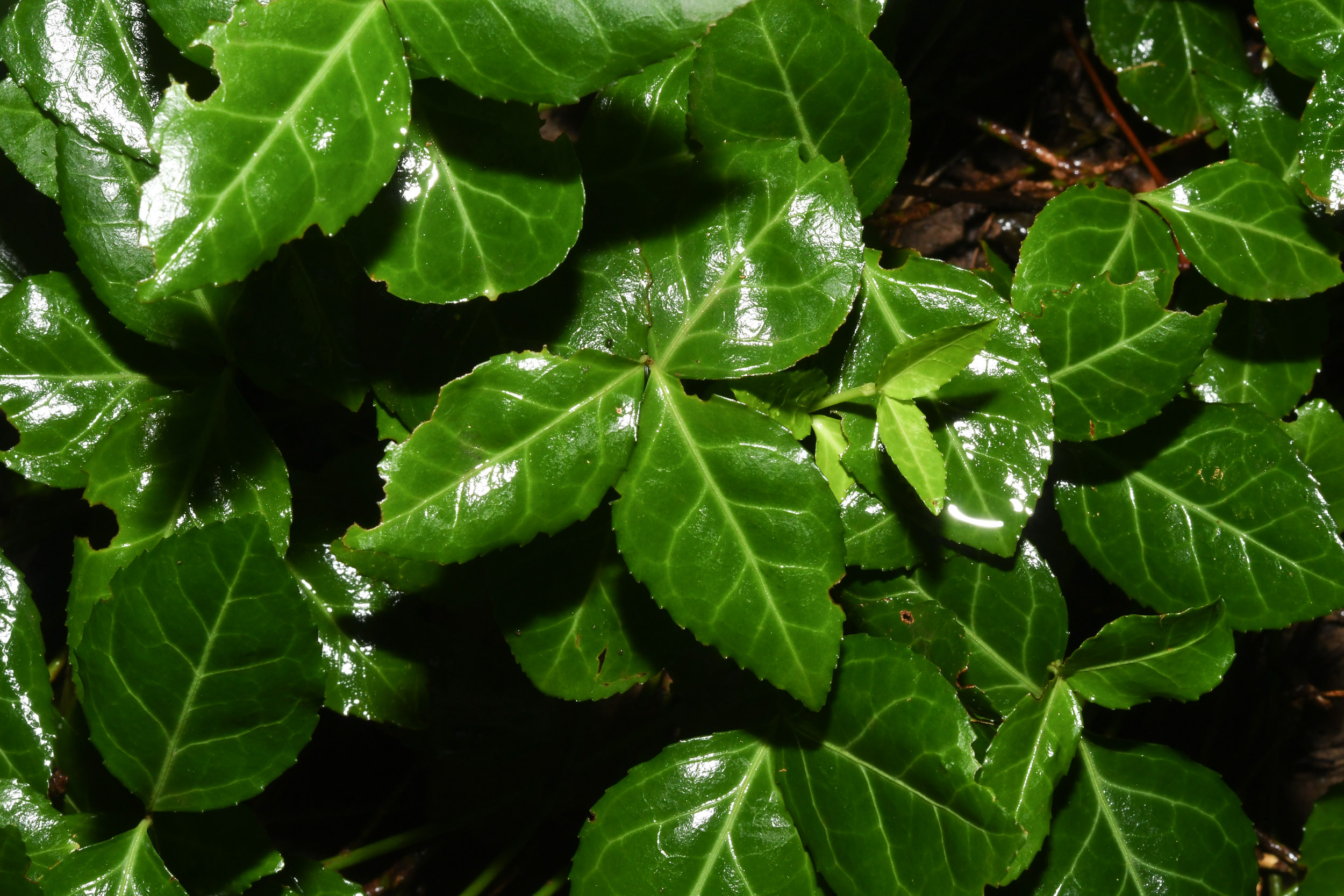
7/30/2016 · Huguenot Flatwater, James River Park System, Richmond, Virginia 

2/3/2024 · Pond Meadow Park, East Braintree, Massachusetts 
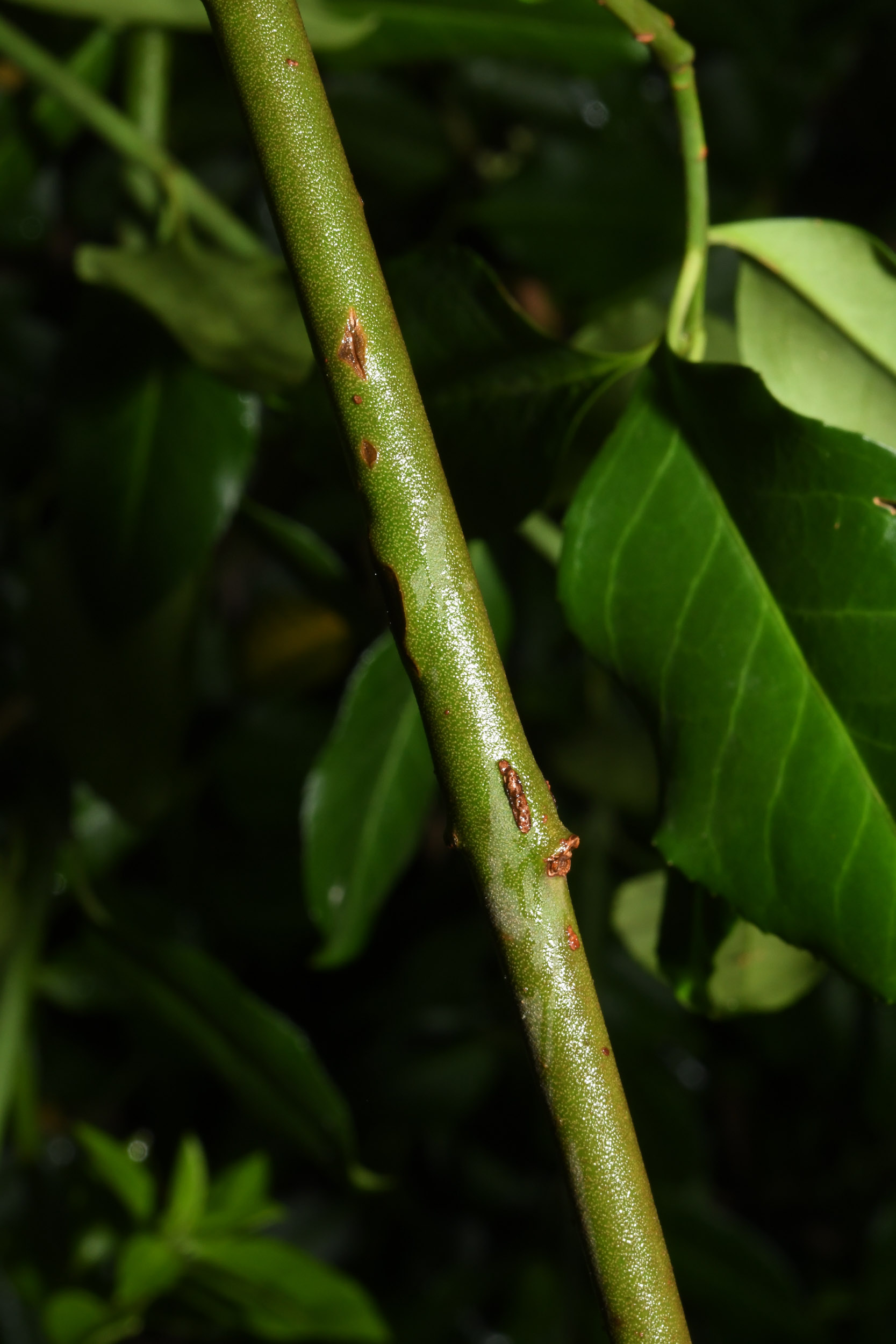
7/30/2016 · Huguenot Flatwater, James River Park System, Richmond, Virginia 
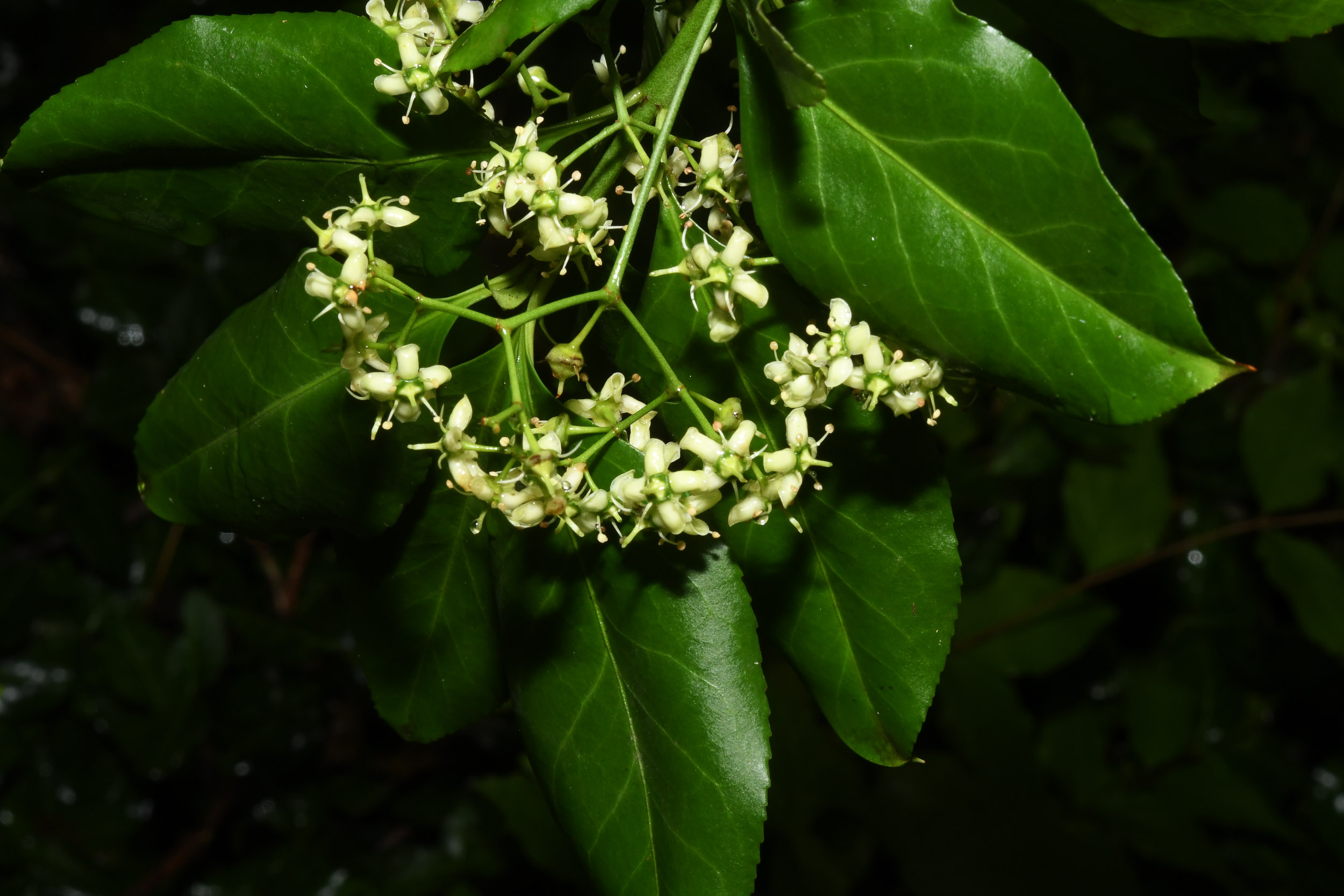
7/30/2016 · Huguenot Flatwater, James River Park System, Richmond, Virginia 
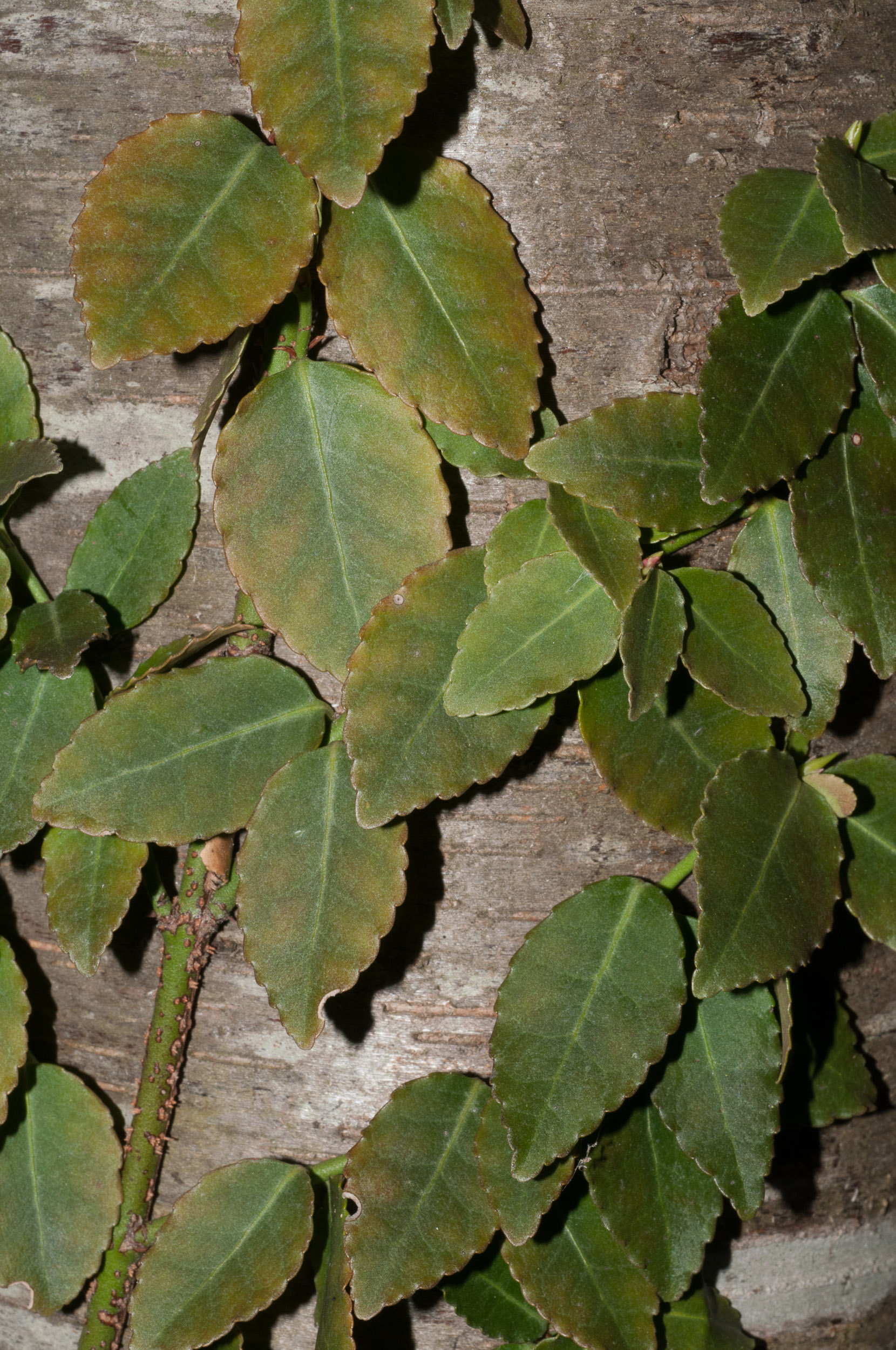
4/16/2013 · Beaver Brook Conservation Area, Hollis, New Hampshire · ≈ 4½ × 7″ (11 × 17 cm) 
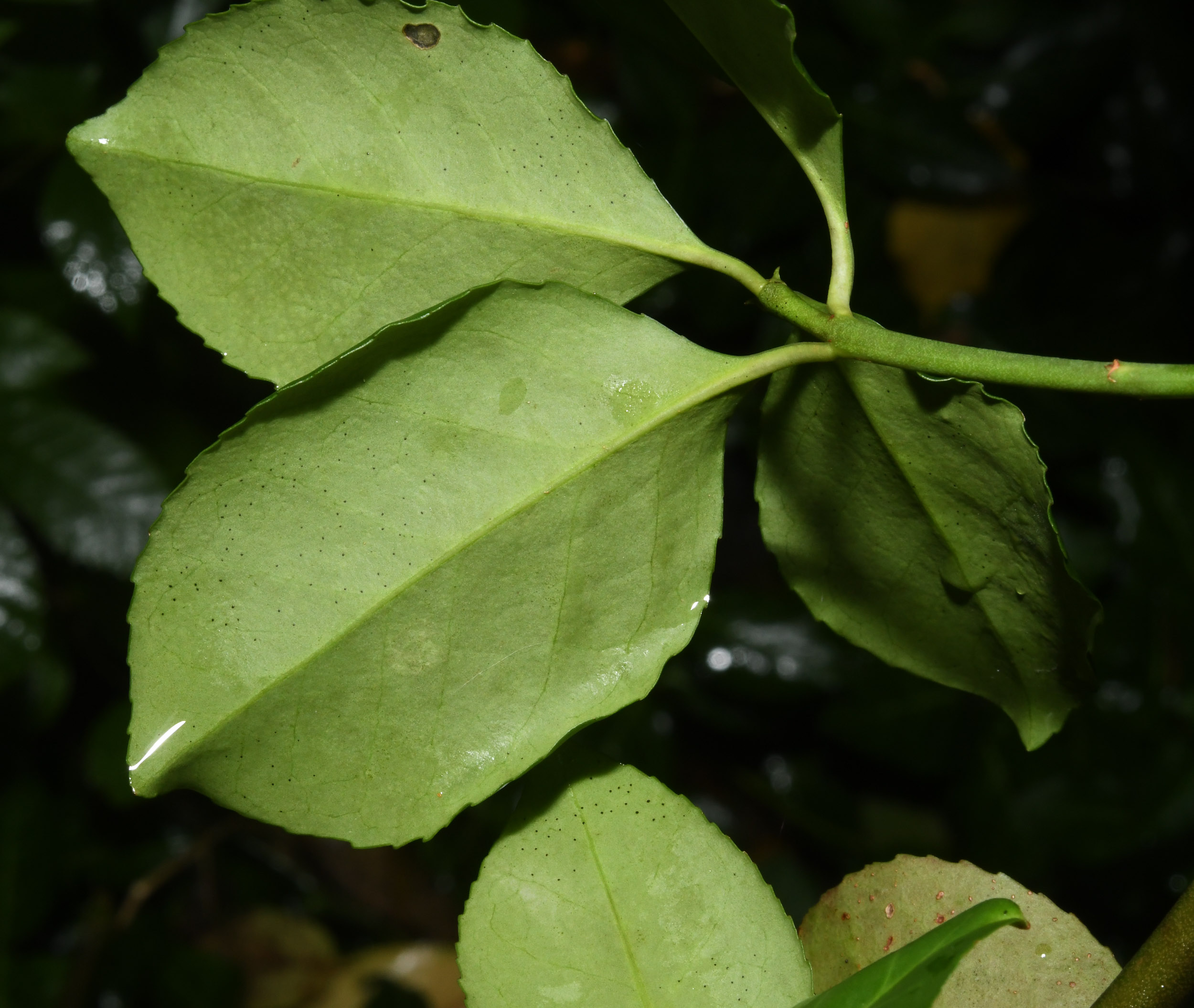
7/30/2016 · Huguenot Flatwater, James River Park System, Richmond, Virginia 
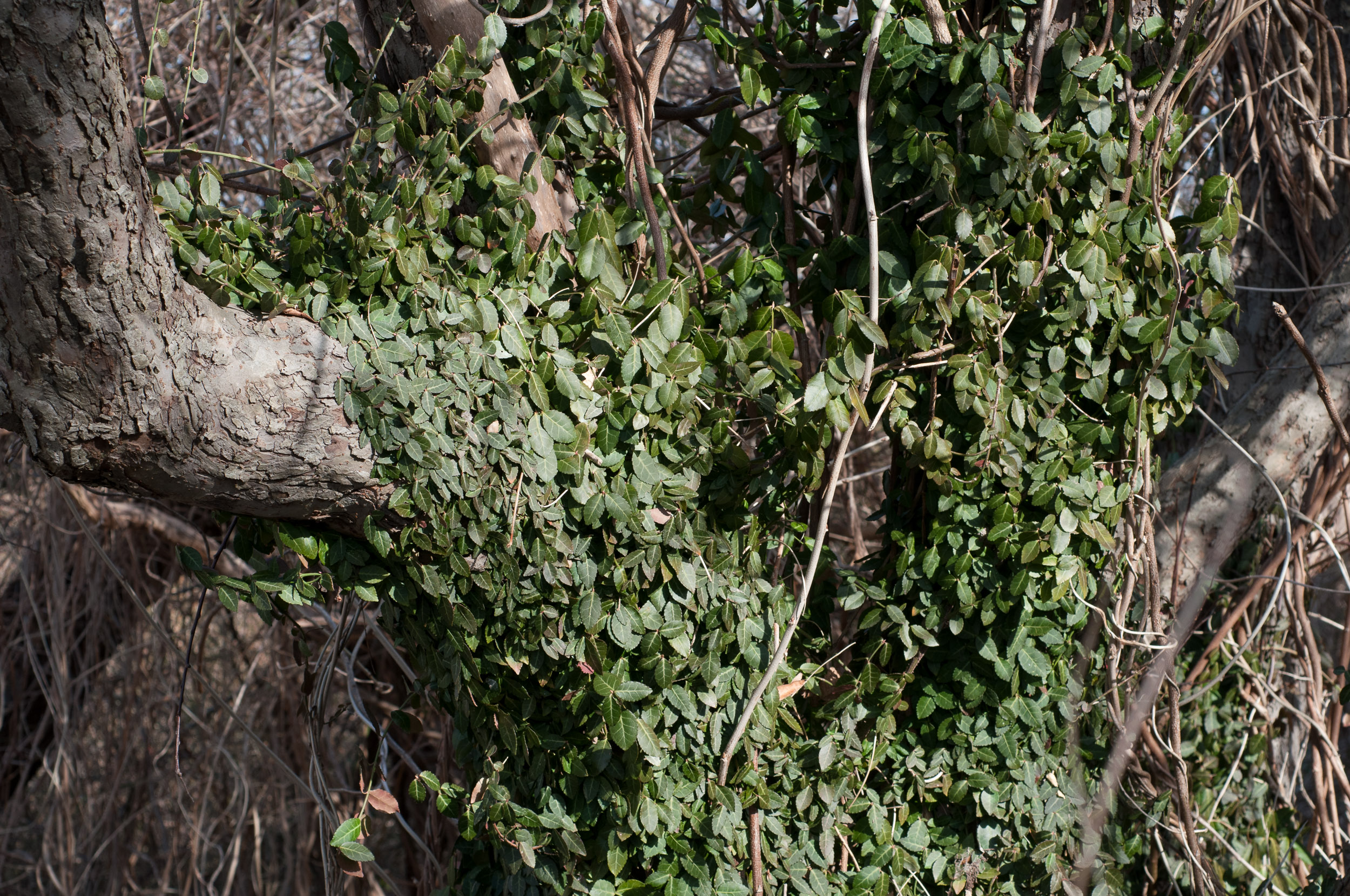
2/14/2012 · Halibut Point State Park, Rockport, Massachusetts 
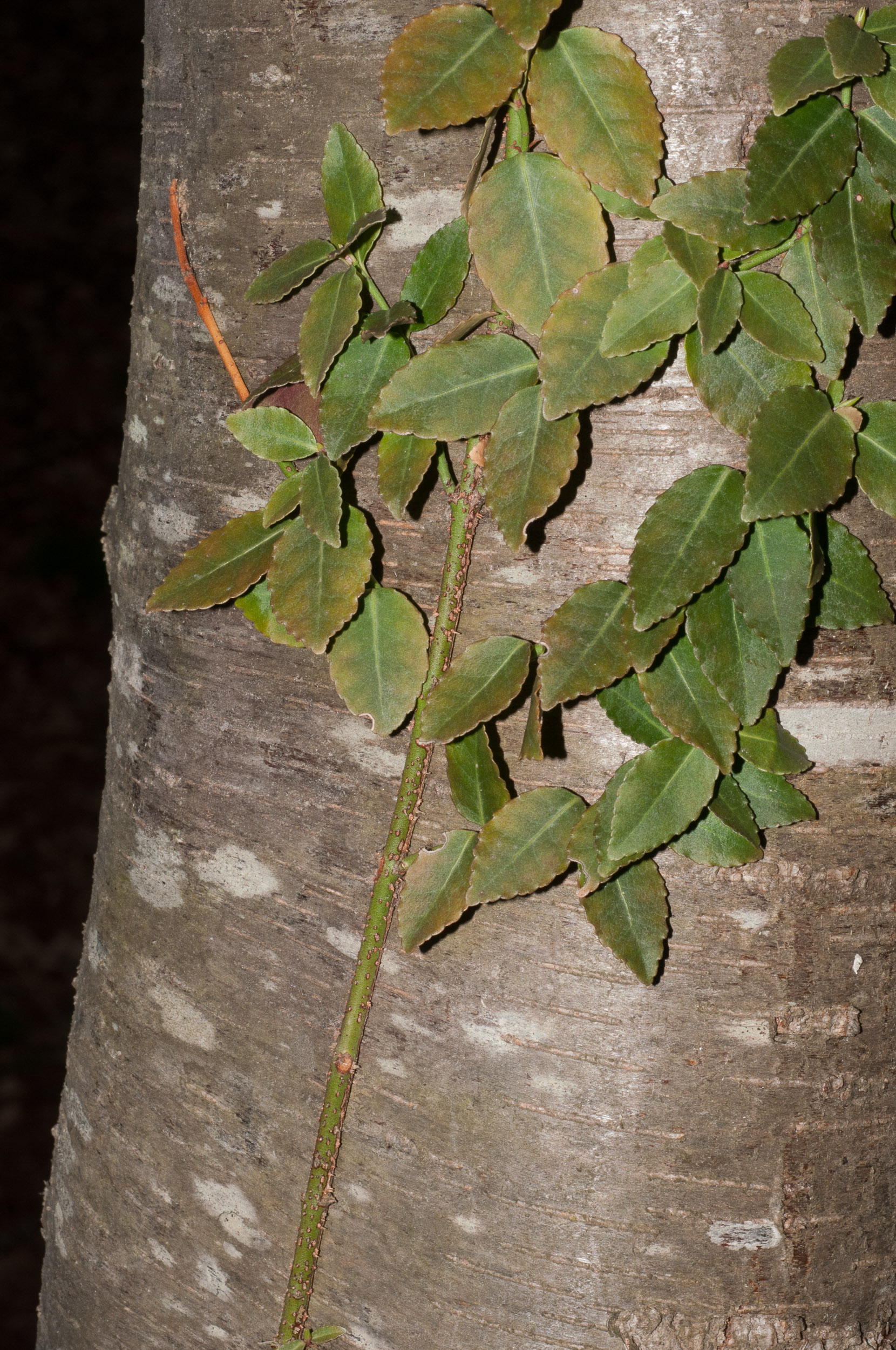
4/16/2013 · Beaver Brook Conservation Area, Hollis, New Hampshire · ≈ 7 × 11″ (18 × 27 cm) 
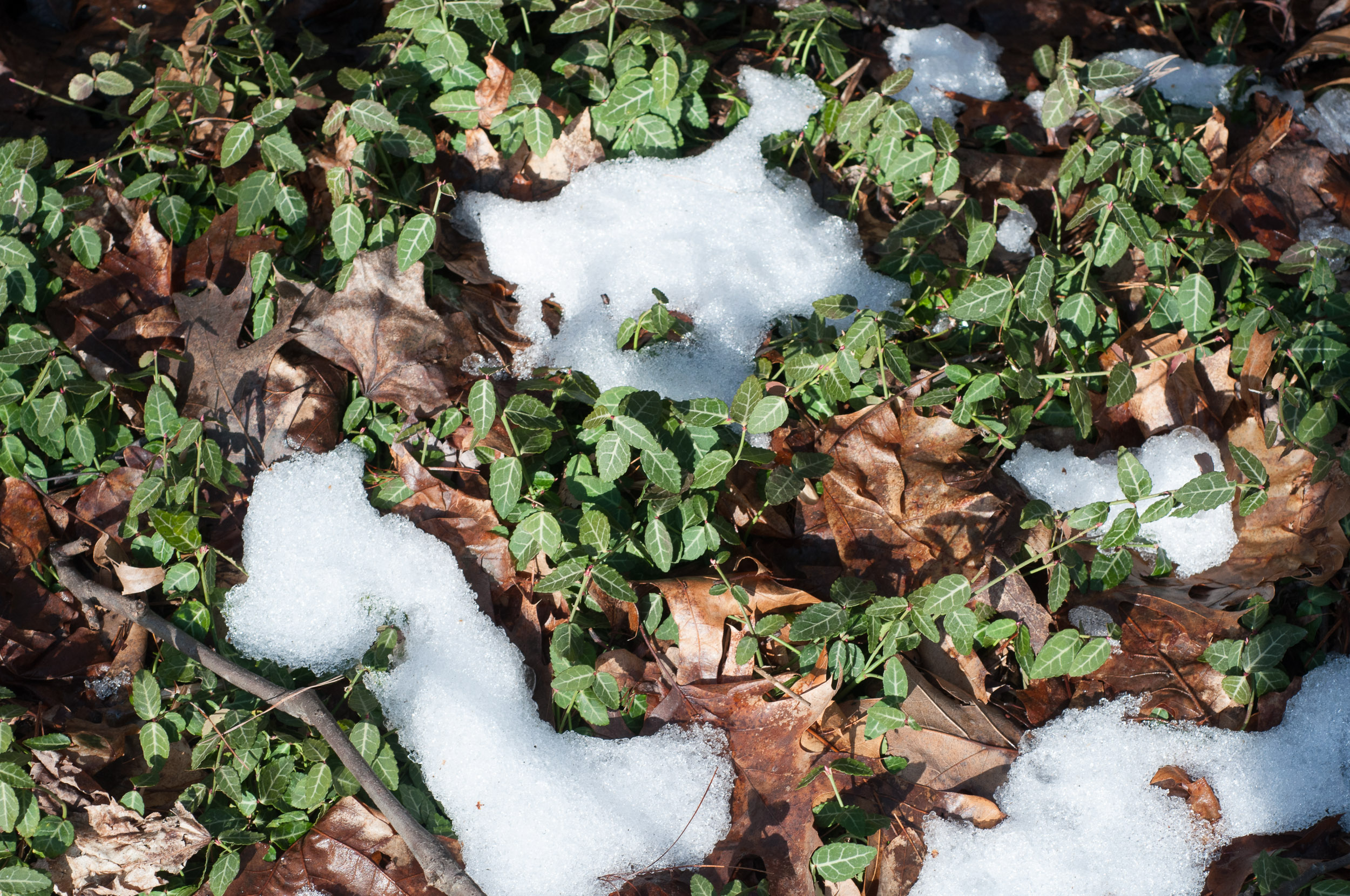
3/8/2012 · Nashua River Rail Trail, Ayer, Ayer, Massachusetts · ≈ 2 × 1′ (62 × 41 cm) 

2/3/2024 · Pond Meadow Park, East Braintree, Massachusetts 
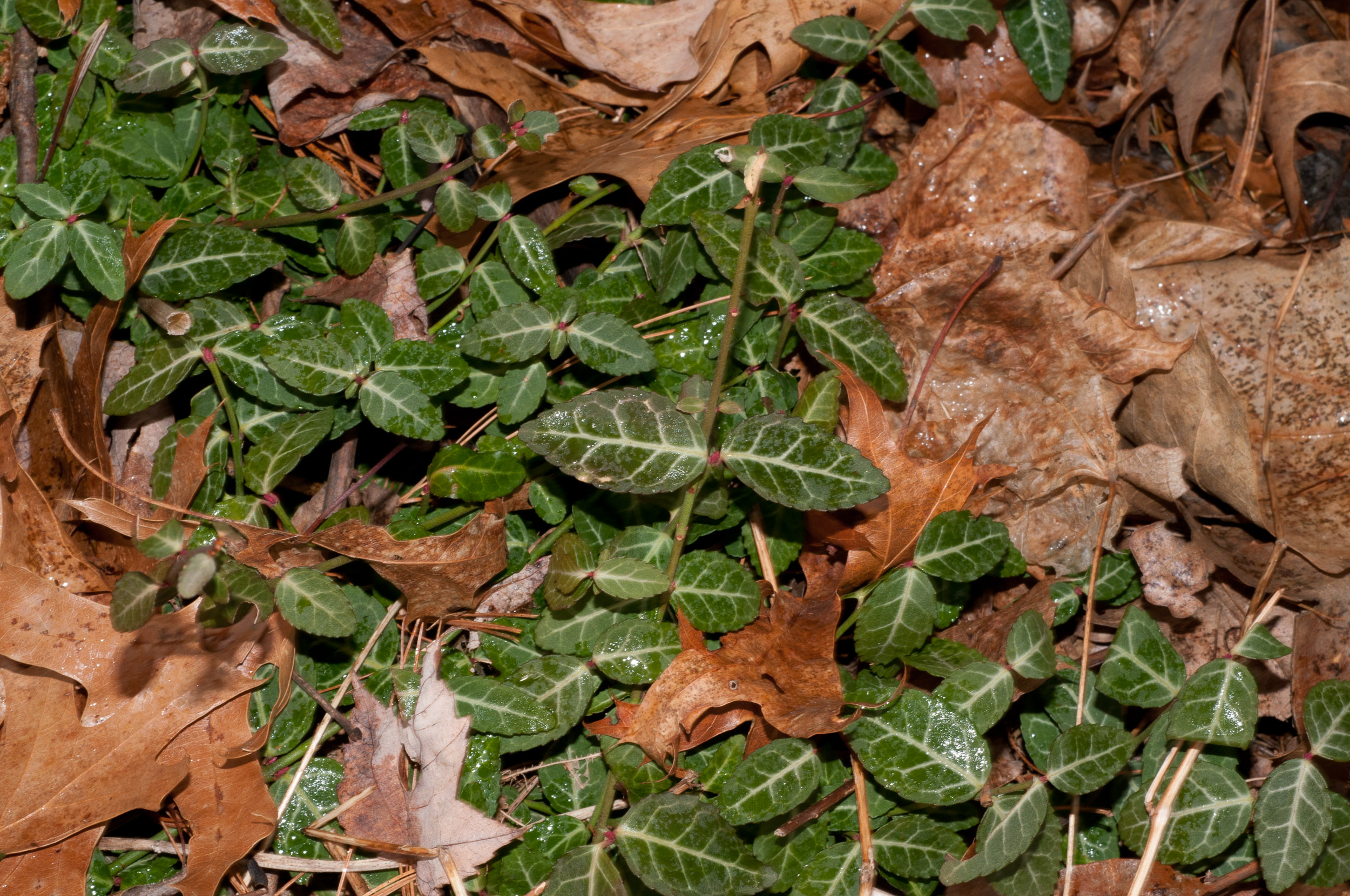
2/11/2012 · Nashua River Rail Trail, Ayer, Massachusetts · ≈ 12 × 8″ (31 × 20 cm) 

2/3/2024 · Pond Meadow Park, East Braintree, Massachusetts 
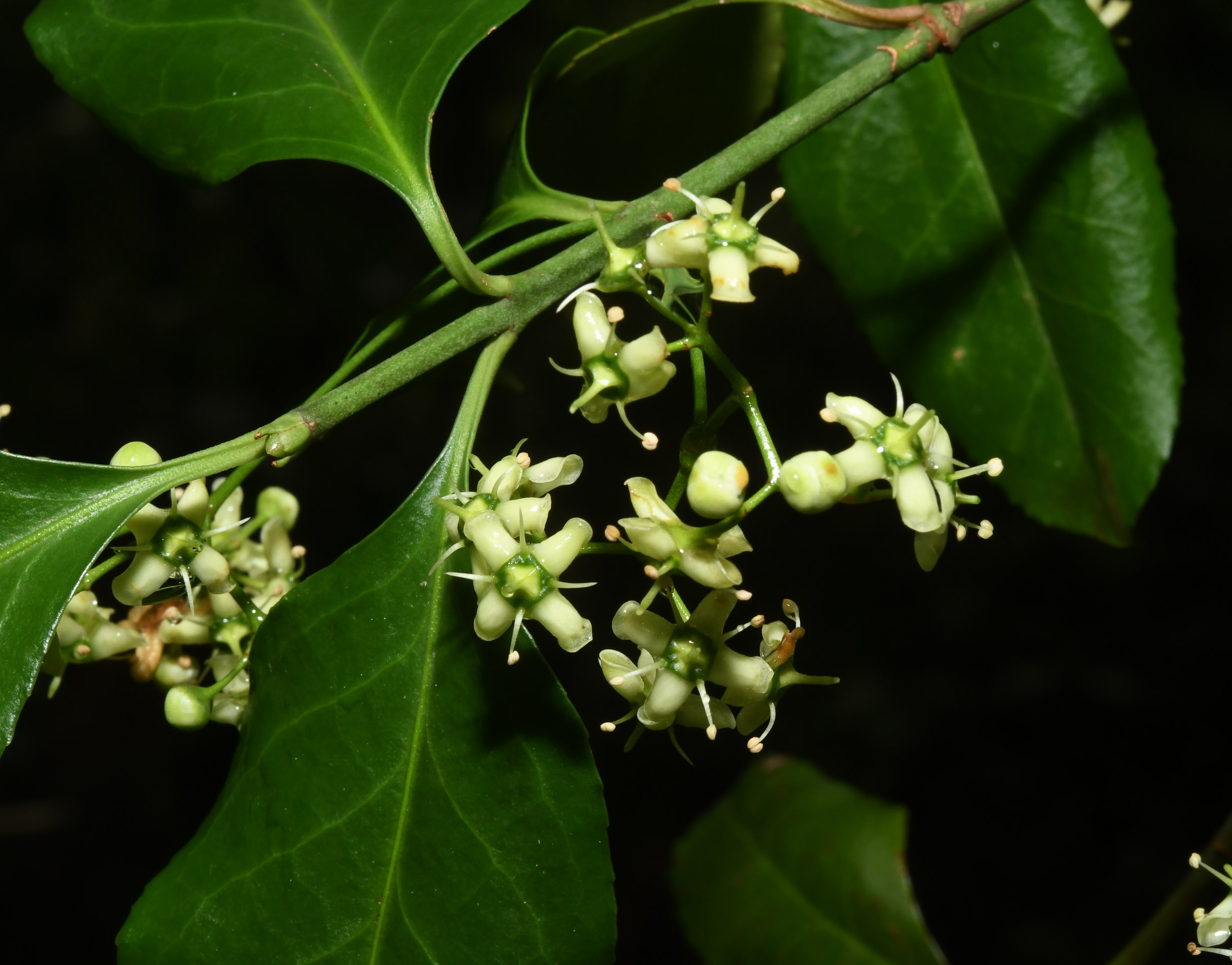
7/30/2016 · Huguenot Flatwater, James River Park System, Richmond, Virginia 

2/3/2024 · Pond Meadow Park, East Braintree, Massachusetts 
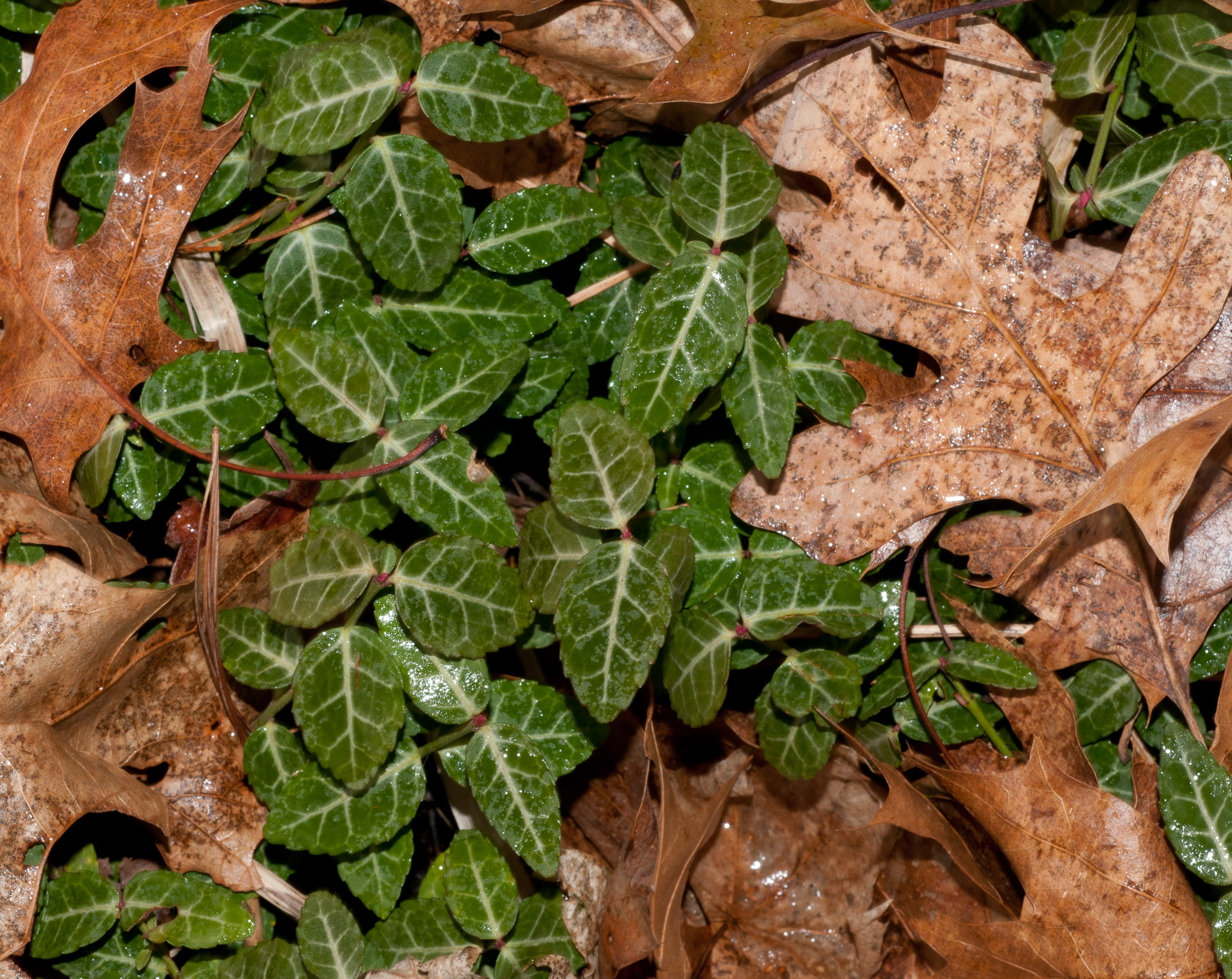
2/11/2012 · Nashua River Rail Trail, Ayer, Massachusetts · ≈ 8 × 6″ (19 × 15 cm) 
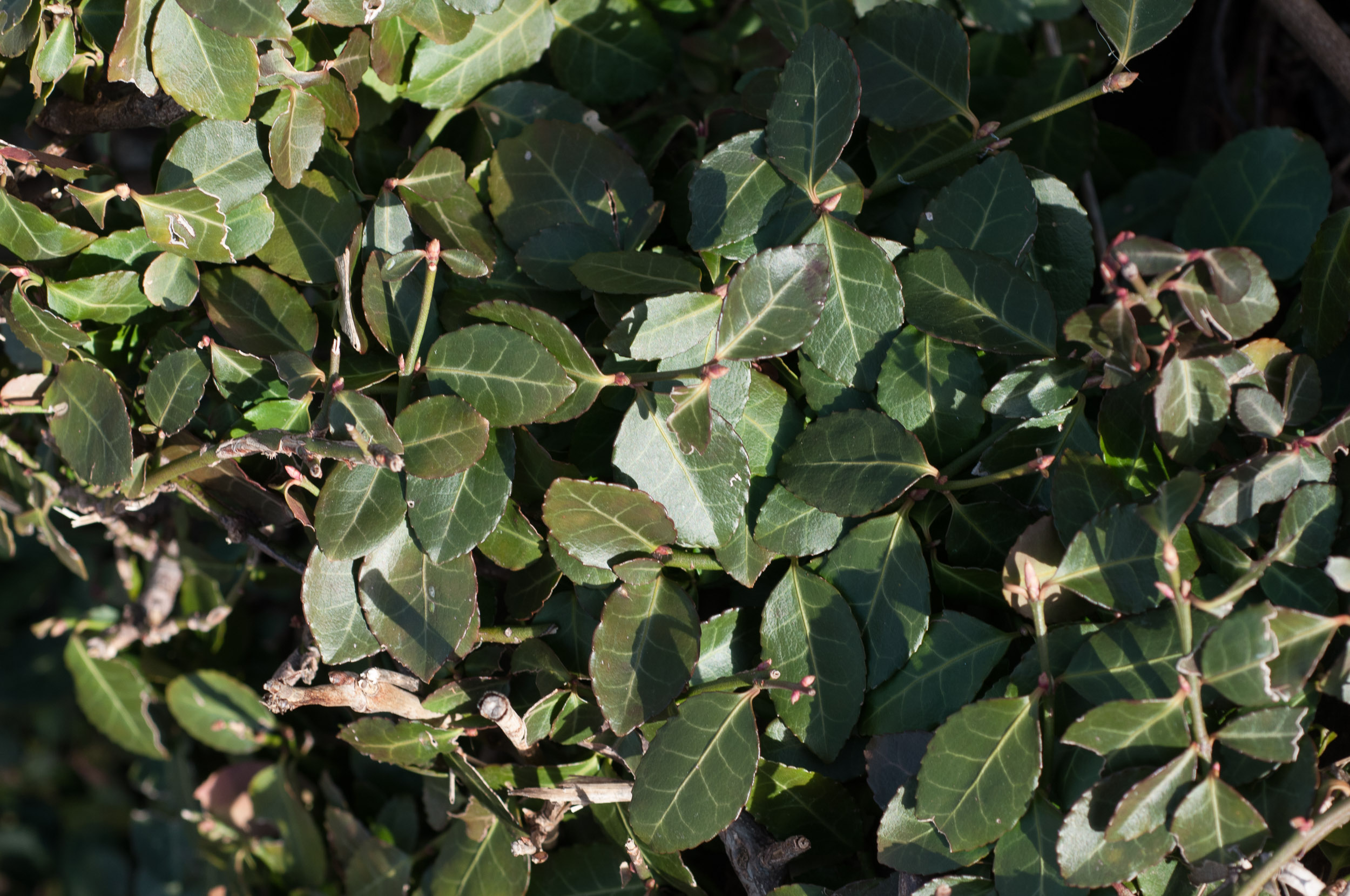
2/14/2012 · Halibut Point State Park, Rockport, Massachusetts · ≈ 11 × 7″ (27 × 18 cm) 

4/6/2012 · North Central Railroad Trail, Sparks, Maryland · ≈ 9 × 7″ (21 × 18 cm) 

2/3/2024 · Pond Meadow Park, East Braintree, Massachusetts 
| Kingdom | Plantae | Plants, but not fungi, lichens, or algae (from Stearn's Botanical Latin) |
| Subkingdom | Tracheobionta | Vascular plants—plants with a “circulatory system” for delivering water and nutrients |
| Division | Magnoliophyta | Flowering plants, also known as angiosperms |
| Class | Magnoliopsida | Dicotyledons—plants with two initial seed leaves |
| Subclass | Rosidae | Roses, legumes, proteas, dogwoods, hydrangeas, mistletoes, euphorbias, grapes, many more |
| Order | Celastrales | About 1300 varied mostly tropical and subtropical plants |
| Family | Celastraceae | Staff vine or bittersweet family of vines, shrubs and small trees |
| Genus | Euonymus | From the Greek eu, “good,” and onoma, “a name” |
| Species | fortunei | Scottish horticulturist and plant collector in China Robert Fortune (1812-1880) |
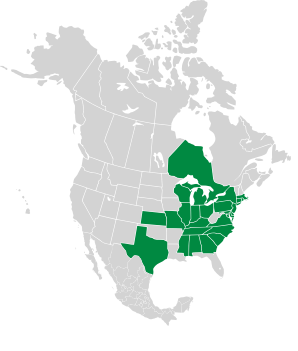
Euonymus fortunei description by Thomas H. Kent, not updated.

© FloraFinder.org. All rights reserved.