Lepidium virginicum L.
Peppergrass, Virginia pepperweed
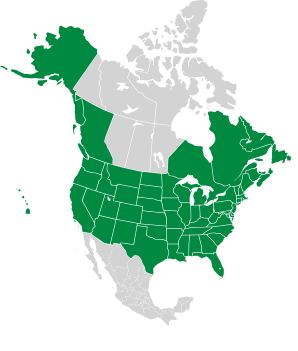
Peppergrass, a member of the mustard family, is named for its pepper-like flavor. It is native to the eastern United States, but widely distributed elsewhere. It has been used as a flavoring agent for thousands of years.
Plants: Plants start life as a low-growing rosette. (At least that’s what I read—they don’t attract much notice and I couldn’t find photos of them.) Later, stems, sometimes branched, reach 9–18″ (22–45 cm) in height.
Leaves: The basal rosette leaves are spatula-shaped, sometimes toothed or lobed, 1–4 ⨉ ¼–1″ (2.5–10 cm ⨉ 6.3–25 mm). Stem leaves are up to 3½ ⨉ ¾″ (8.9 ⨉ 1.9 cm), more linear, less often toothed, and sessile (connected directly to the stem).
Flowers: Flowers form cylindrical racemes 2–4″ (5–10 cm) long, with tiny white flowers. Each flower is less than ⅛″ (3.2 mm) around, has four white petals and four green sepals.
Fruits: Flowers are replaced by seedpods, working up from the bottom. Each seedpod somewhat resembles a little spoon: it is flat, oval, with a central dividing partition and a small notch at the end, on a petiole about ¼″ (6.3 mm) long. They are green, turning to brown. Sometimes the entire dried seed head breaks off and is carried elsewhere by the wind.
Habitats: On roadsides, in fields, waste areas, distrubed sites, prairies, and pastures.
Edibility: Young leaves, which contain protein, iron, and vitamins A and C, can be sautéed or used in salads. Seedpods can substitute for black pepper. Roots, washed, crushed and mixed with vinegar, produce a horseradish substitute.
Medical: Preparations made from the roots have historically been used for both the treatment of diarrhea and constipation. Think about it! There are no substantiated medical uses of this species.
Online References:
References:
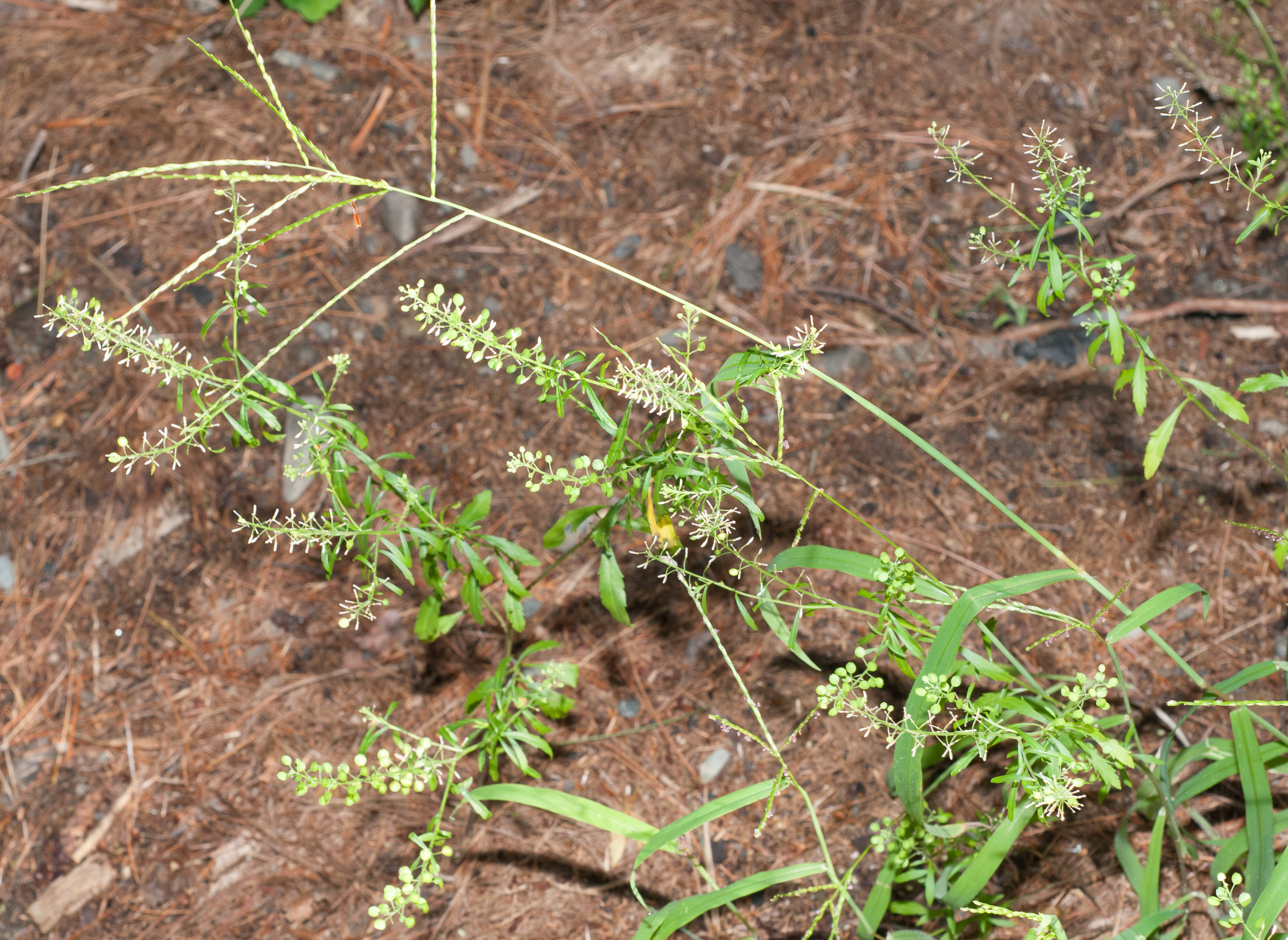
8/25/2009 · Nashua River Rail Trail, East Pepperell, Massachusetts · ≈ 16 × 12″ (40 × 29 cm) 
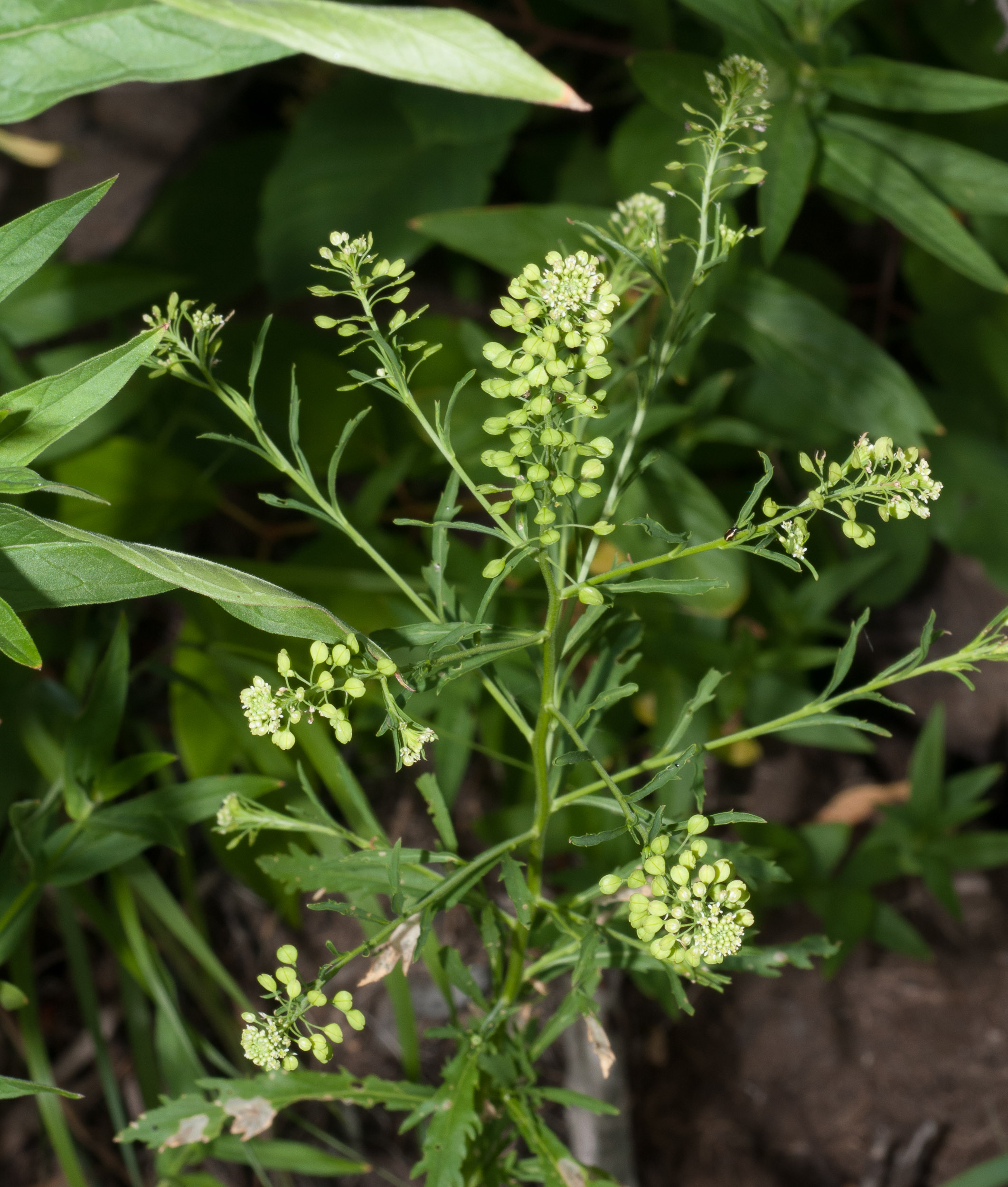
7/9/2010 · Nashua River Rail Trail, Groton Center, Groton, Massachusetts · ≈ 6 × 7″ (15 × 18 cm) 
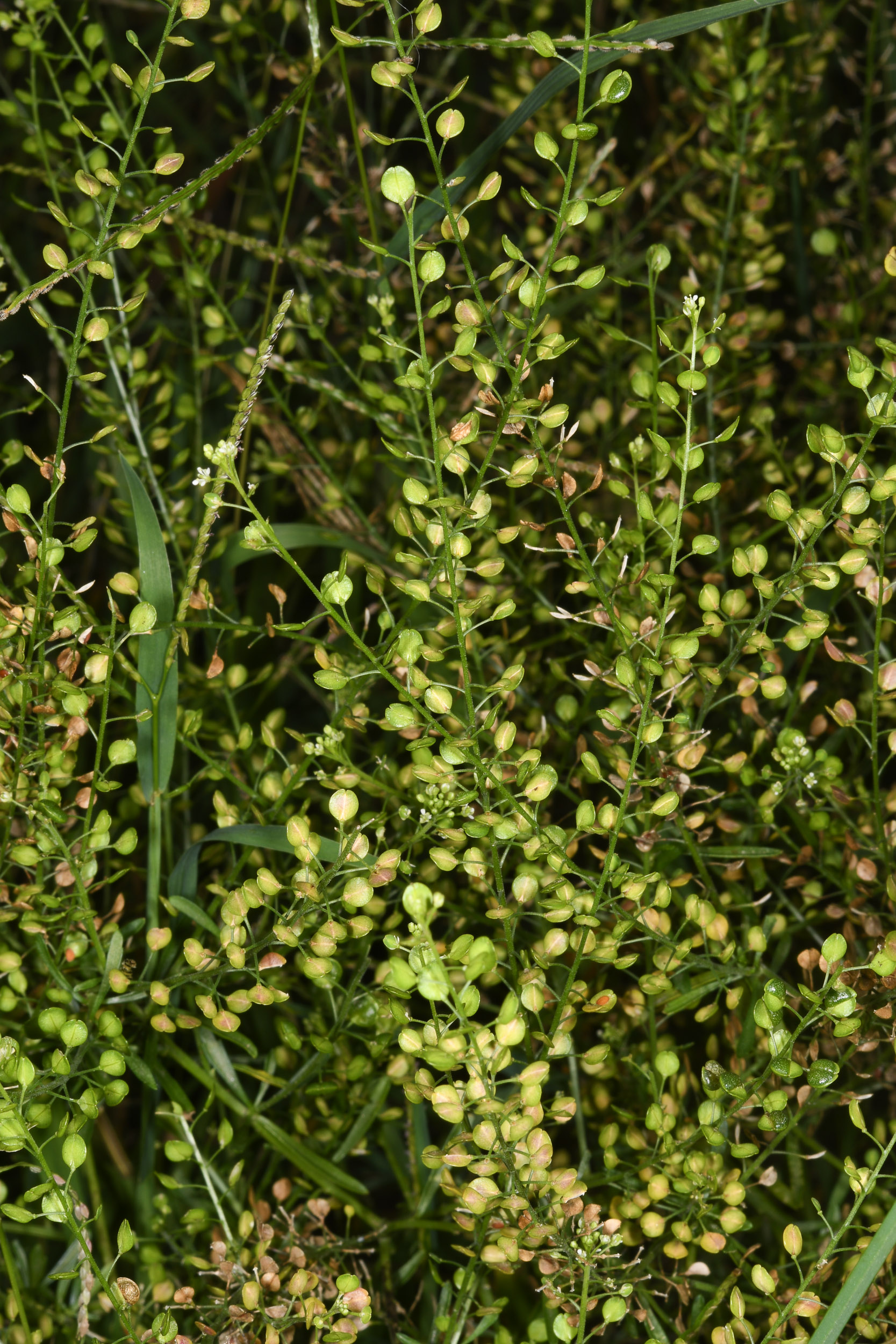
9/10/2016 · Arlington St., Groton, Massachusetts 
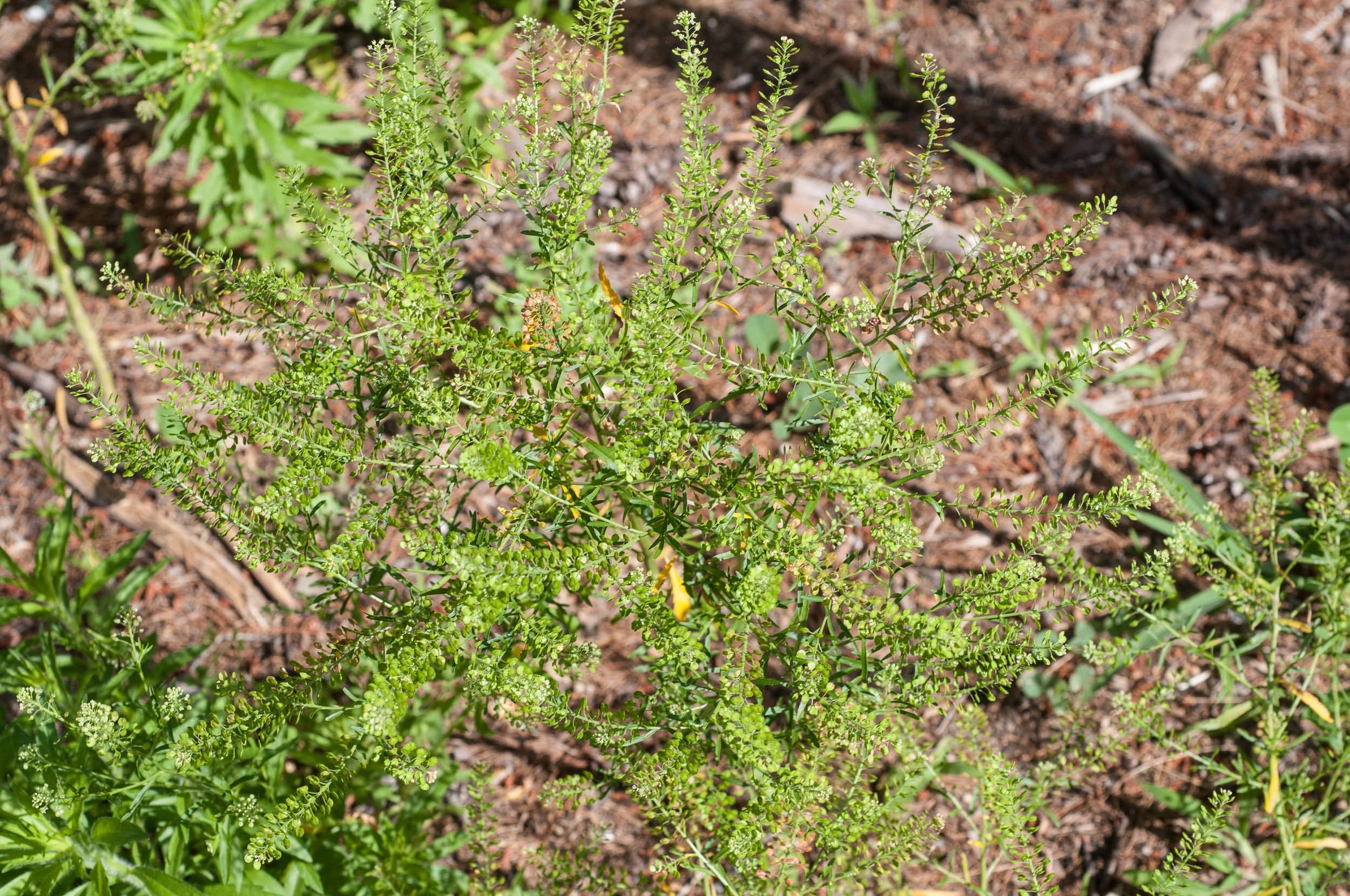
6/23/2012 · Nashua River Rail Trail, East Pepperell, Pepperell, Massachusetts · ≈ 17 × 12″ (44 × 29 cm) 
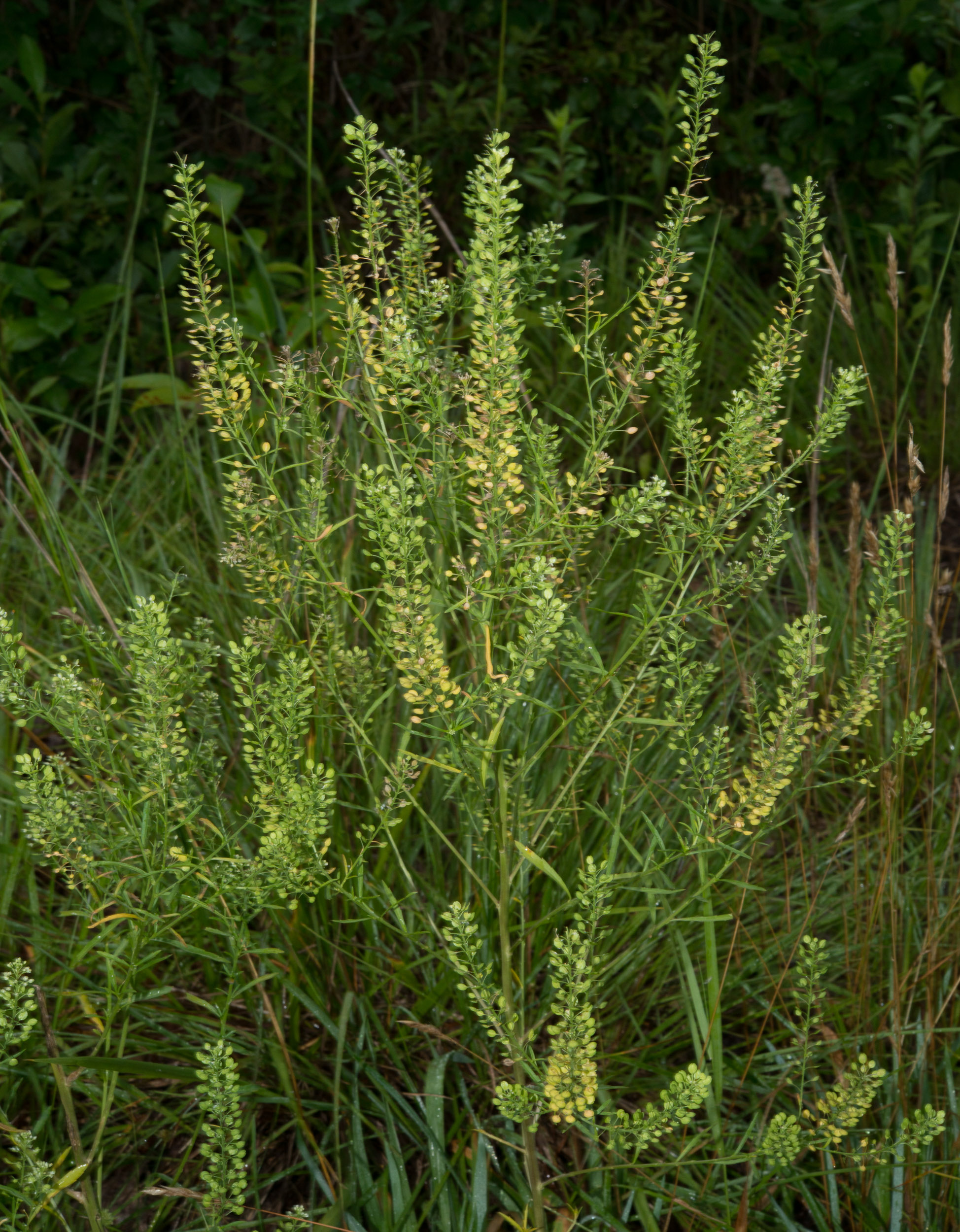
7/11/2013 · Nashua River Rail Trail, Groton Center, Groton, Massachusetts · ≈ 1 × 1′ (31 × 40 cm) 
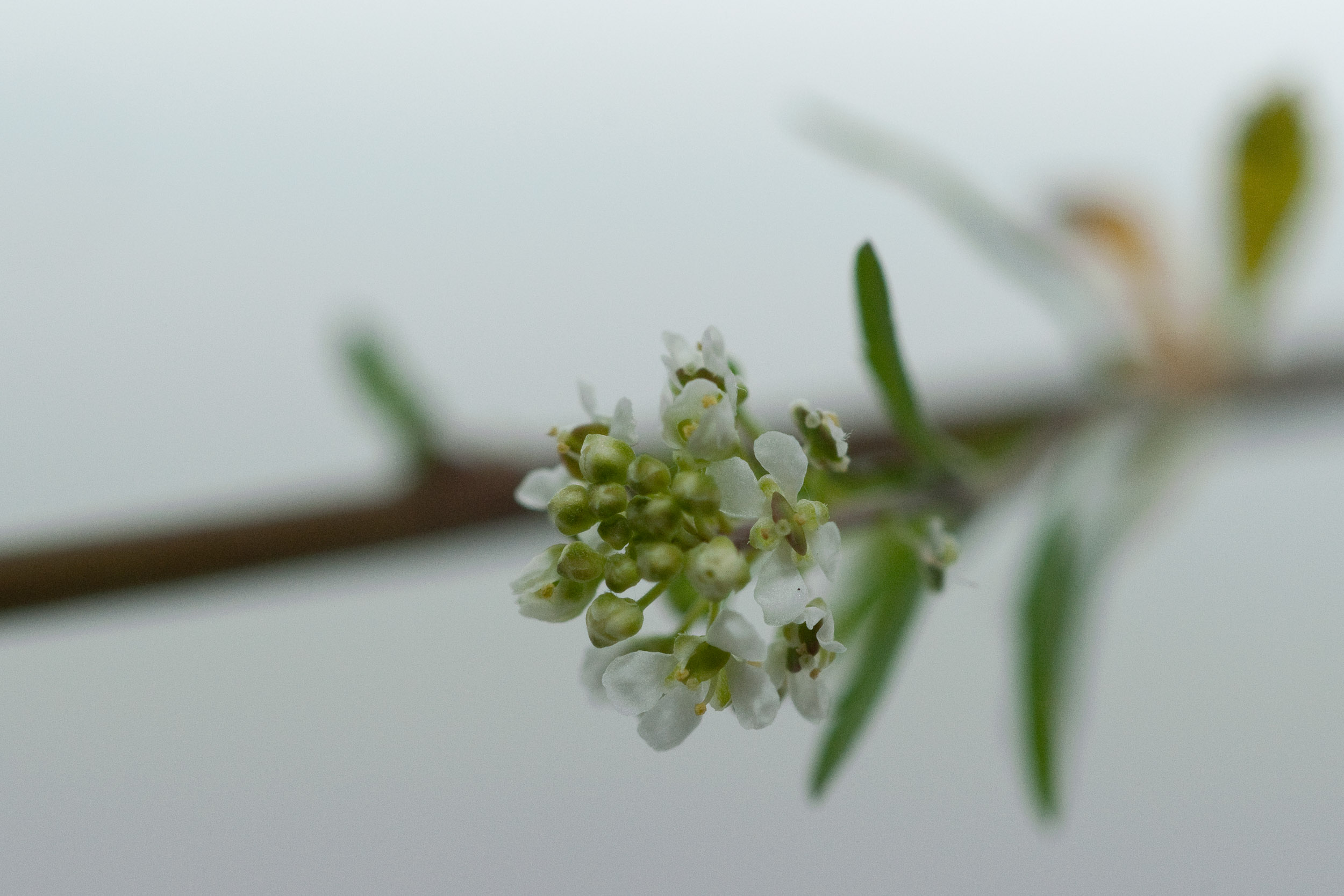
11/5/2009 · Pepperell, Massachusetts · ≈ 2½ × 1½″ (6.4 × 4.3 cm) 
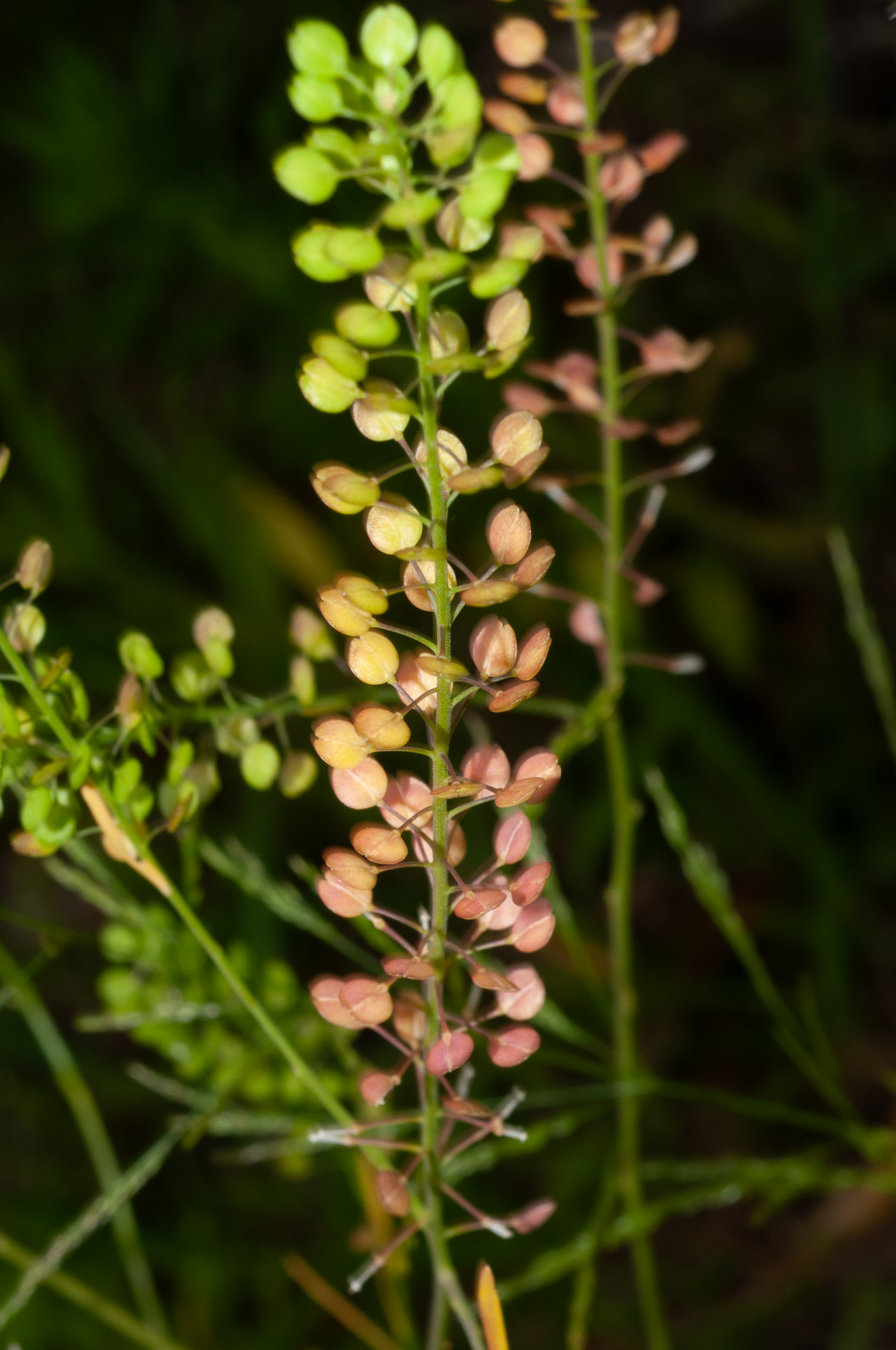
6/26/2012 · Nashua River Rail Trail, Dunstable, Dunstable, Massachusetts · ≈ 5 × 3½″ (13 × 9.2 cm) 
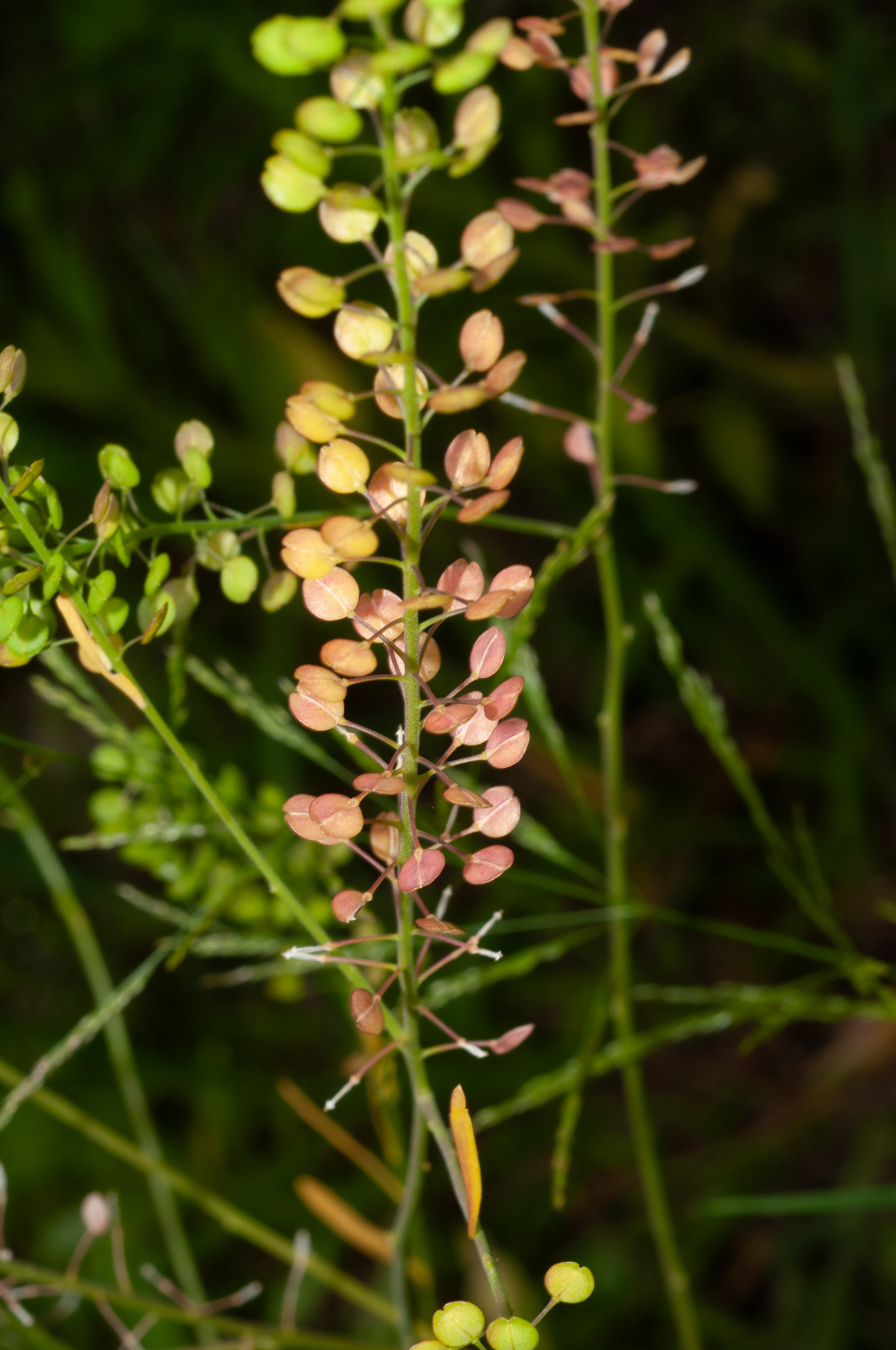
6/26/2012 · Nashua River Rail Trail, Dunstable, Dunstable, Massachusetts · ≈ 5 × 3½″ (13 × 9.2 cm) 
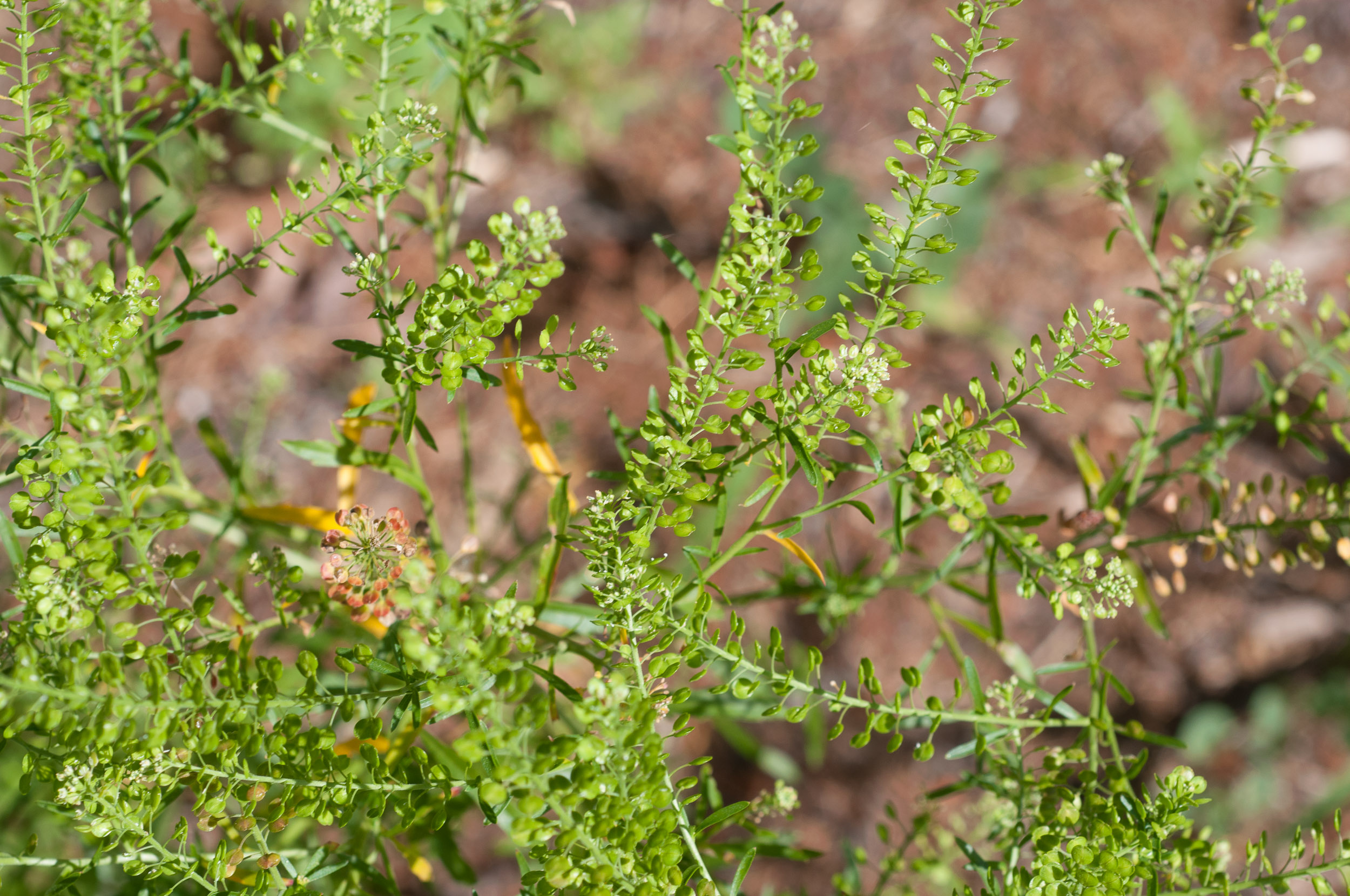
6/23/2012 · Nashua River Rail Trail, East Pepperell, Pepperell, Massachusetts · ≈ 9 × 6″ (23 × 15 cm) 
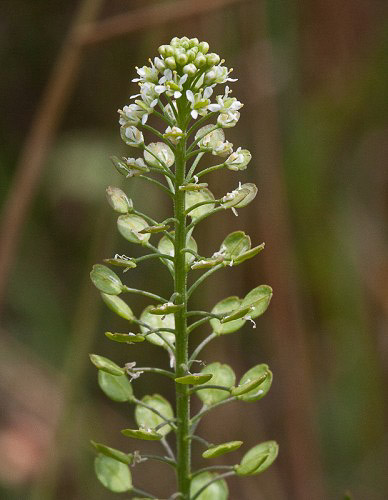
1/5/2026 · By Jacquelyn Boyt 
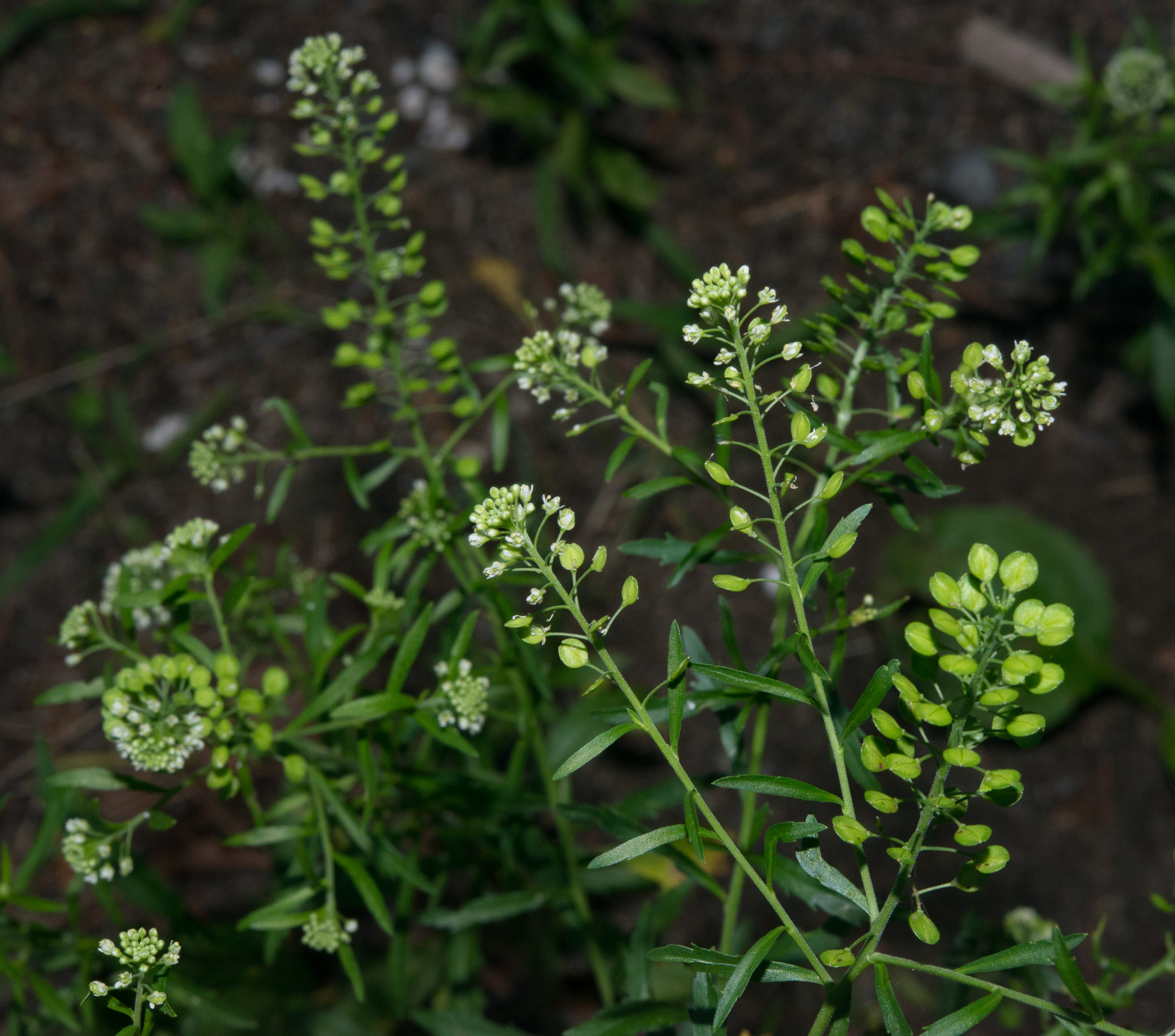
7/4/2013 · Maine · ≈ 6 × 5″ (14 × 12 cm) 
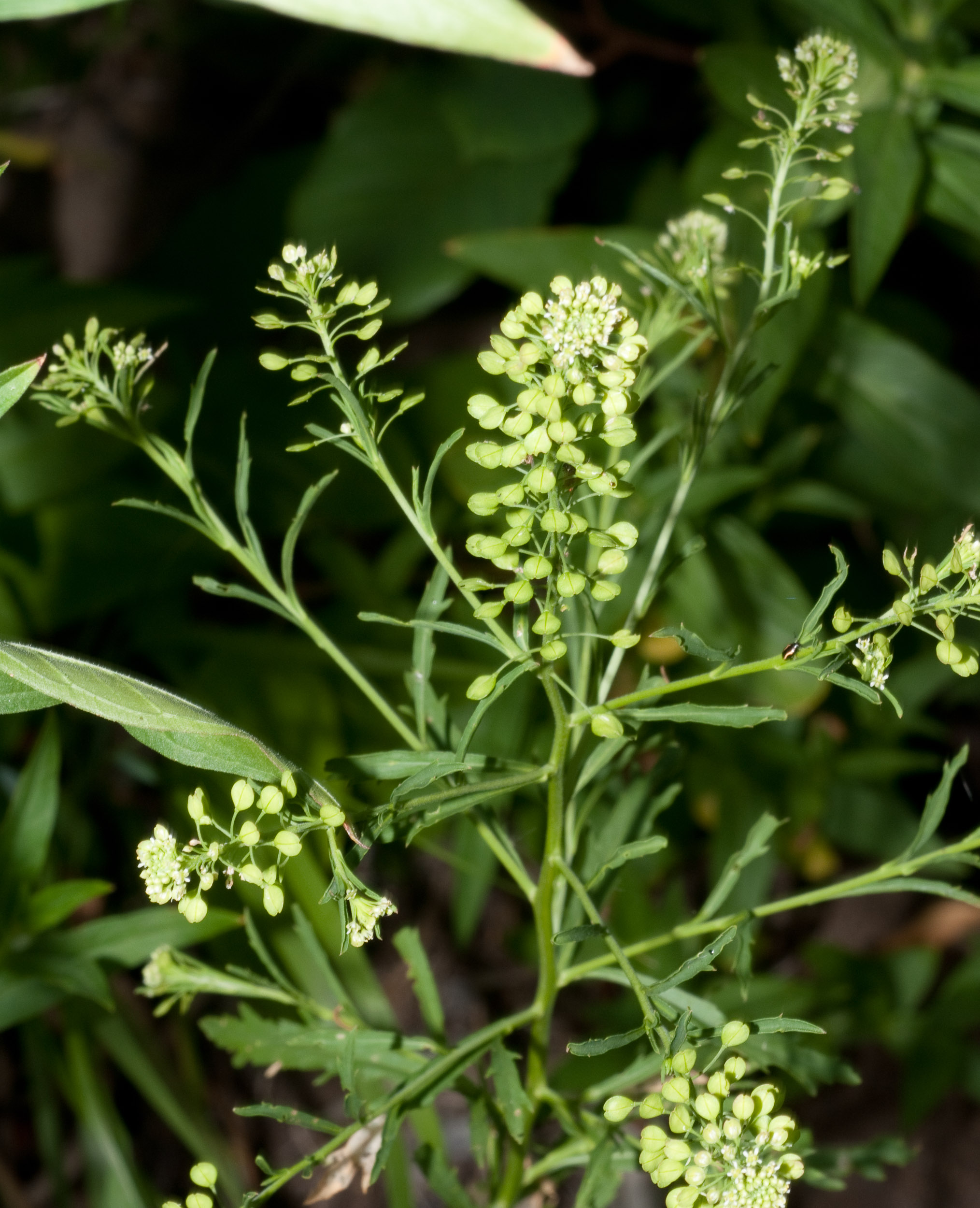
7/9/2010 · Nashua River Rail Trail, Groton Center, Groton, Massachusetts · ≈ 5 × 6″ (13 × 16 cm) 
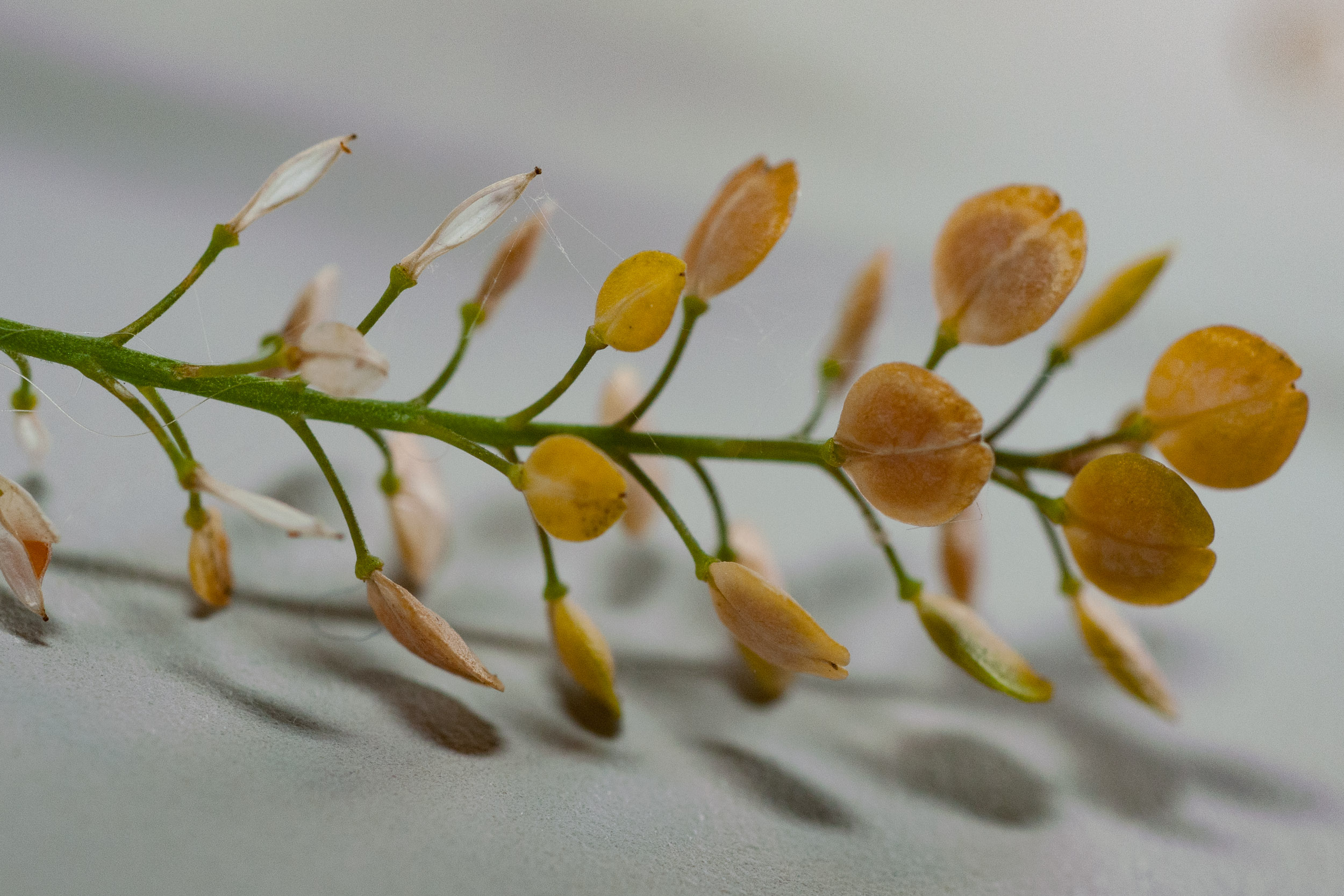
11/5/2009 · Pepperell, Massachusetts · ≈ 2½ × 1½″ (6.3 × 4.2 cm) 
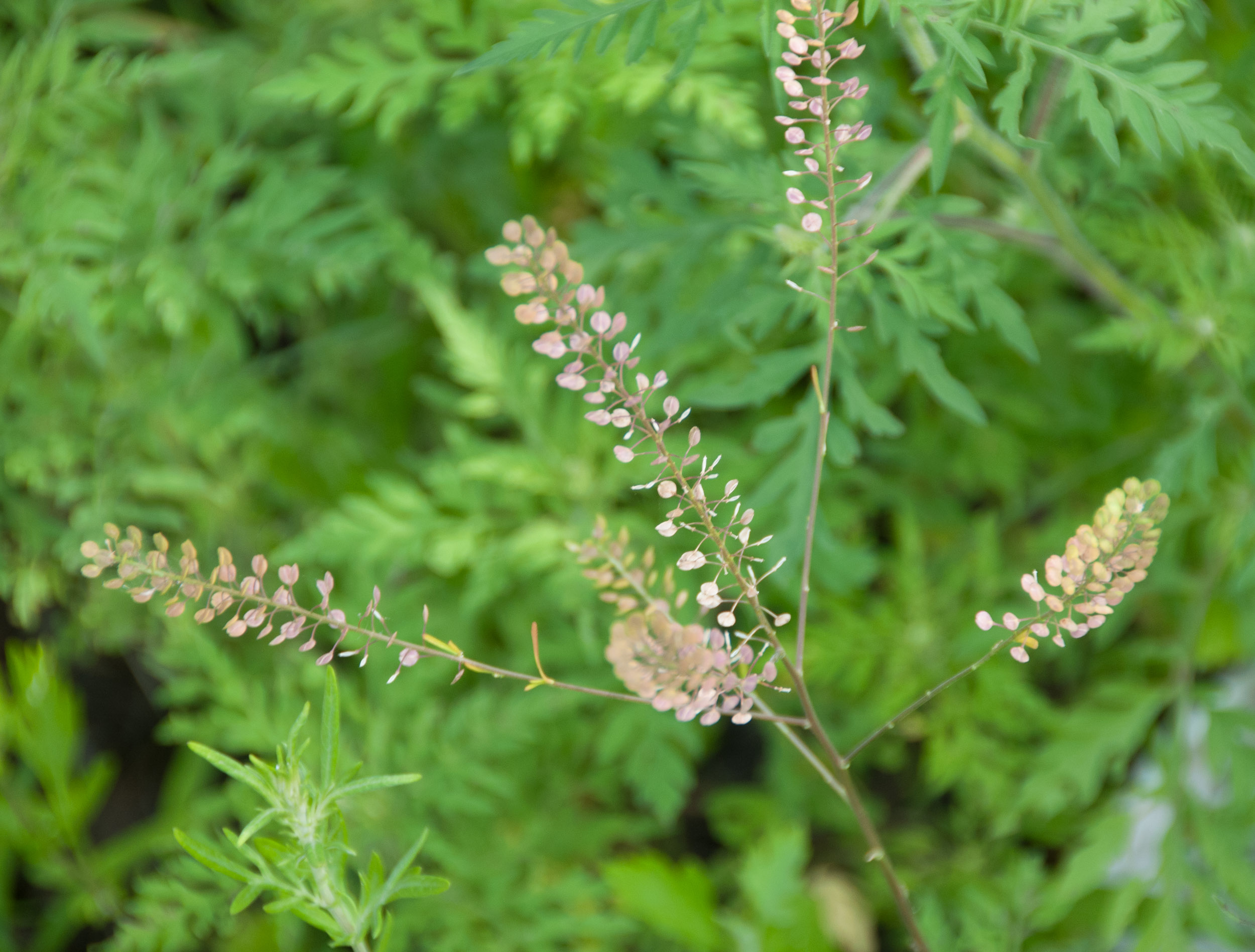
7/28/2009 · Near Nashua River Boat Ramp, Groton, Massachusetts · ≈ 6 × 4½″ (16 × 12 cm)  ID is uncertain
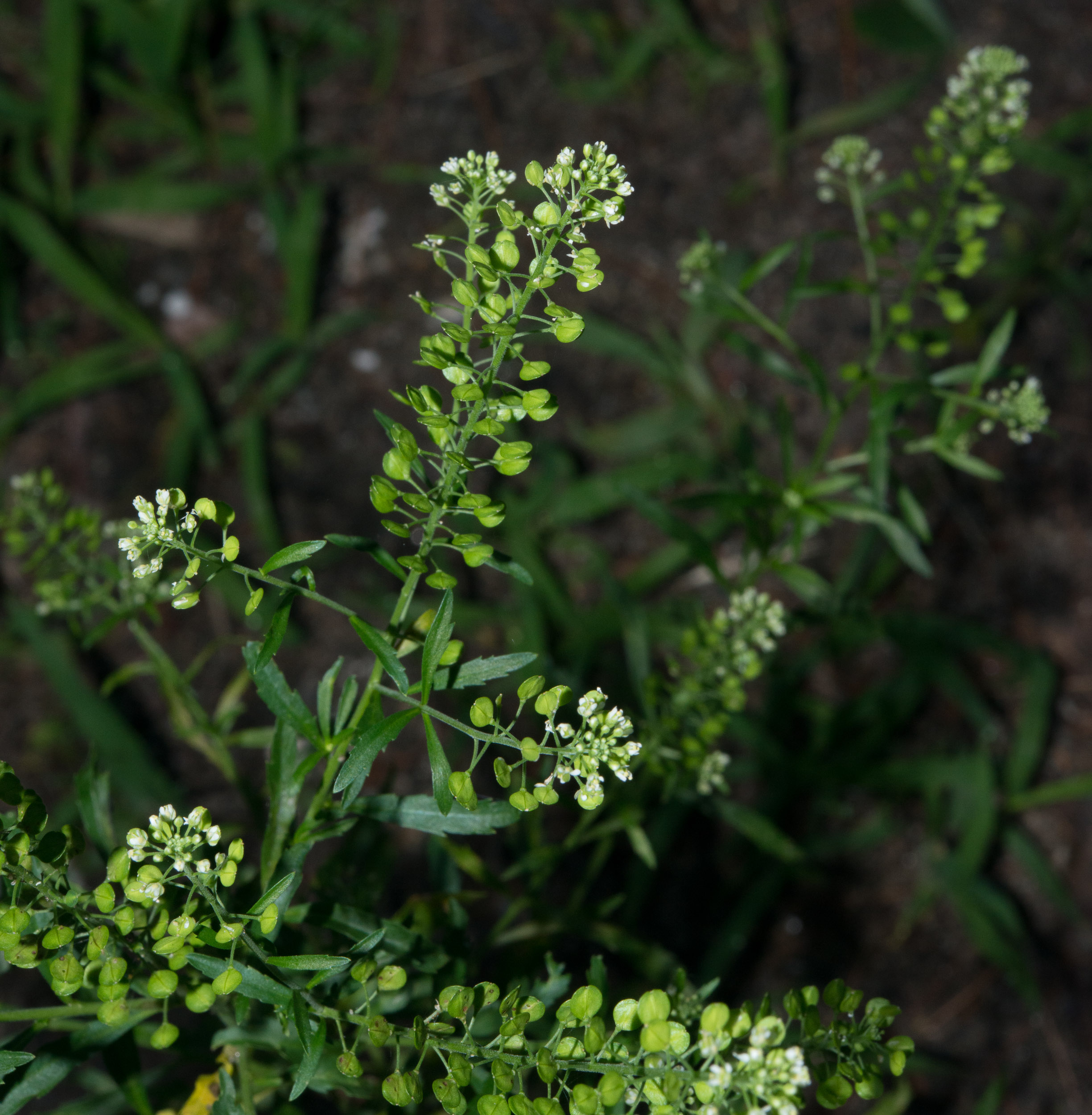
7/4/2013 · Maine · ≈ 5 × 5″ (13 × 13 cm) 
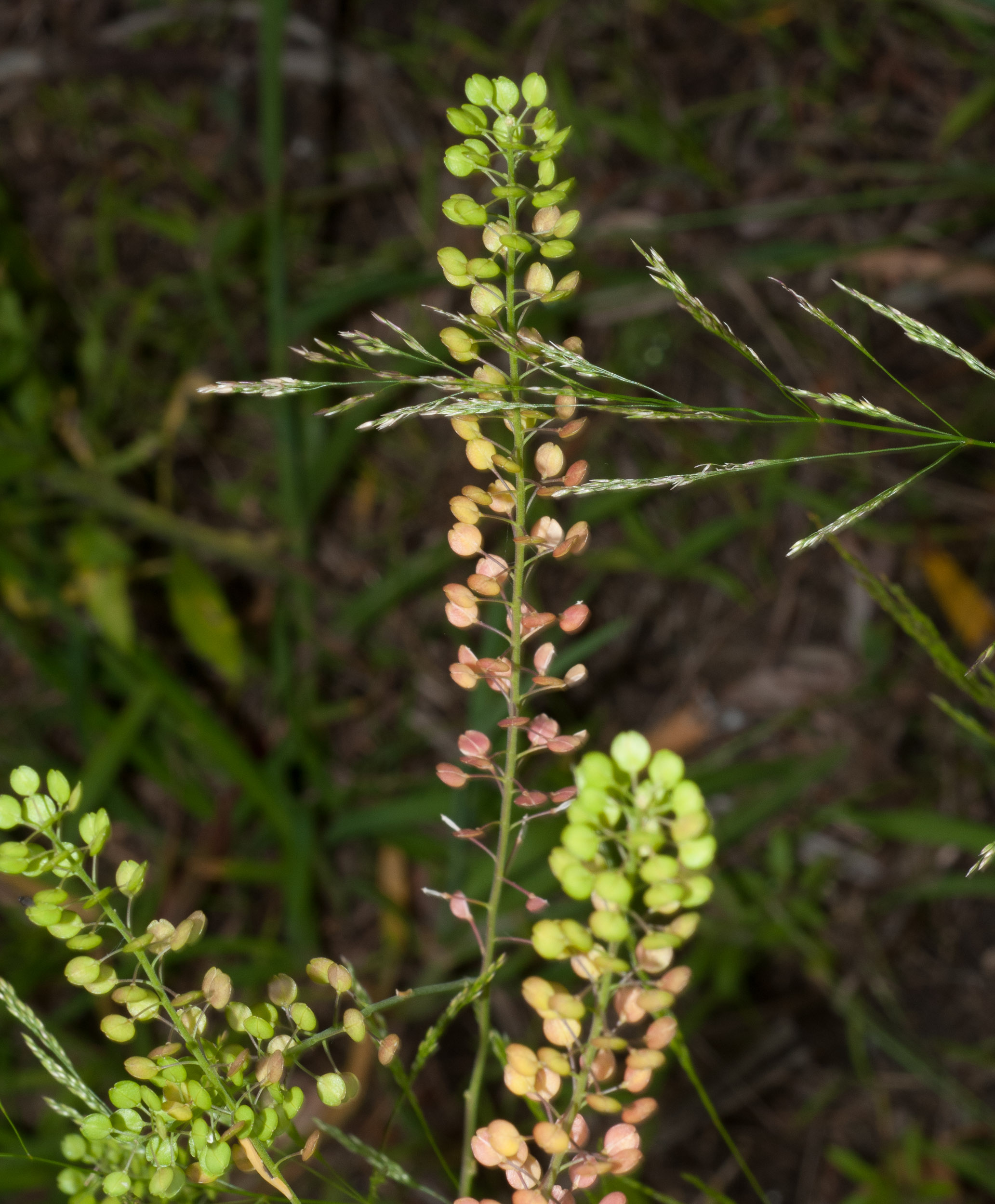
6/26/2012 · Nashua River Rail Trail, Dunstable, Dunstable, Massachusetts · ≈ 6 × 5″ (15 × 13 cm) 
| Kingdom | Plantae | Plants, but not fungi, lichens, or algae (from Stearn's Botanical Latin) |
| Subkingdom | Tracheobionta | Vascular plants—plants with a “circulatory system” for delivering water and nutrients |
| Division | Magnoliophyta | Flowering plants, also known as angiosperms |
| Class | Magnoliopsida | Dicotyledons—plants with two initial seed leaves |
| Subclass | Rosidae | Roses, legumes, proteas, dogwoods, hydrangeas, mistletoes, euphorbias, grapes, many more |
| Order | Brassicales | Mustard, cabbage, caper, papaya, nasturtiums, many others; most produce mustard oil |
| Family | Brassicaceae | Mustards, cabbages |
| Genus | Lepidium | From Greek lepidion, “little scale,” because the fruit pods resemble small balances |
| Species | virginicum | “From Virginia” |
Lepidium virginicum description by Thomas H. Kent, not updated.

© FloraFinder.org. All rights reserved.