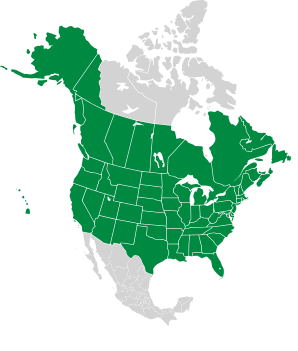
Melilotus albus Medik.
Melilotus albus Medik. var. annuus Coe
Melilotus arvensis Wallr.
Melilotus leucanthus W.D.J. Koch ex DC.
Melilotus lutea Gueldenst.
Melilotus officinalis (L.) Lam. var. micranthus O.E. Schulz
Melilotus officinalis (L.) Lam.
White sweet clover, yellow sweet clover, sweet clover
Those botanists. Always changing the rules. Sweet clover, so-called for its sweet, haylike scent, used to come in several varieties, notably white (Melilotus alba) and yellow (M. officinalis). Now they are considered one and the same, at least according to the USDA Plants Database, which we use as the standard for herbaceous plant names. It isn’t the botanists’ fault though. Naming plants in a way that reflects their relationships to each other is a complex and subtle business. Sweet clovers are European and Asian natives, introduced and now widespread in North America, and invasive in some habitats.
Plants: 2–7′ (60–213 cm) tall, often branched, bushy or gangly in appearance. Stems are fairly straight but not necessarily erect; sometimes they sprawl along the ground or over other plants. They are hairless.
Leaves: Alternate, occurring in clover-like clusters of three. Leaflets are ¾ ⨉ ¼″ (1.9 cm ⨉ 6.3 mm), oval, with slightly toothed edges.
Flowers: Long, curving spikes contain tiny, pea-like flowers that are yellow or white. Each flower is ⅛–3/16″ (4–6 mm) long. The flower spikes are probably the most obvious identifying feature. Flowering occurs from June to September.
Fruits: Oval-shaped, 1/16–⅛″ (3–4 mm) long, with raised veins.
Habitats: Open disturbed land, prairies, and savannahs, in full or partial sunlight.
Edibility: Fresh young leaves, shoots, and seedpods can be eaten raw. However,
sweet clovers contain coumarin. While coumarin is responsible for their appealing smell, if the plants develop
mold, coumarin is converted to dicoumarol, a blood thinner that is poisonous in significant amounts.
Moldy or dried leaves may be toxic  !
(If you know someone taking Coumadin, a drug used in carefully controlled amounts to prevent clotting
of the blood, it is derived from dicoumarol.)
!
(If you know someone taking Coumadin, a drug used in carefully controlled amounts to prevent clotting
of the blood, it is derived from dicoumarol.)
Medical: Sweet clover has been used to treat a wide range of ailments, and there is some evidence that at least some of these treatments, such as for varicose veins, convey real benefits. However, given the blood-thinning effects of improperly harvested or prepared plants, we don’t recommend its use.
Online References:
Illinois Wildflowers (Melilotus officinalis)
Illinois Wildflowers (Melilotus alba)
Southeastern Arizona Wildflowers and the Plants of the Sonoran Desert (Melilotus officinalis)
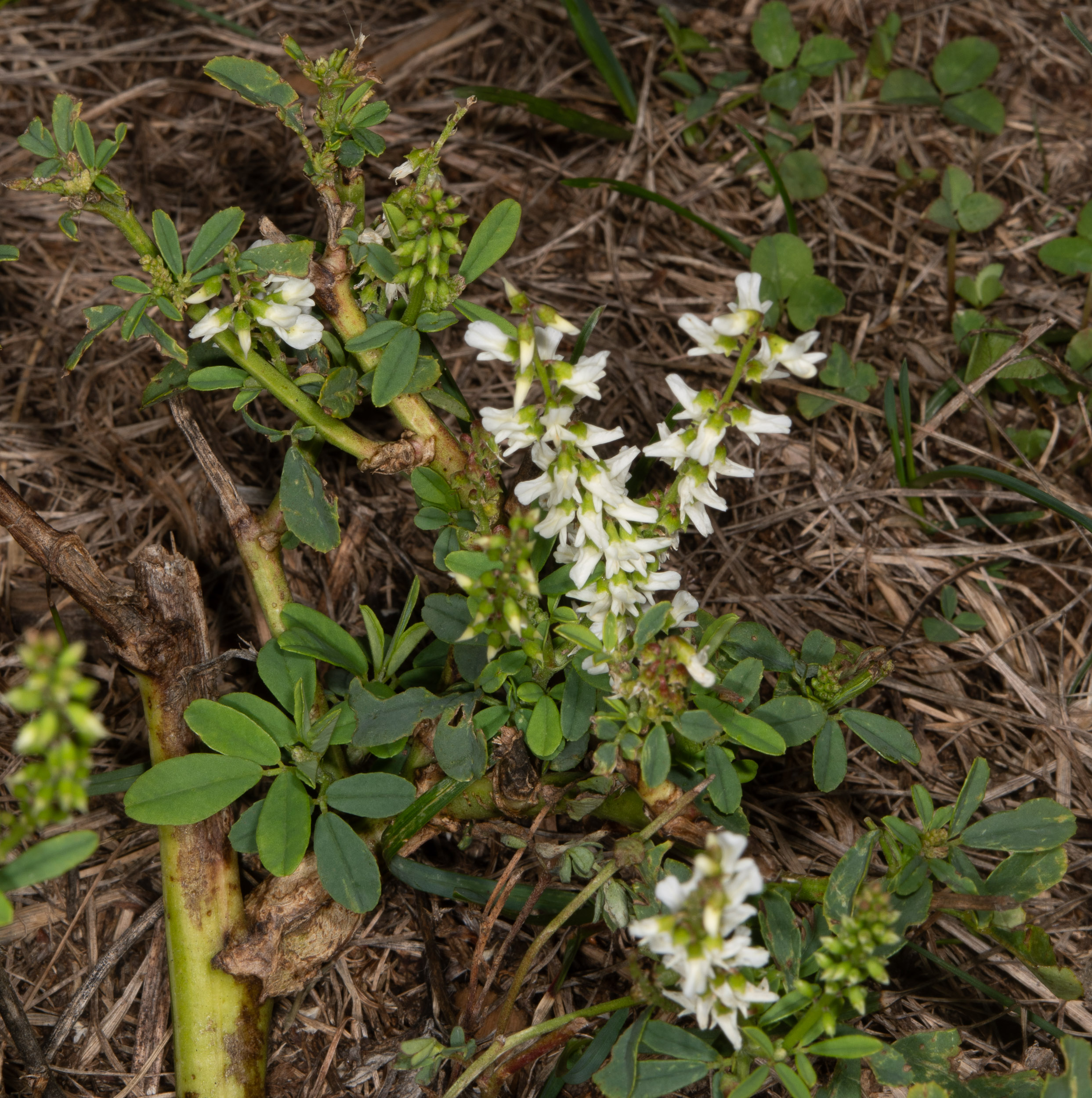
9/3/2020 · Mitchell Field, Harpswell, Maine · ≈ 4 × 4″ (11 × 11 cm) 
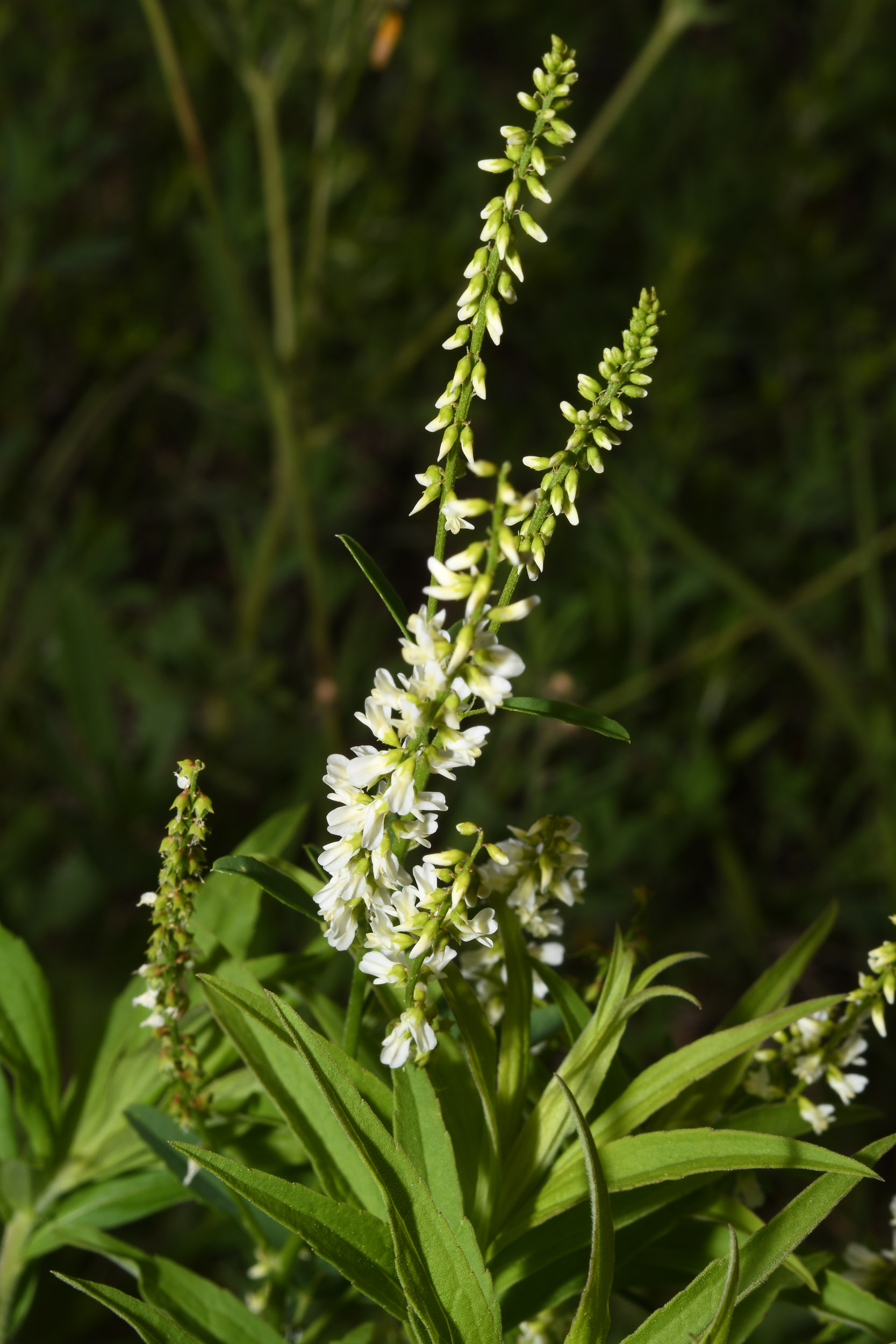
6/13/2016 · Nashua River Rail Trail, Groton, Groton, Massachusetts 
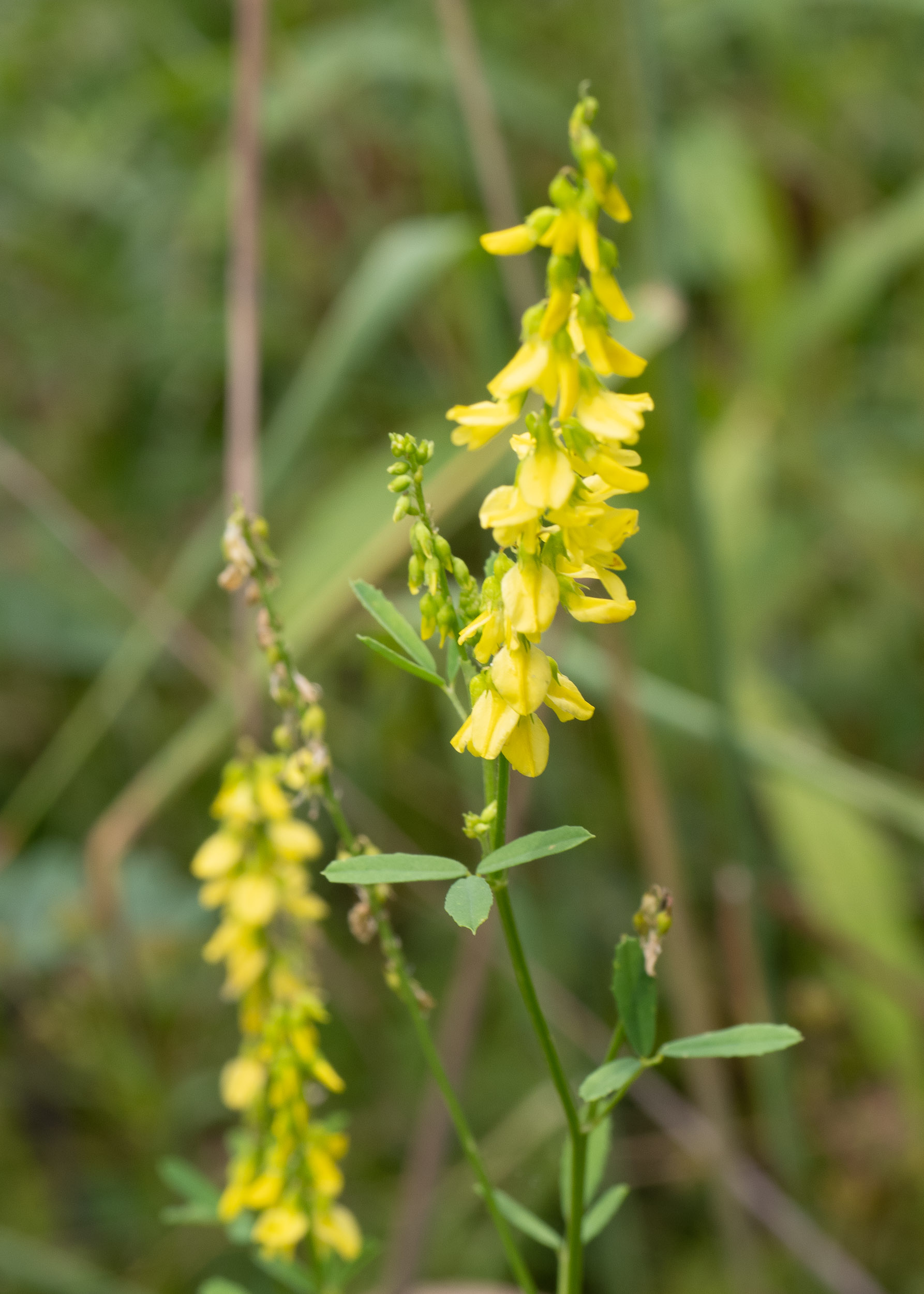
7/3/2023 · Gettysburg National Military Park, Gettysburg, Pennsylvania 
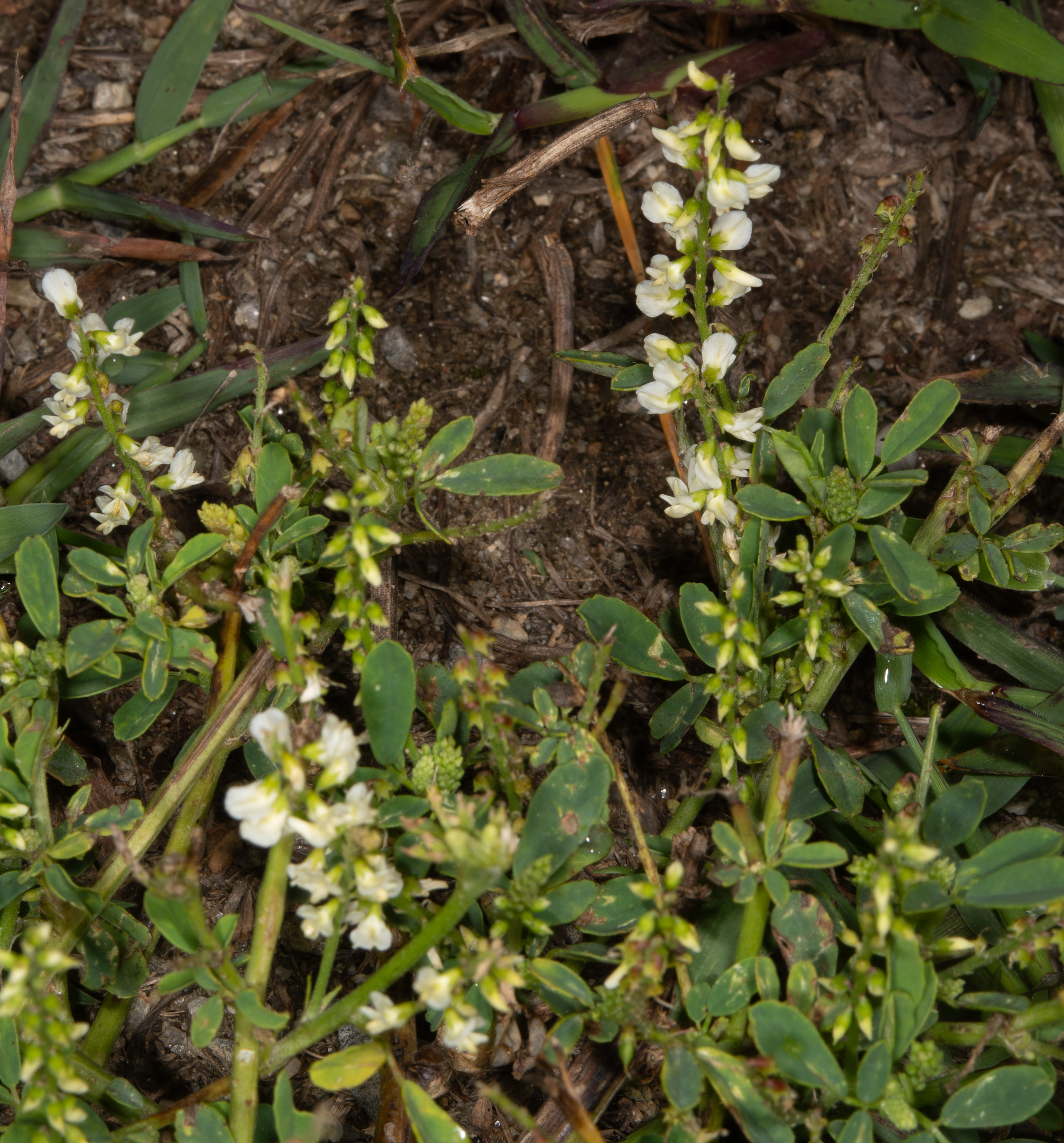
This flowers even when routinely mowed. · 9/3/2020 · Mitchell Field, Harpswell, Maine · ≈ 4 × 4½″ (11 × 11 cm) 
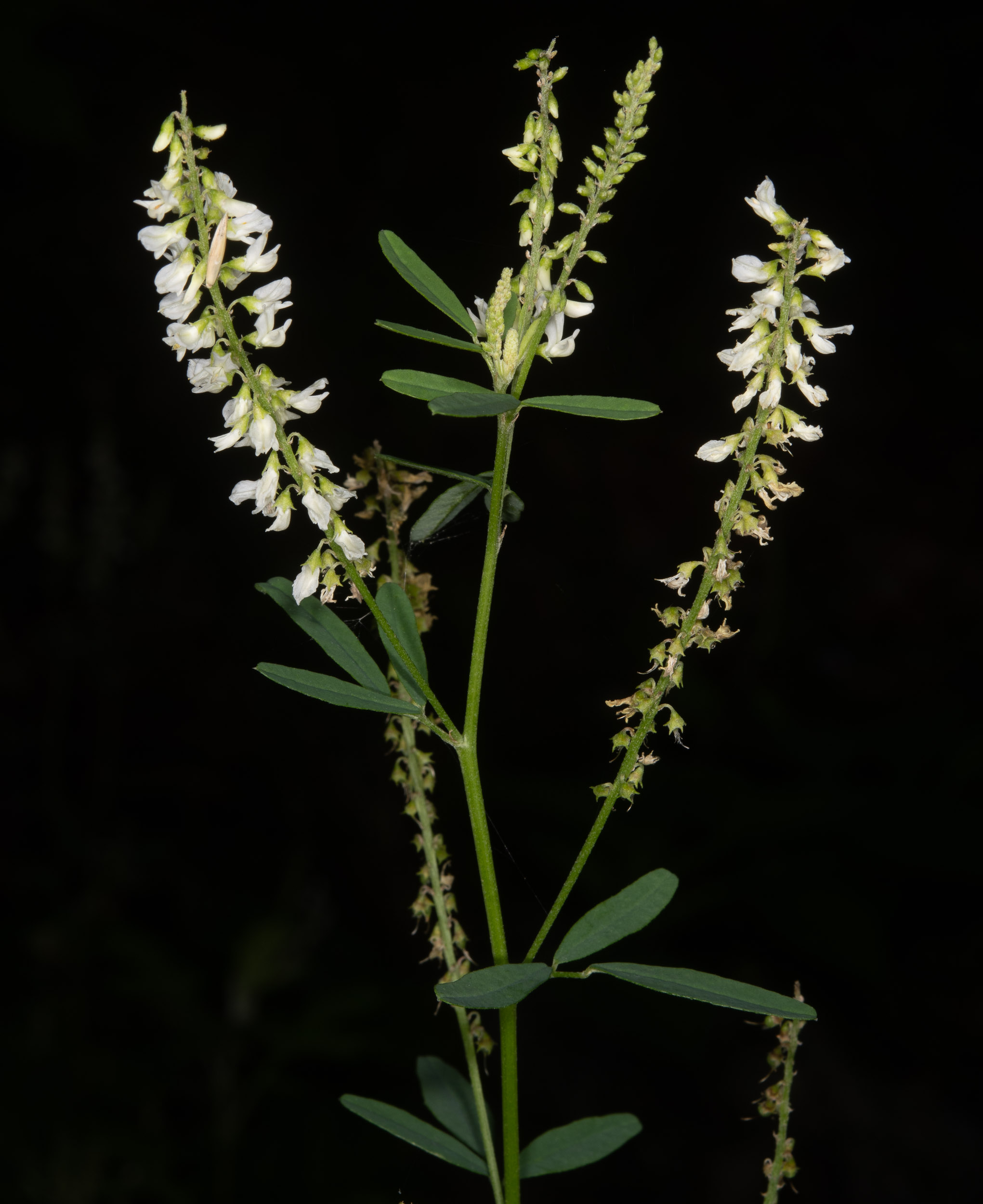
7/17/2017 · Oak Hill, Littleton, Massachusetts · ≈ 4 × 5″ (11 × 13 cm) 
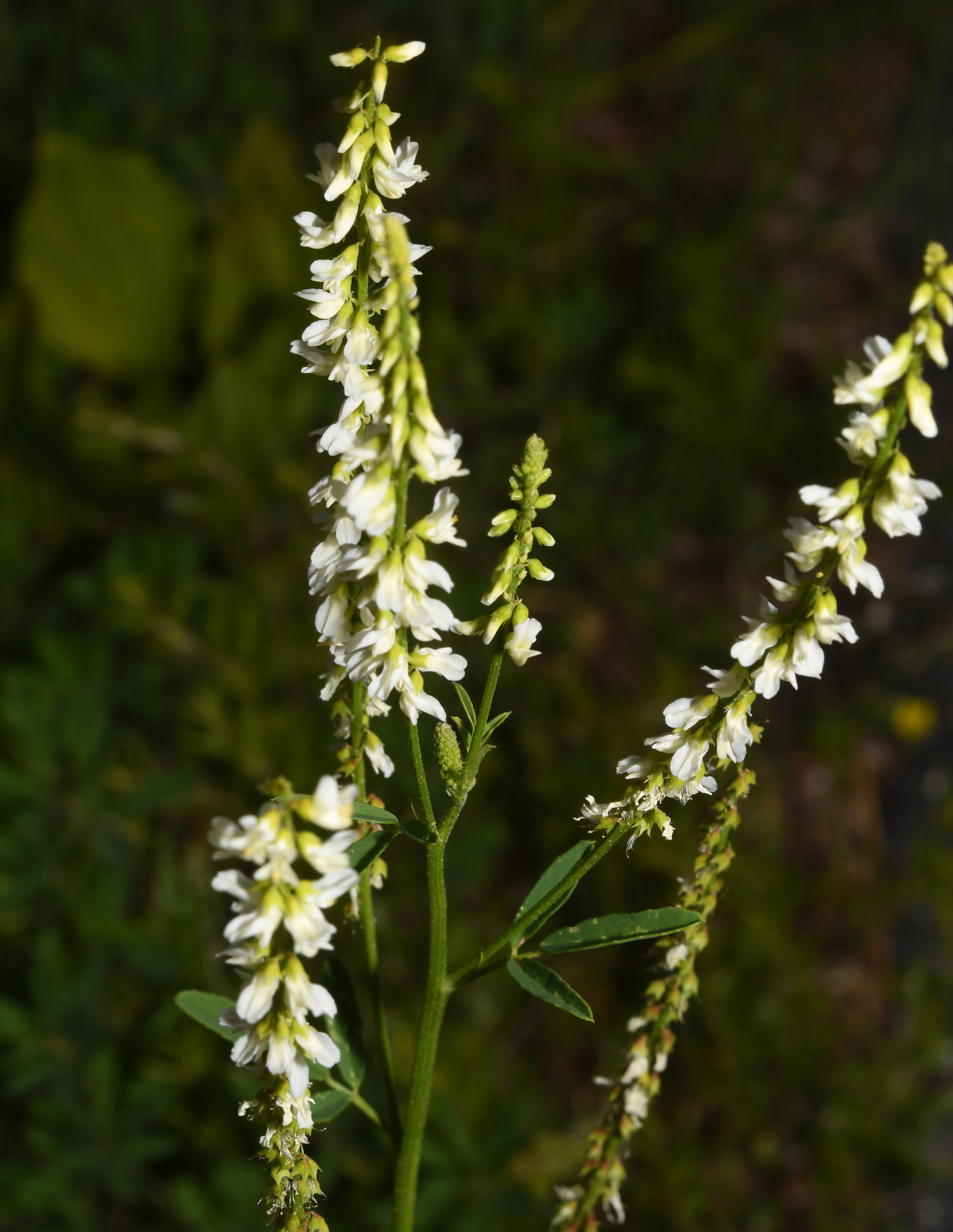
6/13/2016 · Nashua River Rail Trail, Groton, Groton, Massachusetts 
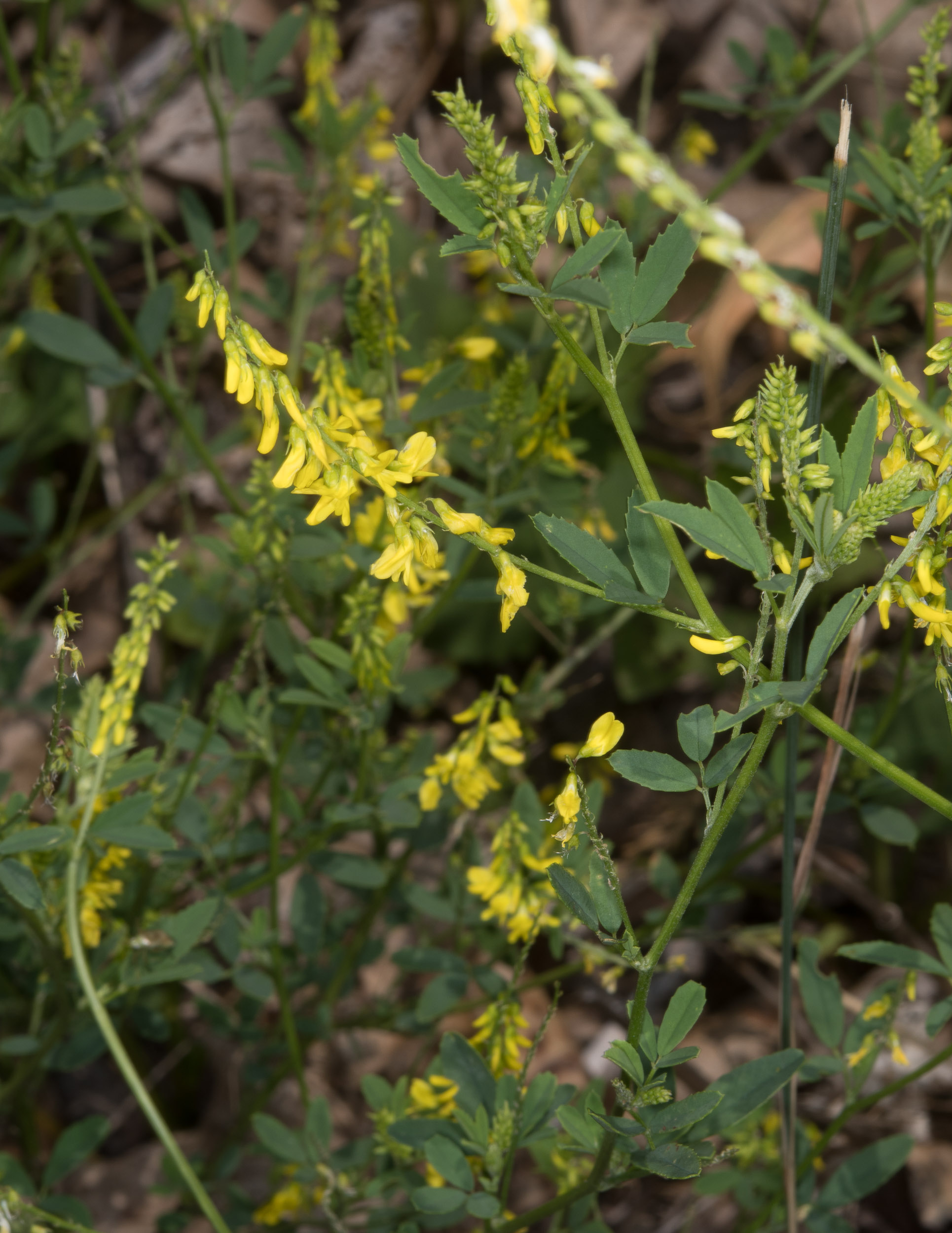
7/19/2017 · Monongahela National Forest, Monongahela, West Virginia · ≈ 4½ × 6″ (12 × 16 cm) 
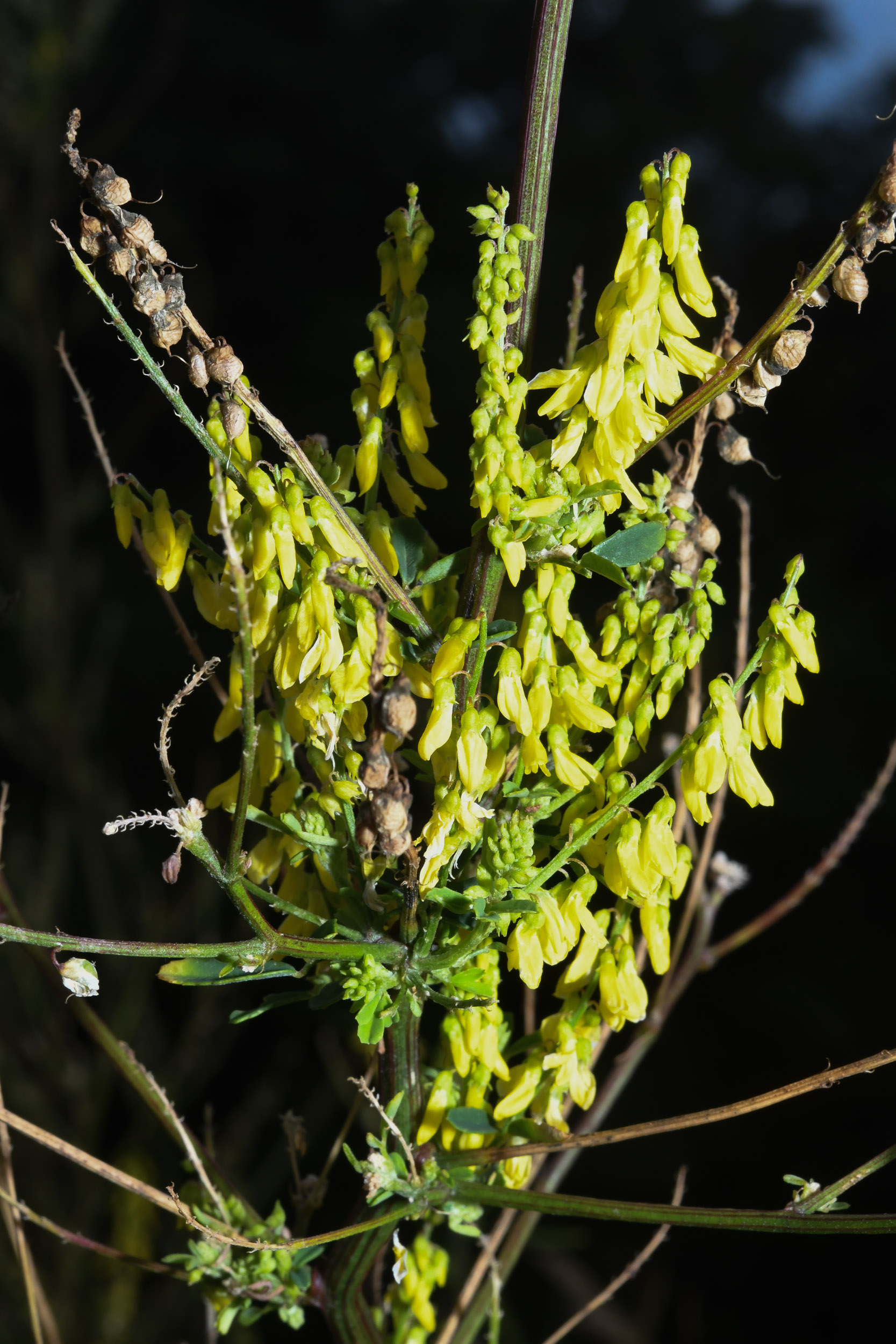
7/31/2016 · Skyline Drive, Shenandoah National Park, Virginia 
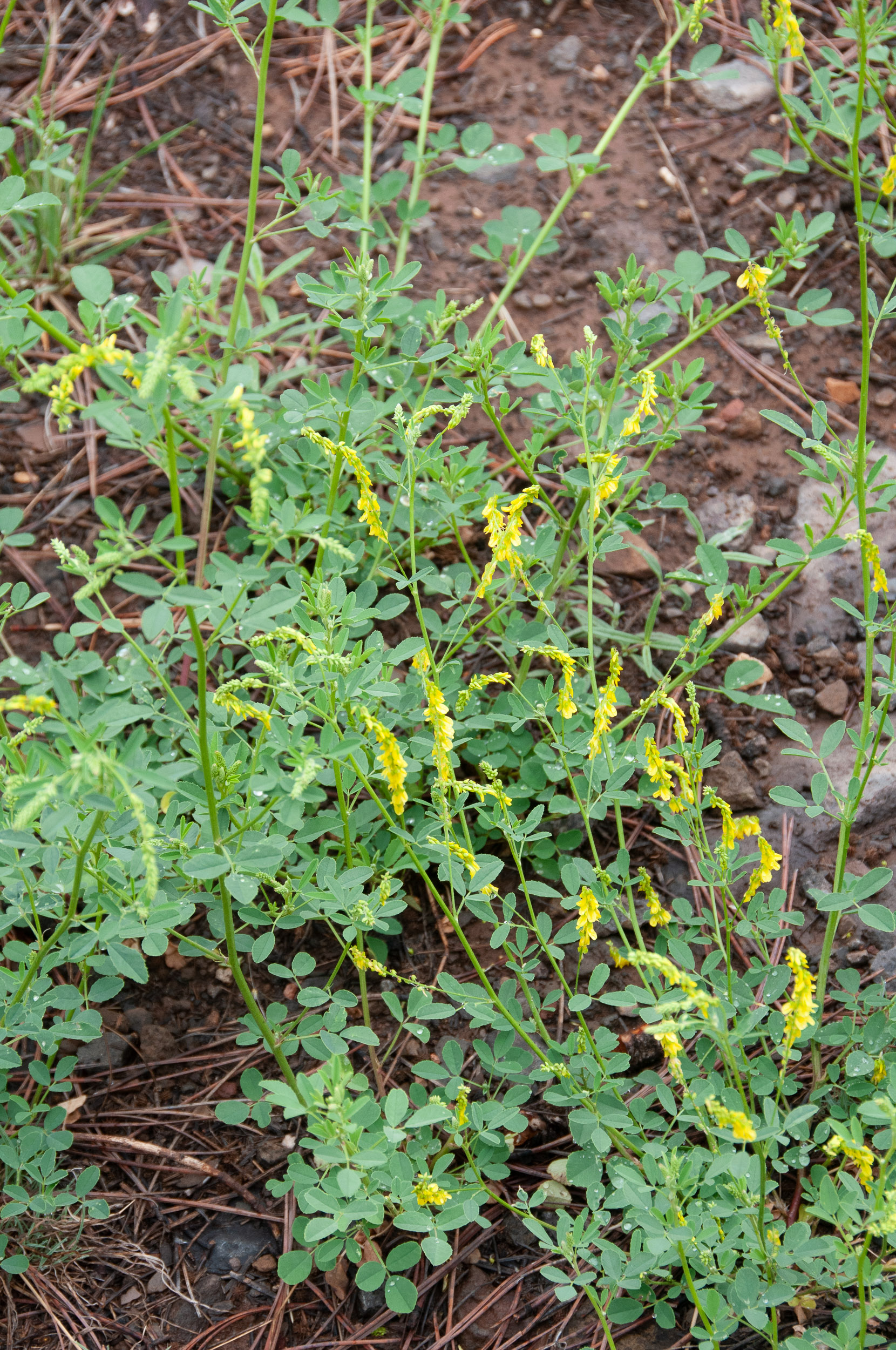
5/22/2009 · Oak Creek Vista, Arizona · ≈ 11 × 17″ (28 × 43 cm) 
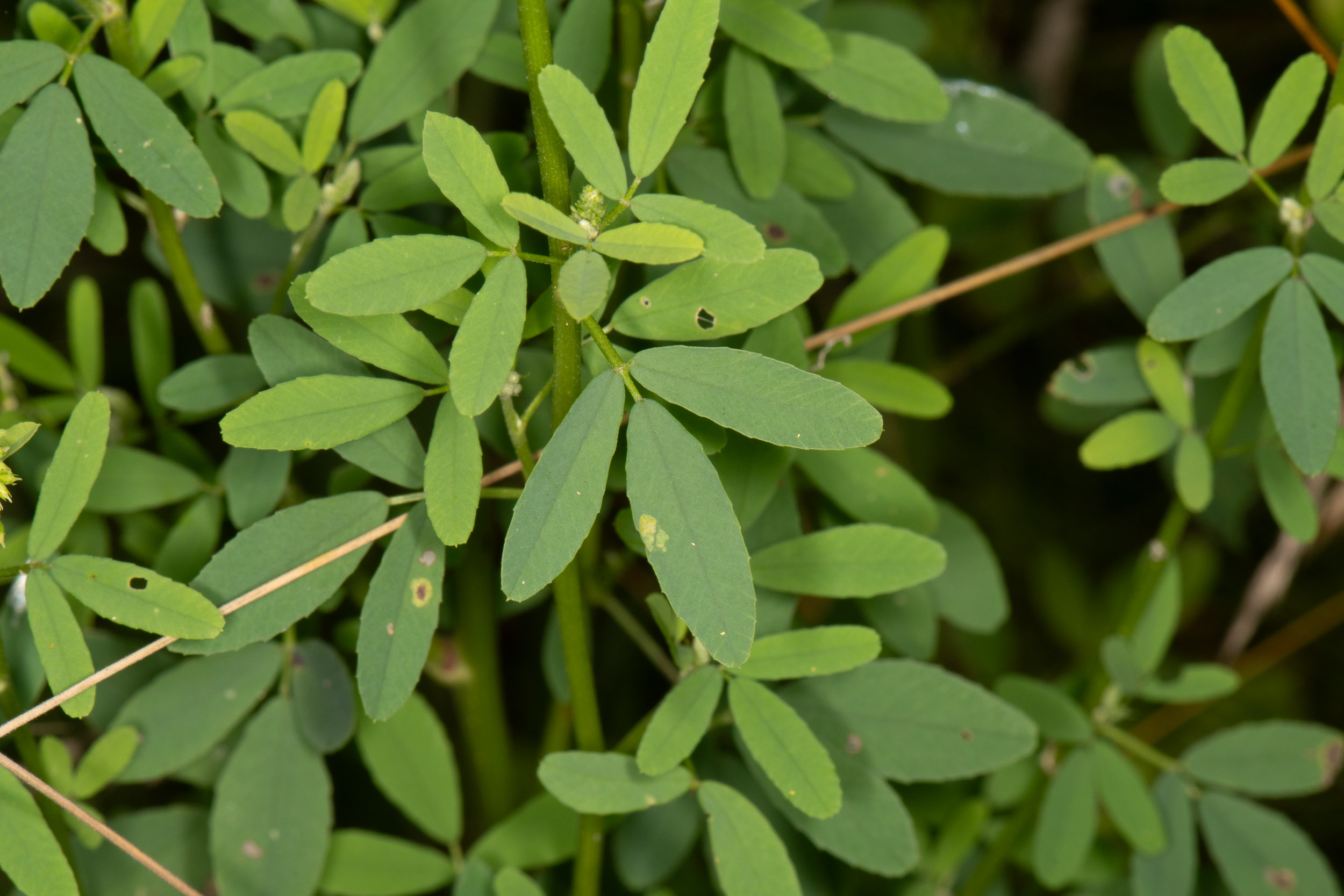
7/20/2021 · Otter Brrok Preserve, Harpswell Heritage Land Trust, Harpswell, Maine · ≈ 6 × 4″ (15 × 10 cm) 

5/22/2026 · Skyline Drive, Shenandoah National Park, Virginia · ≈ 6 × 9″ (15 × 22 cm) 
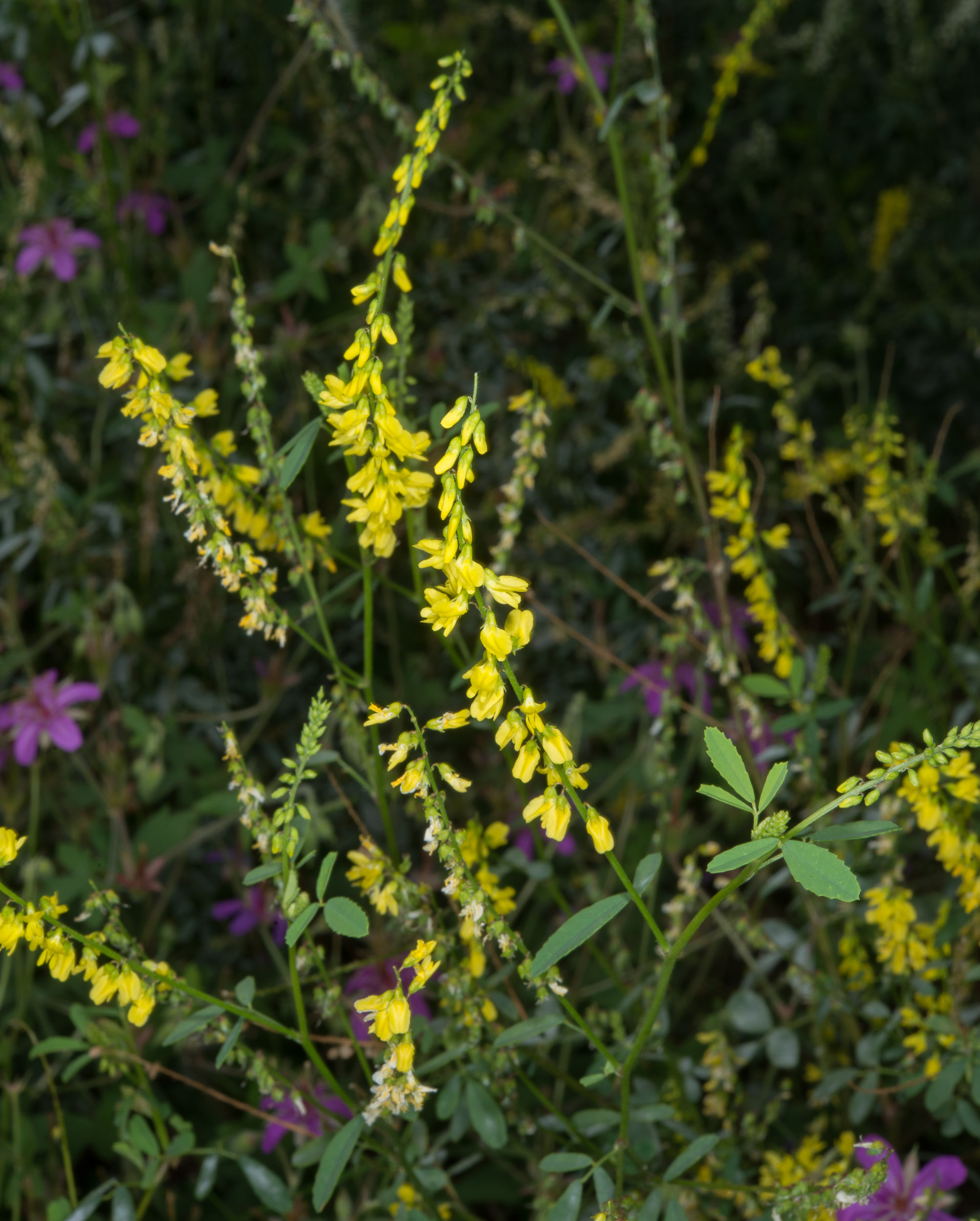
8/26/2014 · El Malpais Information Center, National Parks Service, El Malpais, New Mexico · ≈ 6 × 8″ (16 × 19 cm) 

8/2/2025 · Land’s End, Bailey Island, Maine · ≈ 7 × 7″ (17 × 17 cm) 
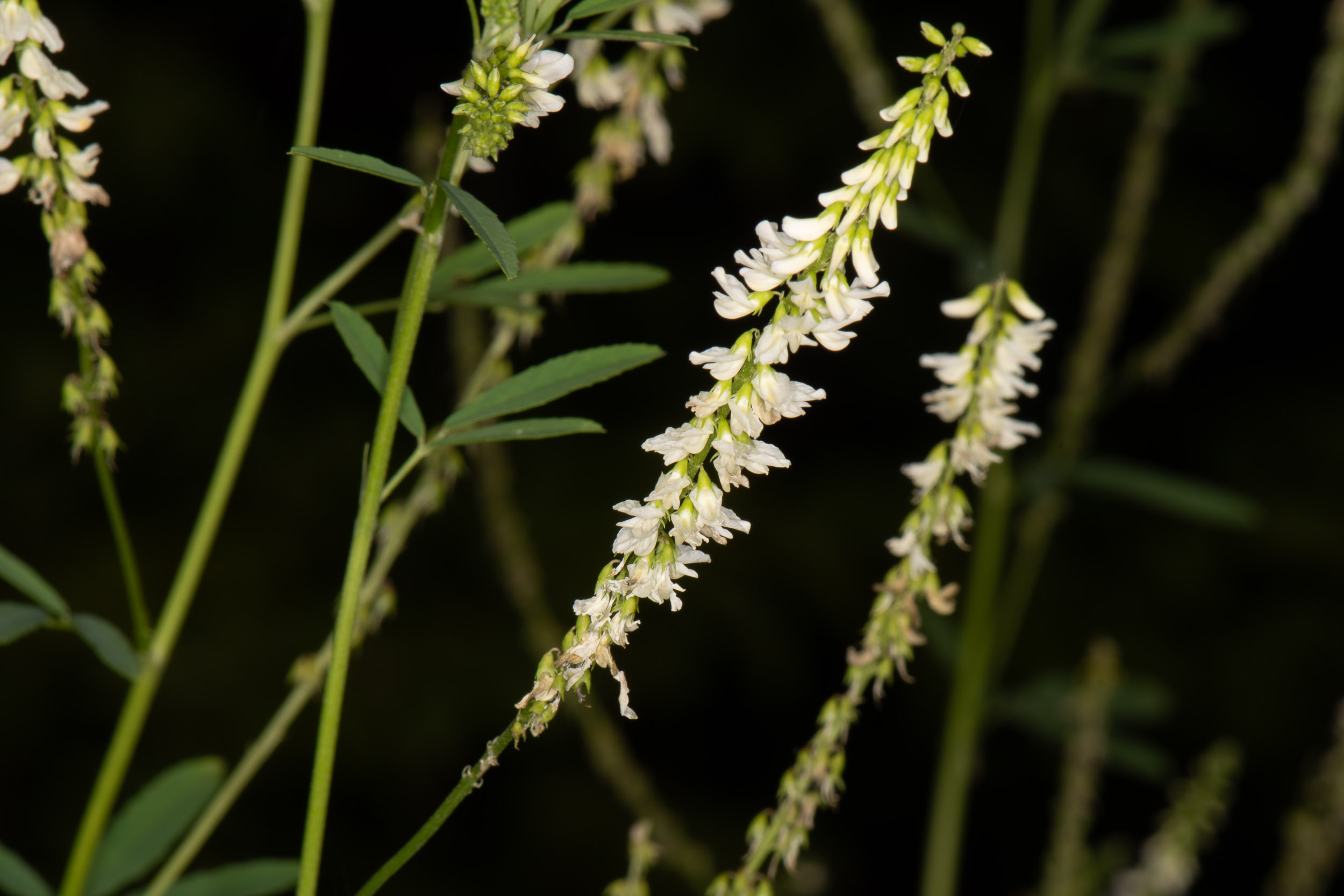
7/20/2021 · Otter Brrok Preserve, Harpswell Heritage Land Trust, Harpswell, Maine · ≈ 6 × 3½″ (14 × 9.4 cm) 
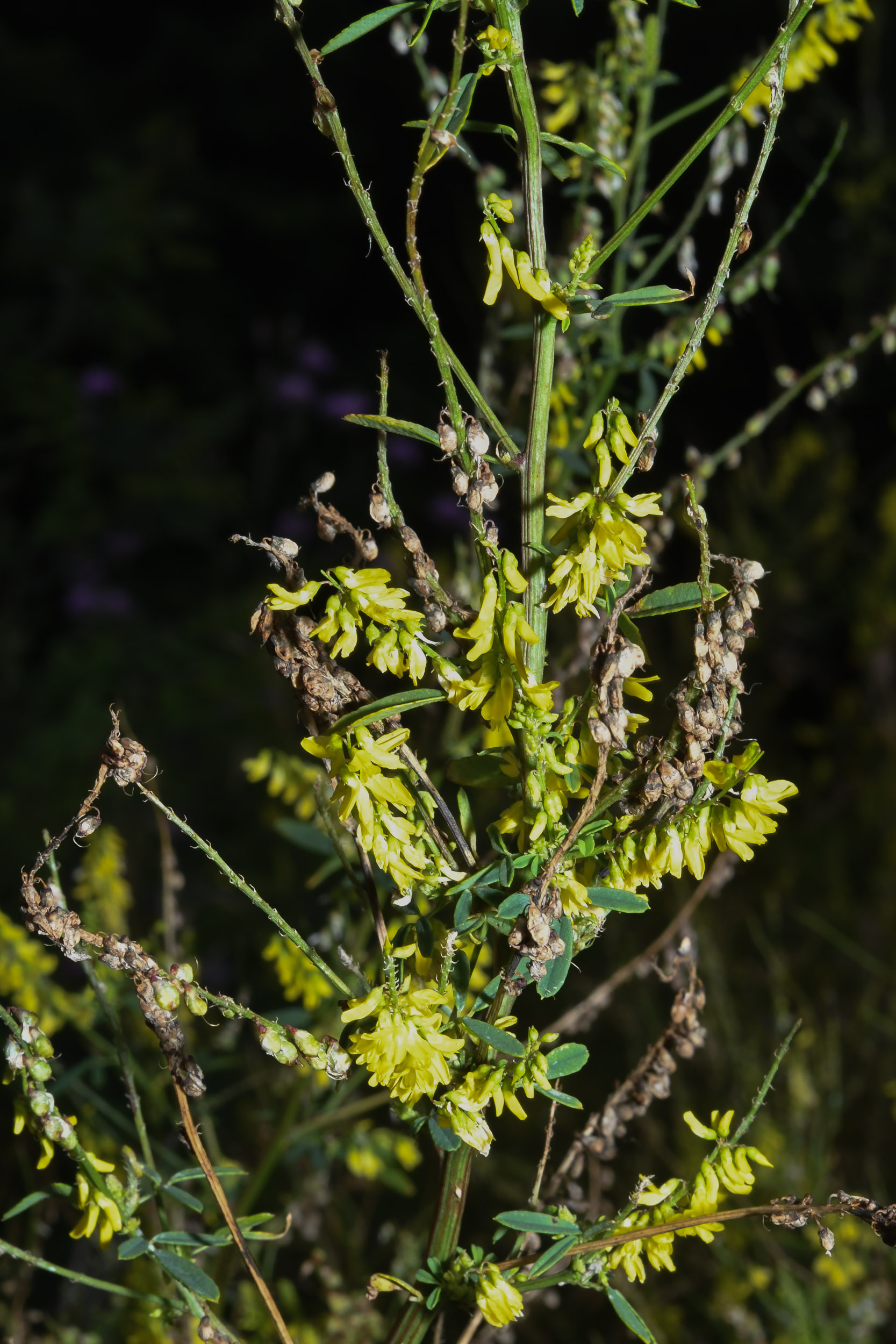
7/31/2016 · Skyline Drive, Shenandoah National Park, Virginia 
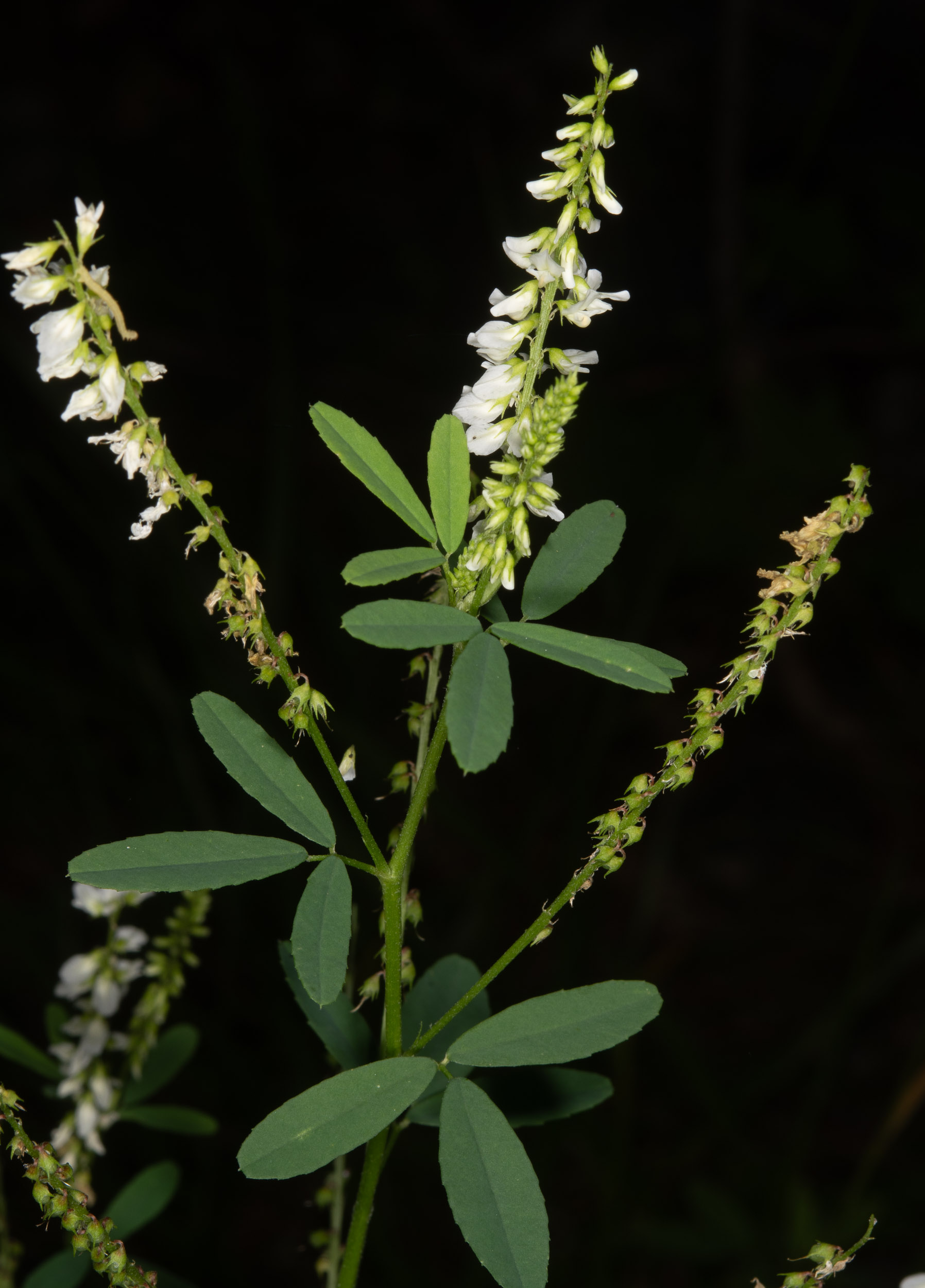
7/17/2017 · Oak Hill, Littleton, Massachusetts · ≈ 4 × 6″ (10 × 14 cm) 
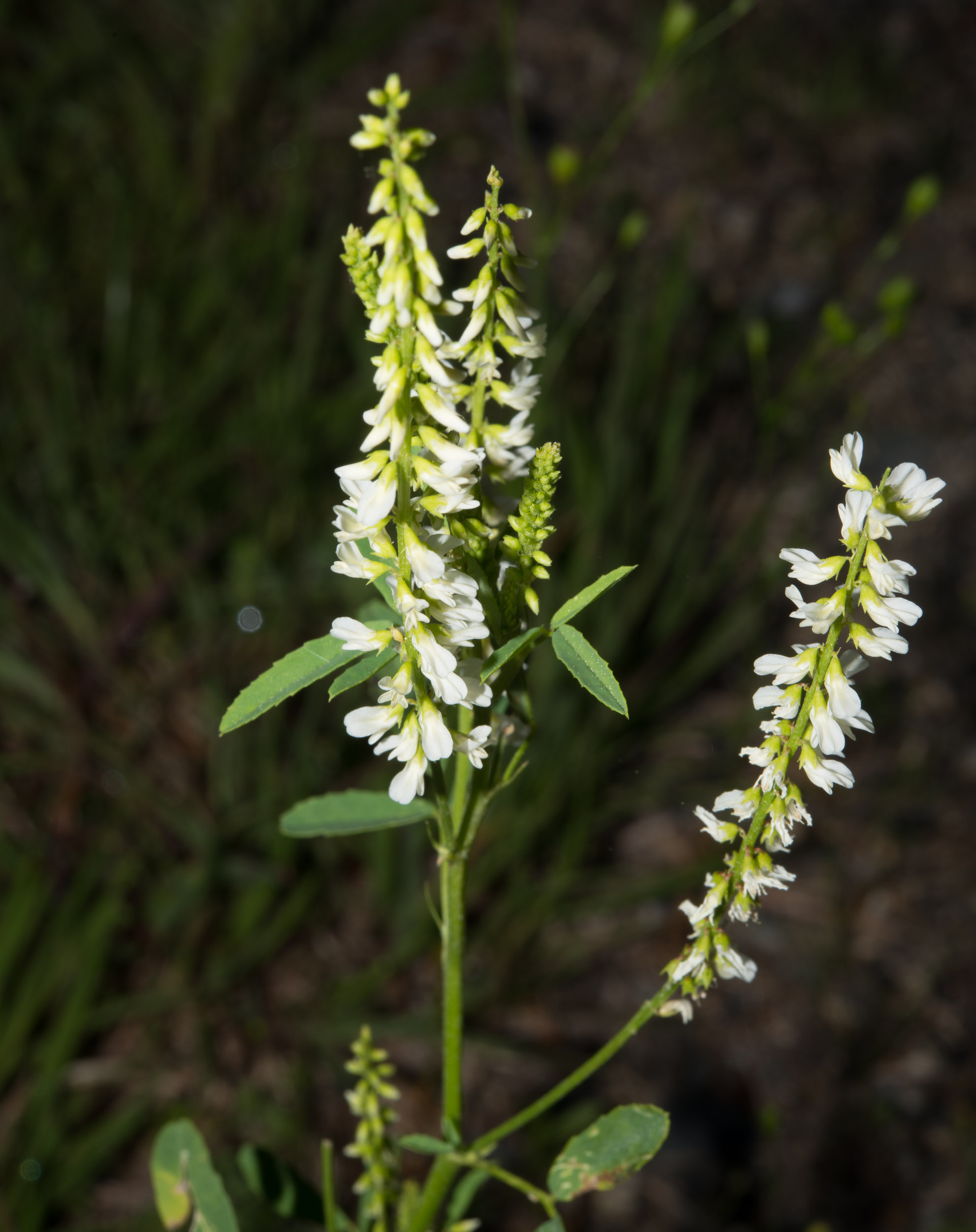
6/5/2013 · Nashua River Rail Trail, Groton Center, Groton, Massachusetts · ≈ 4½ × 6″ (11 × 14 cm) 
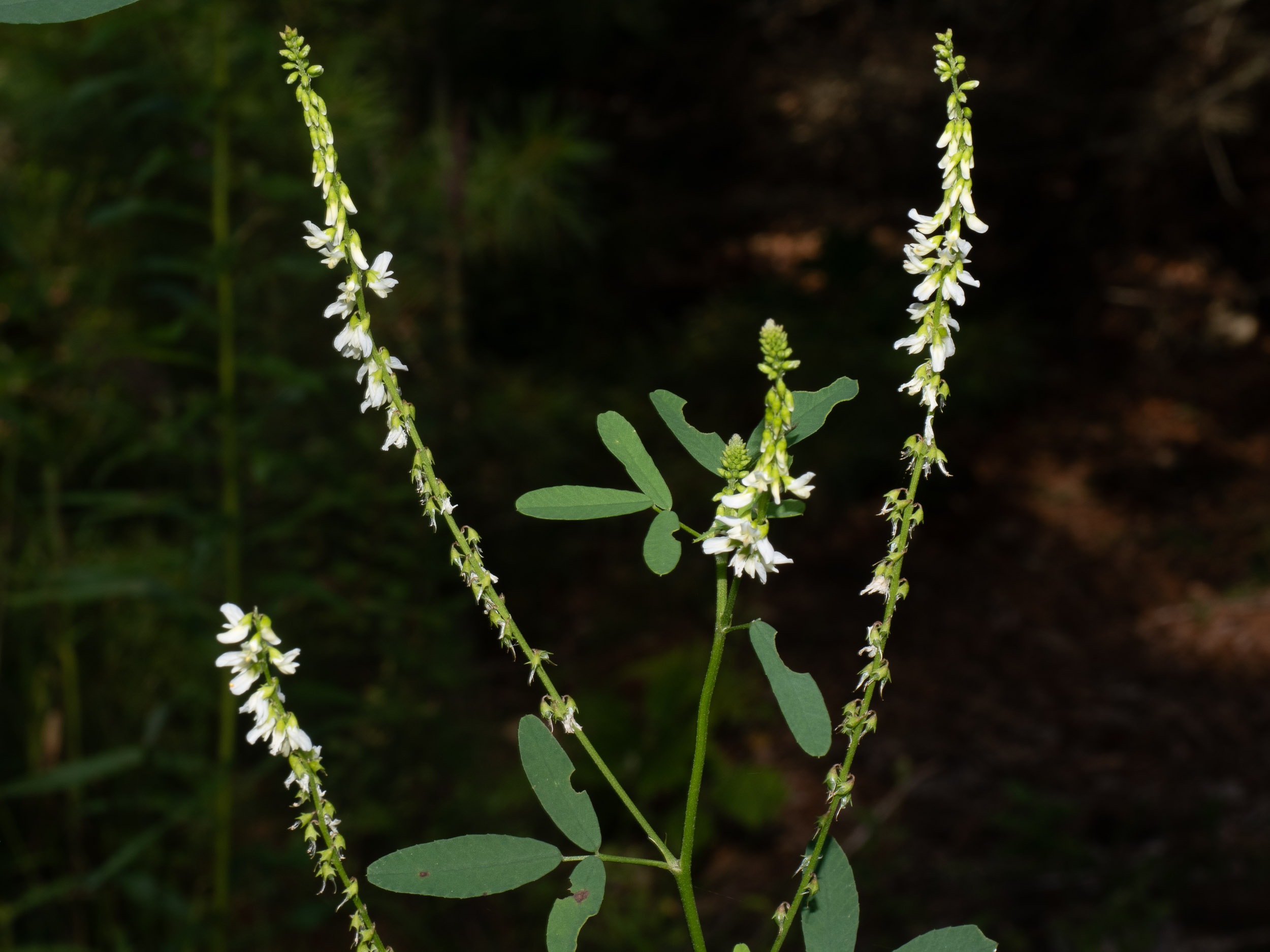
7/31/2023 · Otter Brrok Preserve, Harpswell Heritage Land Trust, Harpswell, Maine 
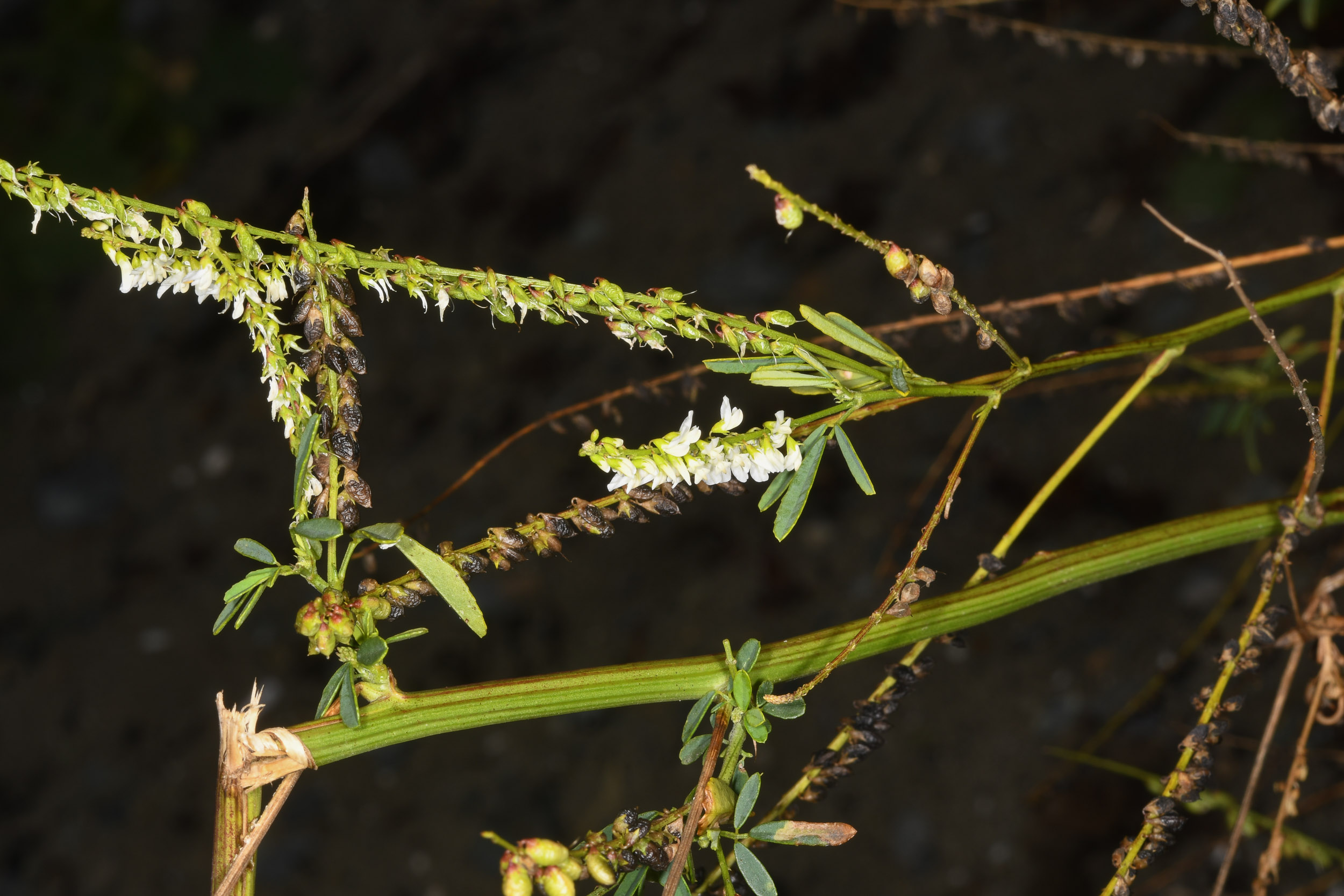
9/18/2016 · Deer Isle Beach Vegetation Recla 
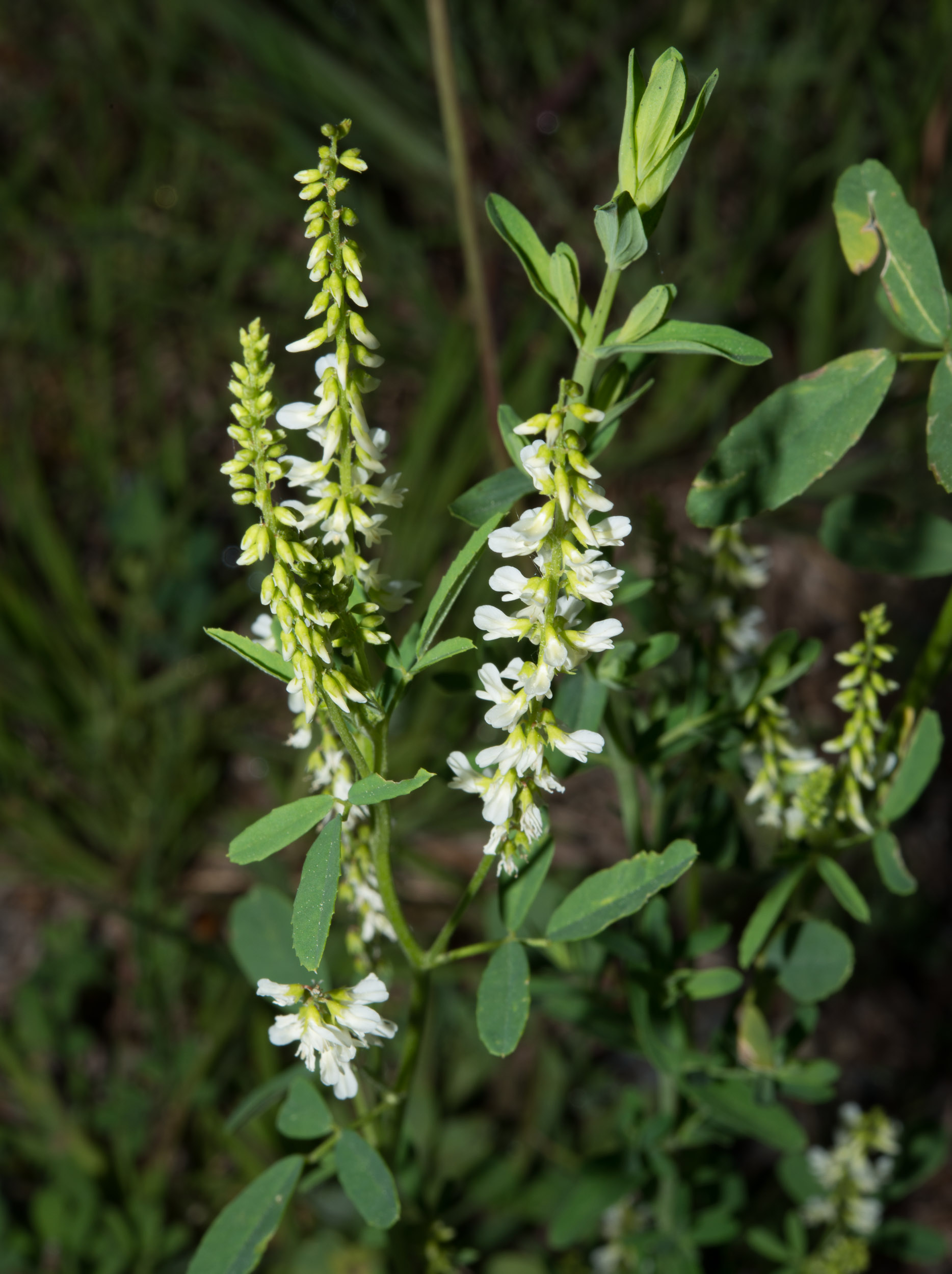
6/5/2013 · Nashua River Rail Trail, Groton Center, Groton, Massachusetts · ≈ 4½ × 6″ (11 × 15 cm) 
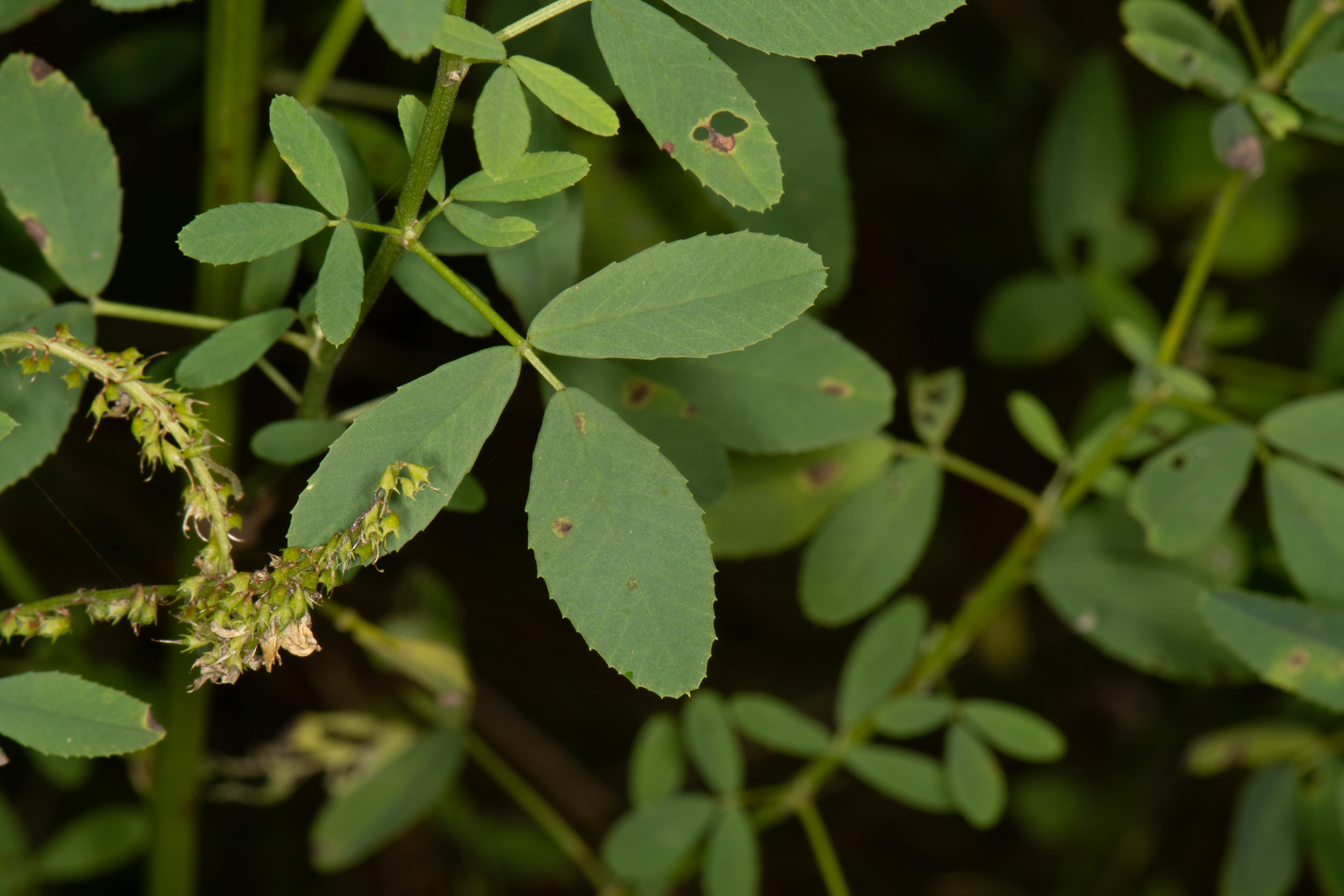
7/20/2021 · Otter Brrok Preserve, Harpswell Heritage Land Trust, Harpswell, Maine · ≈ 5 × 3½″ (13 × 9 cm) 
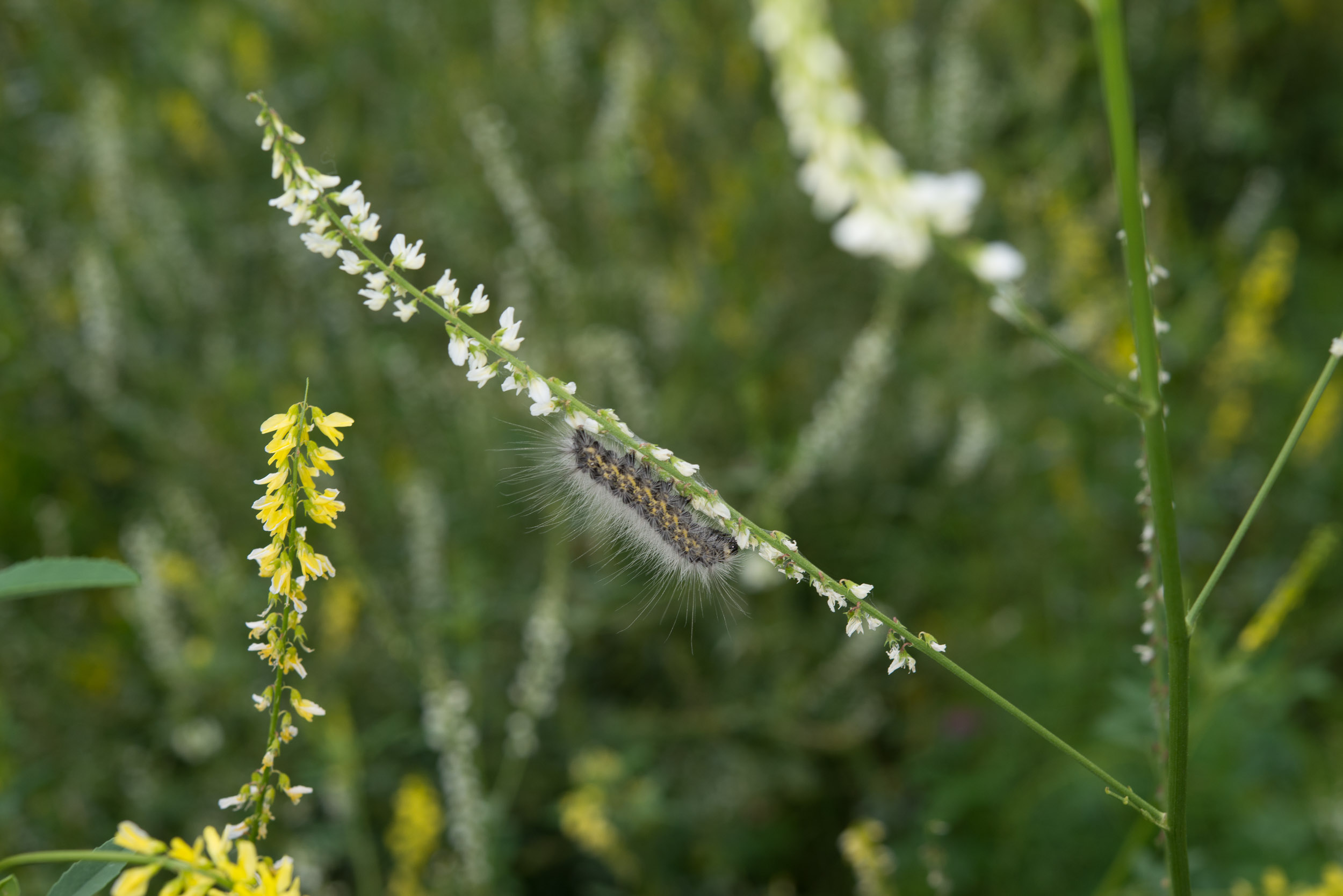
8/26/2014 · El Malpais Information Center, National Parks Service, El Malpais, New Mexico · ≈ 10 × 7″ (25 × 16 cm) 
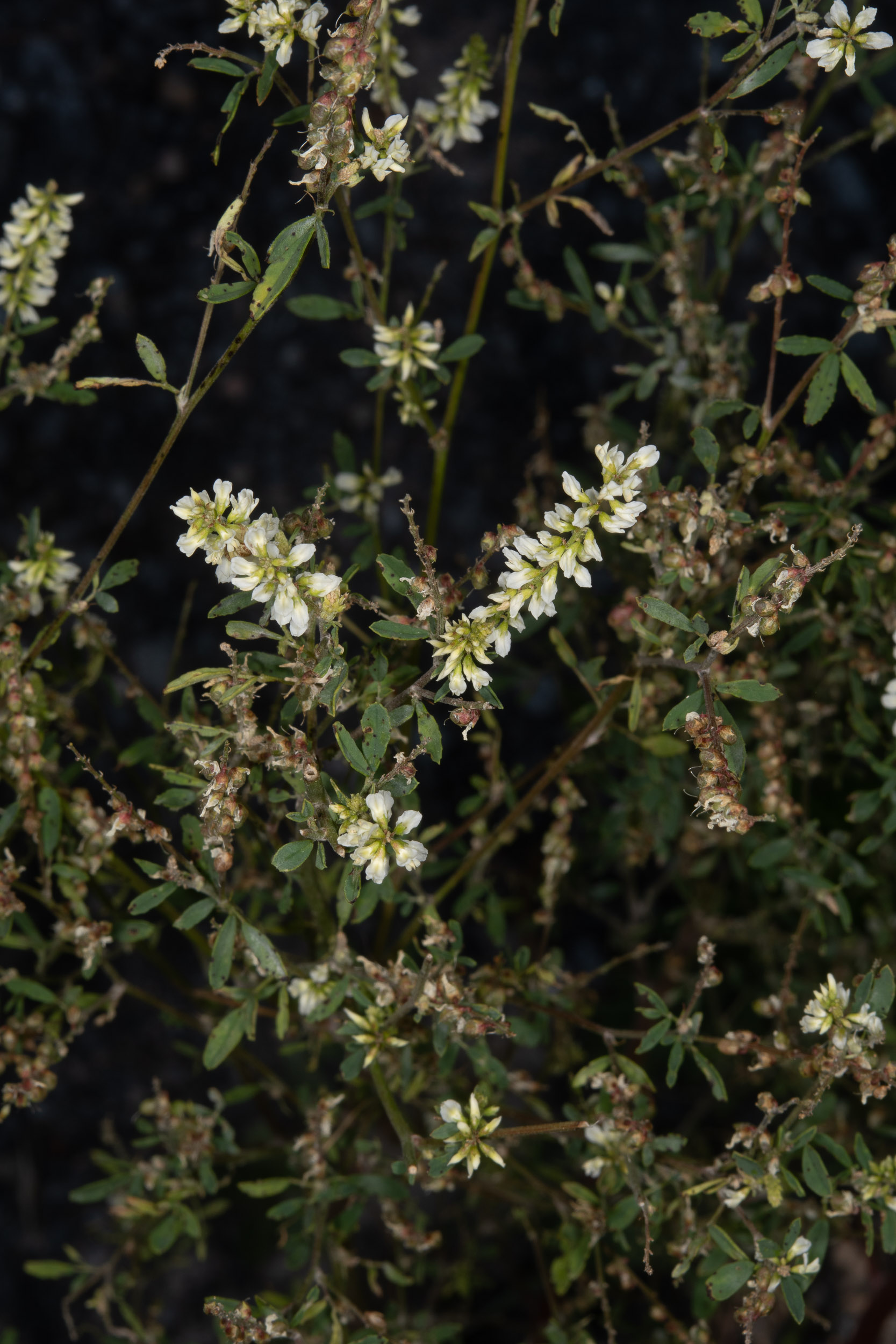
7/19/2017 · Pennsylvania · ≈ 4 × 6″ (11 × 16 cm) 
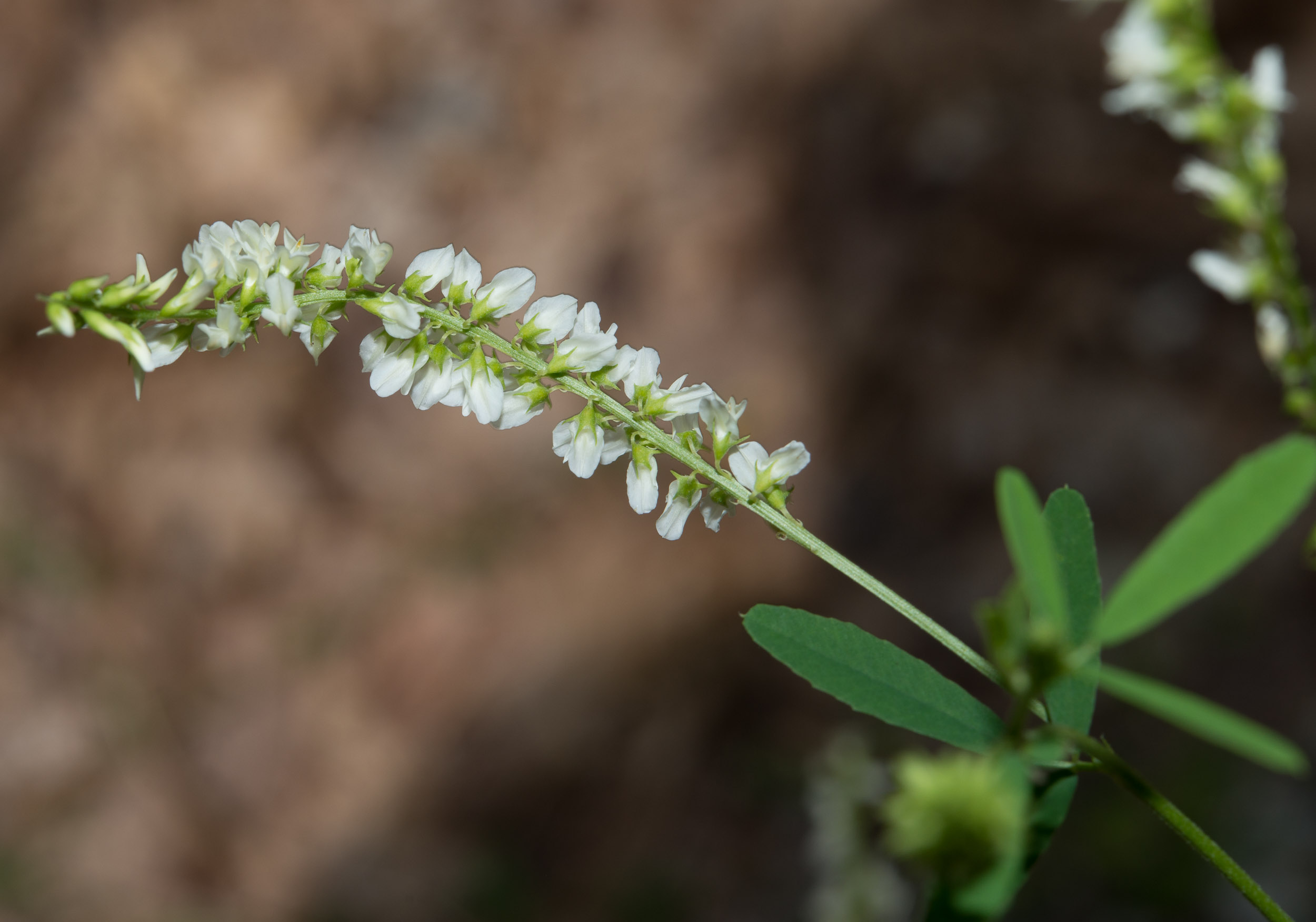
7/28/2013 · Andres Institute of Art, Big Bear Mountain, Brookline, New Hampshire · ≈ 4½ × 3″ (12 × 8.5 cm) 
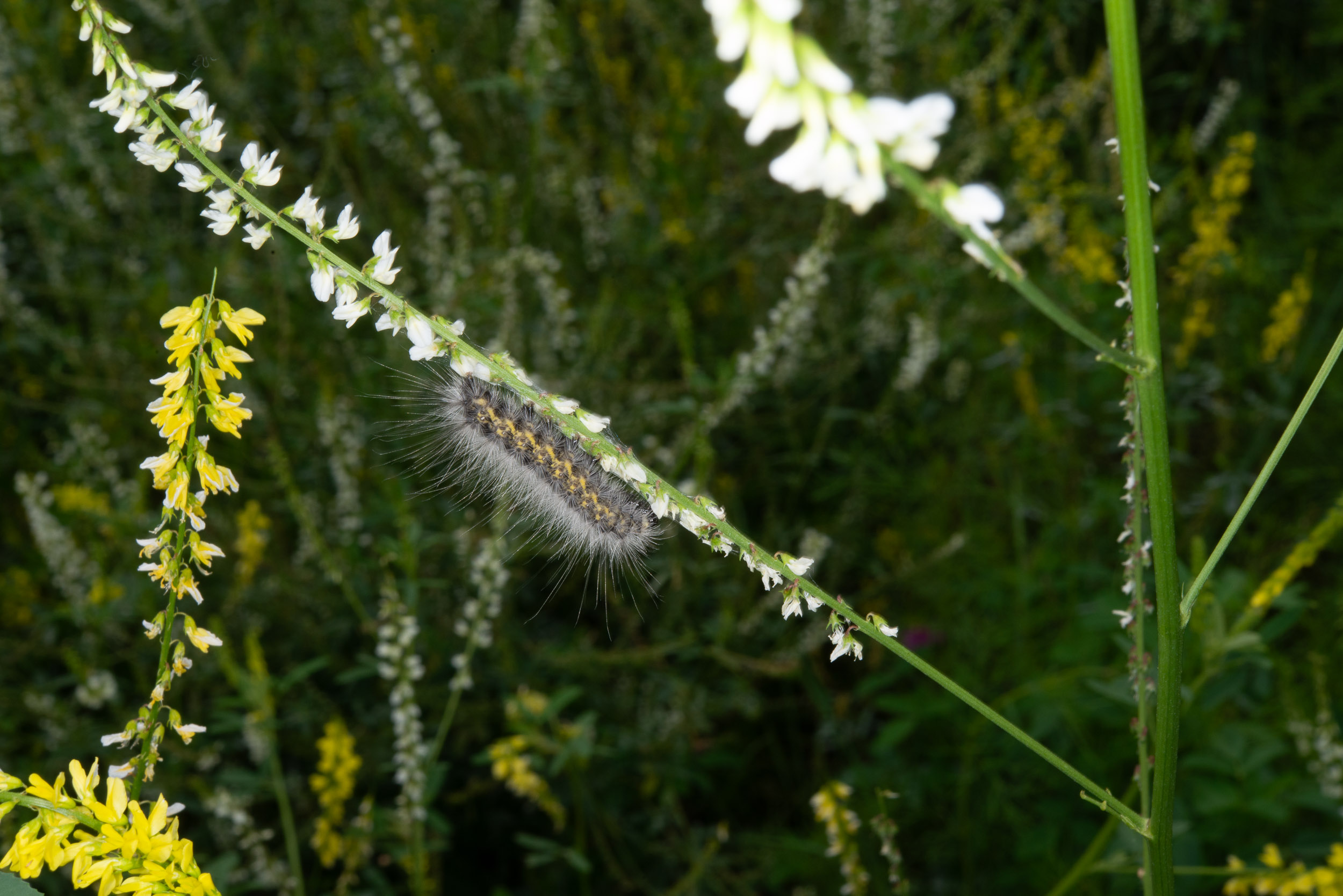
8/26/2014 · El Malpais Information Center, National Parks Service, El Malpais, New Mexico · ≈ 9 × 6″ (22 × 15 cm) 

7/7/2026 · Butler Head Preserve, Bath, Maine · ≈ 5 × 7″ (13 × 17 cm) 

5/20/2023 · Knight’s Pond Preserve, Cumberland, Maine 
| Kingdom | Plantae | Plants, but not fungi, lichens, or algae (from Stearn's Botanical Latin) |
| Subkingdom | Tracheobionta | Vascular plants—plants with a “circulatory system” for delivering water and nutrients |
| Division | Magnoliophyta | Flowering plants, also known as angiosperms |
| Class | Magnoliopsida | Dicotyledons—plants with two initial seed leaves |
| Subclass | Rosidae | Roses, legumes, proteas, dogwoods, hydrangeas, mistletoes, euphorbias, grapes, many more |
| Order | Fabales | Legumes (pea and bean families) |
| Family | Fabaceae | Legume family (peas and beans) |
| Genus | Melilotus | From Greek meli, “honey,” and lotos, a leguminous plant |
| Species | officinalis | Sold at pharmacies; believed to have medicinal benefits |
Melilotus officinalis description by Thomas H. Kent, not updated.

© FloraFinder.org. All rights reserved.