Solidago sempervirens L.
Seaside goldenrod, salt-marsh goldenrod
Seaside goldenrods, which have adapted to the rigors of seaside living, are natives of North America. For a comparison chart of some of the varieties of goldenrods, see Solidago.
Plants: 1–6½′ (40–200 cm) tall, with 1-10 stems. They prefer oceanside habitats.
Leaves: Seaside goldenrods’ major identifying feature is fleshy, waxy, gray-green, salt-adapted leaves. Leaves have smooth edges, and are oblong or lanceolate. They are alternate, 2–3 ⨉ ½″ (5–7.6 ⨉ 1.3 cm), and attach directly to the stem (”sessile”). Leaves at the base are 3–5″ (7.6–12 cm) long.
Flowers: Flowerheads are dense yellow panicles facing to each side, 2–5″ (5–12 cm) across, with flowers only along the upward-pointing side. Each composite flower is about ¼–⅜″ (6.3–9.5 mm) around, somewhat larger than those of most goldenrods, with 8-17 ray florets and 10-22 disc florets. They appear from October to November, and sometimes in the spring.
Fruits: Flowers become small spherical arrangements of seeds on “parachutes,” called cypselae, like dandilions gone to seed. The cypselae are ~1/32″ (1.1–1.5 mm) in diameter.
Habitats: Sandy salt marsh soils.
Edibility: Not edible.
Online References:
References:

9/18/2016 · Deer Isle, at Water’s Edge, Deer Isle, Maine 
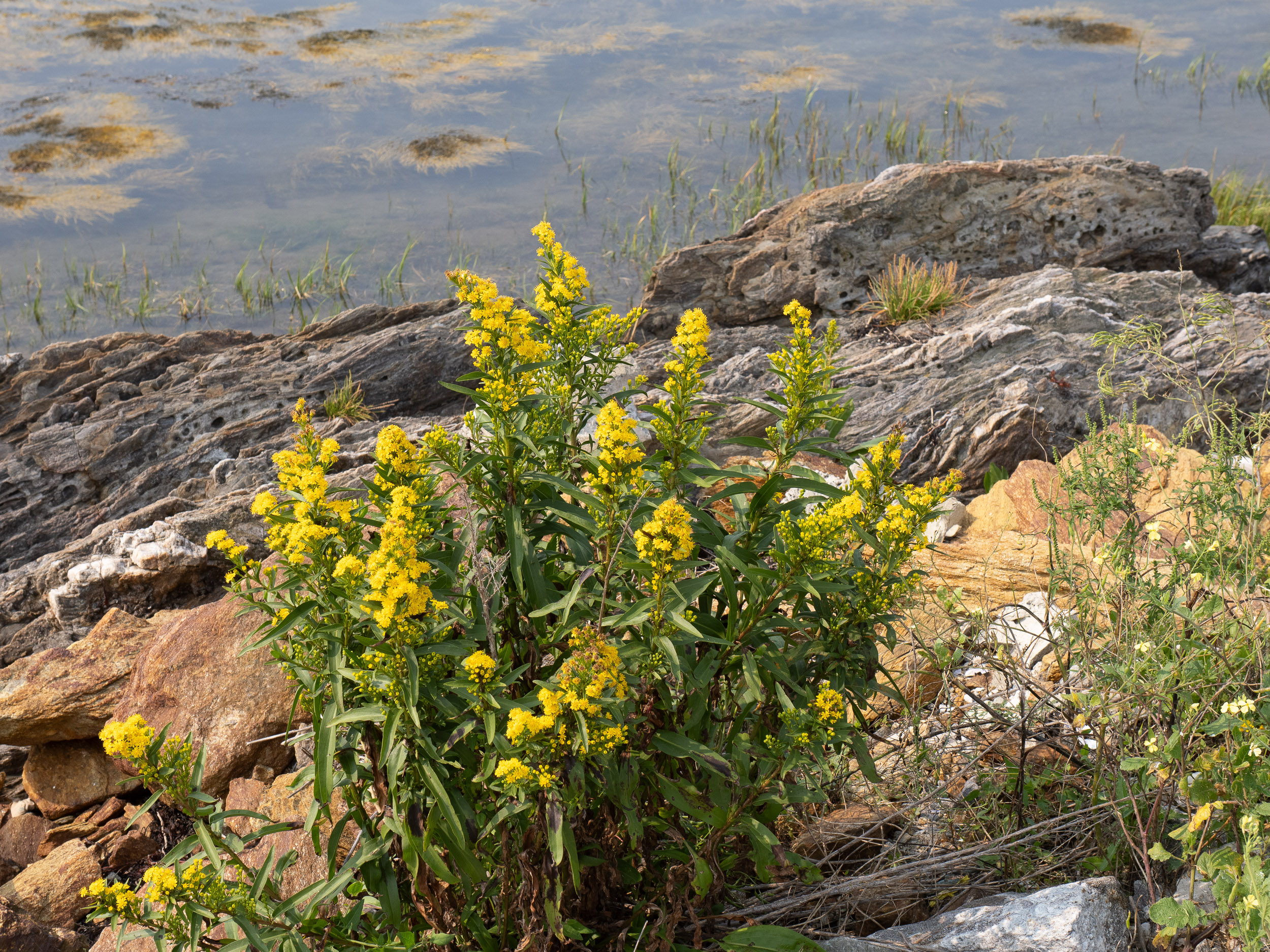
9/6/2023 · Beach near Cook’s Lobster and Ale House, Bailey Island, Maine 
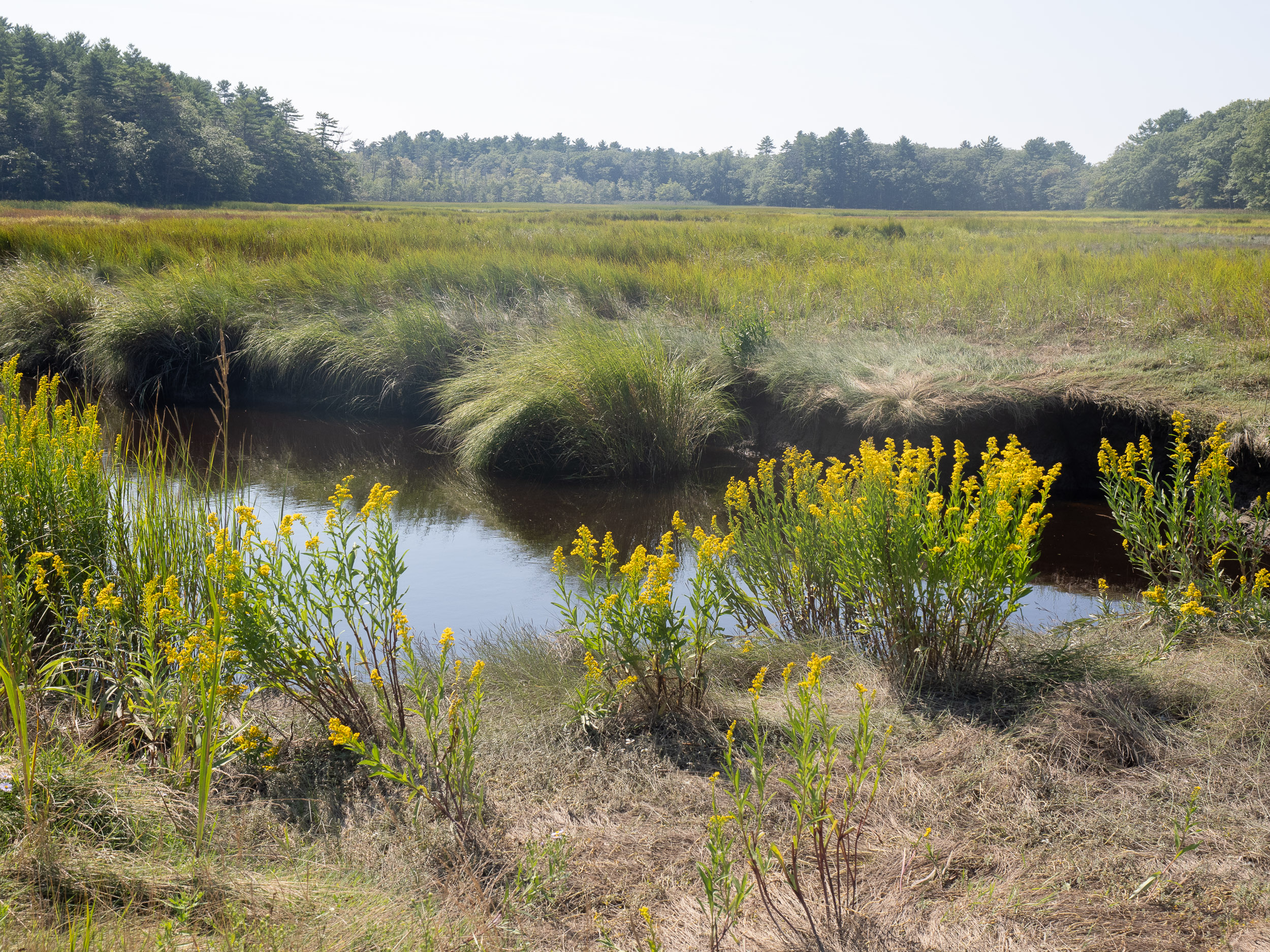
9/9/2023 · Salt marsh, Flying Point, Georgetown, Maine 
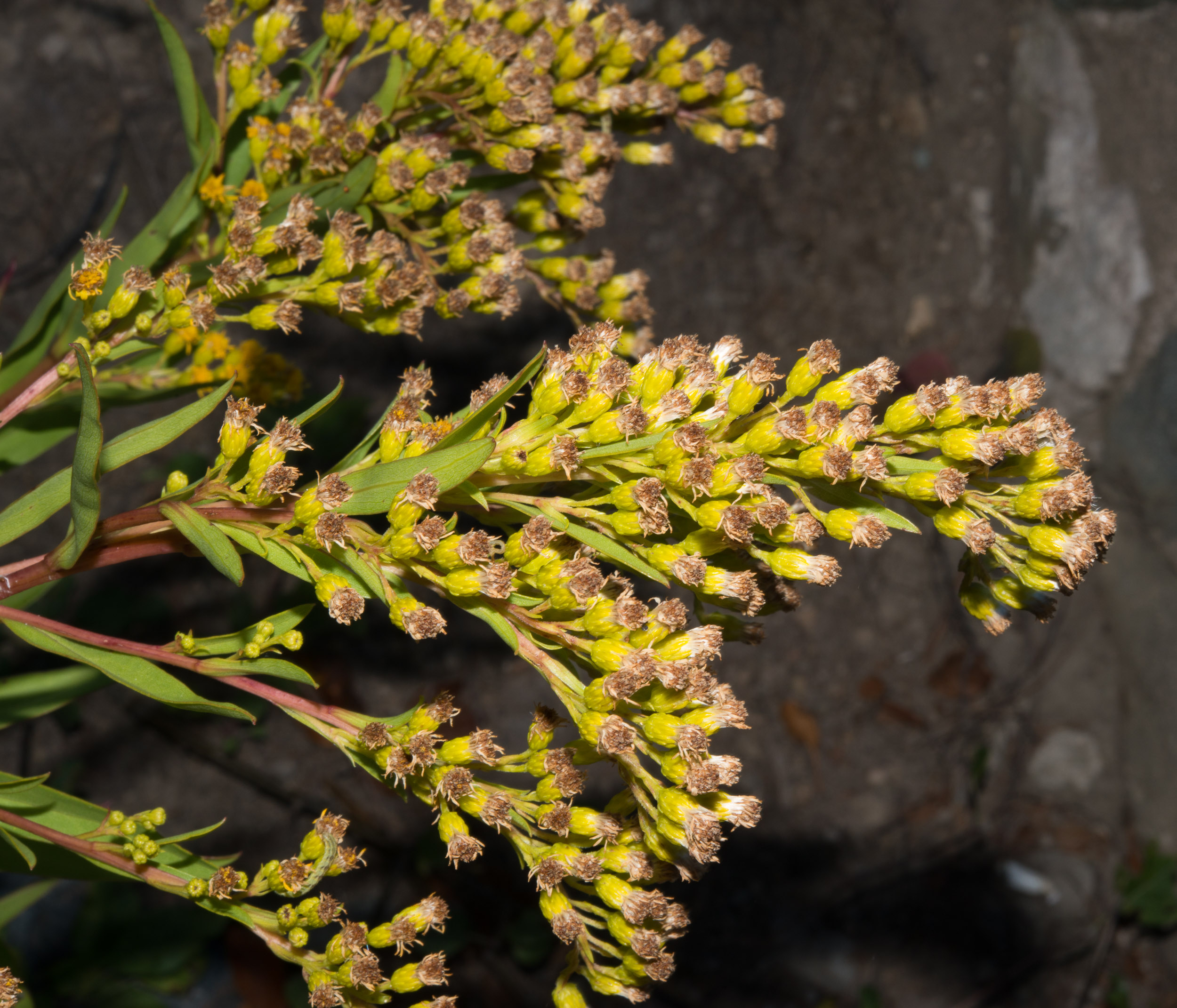
9/29/2013 · Compass Harbor, Acadia National Park, Bar Harbor, Maine · ≈ 8 × 7″ (19 × 16 cm) 
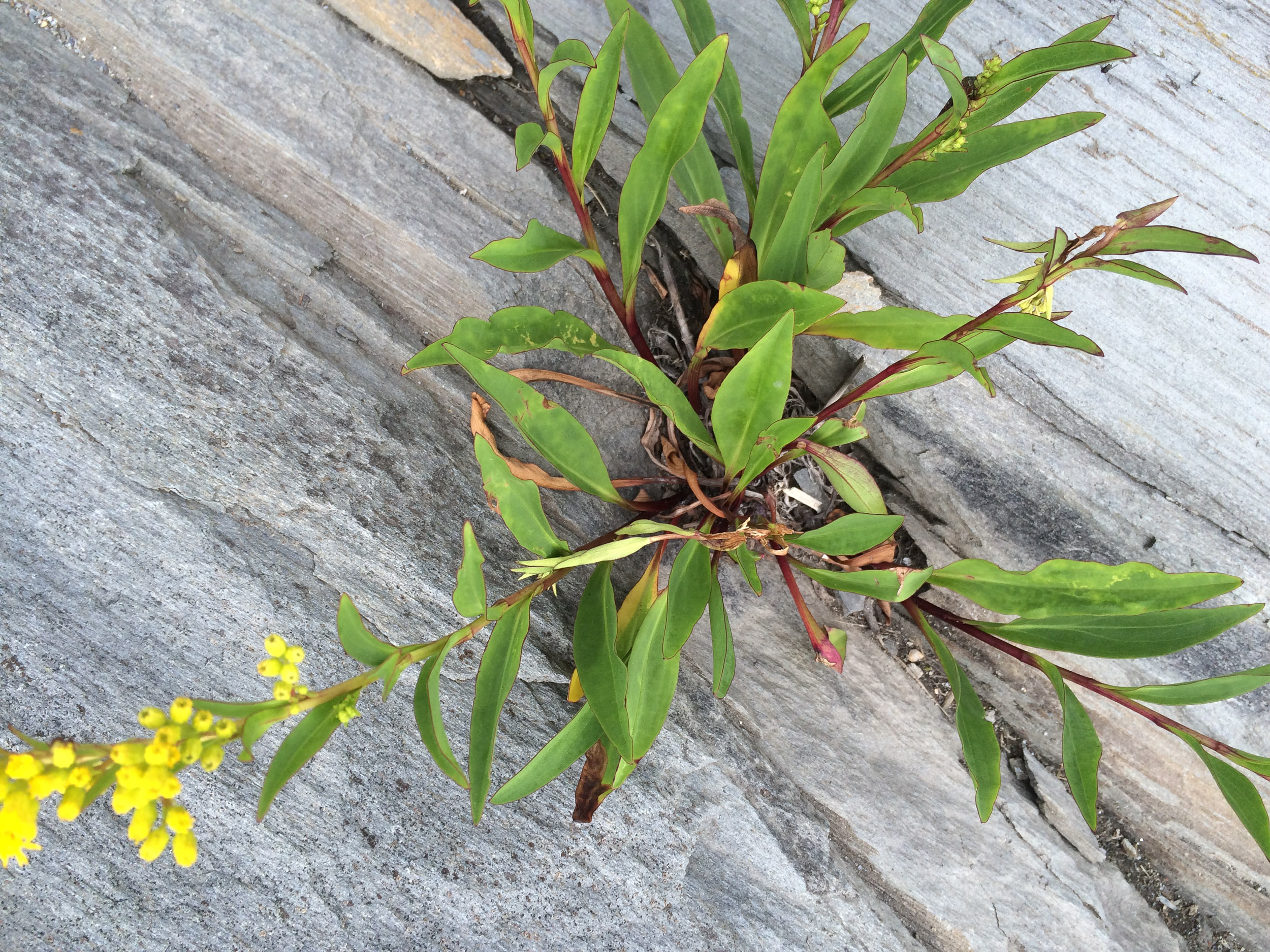
7/27/2015 · Two Lights State Park, Cape Elizabeth, Maine 
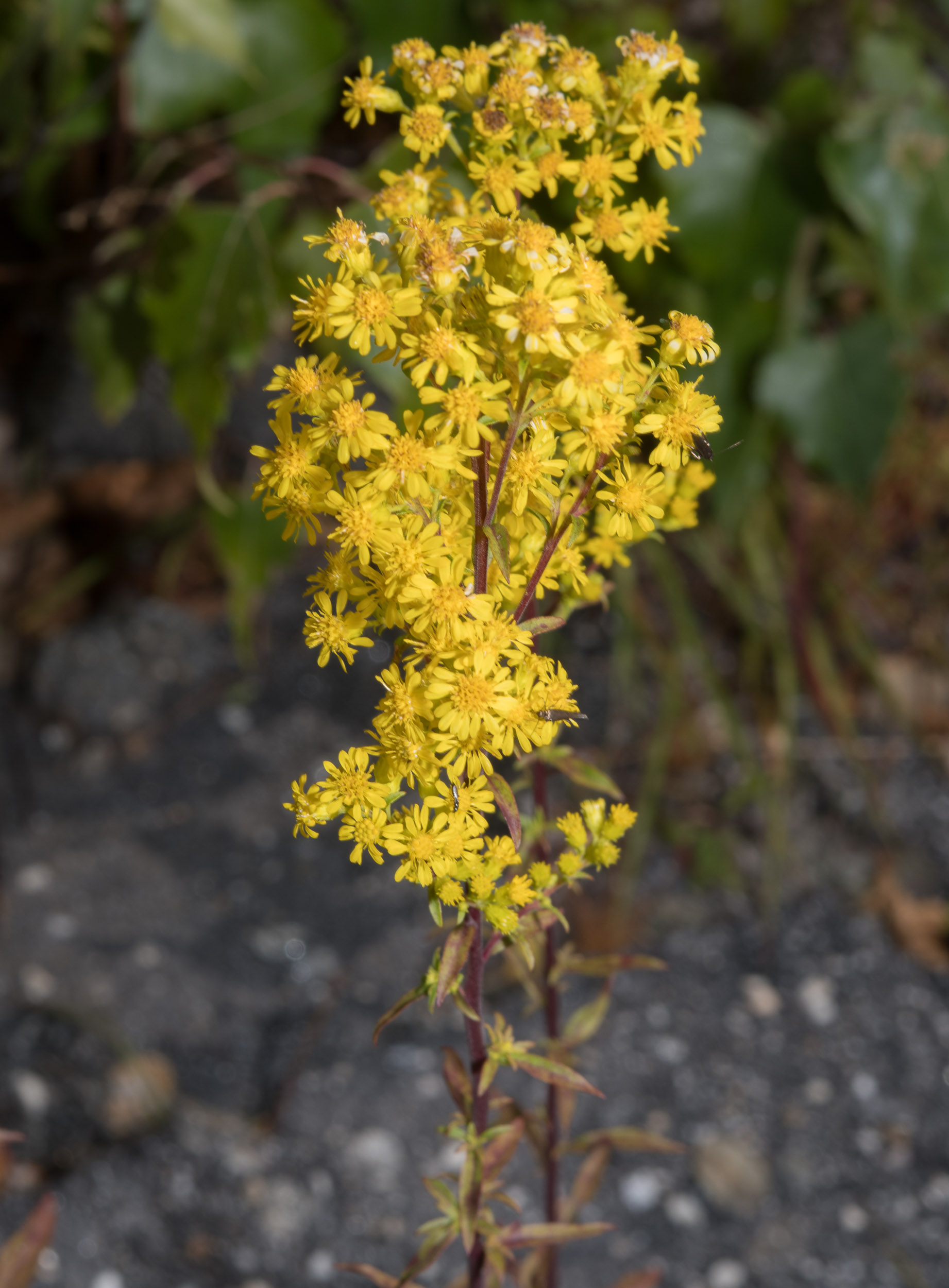
9/11/2017 · Mt. Watatic, access road, Ashby, Massachusetts · ≈ 4½ × 7″ (12 × 16 cm) 
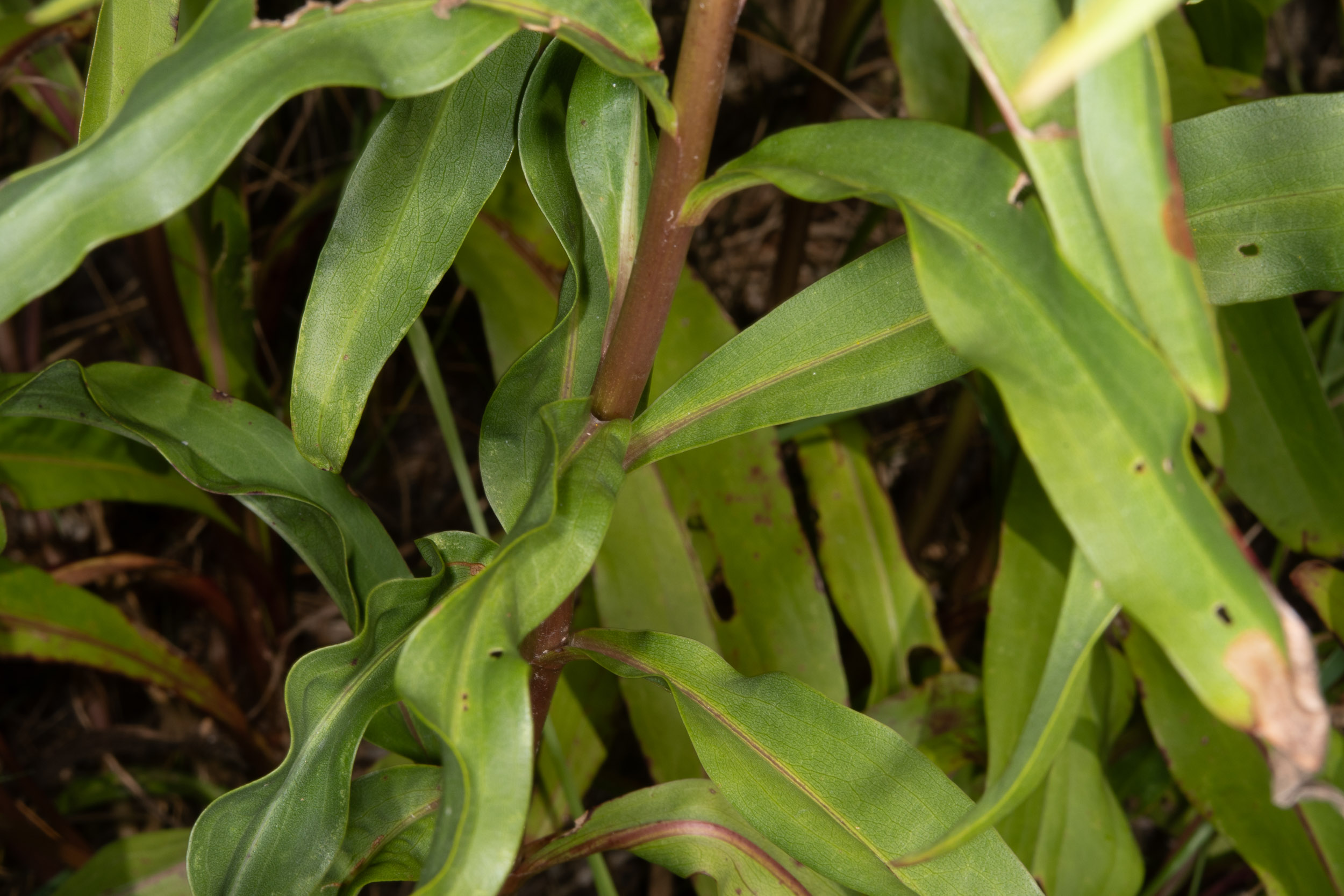
9/7/2020 · Maquoit Bay Conservation Area, Brunswick, Maine · ≈ 8 × 5″ (20 × 13 cm) 
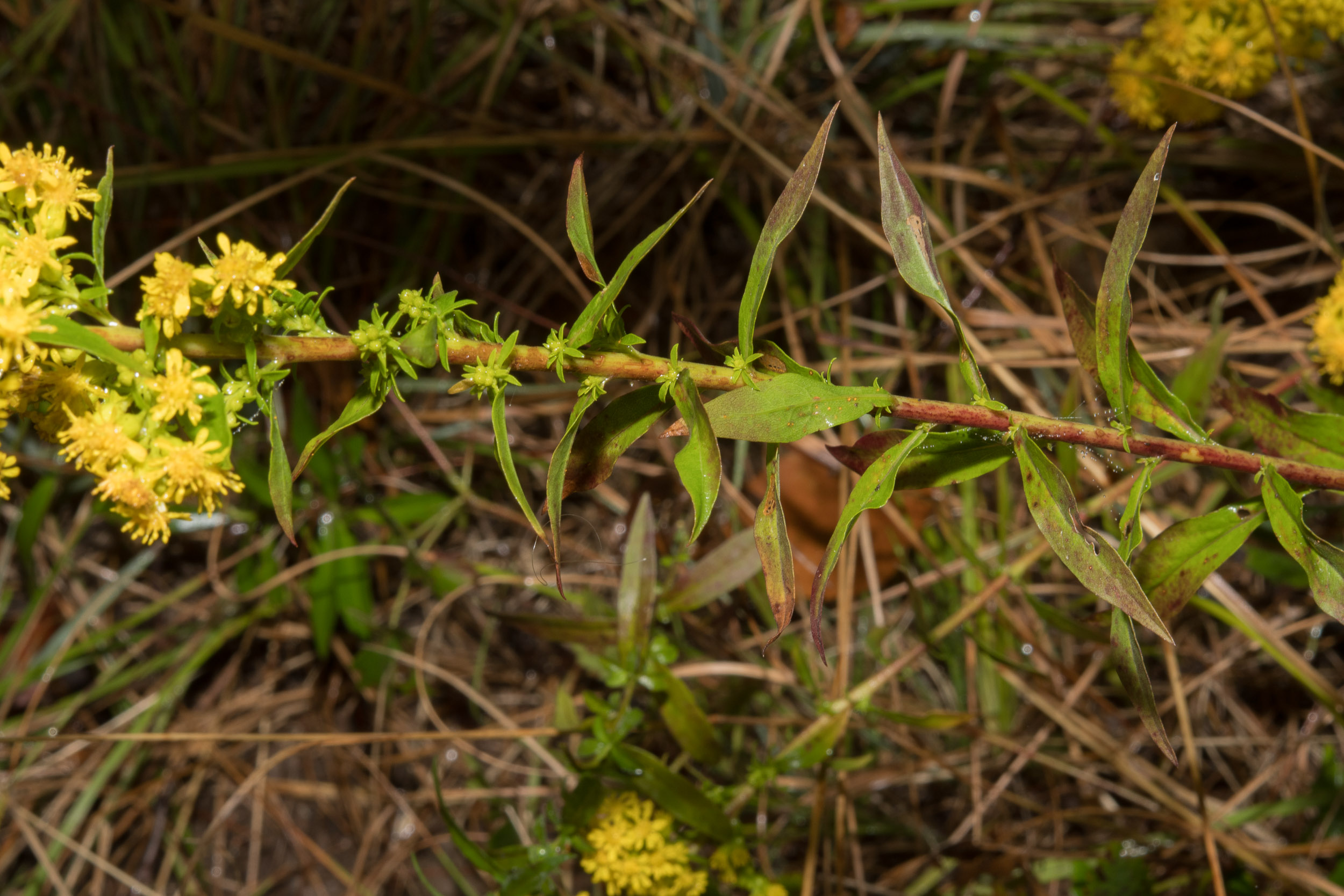
9/18/2017 · Purgatory Falls, Mont Vernon, New Hampshire · ≈ 8 × 5″ (20 × 13 cm) 
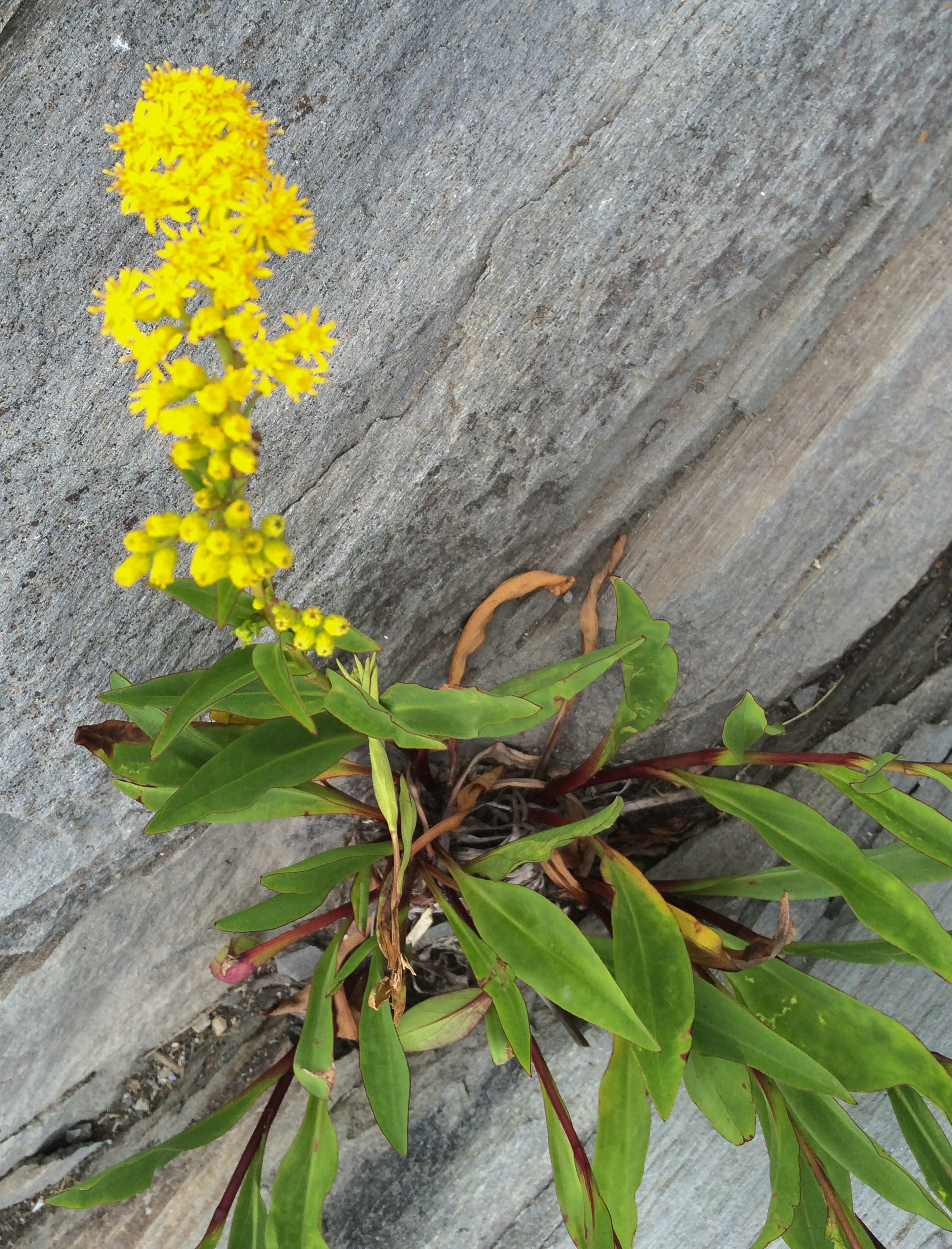
7/27/2015 · Two Lights State Park, Cape Elizabeth, Maine 
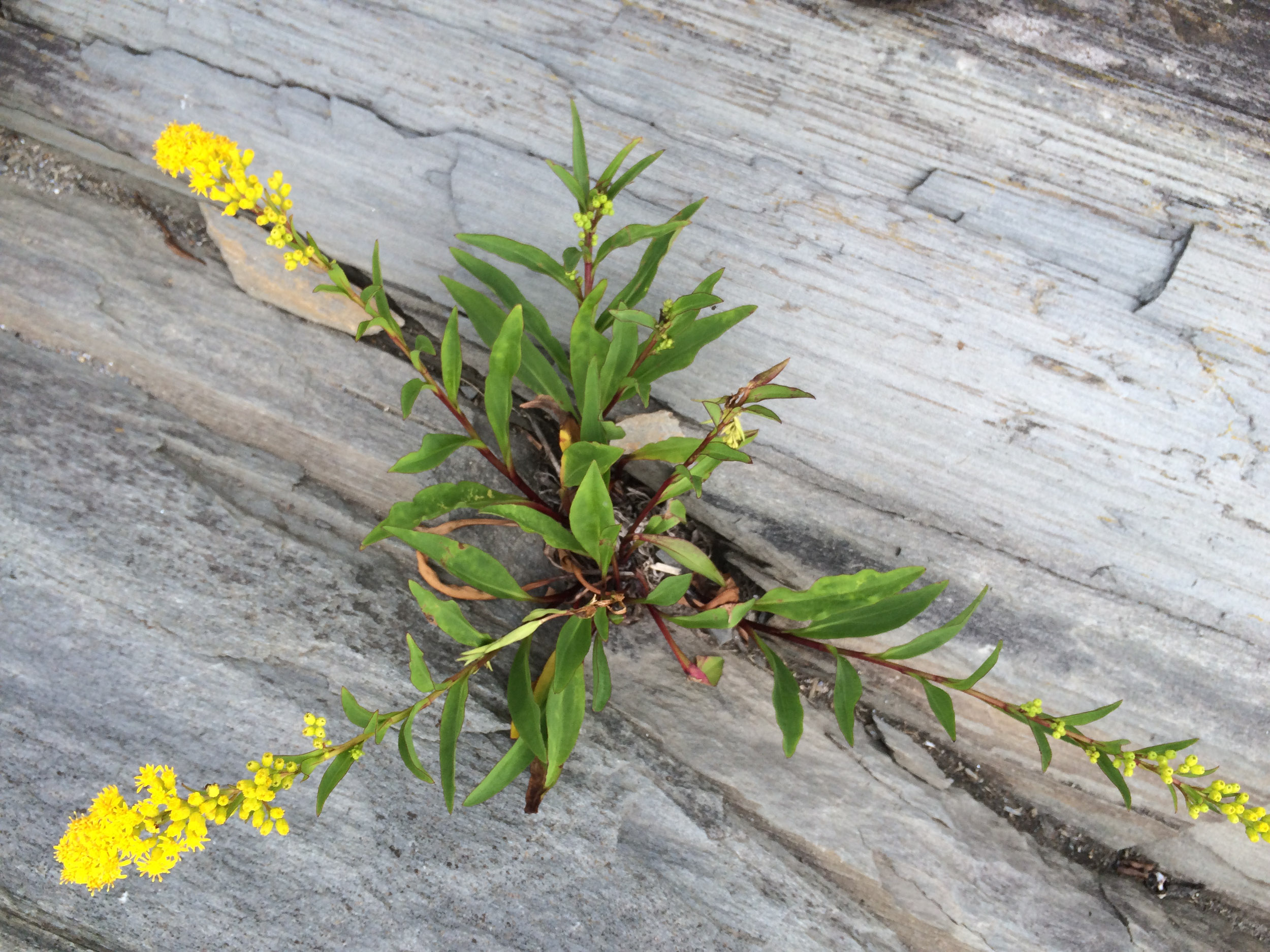
7/27/2015 · Two Lights State Park, Cape Elizabeth, Maine 
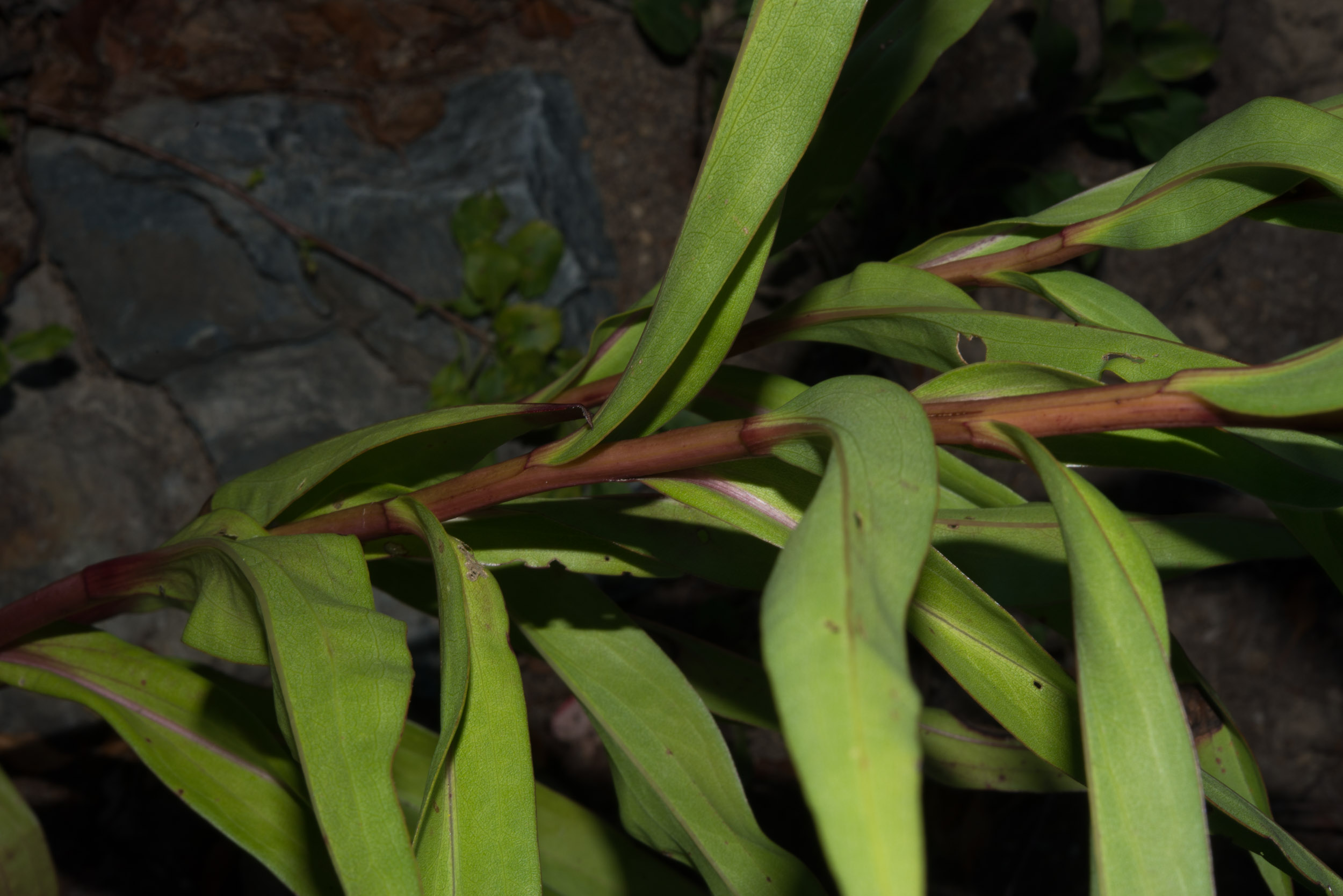
9/29/2013 · Compass Harbor, Acadia National Park, Bar Harbor, Maine · ≈ 10 × 7″ (25 × 16 cm) 
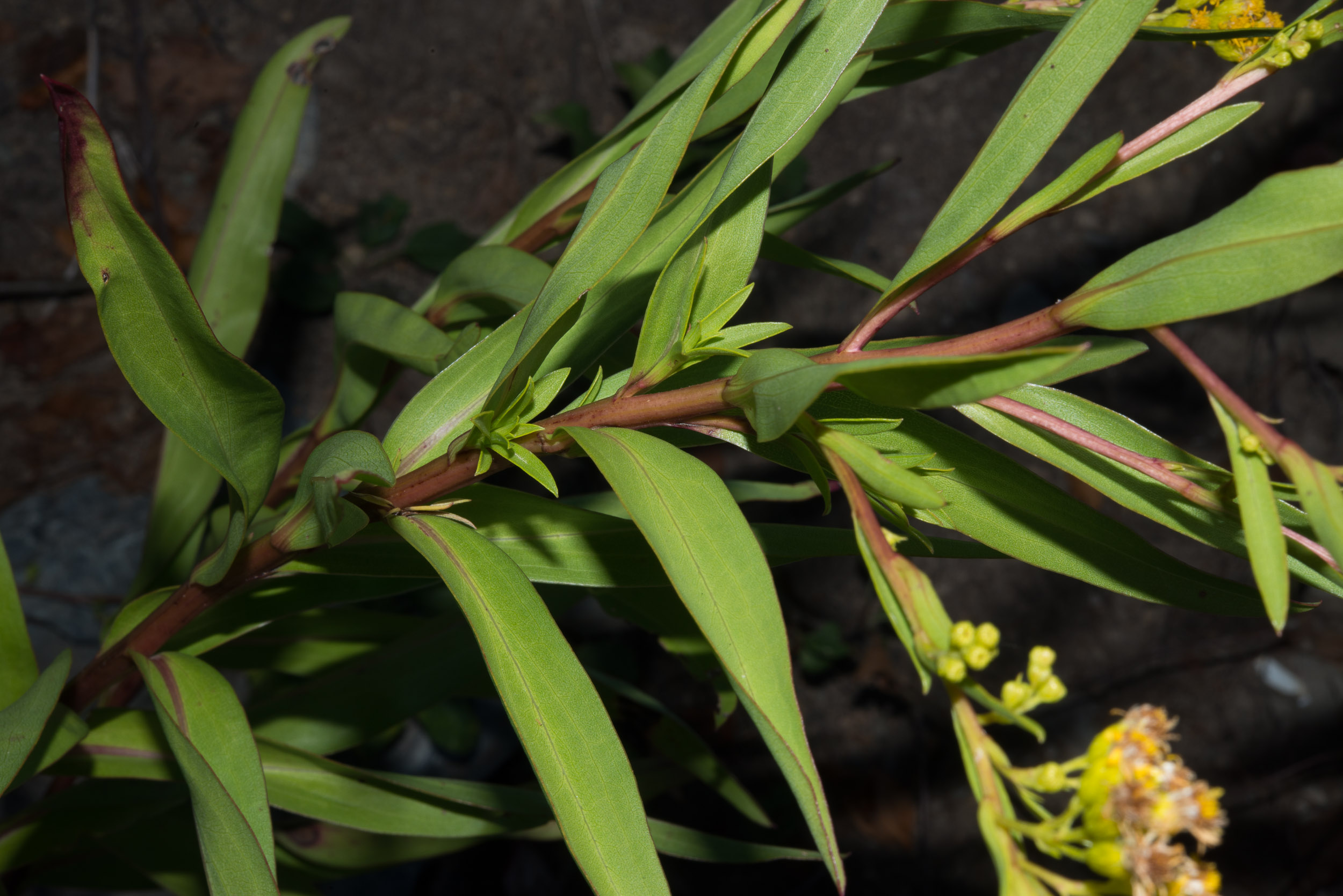
9/29/2013 · Compass Harbor, Acadia National Park, Bar Harbor, Maine · ≈ 9 × 6″ (23 × 16 cm) 

9/18/2016 · Deer Isle, at Water’s Edge, Deer Isle, Maine 
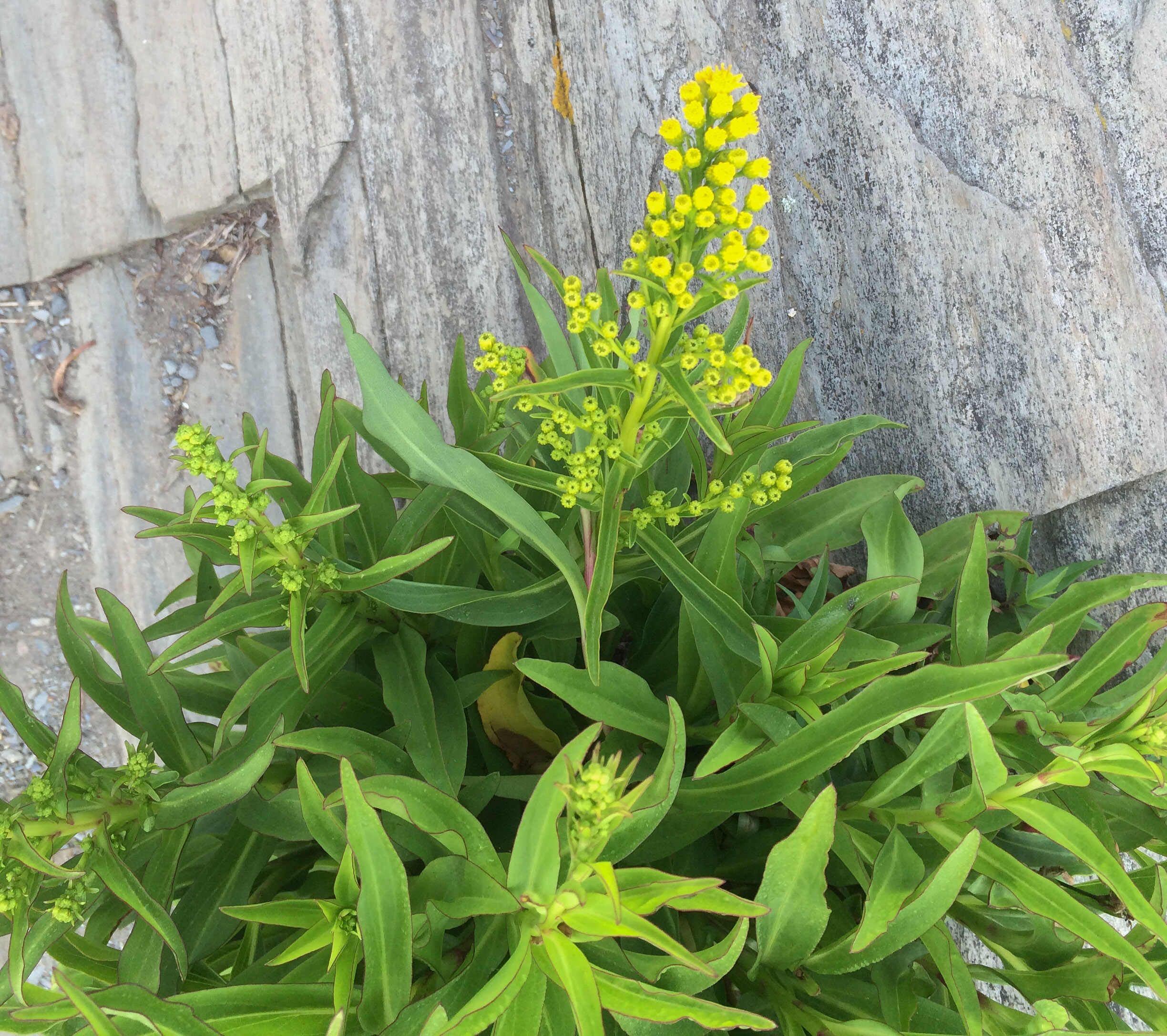
7/27/2015 · Two Lights State Park, Cape Elizabeth, Maine 
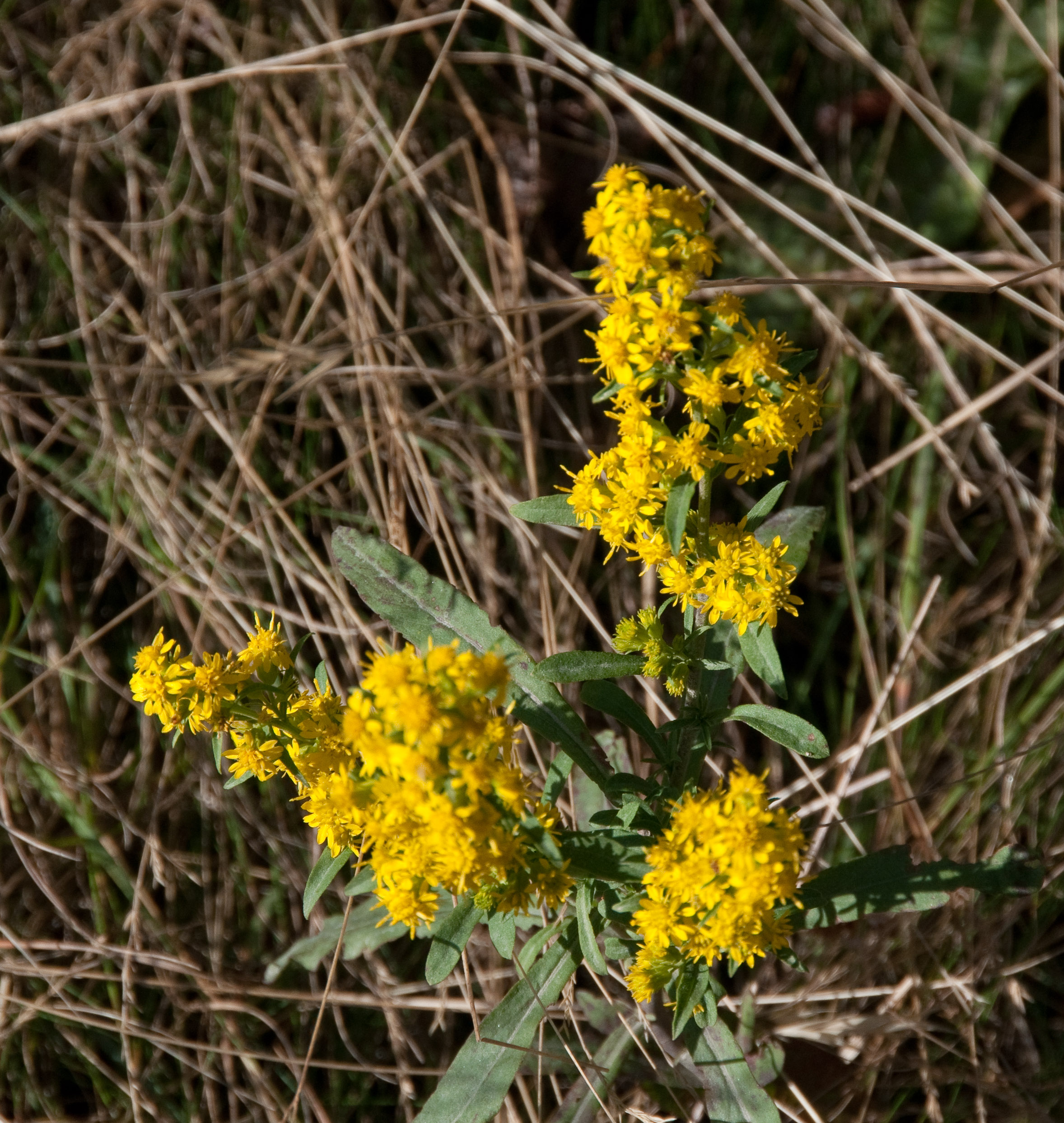
9/18/2009 · Acadia National Park, Bar Harbor, Maine · ≈ 4 × 4″ (10 × 10 cm)  ID is uncertain
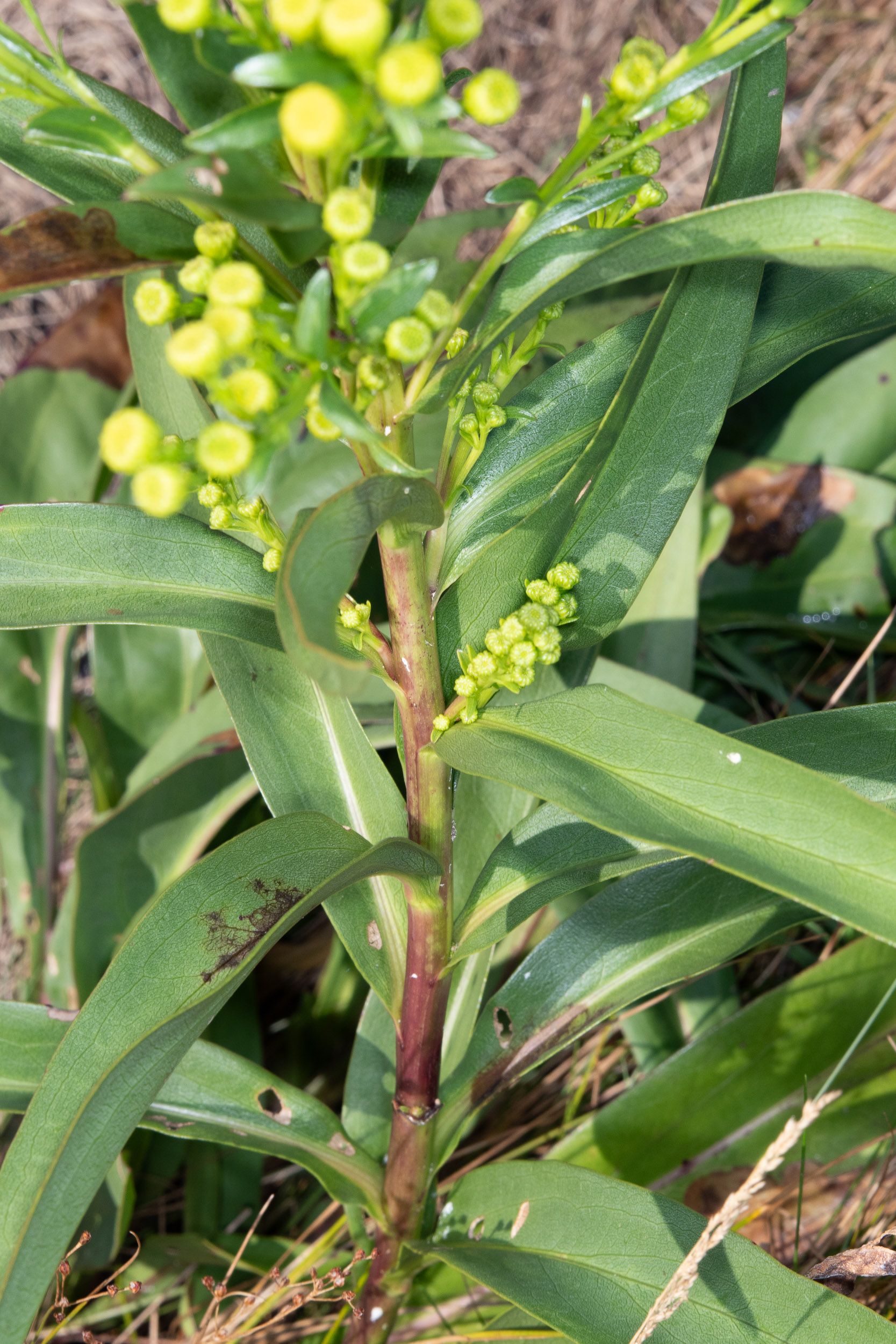
8/24/2023 · Morse Mountain, Phippsburg, Maine · ≈ 6 × 10″ (16 × 24 cm) 
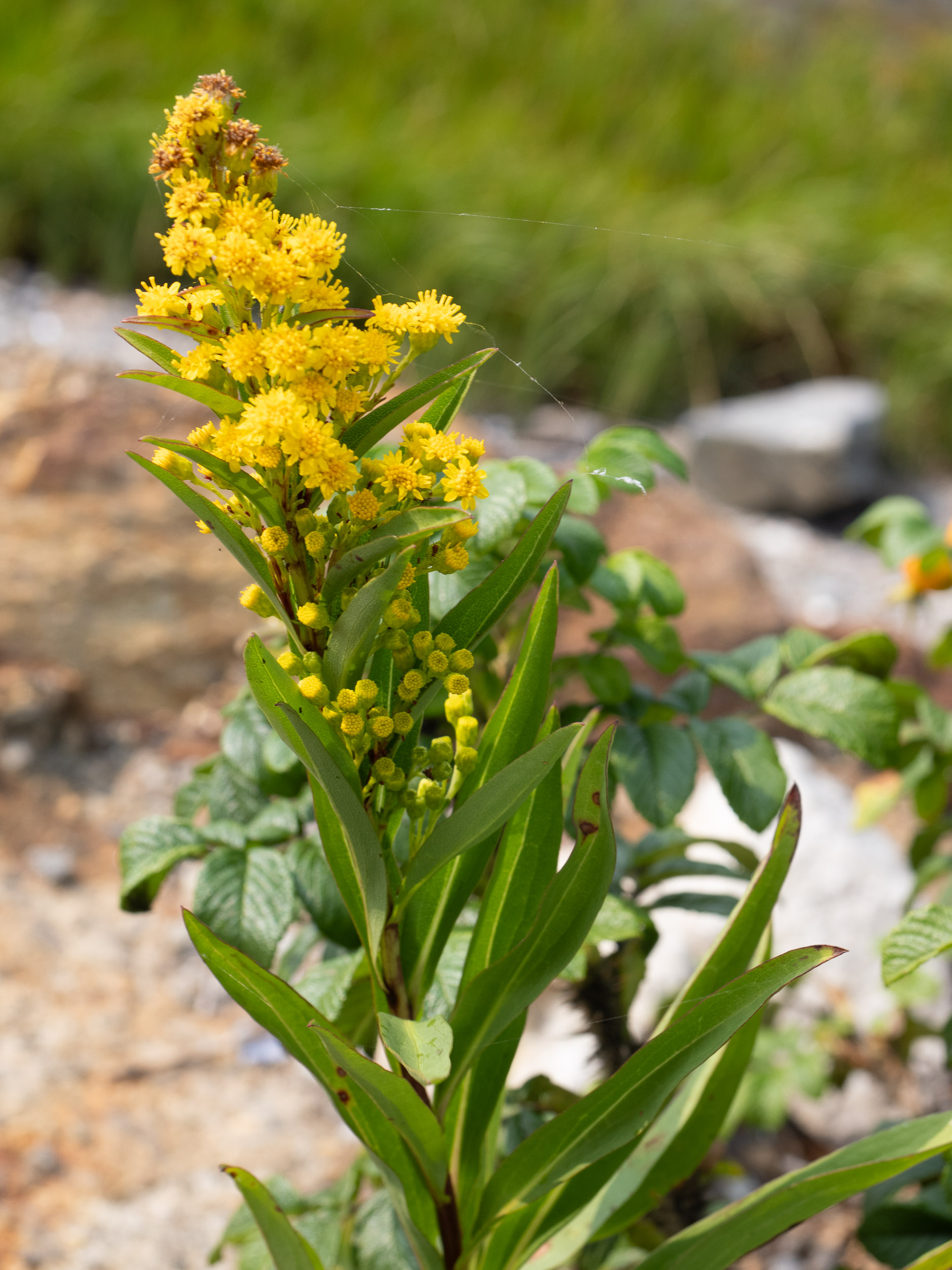
9/6/2023 · Beach near Cook’s Lobster and Ale House, Bailey Island, Maine 
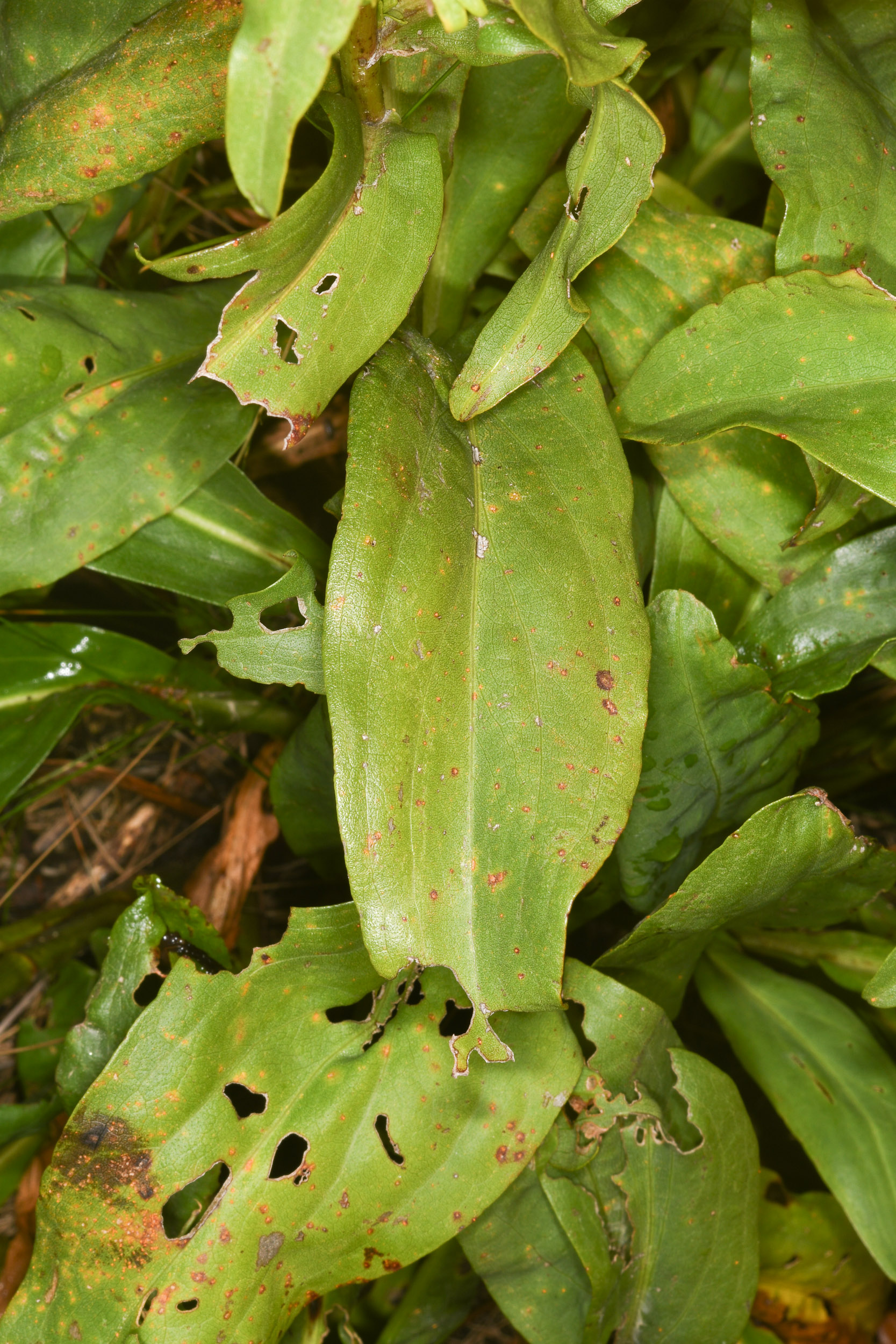
9/18/2016 · Deer Isle Beach Vegetation Recla 
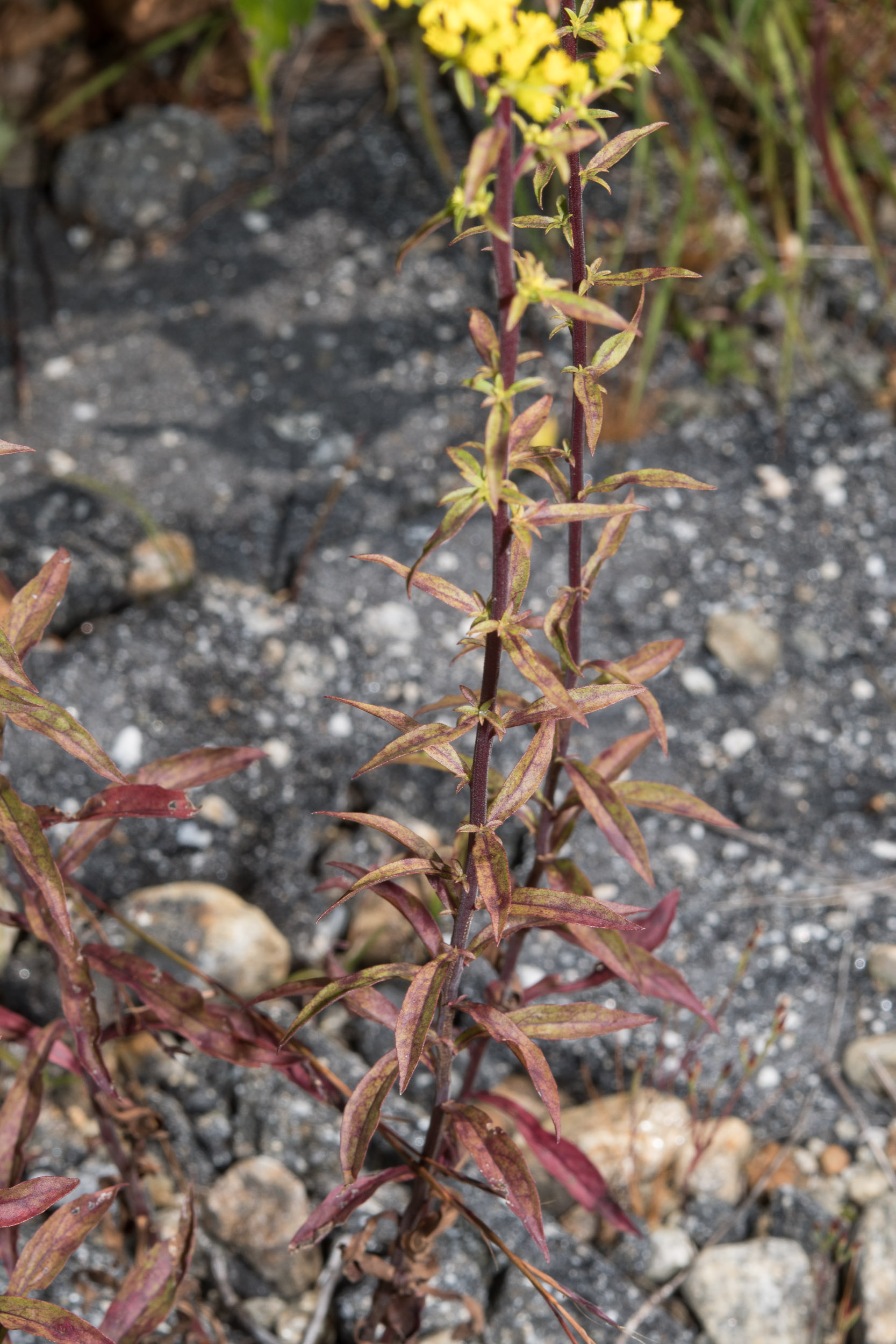
9/11/2017 · Mt. Watatic, access road, Ashby, Massachusetts · ≈ 6 × 10″ (16 × 24 cm) 
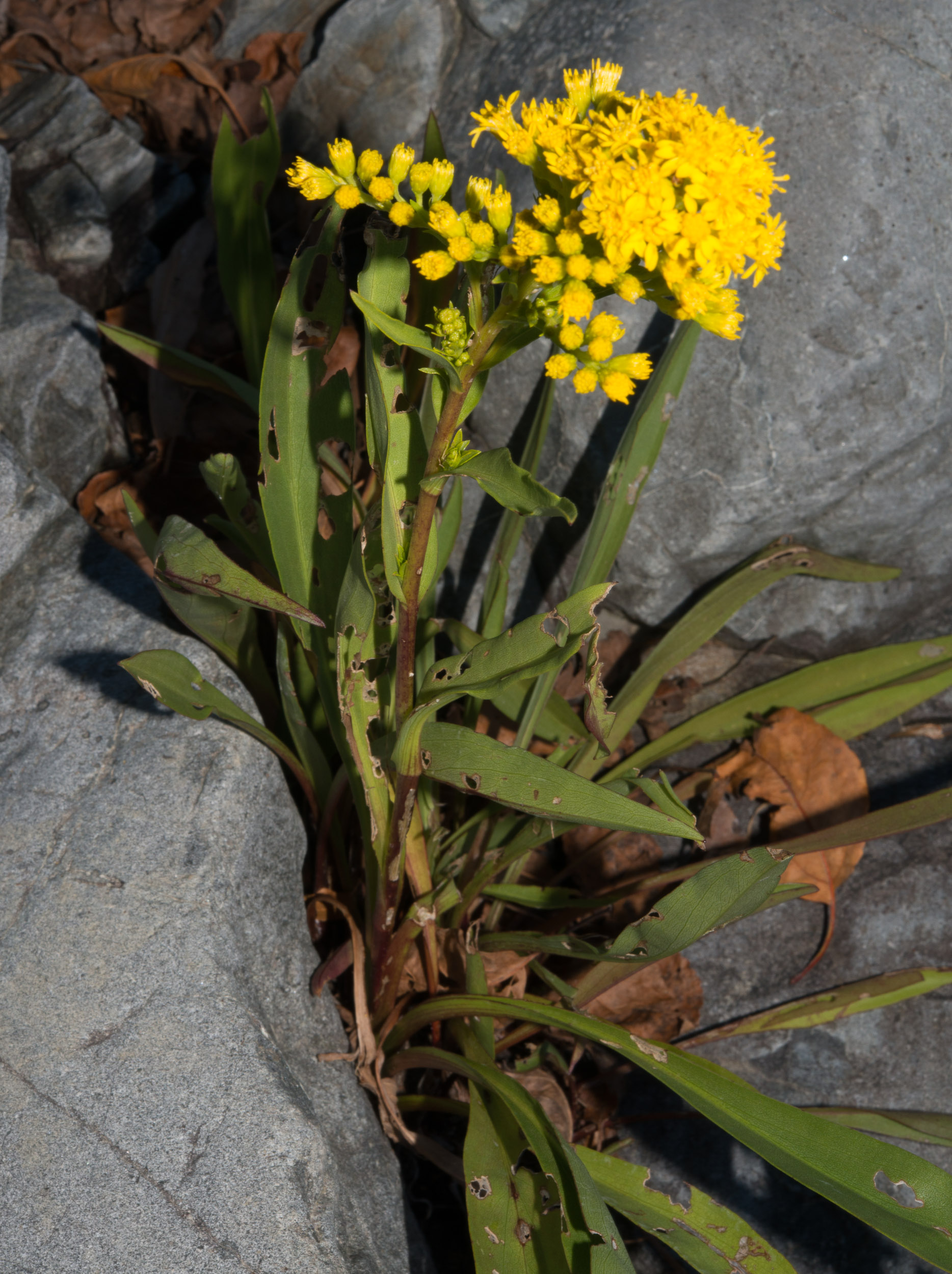
9/29/2013 · Compass Harbor, Acadia National Park, Bar Harbor, Maine · ≈ 8 × 10″ (19 × 26 cm) 
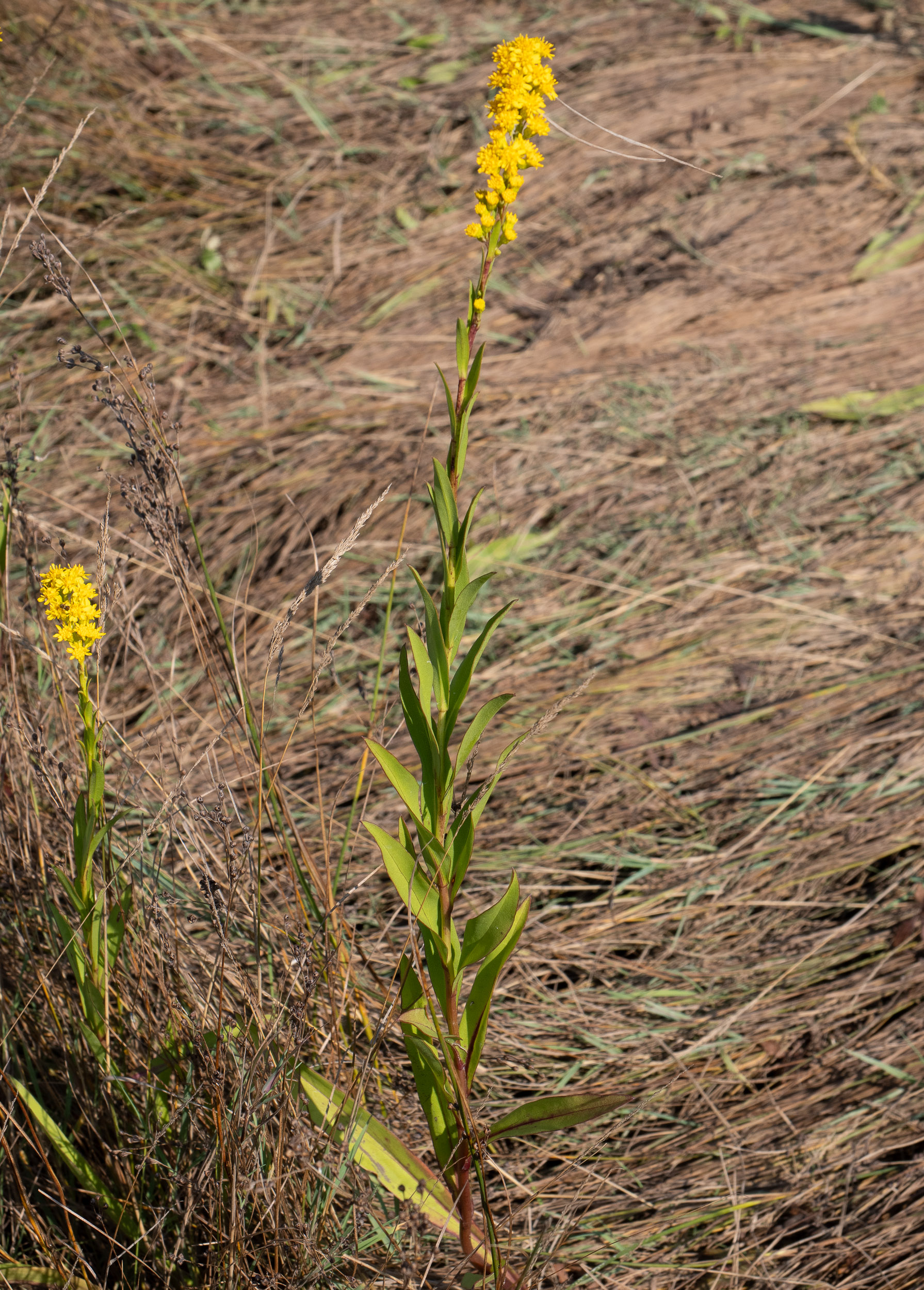
9/9/2023 · Salt marsh, Flying Point, Georgetown, Maine 
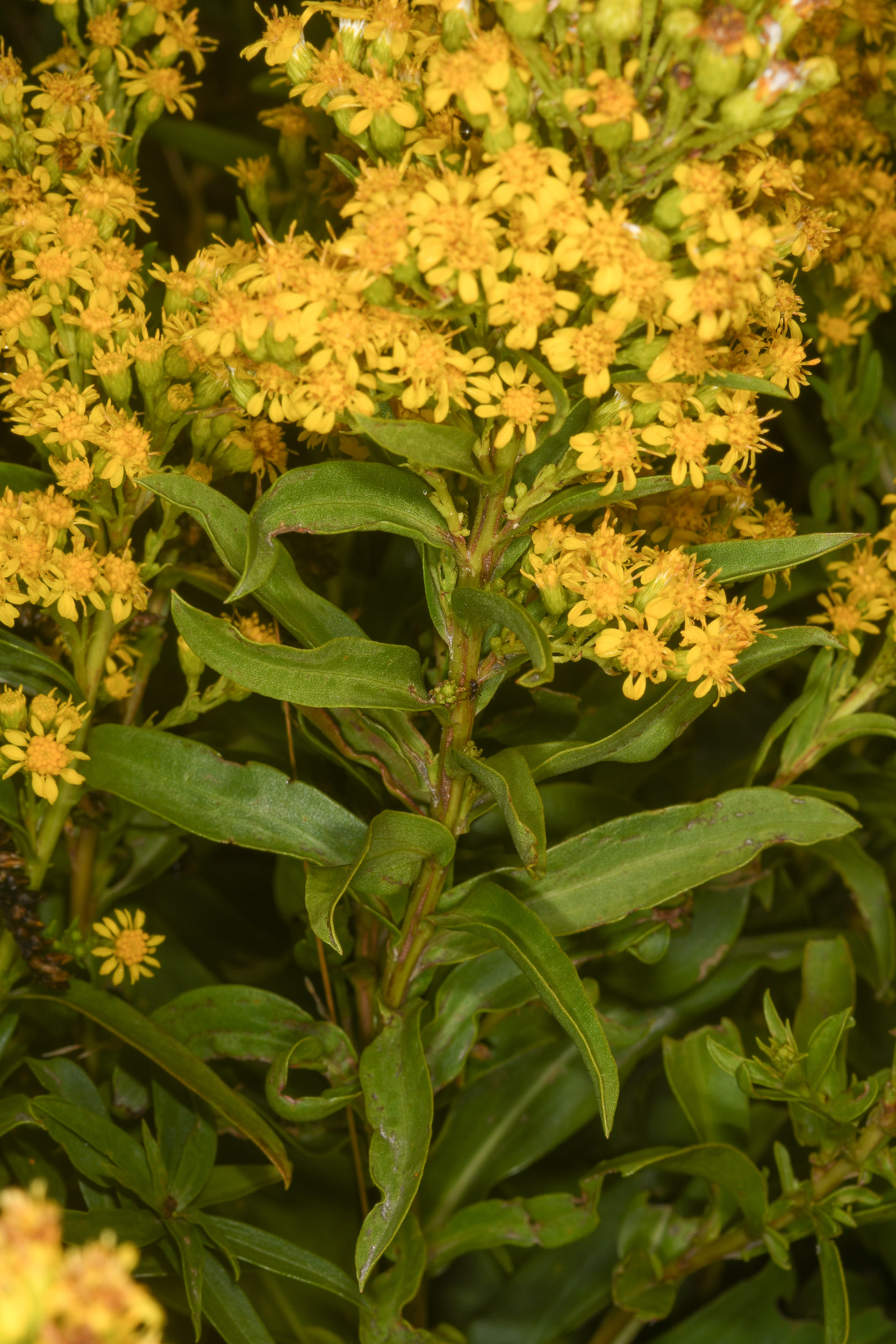
9/18/2016 · Deer Isle Beach Vegetation Recla 
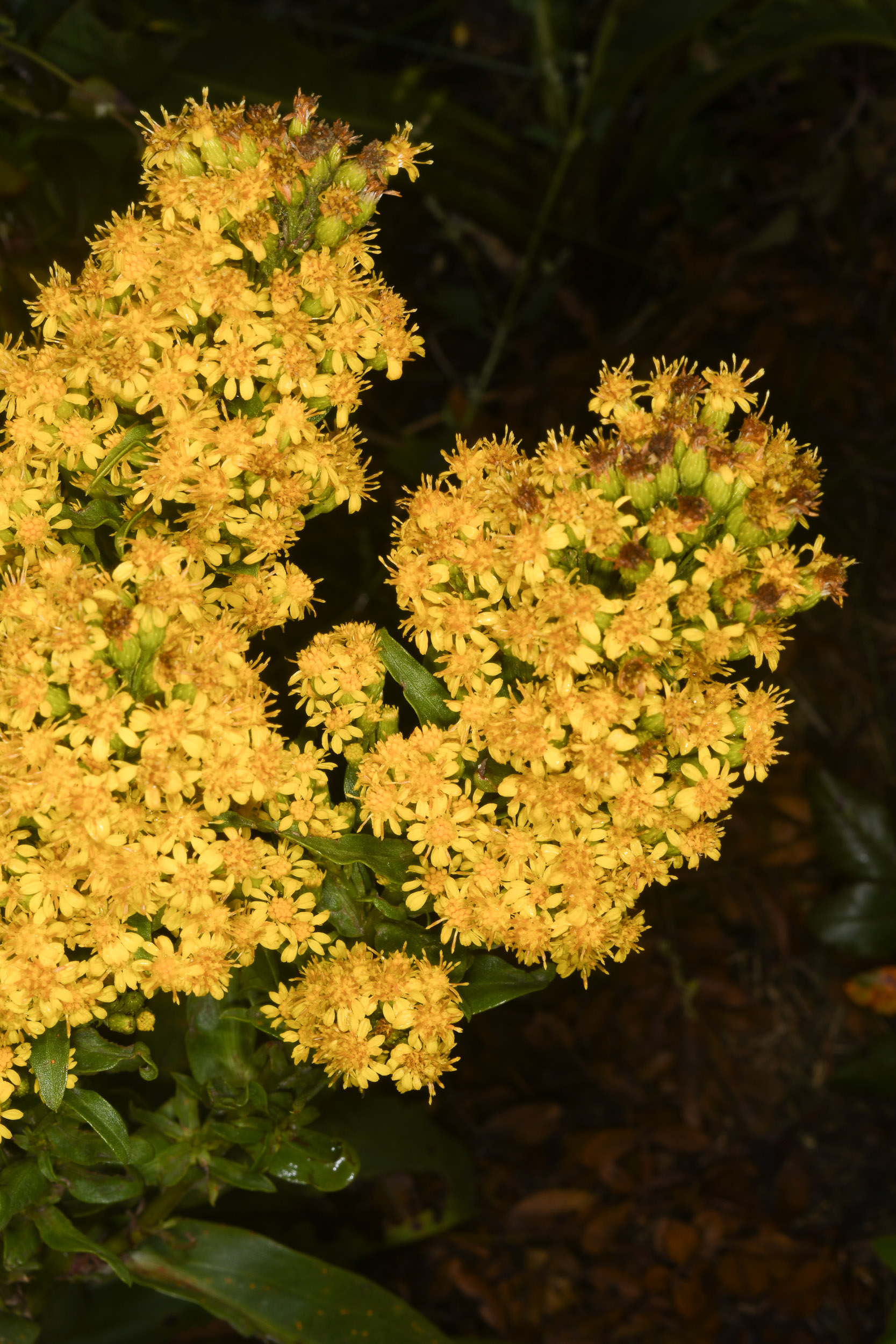
9/18/2016 · Deer Isle Beach Vegetation Recla 

9/22/2020 · Giants’ Stairs, Bailey Island, Harpswell, Maine · ≈ 6 × 4″ (15 × 11 cm) 
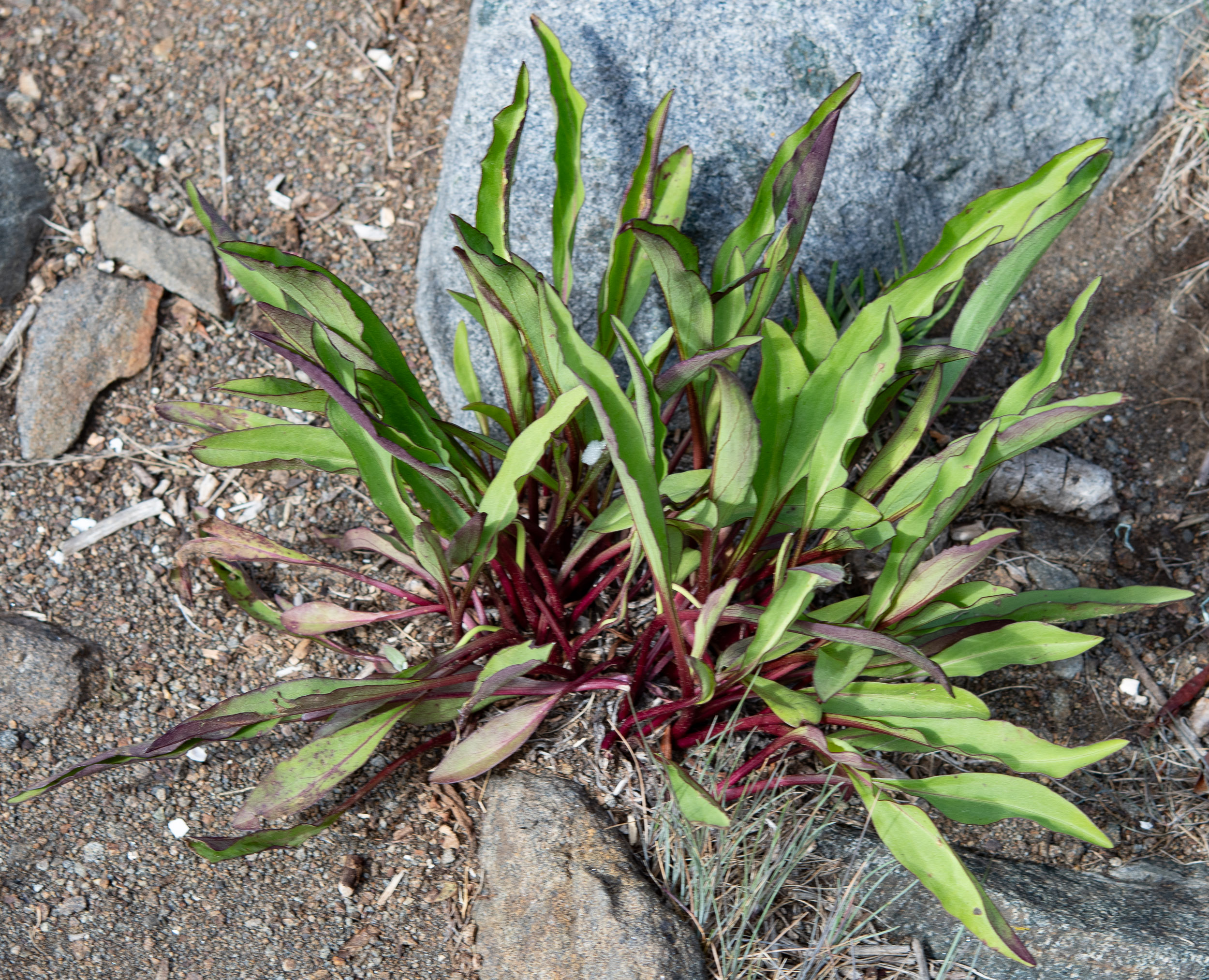
6/10/2016 · Lobster Cove Trail, Monhegan Island, Maine · ≈ 15 × 12″ (37 × 30 cm) ID is uncertain 
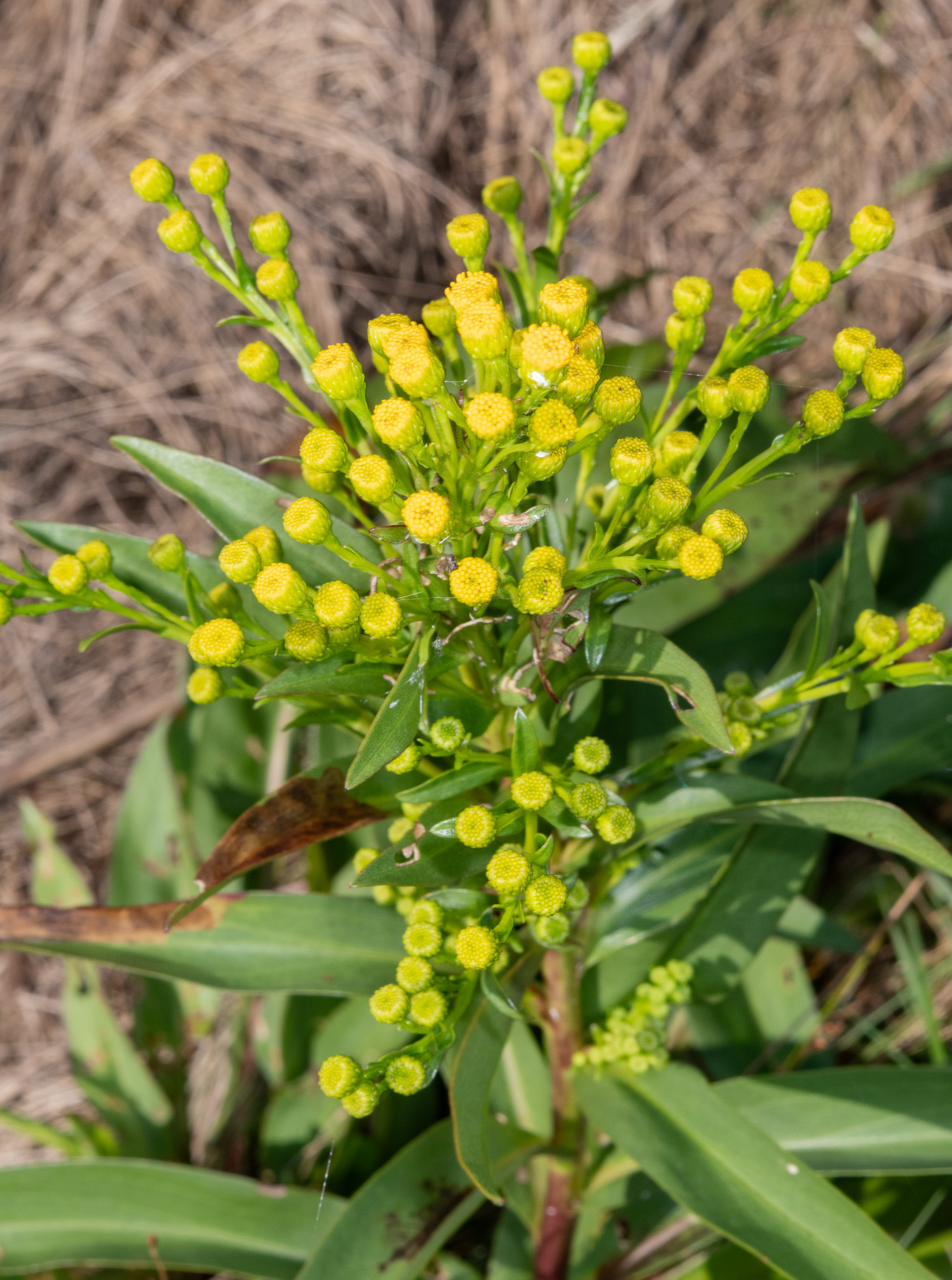
8/24/2023 · Morse Mountain, Phippsburg, Maine · ≈ 5 × 7″ (13 × 18 cm) 
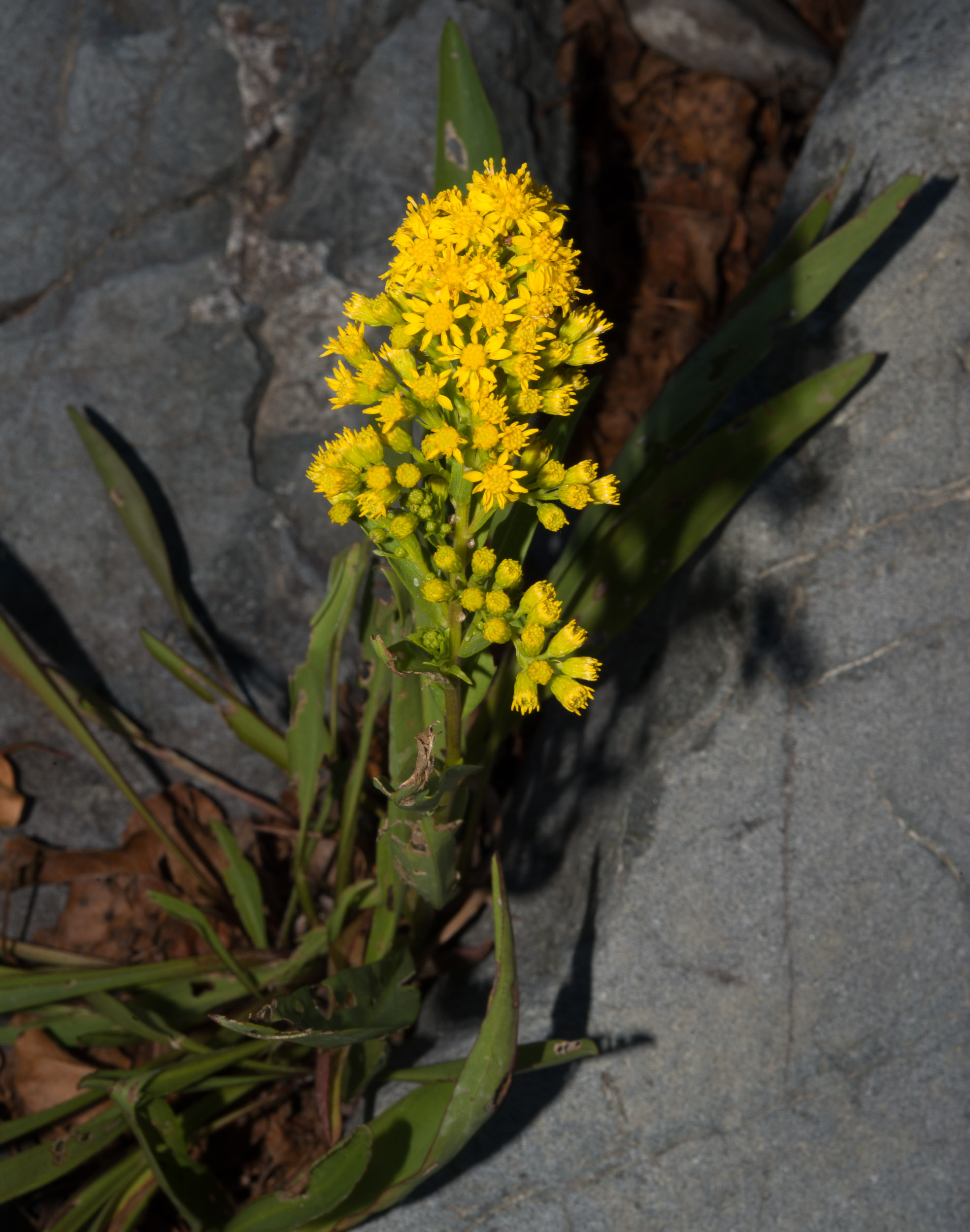
9/29/2013 · Compass Harbor, Acadia National Park, Bar Harbor, Maine · ≈ 7 × 8″ (16 × 21 cm) 
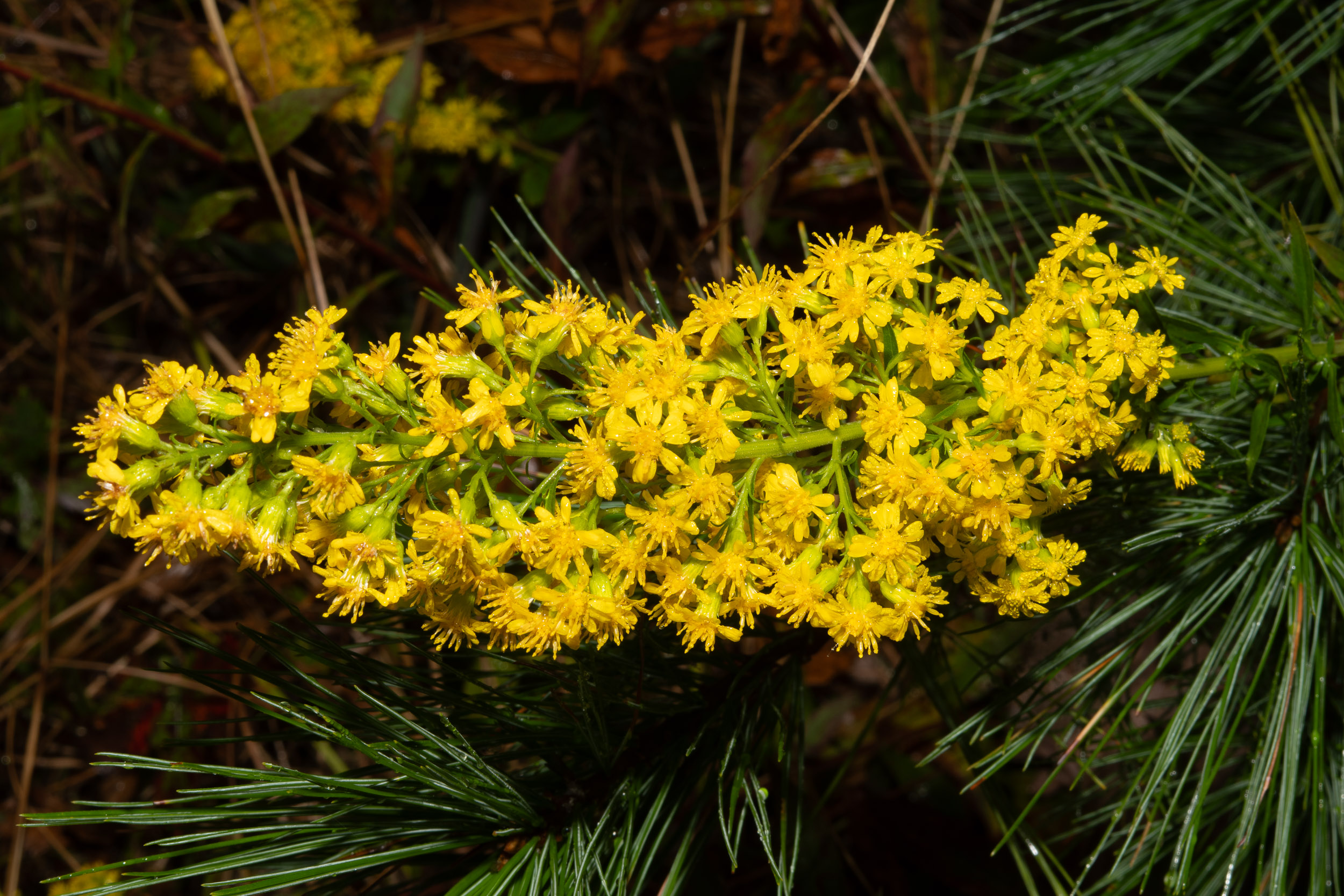
9/18/2017 · Purgatory Falls, Mont Vernon, New Hampshire · ≈ 10 × 6″ (24 × 16 cm) 
| Kingdom | Plantae | Plants, but not fungi, lichens, or algae (from Stearn's Botanical Latin) |
| Subkingdom | Tracheobionta | Vascular plants—plants with a “circulatory system” for delivering water and nutrients |
| Division | Magnoliophyta | Flowering plants, also known as angiosperms |
| Class | Magnoliopsida | Dicotyledons—plants with two initial seed leaves |
| Subclass | Asteridae | A large class that encompasses asters |
| Order | Asterales | Flowering plants with a central disk flower and surrounding petals, like daisies |
| Family | Asteraceae | The aster family, which also includes daisies and sunflowers; from the Greek ἀστήρ, “star,” for the star-shaped flowers |
| Genus | Solidago | From Latin solido, “to make whole or heal,” because it was believed these species had healing properties |
| Species | sempervirens | "Evergreen" (from Stearn's Botanical Latin) |
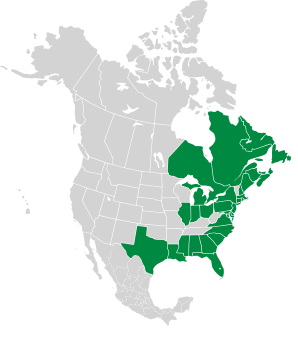
Solidago sempervirens description by Thomas H. Kent, not updated.

© FloraFinder.org. All rights reserved.