Trifolium aureum Pollich
Hop clover, large hop clover, large hop trefoil, golden clover
Hop clover is a native of central and southern Europe, now well established in North America. The common name signifies the resemblance of this clover to hops.

From . 
Plants: 6–18″ (15–45 cm) high, multiply branched, and usually erect.
Leaves: Trifoliate. The central leaf is not on a separate stem (petiole). Leaflets are about ¾″ long ⨉ ¼″ wide (1.9 cm ⨉ 6.3 mm).
Flowers: Each flower is a single oval or beehive-shaped inflorescence atop a pedicel (stalk) ½–2″ (1.3–5 cm) long. Each inflorescence is ½–¾″ (1.3–1.9 cm) tall, with a dense, orderly array of tiny bright yellow flowers.
Fruits: Flowers turn rusty brown and wilt, and seeds fall to the ground instead of forming a fruit.
Habitats: Grasslands, fields, roadsides, wastelands.
Edibility: With most clovers, flower heads (and possibly leaves) may be juiced or boiled and eaten. Dried flower heads and seed pods are also edible. However, I could not find specific edibility information for hop clover, nor could I for the similar-appearing plant black medic (Medicago lupulina).
Trifolium (“three-leaved”) is a large genus, and three common yellow hop clovers are compared below. Black medic, a relative, looks closely similar to low hop clover, so this is included too.
 |
Similar species. |
Online References:
References:
Trifolium agrarium L., nom. utique rej.
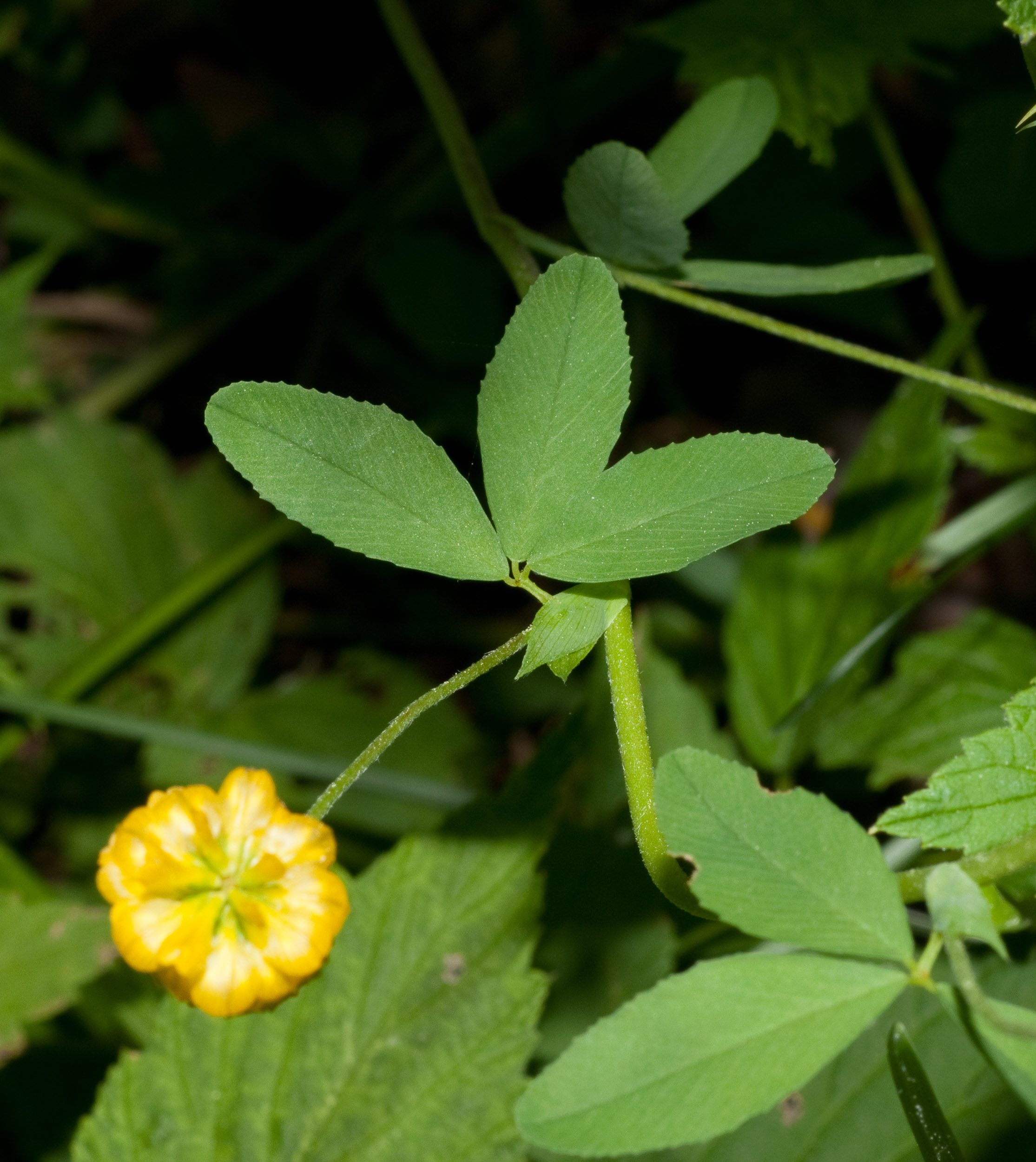
5/31/2010 · Tom and Susan’s, Pepperell, Massachusetts · ≈ 3 × 3½″ (8.2 × 9.2 cm) 
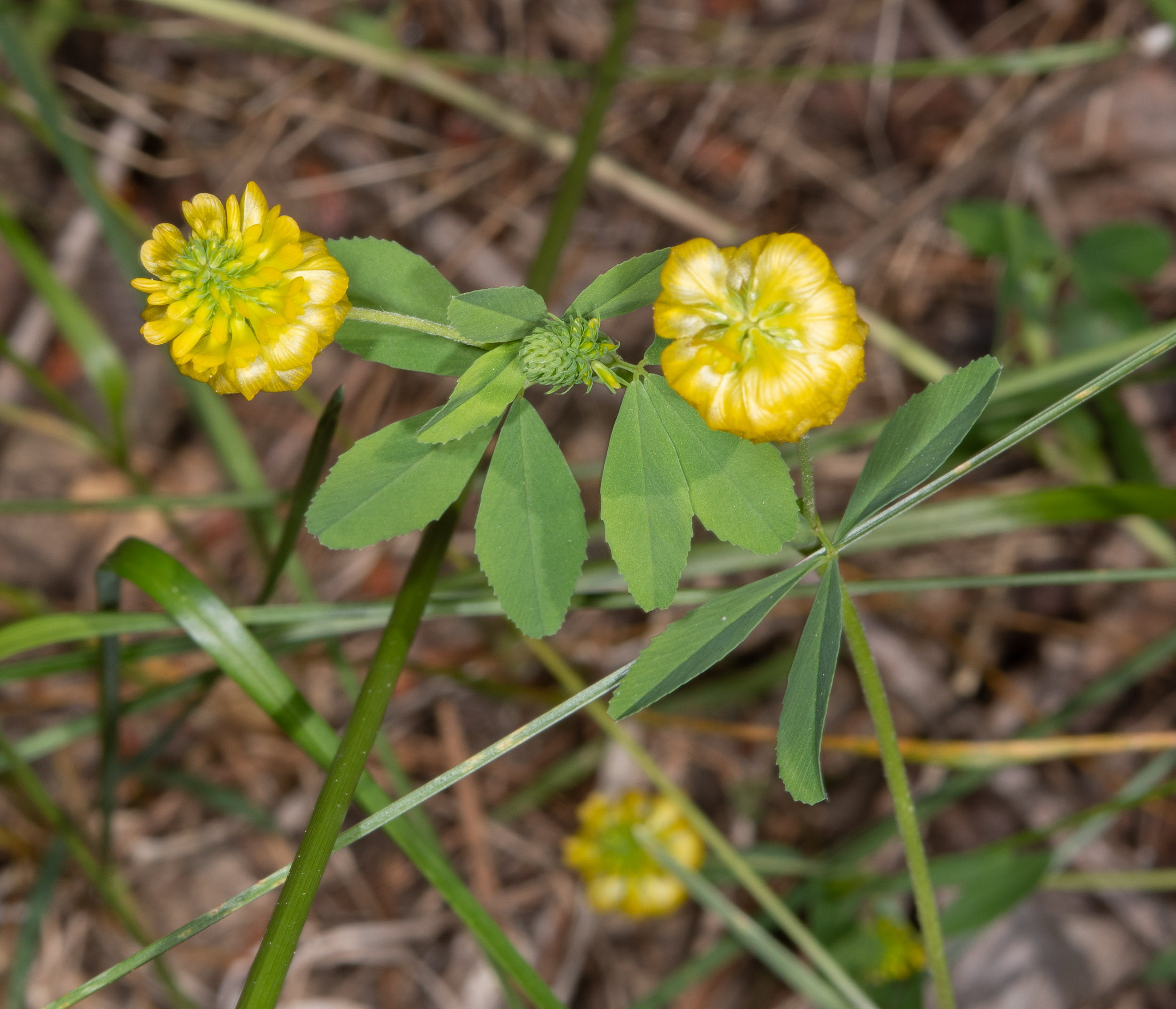
6/22/2018 · Andres Art Institute, Big Bear Mountain, Brookline, New Hampshire · ≈ 3½ × 3″ (9.6 × 8.2 cm) 

6/26/2024 · Morse Mountain, Phippsburg, Maine · ≈ 4½ × 4½″ (12 × 11 cm) 

6/24/2024 · Otter Brrok Preserve, Harpswell Heritage Land Trust, Harpswell, Maine · ≈ 6 × 4″ (16 × 11 cm) 

6/26/2024 · Morse Mountain, Phippsburg, Maine · ≈ 4 × 4½″ (10 × 11 cm) 
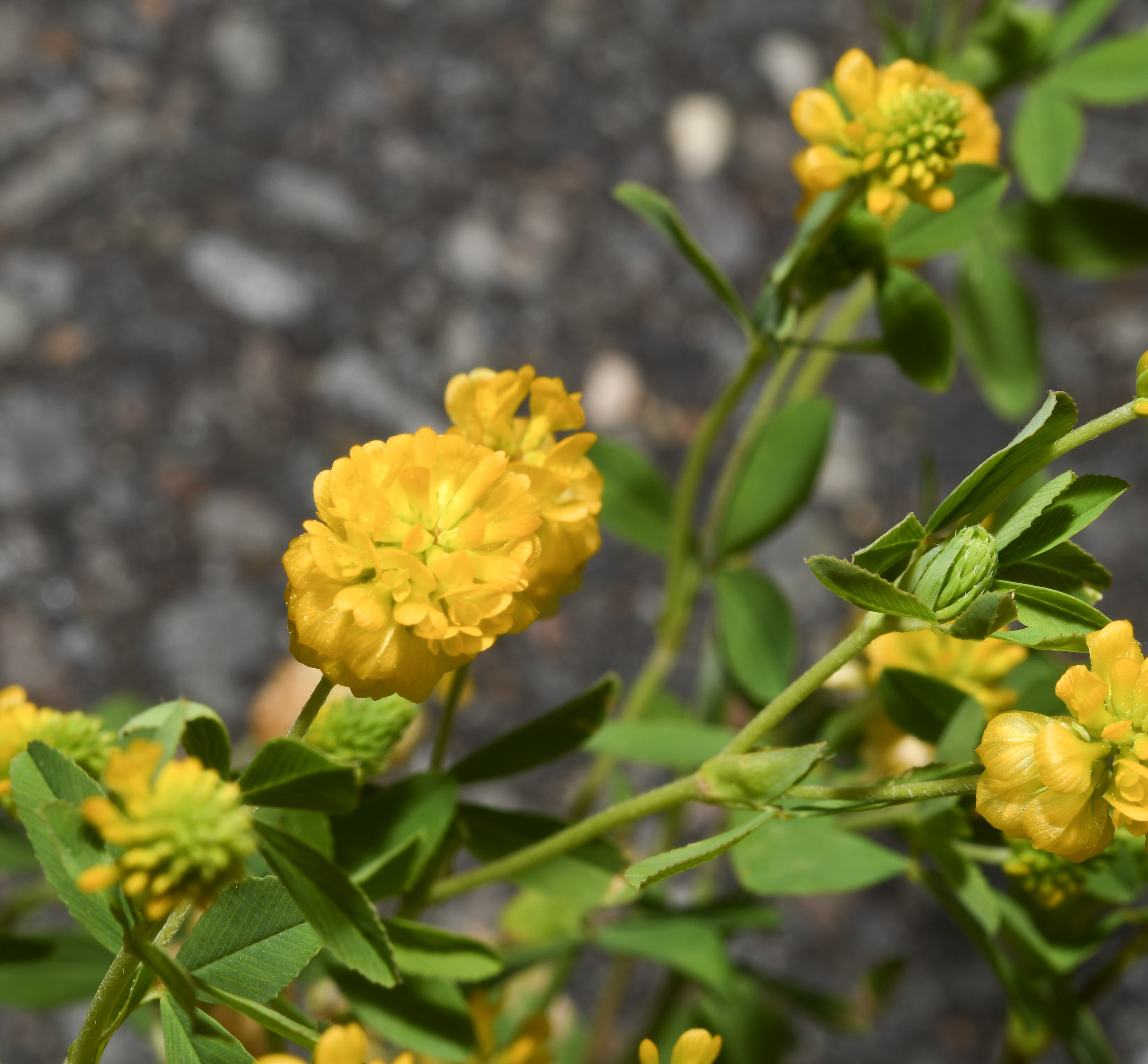
6/13/2016 · Nashua River Rail Trail, Groton, Groton, Massachusetts 
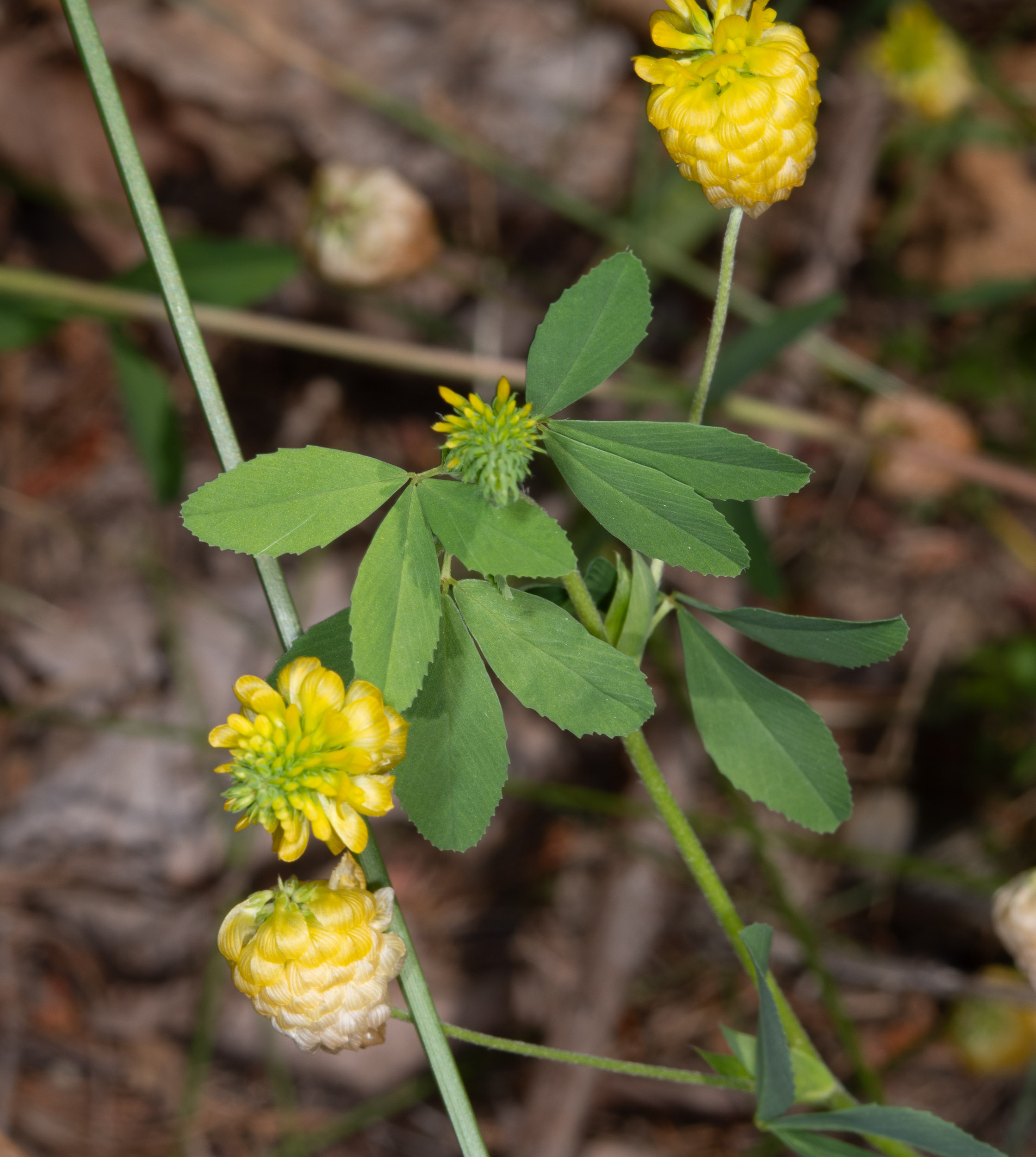
6/22/2018 · Andres Art Institute, Big Bear Mountain, Brookline, New Hampshire · ≈ 3½ × 4″ (8.9 × 10 cm) 
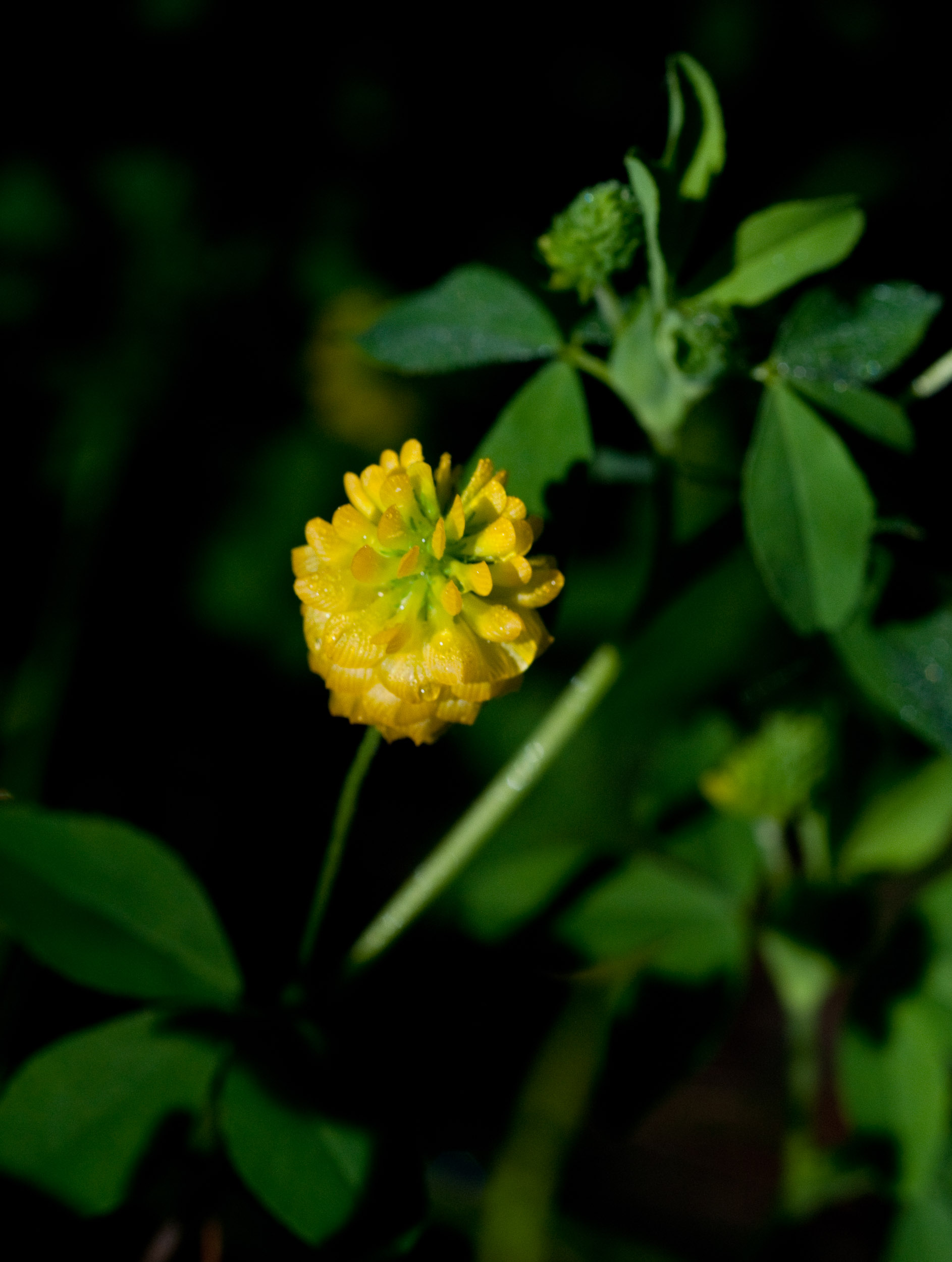
6/2/2010 · J. Harry Rich State Forest, Groton, Massachusetts · ≈ 3 × 4″ (7.9 × 10 cm) 
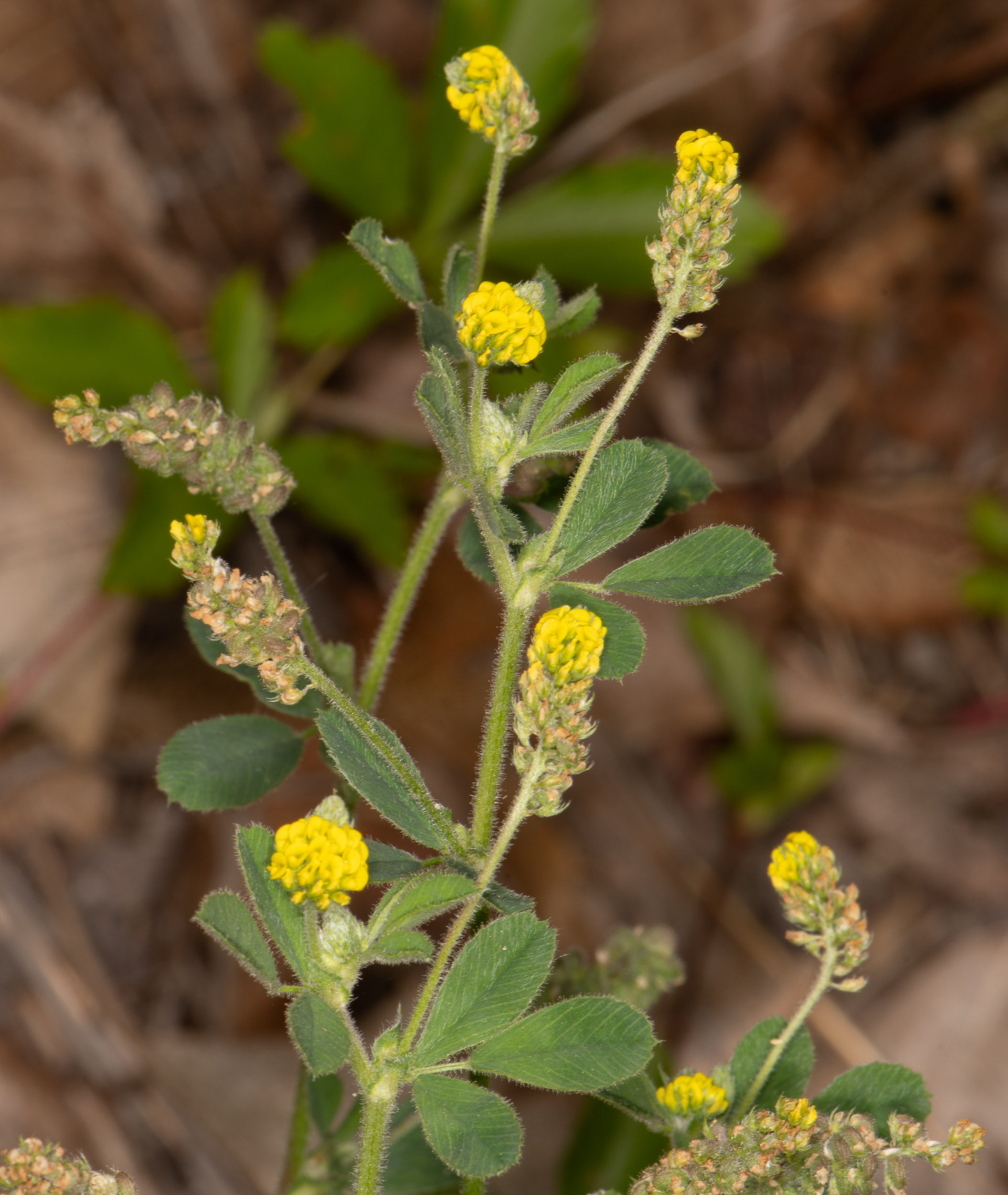
6/22/2021 · Tarbox Preserve, Topsham, Maine · ≈ 3½ × 4″ (9 × 10 cm) 

7/6/2017 · Mt. Watatic, access road, Ashby, Massachusetts · ≈ 3 × 4″ (8.4 × 10 cm) 

1/5/2026 · By Richard Old, XID Services, Inc., United States 

6/29/2014 · Mount Agamenticus, York, Maine · ≈ 9 × 6″ (21 × 15 cm) 
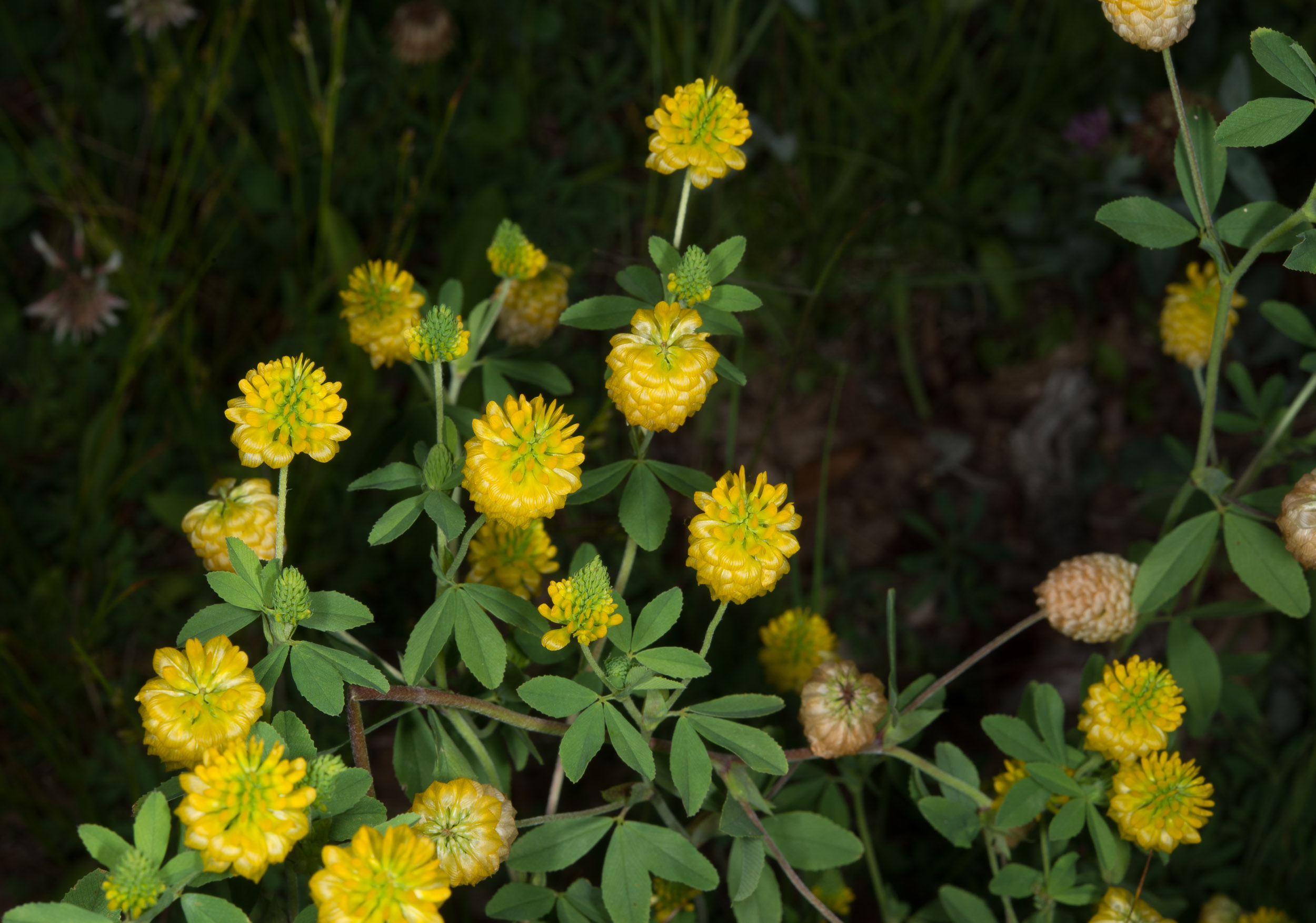
6/29/2014 · Mount Agamenticus, York, Maine · ≈ 9 × 6″ (21 × 15 cm) 
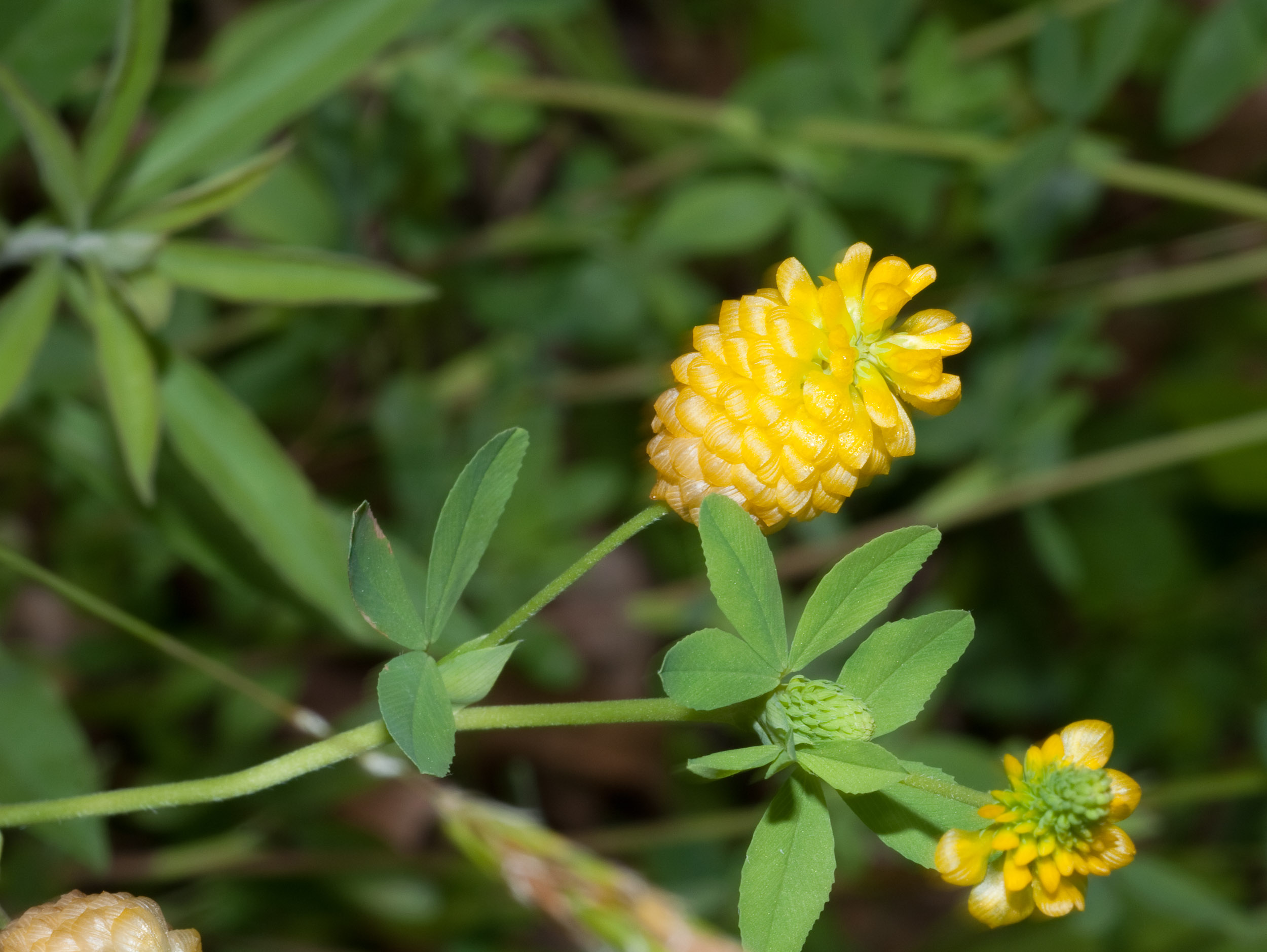
6/16/2010 · Nashua River Rail Trail, Groton Center, Groton, Massachusetts · ≈ 4 × 3″ (10 × 7.8 cm) 
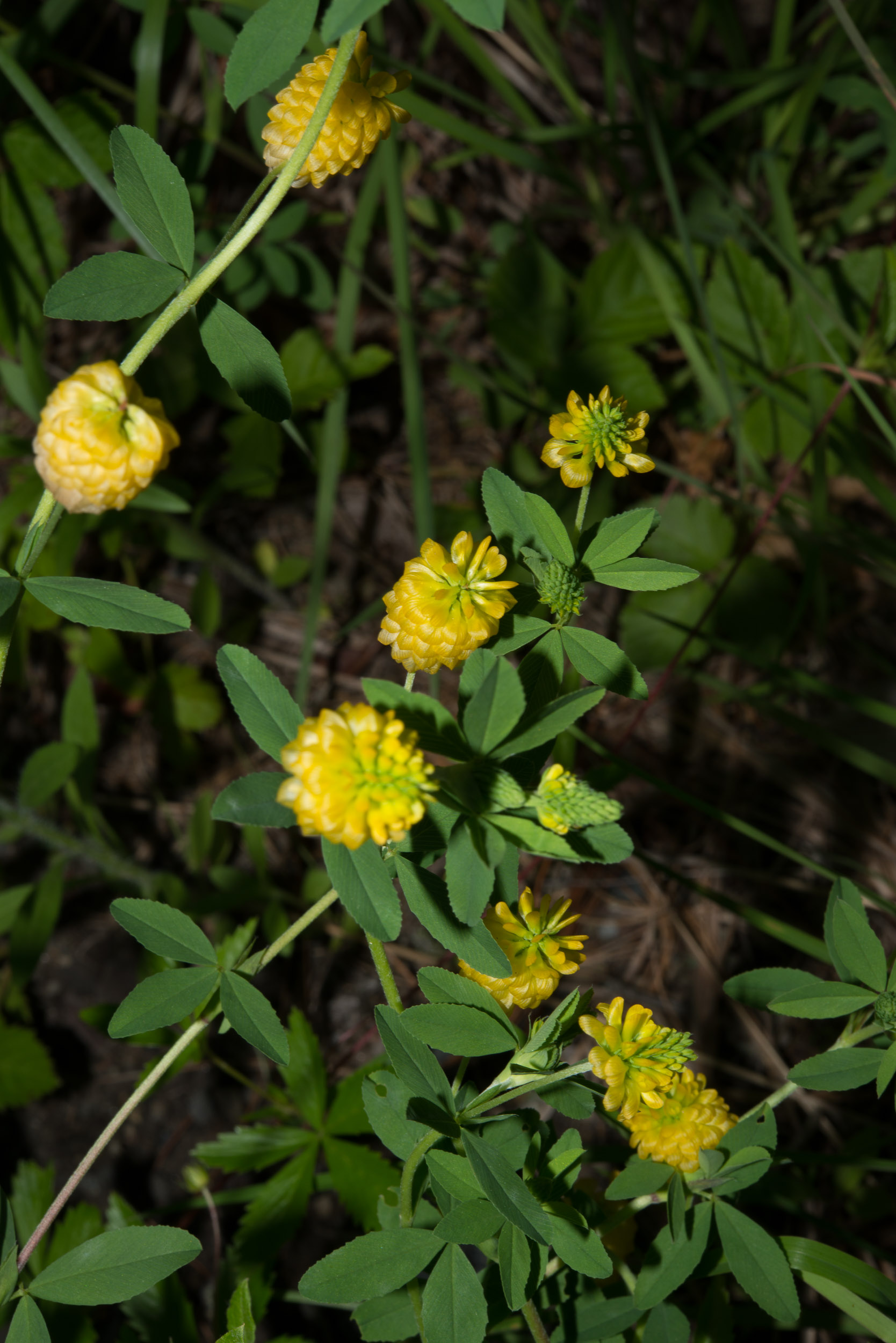
6/17/2013 · Nashua River Rail Trail, Nashoba Hospital, Massachusetts · ≈ 6 × 8″ (14 × 20 cm) 
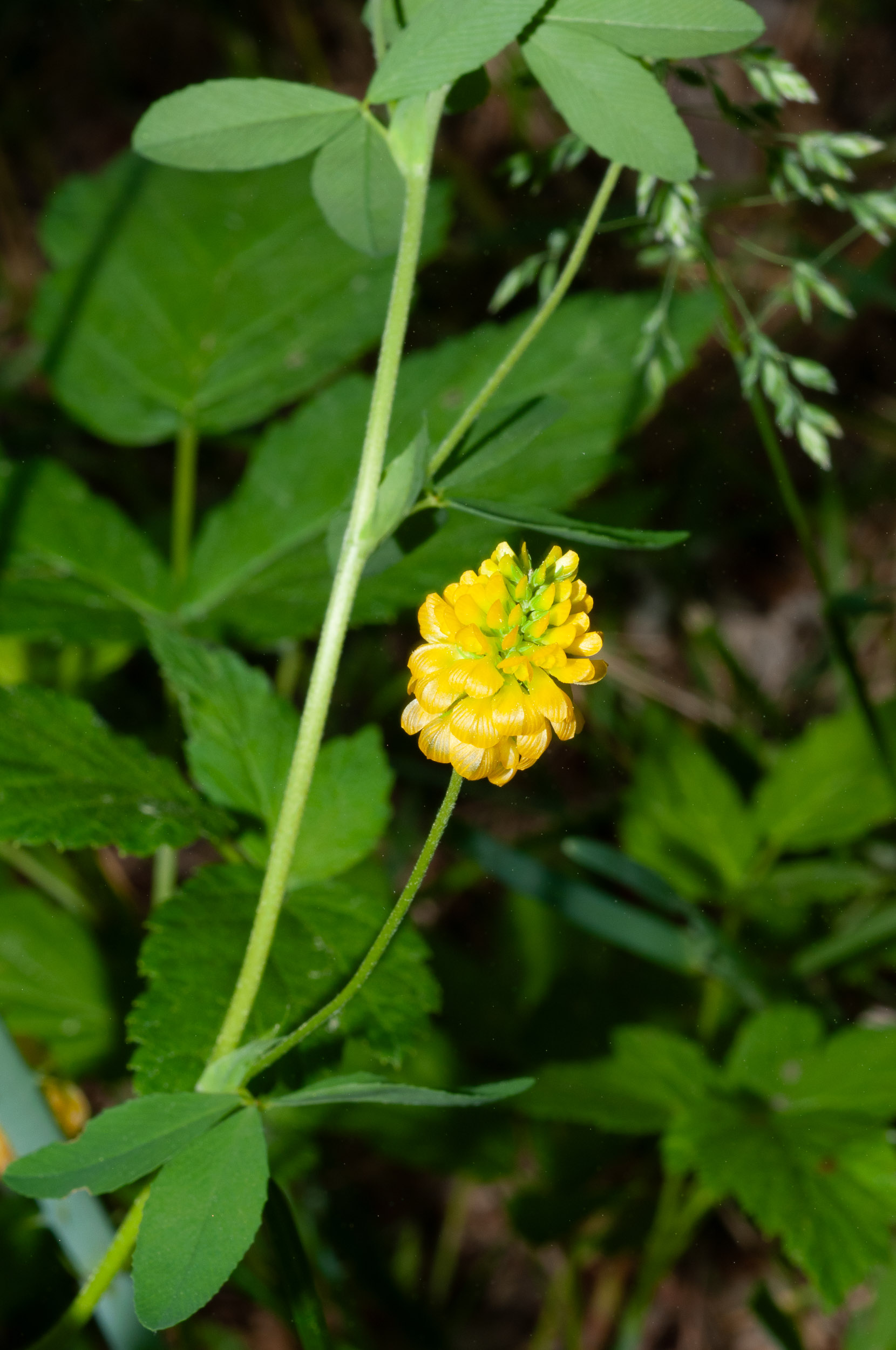
5/31/2010 · Tom and Susan’s, Pepperell, Massachusetts · ≈ 3½ × 5″ (9.2 × 13 cm) 

6/30/2025 · Buck's Ledge Community Forest, Bethel, Maine · ≈ 4 × 4″ (10 × 10 cm) 
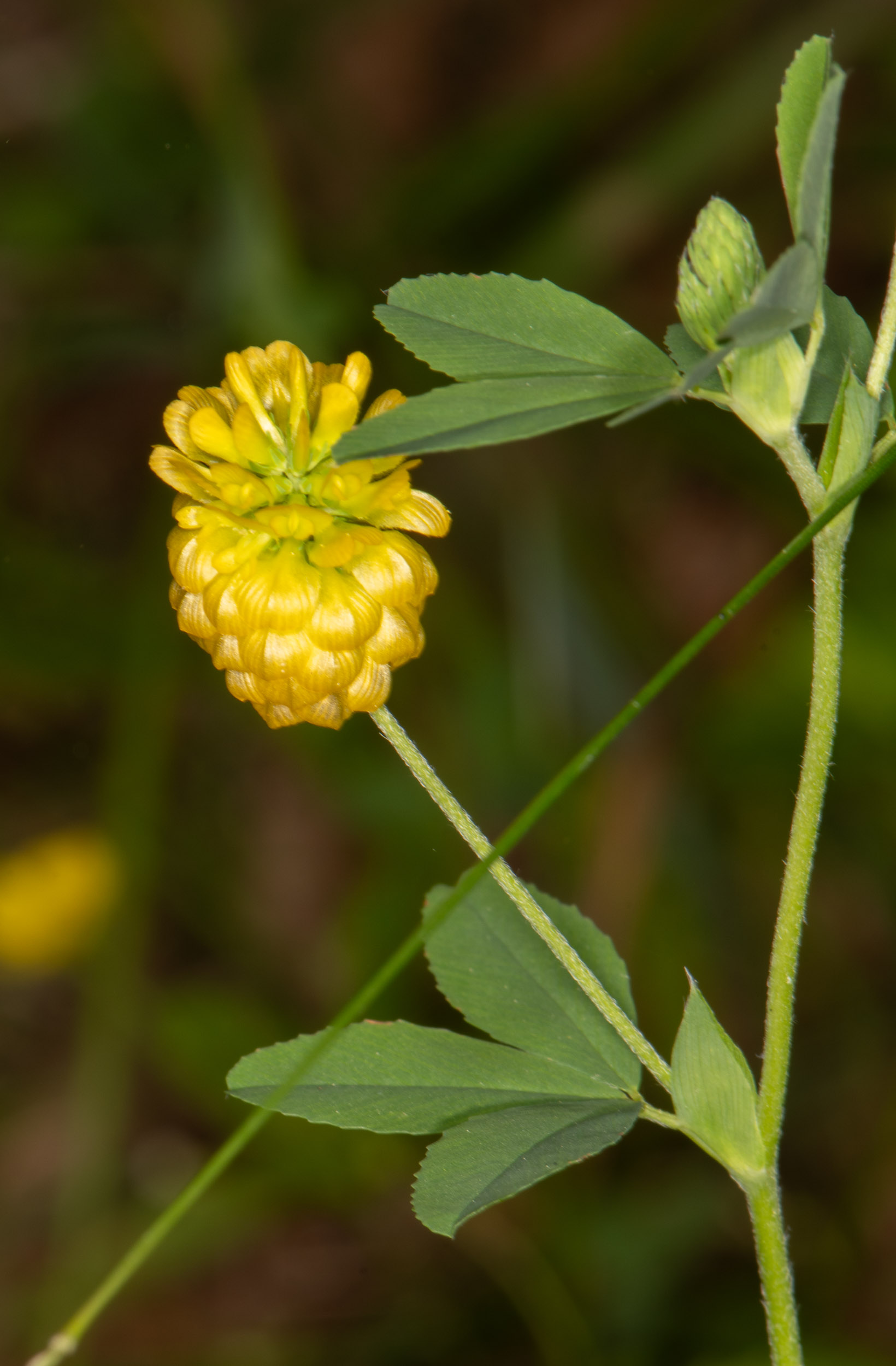
6/22/2021 · Tarbox Preserve, Topsham, Maine · ≈ 2½ × 3½″ (6.3 × 9.5 cm) 
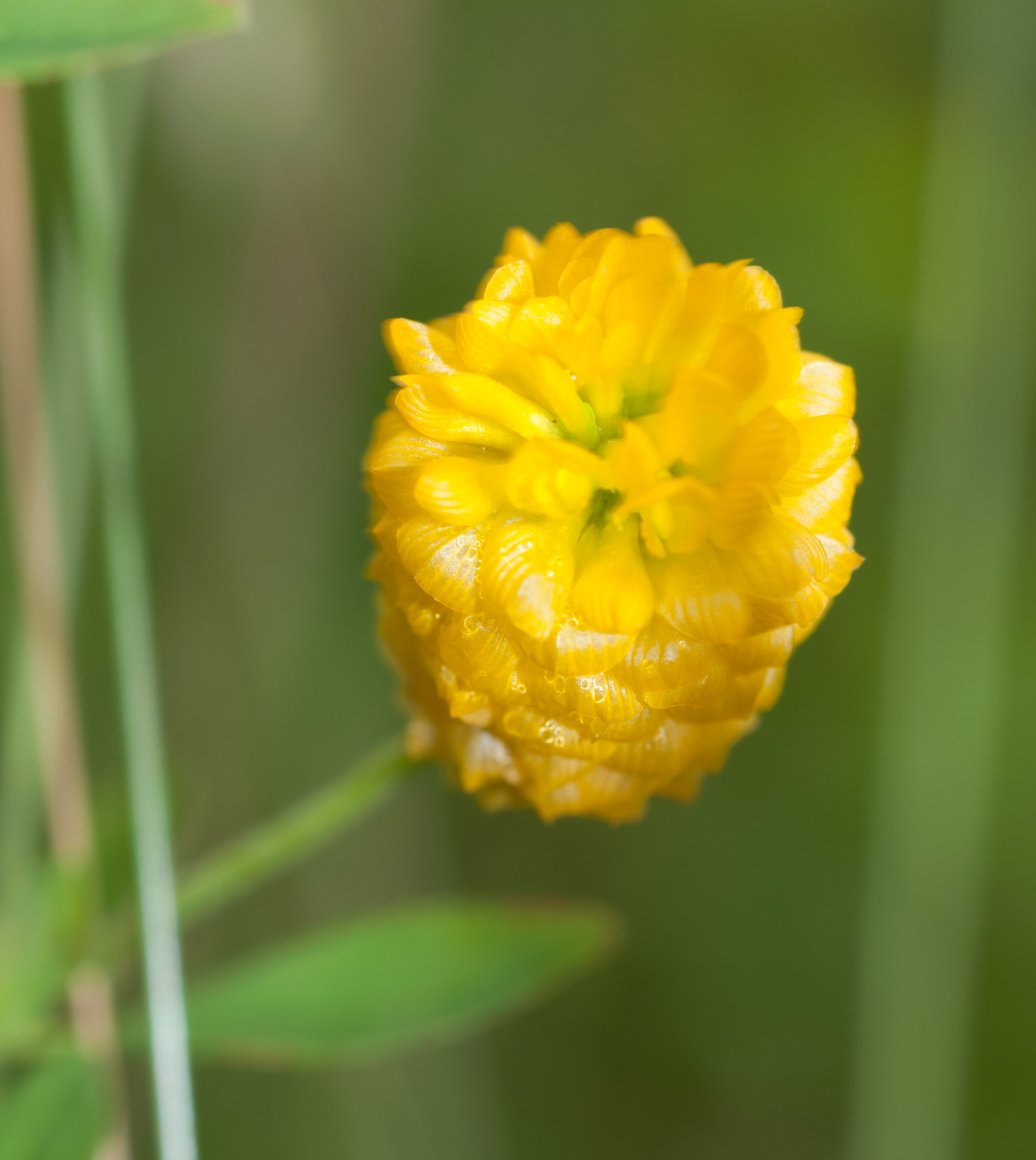
6/14/2012 · Nashua River Rail Trail, Groton Center, Groton, Massachusetts · ≈ 2½ × 2½″ (6.6 × 7.3 cm)  ID is uncertain
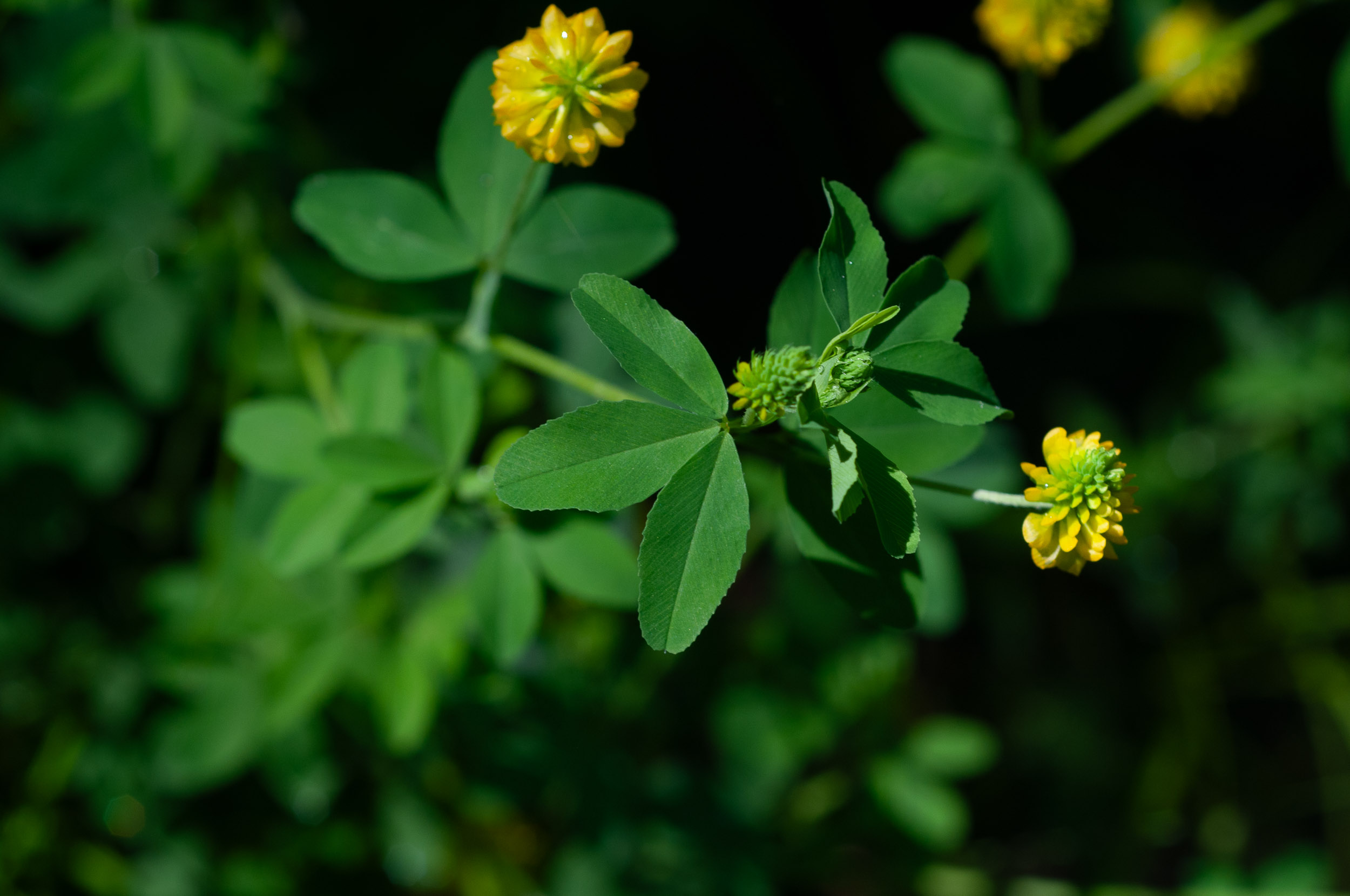
6/2/2010 · J. Harry Rich State Forest, Groton, Massachusetts · ≈ 7 × 4½″ (17 × 11 cm) 
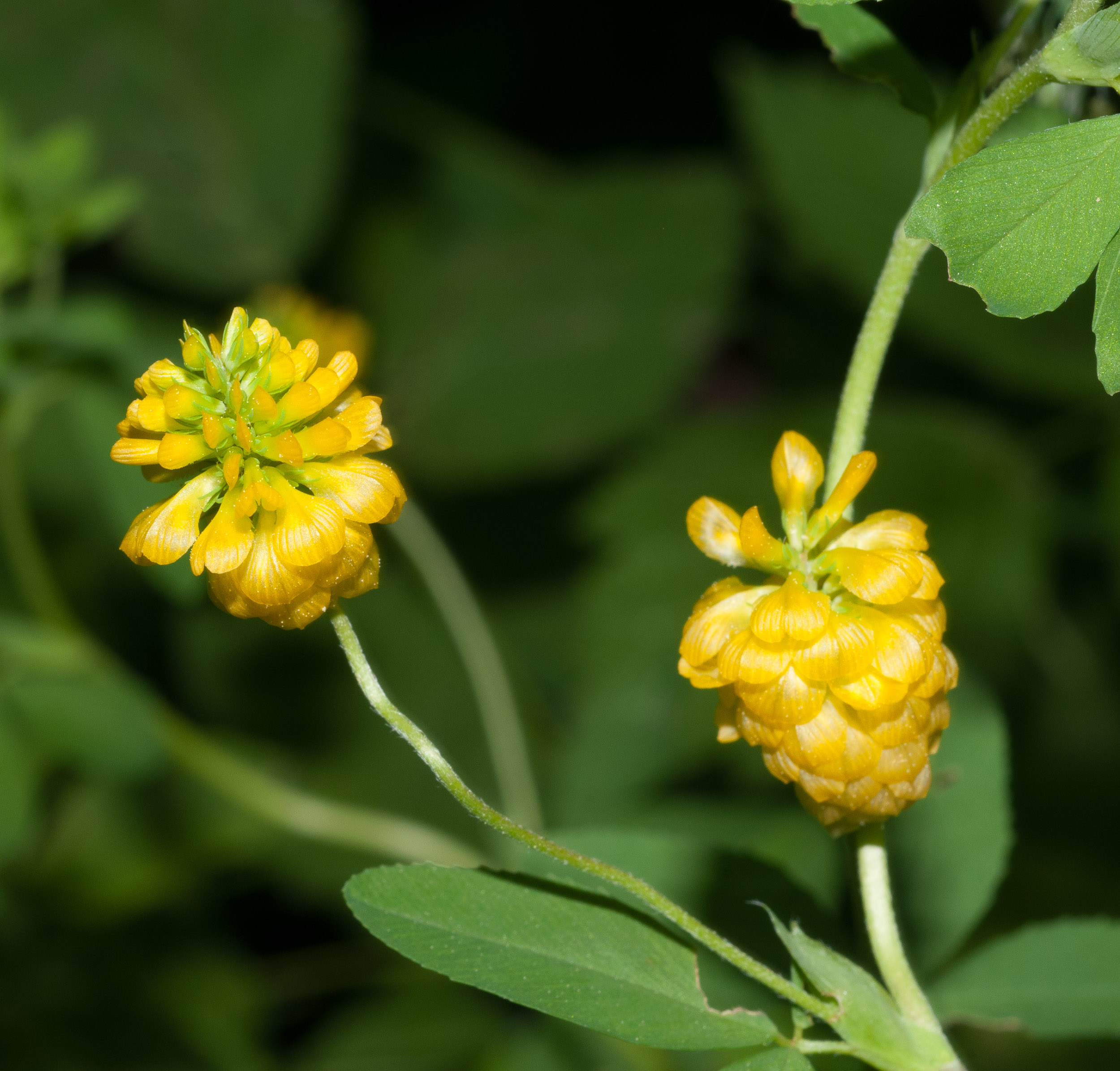
5/31/2010 · Tom and Susan’s, Pepperell, Massachusetts · ≈ 3 × 3″ (8.2 × 7.9 cm) 

6/26/2024 · Morse Mountain, Phippsburg, Maine · ≈ 5 × 4″ (13 × 10 cm) 
| Kingdom | Plantae | Plants, but not fungi, lichens, or algae (from Stearn's Botanical Latin) |
| Subkingdom | Tracheobionta | Vascular plants—plants with a “circulatory system” for delivering water and nutrients |
| Division | Magnoliophyta | Flowering plants, also known as angiosperms |
| Class | Magnoliopsida | Dicotyledons—plants with two initial seed leaves |
| Subclass | Rosidae | Roses, legumes, proteas, dogwoods, hydrangeas, mistletoes, euphorbias, grapes, many more |
| Order | Fabales | Legumes (pea and bean families) |
| Family | Fabaceae | Legume family (peas and beans) |
| Genus | Trifolium | “Three-leaved,” for the 3-leaf clusters |
| Species | aureum | Golden |
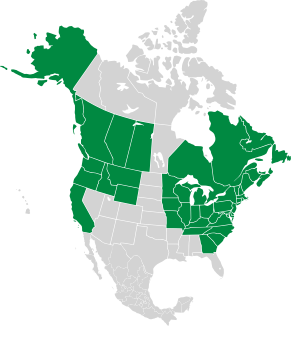
Trifolium aureum description by Thomas H. Kent, not updated.

© FloraFinder.org. All rights reserved.