Trifolium dubium Sibth.
Least hop clover, small hop clover, suckling clover
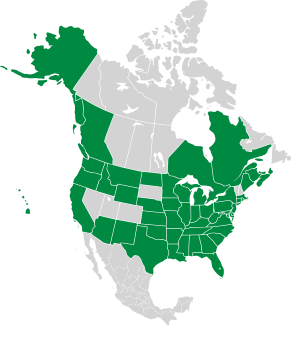
Least hop clover is one of several difficult-to-distinguish yellow clovers. From Eurasia and central Asia, it probably arrived in North America by accident, where it has become widespread. It appears in disturbed soil and meadows, and is common in lawns.
Plants: 2–6″ (5–15 cm) tall, often forming mats. Stems are green or reddish, and multiply branched.
Leaves: Alternate, trifoliate, with a larger center leaf on a short petiole (stem), often notched at the top.
Flowers: Each flowerhead is a small oval to spherical raceme about ¼″ (6.3 mm) in size, atop a long stalk, with 3-20 diminutive yellow flowers. Flowers appear from May to October.
Fruits: Flowers turn brown when seeds ripen, each enclosing tiny egg-shaped pods 1/32–1/16″ (1.5–2 mm) long.
Habitats: Disturbed soil, meadows, common in lawns.
 |
Similar species. |

By TeunSpaans 
Online References:
References:
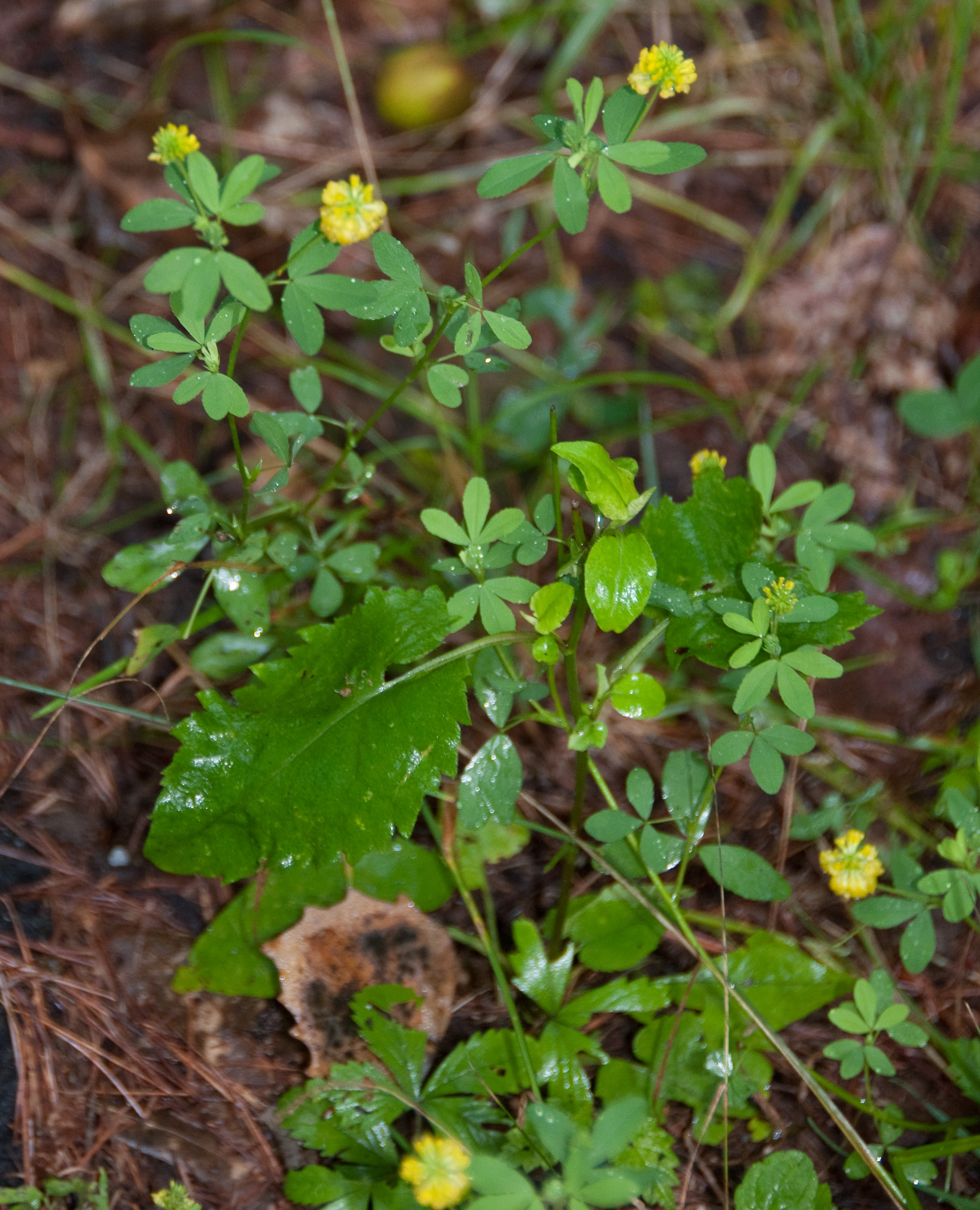
7/27/2009 · Nashua River Rail Trail, Groton, Massachusetts · ≈ 7 × 8″ (17 × 21 cm)  ID is uncertain
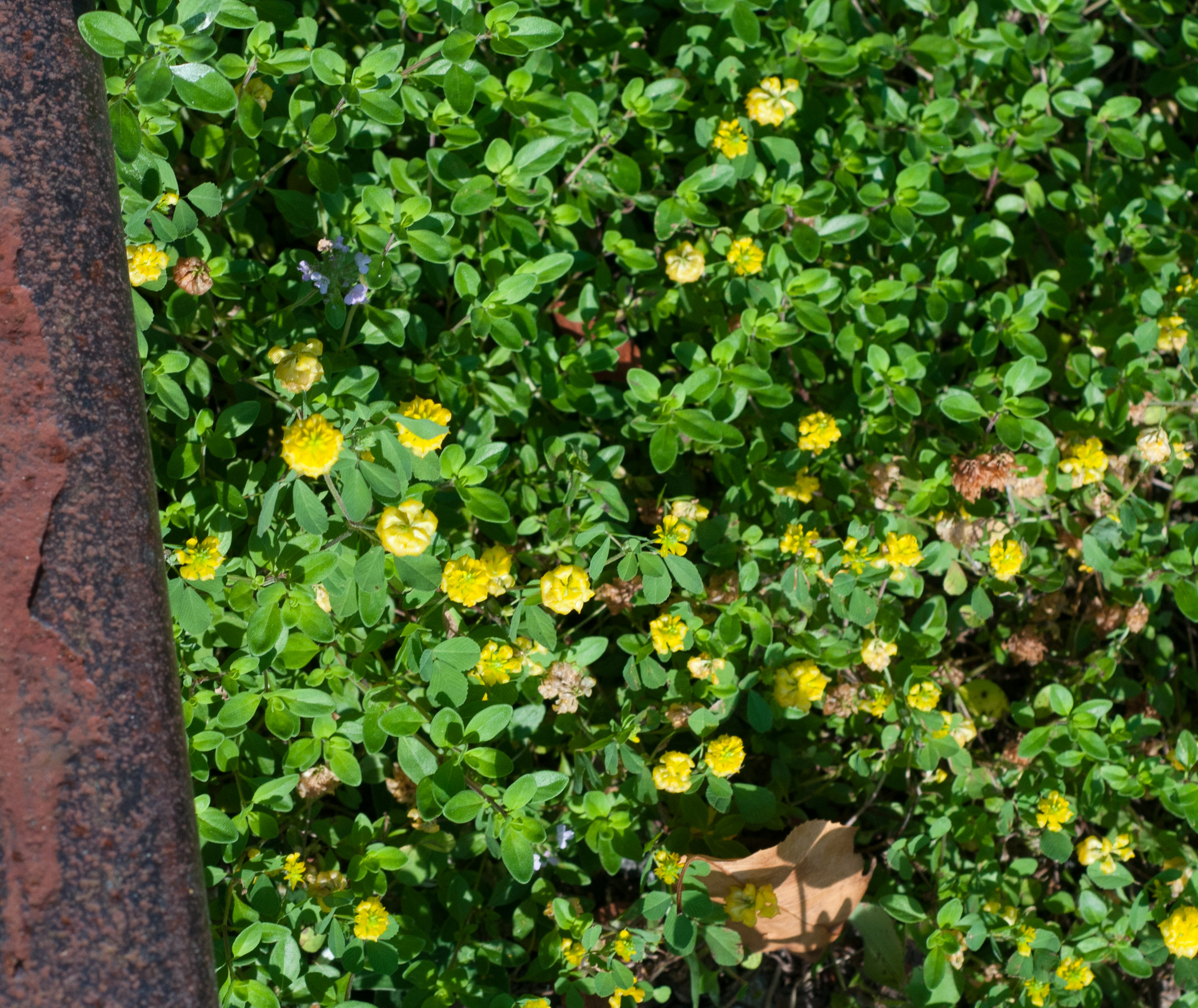
8/11/2009 · Townsend, Massachusetts · ≈ 9 × 7″ (22 × 18 cm) ID is uncertain 

9/18/2016 · Edgar M. Tennis Preserve, Deer I, Maine 
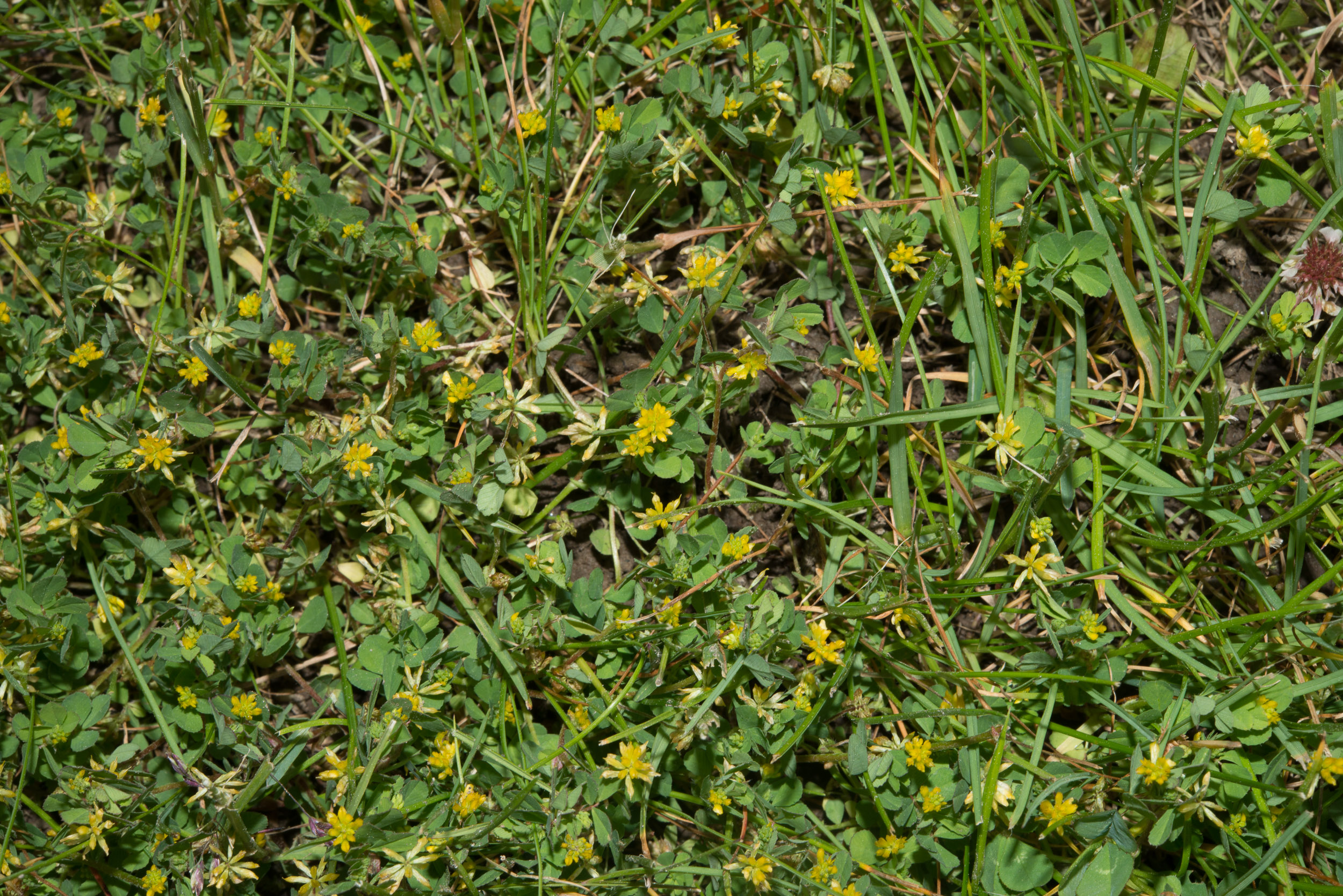
6/16/2013 · Sonny and Donna’s, Tenant’s Harbor, Maine · ≈ 9 × 6″ (23 × 16 cm) 
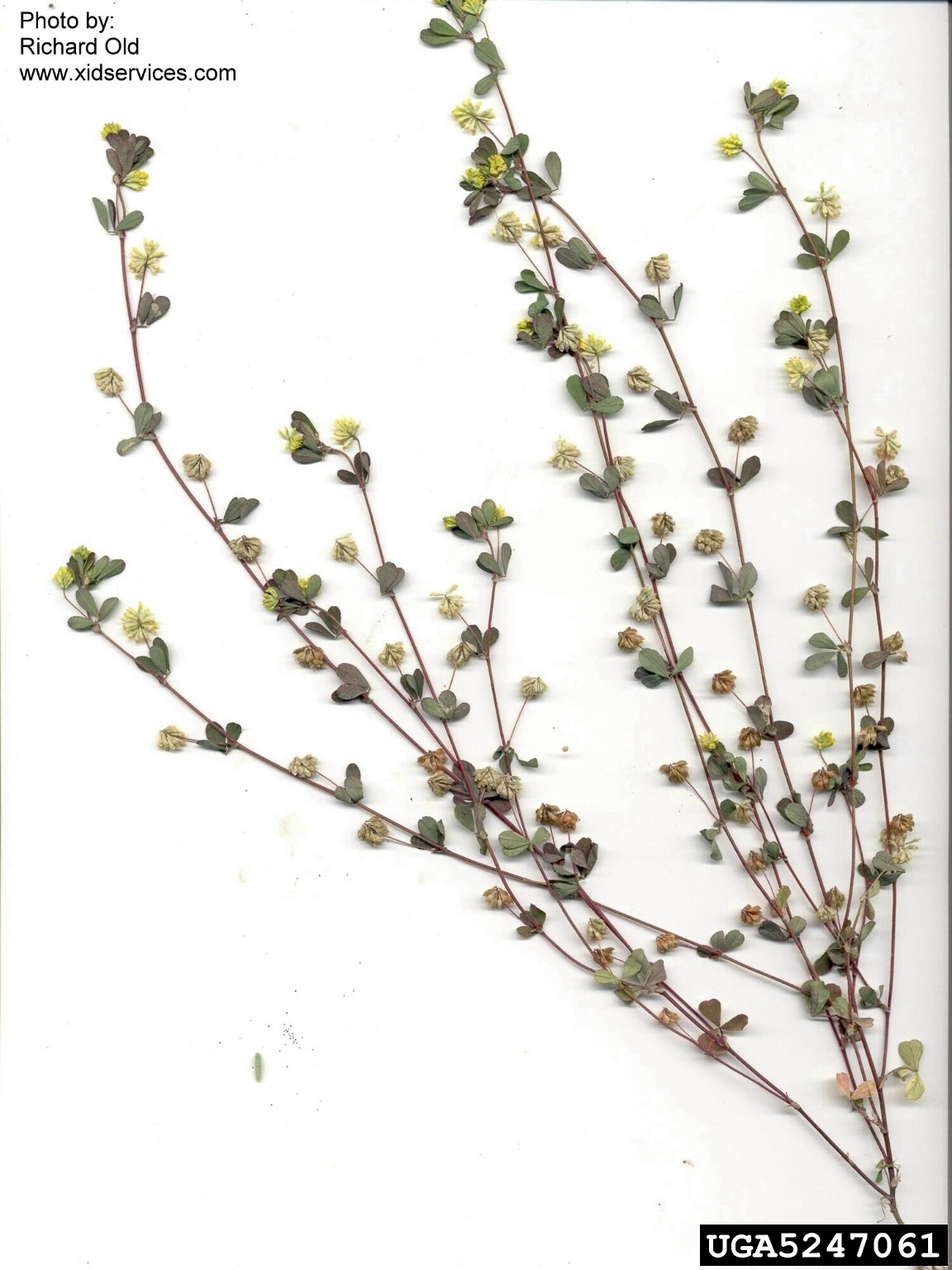
1/5/2026 · By Richard Old, XID Services, Inc., United States 
| Kingdom | Plantae | Plants, but not fungi, lichens, or algae (from Stearn's Botanical Latin) |
| Subkingdom | Tracheobionta | Vascular plants—plants with a “circulatory system” for delivering water and nutrients |
| Division | Magnoliophyta | Flowering plants, also known as angiosperms |
| Class | Magnoliopsida | Dicotyledons—plants with two initial seed leaves |
| Subclass | Rosidae | Roses, legumes, proteas, dogwoods, hydrangeas, mistletoes, euphorbias, grapes, many more |
| Order | Fabales | Legumes (pea and bean families) |
| Family | Fabaceae | Legume family (peas and beans) |
| Genus | Trifolium | “Three-leaved,” for the 3-leaf clusters |
| Species | dubium | Doubtful, as in the sense of not conforming to a pattern |
Trifolium dubium description by Thomas H. Kent, not updated.

© FloraFinder.org. All rights reserved.