Verbascum thapsus L.
Common mullein
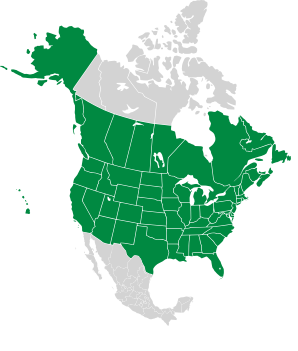
Common mullein is a native of Europe, Africa, and Asia; it was introduced to the Americas in the mid-1700s, and to Australia. At least in America, it spreads quickly, displacing local species, and is considered an invasive plant.
Plants: Common mullein goes through a two-year growth cycle. In the first year, the plant has low-growing rosettes of leaves (photo 22). In the second year, it shoots upward, producing a single, erect flower stalk.
Leaves: Alternate, bluish-grayish and soft with tiny hairs called trichomes. Leaves along the stalk are wide at the bottom and tapering toward the top, giving the plant a cone-shaped appearance.
Flowers: An erect flower stalk is covered with tiny yellow flowers about ¼″ (6.3 mm) across. Each flower has five petals and five stamens.
Fruits: Flower stalks dry into dark brown, stiff structures of densely packed, ovoid-shaped, seed capsules.
Habitats: Quickly inhabits disturbed areas, in dry, sandy, or gravelly soils.
Medical: At various points in the past, mullein has been used for the contradictory-appearing uses of a fish poison, a “respiratory stimulant,” a cough medicine, a cure for diarrhea, and an insecticide for developing mosquitoes.
Online References:
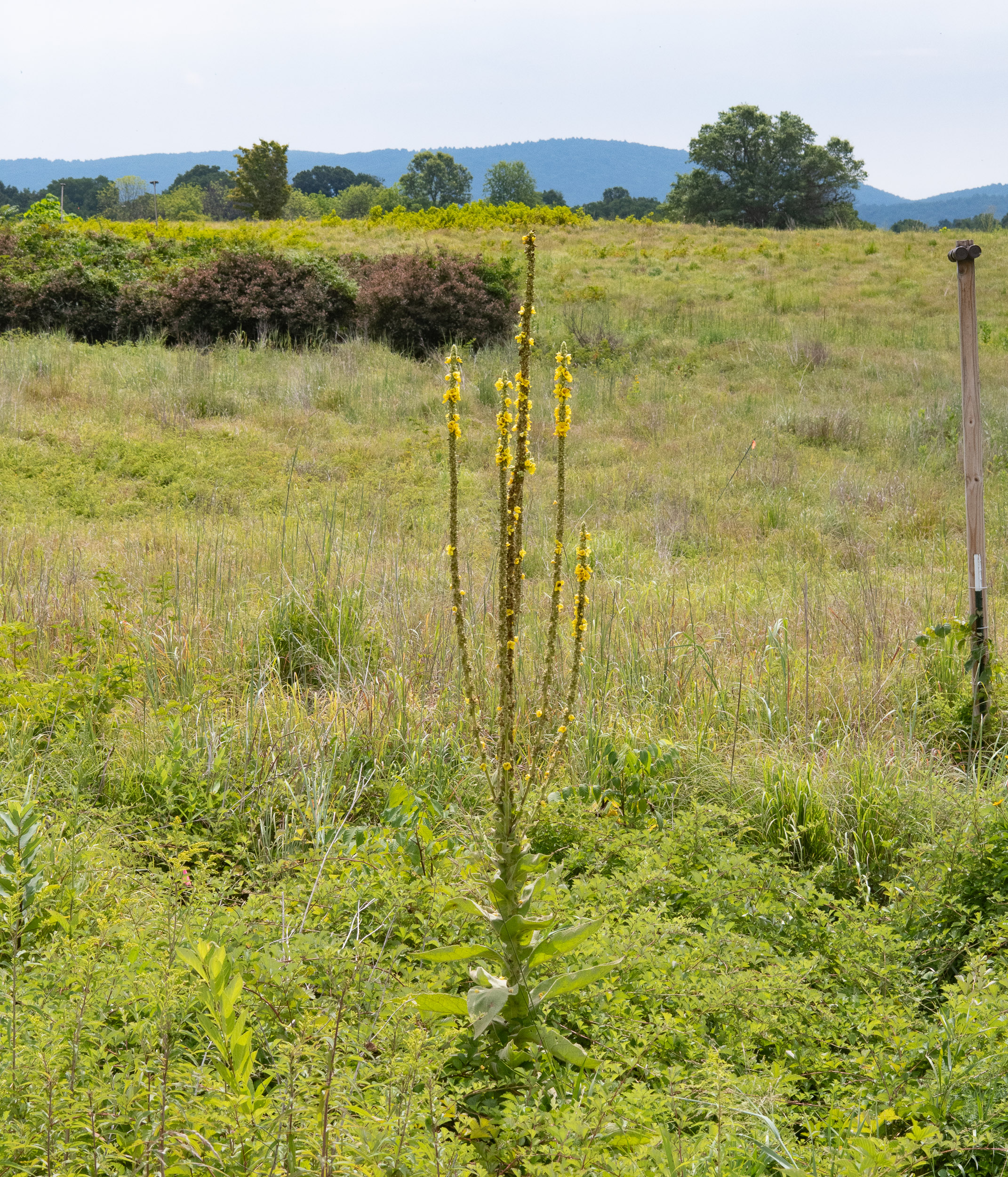
1 · 7/27/2016 · State Arboretum of Virginia, Boyce, Virginia 
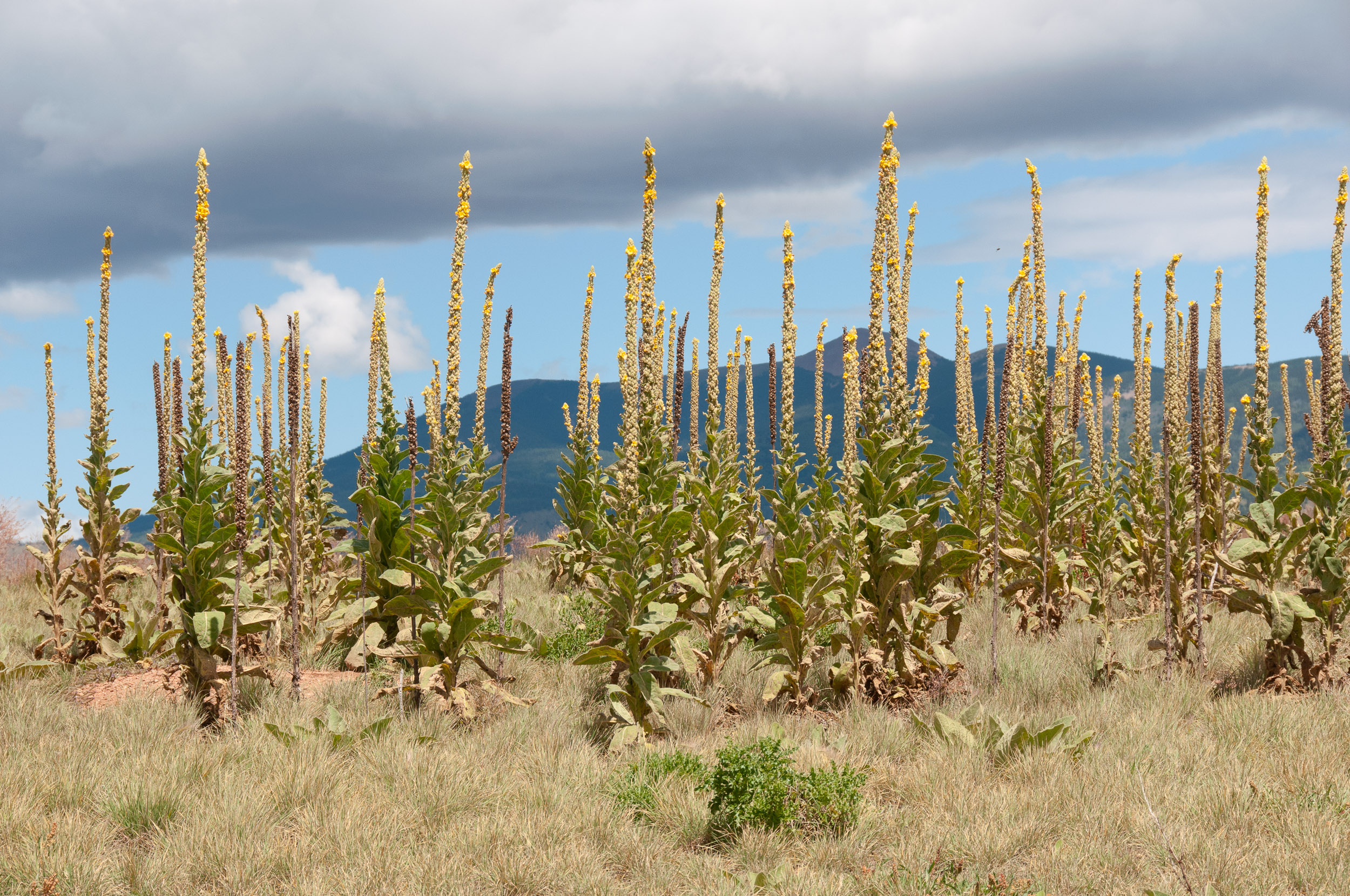
2 · 8/28/2014 · Eagle Nest Lake, Eagle Nest, New Mexico · By Susan M. Kent 
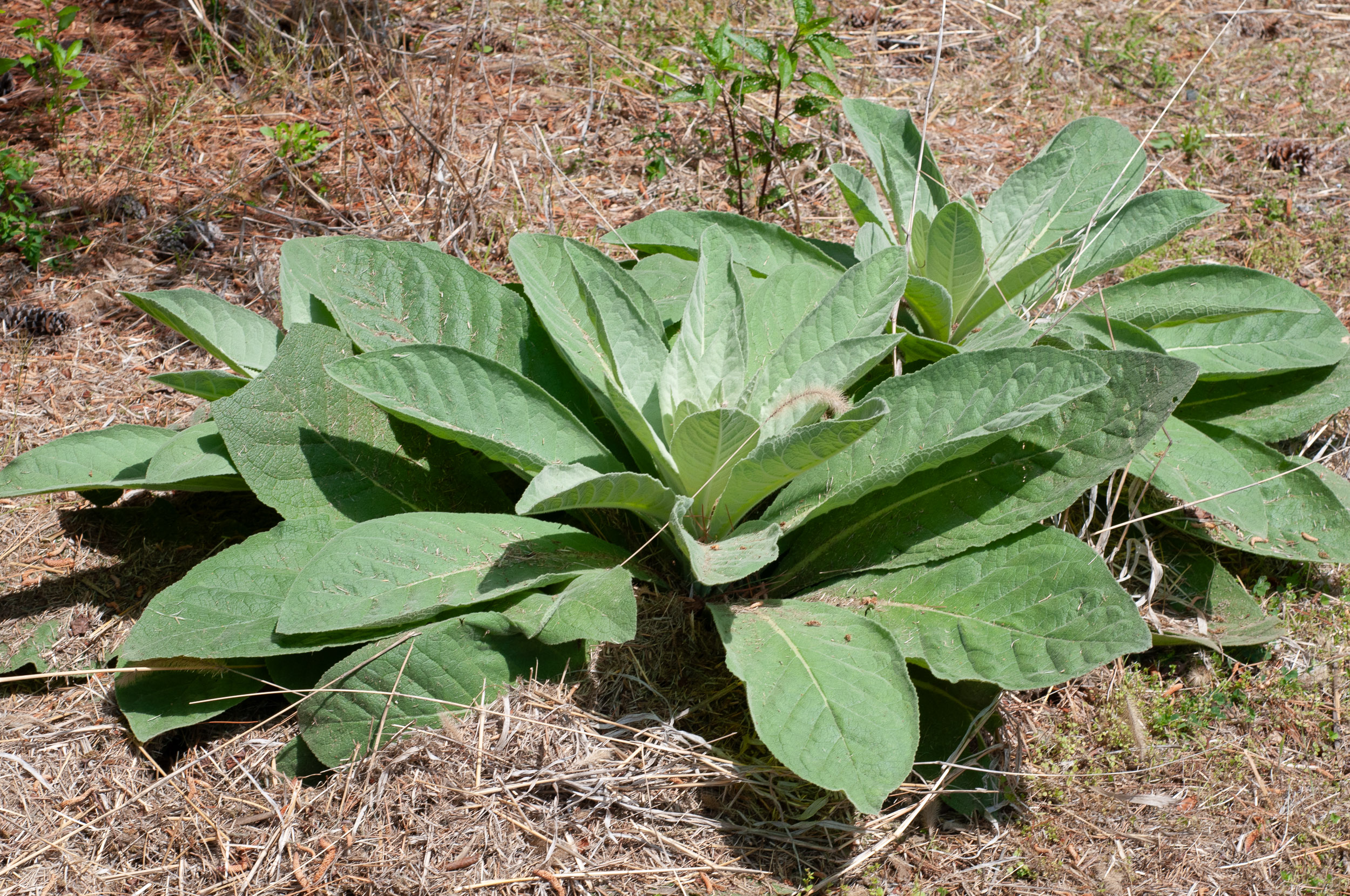
3 · 5/6/2011 · Chesapeake Bay Environmental Center, Chester, Maryland 
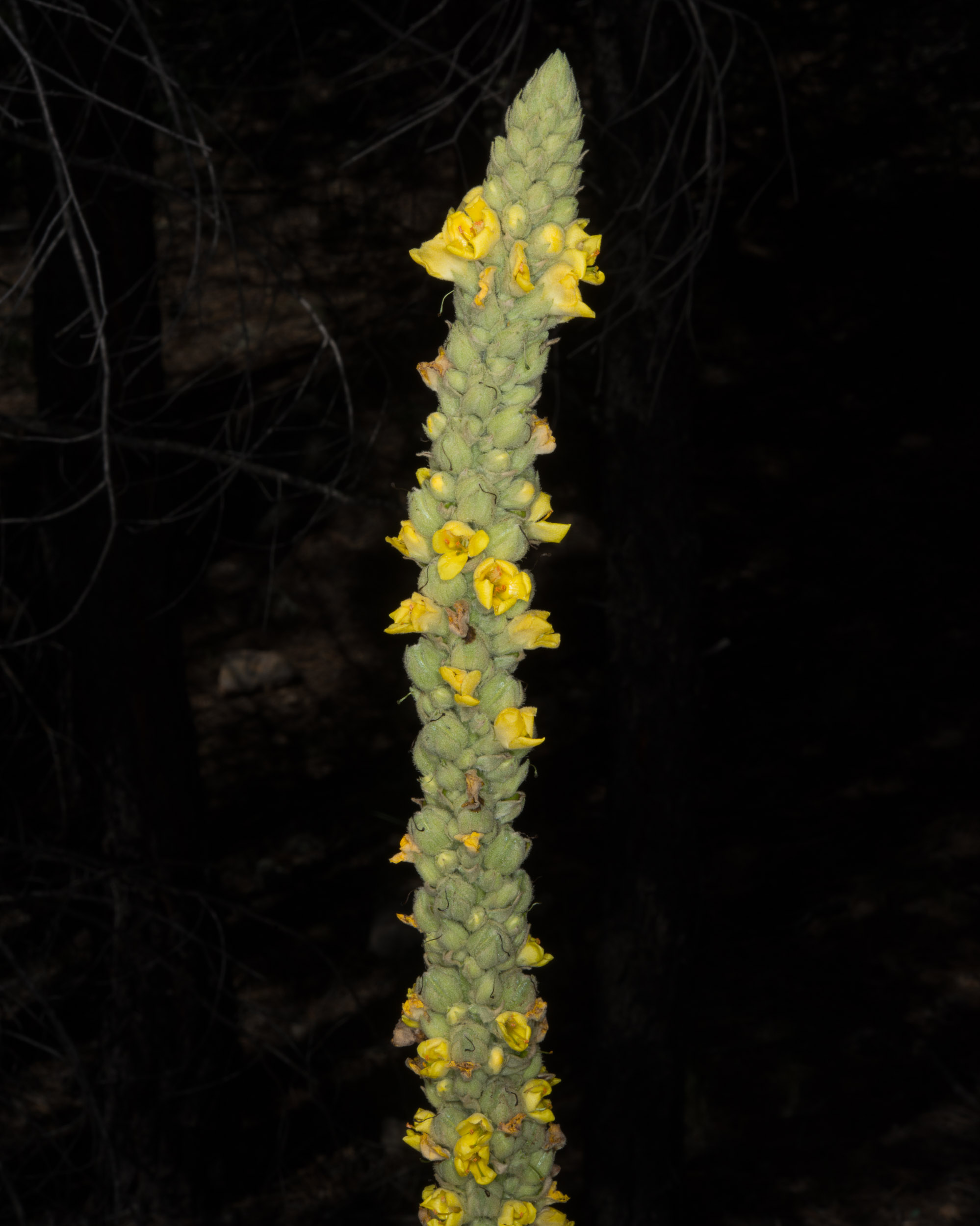
4 · 8/30/2014 · New Mexico · ≈ 10 × 12″ (25 × 31 cm) 
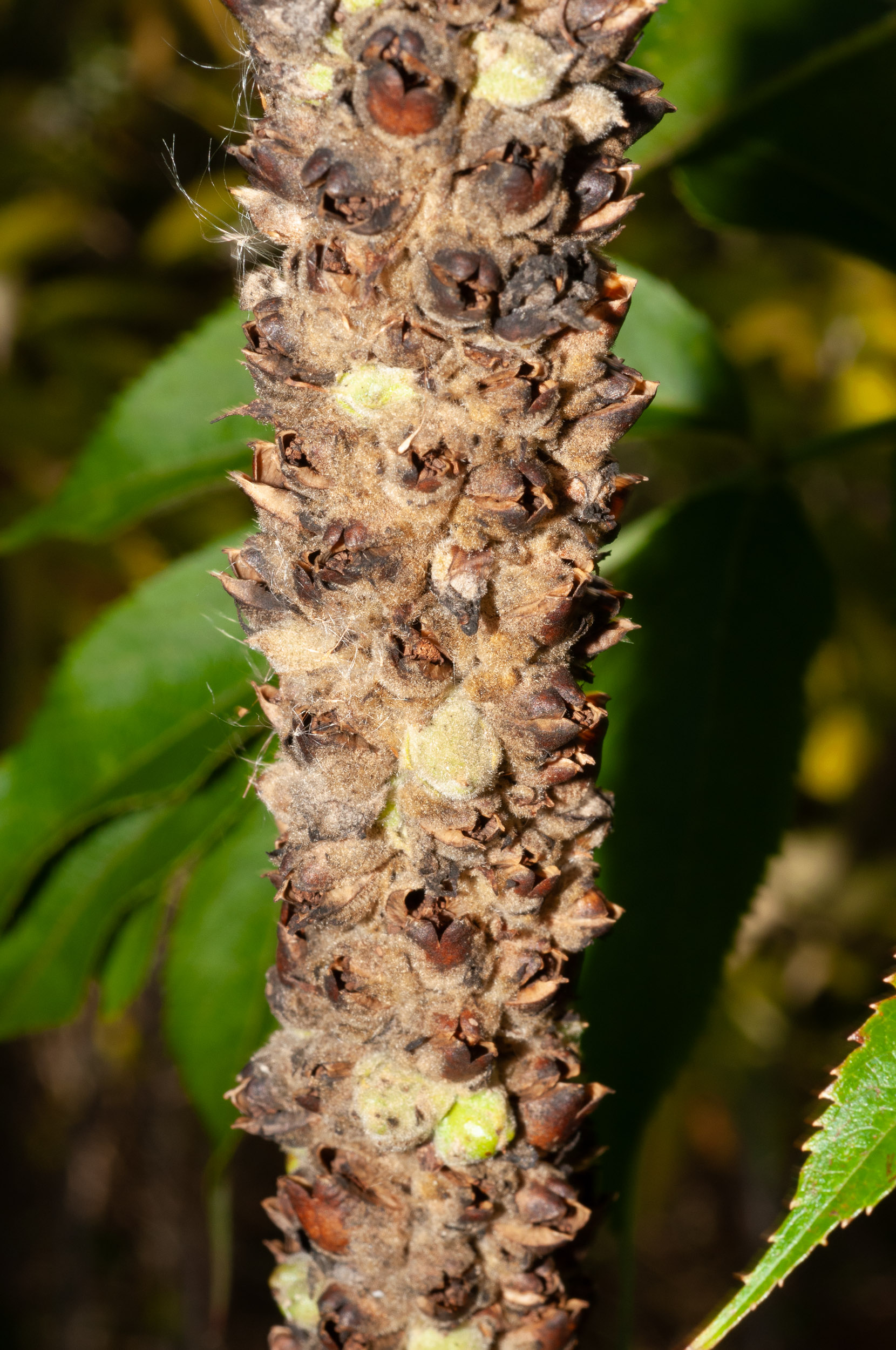
5 · 9/11/2010 · Nashua River Rail Trail, Groton Center, Groton, Massachusetts · ≈ 3½ × 5″ (9.2 × 13 cm) 
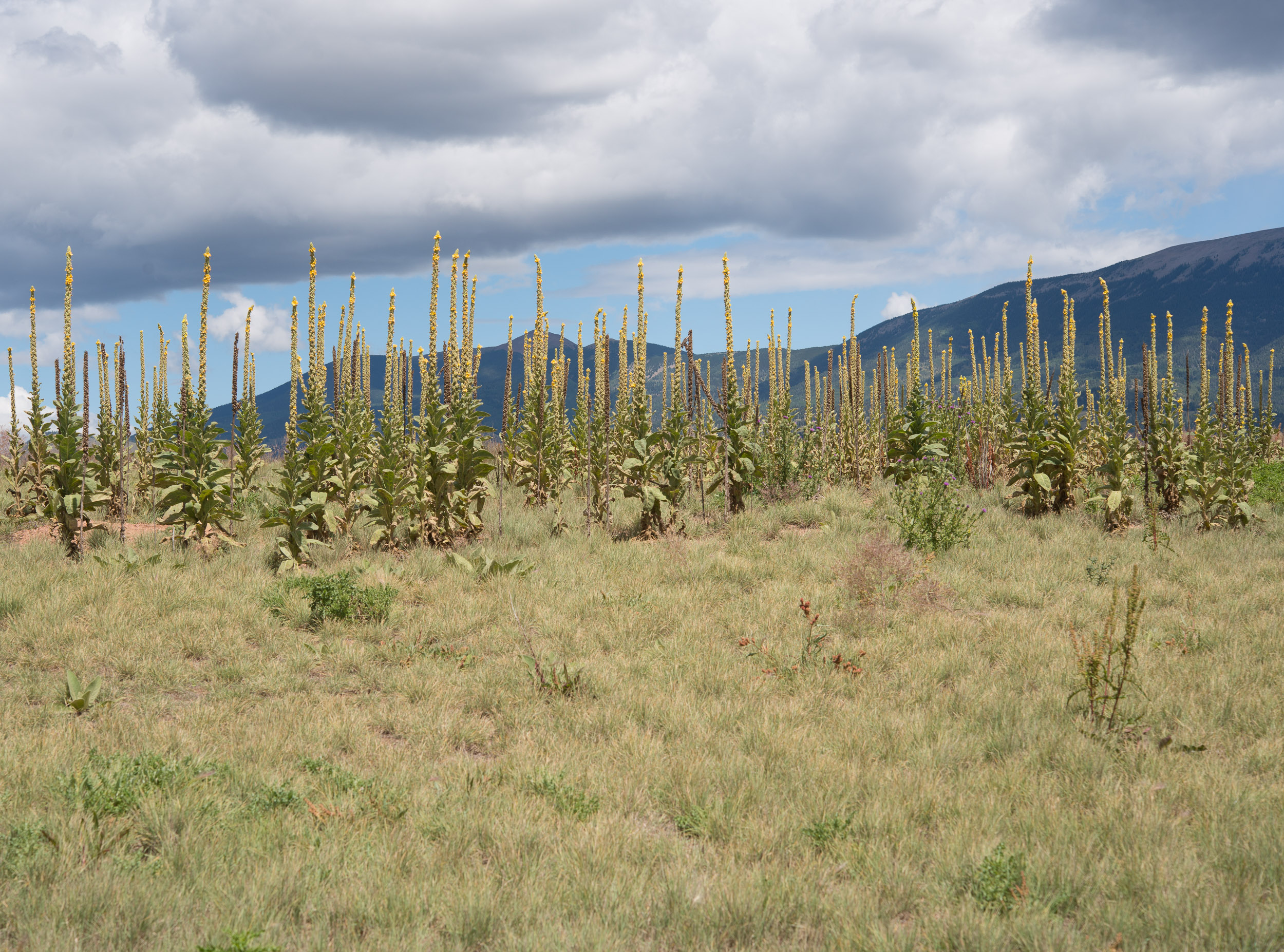
6 · 8/28/2014 · Eagle Nest Lake, Eagle Nest, New Mexico 
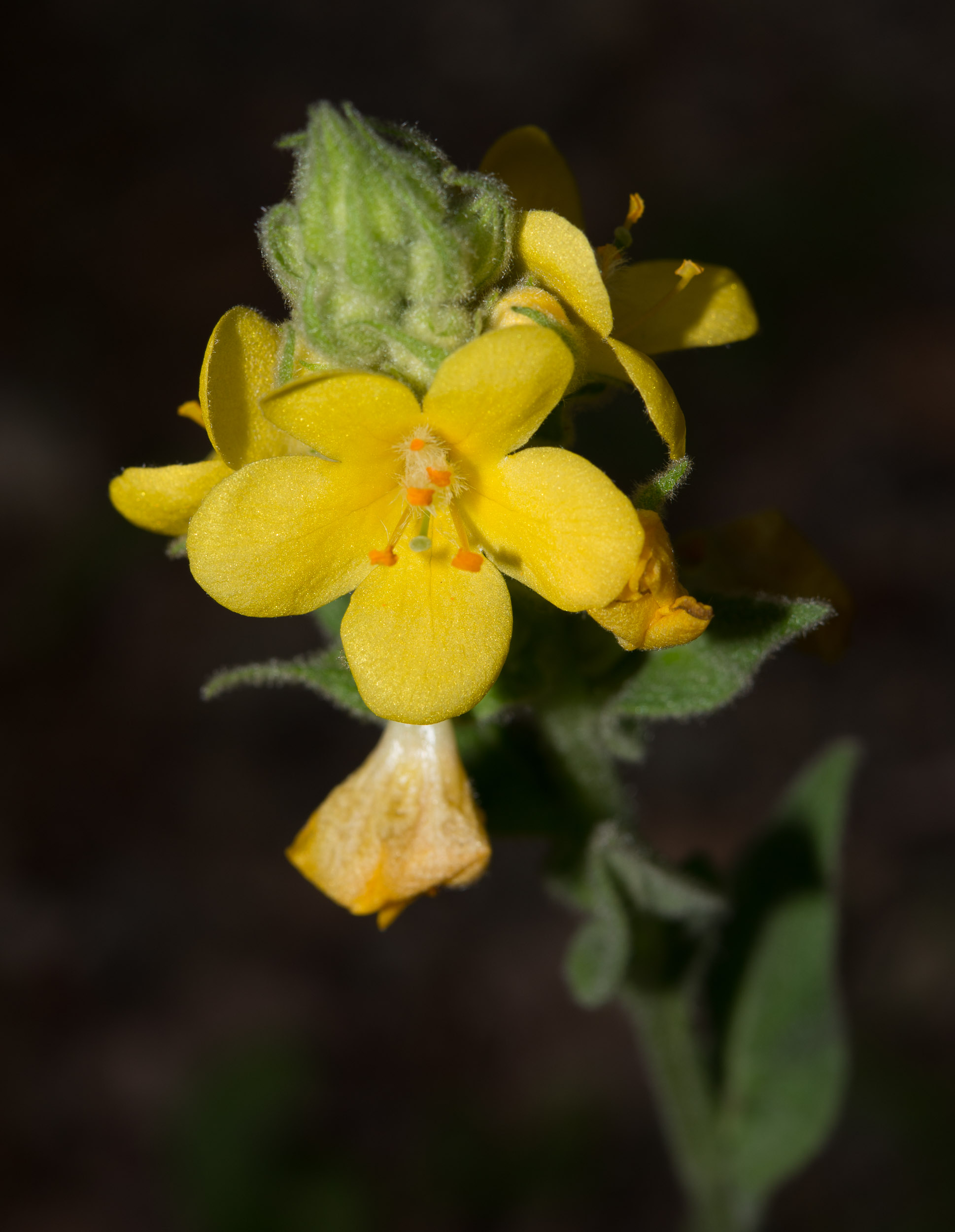
7 · 7/20/2013 · Nashua River Rail Trail, East Pepperell, East Pepperell, Massachusetts · ≈ 3½ × 4½″ (8.6 × 11 cm) 
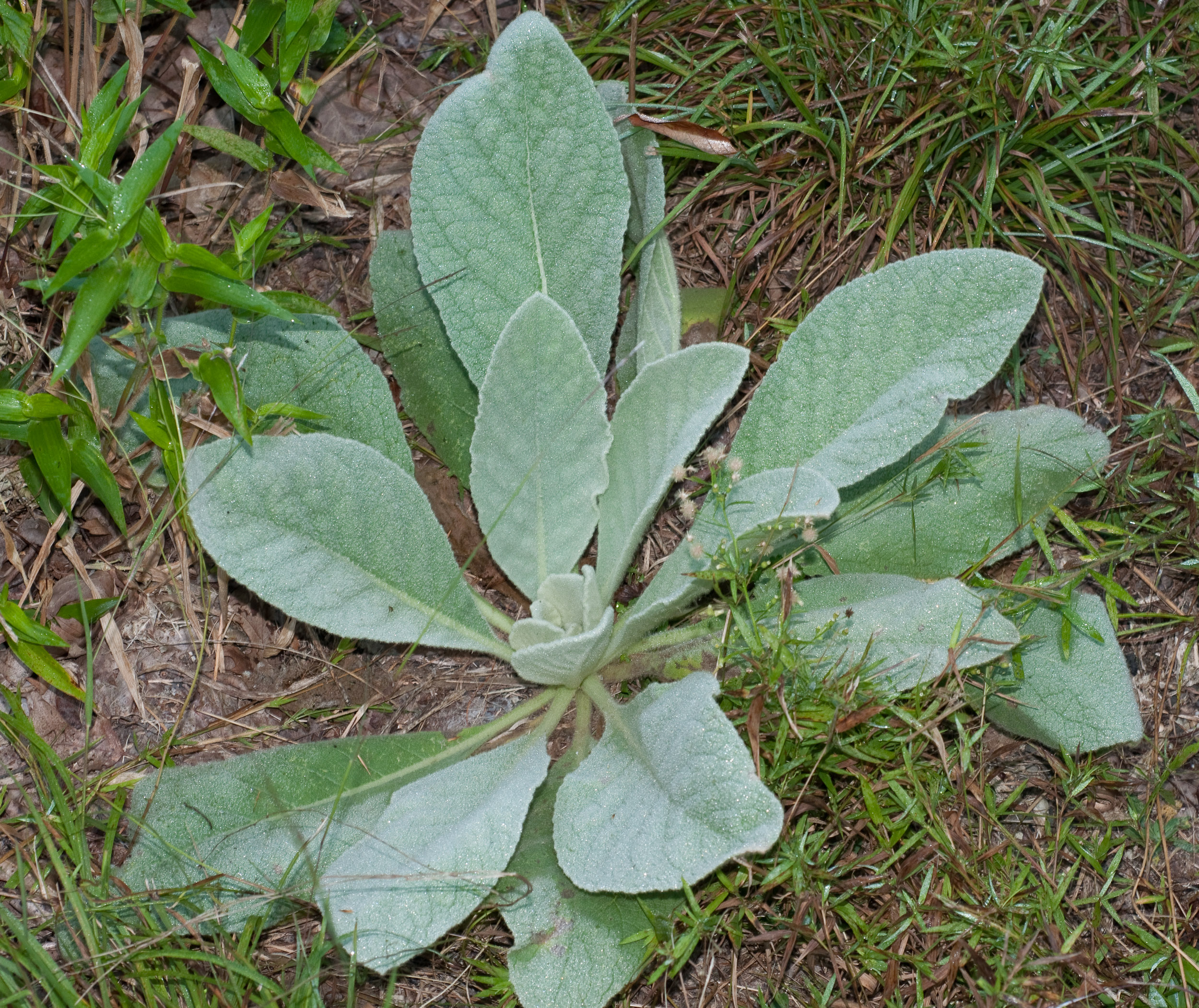
8 · 9/3/2009 · Nashua River Rail Trail, Ayer, Massachusetts 
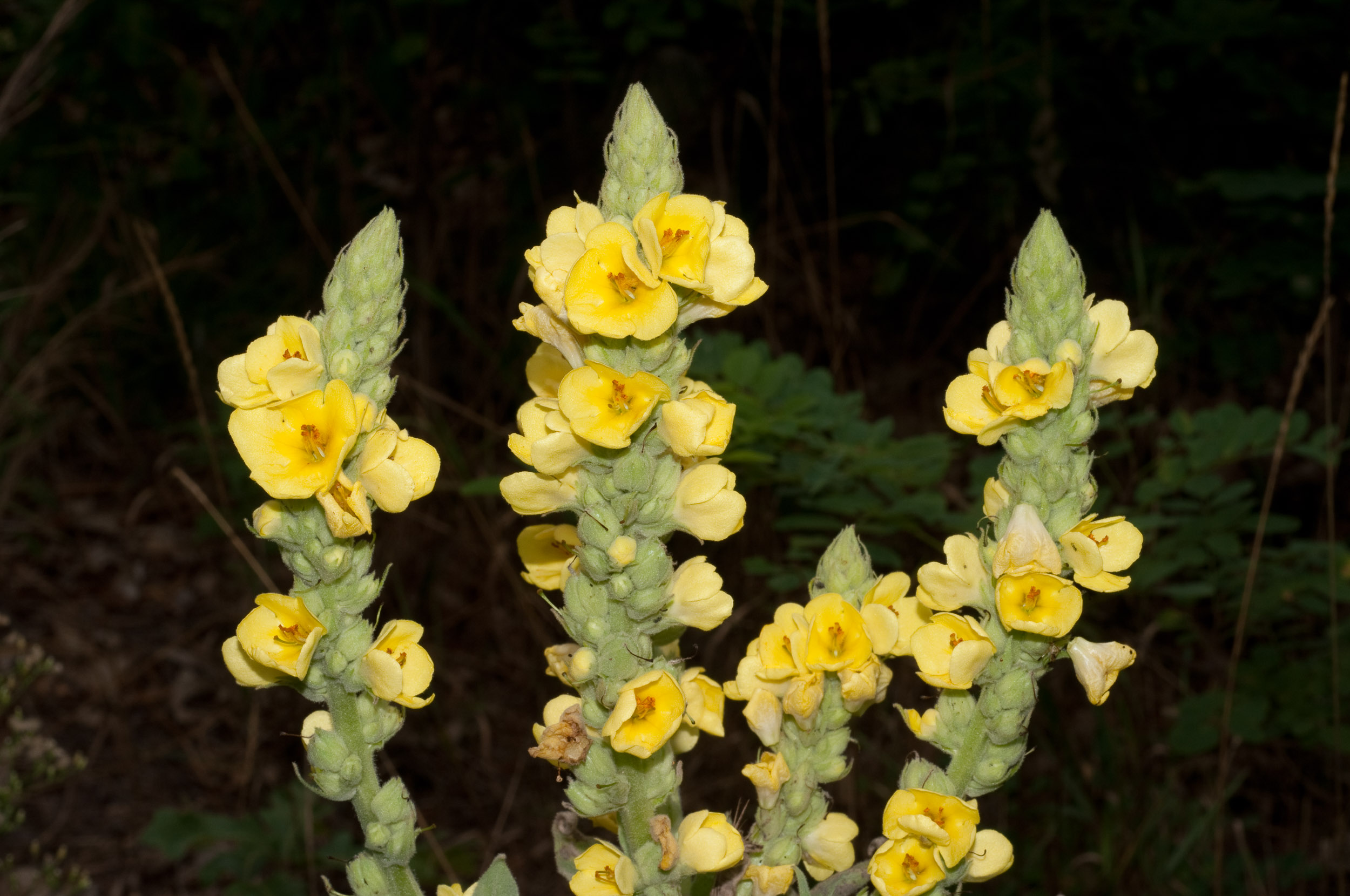
9 · 8/5/2010 · Nashua River Rail Trail, East Pepperell, Massachusetts · ≈ 12 × 8″ (31 × 20 cm) 
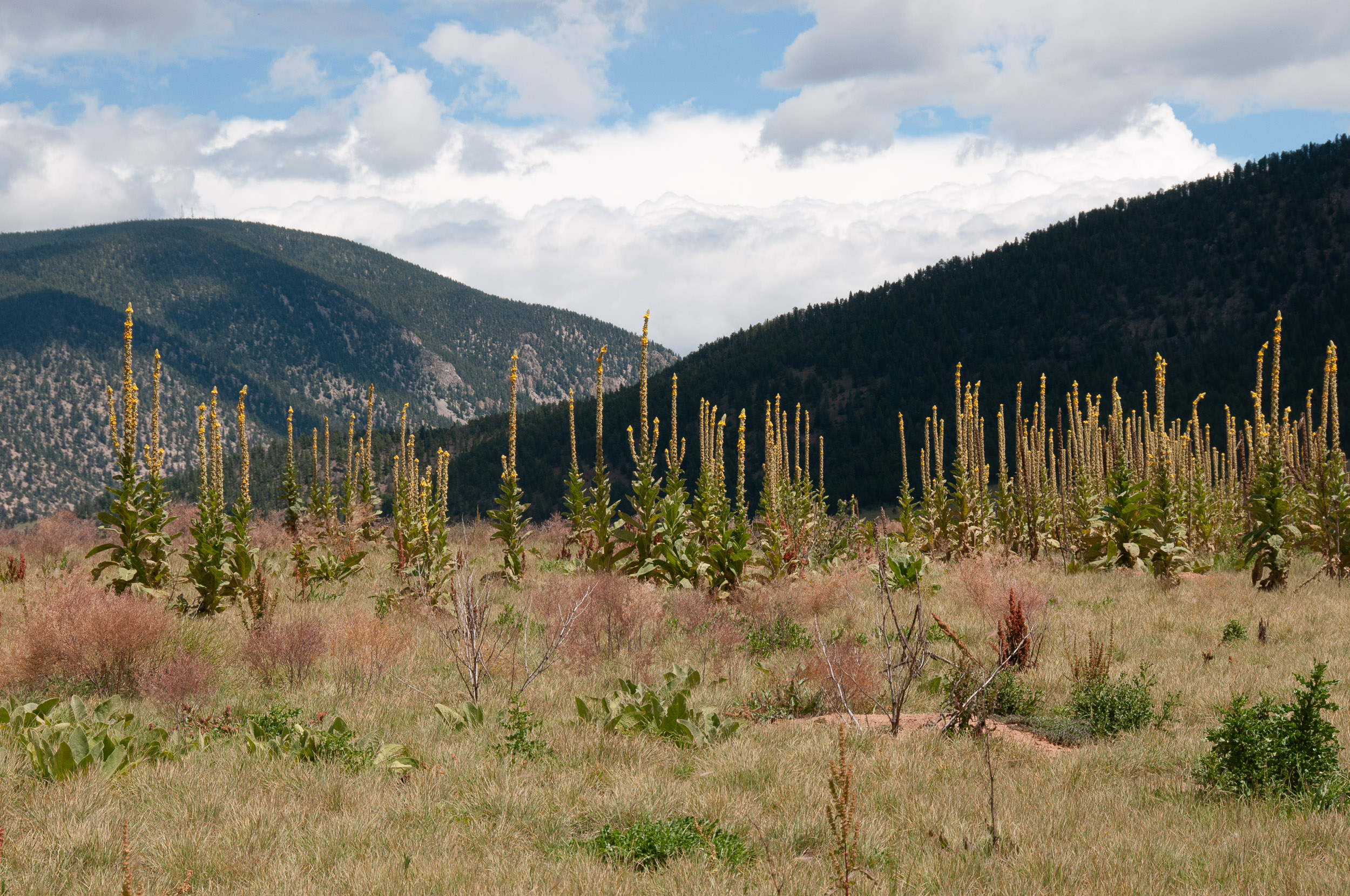
10 · 8/28/2014 · Eagle Nest Lake, Eagle Nest, New Mexico · By Susan M. Kent 
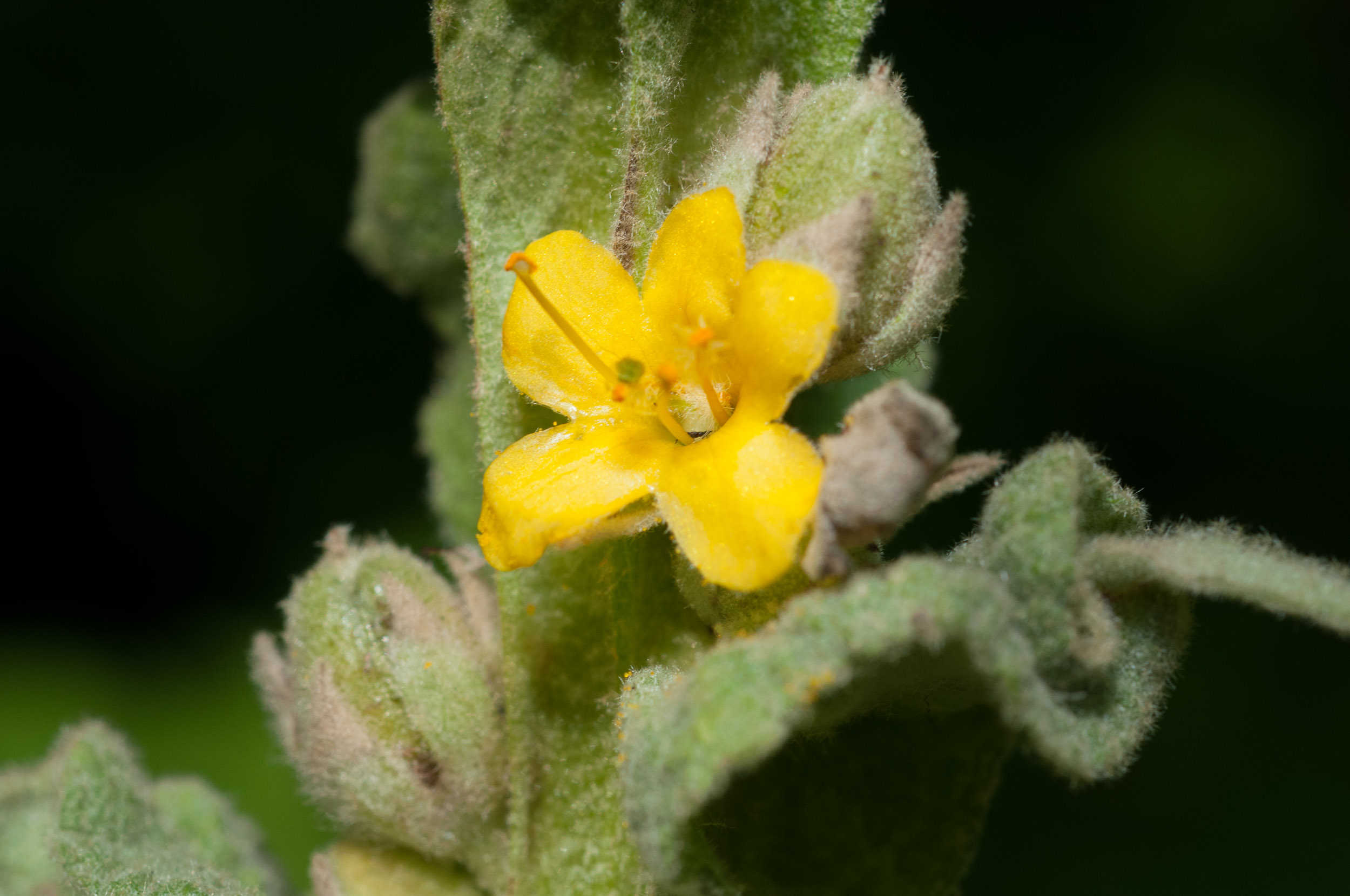
11 · 8/7/2009 · Tom and Susan’s, Pepperell, Massachusetts · ≈ 3½ × 2½″ (9.8 × 6.6 cm) 
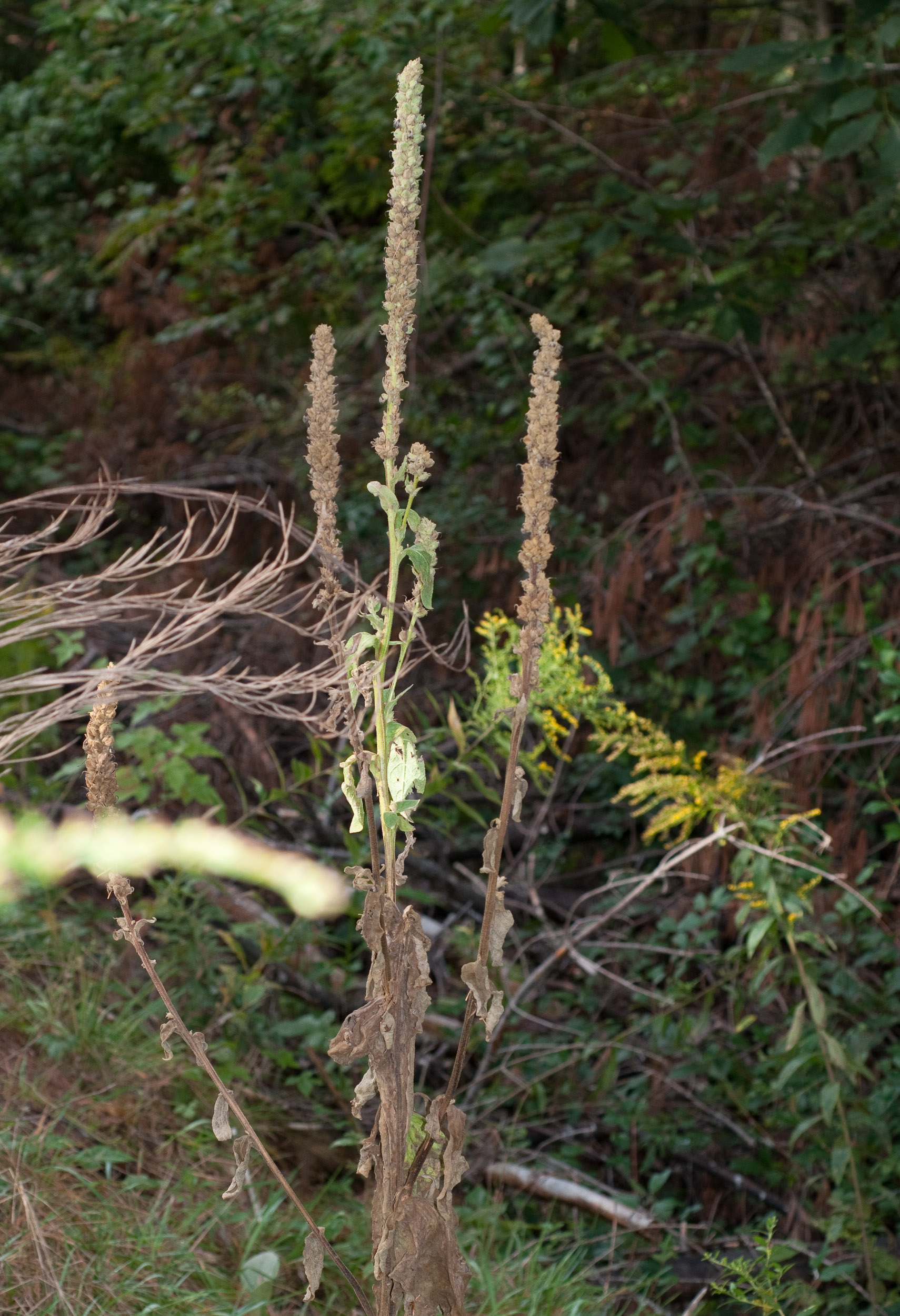
12 · 9/14/2009 · Near Nashoba Hospital, Ayer, Massachusetts 
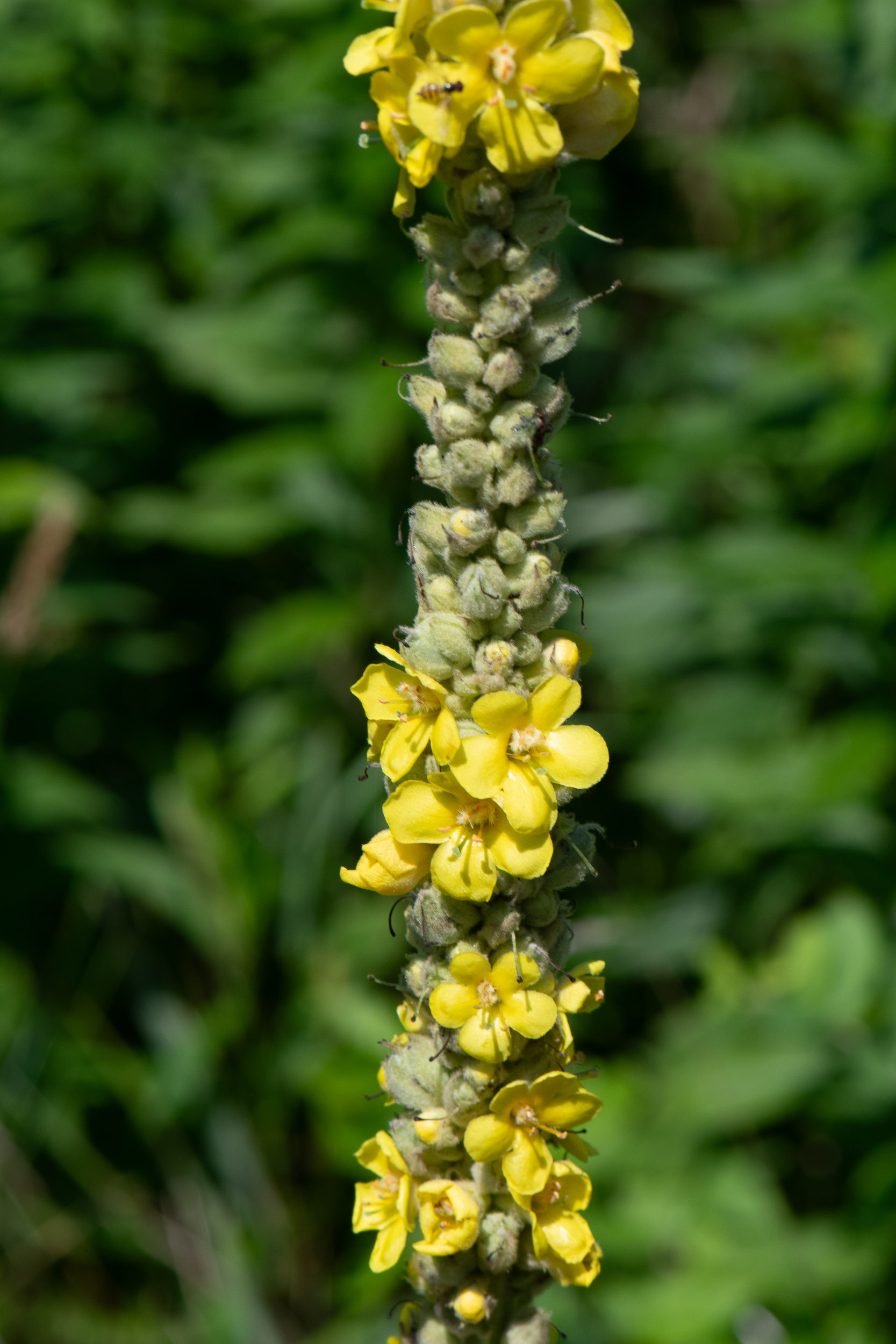
13 · 7/22/2021 · Mitchell Field, Harpswell, Maine · ≈ 7 × 10″ (16 × 25 cm) 
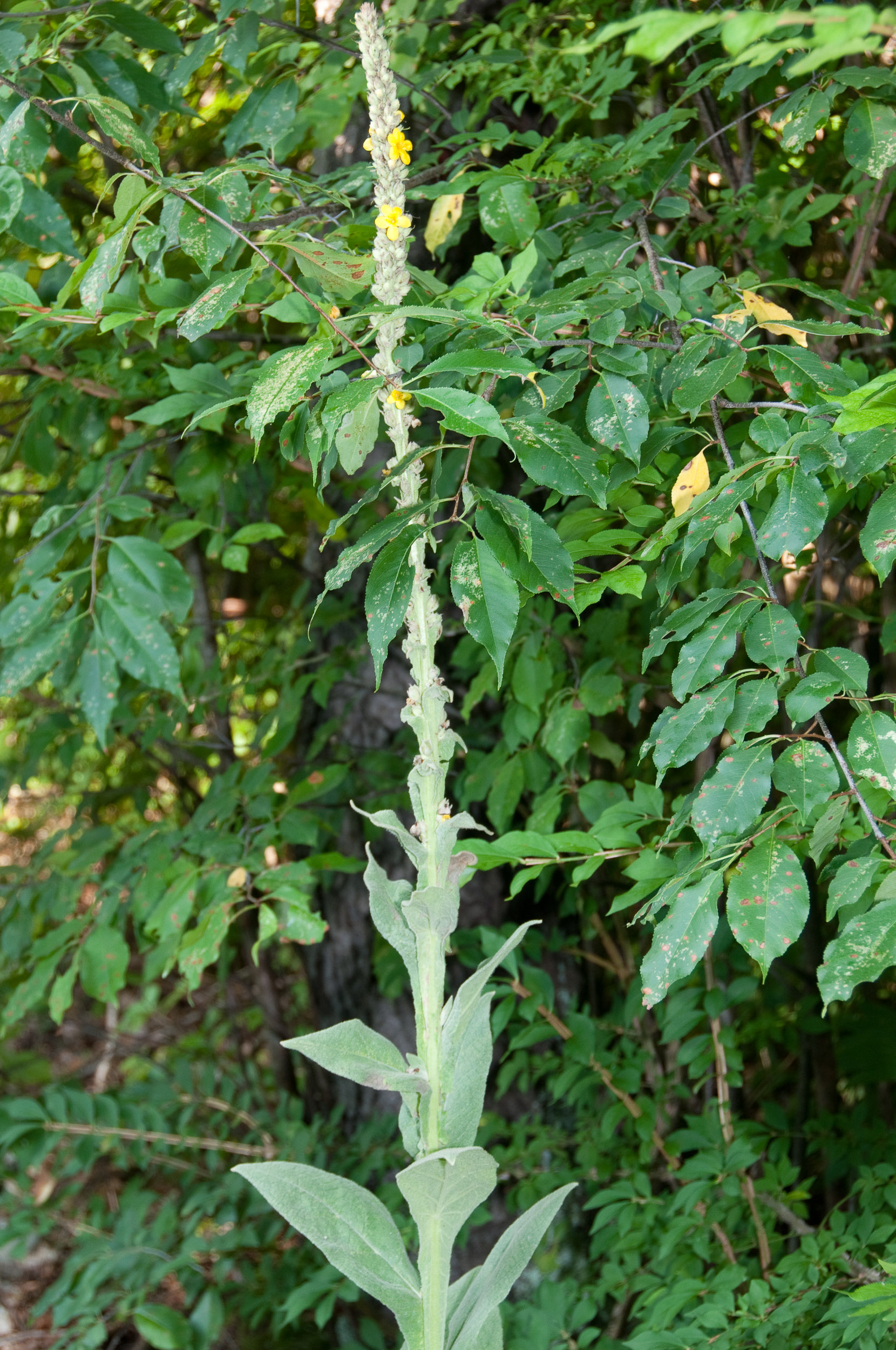
14 · 8/4/2009 · Tom and Susan’s, Pepperell, Massachusetts 
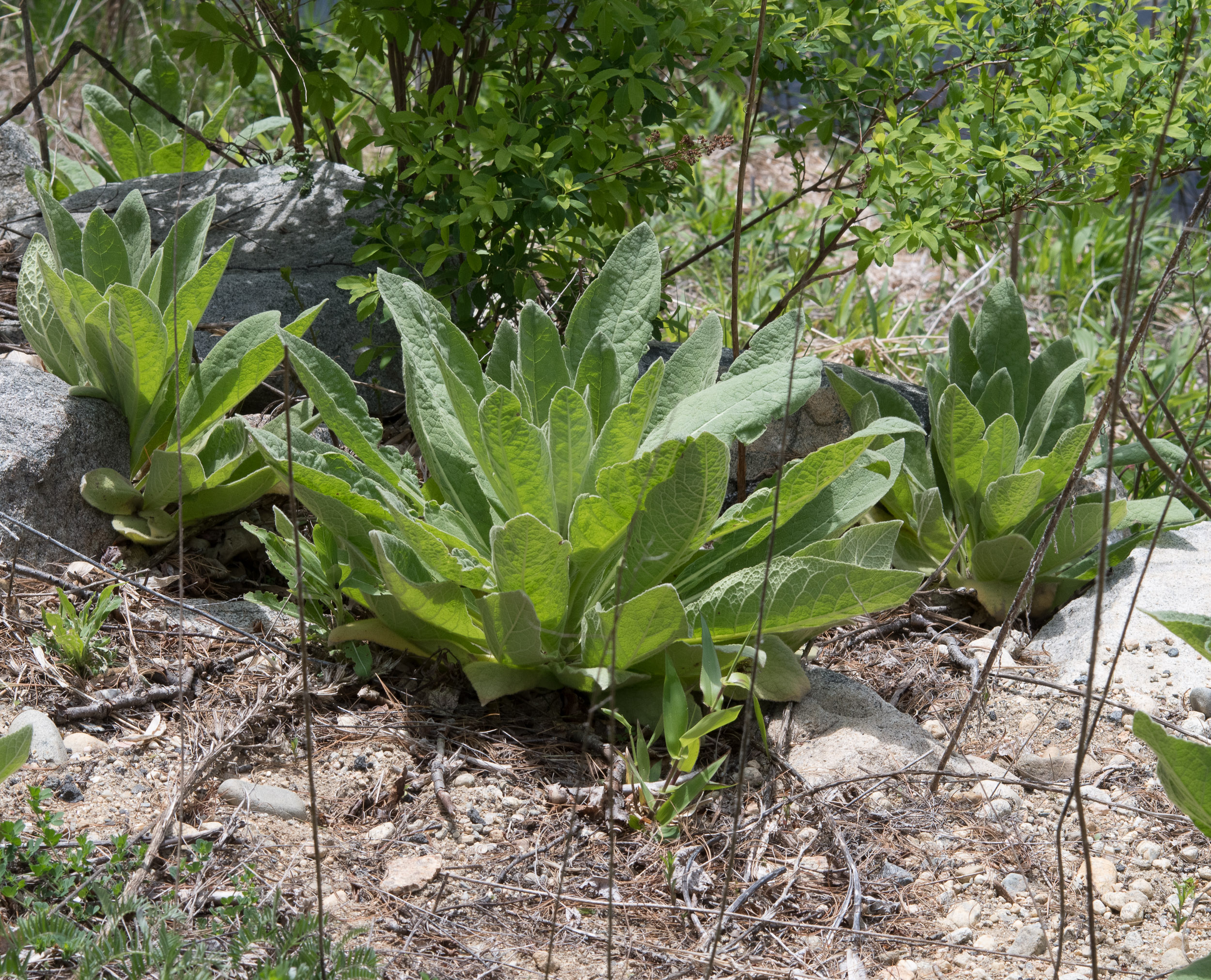
15 · 5/19/2016 · Bemis Road Trails, Pepperell, Massachusetts 

16 · 5/21/2026 · Skyline Drive, Shenandoah National Park, Virginia · ≈ 8 × 5″ (20 × 13 cm) 

17 · 7/25/2025 · River Point Conservation Area, Falmouth, Maine 
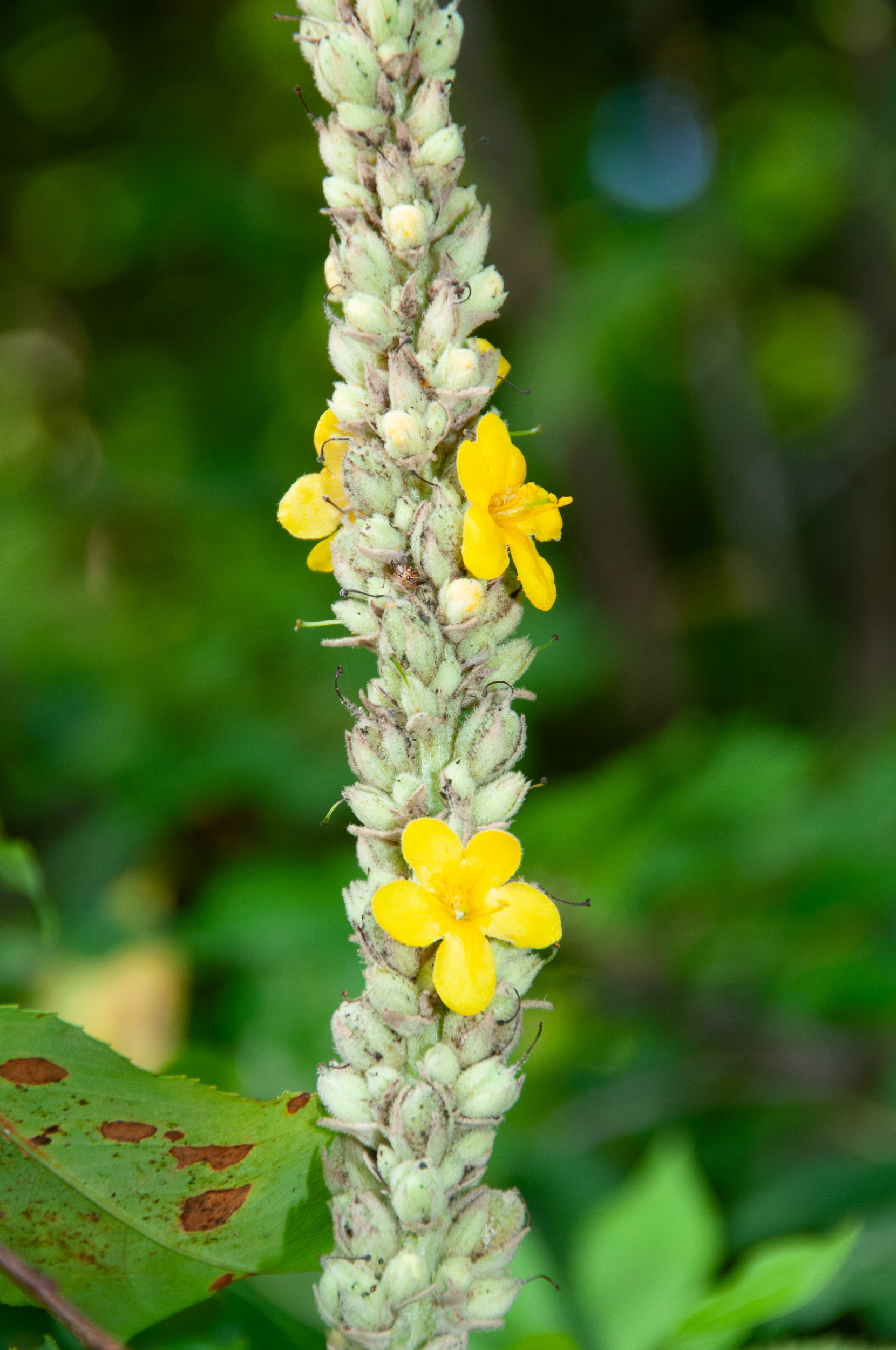
18 · 8/4/2009 · Tom and Susan’s, Pepperell, Massachusetts · ≈ 2½ × 3½″ (6.2 × 9.3 cm) 
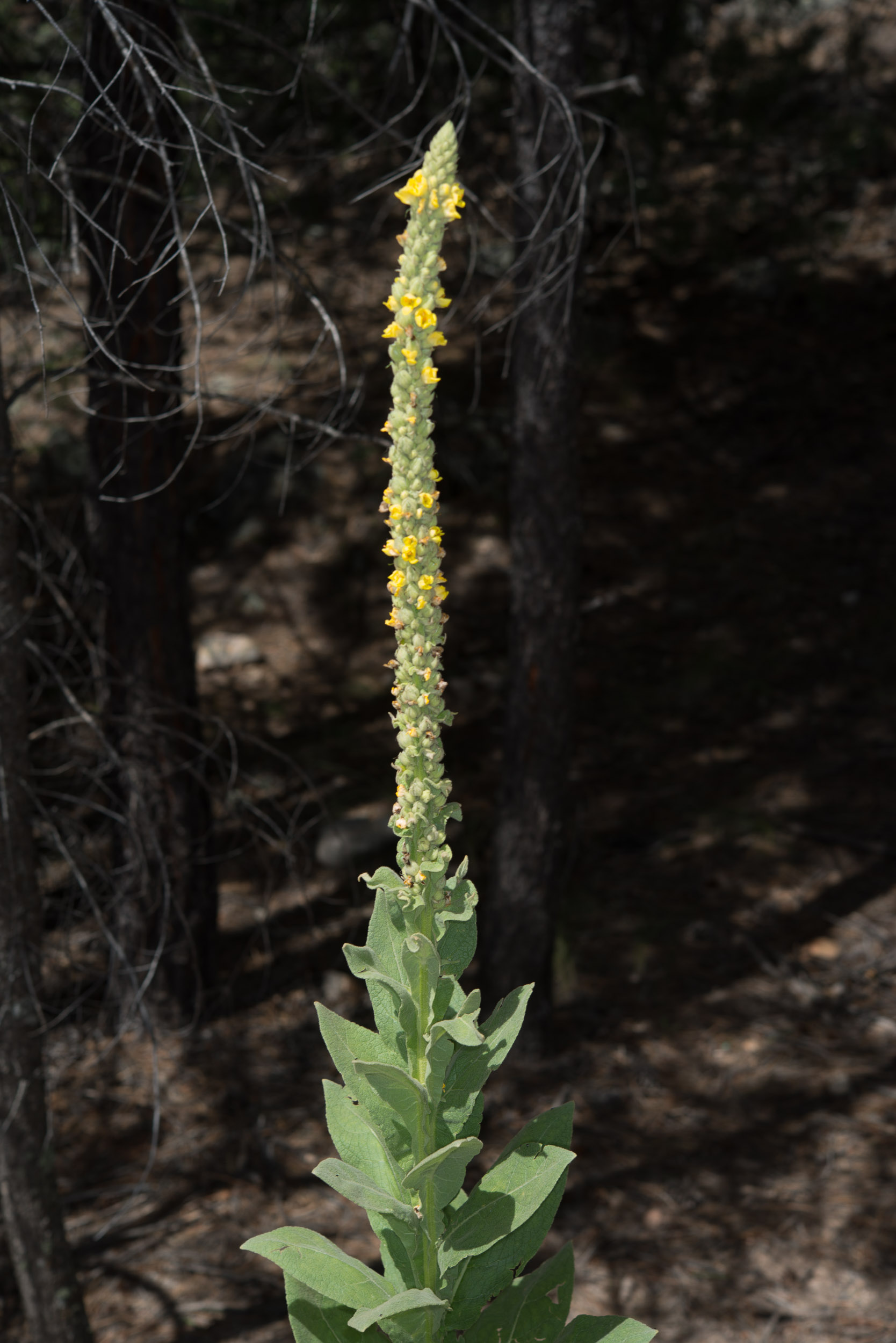
19 · 8/30/2014 · New Mexico 
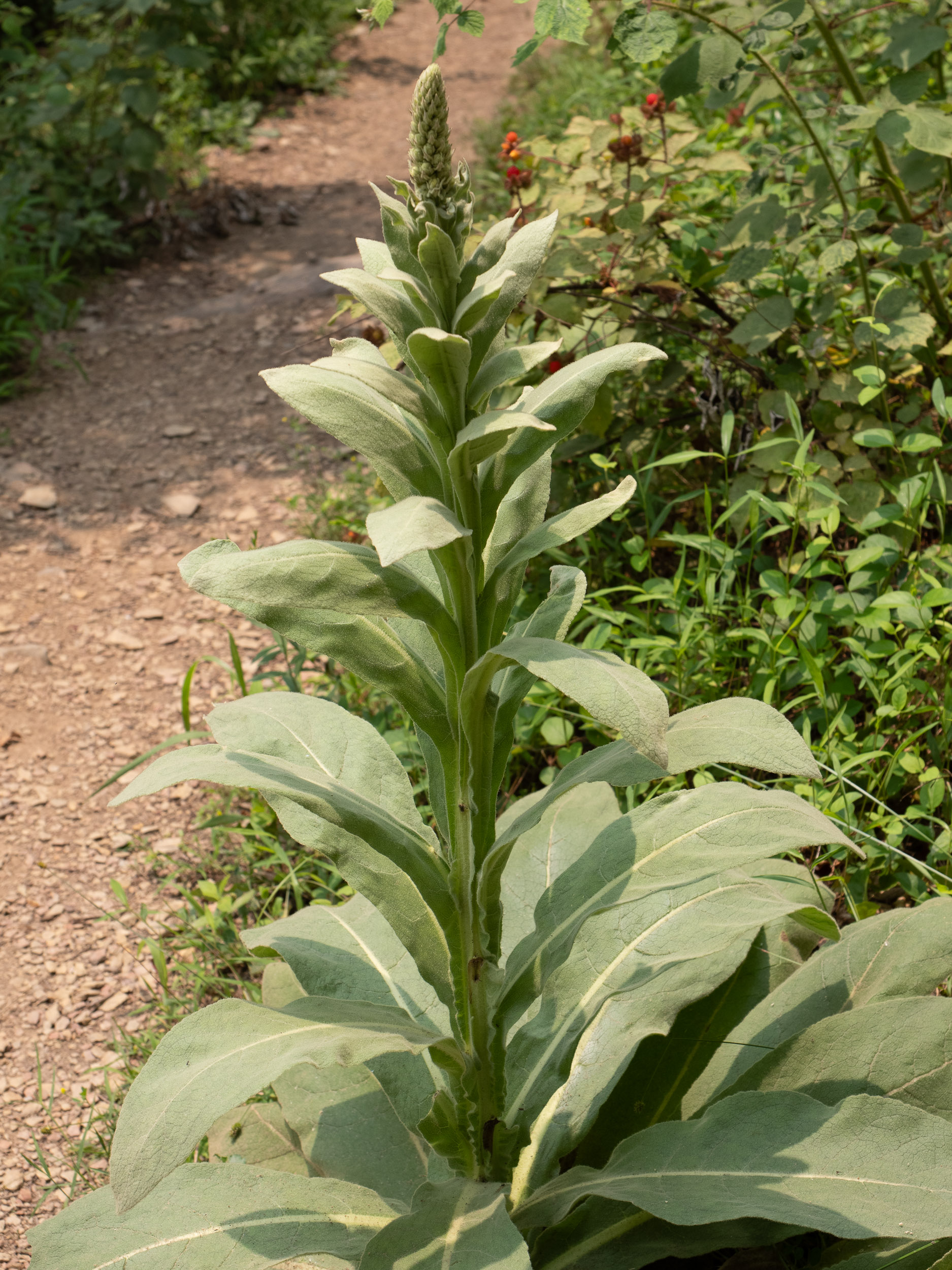
20 · 6/29/2023 · Harpers Ferry National Historical Park, Harpers Ferry, West Virginia 
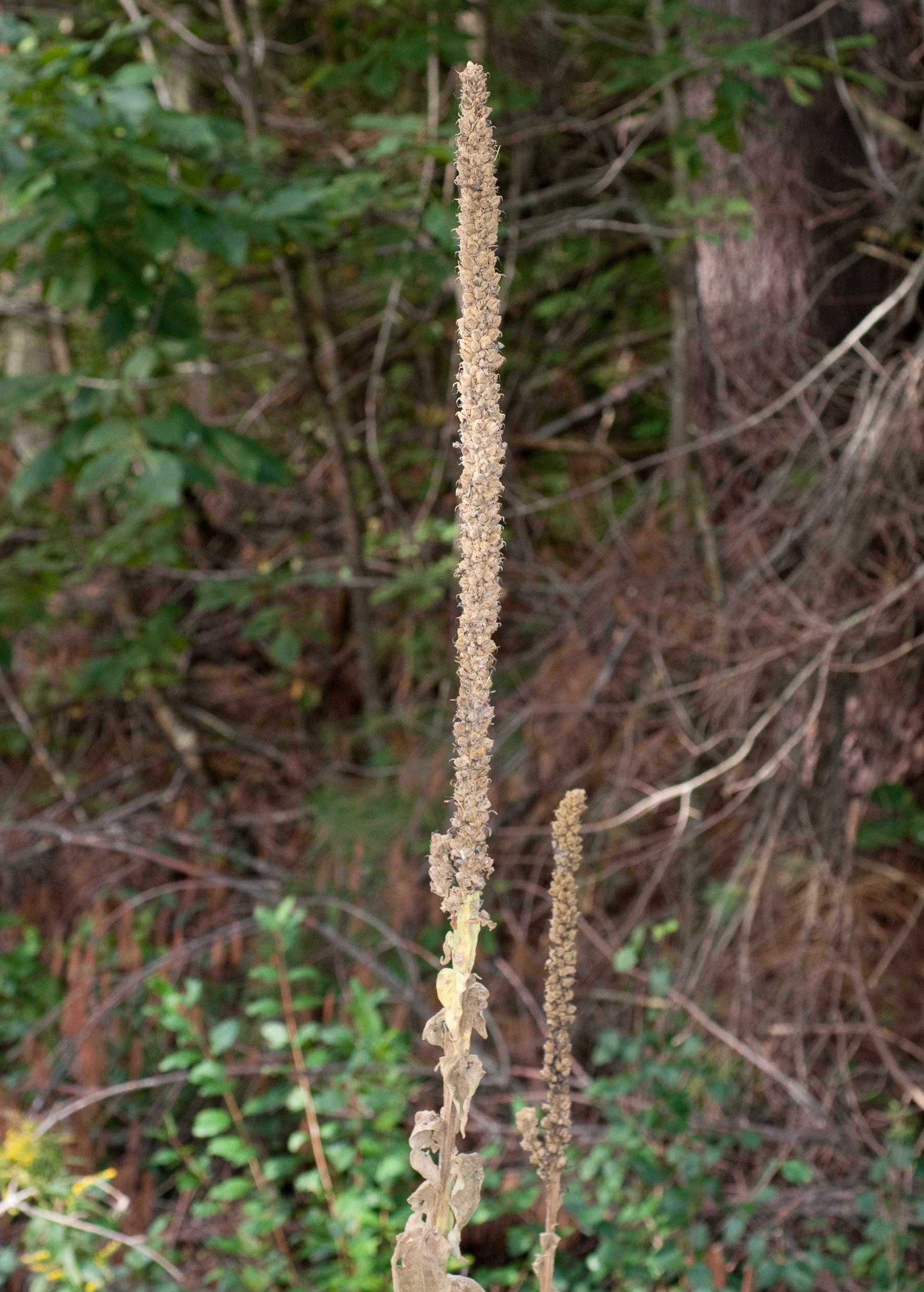
21 · 9/14/2009 · Near Nashoba Hospital, Ayer, Massachusetts 
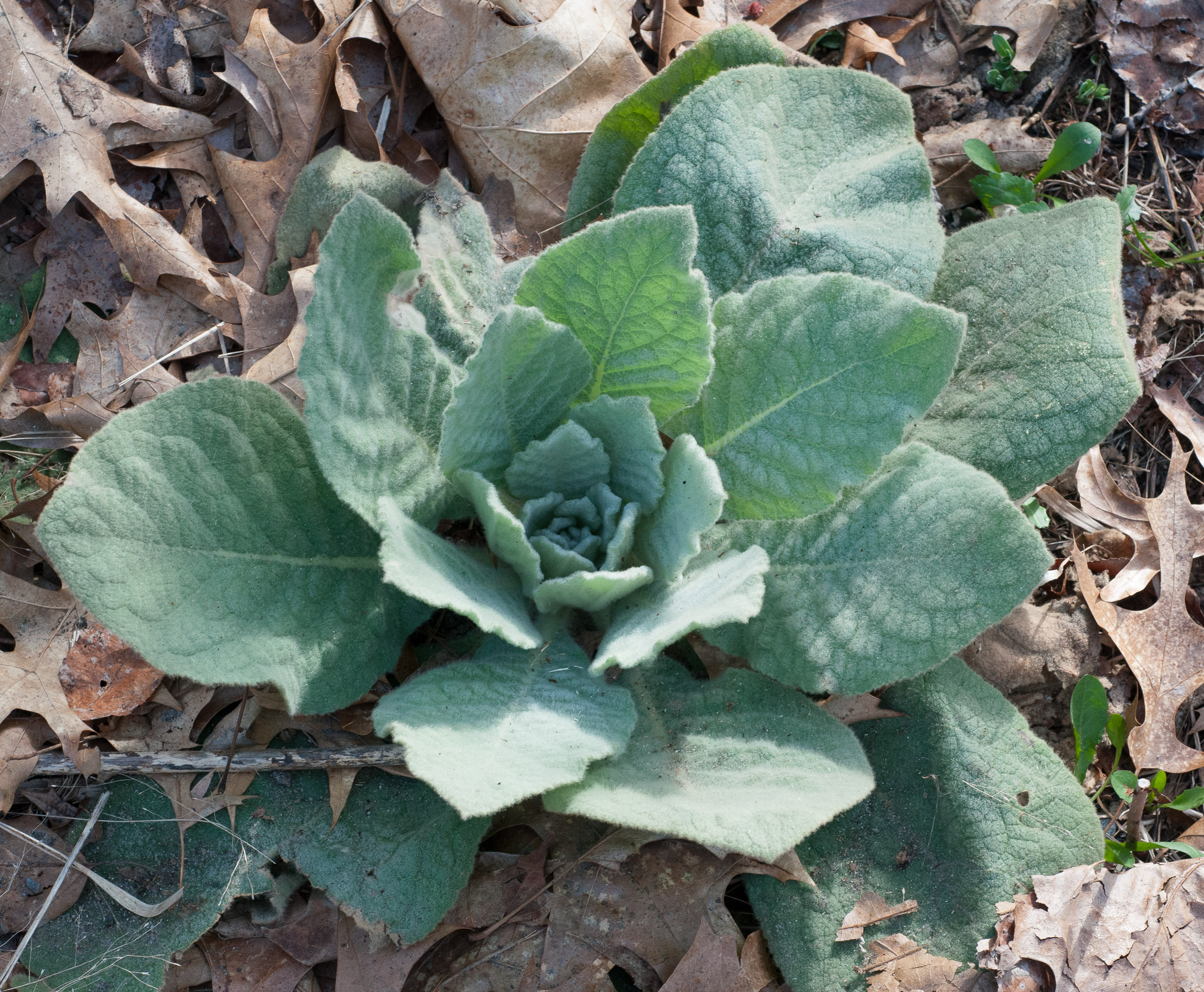
22 · 4/6/2010 · Nashua River Rail Trail, Groton, Massachusetts · ≈ 1 × 1′ (41 × 34 cm) 
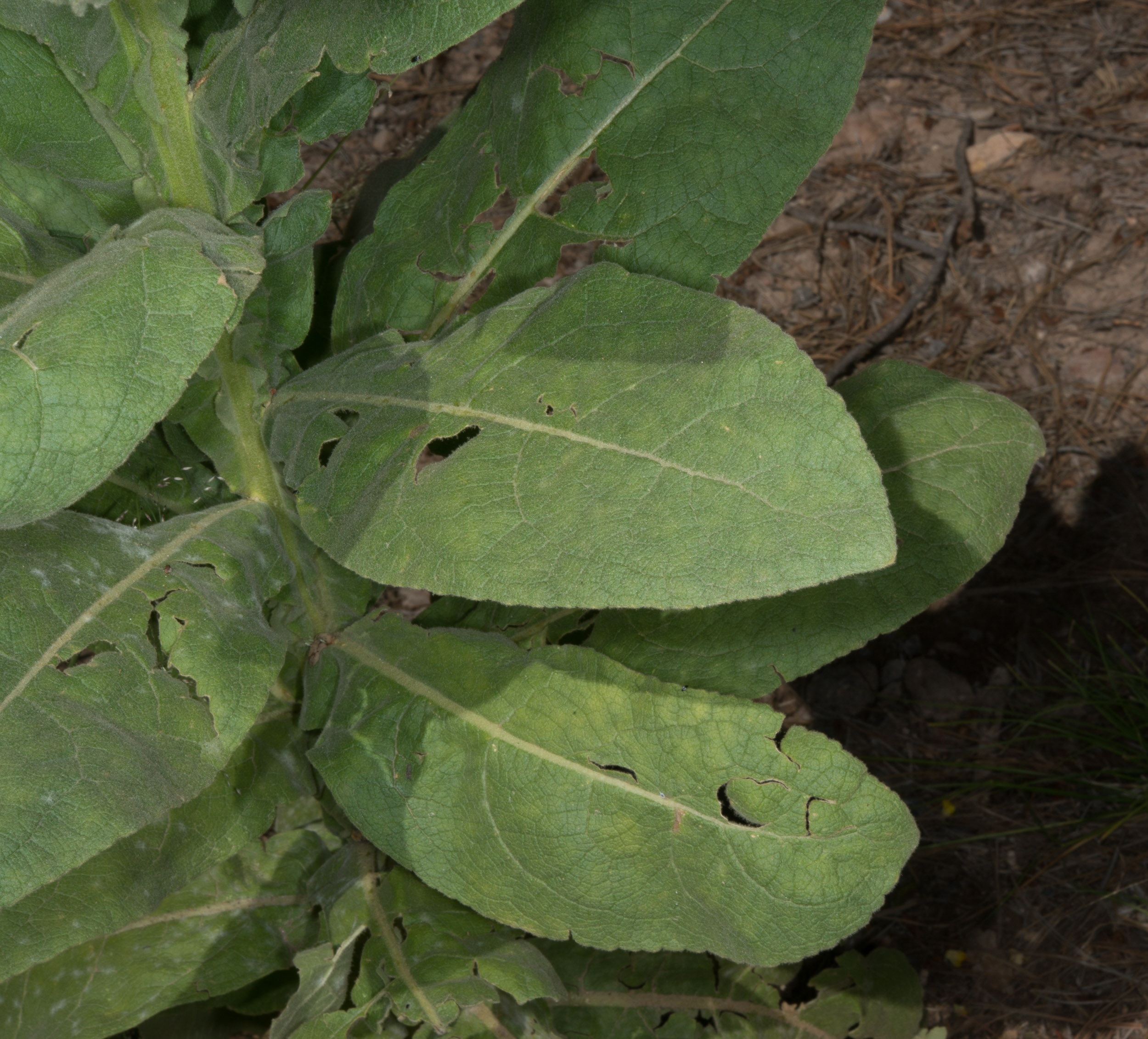
23 · 8/30/2014 · New Mexico · ≈ 1 × 1′ (34 × 31 cm) 
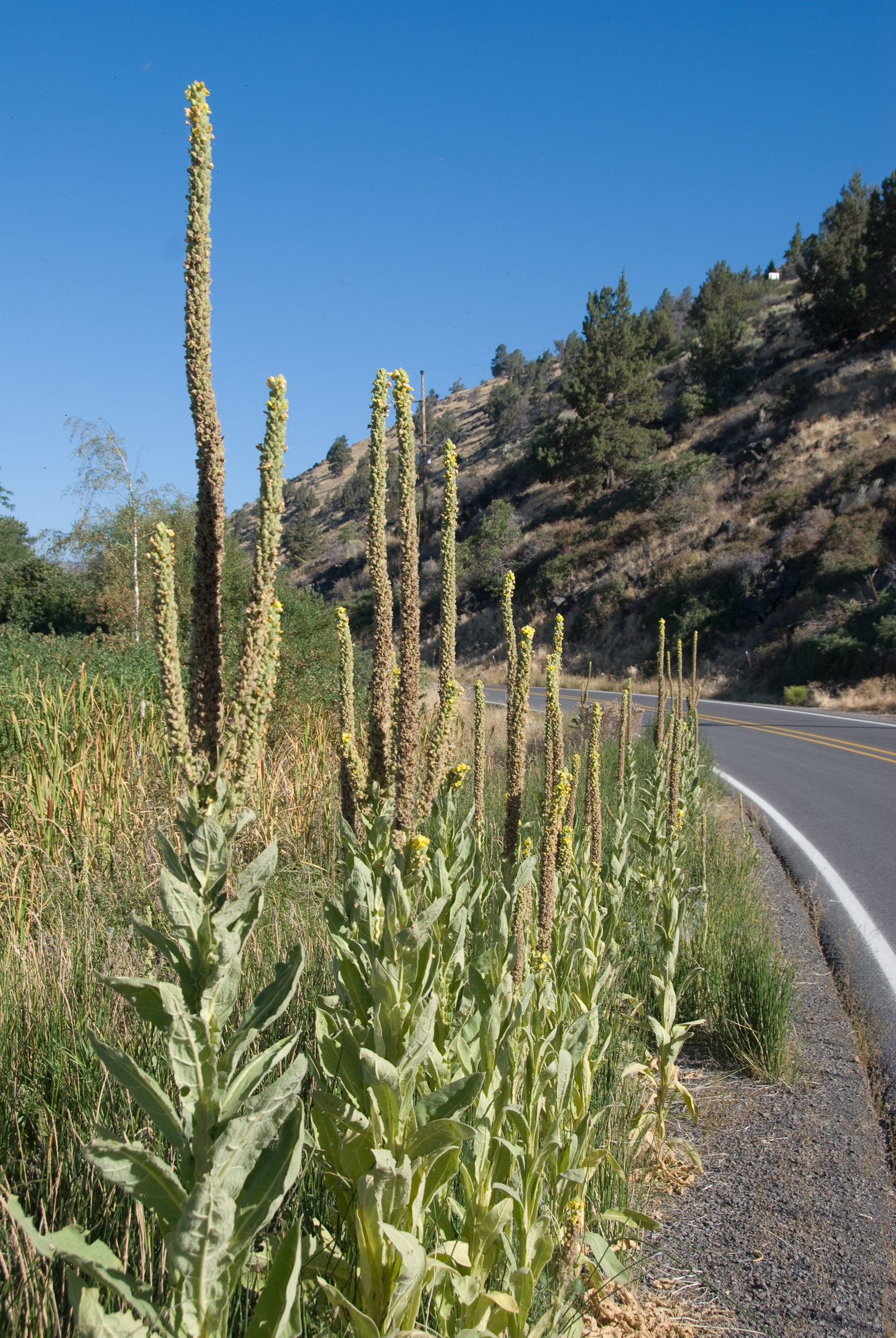
24 · 8/29/2007 · Hagelstein Park, Upper Klamath Lake, Oregon 
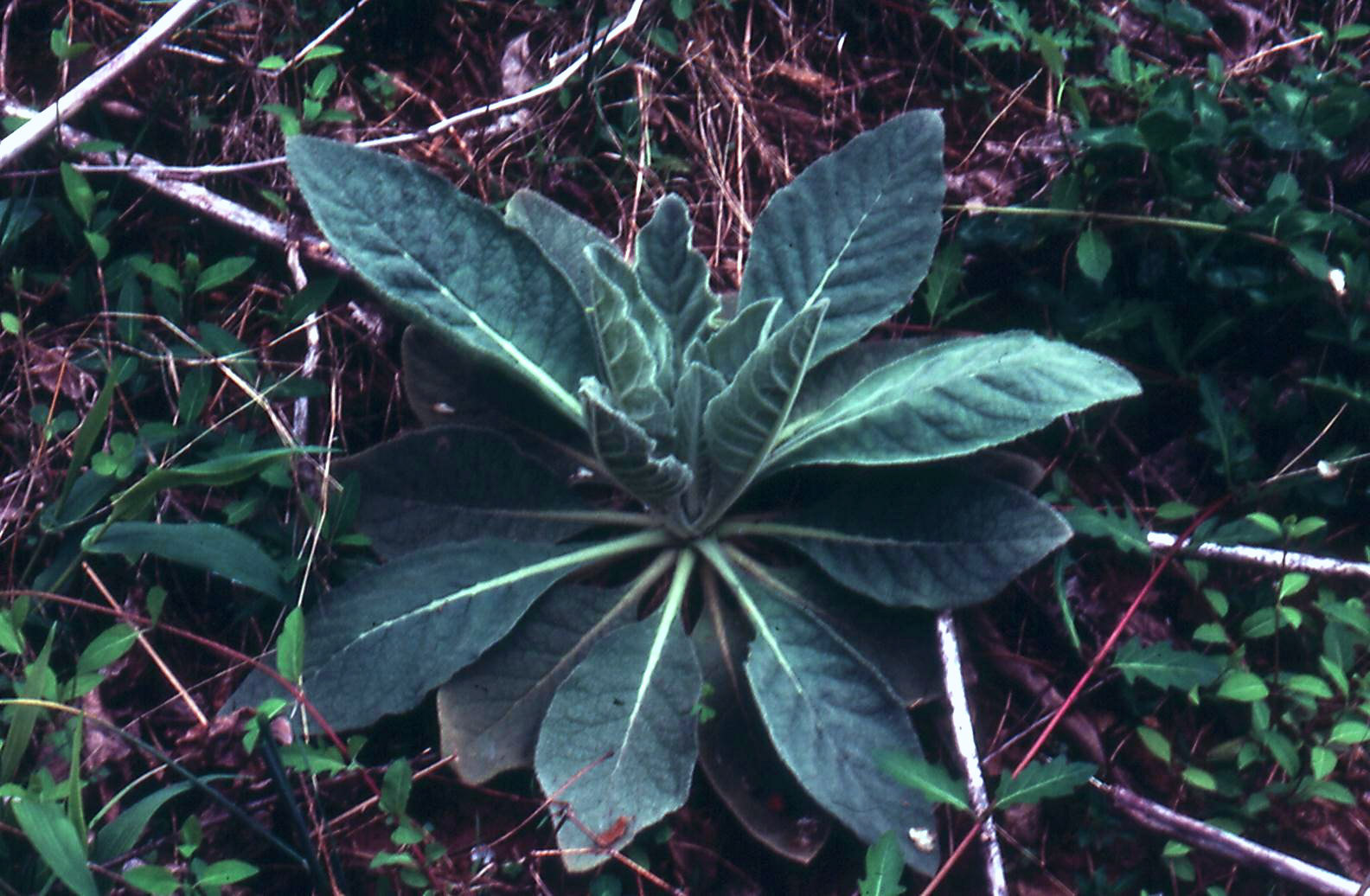
25 · During the first year of growth, the leaves remain close to the ground. · 4/15/1979 · Virginia · By Tim Chandler 
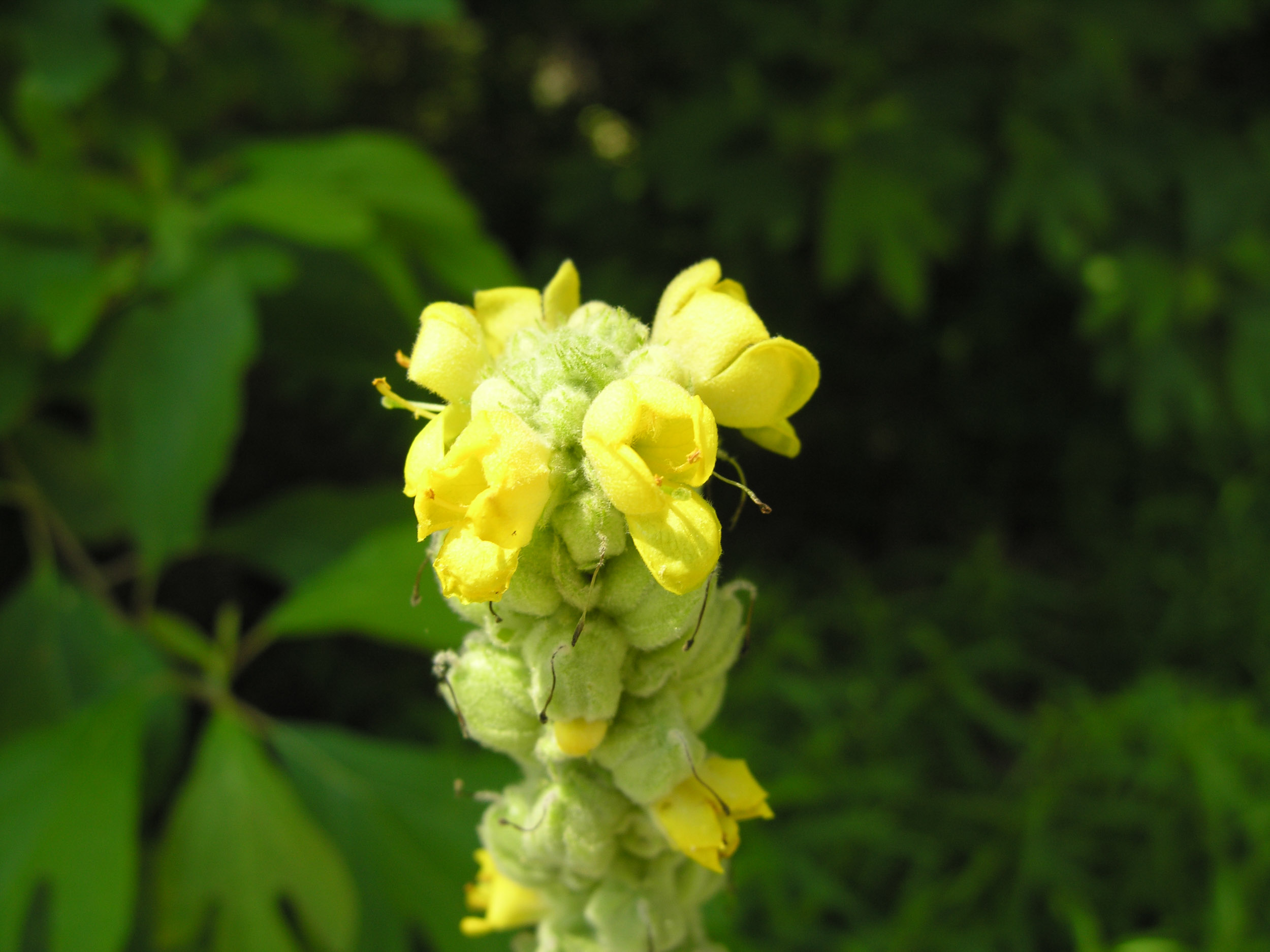
26 · 7/3/2005 · Bedford, New Hampshire 
| Kingdom | Plantae | Plants, but not fungi, lichens, or algae (from Stearn's Botanical Latin) |
| Subkingdom | Tracheobionta | Vascular plants—plants with a “circulatory system” for delivering water and nutrients |
| Division | Magnoliophyta | Flowering plants, also known as angiosperms |
| Class | Magnoliopsida | Dicotyledons—plants with two initial seed leaves |
| Subclass | Asteridae | A large class that encompasses asters |
| Order | Lamiales | Aromatic herbs and shrubs, including lavender, lilac, olive, jasmine, ash, teak, snapdragon, sesame, psyllium, garden sage, mint, basil, and rosemary |
| Family | Scrophulariaceae | The figwort family (named for the resemblence of root nodes of some species to tubercular human lymph nodes, or scrophula) |
| Genus | Verbascum | A corruption of the Latin Barbascum, the name for these plants |
| Species | thapsus | “Of or from Thapsus,” (now Tunisia) |
Verbascum thapsus description by Thomas H. Kent, not updated.

© FloraFinder.org. All rights reserved.