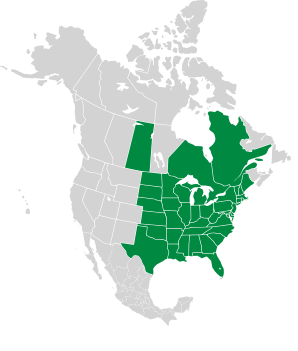
Viola latiuscula Greene
Viola papilionacea Pursh p.p.
Viola papilionacea Pursh var. priceana (Pollard) Alexander
Viola palmata L. var. sororia (Willd.) Pollard
Viola priceana Pollard
Viola sororia Willd. f. priceana (Pollard) Cooperr.
Viola sororia Willd.
Common blue violet, woolly blue violet, common wood violet, broad-leaved wood violet
These hardy, abundant perennials poke up early in the spring. They seem happiest in partial shade, but if there is enough dampness in the soil, they tolerate full sun.
Plants: Plants are low to the ground, about 4–8″ (10–20 cm) high and 6″ (15 cm) around.
Leaves: Leaves are up to 3″ (7.6 cm) long, usually closer to 1″ (2.5 cm), on long petioles (stems). They are usually dark green, but may appear lighter and more yellowish under full sun. They are roughly heart-shaped, with crenate or serrate edges. Some are hairy; some aren’t.
Flowers: Flowers are a shade of violet or blue, rarely white, and even more rarely bicolored. They are about ¾–1″ (1.9–2.5 cm) in size, have a total of five petals, and have bilateral symmetry. That’s fancy botanist talk for mirror images: if you cut the flower in half vertically, the two sides are mirror images of each other. There are two petals on top, and two lower side petals, and a bottom petal that serves as a landing strip for visiting pollinators. The two side petals have white hairs near the center of the flower. Flowers appear from March to June. They tend to droop. Flowers and leaves are on separate stems. Although the genus, Viola, means sweet-scented, common violets have no detectable odor.
Fruits: Three-part whitish seed capsules dry and explode, flinging lots of seeds.
Habitats: Common in woods, thickets, stream banks, pastures, and disturbed soils.
Edibility: Violet leaves are high in vitamins A and C, and are cooked as greens or added raw to salads. Flowers can be used to make candies or jellies.
Online References:
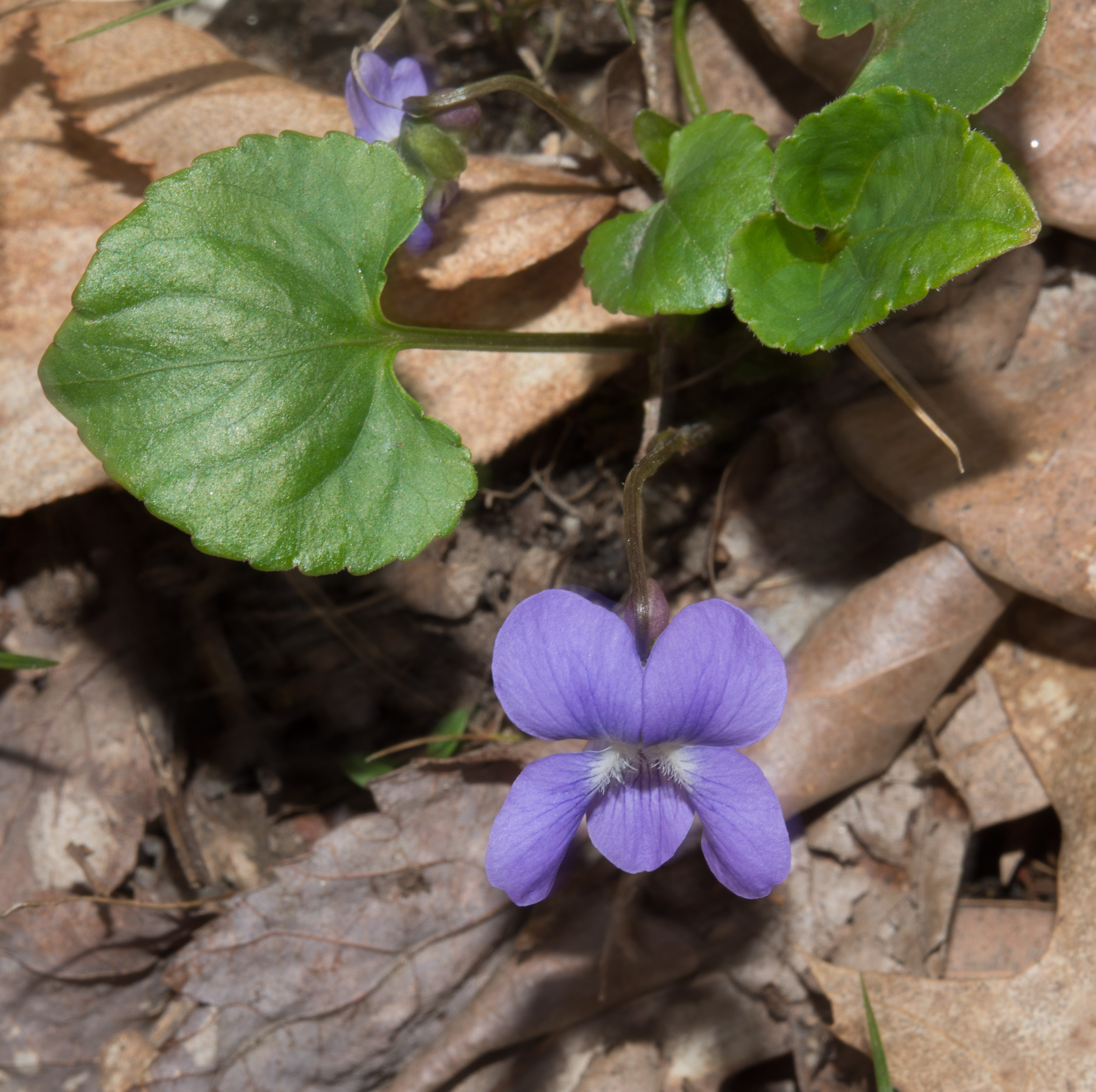
4/22/2016 · Wildflower Trail, Beaver Brook Conservation Area, Hollis, New Hampshire · ≈ 3½ × 3½″ (9.3 × 9.3 cm) 
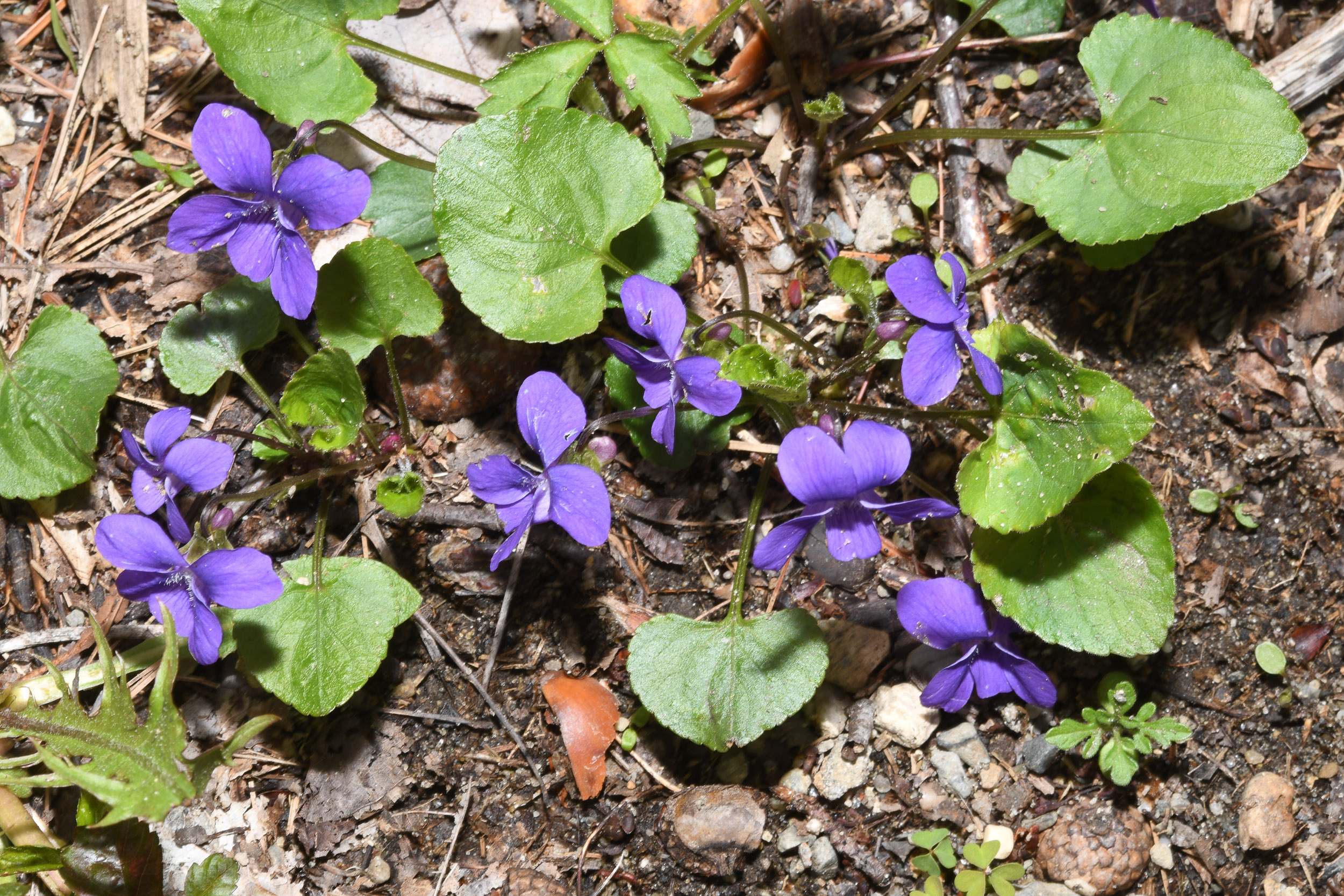
5/6/2016 · Nashua River Rail Trail, Groton, Groton, Massachusetts 
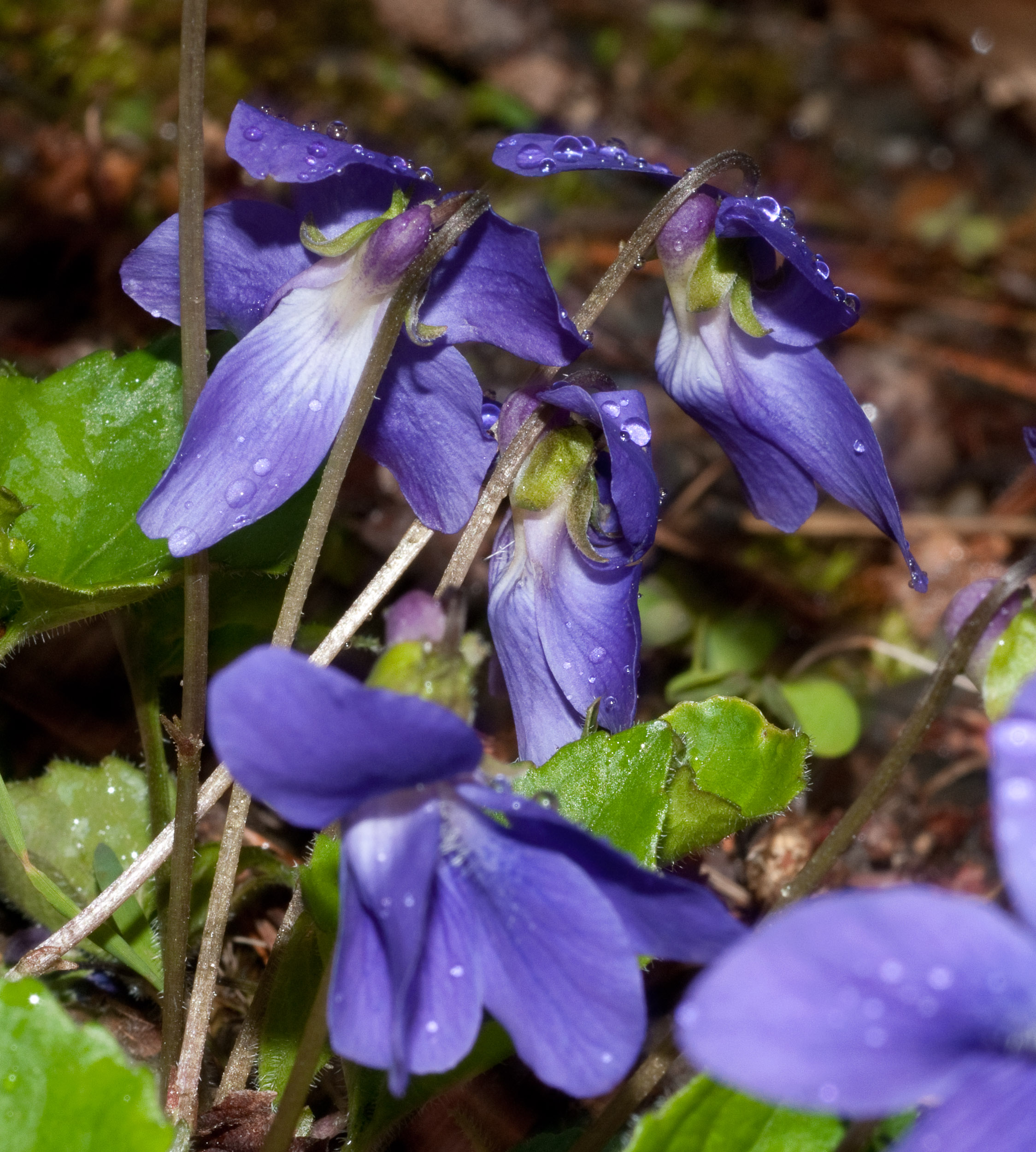
4/27/2010 · Nashua River Rail Trail, Pepperell, Massachusetts · ≈ 3 × 3½″ (8.3 × 9.3 cm) 

5/16/2024 · Ridge Trail, Freeport, Maine 
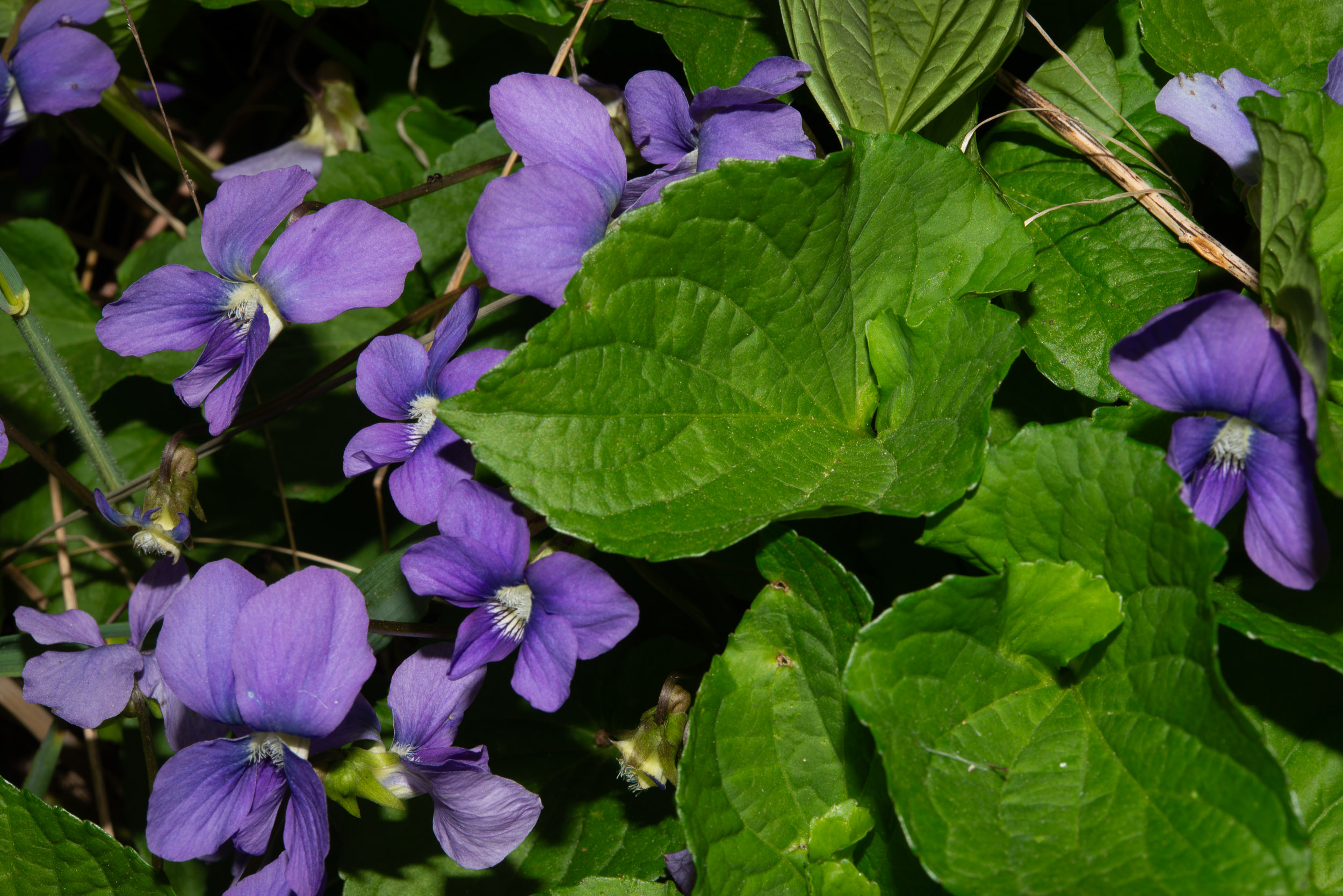
5/16/2014 · Acton Arboretum, Action, Massachusetts · ≈ 8 × 6″ (20 × 14 cm) 
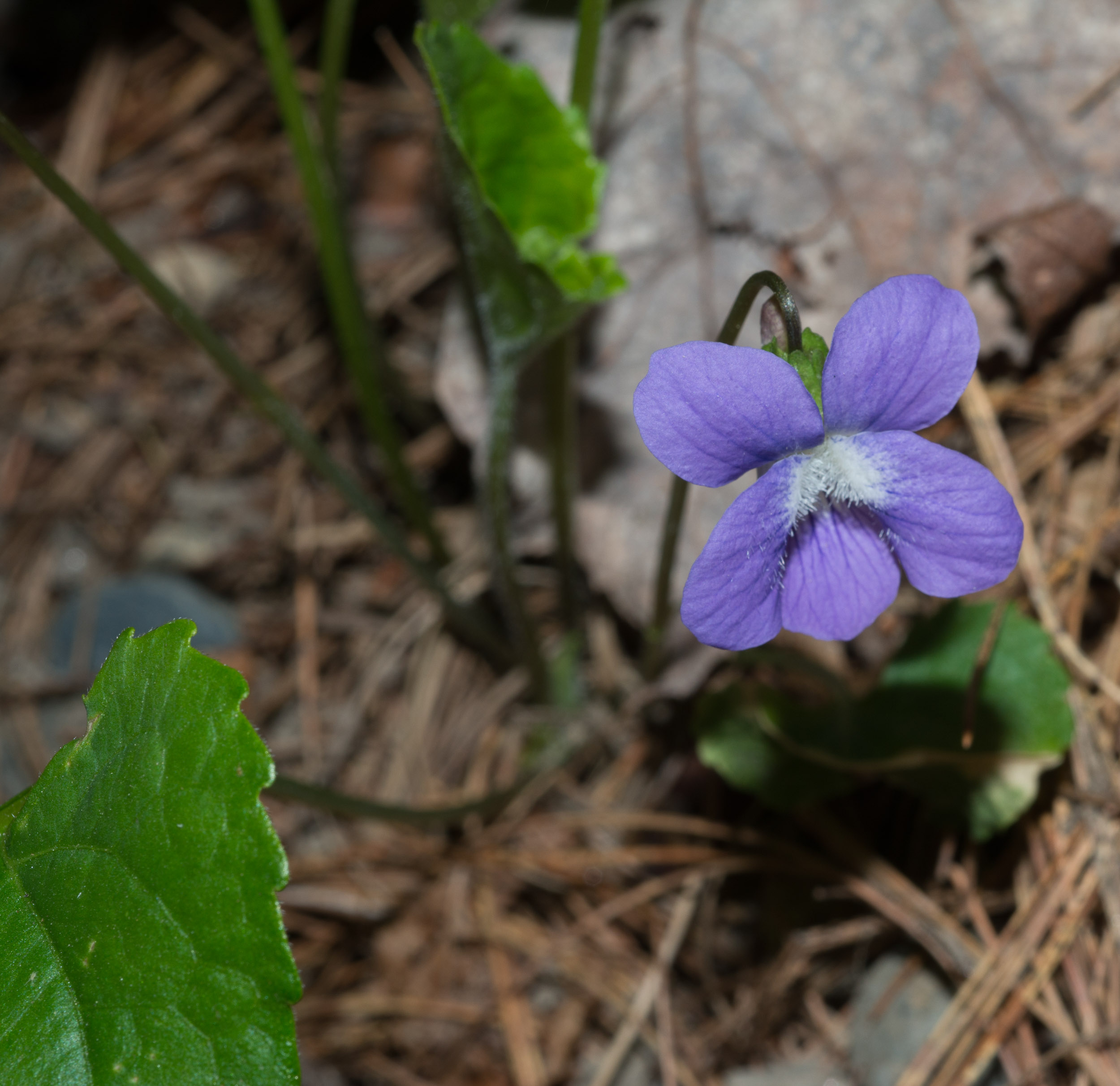
5/7/2013 · J. Harry Rich Dirt Road, Groton, Massachusetts · ≈ 4 × 4″ (11 × 10 cm) 
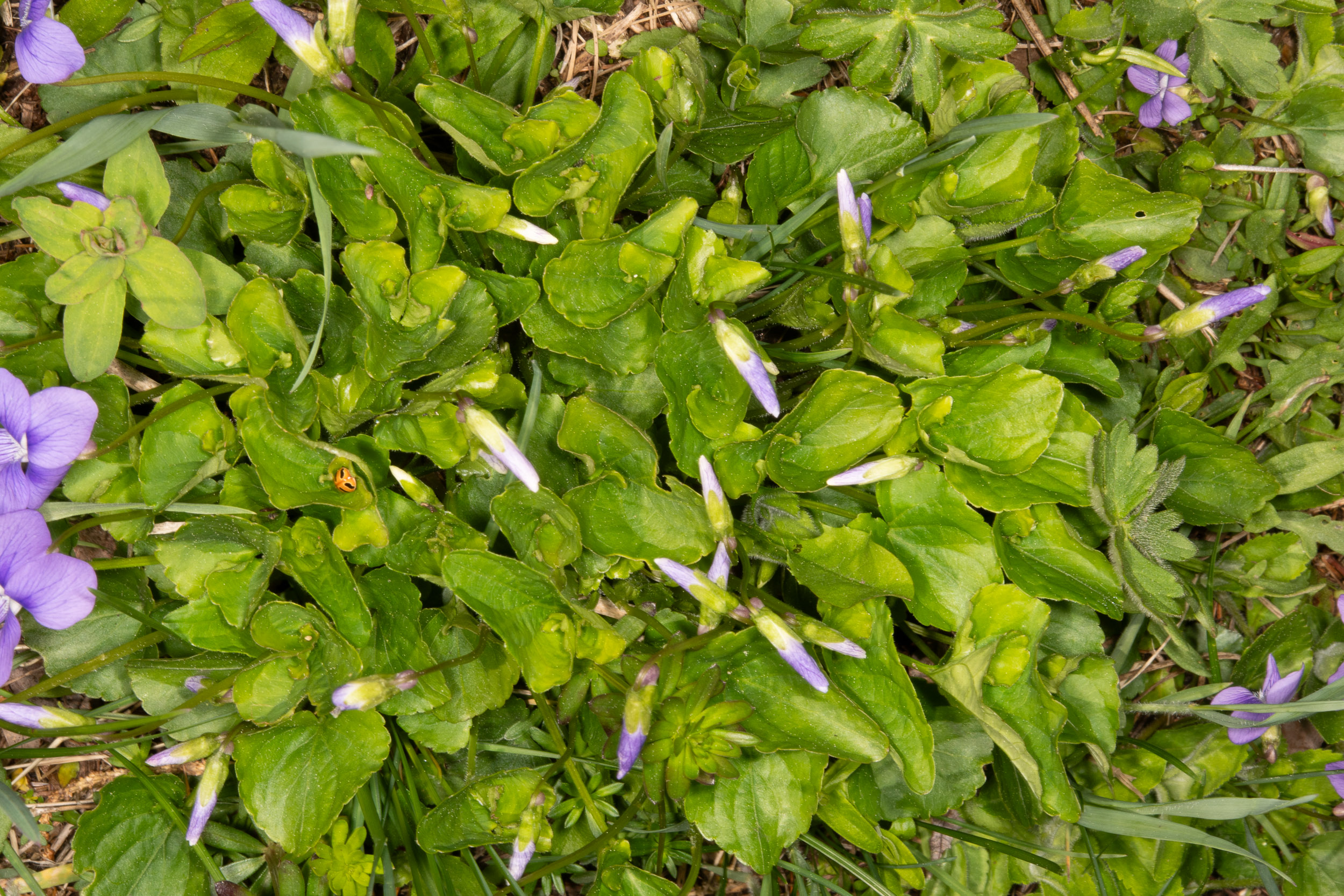
5/9/2021 · Mitchell Field, Harpswell, Maine · ≈ 6 × 10″ (16 × 24 cm) 
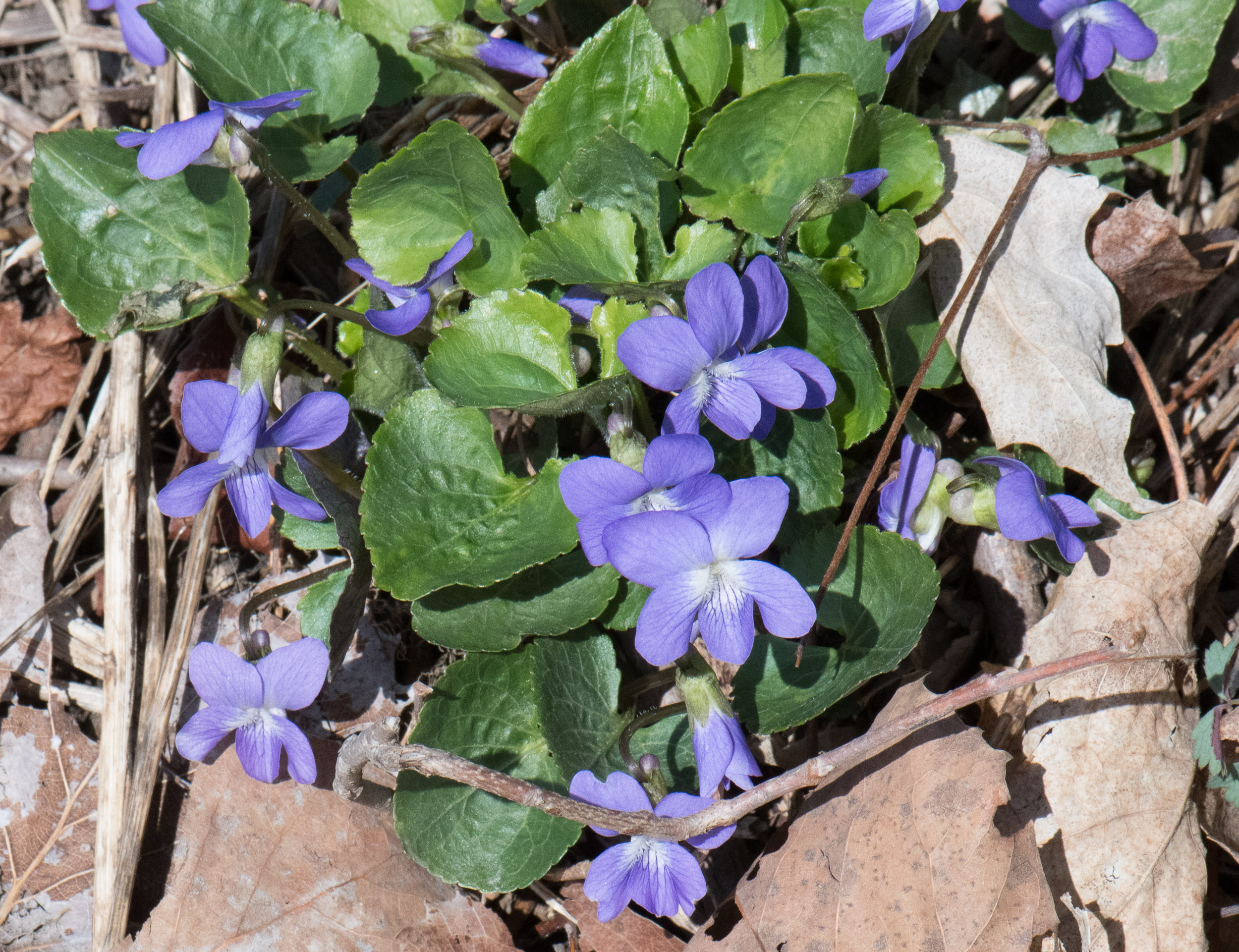
4/23/2016 · Big Tree/Porcupine Trail, Beaver Brook Conservation Area, Hollis, Massachusetts · ≈ 6 × 5″ (16 × 12 cm) 
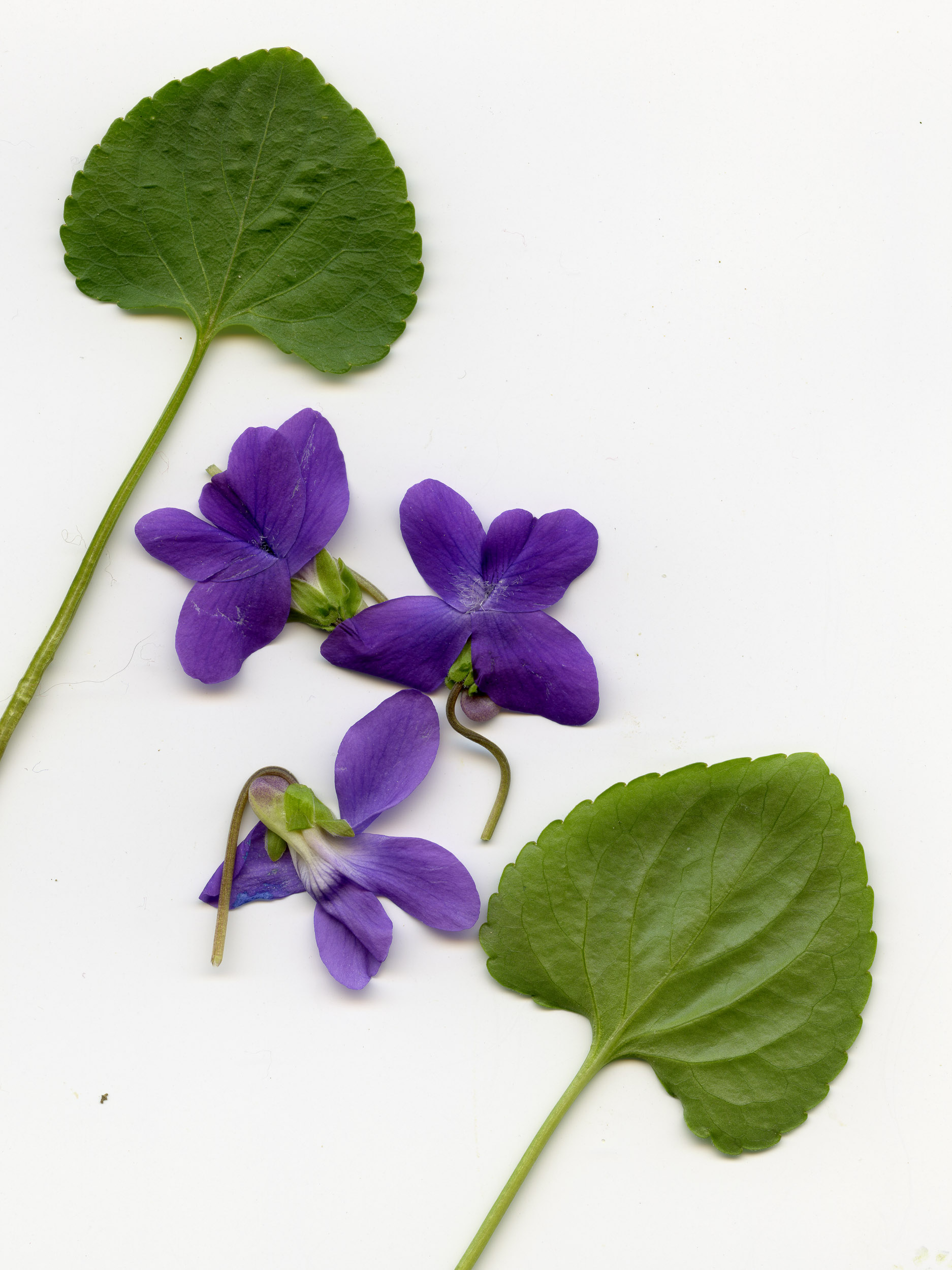
1/5/2026 · Tom and Susan’s, Pepperell, Massachusetts 
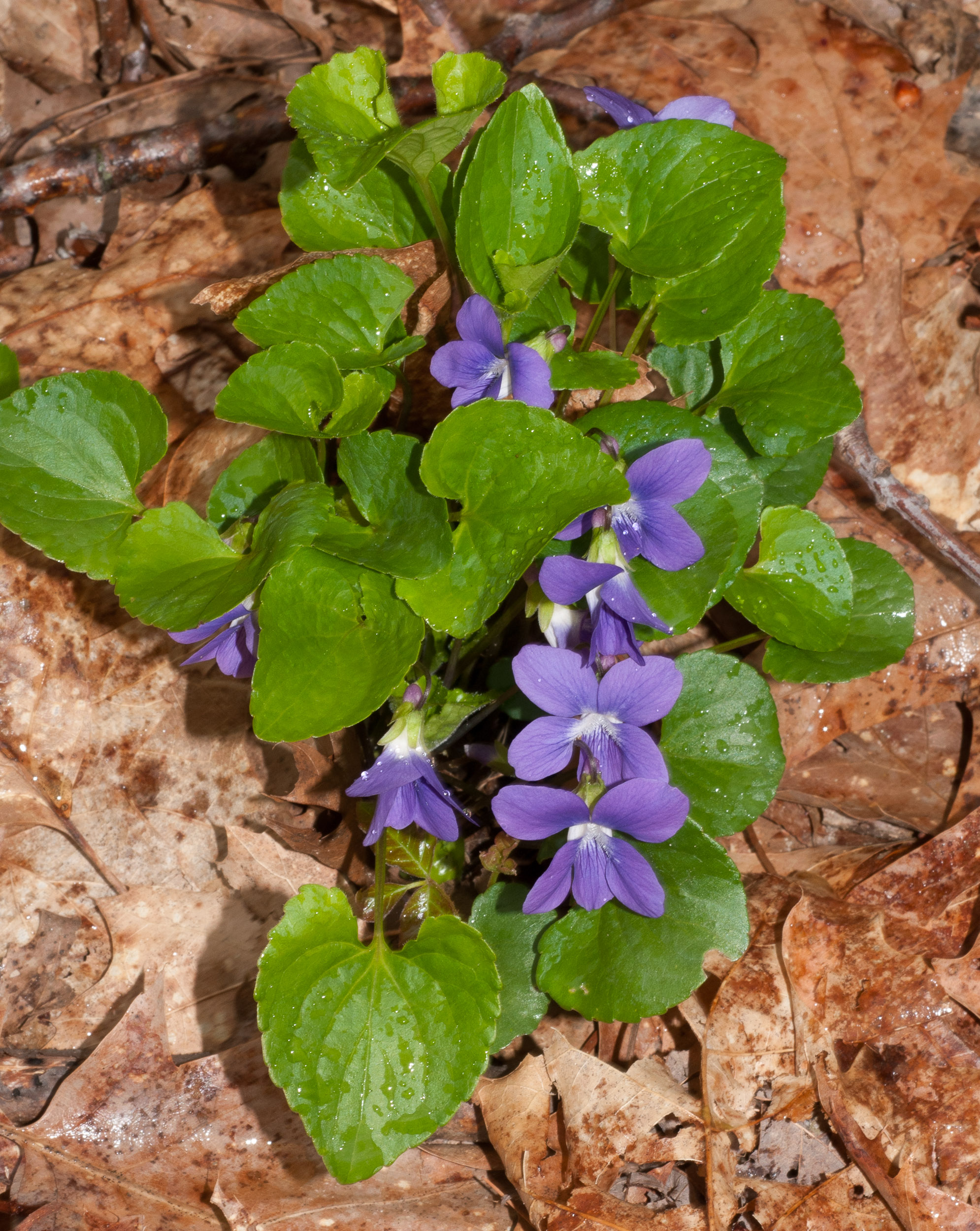
4/27/2010 · Nashua River Rail Trail, Pepperell, Massachusetts · ≈ 7 × 9″ (18 × 22 cm) 
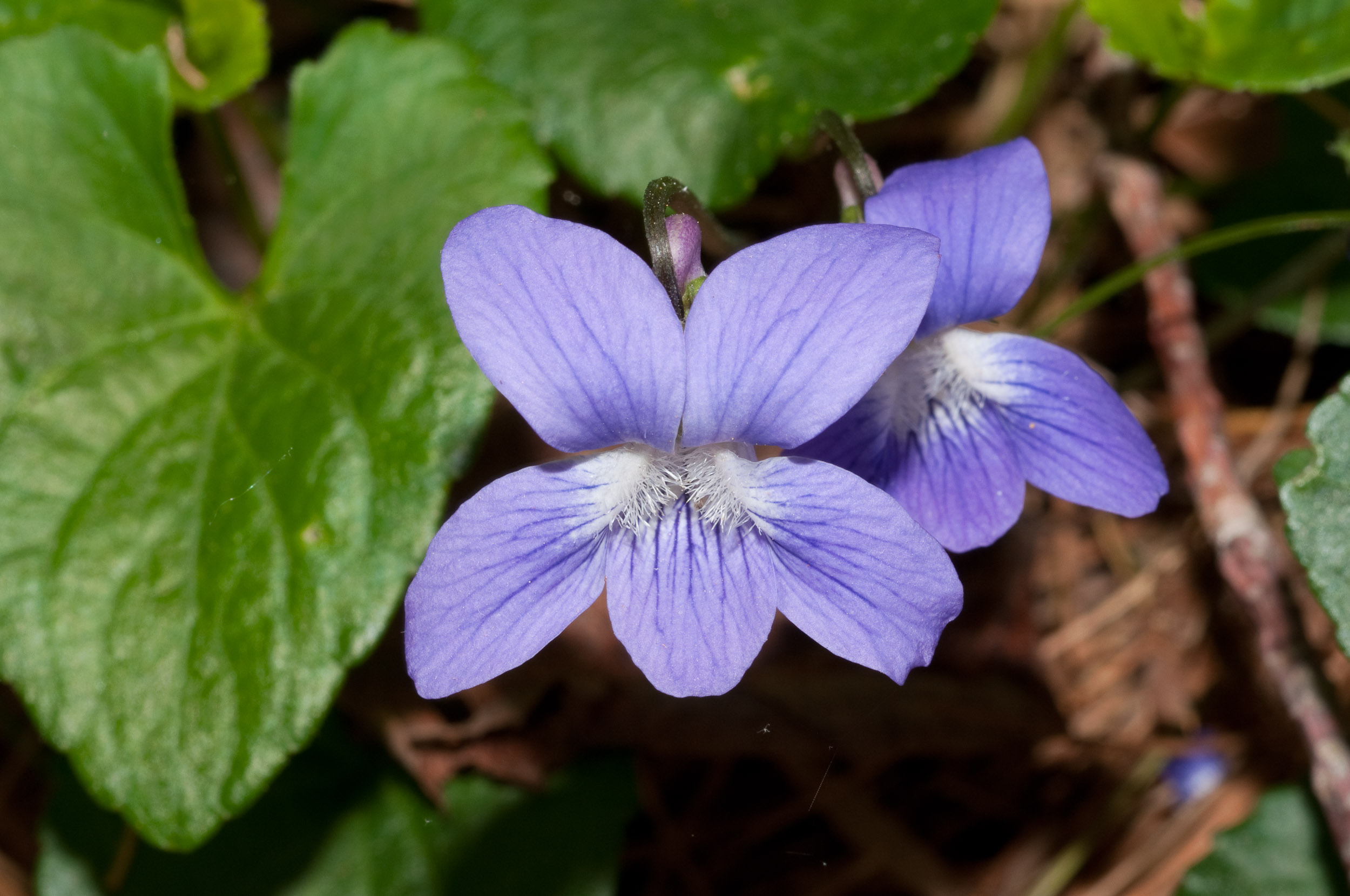
5/4/2010 · Nashua River Rail Trail, East Pepperell, Massachusetts · ≈ 4½ × 3″ (11 × 7.9 cm) 
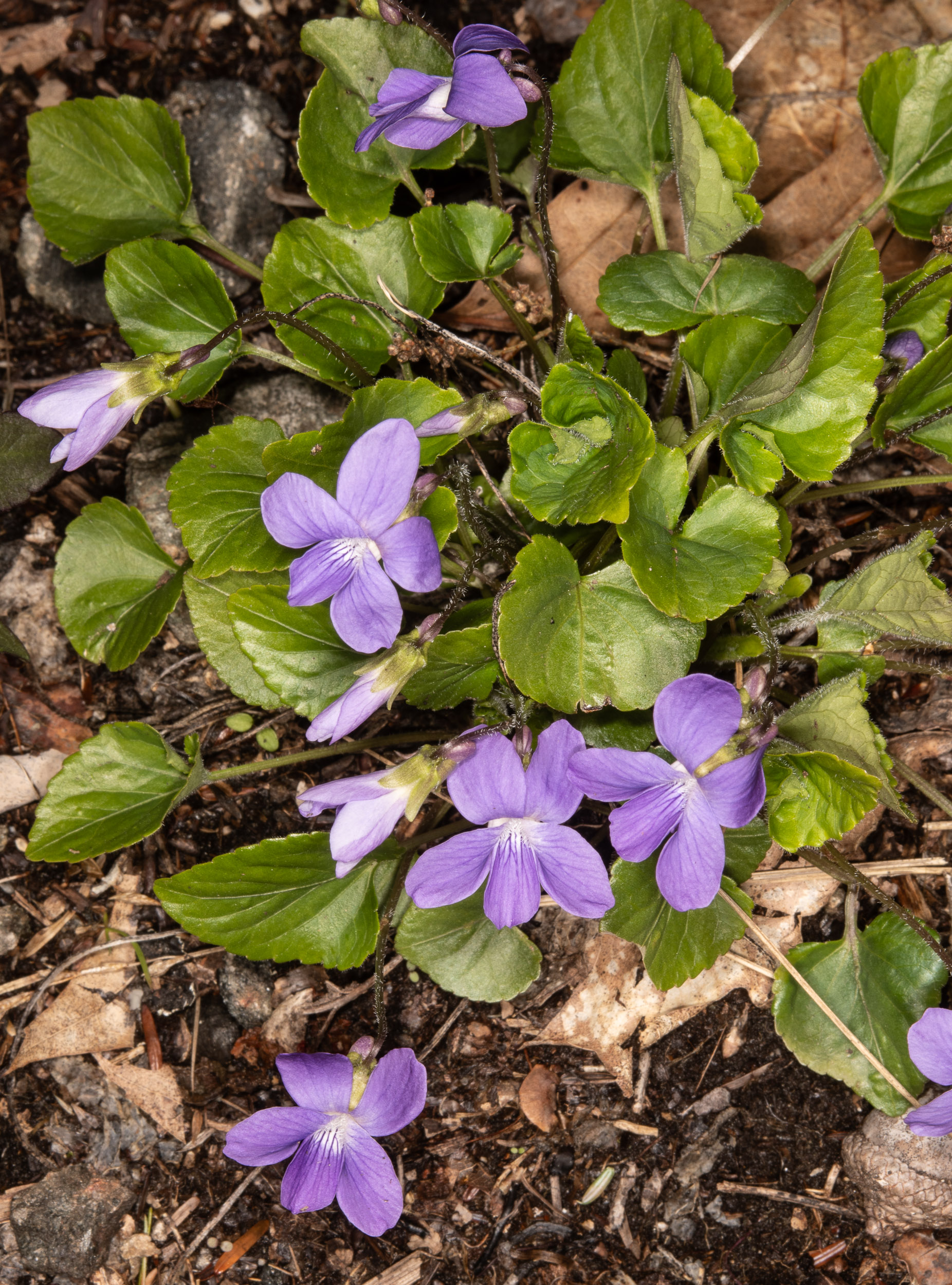
5/6/2021 · Tarbox Preserve, Topsham, Maine · ≈ 5 × 7″ (13 × 18 cm) 
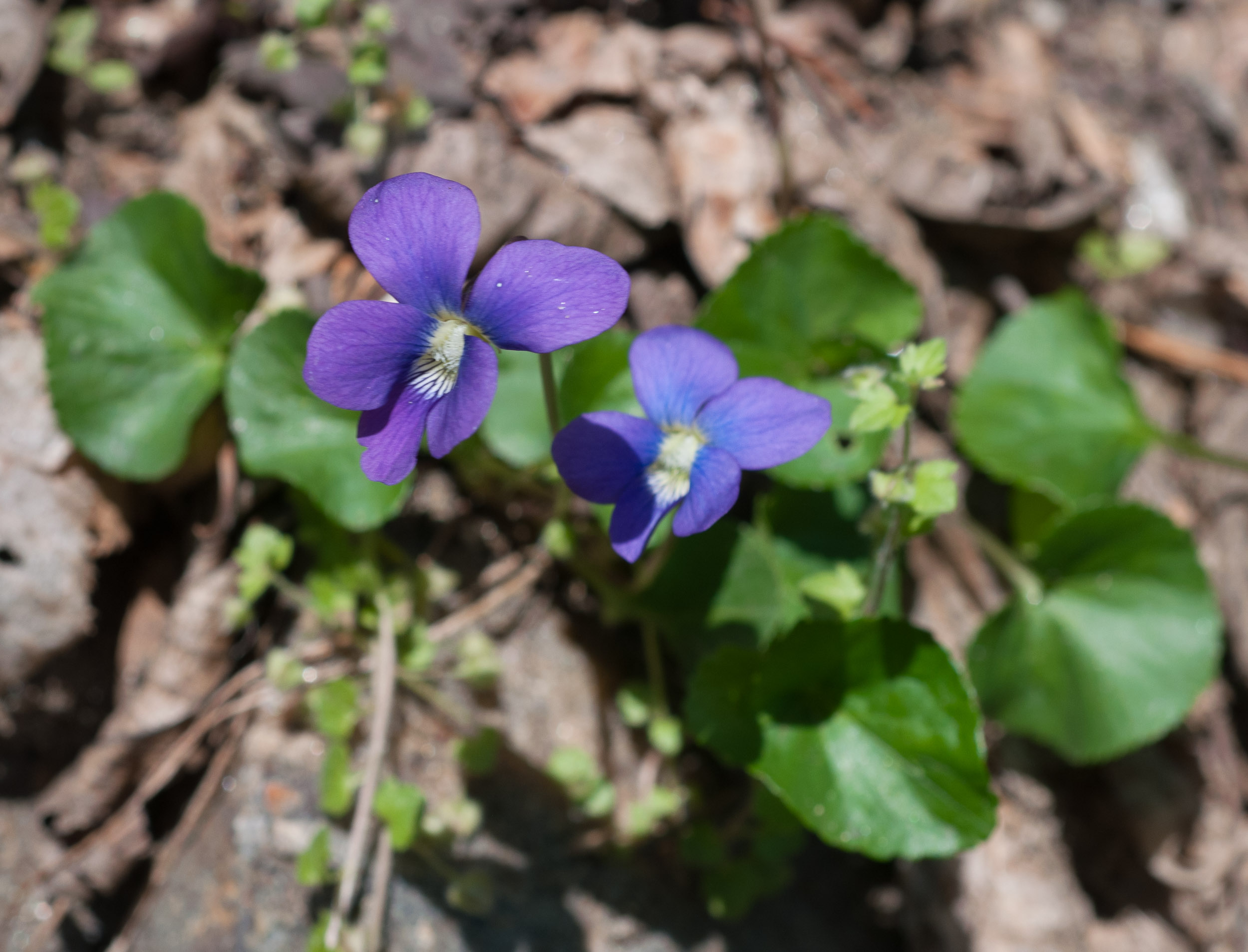
4/8/2012 · North Central Railroad Trail, Monkton Rd, Sparks, Maryland · ≈ 6 × 4″ (14 × 10 cm) 

5/16/2024 · Ridge Trail, Freeport, Maine 
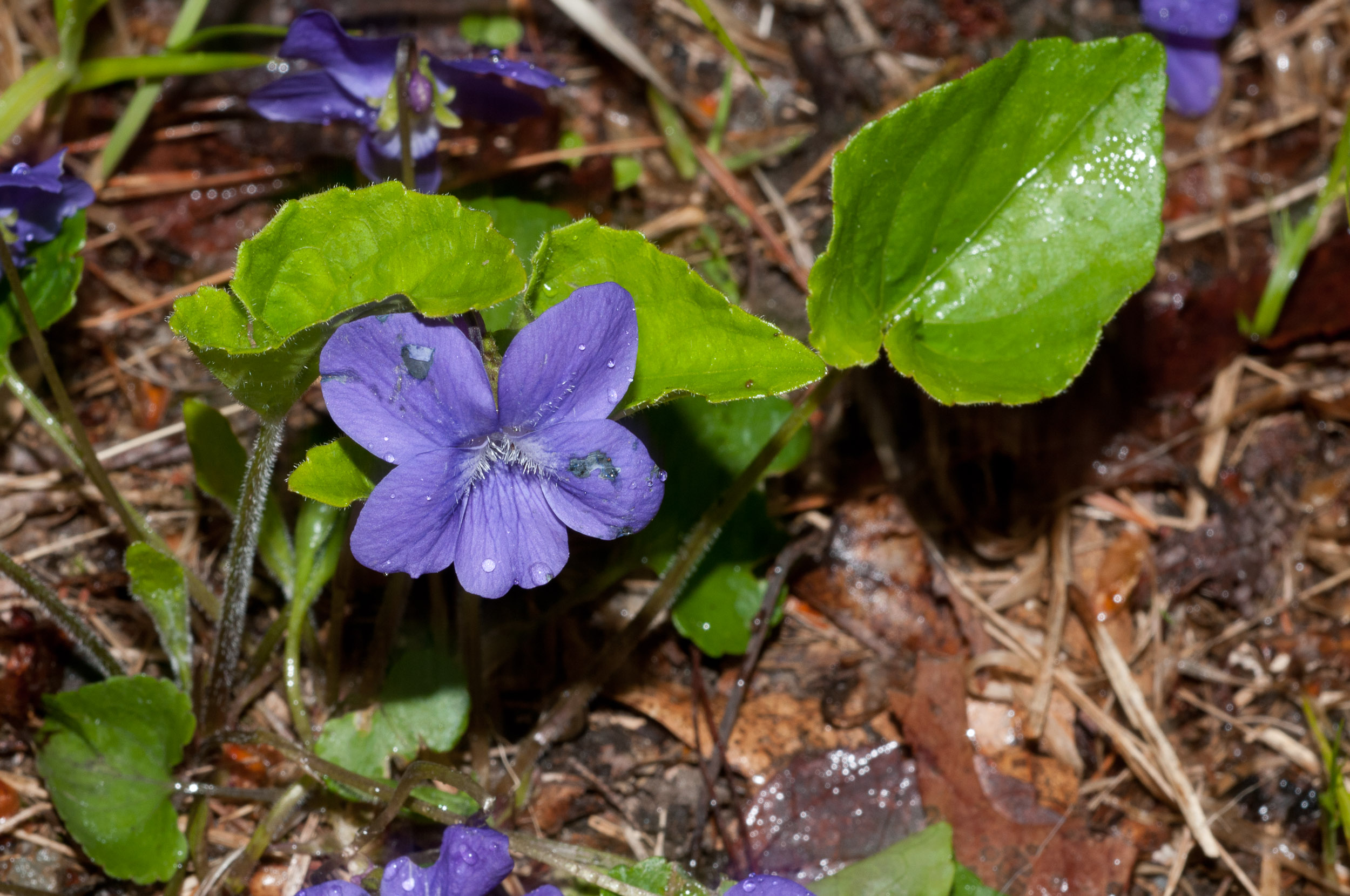
4/27/2010 · Nashua River Rail Trail, Pepperell, Massachusetts · ≈ 7 × 4½″ (17 × 11 cm) 
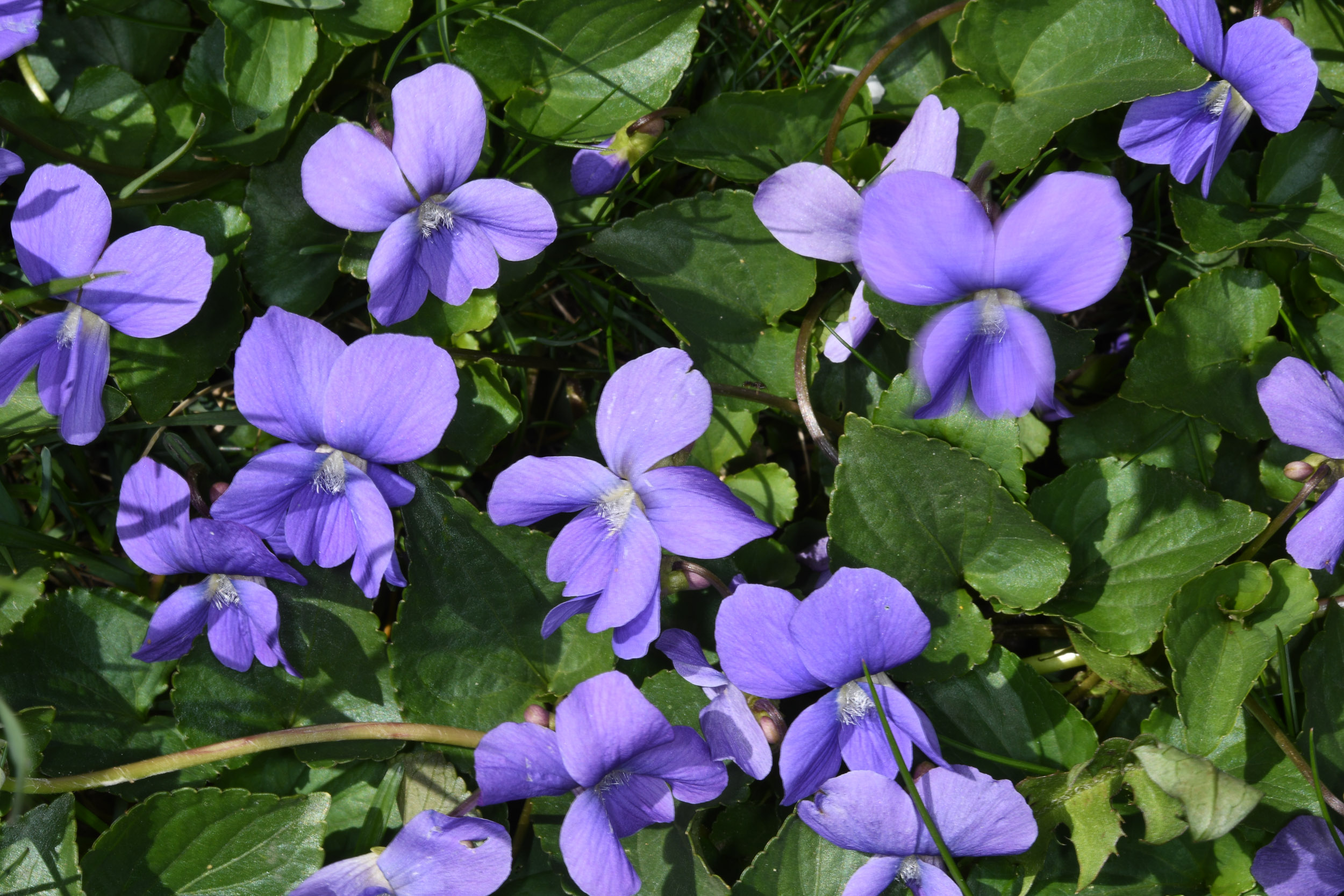
4/28/2016 · Old Long Loop, Beaver Brook Stat, Hollis, New Hampshire 
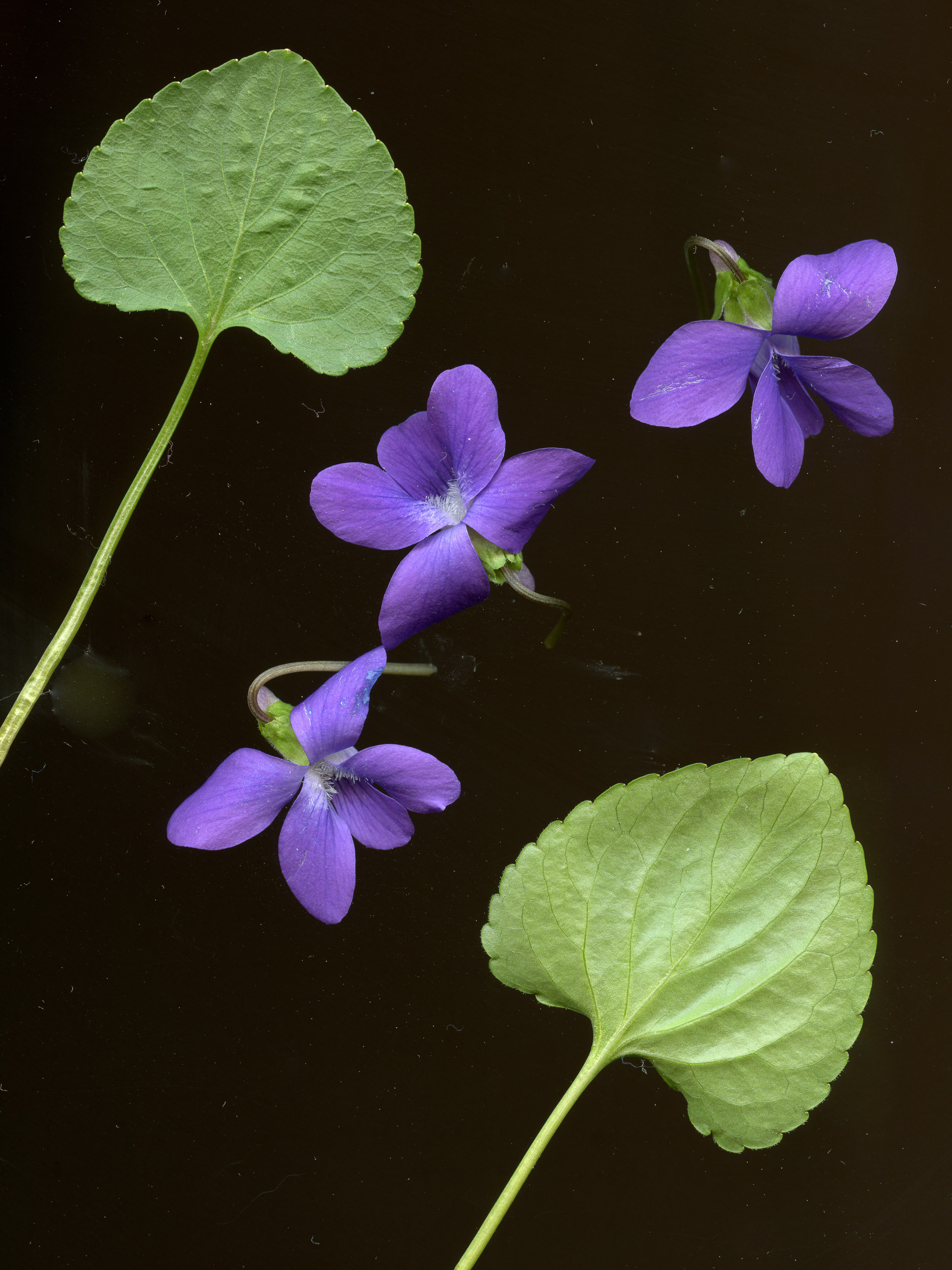
1/5/2026 · Tom and Susan’s, Pepperell, Massachusetts 
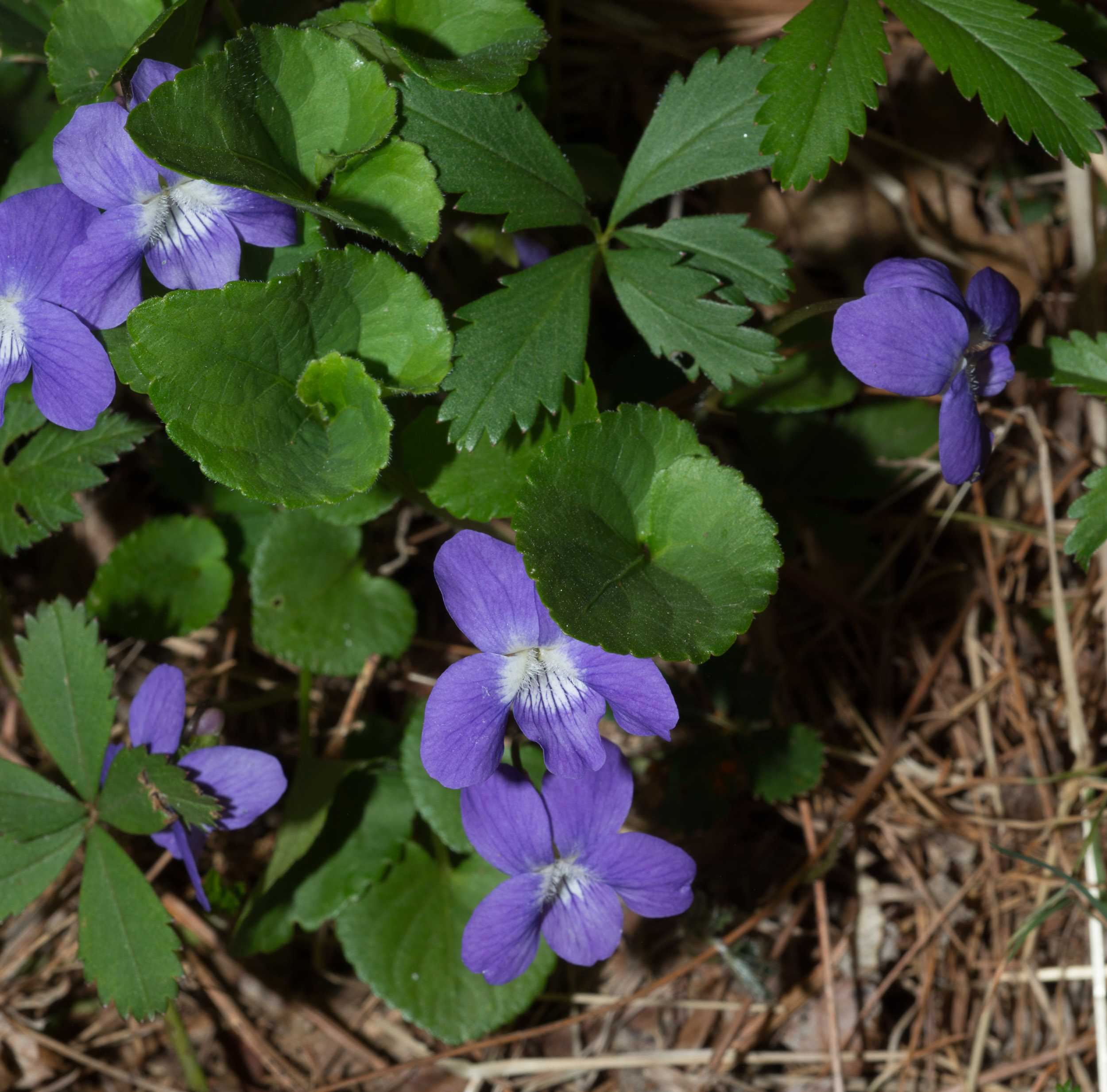
5/7/2013 · J. Harry Rich Dirt Road, Groton, Massachusetts · ≈ 6 × 5″ (14 × 13 cm) 
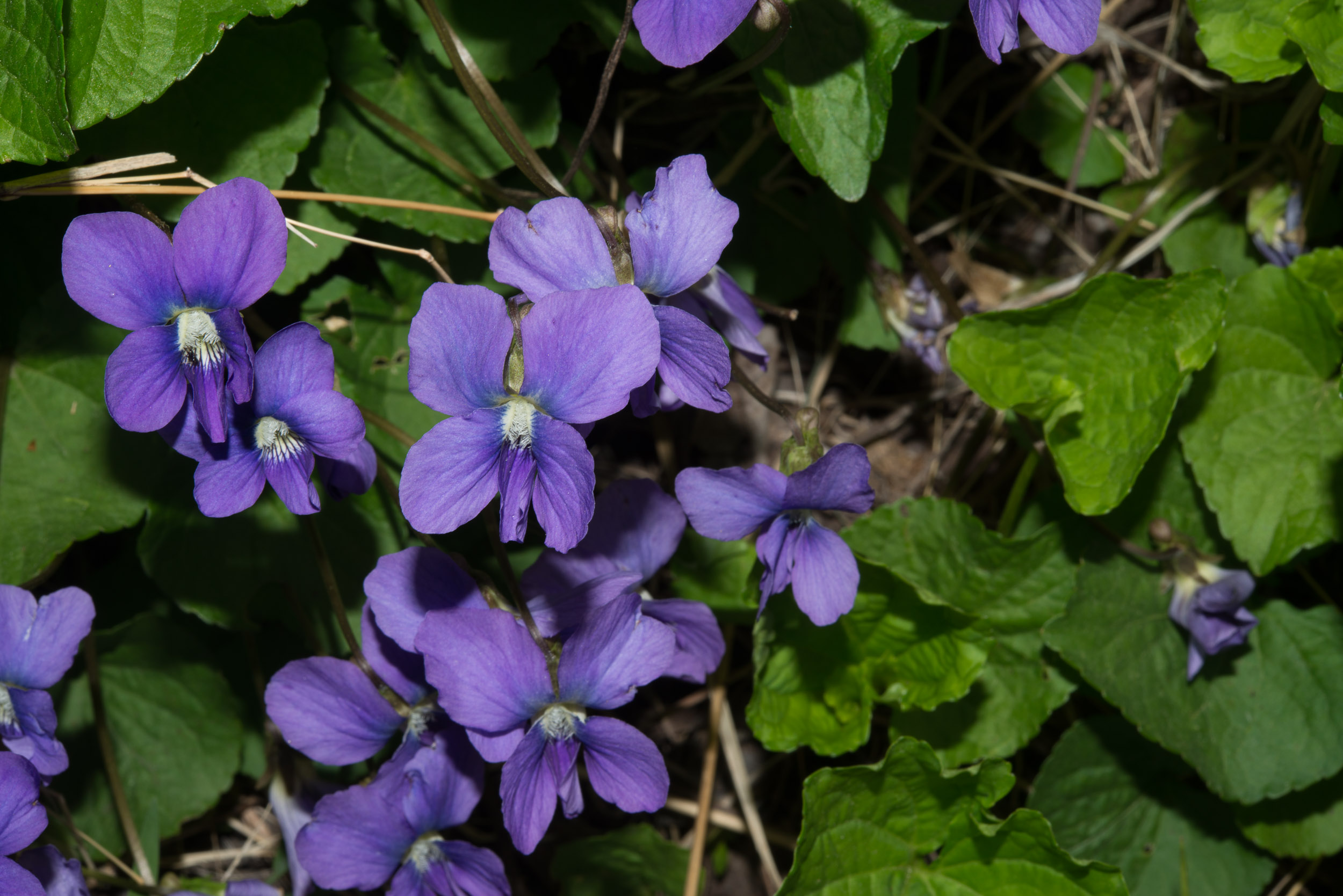
5/16/2014 · Acton Arboretum, Action, Massachusetts · ≈ 8 × 6″ (20 × 14 cm) 
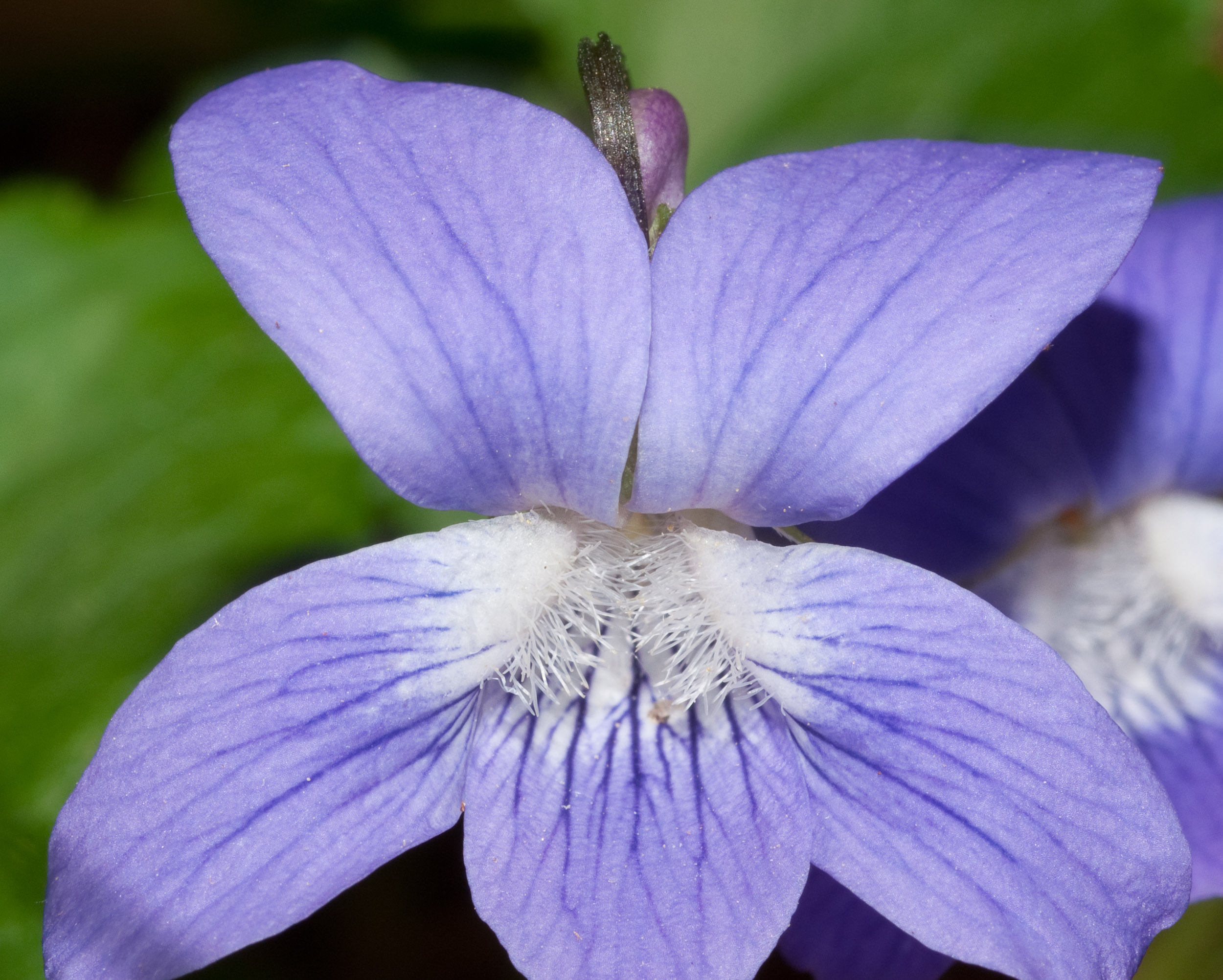
5/4/2010 · Nashua River Rail Trail, East Pepperell, Massachusetts · ≈ 2½ × 1¾″ (6.3 × 5 cm) 
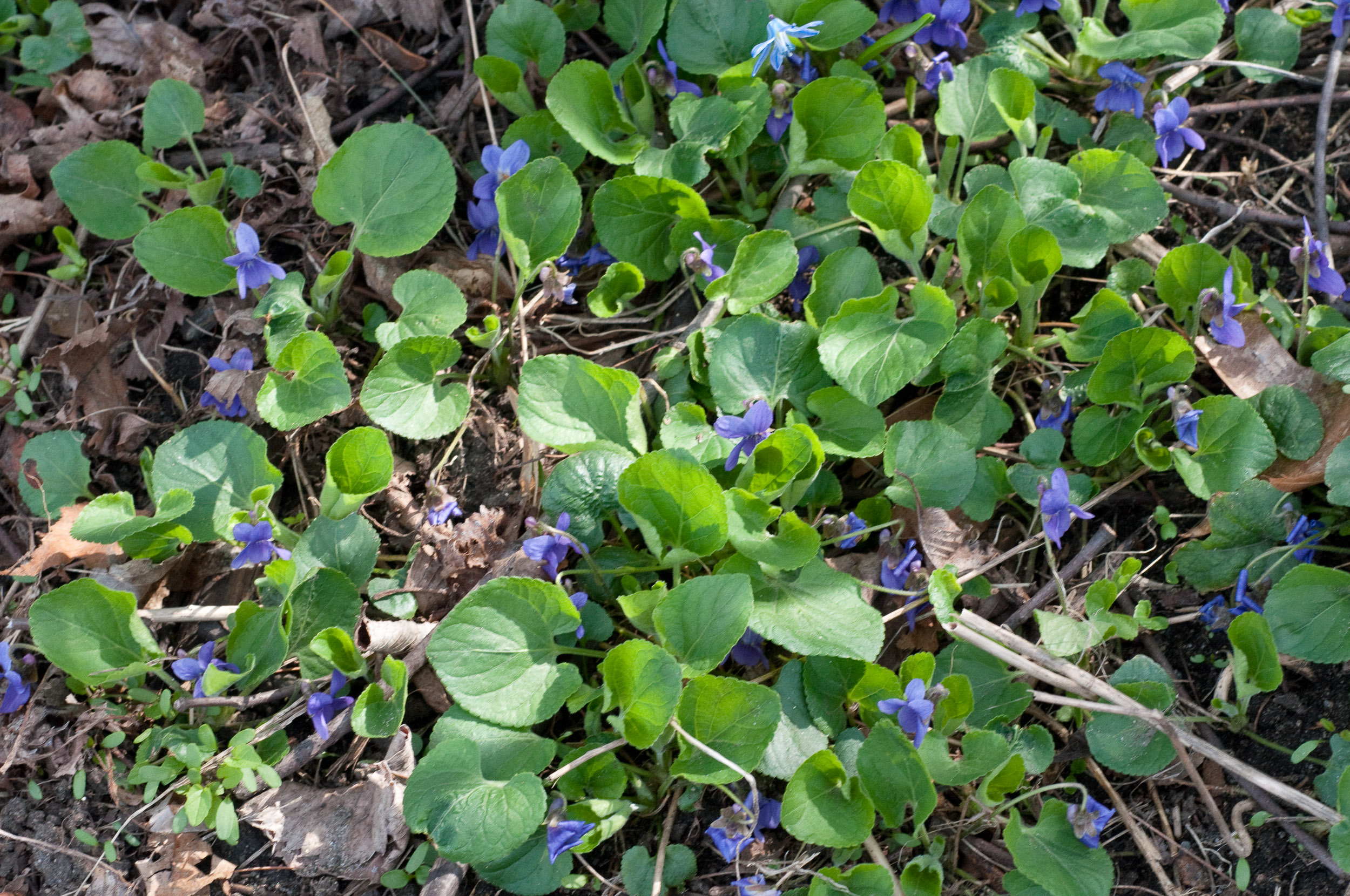
4/8/2010 · Nashua River Rail Trail, Ayer, Massachusetts · ≈ 15 × 10″ (39 × 26 cm) 
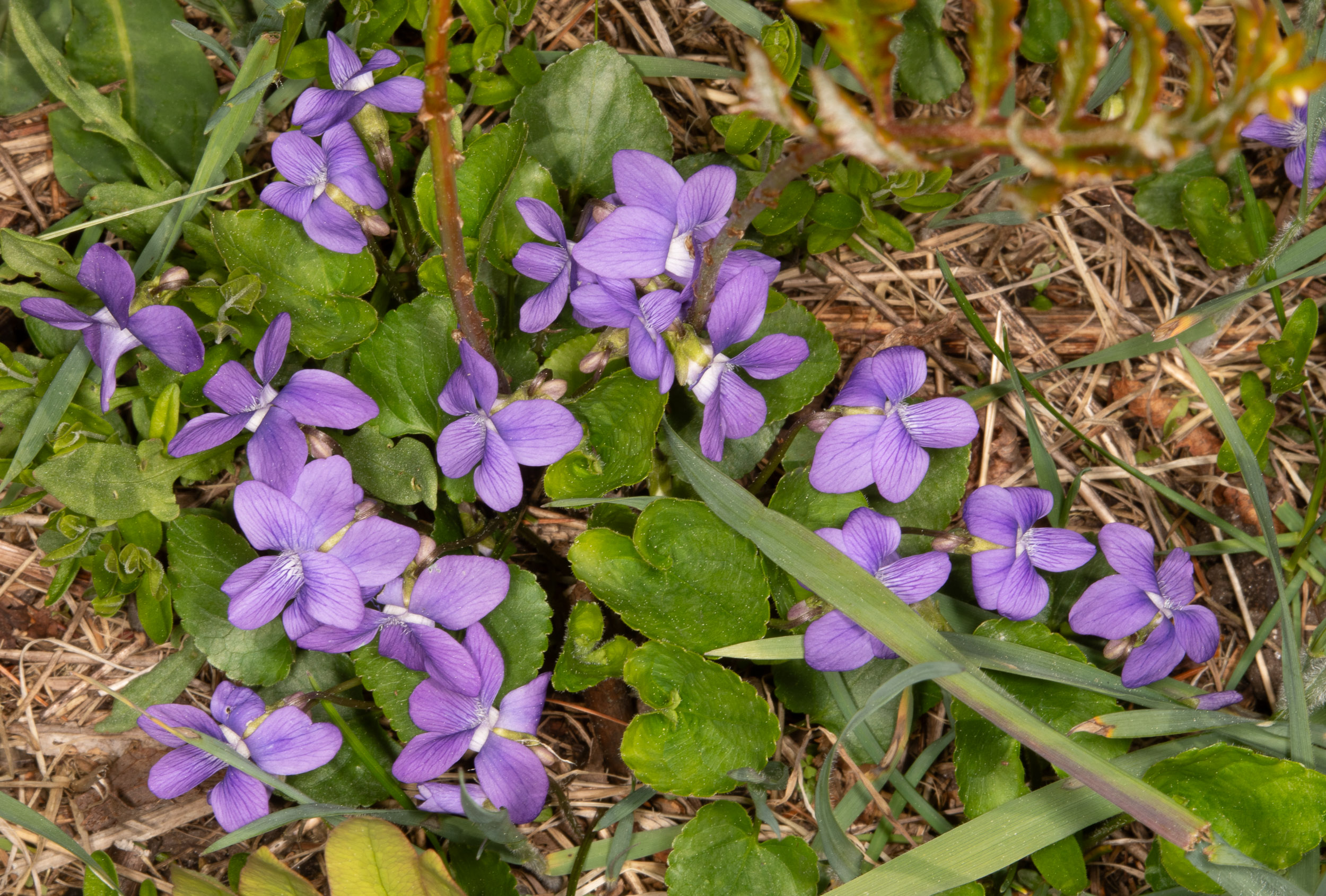
5/9/2021 · Mitchell Field, Harpswell, Maine · ≈ 8 × 6″ (21 × 14 cm) 
| Kingdom | Plantae | Plants, but not fungi, lichens, or algae (from Stearn's Botanical Latin) |
| Subkingdom | Tracheobionta | Vascular plants—plants with a “circulatory system” for delivering water and nutrients |
| Division | Magnoliophyta | Flowering plants, also known as angiosperms |
| Class | Magnoliopsida | Dicotyledons—plants with two initial seed leaves |
| Subclass | Rosidae | Roses, legumes, proteas, dogwoods, hydrangeas, mistletoes, euphorbias, grapes, many more |
| Order | Malpighiales | A broad group encompassing 16,000 species |
| Family | Violaceae | Violet-colored |
| Genus | Viola | Means sweet-scented flower |
| Species | sororia | Sisterly, very closely related |
Viola sororia description by Thomas H. Kent, not updated.

© FloraFinder.org. All rights reserved.