Aralia hispida Vent.
Bristly sarsaparilla
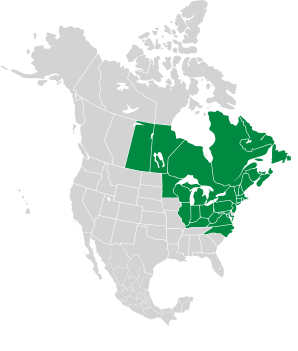
Bristly sarsaparilla is native to eastern North America. The species name, hispida, means “rough,” referring to the bristles on the lower stems. Bristly sarsaparilla grows in rocky or sandy soils that are low in nutrients.
Plants: This unpleasant-smelling perennial is 6–30″ (15–76 cm) in height, upright, except when it is bowed under the weight of its copious berries. The lower stems have weak bristles.
Leaves: Leaves are twice pinnately divided. (Pinnate means “with many opposing pairs of leaves,” like the veins of a feather. Bipinnate means “pairs of smaller pairs.” Twice pinnately divided means “a pair of pinnate branches.” You can see this clearly in Photo 18.) Leaves are clustered on the lower portions of the plants. They are serrated (toothed), oblong to elliptic, and up to 3″ (8.3 cm) long.
Flowers: The flowers form umbels, clusters that are almost perfectly round. Each individual flower is on a tiny ½″ (1.3 cm) pedicel that emerges from a central point, forming delicate spheres of cream-colored or greenish flowers perched atop long stems. Each flower is about ¼″ (6.3 mm) in size, with five petals. The effect is like a firework of white stars. They appear from June through September.
Fruits: Smooth, dark purple to black, round but slightly flattened, about ⅛″ (4.8 mm) around, and berry-like.
Habitats: Forest openings, tops of cliffs, sand dunes, or in recently burned areas.
Wild sarsaparilla is sometimes confused with “real” sarsaparilla, even though the plants bear no resemblance to each other and do not overlap in range. Here are some other possible sources of confusion:
| Wild sarsaparilla (Aralia nudicaulis) | Short plants often found in North American forests, with bare stems topped with leaves in a flat plane, and flowers nestled underneath the leaves. |
| Bristly sarsaparilla (Aralia hispida) | A close relative, but larger and with stems that are covered with bristly hairs; stems of A. nudicaulis are smooth. |
| Sarsaparilla (Smilax officinalis and other species) | A vine native to Jamaica, reaching up to 50′ (15 m) in length, with long underground roots that have been used in some soft drinks and for various ailments. |
| Poison ivy (Toxicodendron radicans) | An unrelated but highly toxic  plant that is vaguely similar in appearance
to wild sarsaparilla and has leaves in groups of three. plant that is vaguely similar in appearance
to wild sarsaparilla and has leaves in groups of three. |
| Australian sarsaparilla tree (Alphitonia petriei) | A fast-growing evergreen tree with bark and leaves that smell like liniment when rubbed. |
Edibility: Not edible. The berries will make you sick.
Online References:
References:
Clemants, Steven; Gracie, Carol, Wildflowers in the Field and Forest, Oxford University Press, 2006, p. 316

1 · 8/16/2014 · White Mountains, New Hampshire · ≈ 10 × 7″ (25 × 16 cm) 

2 · 6/27/2024 · Flying Point, Georgetown, Maine · ≈ 10 × 8″ (25 × 20 cm) 

3 · 8/10/2013 · Stone Arch Bridge Trail, Near Flat Rock Hill, Dunstable, Massachusetts · ≈ 8 × 6″ (20 × 14 cm) 

4 · 8/17/2020 · Otter Brrok Preserve, Harpswell Heritage Land Trust, Harpswell, Maine · ≈ 9 × 6″ (23 × 16 cm) 

5 · 8/17/2020 · Otter Brrok Preserve, Harpswell Heritage Land Trust, Harpswell, Maine · ≈ 6 × 4½″ (16 × 12 cm) 

6 · 7/5/2021 · Curtis Farm Preserve, Harpswell, Maine · ≈ 3½ × 3″ (8.8 × 7.8 cm) 

7 · 9/8/2017 · Bates Land and Blackman Land, Groton Conservation Trust, Groton, Massachusetts · ≈ 3½ × 2½″ (8.8 × 7.2 cm) 
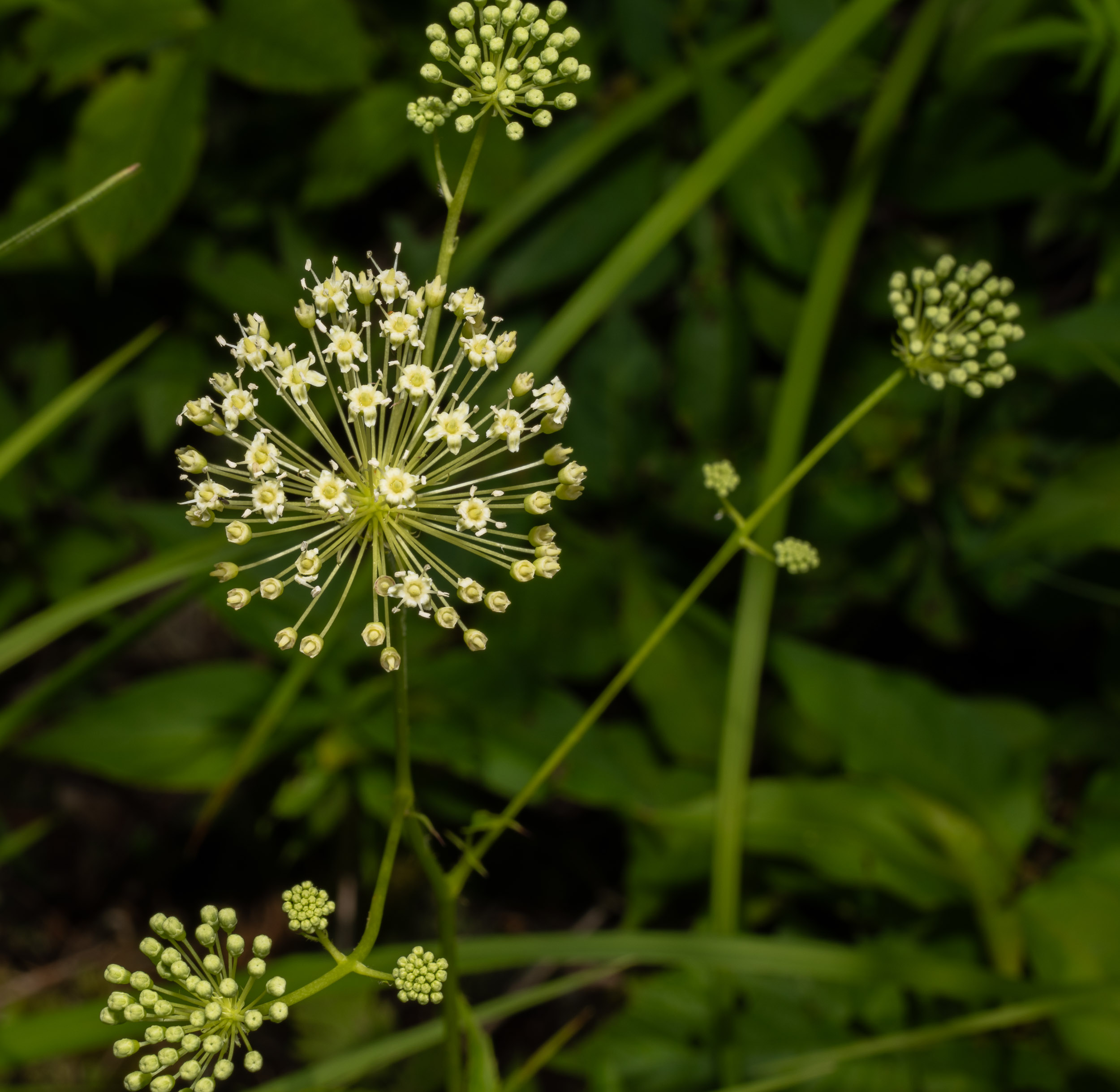
8 · 6/30/2025 · Buck's Ledge Community Forest, Bethel, Maine · ≈ 5 × 5″ (13 × 12 cm) 

9 · 6/22/2021 · Tarbox Preserve, Topsham, Maine · ≈ 4½ × 3″ (11 × 7.5 cm) 
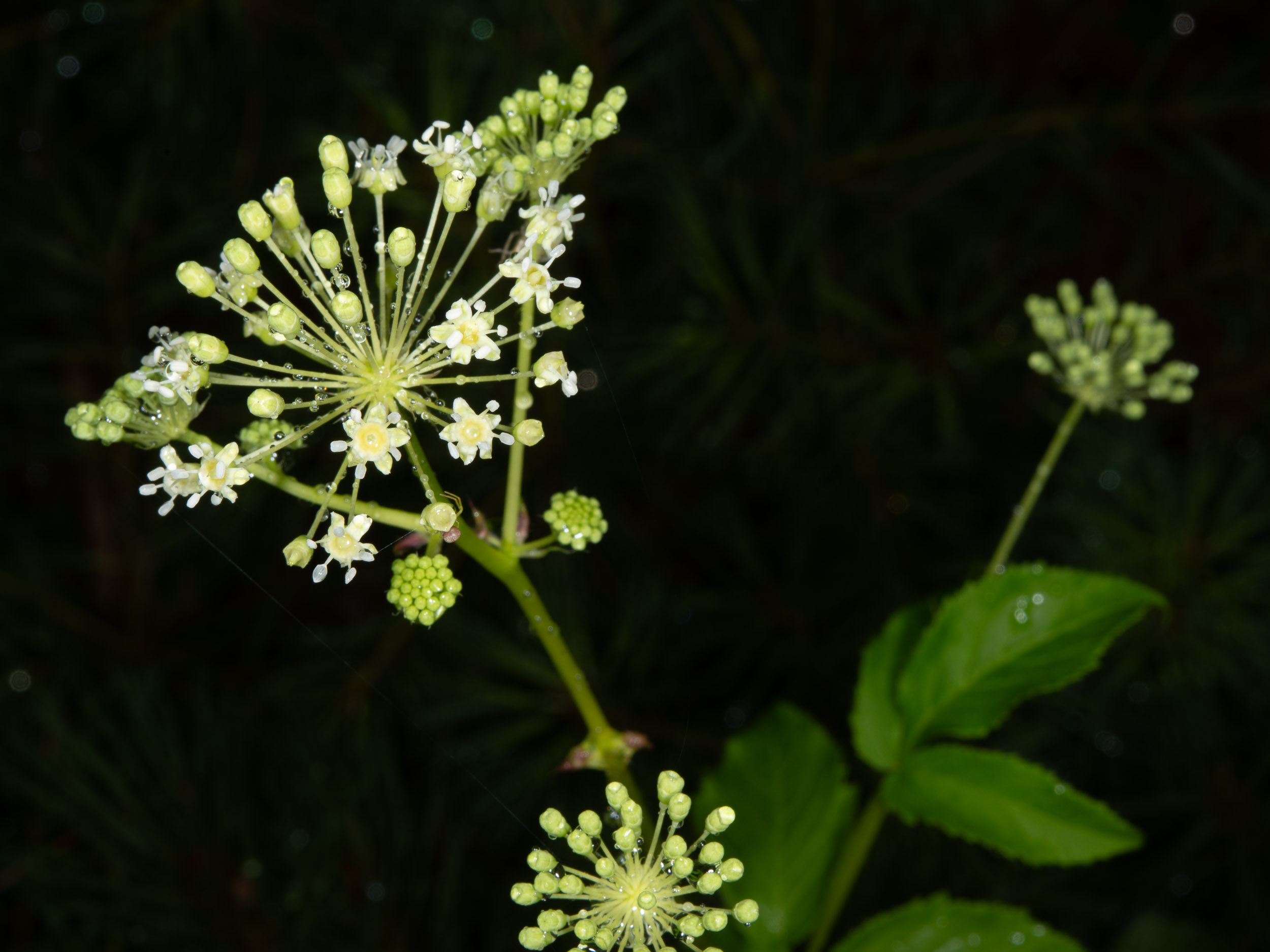
10 · 6/26/2014 · J. Harry Rich State Forest, Groton, Massachusetts · ≈ 6 × 4″ (14 × 10 cm) 

11 · 6/22/2021 · Tarbox Preserve, Topsham, Maine · ≈ 4½ × 3″ (11 × 7.9 cm) 
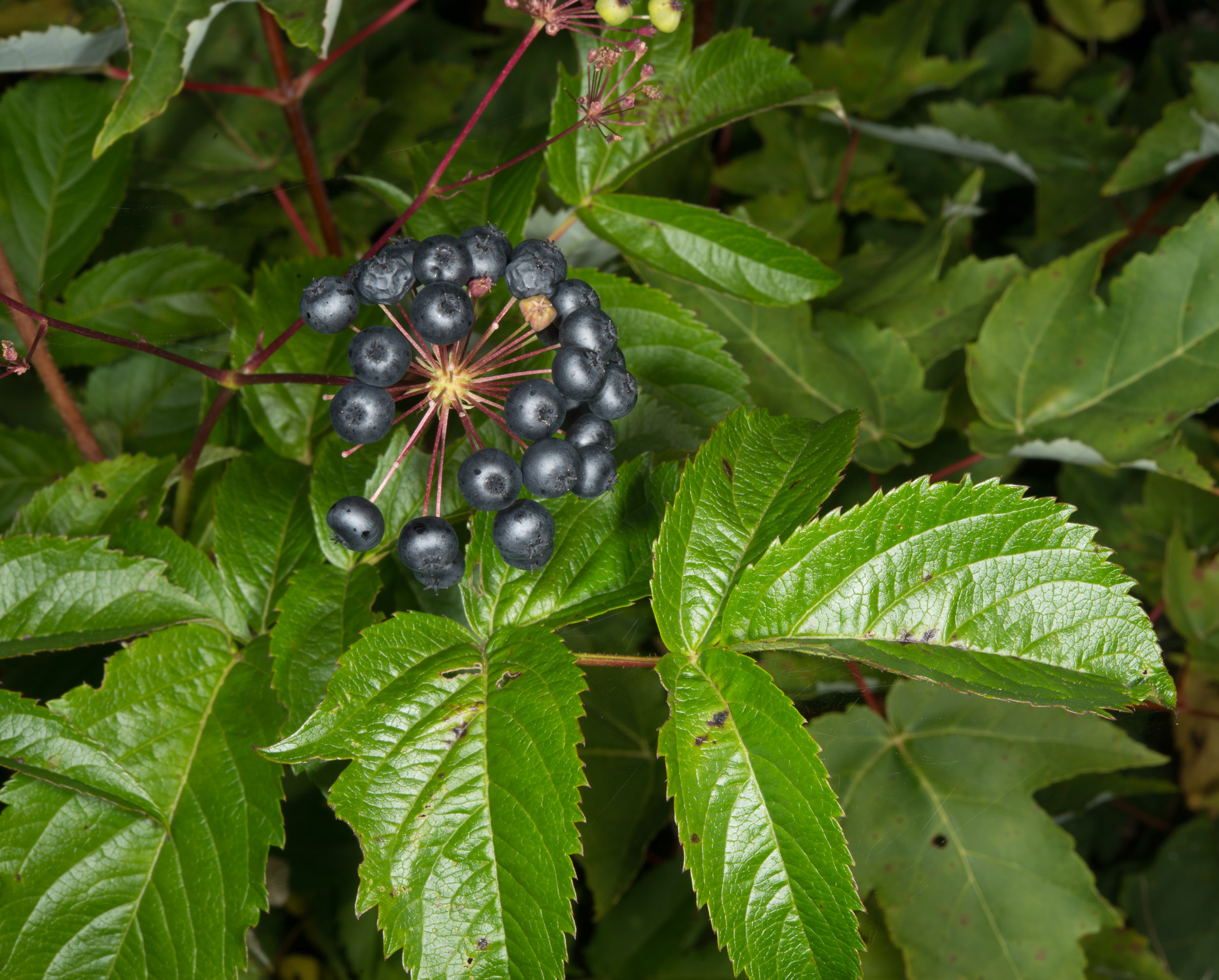
12 · 8/16/2014 · White Mountains, New Hampshire · ≈ 8 × 6″ (19 × 16 cm) 

13 · 7/5/2021 · Curtis Farm Preserve, Harpswell, Maine · ≈ 4 × 3″ (11 × 8.2 cm) 

14 · 6/26/2014 · J. Harry Rich State Forest, Groton, Massachusetts · ≈ 4 × 6″ (10 × 15 cm) 

15 · 7/5/2021 · Curtis Farm Preserve, Harpswell, Maine · ≈ 7 × 4½″ (16 × 11 cm) 
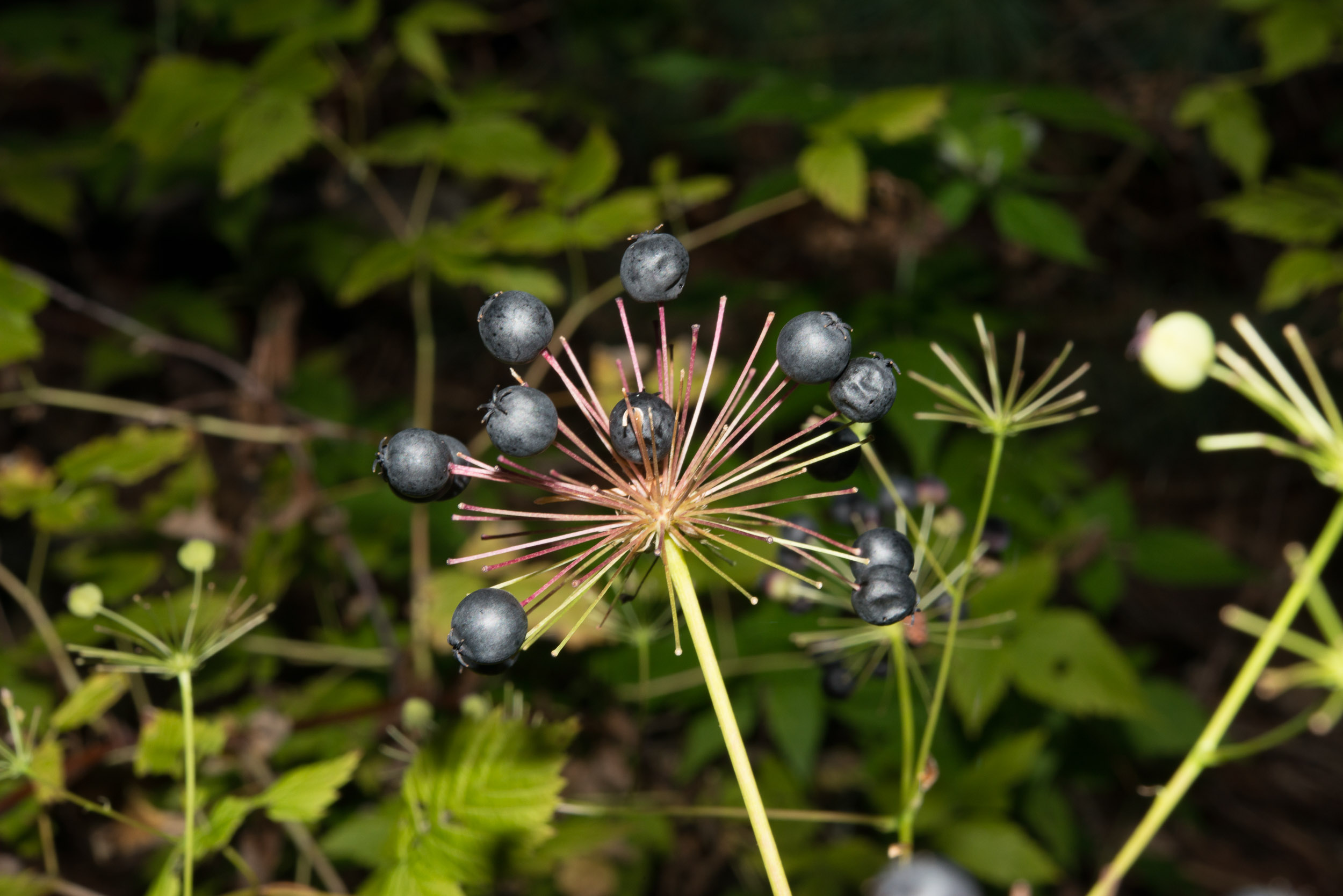
16 · 8/10/2013 · Stone Arch Bridge Trail, Near Flat Rock Hill, Dunstable, Massachusetts · ≈ 8 × 5″ (19 × 12 cm) 

17 · 8/10/2013 · Stone Arch Bridge Trail, Near Flat Rock Hill, Dunstable, Massachusetts · ≈ 10 × 7″ (25 × 16 cm) 
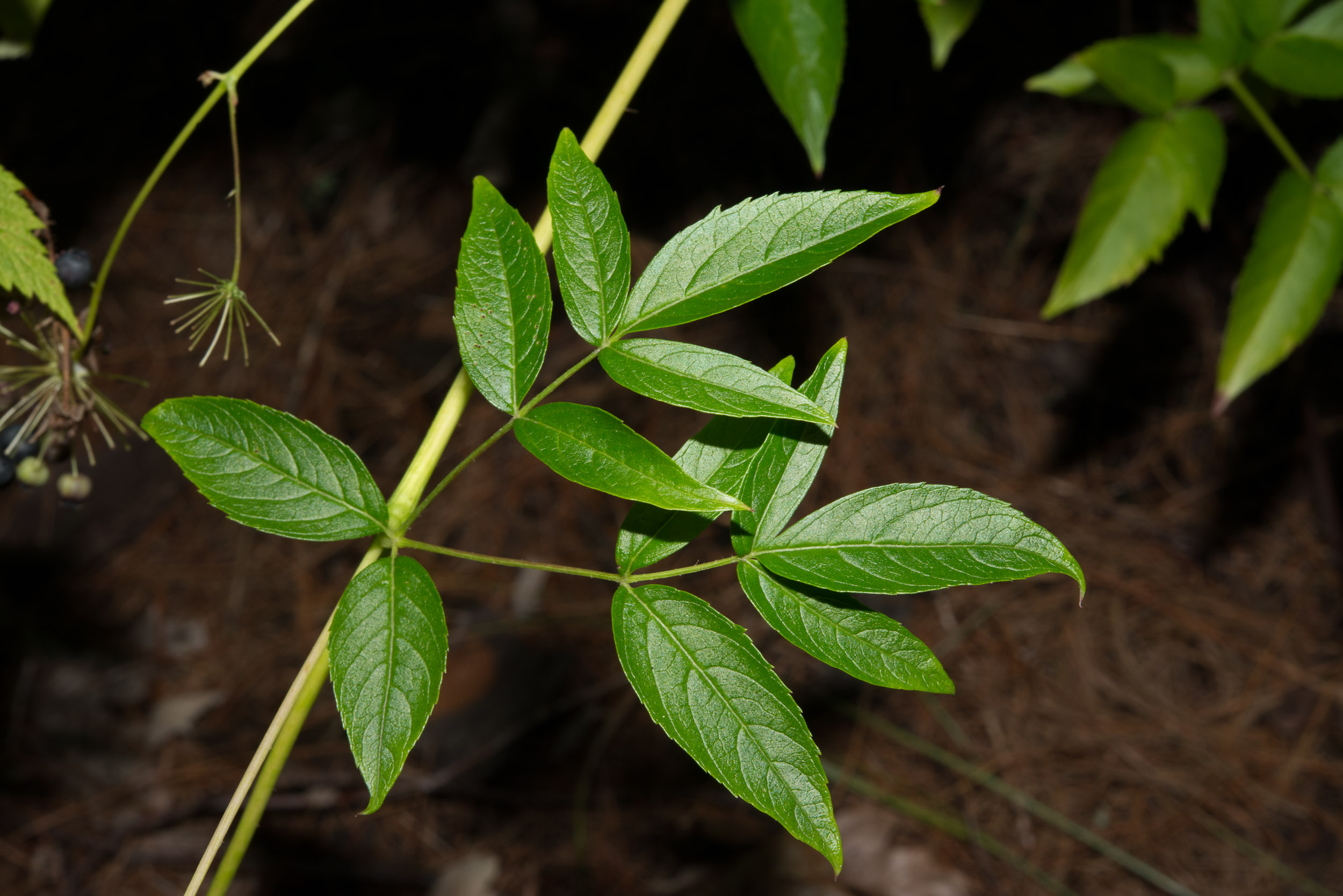
18 · 8/10/2013 · Stone Arch Bridge Trail, Near Flat Rock Hill, Dunstable, Massachusetts · ≈ 8 × 5″ (19 × 13 cm) 

19 · 8/10/2013 · Stone Arch Bridge Trail, Near Flat Rock Hill, Dunstable, Massachusetts · ≈ 6 × 4½″ (14 × 11 cm) 

20 · 8/10/2013 · Stone Arch Bridge Trail, Near Flat Rock Hill, Dunstable, Massachusetts · ≈ 6 × 4½″ (16 × 12 cm) 
| Kingdom | Plantae | Plants, but not fungi, lichens, or algae (from Stearn's Botanical Latin) |
| Subkingdom | Tracheobionta | Vascular plants—plants with a “circulatory system” for delivering water and nutrients |
| Division | Magnoliophyta | Flowering plants, also known as angiosperms |
| Class | Magnoliopsida | Dicotyledons—plants with two initial seed leaves |
| Subclass | Asteridae | A large class that encompasses asters |
| Order | Apiales | Includes carrots, celery, parsley, and ivy |
| Family | Araliaceae | Ivy family |
| Genus | Aralia | Latinized version of French Canadian or American Indian name aralie |
| Species | hispida | “Fine-hairy, rough, shaggy, bristly” |
Aralia hispida description by Thomas H. Kent, not updated.

© FloraFinder.org. All rights reserved.