Setaria pumila (Poir.) Roem. & Schult.
Yellow foxtail, yellow bristlegrass, pigeon grass, cattail grass
A native of Europe and Asia, yellow foxtail is now naturalized and widespread in North America.
Plants: Yellow foxtail grows in clumps to heights of 3′ (1 m).
Leaves: Grass blades are flat or sometimes “keeled,” folded so they look like the cross-section of a boat, and 4–12 ⨉ ⅛–½″ (10–30 cm ⨉ 5–12 mm). Just above the point where the grass blade attaches to the stem, there are a lot of small hairs, called the ligule, on the inside of the blade. (In other related grasses, the ligule looks quite different.)
Flowers: The flowerhead is ¾–6″ long ⨉ ⅜″ in diameter (2–15 ⨉ 1 cm), and erect rather than nodding. It blooms from June through December.
Fruits: The flowerhead is made up of spikelets, small seed pods, with bristles that appear yellow at maturity.
Habitats: Roadsides, ditch banks, fields, pastures, cropland, orchards, vineyards, gardens, turf, disturbed sites.
 |
Some foxtails. |
Online References:
References:
Uva, Richard H.; Neal, Joseph C.; DiTomaso, Joseph M., Weeds of the Northeast, Comstock Publishing Associates, 1997, p. 82 (good comparison between giant, yellow, and green foxtail)

9/25/2010 · Nashua River Rail Trail, Groton Center, Groton, Massachusetts · ≈ 5 × 3½″ (13 × 9.2 cm)  ID is uncertain

8/8/2024 · Pownalborough Courthouse Trails, Dresden, Maine 

10/15/2008 · Back Yard, Pepperell, Massachusetts · ≈ 7 × 8″ (18 × 19 cm) ID is uncertain 

8/8/2024 · Pownalborough Courthouse Trails, Dresden, Maine 

8/25/2009 · Nashua River Rail Trail, East Pepperell, Massachusetts · ≈ 4 × 4½″ (10 × 12 cm) ID is uncertain 

9/25/2010 · Nashua River Rail Trail, Groton Center, Groton, Massachusetts · ≈ 4½ × 3″ (11 × 7.9 cm) ID is uncertain 
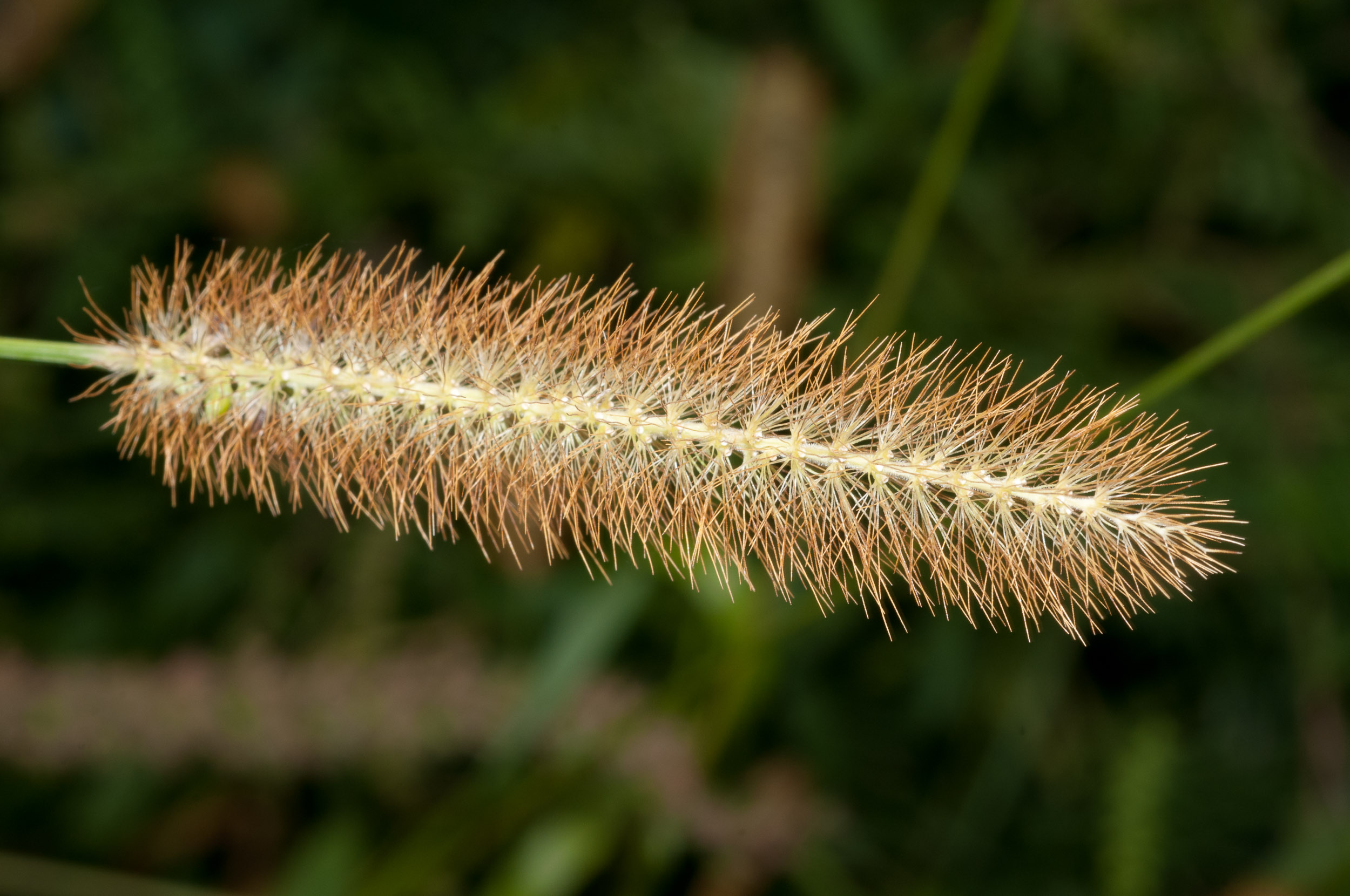
9/18/2010 · Nashua River Rail Trail, Groton Center, Groton, Massachusetts · ≈ 4½ × 3″ (11 × 7.9 cm) ID is uncertain 

8/25/2009 · Nashua River Rail Trail, East Pepperell, Massachusetts · ≈ 6 × 8″ (15 × 21 cm) ID is uncertain 

8/8/2024 · Pownalborough Courthouse Trails, Dresden, Maine 
| Kingdom | Plantae | Plants, but not fungi, lichens, or algae (from Stearn's Botanical Latin) |
| Subkingdom | Tracheobionta | Vascular plants—plants with a “circulatory system” for delivering water and nutrients |
| Division | Magnoliophyta | Flowering plants, also known as angiosperms |
| Class | Liliopsida | Monocots (plants with a single seed leaf); includes the lily family |
| Subclass | Commelinidae | Dayflowers and spiderworts, and several others |
| Order | Cyperales | Flowering plants including grasses |
| Family | Poaceae | Grasses (but not sedges or rushes) |
| Genus | Setaria | From Latin saeta, “a bristle or hair,” for the bristly spikelets |
| Species | pumila | “Dwarf” |
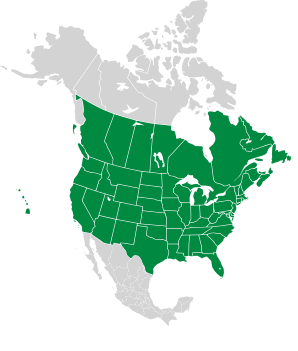
Setaria pumila description by Thomas H. Kent, not updated.

© FloraFinder.org. All rights reserved.